
HOKURIKU
ISHIKAWA, TOYAMA & FUKUI
MAY 2027
Duration
Group Size
11 nights / 12 days
May 2027
Dates TBC
Max 6 guests
Min 2 guests
Starting Point
Ending Point
Kanazawa
Ishikawa Prefecture
Kanazawa
Ishikawa Prefecture
Train Access
Tokyo: ~3 hours
Kyoto/Osaka: ~2 hours
Price
Estimated
AUD $8,000 - $11,000
Final price TBC
Shikoku is one of Japan's most overlooked regions, despite being its fourth-largest island. It has ancient pilgrimage routes, obsessive regional food cultures, dramatic Pacific coastlines, and craft traditions that have been running for centuries without much outside interruption. We're going to eat our way through it.
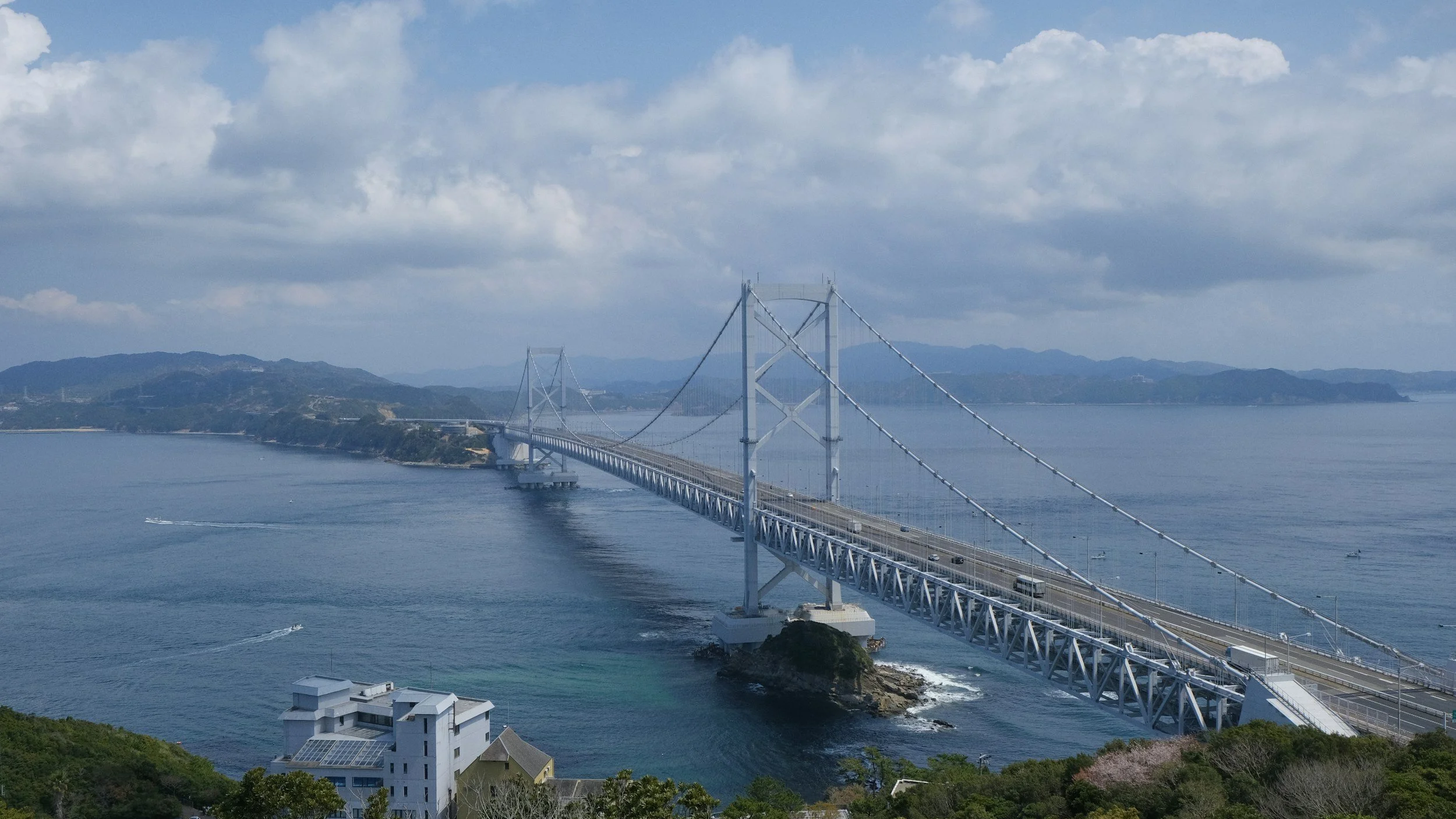
The trip crosses from Awaji Island into Tokushima, where we dye fabric in indigo vats, visit a soy sauce maker, and work our way south through fishing towns, sea turtle beaches, and cape shrines on one of Shikoku's wildest stretches of coastline. We stop at Kamikatsu, a mountain town that pioneered one of the world's most ambitious zero-waste systems, before heading to the wild cape at Muroto and then into Kochi city in time for Tosa no Okyaku, a city-wide March festival built around communal feasting and sake. The trip winds down in the Iya Valley, one of the most remote corners of Japan, rich with nature, onsen, and some of the best soba in the country, before we loop back to Akashi to say our farewells.
The tour will be led by Michael, who’s been taking people to discover Japanese food since 2007.
TRIP HIGHLIGHTS
TOSA NO OKYAKU
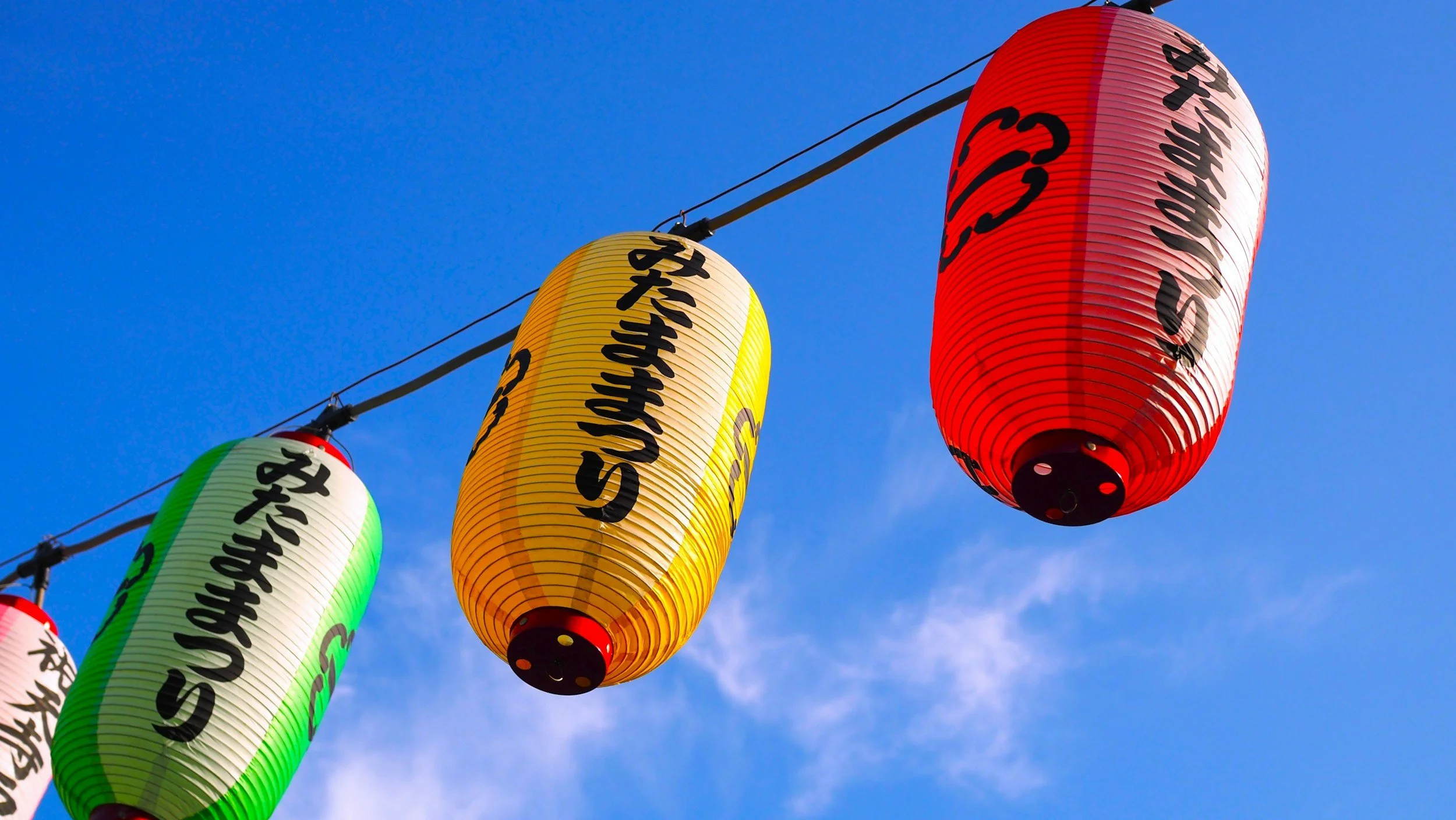
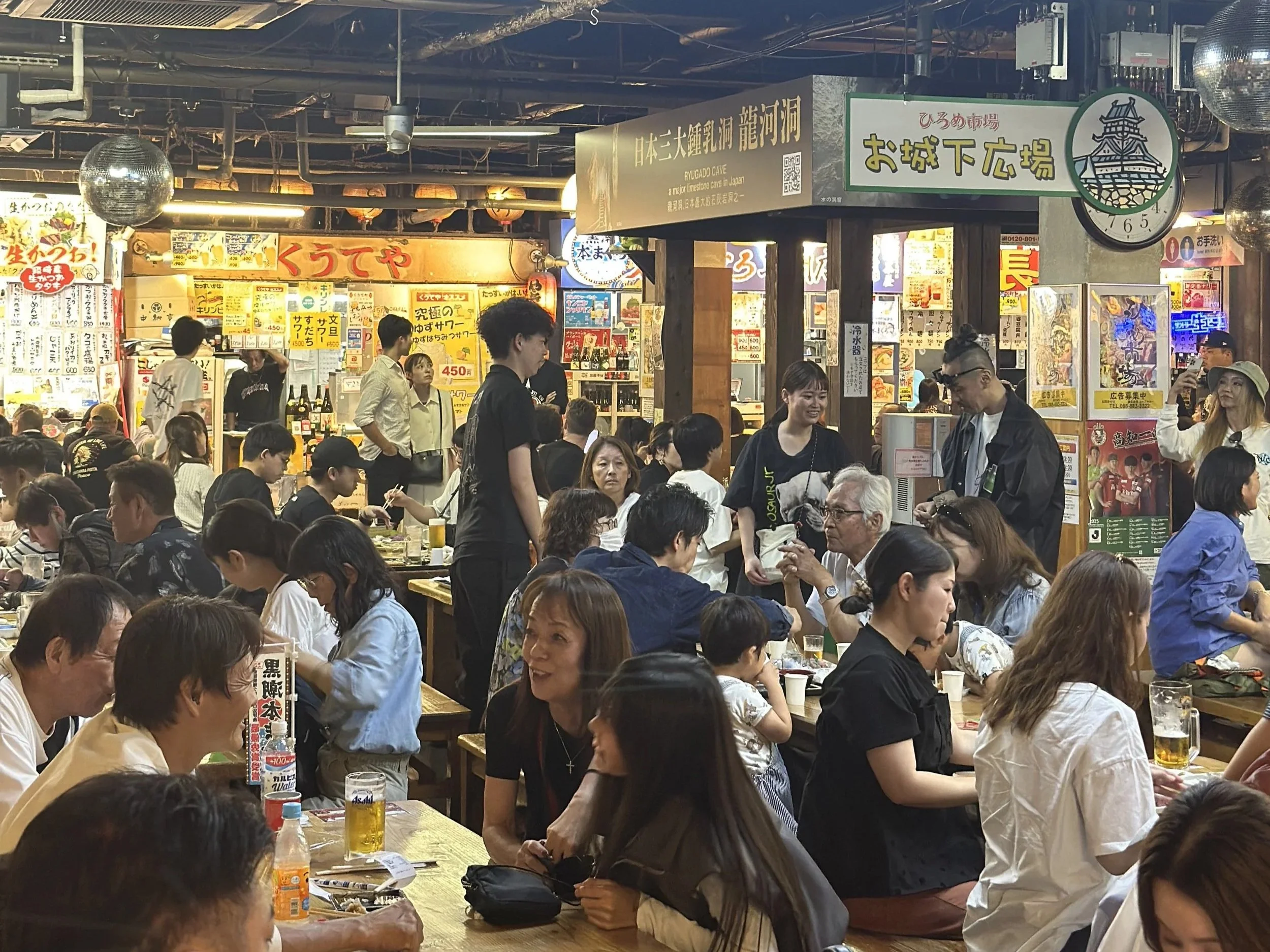
Every March, Kochi transforms its streets into one giant, city-wide feast. Tosa no Okyaku is rooted in the local tradition of obiyaki, elaborate seated banquets where the sake flows freely and the food keeps arriving in waves. There's music, dancing, and an atmosphere that makes it clear Kochi takes its eating and drinking more seriously than almost anywhere else in Japan. We've built the whole trip around it.
THE FOOD OF SHIKOKU
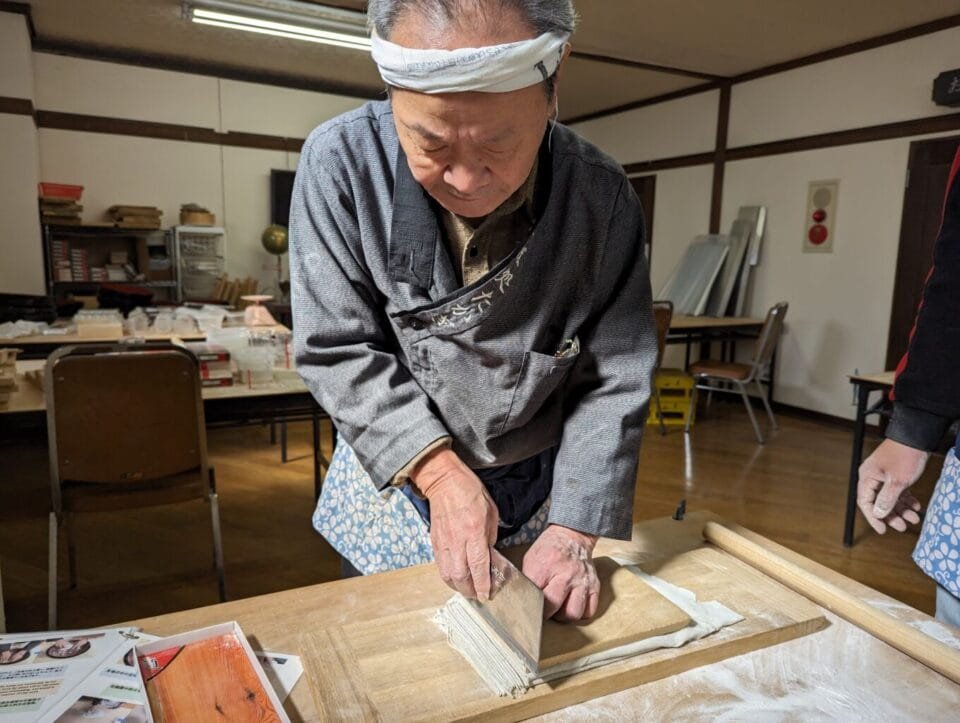
Shikoku's food culture runs deep and stays local. In Kochi, bonito is seared hard over a blazing straw fire and served with garlic, salt, and a sharp ponzu in a dish that’s wildly different from what you'd find in a city sushi restaurant. In Tokushima, sudachi, a small intensely aromatic citrus found almost nowhere else, gets squeezed over everything from soba to grilled fish to alcoholic drinks. The powerful tidal currents of the Naruto Strait produce fish with unusually firm, flavourful flesh, prized across Japan and best eaten as close to the water as possible. And in the Iya Valley, hand-made buckwheat soba has been a mountain staple for centuries, served cold with a dipping broth, which we’ll take you to grind and make by hand at our partner’s mountain kitchen.
WILD SHIKOKU
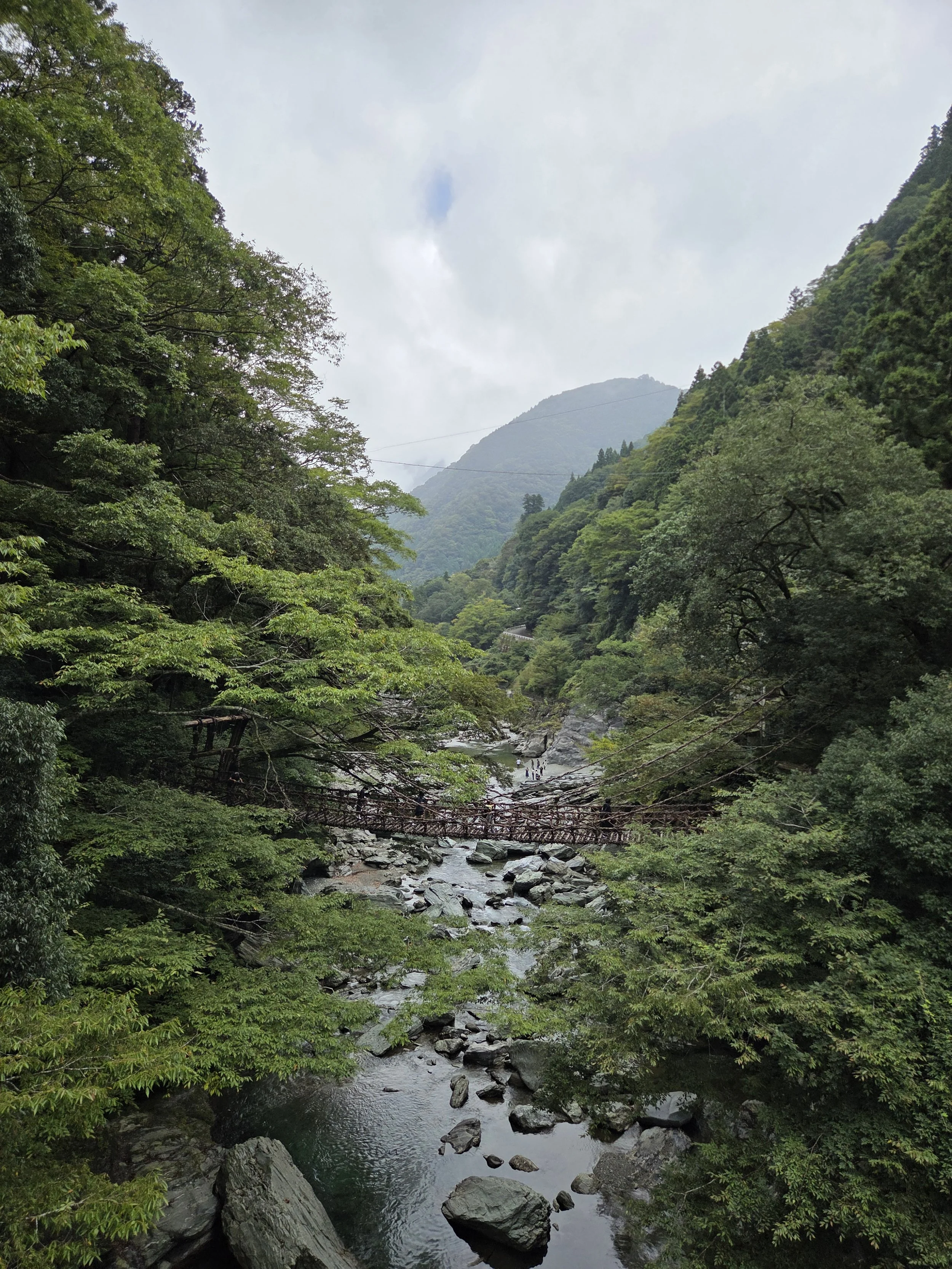
The Iya Valley cuts deep into the mountains of Tokushima, a landscape of forested gorges, river mist, and near-vertical hillsides that kept the outside world at bay for most of Japanese history. On the Pacific coast, Cape Muroto is a geological oddity where million-year-old rock has been slowly forced up from the ocean floor, leaving ancient sea caves sitting at the waterline and a shoreline that looks like it belongs on another planet. And out in the Naruto Strait, the tidal currents between Awaji Island and Shikoku collide to form the Naruto whirlpools, some of the largest in the world, which we’ll see up close from a boat in the middle of the water.
CRAFT AND CULTURE
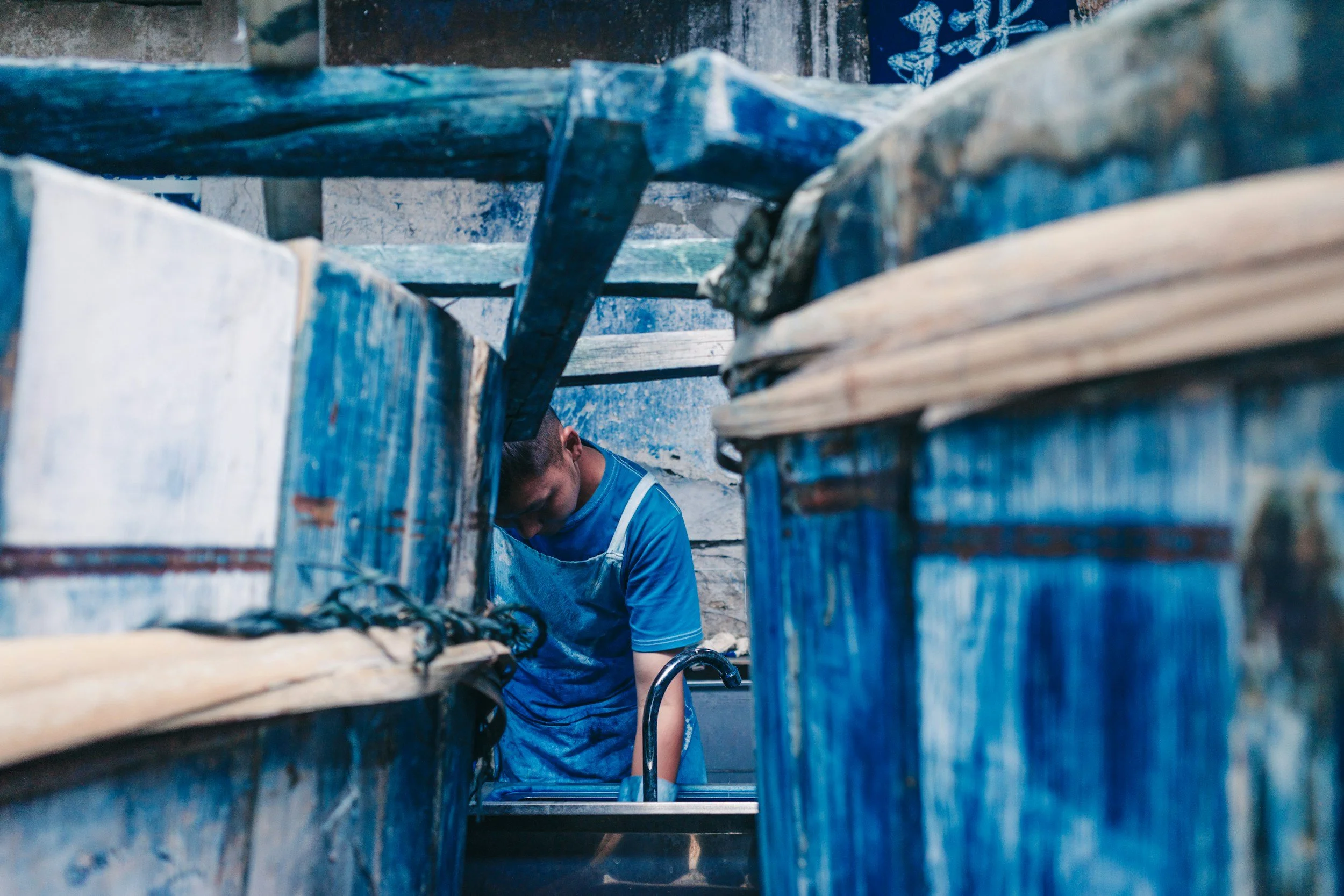
Tokushima was once the indigo capital of Japan, producing the deep blue awa ai dye that coloured kimono, samurai armour, and everyday work clothes across the country for centuries. We'll roll up our sleeves and dye our own fabric using the same techniques. On Awaji Island, we'll catch a performance by the island's ningyo joruri puppet theatre, an art form with 500 years of continuous history that went on to influence puppet traditions across all of Japan. In Tokushima's mountains, communities like Kamiyama and Kamikatsu have become unlikely models for rural revitalisation through craft, local agriculture, and, in Kamikatsu's case, a zero-waste system so thorough it became internationally famous. We'll also visit a traditional soy sauce producer on the northeast coast, where fermentation methods unchanged for generations produce something that makes you rethink the condiment entirely.
THE WEIRD AND WONDERFUL
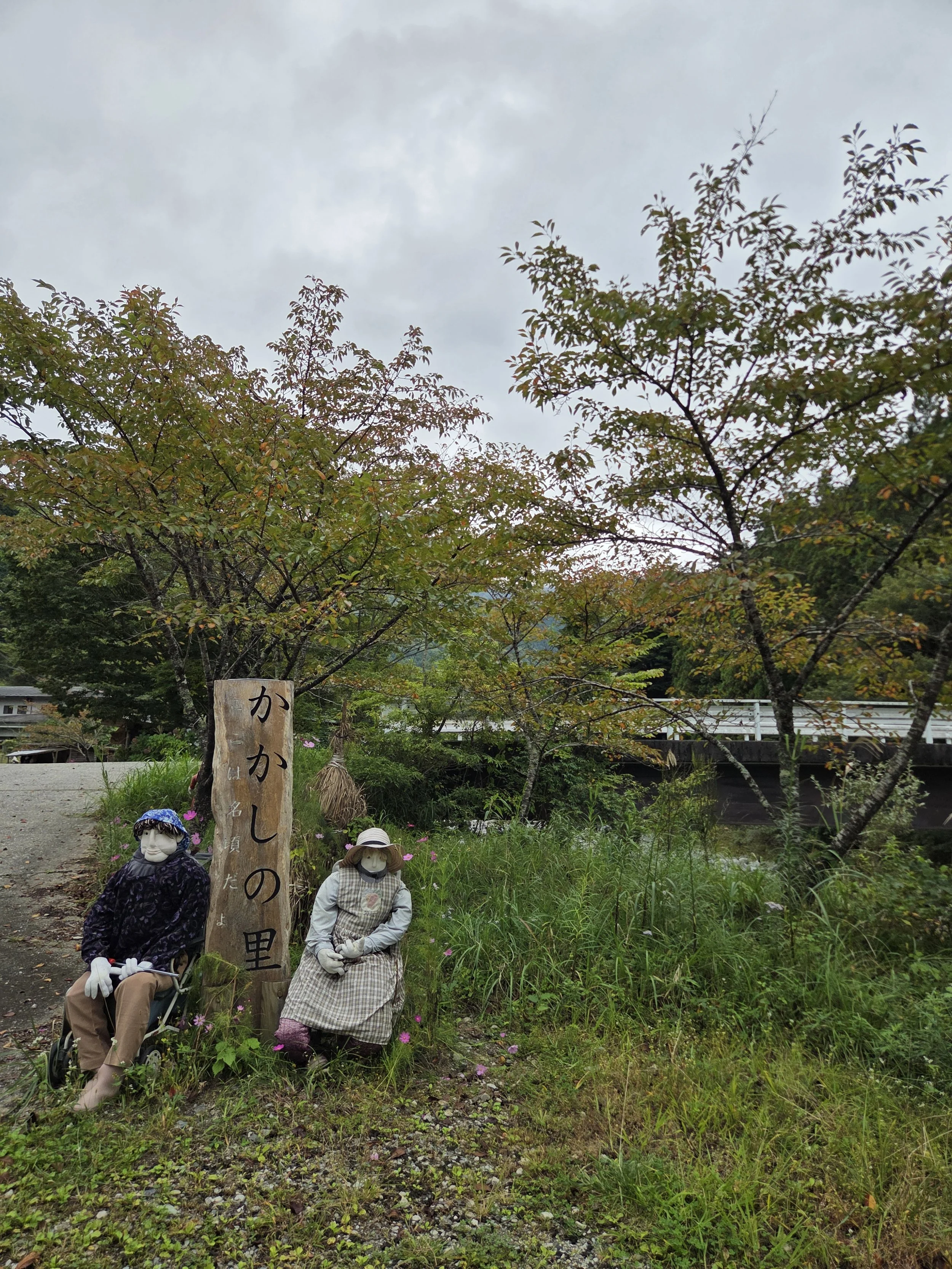
In a remote Iya Valley hamlet called Nagoro, a local resident has spent years replacing every person who left or died with a life-sized scarecrow. There are now over 300 scarecrows and fewer than 30 living residents. It's strange, a little eerie, and oddly moving all at once. On the south coast of Awaji Island, a rest stop built around a giant golden onion sculpture sits perched above the sea with views across the Naruto Strait to Shikoku below. And spanning the gorges of the Iya Valley, hand-woven vine bridges still cross the river below, originally built so they could be cut loose quickly if enemies approached.
SACRED SITES
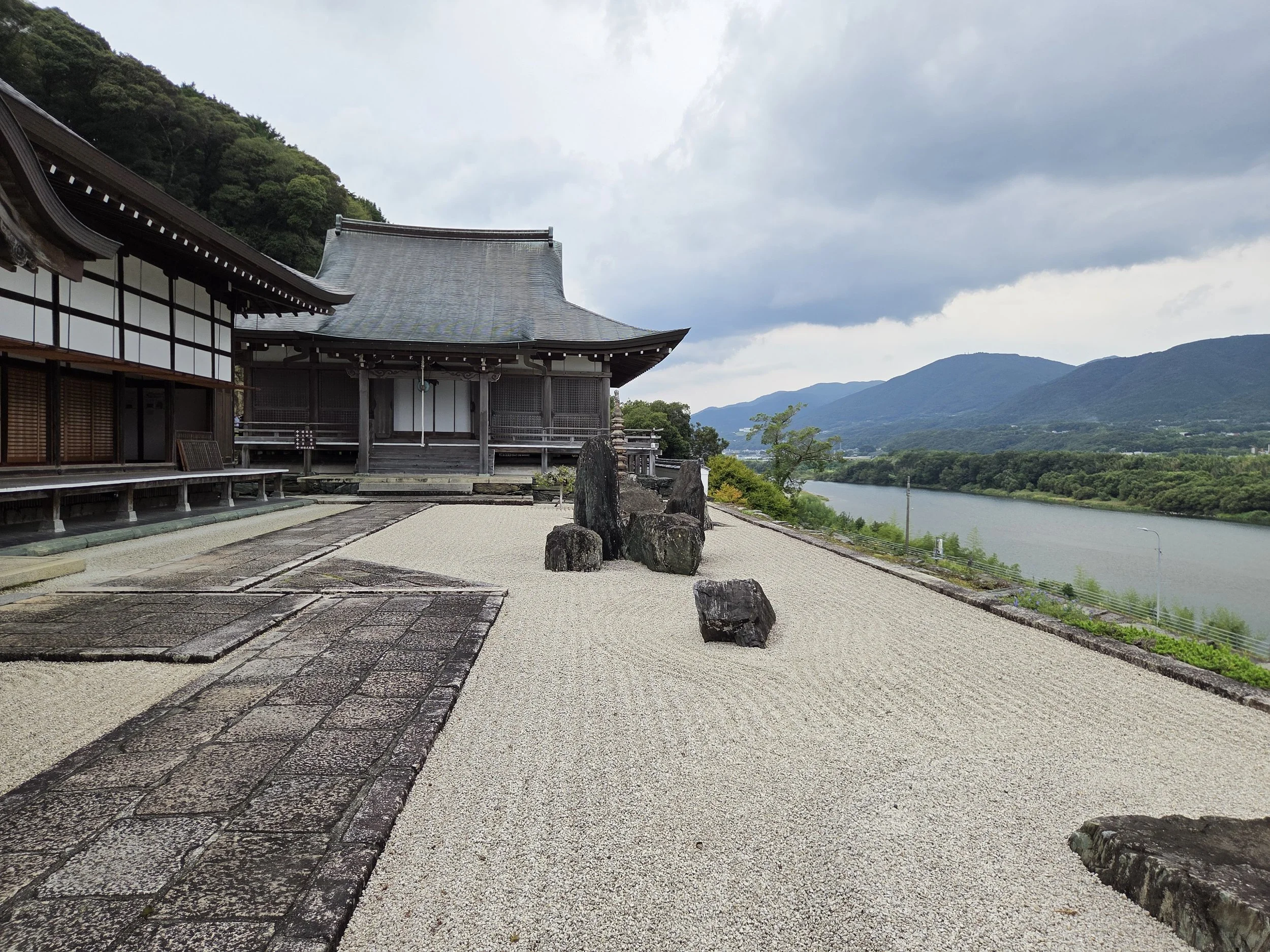
Shikoku is home to the 88 Temple Pilgrimage, one of the most famous Buddhist circuits in the world, and we'll visit Ryozenji, the traditional starting point where pilgrims have set out for over a thousand years. Tairyuji, deep in the mountains of southern Tokushima, is one of the most dramatically situated temples on the circuit, reached by a long ropeway through dense cedar forest. On Awaji Island, Honpukuji Temple's Water Temple, designed by Tadao Ando, asks you to descend through a lotus pond into a cool underground meditation hall, one of the more quietly extraordinary architectural experiences in Japan. And in Mima, Honrakuji is a gorgeous temple perched on a hillside above the Yoshino River, and one of our favourite temples in the entire country. Everyone we've taken there agrees.
GET OFF THE EATEN TRACK WITH US
Want to know more? Here's how it works.
Register your interest using the form and we'll be in touch to set up a quick call, a chance to answer your questions and give you a deeper look at what the trip involves. From there, a 25% non-refundable deposit secures your spot. The remaining balance is due 60 days before departure. Check our full T&Cs here.
The full day-by-day itinerary and accommodation guide are coming soon, and formal bookings will open then. In the meantime, our FAQ covers everything from what's included to our cancellation policy.
We’ll be traveling around by van, which is the only way to reach some of the places we're going, so group size is intentionally capped at six.
See our other Japan Tours here.
FREQUENTLY ASKED QUESTIONS
General Shikoku FAQ
-
Tosa no Okyaku is an annual food and sake festival held in Kochi city, Shikoku, every March. It draws on the local tradition of obiyaki, elaborate communal banquets where sake is continuously served alongside local dishes. The festival takes over streets and venues across the city for several days.
-
Shikoku is best known for the 88 Temple Pilgrimage, a 1,400-kilometre Buddhist circuit founded by the monk Kobo Daishi. The island is also known for its dramatic Pacific coastline, the Naruto whirlpools, the Iya Valley's vine bridges, and distinct regional food cultures including katsuo tataki in Kochi, indigo dyeing in Tokushima, and sudachi citrus.
-
Kochi is known for katsuo tataki (bonito seared over a straw fire) and has one of Japan's highest concentrations of sake breweries per capita. Tokushima produces awa ai indigo and is known for its sudachi citrus and soy sauce traditions. The Iya Valley is known for hand-made buckwheat soba. Kagawa Prefecture, which this tour does not visit but can be easily added on, is nationally known for sanuki udon.
-
Spring (March to May) is an excellent time to visit Shikoku. March brings Tosa no Okyaku in Kochi, mild temperatures across the island, and early cherry blossoms in lower elevations. The Iya Valley's mountain interior can still be cool in March. Autumn offers good hiking weather and foliage.
-
The most common approach is to take the Shinkansen to Nishi-Akashi, then cross to Awaji Island via the Akashi Kaikyo Bridge by car or bus, continuing south to Tokushima. The journey from Tokyo to Nishi-Akashi takes around three hours. Flying directly to Tokushima, Kochi, or Matsuyama airports from Tokyo is also an option. The tour will begin and end in Nishi-Akashi for easy access.
Tour FAQ
-
Pricing for the Shikoku March 2027 tour will be confirmed when the full itinerary is released. Register your interest below and we'll be in touch with full details. For a guide to what's typically included and excluded in OTET tour pricing, see our FAQ page.
-
The tour covers Awaji Island, the east coast and mountain interior of Tokushima Prefecture (including the indigo-producing north, the Pacific south coast, and the Iya Valley), Kochi city and the Muroto Cape coastline, and a stop at Honrakuji Temple in Mima on the way out. The full day-by-day itinerary is coming soon.
-
We generally stay in a mix of three and four star hotels, with a stay at an onsen hotel during our trip. We always choose onsen hotel that allow for private bathing, ensuring that all guests have a chance to experience an onsen, even if they have tattoos or are uncomfortable with nudity. A full accommodation guide will be published alongside the itinerary.
-
Six people fit comfortably in a van. It’s that simple. Travelling as a small group means we can reach places a coach tour never could, eat at restaurants that wouldn't seat big groups, and visit producers who work on a scale that doesn't accommodate large groups.
-
The tour is led by Michael Minsky, who has lived in Japan and travelled there regularly since 2007. He’s been been organising and guiding food-focused tours in Japan for years, speaks Japanese and has personal experience of most of the places on this itinerary.
-
Register your interest using the form on this page. We'll be in touch to set up a call, answer your questions, and walk you through the trip in more detail. A 25% non-refundable deposit secures your spot, with the remaining balance due 60 days before departure. Full details are in our Terms of Service.