
CHINA’S WINE TRAIL
HEBEI, NINGXIA & YUNNAN
Duration
Sept 3 - 16, 2026
13 nights / 14 days
Starting Point
Beijing
Beijing Province
Ending Point
Lijiang
Yunnan Province
Group Size
Max 8 guests
Min 4 guests
Price
AUD $11,044.08
based on double occupancy
Solo supplement available
China has been making wine for decades. Most of the world doesn't know it's happening, let alone how interesting it's gotten.
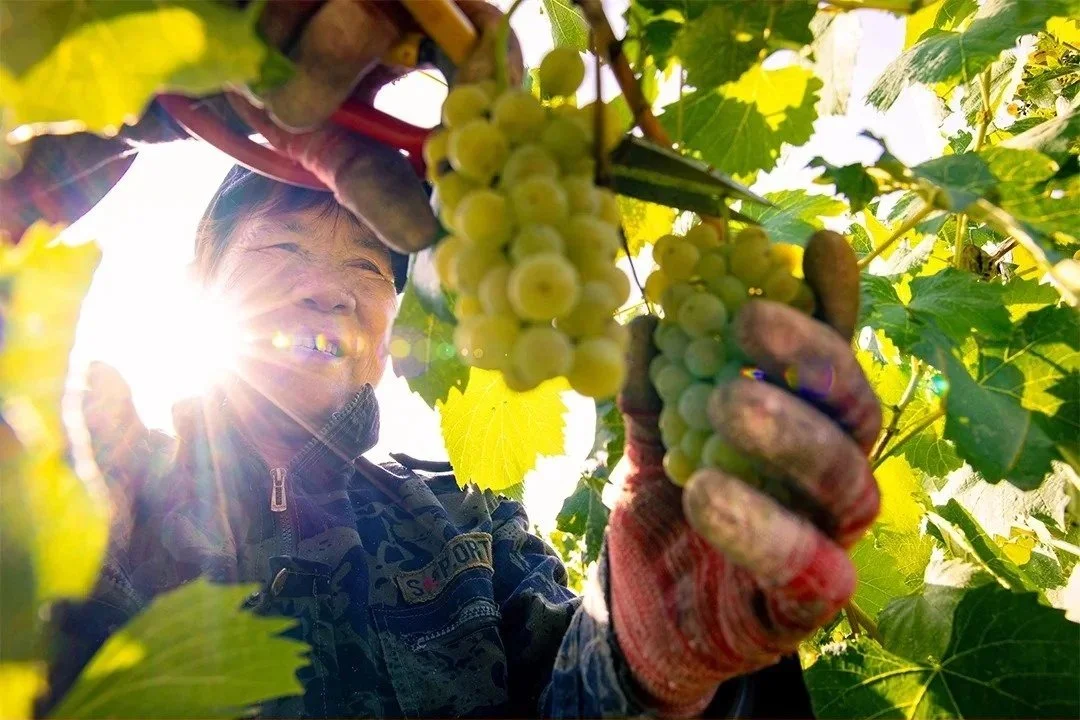
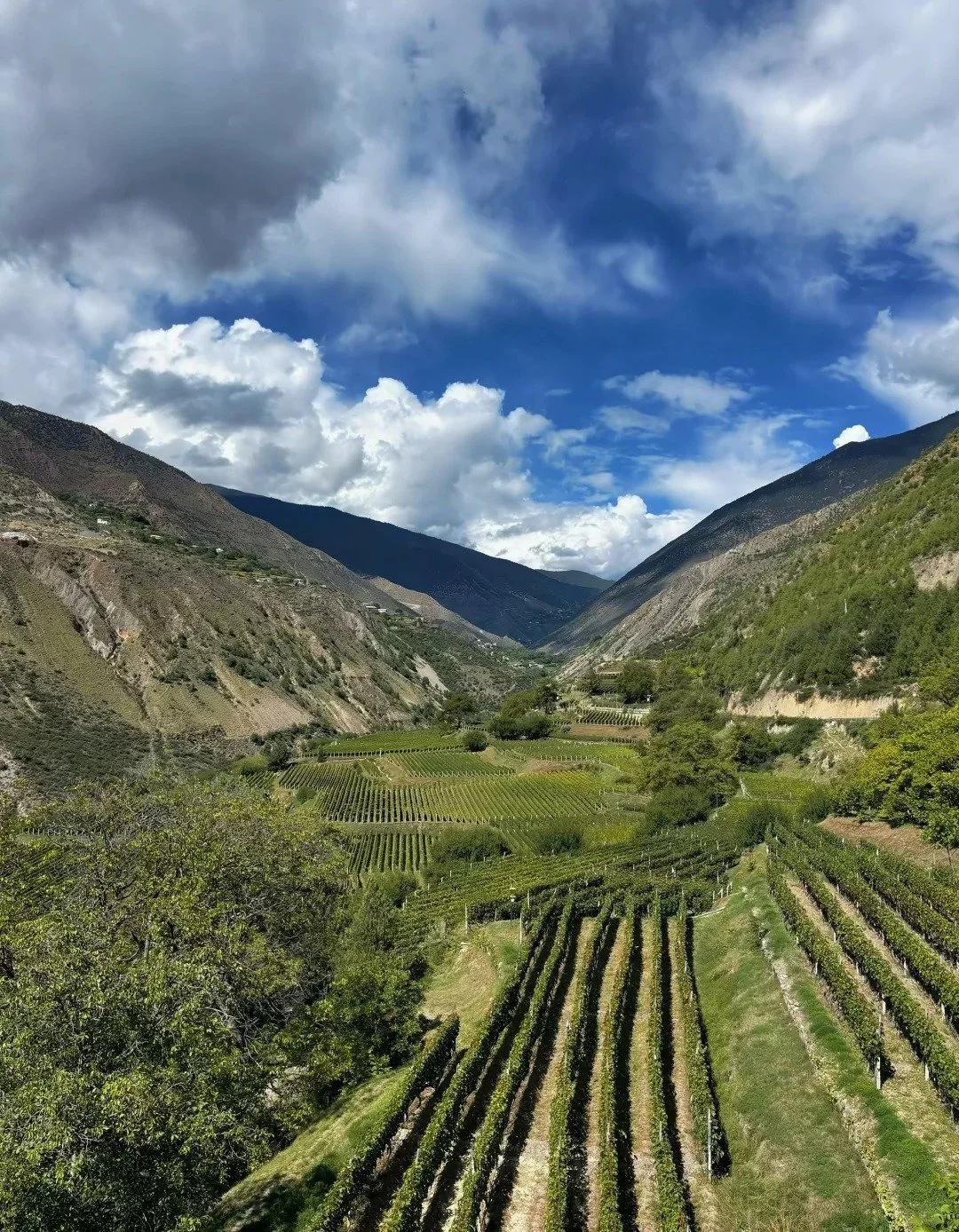
This trip moves through three versions of that story. In Hebei, just outside Beijing, we visit the producers who were among the first to plant — the origin point of a modern wine industry still finding its footing in the global market. In Ningxia, the great desert plateau east of the Yellow River, we meet the winemakers who turned a strange, arid landscape into one of Asia's most credible appellations. And in Yunnan, where river valleys cut through the Himalayan foothills at elevations that would make most viticulturalists sweat, we find the frontier: producers like Tinnyu and Xiao Pu who are making wine unlike anything else on earth, in one of the last places you'd ever think to look for it. China's wine past, present, and future across 14 days and three regions that share almost nothing except the vine.
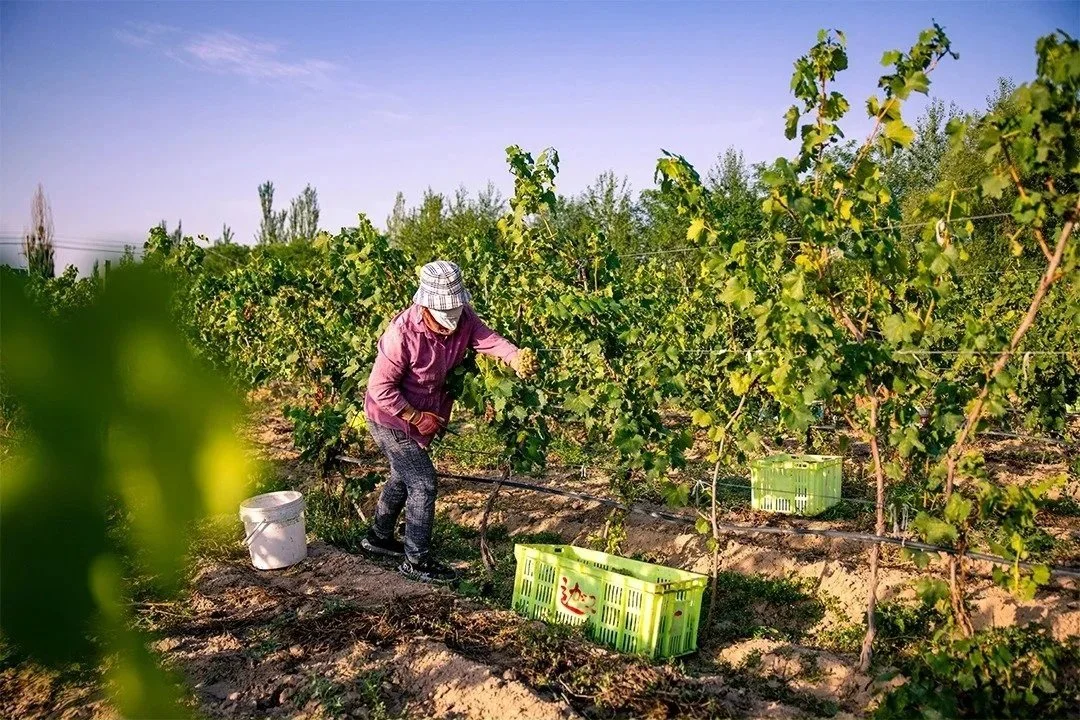
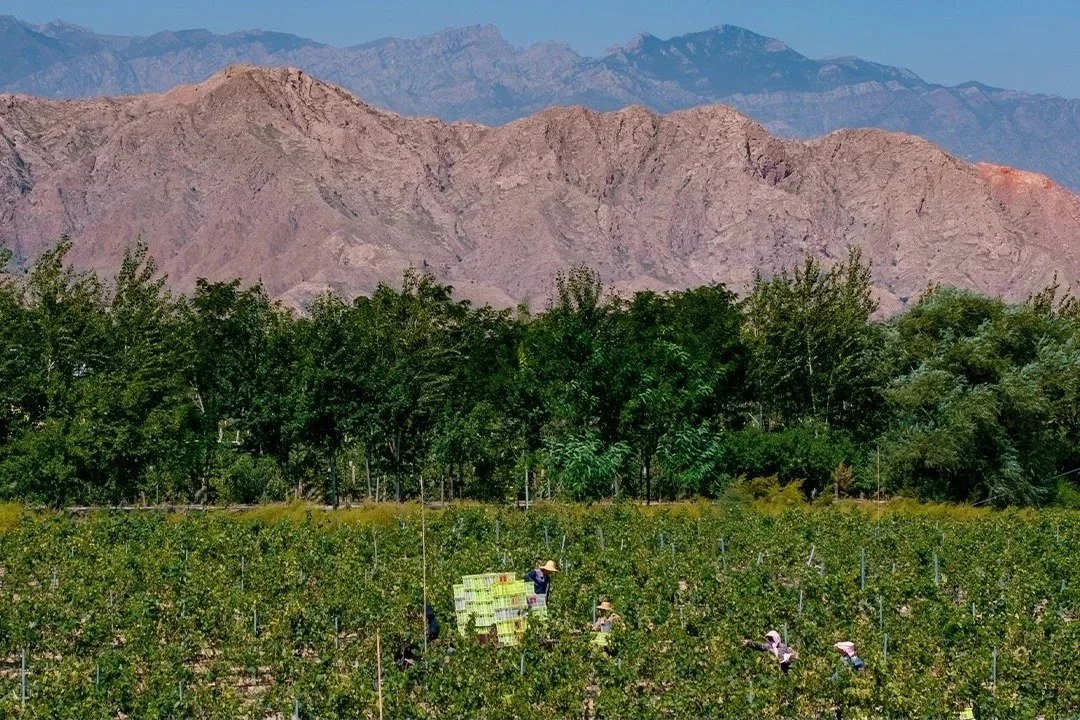
We travel in September, which means harvest is beginning. Winemakers are in their vineyards, and we're with them. We'll be joined by Hamish Williams from Periphery Wine, one of the foremost authorities in Australia on Chinese wine, to lead our wine program, bringing a level of context and access that opens doors most visitors simply don't get to walk through. Beyond the glass: ancient imperial tombs and Yellow River sunsets in Ningxia, morning markets and street food in Kunming, the ancient cobblestone lanes and Naxi culture of Lijiang, and Tibetan villages high above Shangri-La where the food, the people, and the landscape feel genuinely like nowhere else. These are sides of China most visitors never reach, and a side of Chinese wine the global industry is only just beginning to pay attention to.
Day 1 - 2: China’s Wine Past
Day 1 - Arrival
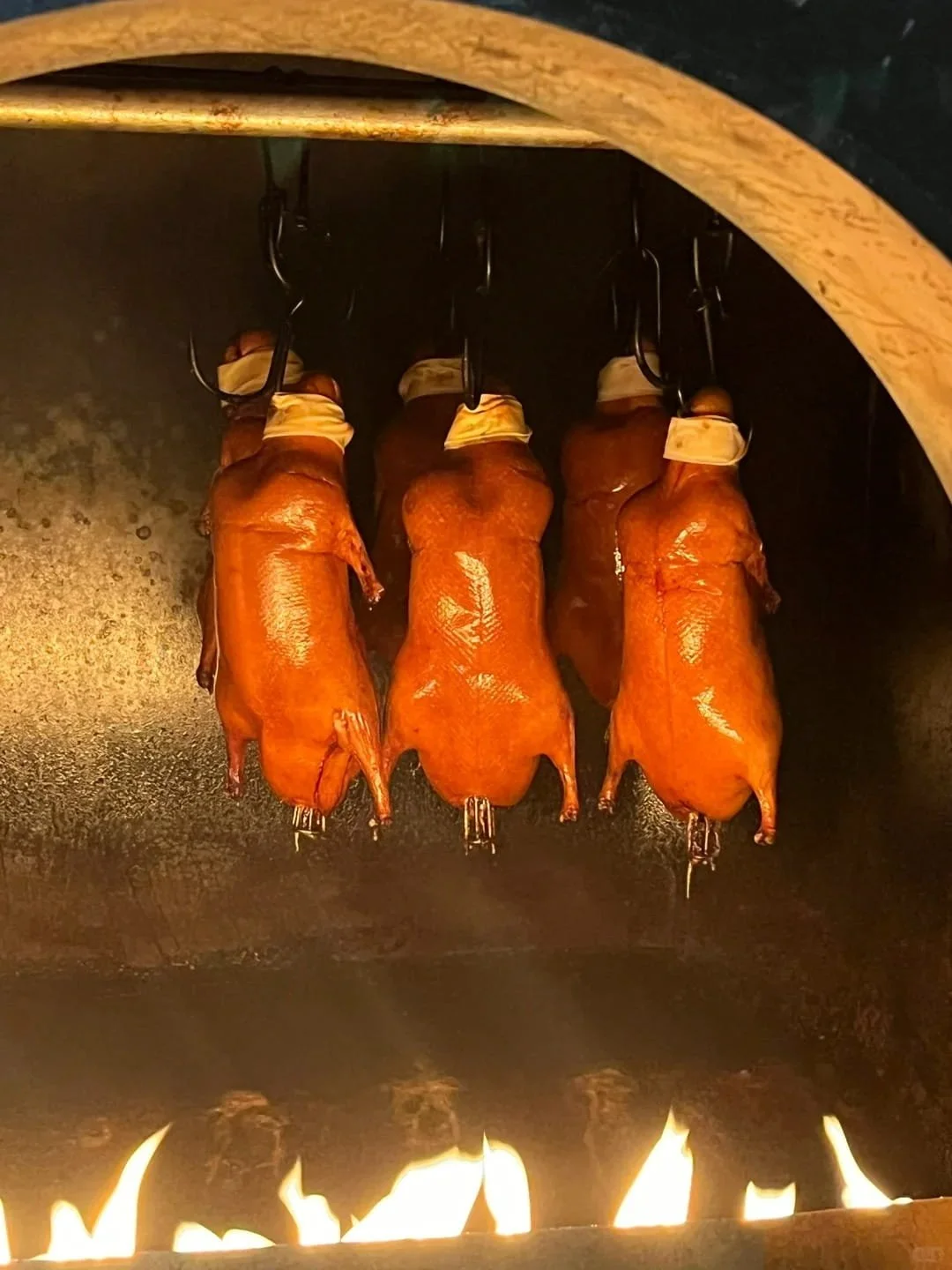
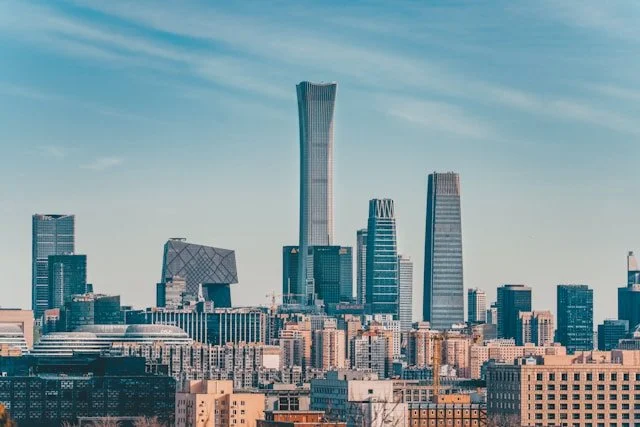
Everyone arrives in Beijing in their own time. We gather for a Peking duck welcome dinner, the perfect way to start any trip to China, and a dish that's been perfected in this city for centuries.
Included: Dinner, Accommodation
Day 2 - Canaan Winery & Shixiaguan Great Wall
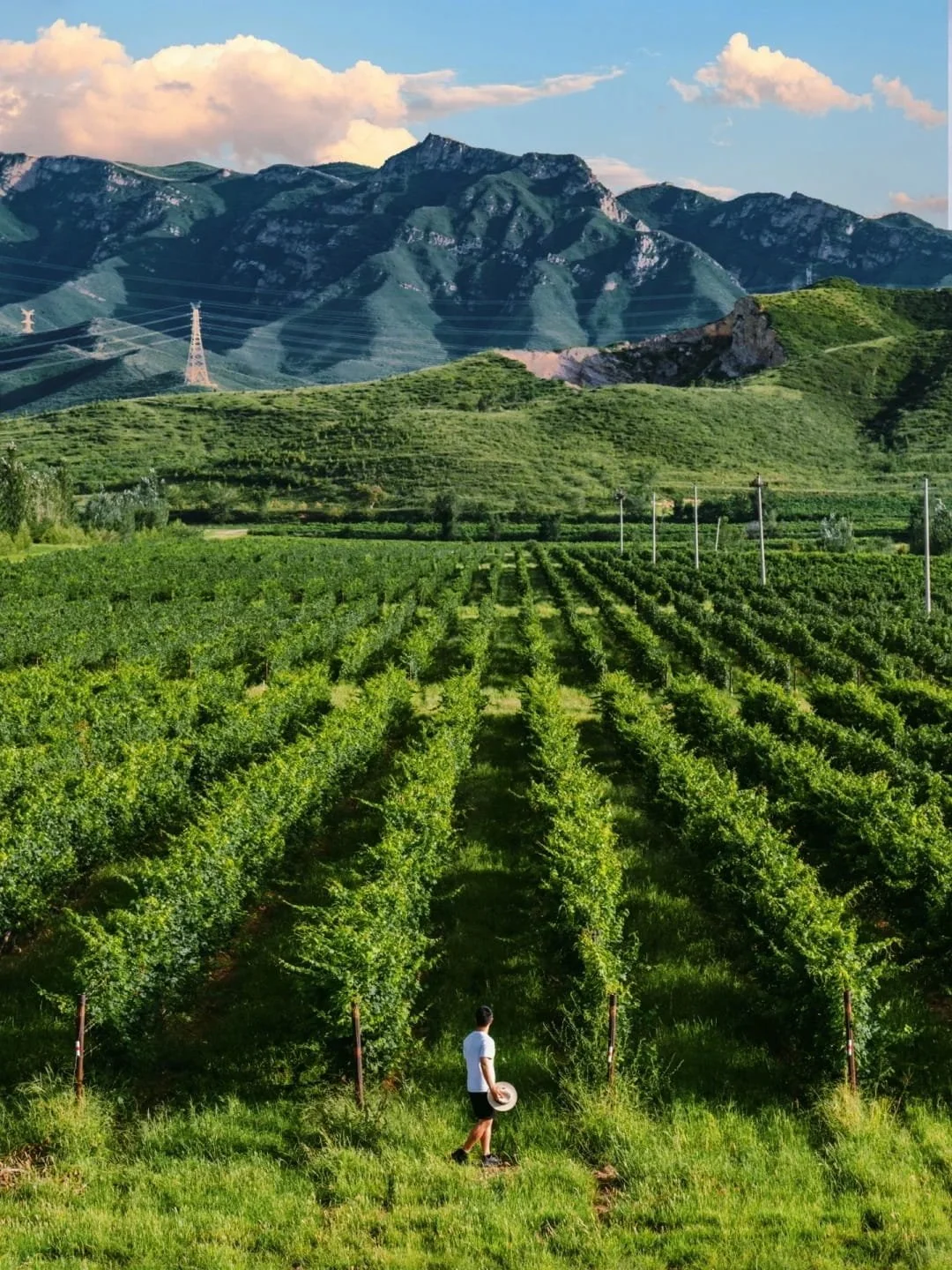
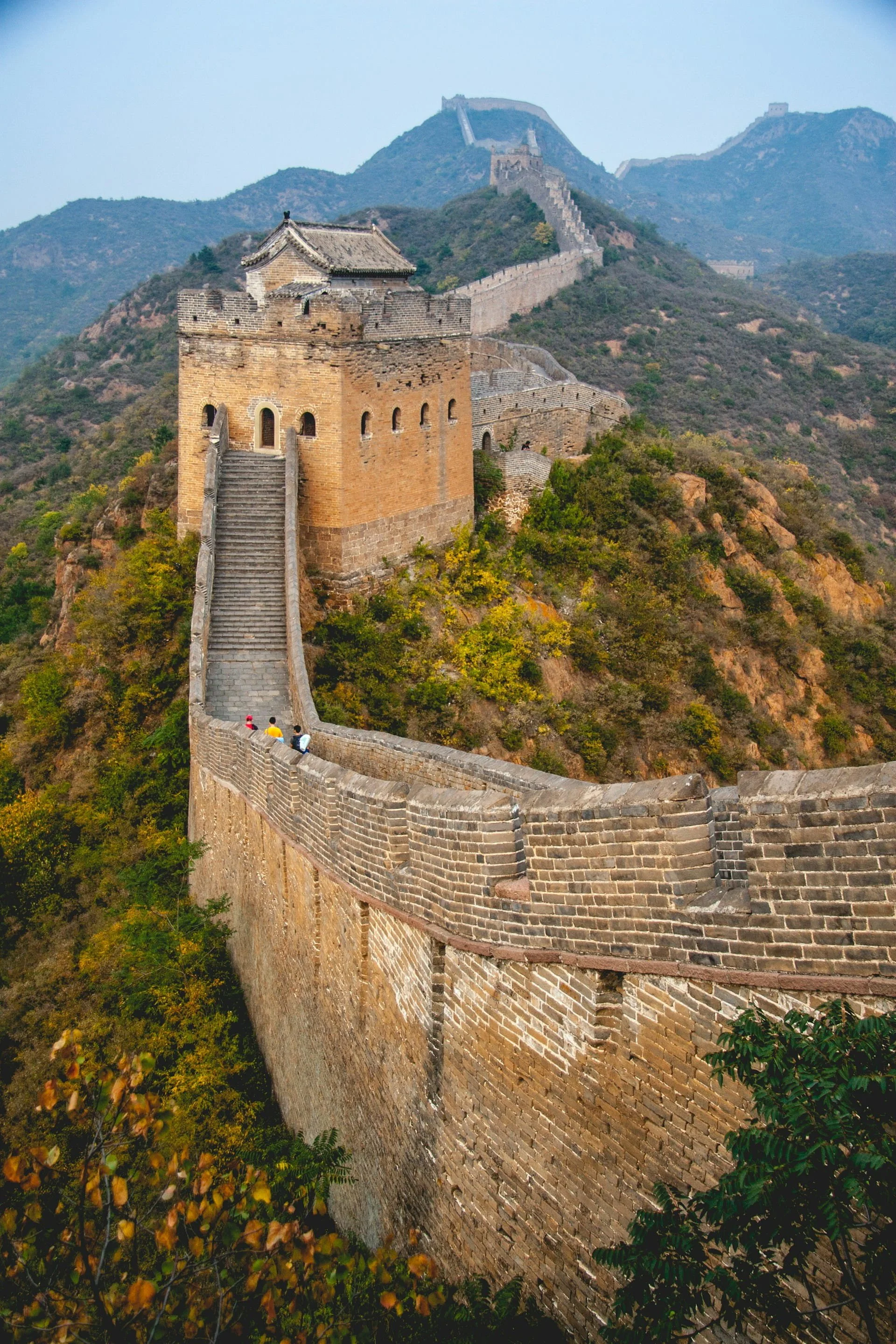
After breakfast, we drive northwest to Huailai, where Canaan Winery gives us our first taste of Hebei's wine story. This is a region that was at the centre of China's first wine boom in the 1980s, when China was opening up and needed wines that could hold their own on a diplomatic table. After lunch, we make visit The Great Wall at Shixiaguan. While areas like Badaling draws crowds onto gleaming, restored ramparts, this section sits just a few kilometres away, largely unrestored, with standing watchtowers, mountain ridges in both directions, and almost nobody else on it. We return to Beijing for dinner.
Included: Breakfast, Winery tour and tasting, Lunch, Dinner, Accommodation
Day 3 - 5: China’s Wine Present
Day 3 - Arrival in Ningxia
We fly into Yinchuan and land in a completely different China. The Helan Mountains rise to the west, the Yellow River runs to the east, and in between is a high-altitude, semi-arid plateau that has quietly built one of Asia's most credible wine appellations over the last two decades. Our welcome to Ningxia is a harvest festival organised by the winemakers themselves. Dozens of producers gather for this — some from right here in the Helan Mountain foothills, others travelling in from Yunnan and beyond. Many of these makers don't have their own wineries or cellar doors; they work with shared facilities, or alongside others, which means an evening like this is often the only way to find them in one place. Wines open, food on the table, and the kind of atmosphere that comes with harvest season in wine country. You'll have the whole evening to move between makers, try what's in the glass, and start building the connections that are the whole point of being here.
Included: Breakfast, Harvest Festival, Accommodation
Day 4 - Western Xia Tombs & Silver Heights
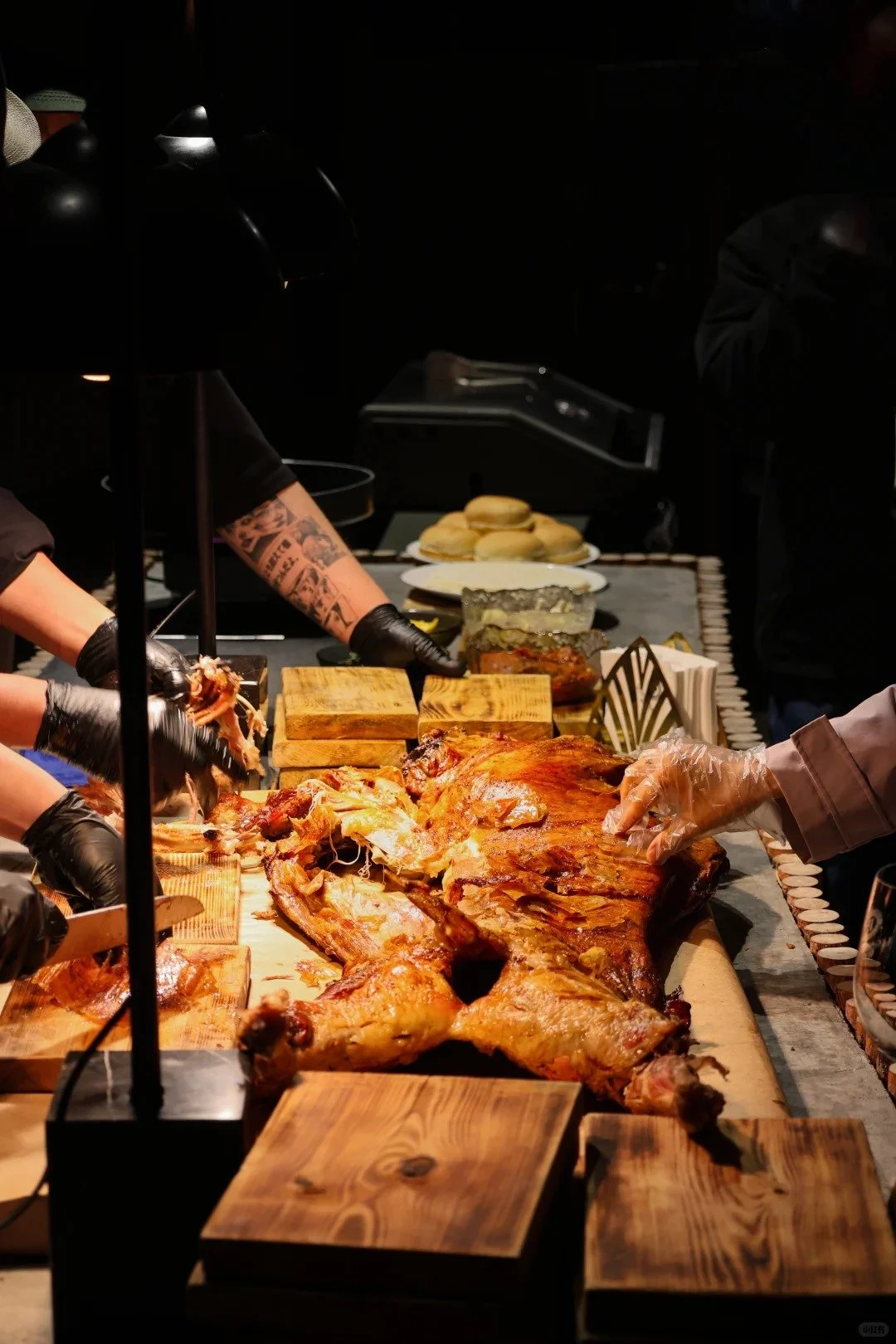
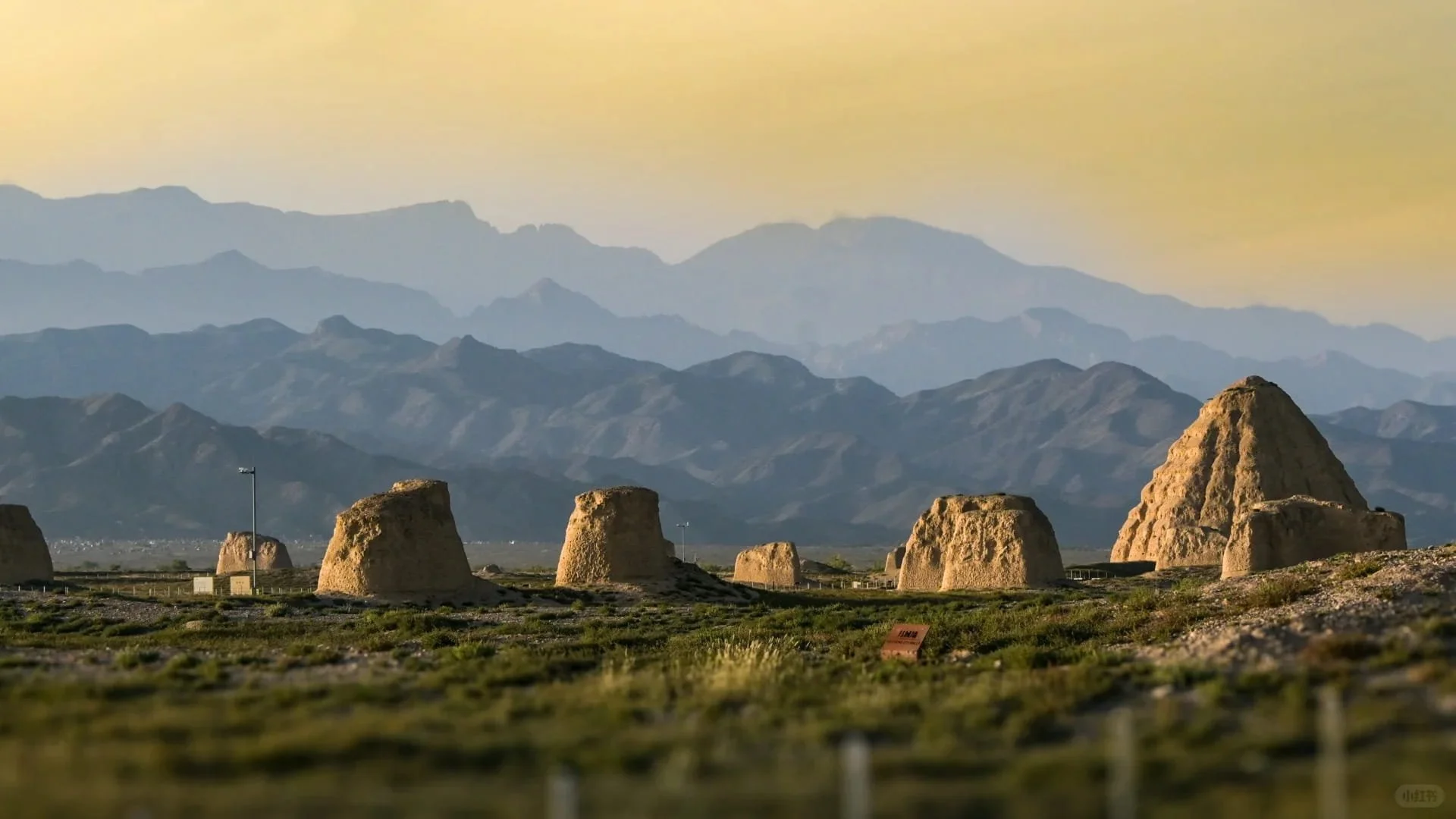
Before the vineyard, a detour into deep history. The Western Xia Tombs are the remnants of a kingdom that ruled this region for nearly 200 years before being erased from the historical record by the Mongols. Dozens of earthen mounds stretch across the desert floor, eerie and enormous, sometimes called the Eastern Pyramids. In the afternoon, we make our way to Silver Heights, where Emma Gao has been farming biodynamically since 2017 and achieved Demeter certification in 2023, the only winery in China to do so. She and her family live on the vineyard. We’ll have a tour of the vineyard with tastings, and then they're cooking dinner: a whole roast lamb, the great Hui specialty of the region.
Included: Breakfast, Western Xia Tombs entry, Lunch, Winery tasting, Dinner, Accommodation
Day 5 - Onwards to Kunming
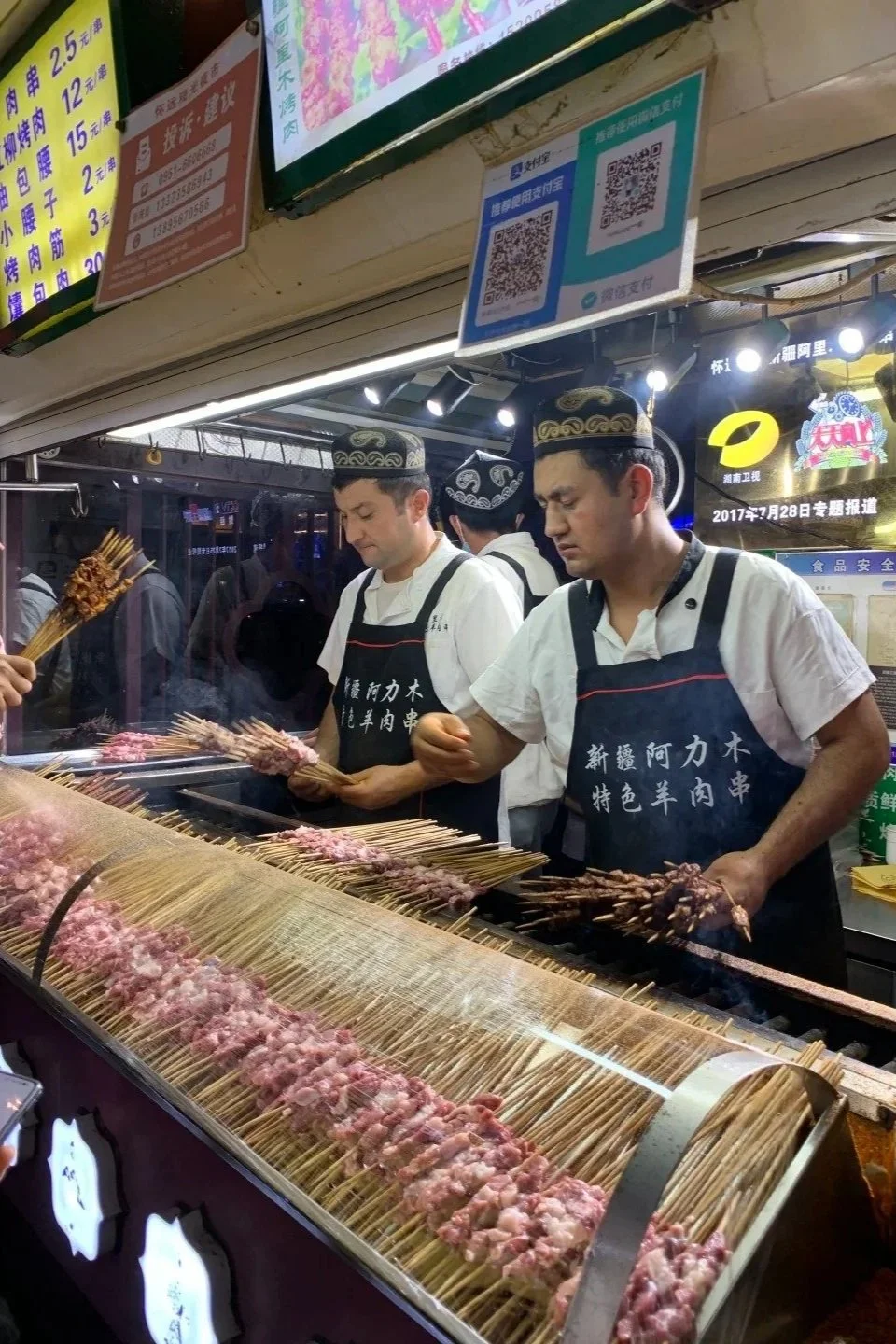
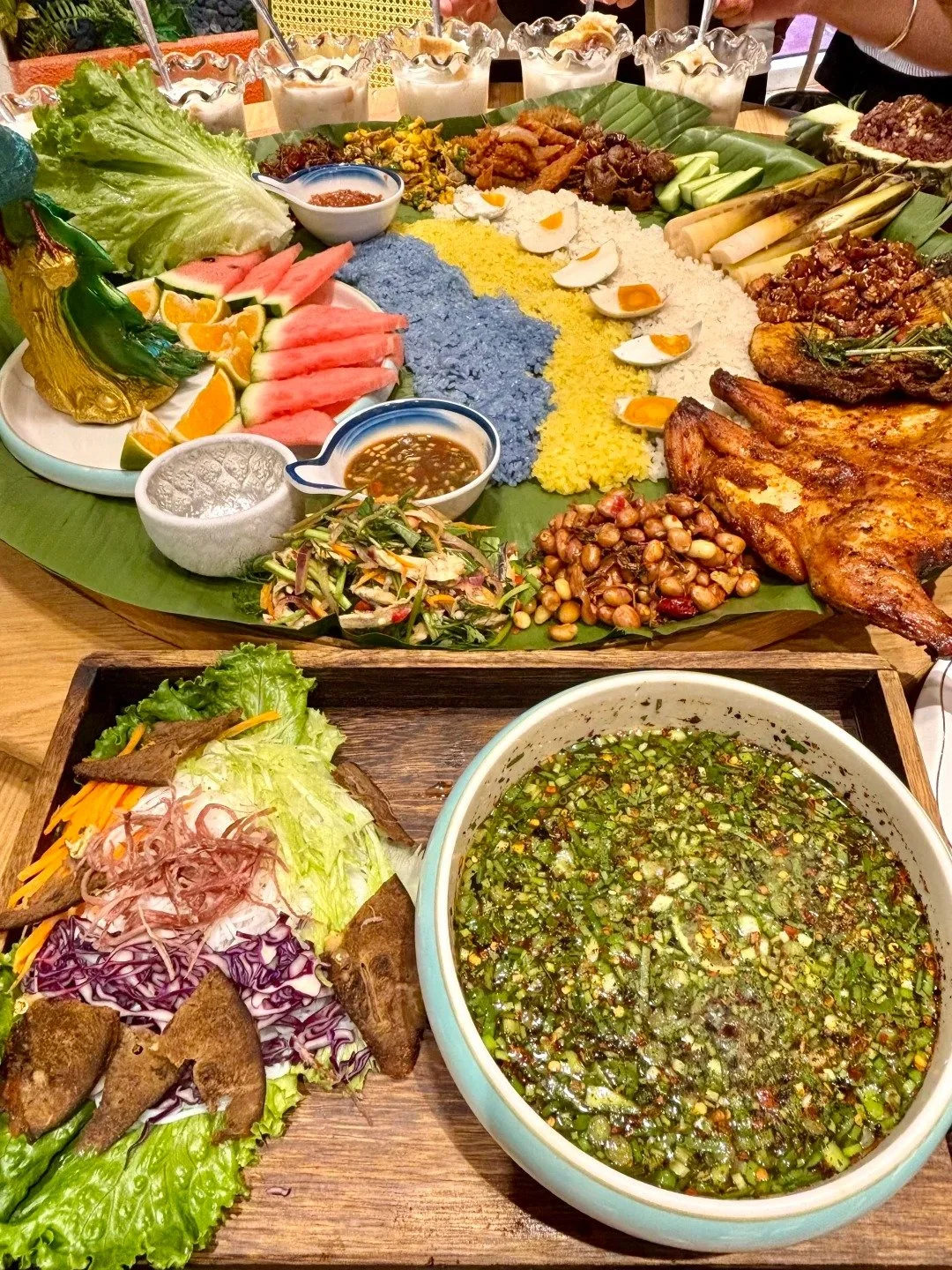
The morning is yours to explore Yinchuan before we fly south. The Muslim quarter around the Nanguan Mosque is worth the wander, with food stalls and tea houses that give you a different angle on the Hui culture you've been eating your way through. In the afternoon we swap the desert plateau for Kunming, a subtropical city sitting at 1,900 metres where the air is softer, the markets are full of tropical produce, and the food shifts completely. We're in Yunnan now, and tonight's welcome dinner is Dai, the cuisine of one of the province's most distinctive ethnic minorities: herb-forward, bright with lemongrass and lime, grilled fish wrapped in banana leaves, with pineapple rice on the side.
Included: Breakfast, Dinner, Accommodation
Day 6 - 8: The Road South
Day 6 - Kunming
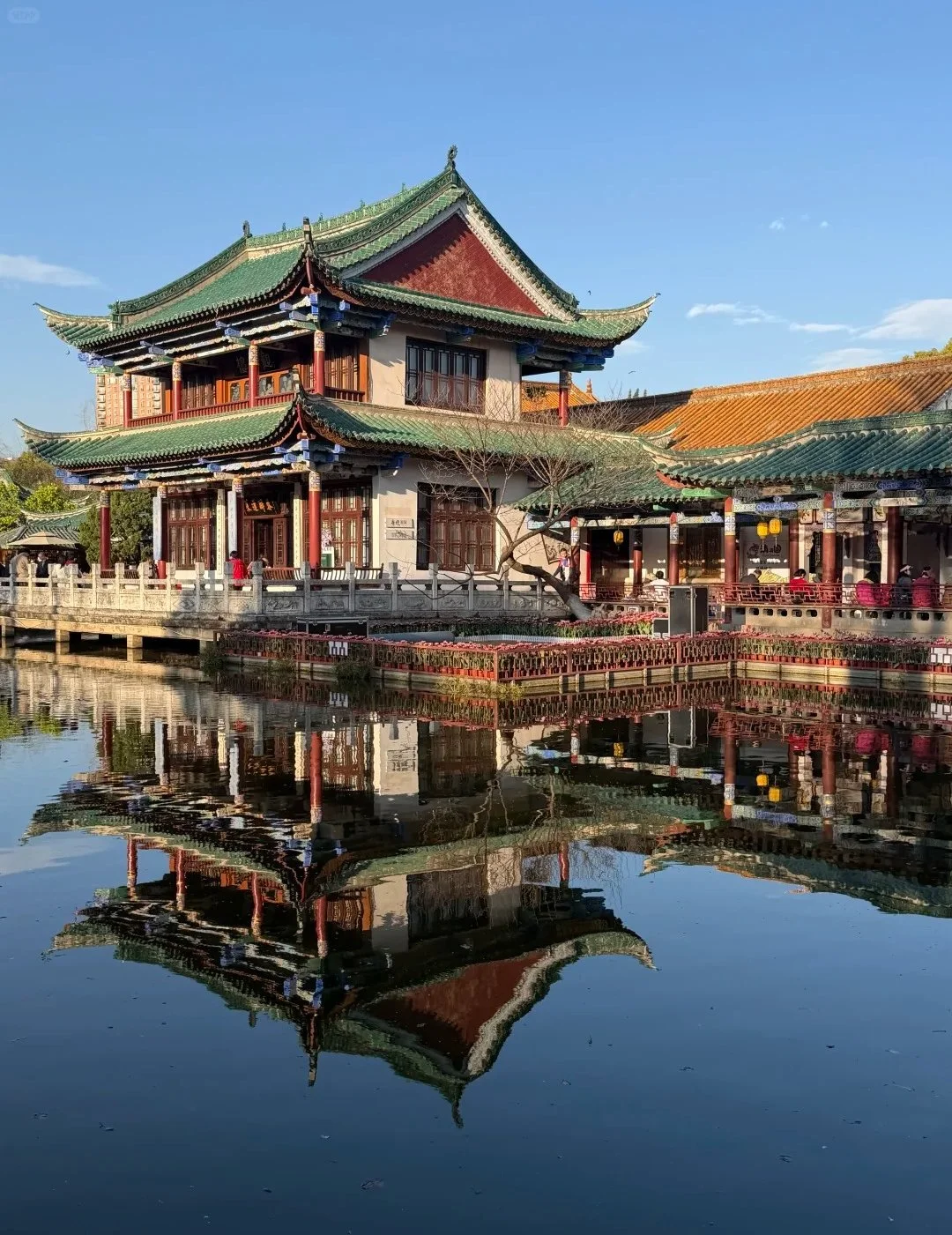
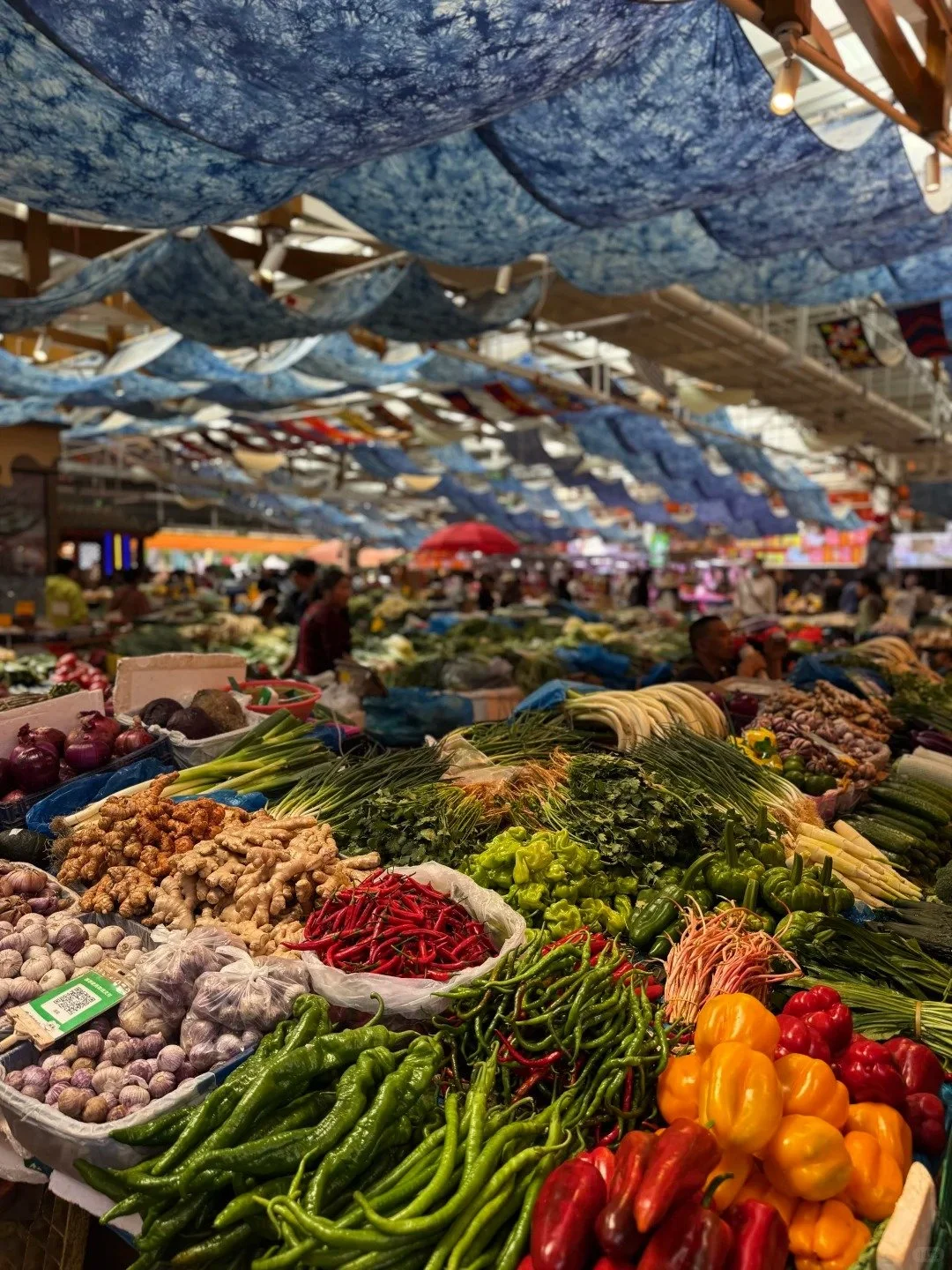
Kunming earns its nickname. The Spring City's weather rarely dips below pleasant, and September is the best time to arrive. It's the tail end of wild mushroom season and the wet market stalls are piled with varieties that would cost a small fortune back home: matsutake, boletus, chanterelles, and a few you won't have a name for. We spend the morning at the market, then the afternoon and evening are yours. Green Lake Park (翠湖公园) is worth a slow wander as the city winds down, and the lanes around Wenlin Jie near Yunnan University are good for coffee and browsing. Or visit Yuantong Temple, the oldest Buddhist temple in Kunming, quietly active and architecturally striking.
Included: Breakfast, Accommodation
Day 7 - FARMentation
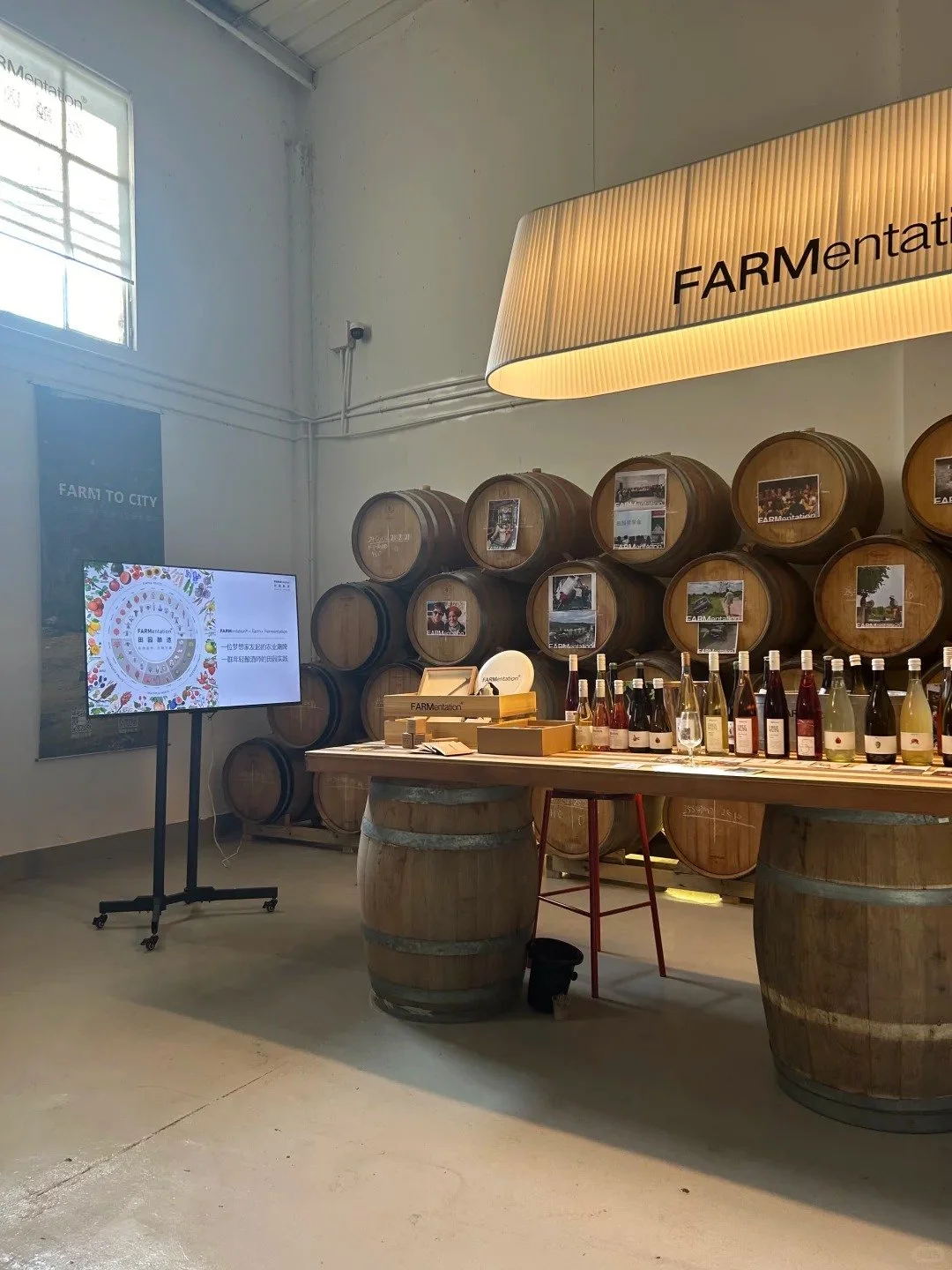
We drive two hours southwest into Chuxiong, Yi minority territory, where fermentation culture runs deep — historically through grain spirits and smoked teas rather than wine. FARMentation is doing something different. Their pear orchard sits in the shadow of a wind turbine with an old granary alongside it. The tagline says it all: 风土横切面 (fēngtǔ héng qiēmiàn), a cross-section of terroir. We arrive in the afternoon for the winery visit and tasting, then take a slow walk through the orchard before dinner. The meal is an outdoor copper pot spread, communal and unhurried, built around whatever is in season. The bonfire goes late. We overnight at Mouding Tranquil Lakeside Retreat, a simple local guesthouse on the water, the kind of place that doesn't appear in any travel guides, run by people from here, with a view across the lake that you won't forget.
Included: Breakfast, Wine Tasting, Dinner, Accommodation
Day 8 - Erhai Lake and Lijiang
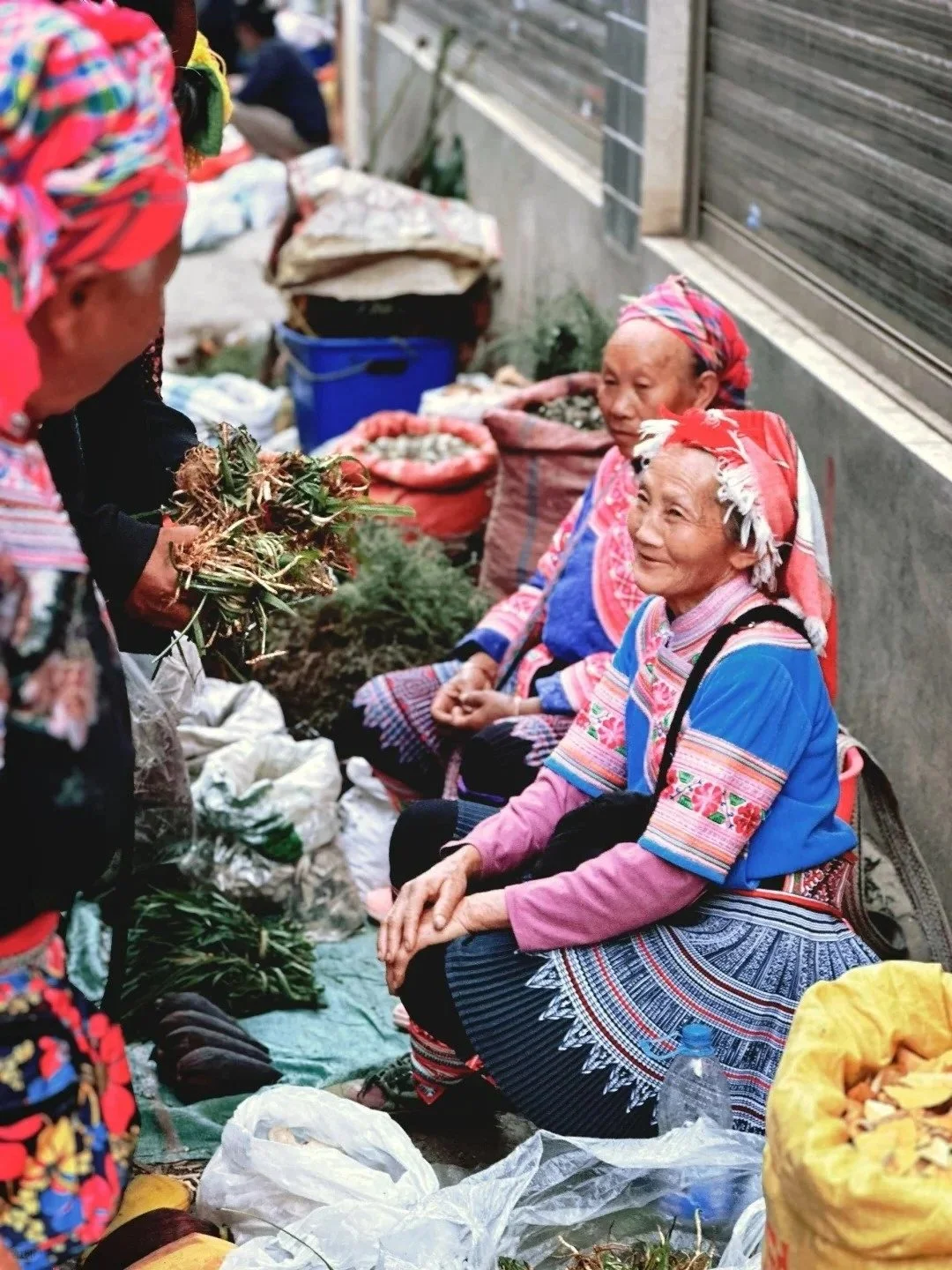
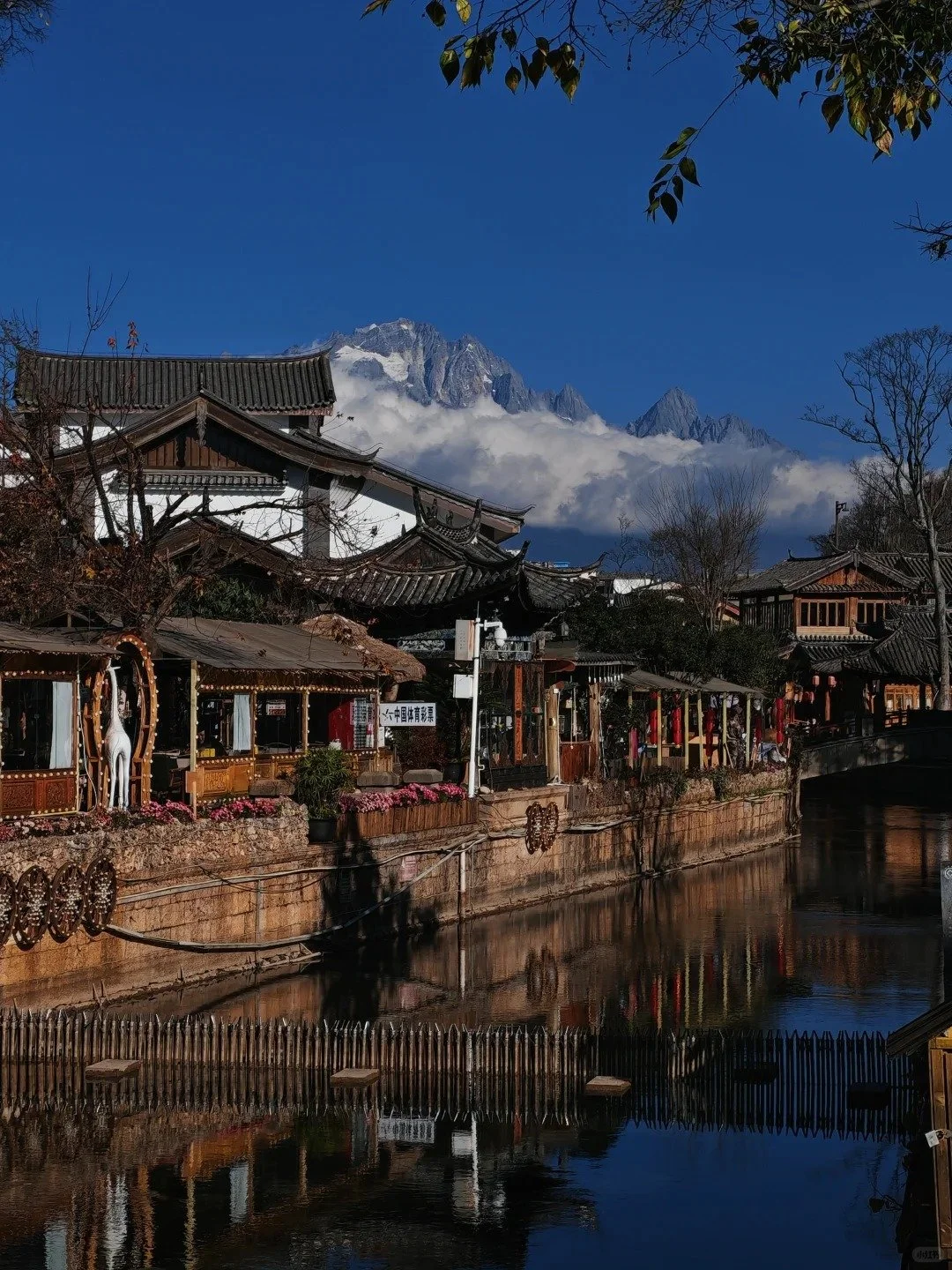
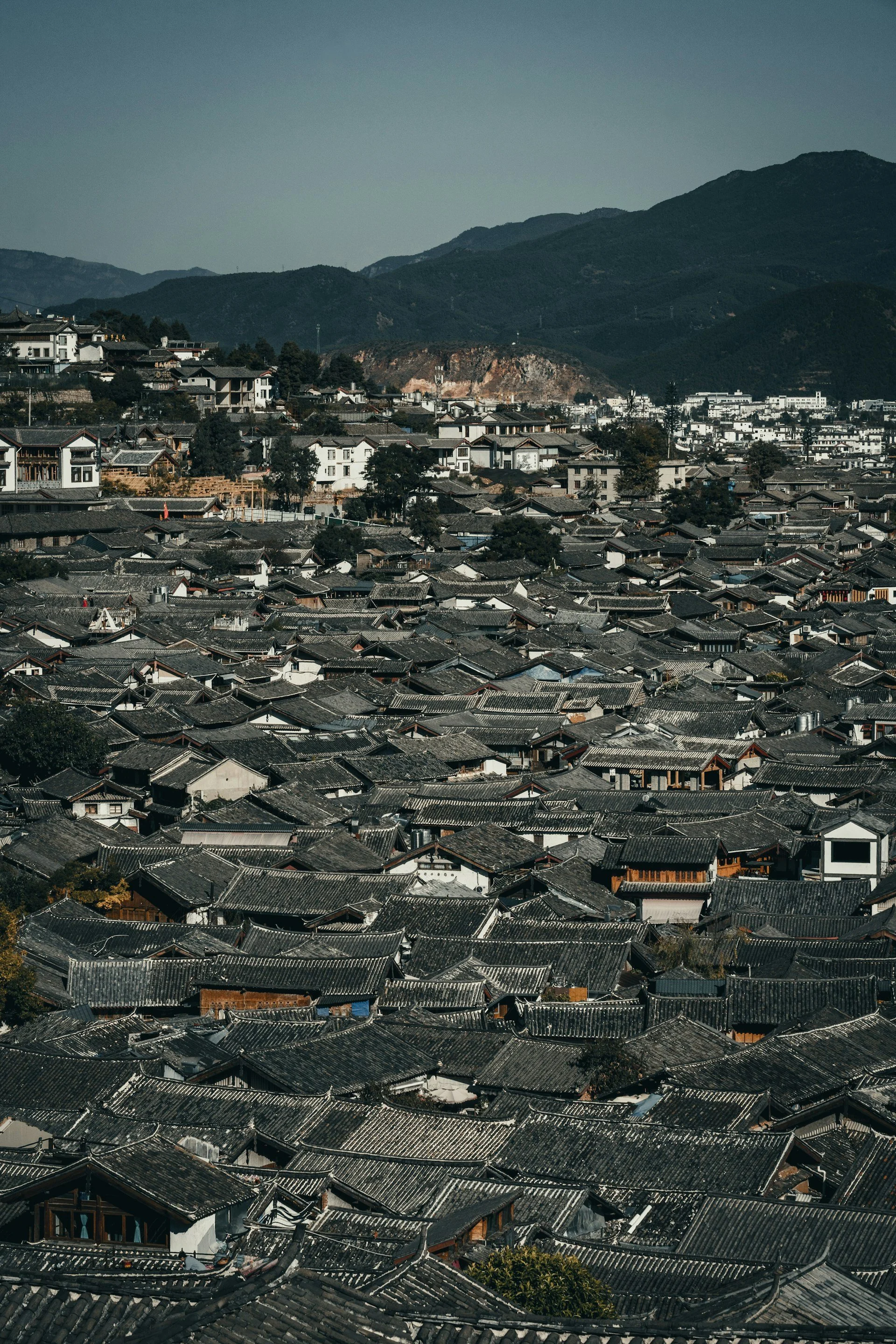
The morning starts with a trip to the local farmers' market with the FARMentation team. It's a window into how Chuxiong people shop, cook, and eat, with the same seasonal logic the winery applies to the land. Then we load up the coach for the drive to Lijiang, breaking in Dali for a stop at Erhai Lake. At over 250 square kilometres, the lake has been central to Bai culture for centuries. Their villages line the shore, their boats still work the water, and in September the light is clear and the Cangshan mountains behind it are sharp against the sky. We arrive in Lijiang in the late afternoon, check in, and then you're free to spend the evening exploring this 800-year-old town, a UNESCO-listed maze of stone lanes and waterways that comes alive after dark when the lanterns go up.
Included: Breakfast, Lunch, Accommodation
Day 9 - 12: China’s Wine Future
Day 9 - Chalu Sparkling Tea
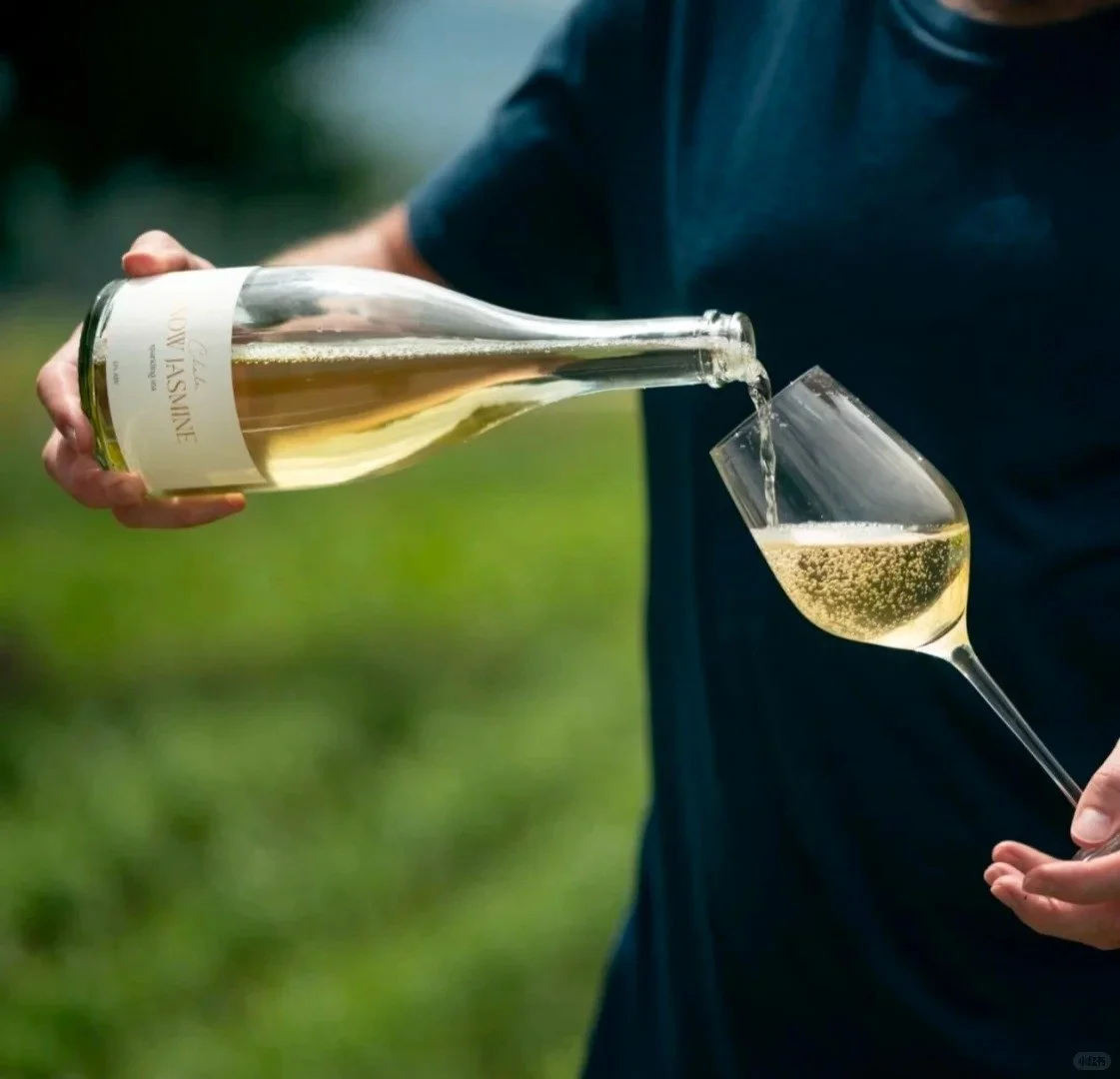
The morning belongs to Chalu. Based here in Lijiang, Chalu makes sparkling tea using foraged botanicals from the surrounding mountains, and this half-day tasting takes you properly inside what they're doing. You'll work through the range with the team, understanding how altitude, seasons, and local plant life shape what ends up in the glass. It's a serious exploration of terroir told through tea rather than wine, which for this group should feel like a natural conversation. The afternoon is free to explore on your own terms.
Included: Breakfast, Chalu tasting, Accommodation
Day 10 - Ascent to Shangri-La
We take the train north from Lijiang to Shangri-La, a journey of just over an hour that covers a dramatic change in altitude and landscape. By the time you step off, you're at 3,200 metres and the air tells you immediately. Check in, take it slow, and let the afternoon unfold at whatever pace feels right. The old town of Dukezong is right there for a wander, with it's cobblestones, prayer wheels, and incense drifting from open doorways. Tonight dinner is on your own, allowing for a low key, early meal wherever looks good. If you want a steer, look for anything with yak meat or a bowl of tsampa barley porridge. Tibetan food is built for cold and elevation.
Included: Breakfast, Train, Accommodation
Day 11 - Into the Mountains
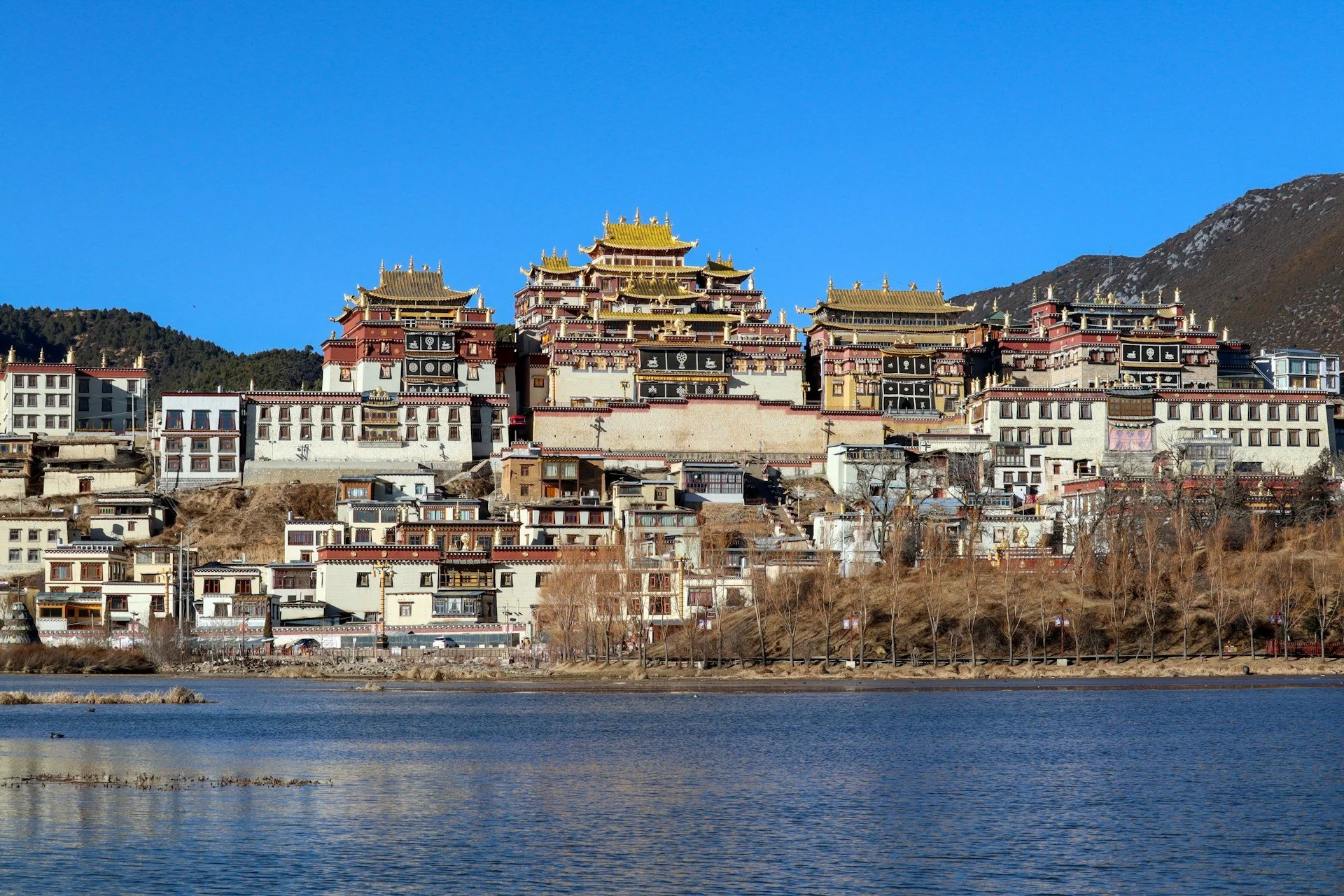
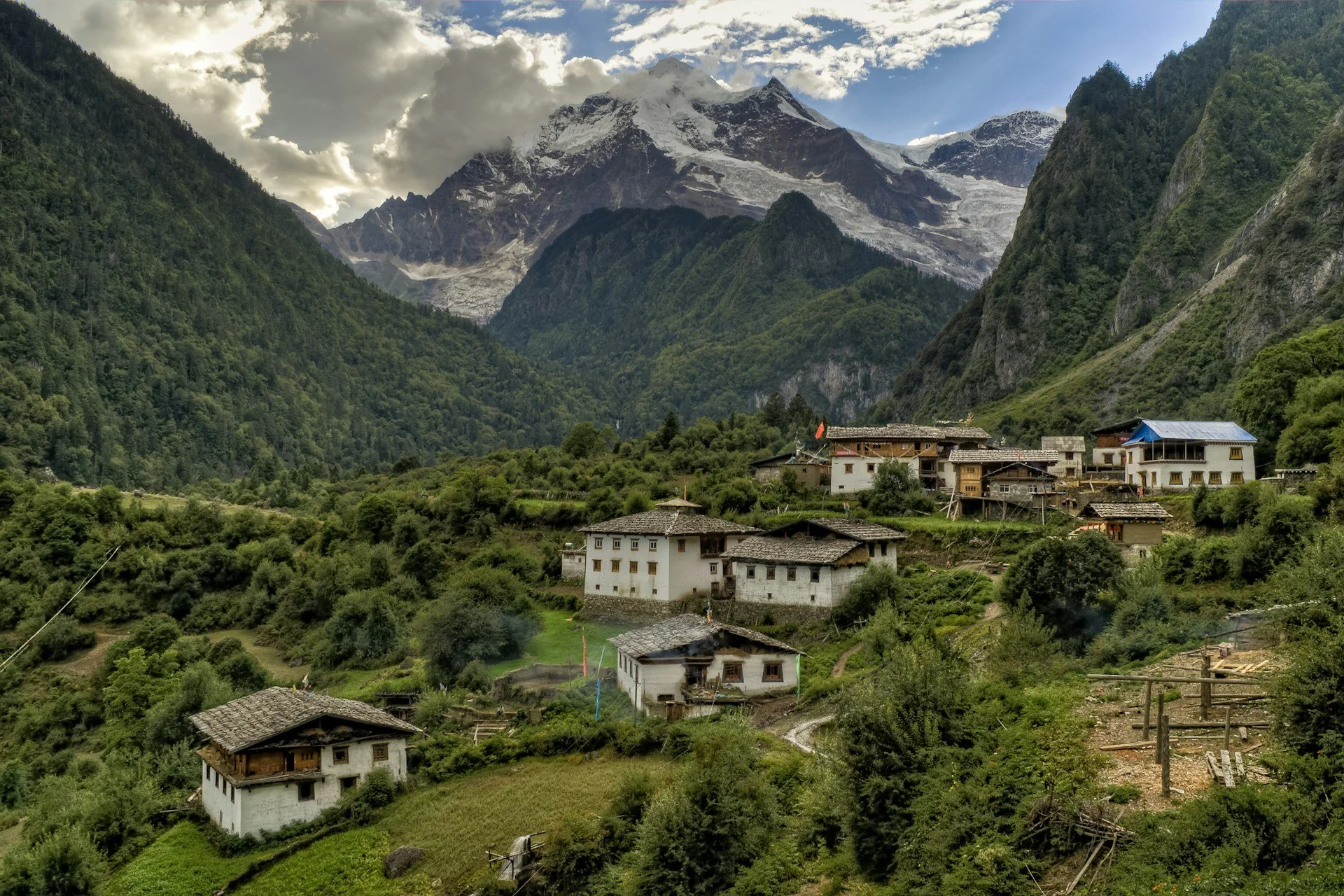
We're staying in Dukezong, the oldest surviving Tibetan settlement in the region, with more than 1,300 years of continuous habitation behind it. The morning begins with a visit to Songzanlin, the largest Tibetan Buddhist monastery in Yunnan, built in 1679 during the reign of the fifth Dalai Lama and home to around 700 monks. This one is optional. If you'd rather keep wandering the stone lanes of Dukezong, or simply need more time to adjust to the altitude, please take it. After the monastery we load up and head deep into the mountains. It's a five to six hour drive toward the Meilishui area to Mingyong, a small village with a local guesthouse arranged by the Tinnyu team, where we'll be based for the next two nights. On arrival, we’ll make our first winery visit at Muhan Winery, a short walk from our guesthouse. Given how remote we'll be, all meals are taken care of, with simple home cooking made from locally sourced ingredients.
Included: Breakfast, Songzanlin entry, Lunch, Dinner, Accommodation
Day 12 - Tinnyu Winery
We wake up among the sacred peaks of Kawagebo, which rise over 6,700 metres from the valley of Mingyong, crowned by Meili Snow Mountain. Today we visit Tinnyu. Leqi Liu and Yuxuan Qiu started this project in 2021 after both had trained in France and worked at Domaine Franco-Chinois in Hebei, the sister winery to Canaan, which we visited on Day 2. They work with Tibetan villagers across three villages in the Diqing Tibetan Autonomous Prefecture, farming less than a hectare across plots at 2,600 to 2,800 metres above sea level. The wines are a direct expression of that elevation and that place. While in the area, we’ll also be visiting Yubo Winery. We're spending another night in Mingyong, and in the evening Tinnyu has arranged dinner with the local Tibetan community.
Included: Breakfast, Wine Tastings, Dinner, Accommodation
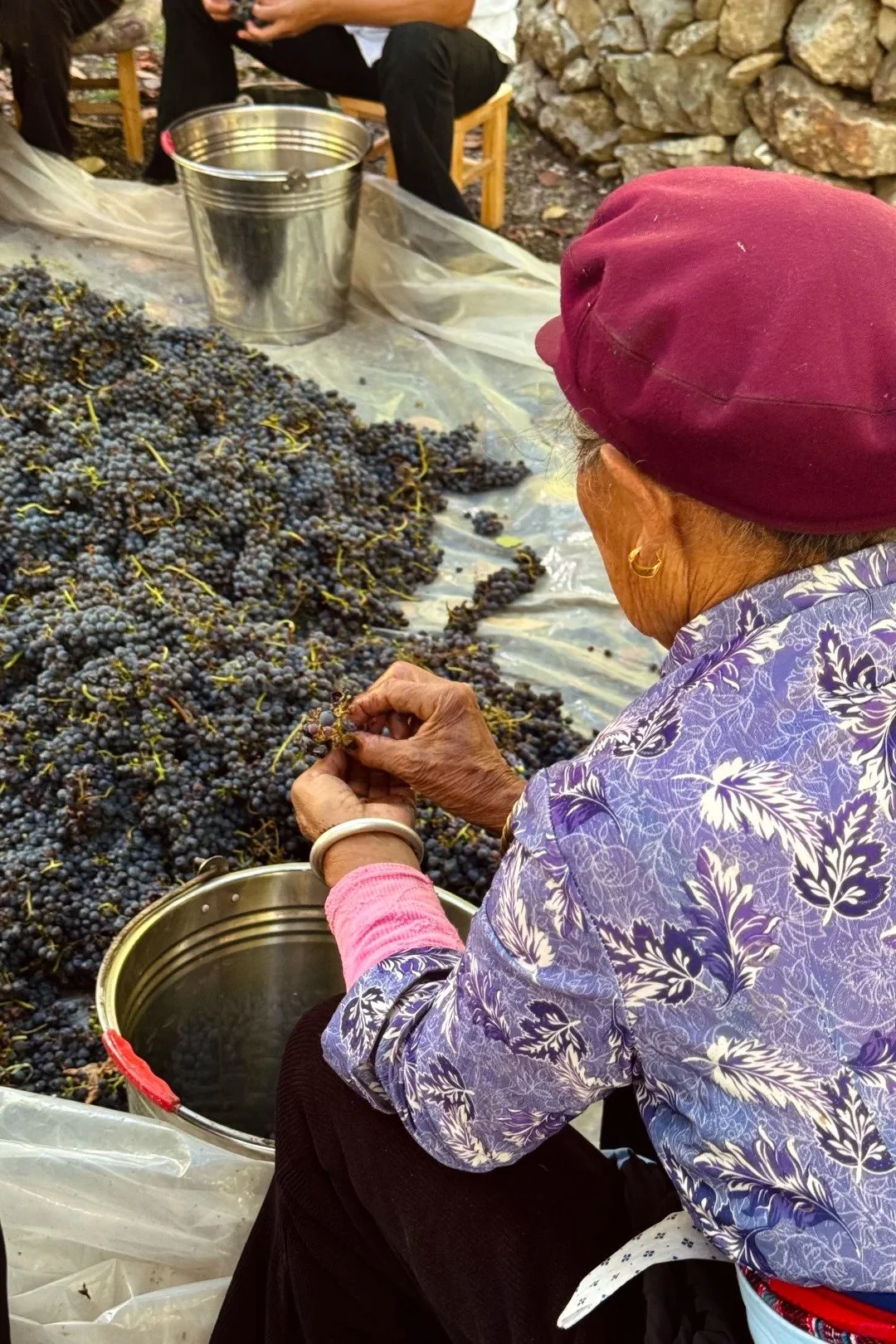
Day 13 - 14: Farewell
Day 13 - Back to Lijiang
We make the long drive back out of the mountains — five to six hours with a break along the way at Zaxee Winery for one last tasting. Once we reach Shangri-La we transfer to the train for the final stretch down to Lijiang, arriving in time for a bit of down time before our farewell dinner. Lijiang rewards a last look: the cobblestones, the running water channels, the smell of food coming from every direction. One final Yunnan feast to close out the trip, built around the cuisine that started when we landed in Kunming.
Included: Breakfast, Lunch, Train, Farewell Dinner, Accommodation
Day 14 - Zai Jian
From here, everyone heads in their own direction. Lijiang connects to Beijing, Shanghai, Chengdu, and Guangzhou for onward flights home, and there are train connections for those who want to keep exploring China. If you have time before you leave, the old town is five minutes from most hotels and worth one last slow lap. Fourteen days, three regions, more wine than we can count. Safe travels.
Included: Breakfast
Itinerary is subject to change based on availability, seasonal conditions, and local circumstances
Our Wine Expert
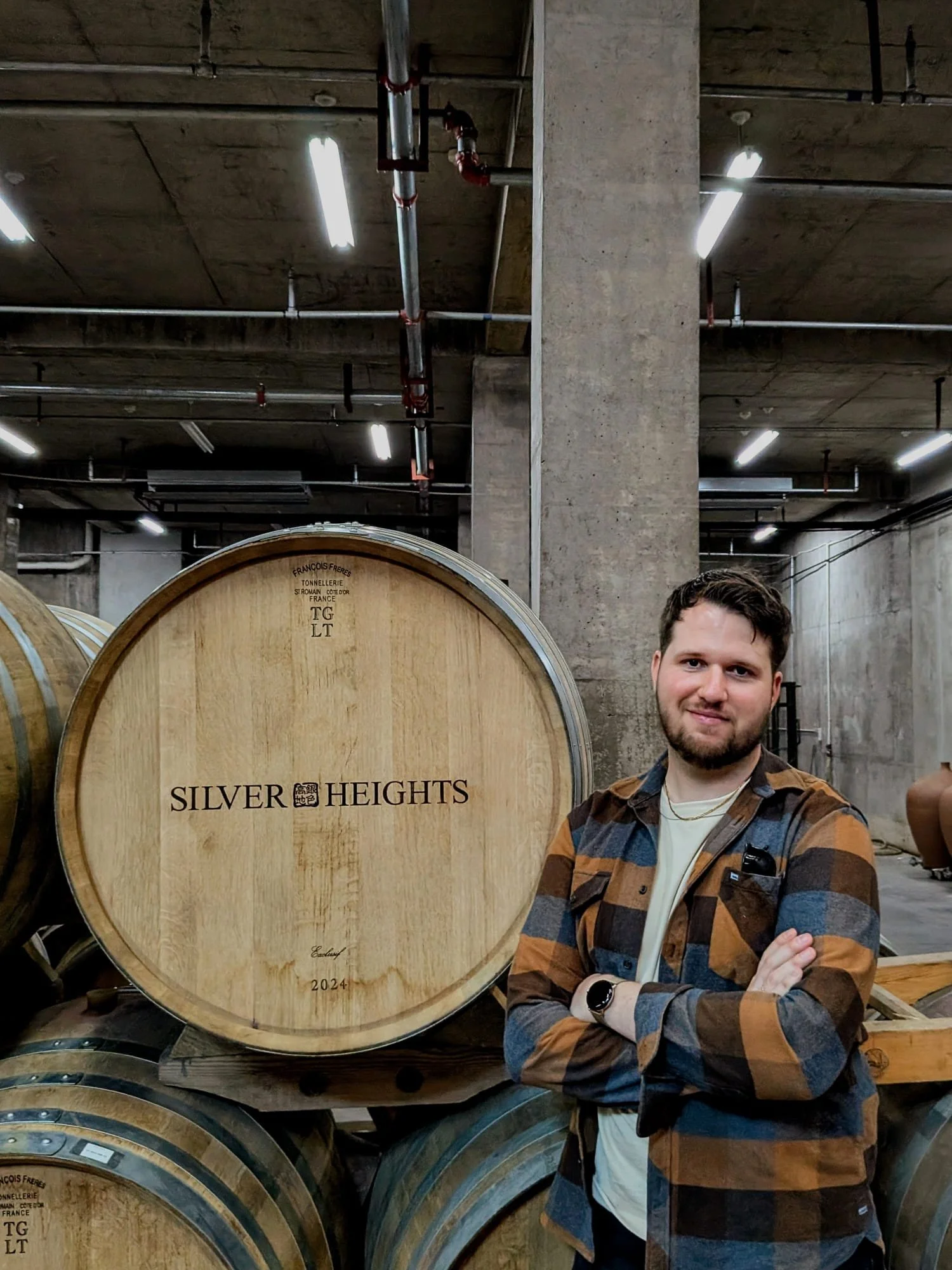
Hamish Williams is Australia's leading Chinese wine enthusiast and importer of Chinese wines. He works with small, independent producers across the country who value environment, sustainability, and quality. Since establishing Periphery Wine in 2024, Hamish has become passionate about sharing the story of Chinese wine, and now serves as a vessel for Chinese-Australian independent wine dialogue. He loves providing Australian consumers with new experiences that challenge assumptions and encourage new perspectives.
Periphery Wine is a small collection of premium wines made by independent producers who hold a grounded perspective on wine culture, use environmentally-conscious farming techniques, and are committed to quality-driven winemaking practices.
Around the world, alternative wines from new and emerging markets are underrepresented, with new stories to tell and different outlooks to explore. Diversity is the key to a delightful life, and it’s through our lived experiences and unique perspectives, united by the humble bottle of wine, that evokes excitement and adventure.
ACCOMMODATION
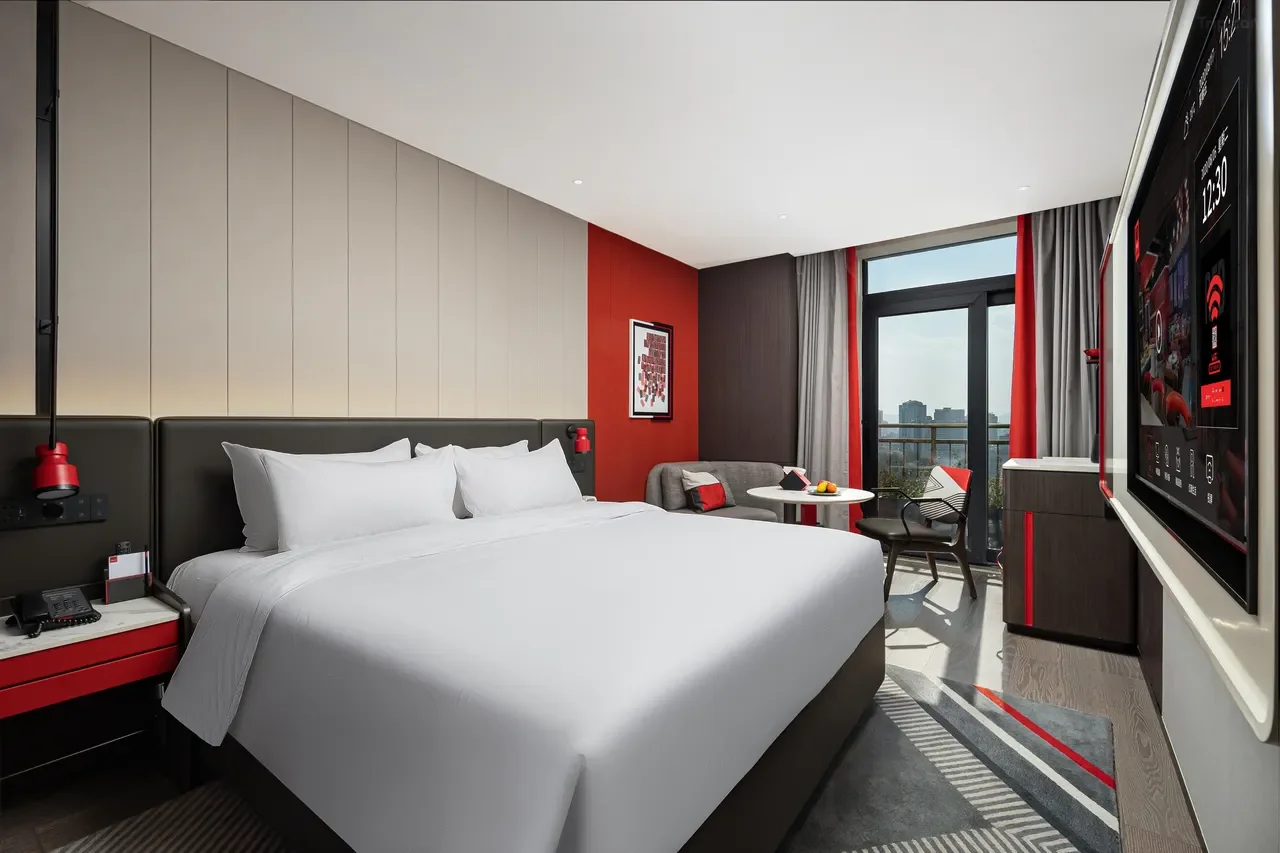
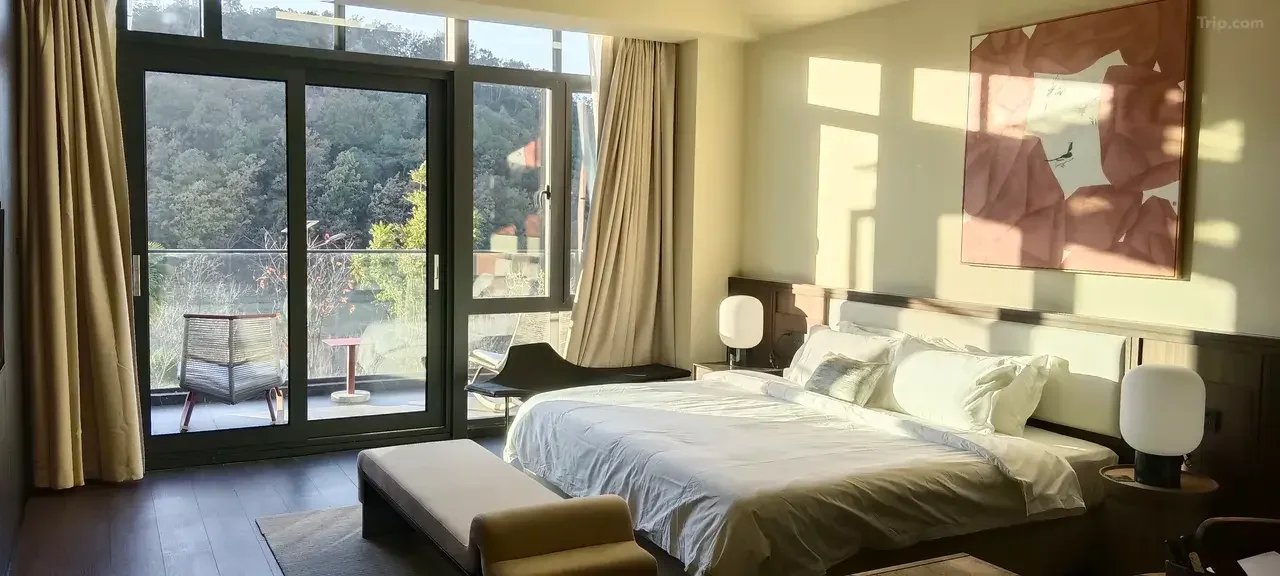
DAYAN, LIJIANG - 2 nights
SHANGRI-LA - 1 night
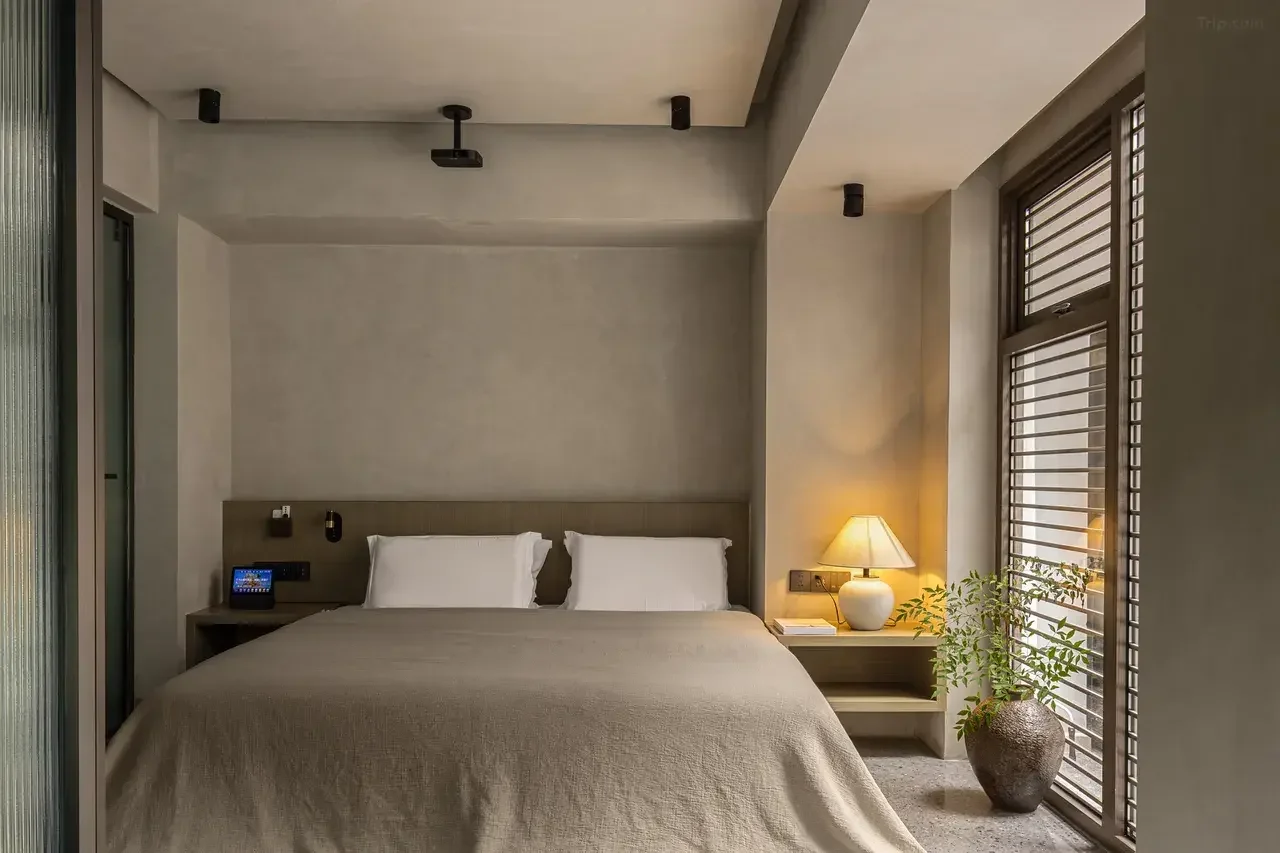
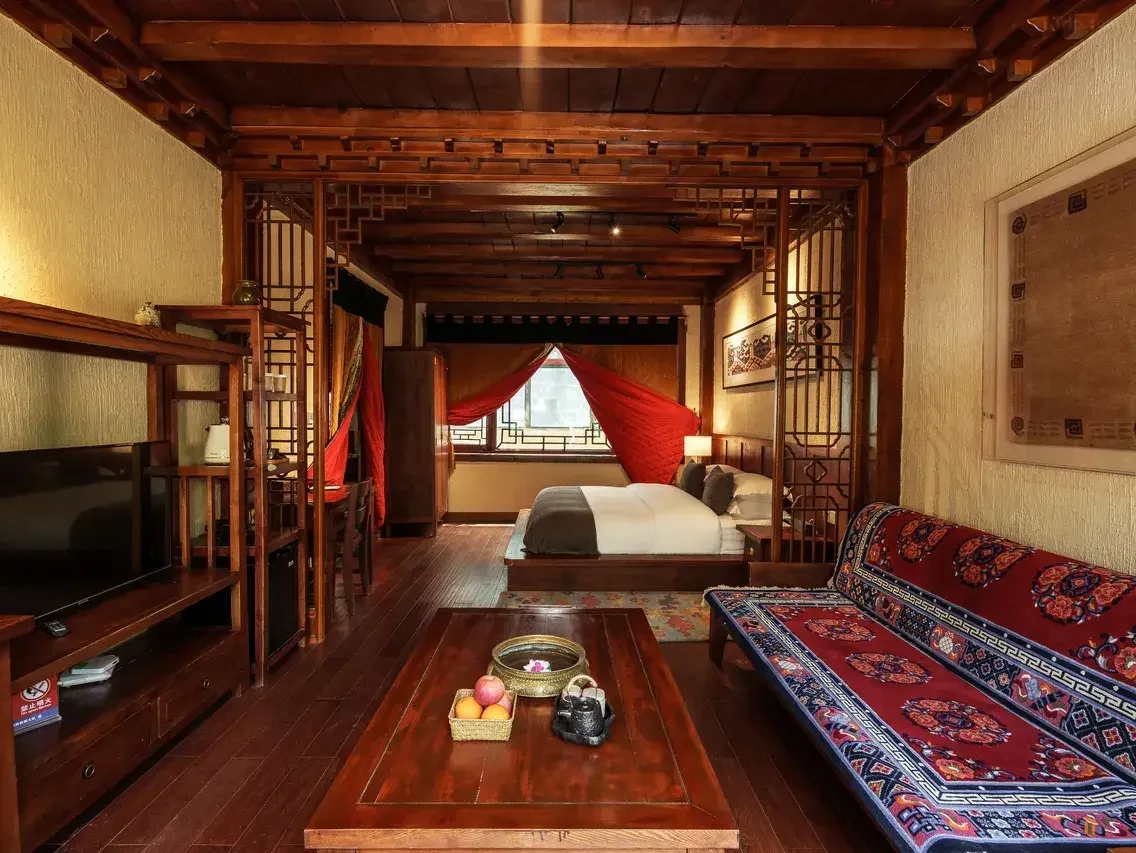
YINCHUAN - 2 nights
BEIJING - 2 nights
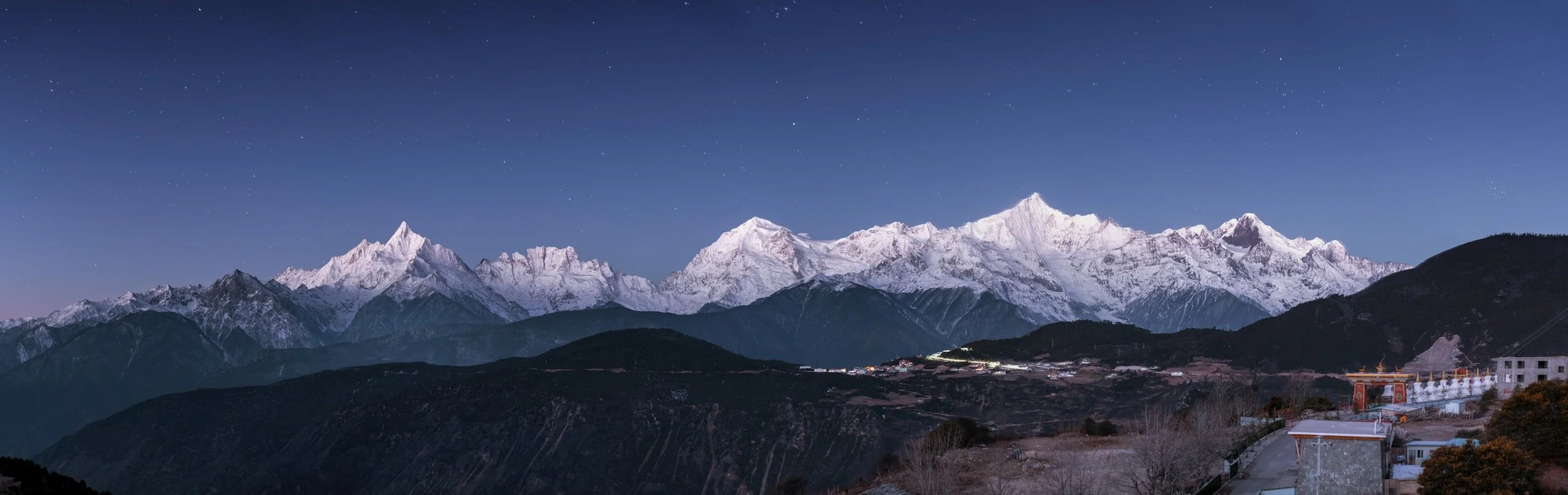
MINGYONG - 2 night
SHUHE, LIJIANG - 1 nights
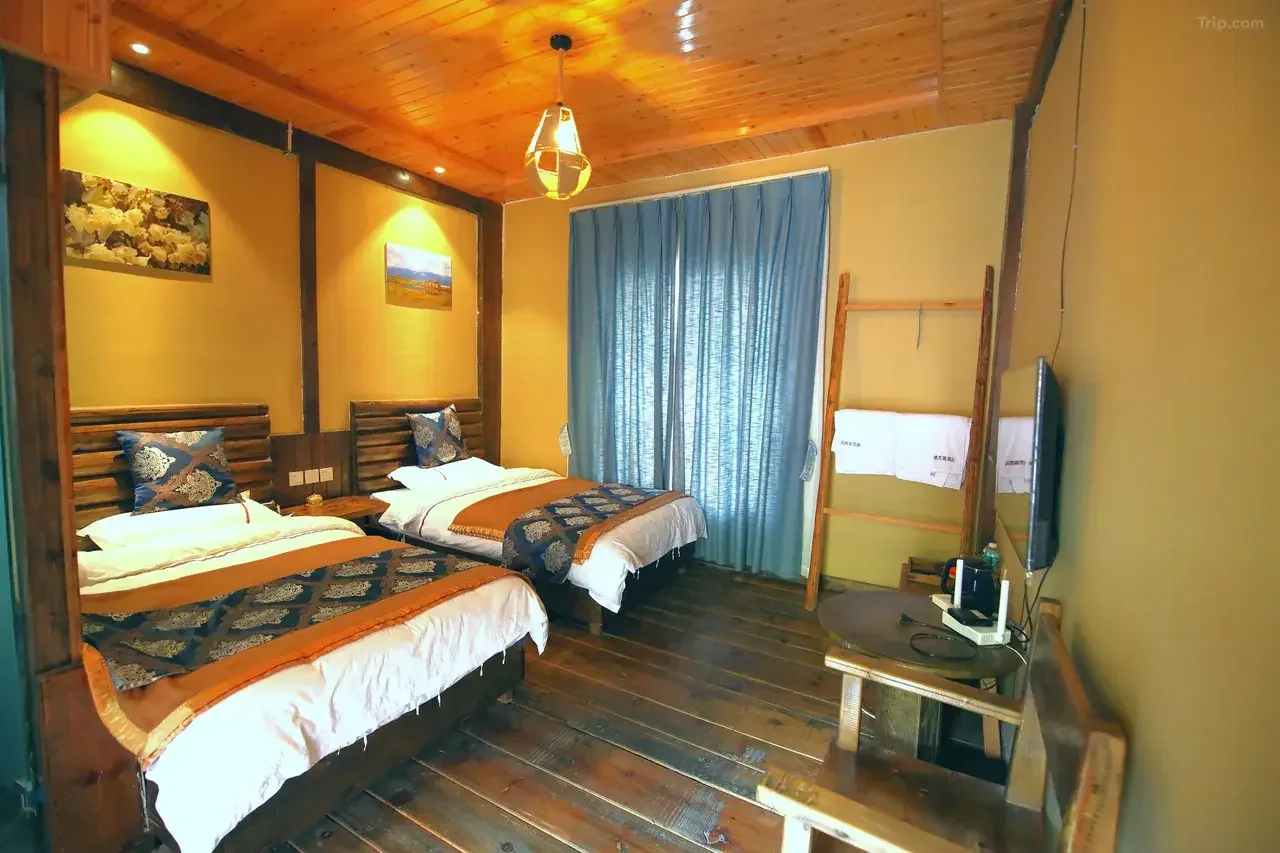
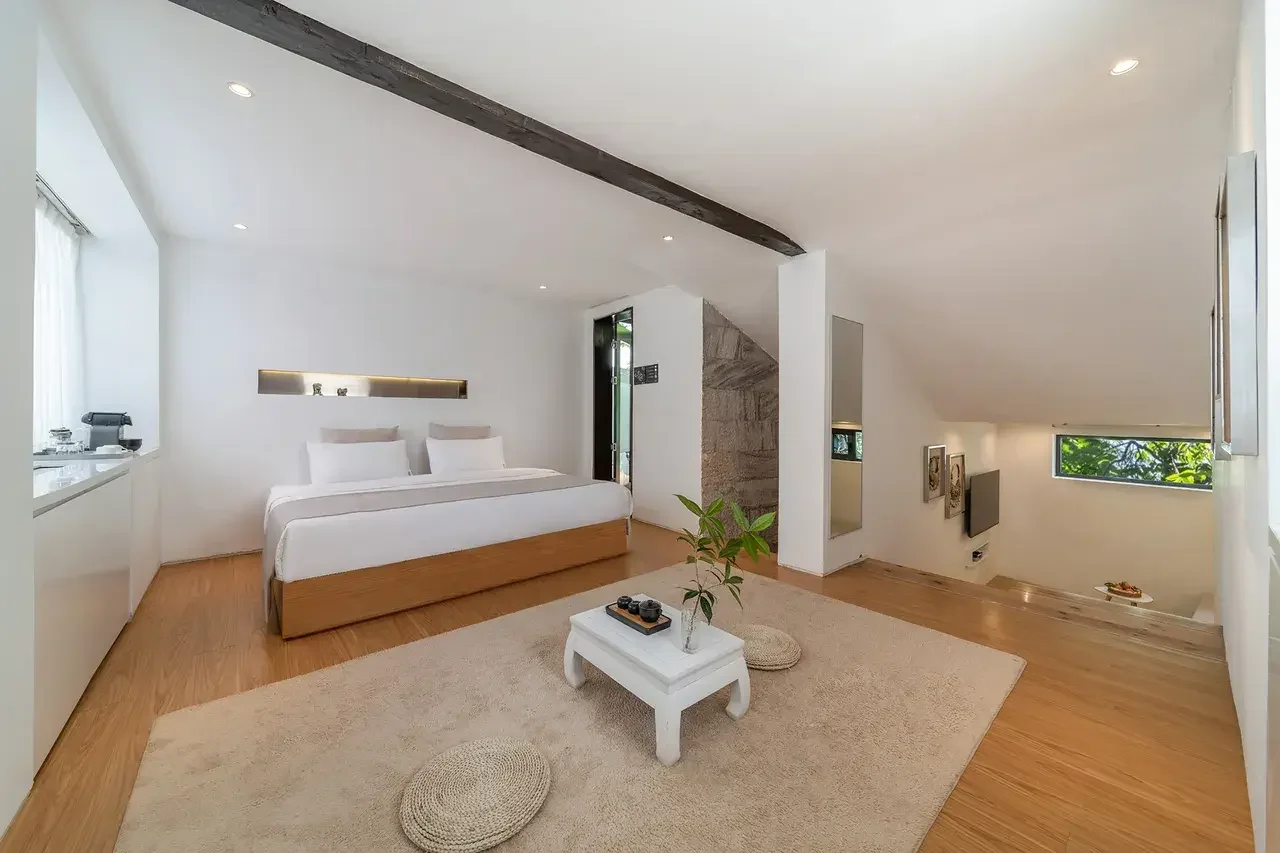
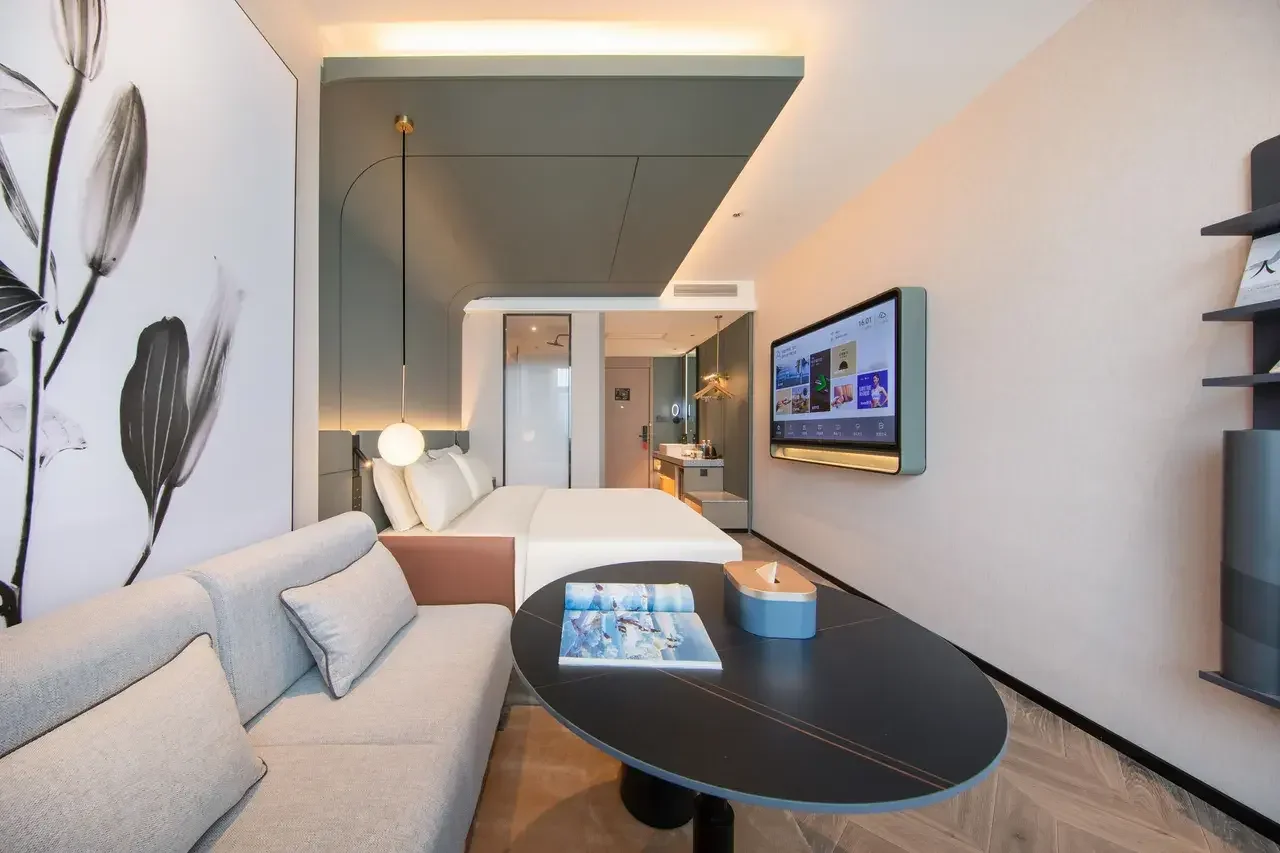
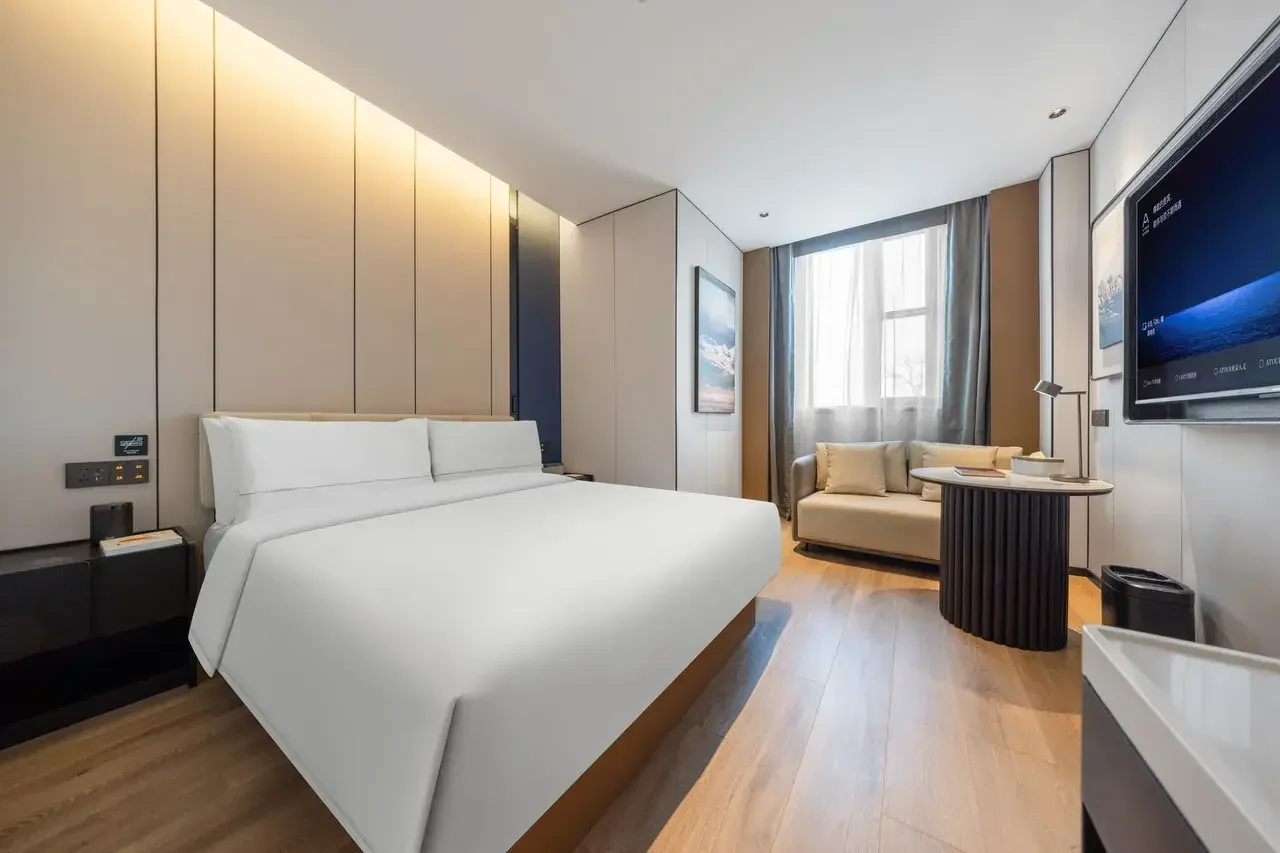
CHUXIONG - 1 night
KUNMING - 2 nights
GET OFF THE EATEN TRACK WITH US
Our tours are deliberately small, created for travelers who crave discovery and connection. Register your interest and we’ll be in touch to arrange a quick call—so we can get to know you, and you can get a taste of what’s waiting Off The Eaten Track.
Image credits:
Photos via Xiaohongshu
Chermano via Pixabay