
CHINA’S HEARTLAND
HENAN
MAY 2027
Duration
Group Size
12 nights / 13 days
May 2027
Dates TBC
Max 12 guests
Min 4 guests
Starting Point
Ending Point
Zhengzhou
Henan Province
Zhengzhou
Henan Province
Train Access
Beijing: 2.5-3.5 hours
Shanghai: ~5-6 hours
Price
Estimated
AUD $8,000 - $11,000
Final price TBC
Henan sits at the geographic centre of China. The Yellow River made this the most fertile and fought-over land on earth, and an extraordinary amount of what defines Chinese civilisation, from the writing system and the bronze tradition, to Chan Buddhism and imperial ceramic culture started here. This is where the Shang Dynasty built its first capital, where Buddhist monks arrived from India in 68 CE and founded China's first temple, and where Empress Wu Zetian commissioned the greatest stone carvings in Chinese history. We're going to spend two weeks experiencing all of it.
The trip moves in a loop from Zhengzhou through Kaifeng, the Song Dynasty capital that was once the wealthiest city on earth, and which many claim is the birthplace of xiaolongbao. We continue south to Shenhou, where Jun ware ceramics have been firing since the Tang Dynasty and a 5,000-dealer antique market draws collectors from across the country. From there we head to Shaolin Temple, the birthplace of kung fu and Chan Buddhism, before crossing into Luoyang, China's imperial capital across thirteen dynasties — home to 110,000 Buddhist statues carved into a river gorge, a 24-course imperial banquet tradition still served in century-old restaurants, and a soup culture so embedded in daily life that locals greet each other by asking whether they've drunk their soup yet. We loop back through Gongyi, where Northern Song imperial tombs stand unattended in working farmland, and return to Zhengzhou to complete the circuit.
The tour will be led by Michael, who has been travelling and eating his way through China since 2005, including almost a decade living there, and speaks Mandarin.
TRIP HIGHLIGHTS
SHAOLIN AND THE SONG MOUNTAINS
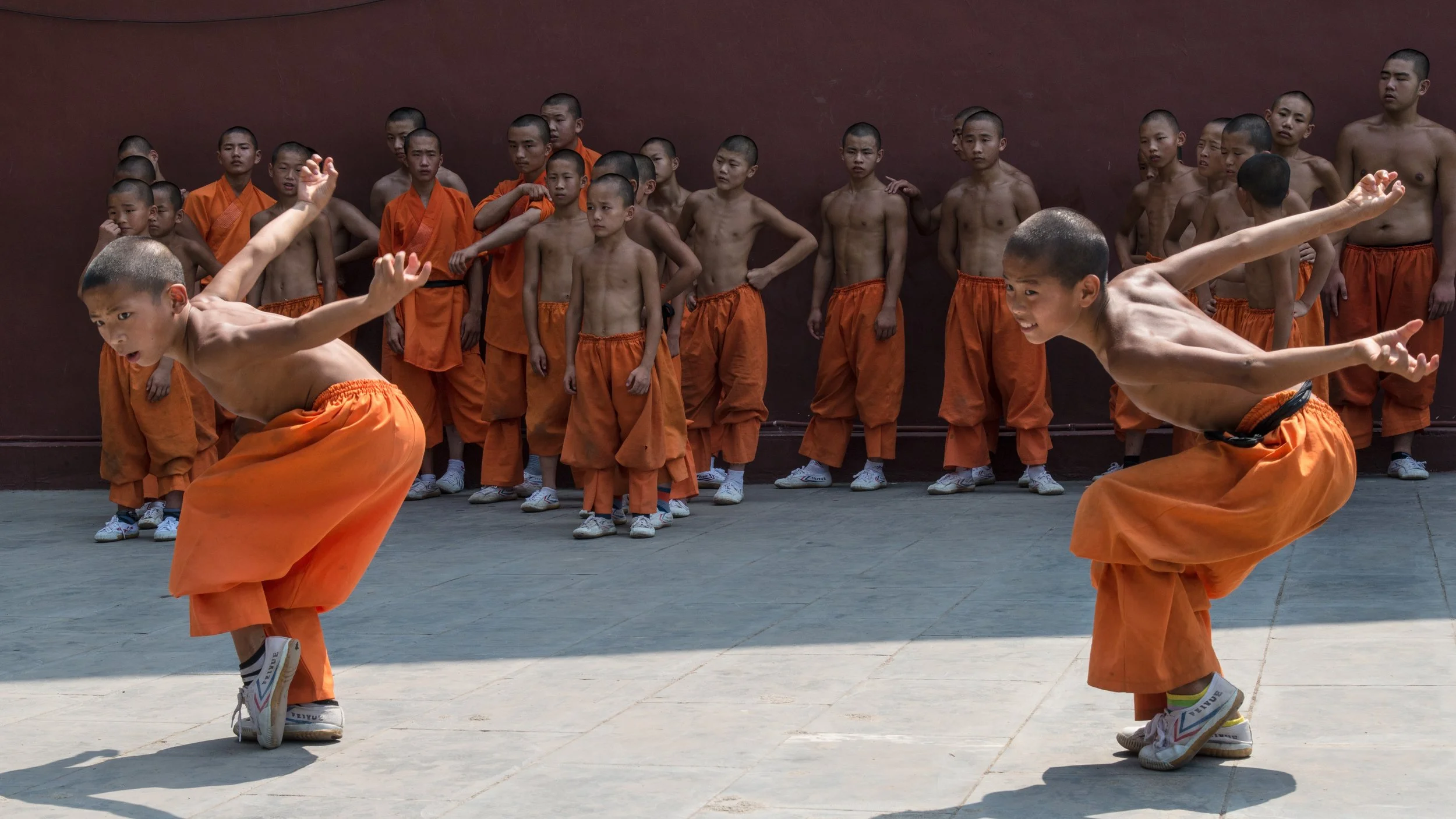
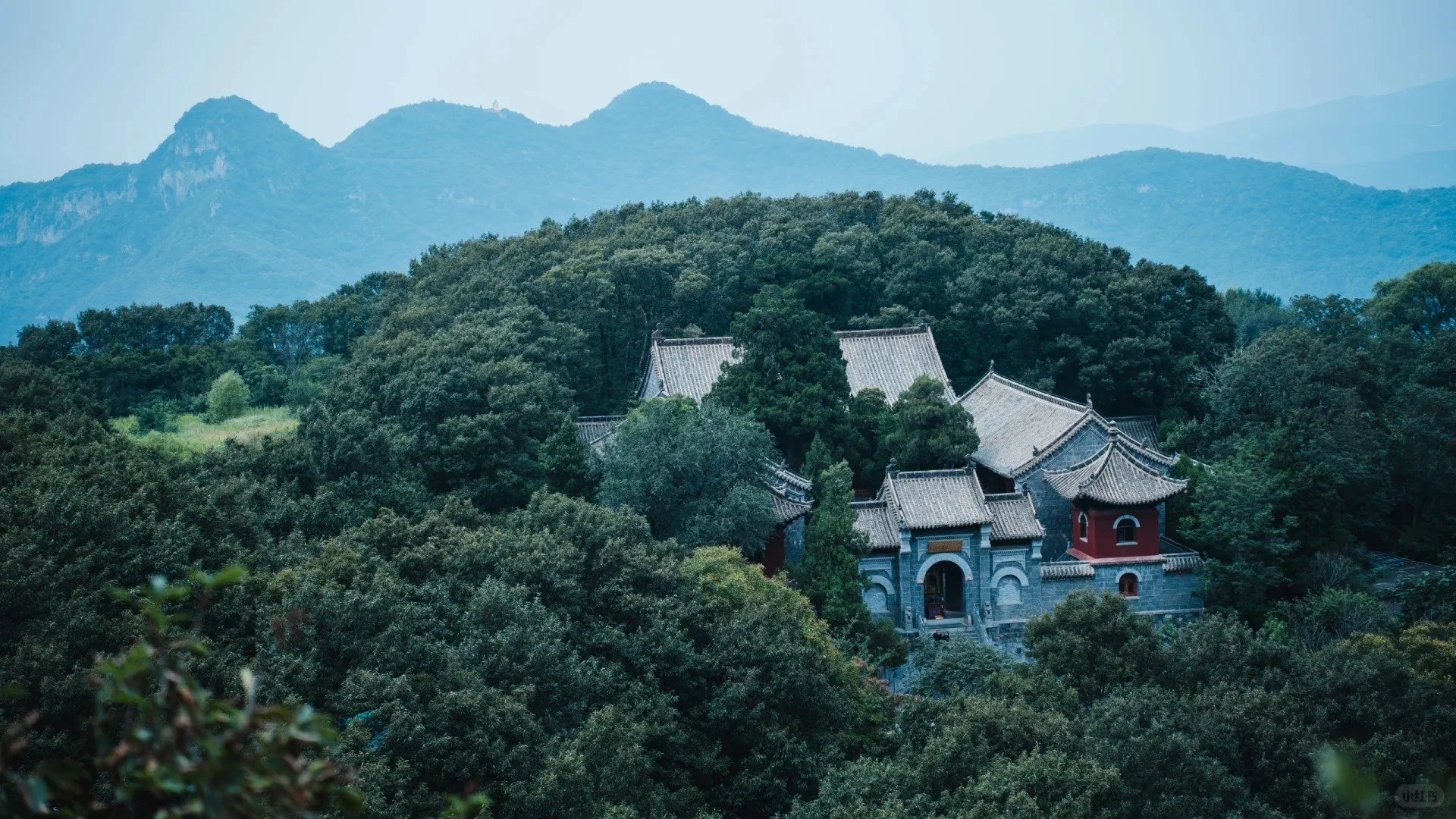
Shaolin is the birthplace of both kung fu and Chan Buddhism, two traditions that grew from the same monastic community, in the same mountain valley, over the same period. In the 6th century, an Indian monk named Bodhidharma sat facing a cave wall for nine years here, creating a practice that became Chan Buddhism. This eventually spread to Japan as Zen Buddhism, and then across the world. The physical discipline of both practices came out of the same tradition. We'll catch one of the free daily demonstrations before exploring the temple complex, then head up into the Song Mountains, where Sanhuangzhai offers cliff scenery, suspension bridges, and thousand-meter hanging walkways above the valley floor.
THE FOOD OF HENAN
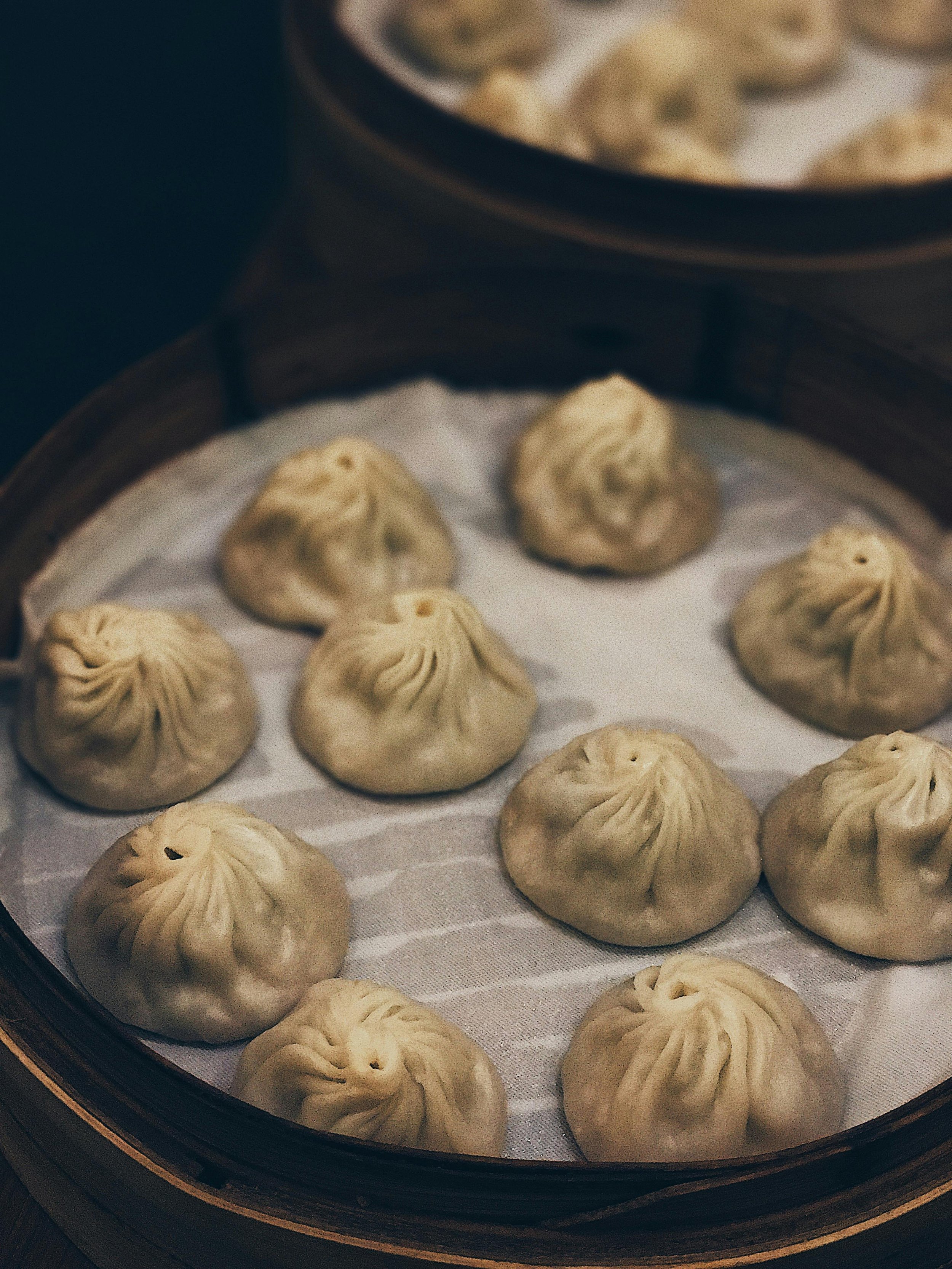
Luoyang's soup culture runs so deep that locals greet each other with "have you drunk your soup yet?” We'll be up early for beef bone broth at shops that have been simmering overnight since 3am. By evening, we're exploring one of the best night markets in central China. The centrepiece meal is the Luoyang shuixi, a 24-course imperial banquet dating to the Tang Dynasty where every hot dish arrives in soup. In Kaifeng, guantangbao trace directly back to Song Dynasty imperial kitchens. These are soup dumplings with a 1,000-year-old eating ritual attached to them, and many claim Kaifeng is where the better known Xiaolongbao were born.
THE LONGMEN GROTTOES
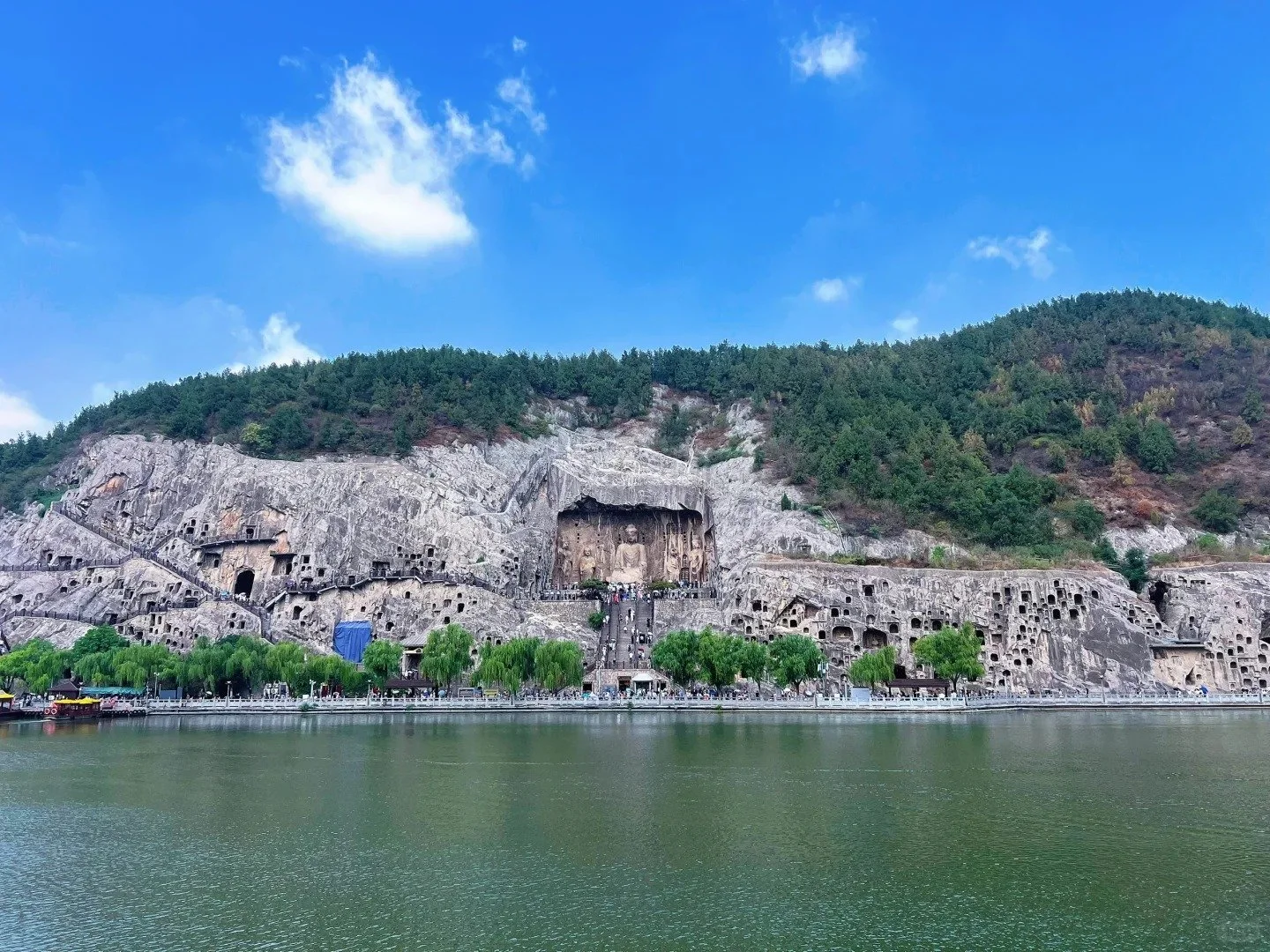
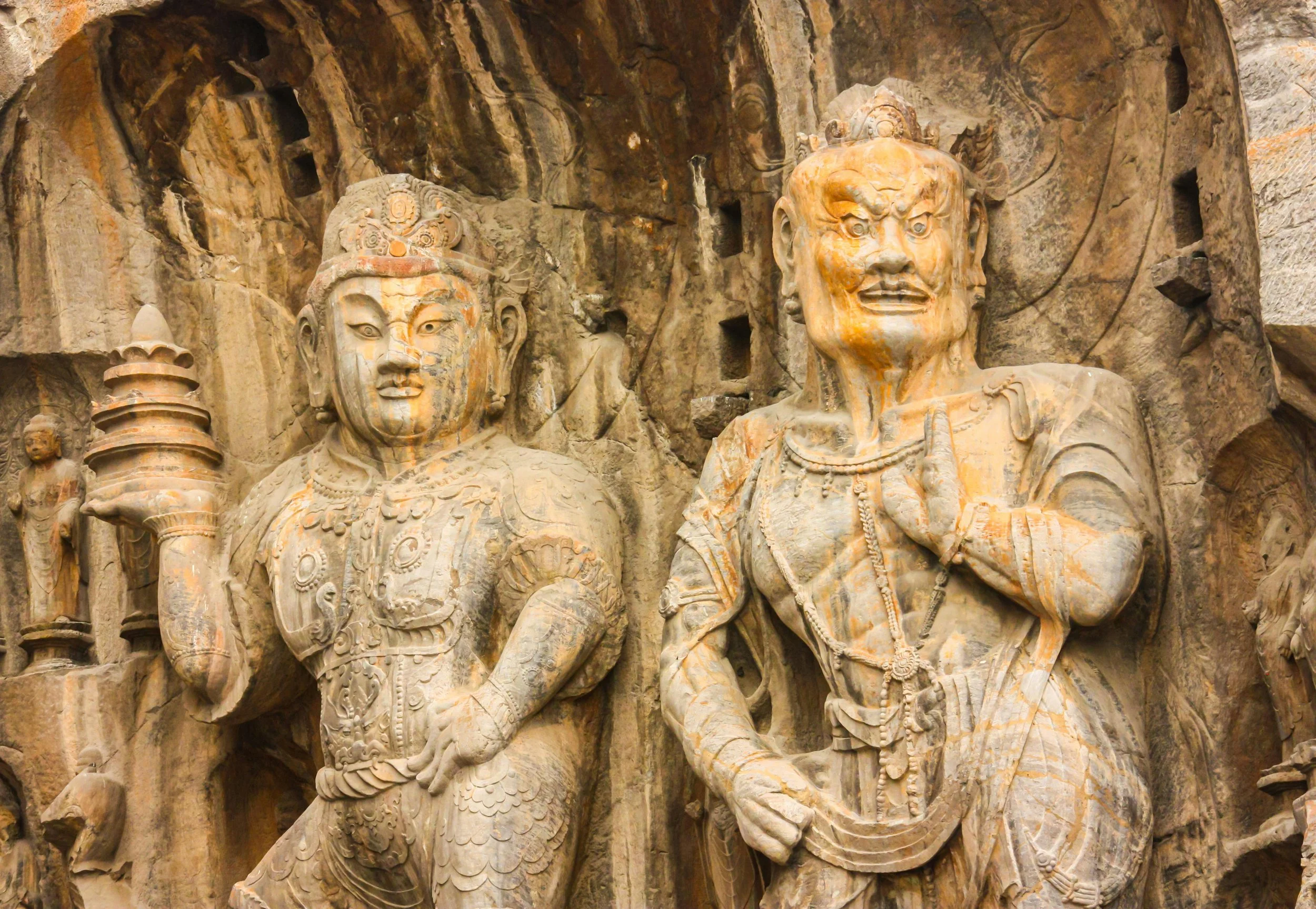
Between 493 CE and the end of the Song Dynasty, Buddhist sculptors carved 110,000 statues into the cliff face of the Yi River gorge outside Luoyang. The most famous is the 17-meter Vairocana Buddha at Fengxian Temple, allegedly modeled on Empress Wu Zetian. Beyond the major reliefs, we’ll find the Medicine Cave, where 140 ancient pharmaceutical prescriptions are carved directly into the stone among the oldest preserved medical texts in China, and the Kanjing Temple, which opened a previously inaccessible section in 2025 containing 29 Tang Dynasty Arhat reliefs that rank among the finest figure carving at the site.
JUN WARE AND THE CERAMICS TOWNS
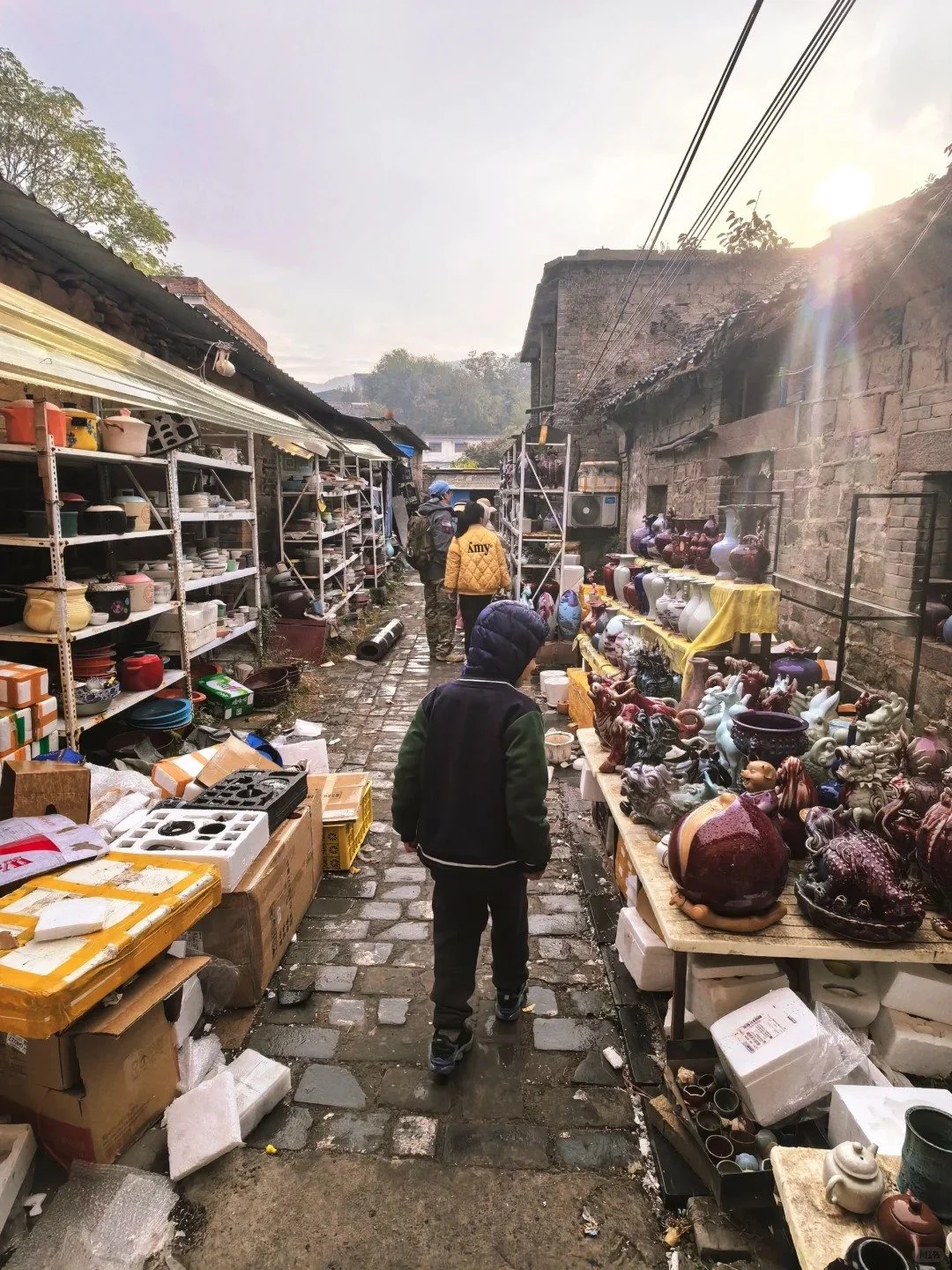
The town of Shenhou has been producing Jun ware since the Tang Dynasty, built around a phenomenon called yaobiàn, or kiln transformation. Copper oxide under reduction firing produces colour combinations that can't be predicted until the kiln opens, resulting in purple bleeding into red, red into blue, and every piece being genuinely unique. We'll spend time at the Kongjia Kiln with a National Intangible Heritage inheritor, see the full production process, and get hands-on in the workshop. The following morning we're at Shenhou's Monday antique market, where 5,000 dealers spread museum-quality ceramics and affordable tea pets - the small figurines that are used to decorate tea trays - across makeshift stalls.
KAIFENG AND ITS BURIED HISTORY
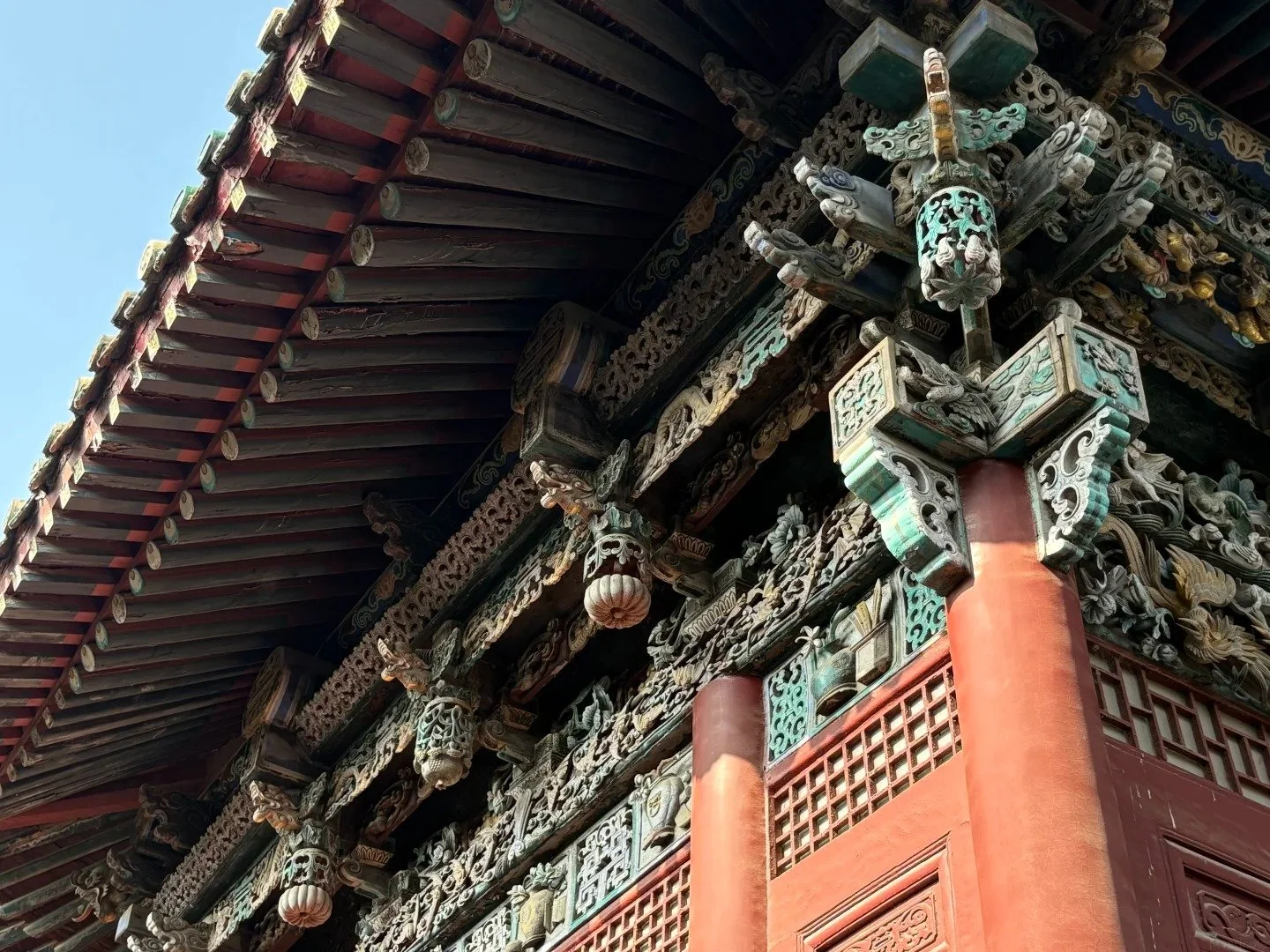
During the Song Dynasty, Kaifeng was the wealthiest and most populous city on earth, a commercial capital of over a million people at a time when London had perhaps 15,000. Then the Yellow River flooded it repeatedly, burying the city under itself six times. The city that exists today sits directly on top of Jin, Song, Tang, Han, and earlier layers. At the Ancient Horse Path Ruins Museum and Zhou Bridge Ruins we’ll learn how the flood history transformed the city across dynasties. Kaifeng also carries one of the more unusual footnotes in Chinese history: a Jewish community that arrived during the Tang or Song Dynasty and maintained its traditions in near-total isolation from the rest of the diaspora for centuries. This was one of the only Jewish communities in Chinese history, in a city that was simultaneously home to one of China's oldest mosques.
GET OFF THE EATEN TRACK WITH US
Want to know more? Here's how it works.
Register your interest using the form and we'll be in touch to set up a quick call, a chance to answer your questions and give you a deeper look at what the trip involves. From there, a 25% non-refundable deposit secures your spot. The remaining balance is due 60 days before departure. Check our full T&Cs here.
The full day-by-day itinerary and accommodation guide are coming soon, and formal bookings will open then. In the meantime, our FAQ covers everything from what's included to our cancellation policy.
We cap the group at twelve. Small enough to get into workshops and restaurants that don't accommodate larger groups, and to move at a pace that's actually about the place.
See our other China Tours here.
FREQUENTLY ASKED QUESTIONS
General Henan FAQ
-
Henan is a landlocked province in central China, sitting at the bend of the Yellow River where the river transitions from the highlands to the North China Plain. It was the political and cultural centre of China for most of the first two millennia of recorded history, serving as the seat of multiple dynasties — the Shang, the Eastern Han, the Tang at various points, and the Northern Song, among others. The name means "south of the river," a reference to its position relative to the Yellow River, though much of the province actually lies on both banks.
-
Henan is known for Shaolin Temple, the birthplace of Chan Buddhism and the kung fu tradition, and for the Longmen Grottoes, a UNESCO World Heritage Site containing 110,000 Buddhist statues carved into the Yi River gorge over eight centuries. Beyond those two, the province holds some of China's most significant archaeological sites, a ceramic tradition centred on Jun ware that has been firing continuously since the Tang Dynasty, and one of the country's most distinctive regional food cultures, built around bone broth, imperial banquet traditions, and a soup-obsessed daily rhythm that locals will tell you is simply how life is lived here.
-
The most distinctive element of Henan's food culture is soup — specifically the morning soup tradition in Luoyang, where beef bone broth simmered overnight has been the standard breakfast for generations. The Luoyang shuixi, or Water Banquet, is a 24-course imperial feast dating to the Tang Dynasty in which every hot dish arrives in broth. Kaifeng is known for guantangbao, soup dumplings that trace back to Song Dynasty imperial kitchens. Across the province, hulatang — a thick, peppery broth with vermicelli and wood ear mushroom — is the everyday staple, eaten for breakfast as often as at any other time of day. Henan also has a strong tradition of hand-pulled noodles, flatbread, and braised meats.
-
Spring and early autumn are the best seasons. May is a strong month to visit — the weather is warm but not yet at the intense summer heat, and the province is past the spring festival crowds. Luoyang's famous peony festival runs through April into early May, and while the main bloom peaks before our trip, late-blooming varieties can still be found into mid-May. Summer brings significant heat and humidity, and July and August can see temperatures above 35°C. Winter is cold and can be grey, though some of the archaeological sites are uncrowded and worth visiting out of season.
-
The tour starts and ends in Zhengzhou, Henan's capital, which is one of the best-connected cities on China's high-speed rail network. Beijing is roughly 2.5 to 3.5 hours by high-speed train, Shanghai around 5 to 6 hours. Zhengzhou also has an international airport with connections across Asia, though most international travellers will route through Beijing, Shanghai, or Hong Kong. Within the province, the tour uses a mix of intercity rail and a chartered mini-bus.
Tour FAQ
-
The Henan May 2027 tour is estimated at AUD $8,000–$11,000 per person. Final pricing will be confirmed when the full itinerary and accommodation guide are released. For a guide to what's typically included and excluded in OTET tour pricing, see our FAQ page.
-
The tour covers Zhengzhou, Kaifeng, the ceramic town of Shenhou in Yuzhou, Dengfeng and Shaolin Temple, Luoyang, and Gongyi. The full day-by-day itinerary is coming soon.
-
We stay in a mix of four and five star hotels, often with Chinese chains like Atour and Orange Hotel, which offer a consistently high standard and are well located in most cities. In more out-of-the-way places, we'll use the best local accommodation available — sometimes a local guesthouse, sometimes a boutique property of a four or five star standard. A full accommodation guide will be published alongside the itinerary.
-
Most Western nationalities require a visa to enter China. Visa requirements and exemption agreements do change, so we recommend checking the current requirements for your passport well in advance of travel. You can check with your government and the Chinese embassy of your home country.
-
The tour is led by Michael Minsky, who has been travelling and eating his way through China since 2005 and speaks Mandarin. He has personal experience of most of the places on this itinerary.
-
Register your interest using the form on this page. We'll be in touch to set up a call, answer your questions, and walk you through the trip in more detail. A 25% non-refundable deposit secures your spot, with the remaining balance due 60 days before departure. Full details are in our Terms of Service.