
Japan’s Best Convenience Store Snacks
Tokyo Through Our Eyes - Part 2
For part two of our introduction to Tokyo, we’re bringing you our greatest love: Food. But forget the Michelin stars for a moment—let's talk about Tokyo convenience store food, or konbini. You’ll easily find all kinds of recommendations for Japanese food on socials or reputable places like the World’s 50 Best. But while they go high, we go low - straight to the konbini. If you want a good Japanese snack, or you’re down to your last 200 yen on your Suica card, we’ve got you covered. And the best place to drop a few hundred yen is your local konbini.
What Are Konbini?
Japan’s Convenience Store Culture
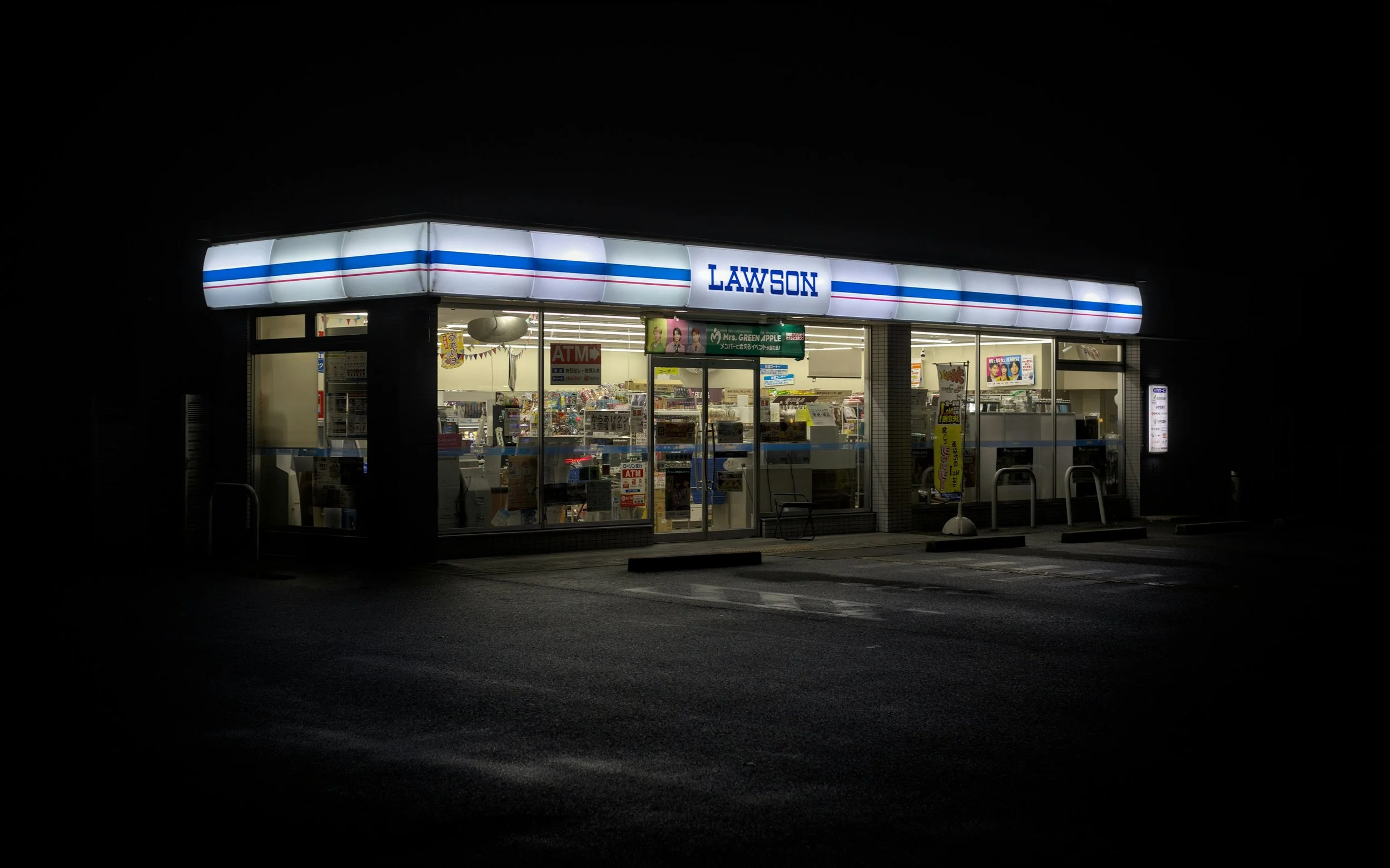
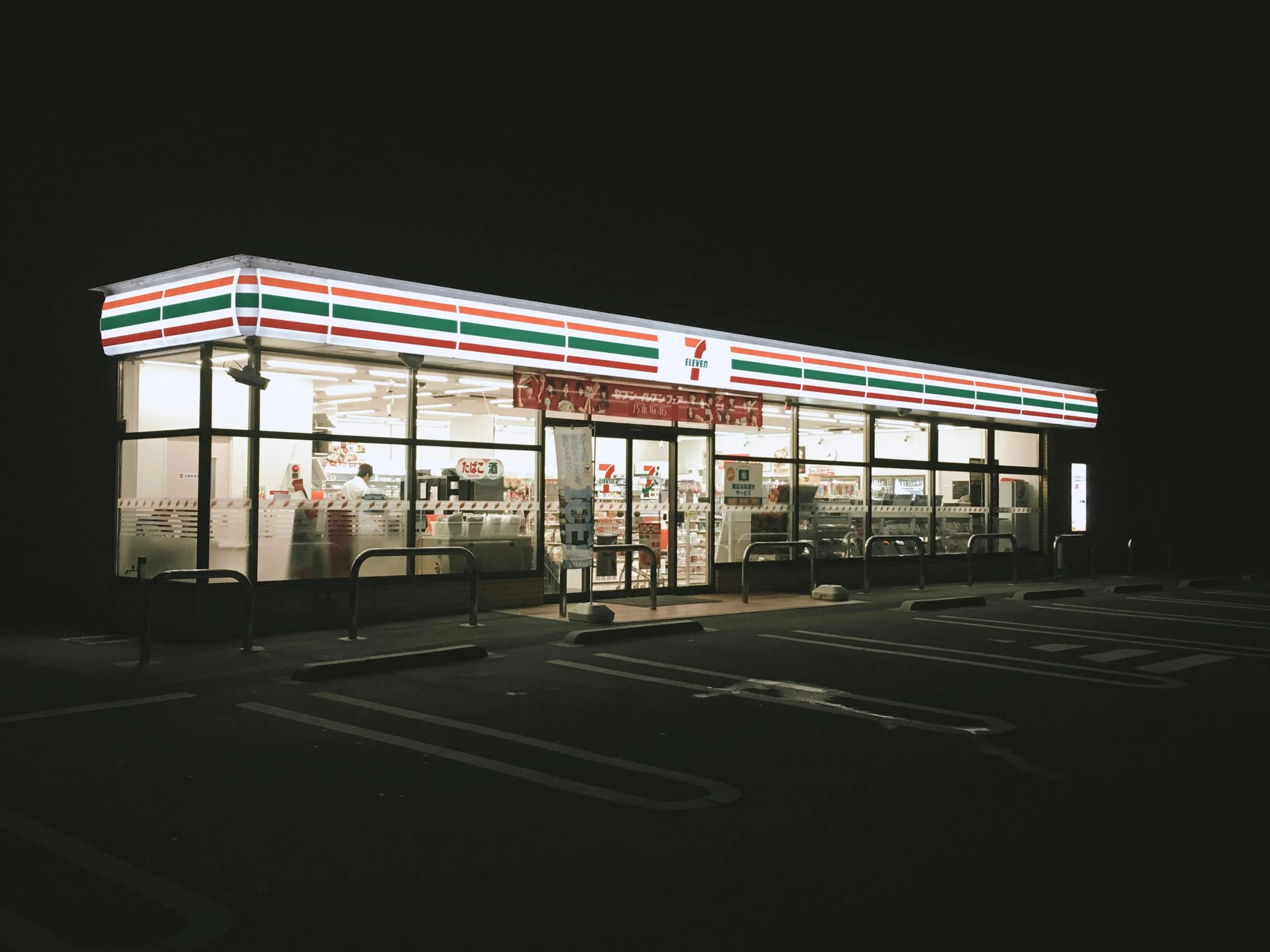
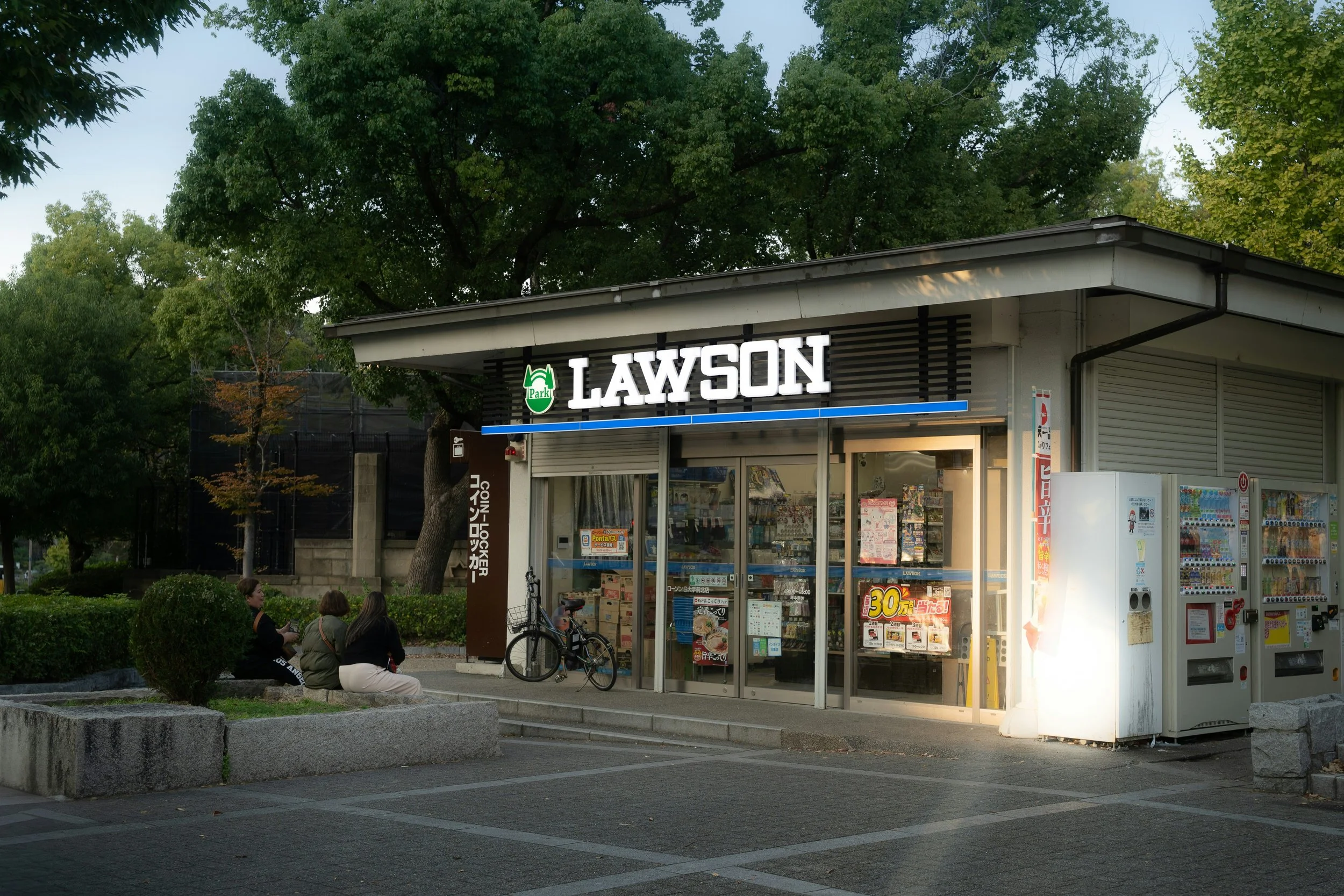
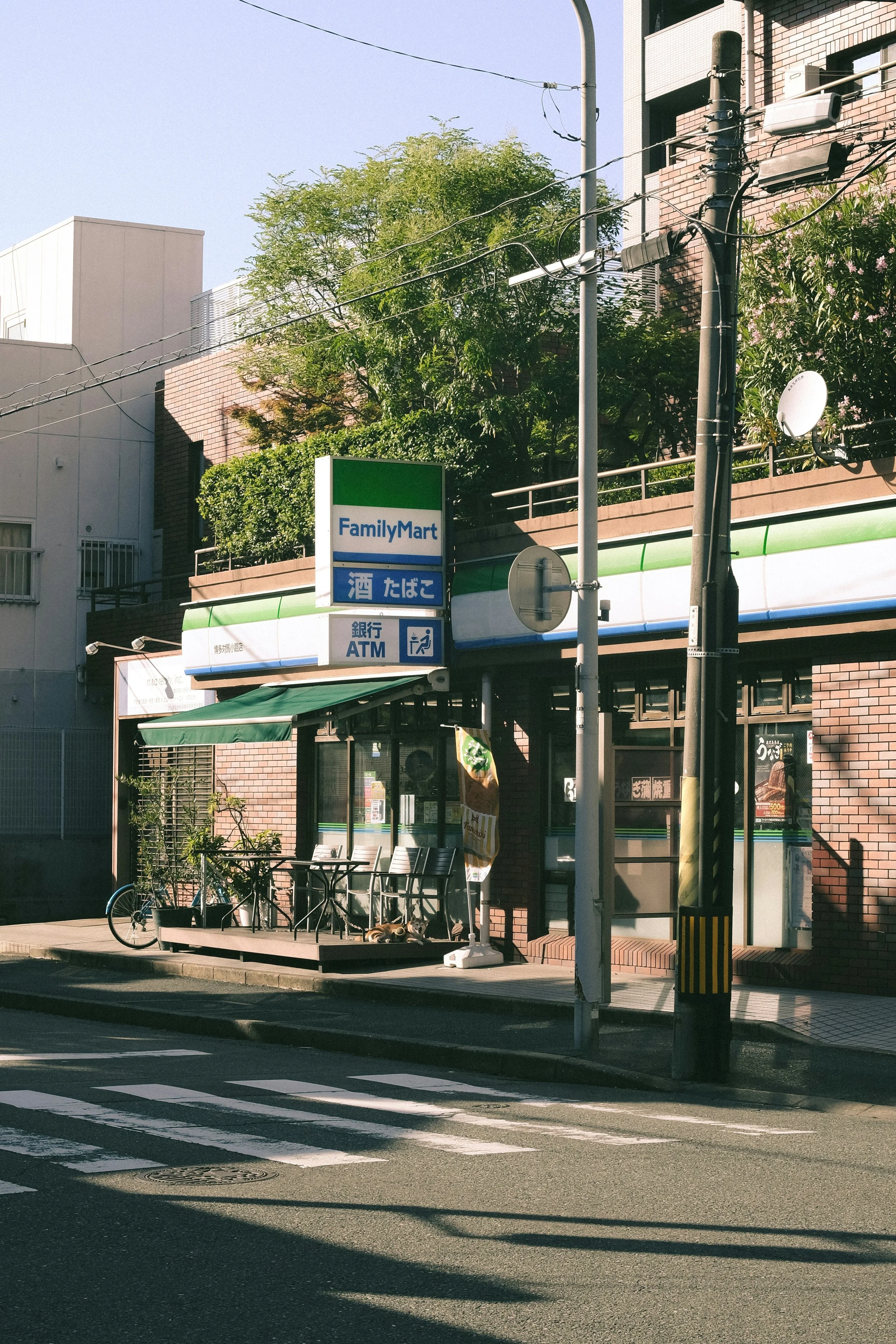
When it comes to Japanese convenience stores you really can’t go wrong. You’ve got your big three: 7-Eleven (famous for the egg sandos), Lawsons (known for their baked goods) and Family Mart (famous for their fried chicken - Fami Chicki). But you’ll also find many more local brands, especially as you get off the eaten track. Some other ones to keep your eyes out for are Daily Yamazaki (owned by Yamazaki Baking Co so go here for baked goods), New Days (you’ll find these mostly in train stations so good for bento) and Mini Stop (go here for soft serve). But Konbini are more than just great Japanese snacks. You can get any toiletries you might have forgotten, some branded swag or Muji clothing, or even a full meal. Back when we lived in Japan, the zaru soba at 7-Eleven was a particular favourite of Minsky’s, which he ate weekly when it was in season. Even the convenience stores in Japan follow the seasons in terms of specialty items. It was always a sad day for Minsky when the weather started to turn cooler and 7-Eleven stopped stocking zaru soba, but that meant it was oden season so it wasn’t all bad.
It’s no secret that konbini in Japan offer some of the best Japanese snacks and quick meals around. You’ll have seen a lot about the egg sandos, drink hacks like the coolish with green tea, and the juiciest piece of fried chicken you’re going to get for around 200 yen at Family Mart. So here are a few of our favorite kombini snacks. In fact they’re some of our favourite Japanese foods period, so we’ve added in a few extra places outside the konbini where you can go and try more up-market versions.

Best Purin (Japanese Pudding) in Tokyo
Minsky - aka Papa Purin
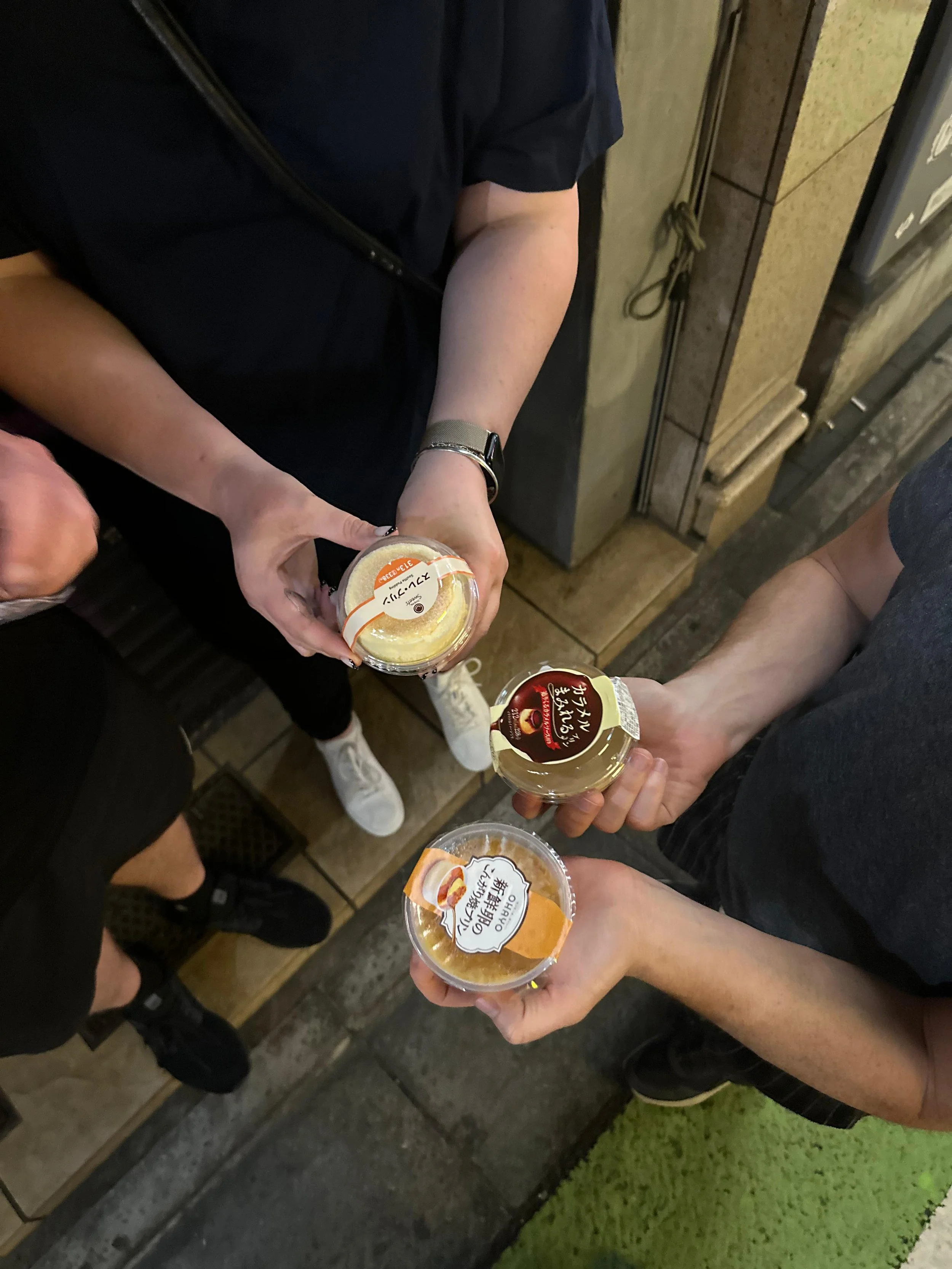
We recommend every visitor to Japan do their own purin taste test
I don't have much of a sweet tooth, but if there's one Japanese dessert I love, it's purin aka pudding (or to this Mexican - flan). I have no idea how purin became so ubiquitous in Japan, but I love it. You can find it everywhere from konbini to Michelin star restaurants, and every town will sell its own version with a regional twist. Having done a taste test of literally every single konbini purin here with my Mexican mother (we take flan very seriously), we can say with good authority that the 7-Eleven one is not only the best, but easily one of the best reasons to part with a few hundred yen. I particularly like the ones with the dark caramel sauce, that burnt sugar bitterness balances the rich creaminess out. But it’s the smaller independent purin shops that are truly something special. And the secret ingredient? Cute old people. Cute old uncles and aunties who've been making it for decades and continue to make it just for me. Hekkelun in Tokyo is the best. It’s an 80-something year old dude who makes massive purins and siphon coffee (I think you're sensing another theme here), and runs this tiny café with his wife. Now in his 80’s he’s reduced his hours and he closes down periodically, so make sure you double check in advance if he will be open. Anyway, here are a few more great ones, although not always with old folks:
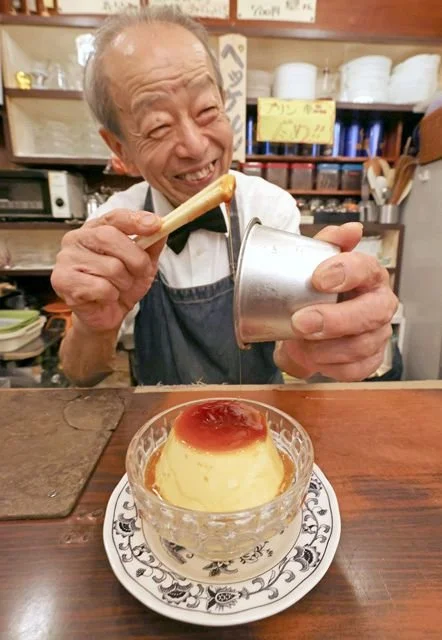
Hekkelun, via Tokyo Shinbun
Akim’p - This place near the Skytree serves a more rich, almost cheesecake like purin with a couple of options on the menu, including one that they’ll brulee right in front of you. The brulee is always a great option, and you can often get bruleed purin at conbini as well.
Kissa Ray - this one is right in the heart of one of our favorite neighbourhoods in Tokyo - Shimokitazawa (which Beth wrote all about). Definitely go explore the neighbourhood. Definitely stop for a purin and coffee.
Ou - on your way out to the Ghibli museum in Mitaka, you could hop off the train at Hamadayama and stop in at this cute little café that does a variety of baked goods, plus a great purin. Just given the location, this one is definitely going to be off the eaten track for most people, but an easy stop if you’re on your way out west.
Beans farm - a bit outside the city, beans farm is serving coffee and some pretty luxe purin, including ones they top with ice cream and home made muffins. There’s currently a trend of nokke purin, where you put an entire peach on top of the purin (or vice versa) and this place is doing it during peach season. If you don’t want to head so far out of town but love a peach, then you can head to hitoma, a coffee shop and sake bar, near Ueno station.
Best Onigiri in Tokyo:
Konbini and Beyond
Beth - aka Onigiri Obachan
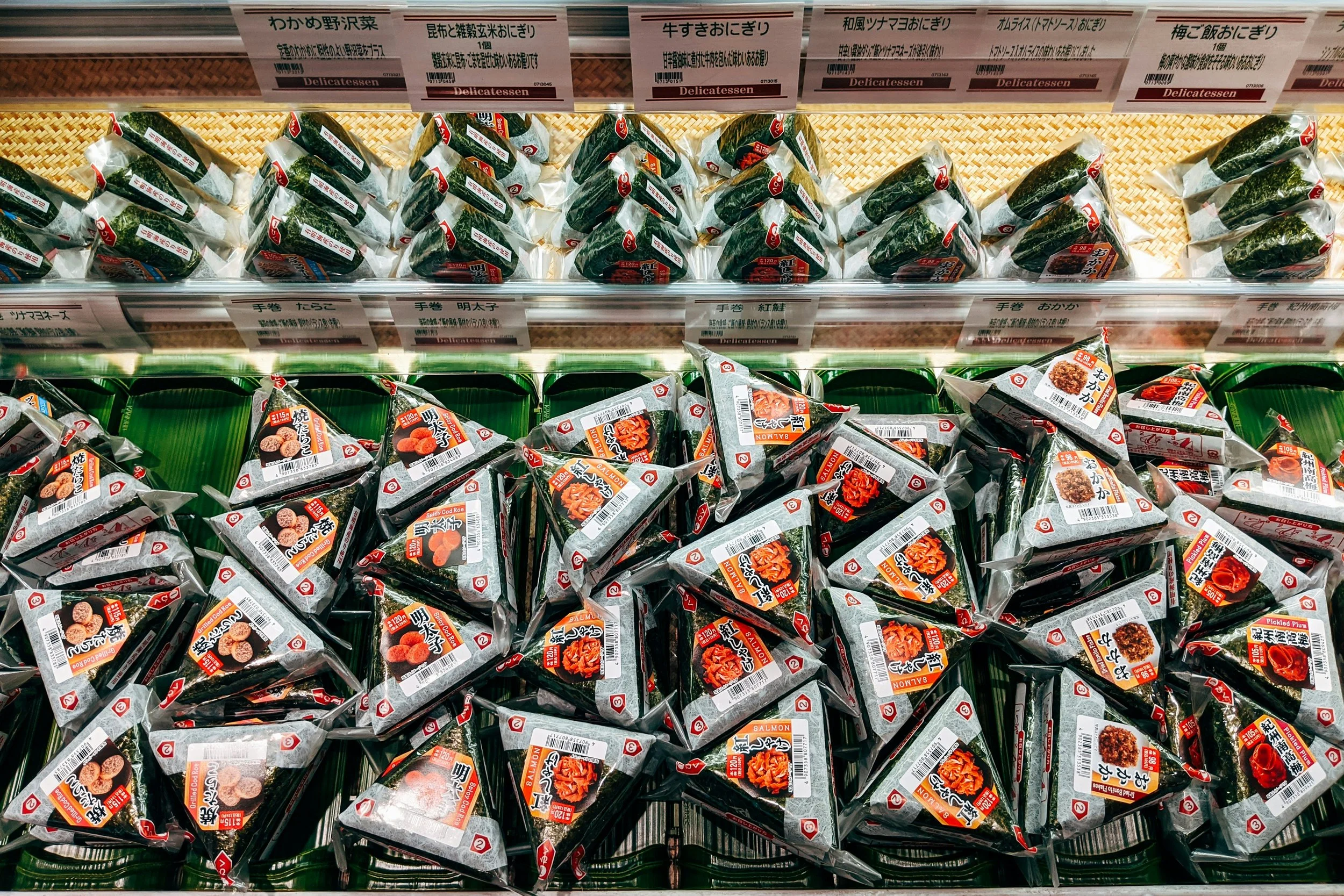
When I lived in Japan, onigiri was my go to breakfast before heading up the mountain for snowboarding. It’s a perfectly sized hand held meal. But for me onigiri are an anytime food. There are so many flavours to choose from. My personal favourites are any with shiso in them (look for the pinkish coloured ones), the omurice ones, and a classic tuna mayo. You’ll be able to grab them at any konbini (I personally think 7-Eleven’s are best), but more and more gourmet onigiri shops are popping up around Tokyo.
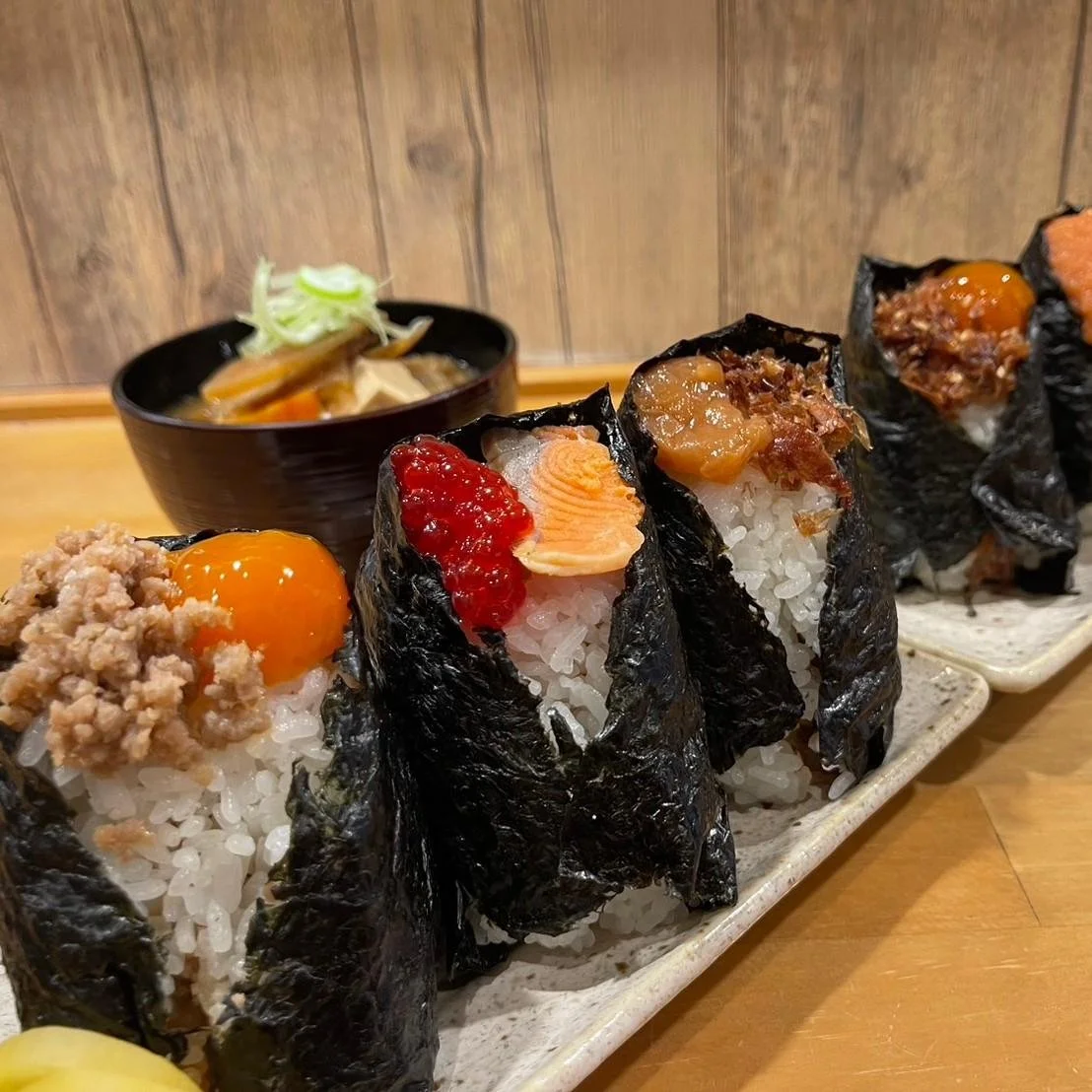
For something a little more upmarket head to Onigiri Bongo, which is of course run by a cute old lady, making the schlep out of the city centre well worth it. There are 50 types of ingredients to choose from.
Kamakurayama Kometen in Shimokitazawa was another neighbourhood discovery during my recent stay. My favourite was shiso miso, which is not only enjoyable to say, but also very enjoyable to eat.
Unigiri at Censu - This place is one of my favourite restaurants in Tokyo. It’s Japanese food that doesn’t take itself too seriously. It was recommended to me by Melinda Joe and you trust everything that woman tells you. This huge grilled onigiri is served as a main dish, topped with a generous portion of uni, and swimming in an abalone sauce.
Onigiri Asakusa Yadoroku has been serving onigiri for three generations, and has a bib-Gourmand accolade from the Michelin Guide.
The konbini is one of those things that sounds mundane until you're standing in one at midnight, trying to decide between your third purin of the trip and a perfectly made onigiri. The difference from convenience stores back home is genuinely stark. in Japan, konbini really do deliver on the promise of convenience, with fresh, high-quality food available on every corner, at any hour, for a few hundred yen. Don't sleep on it.
Frequently Asked Questions
-
Konbini (コンビニ) is the Japanese word for convenience store. Unlike convenience stores in most countries, Japanese konbini are famous for genuinely excellent food — freshly made onigiri, seasonal hot meals, high-quality snacks, and desserts. They also sell toiletries, clothing basics, and branded merchandise. The big three chains are 7-Eleven, Lawson, and Family Mart, each with their own signature items.
-
Each of the major konbini chains has its strengths. 7-Eleven is generally considered the best overall, particularly for onigiri, egg sandwiches, and purin. Lawson is known for its baked goods and fried chicken. Family Mart is famous for Fami Chiki fried chicken. Daily Yamazaki is excellent for bread and pastries, and Mini Stop is worth seeking out for soft-serve ice cream.
-
Some of the best things to eat at a Japanese convenience store include onigiri (rice balls), particularly from 7-Eleven; purin (Japanese custard pudding), also best from 7-Eleven; egg sandwiches (tamago sando) from 7-Eleven; Fami Chiki fried chicken from Family Mart; baked goods from Lawson or Daily Yamazaki; and seasonal items like oden in winter and cold zaru soba in summer.
-
Purin is the Japanese take on custard pudding, similar to crème caramel or flan. It is found everywhere in Japan, from convenience stores to Michelin-starred restaurants, and every region has its own version. The best konbini purin is widely considered to be 7-Eleven's. Tokyo also has dedicated purin cafés, with Hekkelun — run by an 80-something owner who also makes siphon coffee — considered one of the best in the city.
-
Onigiri are Japanese rice balls, typically triangular and wrapped in nori (dried seaweed), with a filling inside. Common fillings include tuna mayo, salmon, pickled plum (umeboshi), and shiso. They are a staple of Japanese konbini and one of the best quick meals or snacks in Japan. Gourmet onigiri shops have been expanding across Tokyo, with Onigiri Bongo (50 fillings) and Onigiri Asakusa Yadoroku (Michelin Bib Gourmand) among the best.