
Tokyo’s Niche Obsessions: Museums, Mascots & Quirky Experiences
Tokyo Through Our Eyes - Part 3
While Japan is known for its efficiency, extreme politeness, and order, there’s something unexpected and off-beat simmering under the surface. If you want a unique Tokyo experience, head down any yokocho bar street after dark (like the ones near Minsky mentioned near Kanda station) or the famous Golden Gai in Shinjuku, and you’ll start to get glimpses into some of the less polished undercurrents running through Japan. These quirky Tokyo attractions and unusual experiences are what make the city truly special. But it’s not always an unusual physical space or niche experience that makes Japan unique, sometimes it’s about how you think about Japan and the culture.
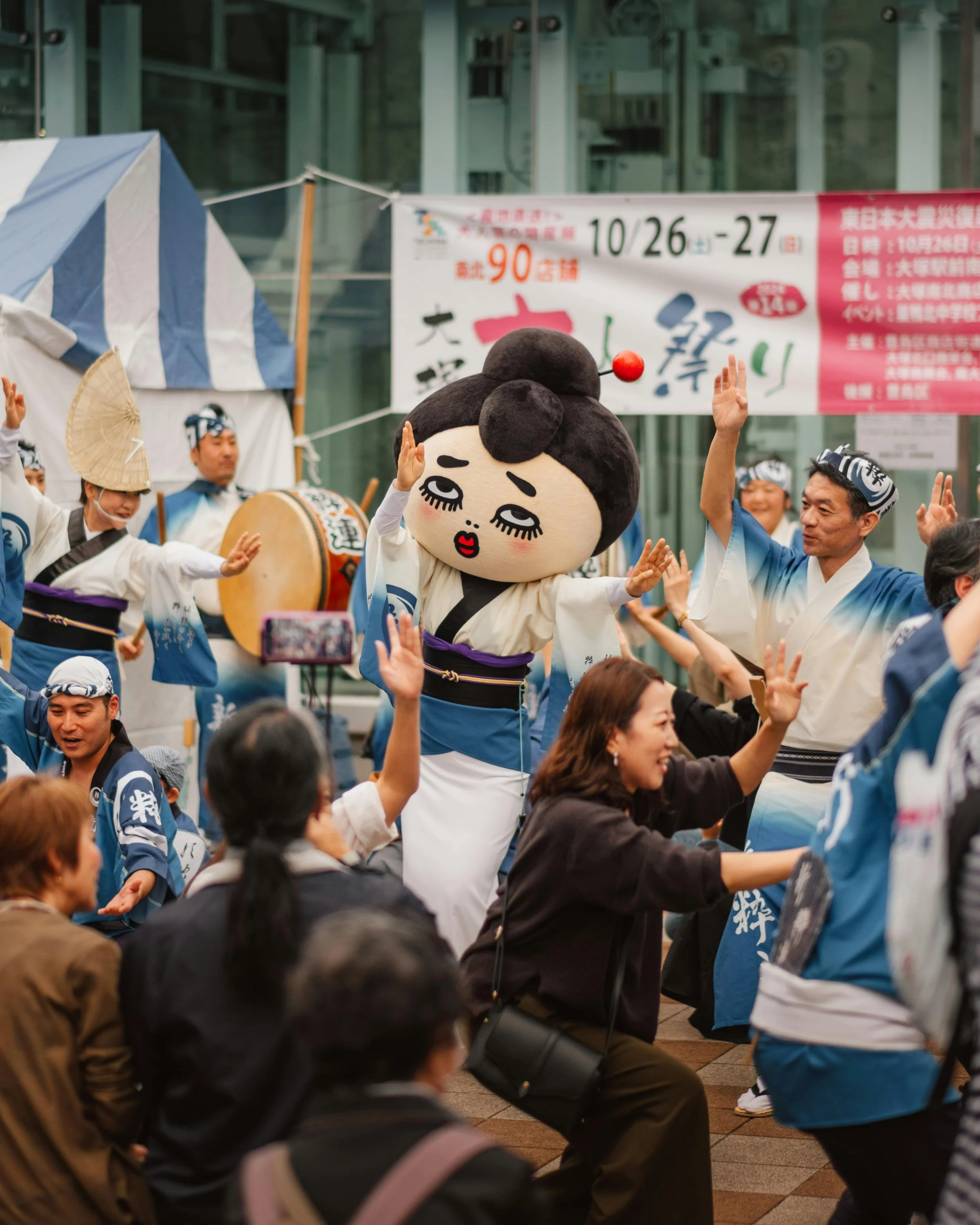
So with that in mind, it’s time to share some of the weirder experiences and quirkier things to do in Tokyo that we love. These quirks and mini-obsessions are what attract a lot of people to visit Japan in the first place. Japanese anime and manga have never been more popular and so many visitors make a beeline to Akihabara, known for its otaku culture, video games and maid cafes. This type of obsession with niche hobbies and extreme focus on a singular task is one of the main factors that makes Japanese people so good at whatever they set their mind to. For anyone who’s seen Jiro Dreams of Sushi, just think about having to spend years doing nothing but making rice before you’re ready to graduate to the next task. Most of us could never.
Each of us has picked a particular quirk to share with you that will guarantee a weird time. We’ve tried to give you places to go and things to do to experience them, but we want this to be more about how we think about Japan and approach engagement with Japanese culture. We hope you take the time to find your own unusual or oddball corner of Japanese culture and seek it out in real life on your trip.
Niche Museums and Oddball Experiences
Beth
I love a niche museum or experience. I’ve been to loads all over the world like the museum of counterfeit goods in Bangkok and the propaganda museum in Shanghai. But no one does niche interests better than Japan. In Tokyo alone you’ve got some really great ones
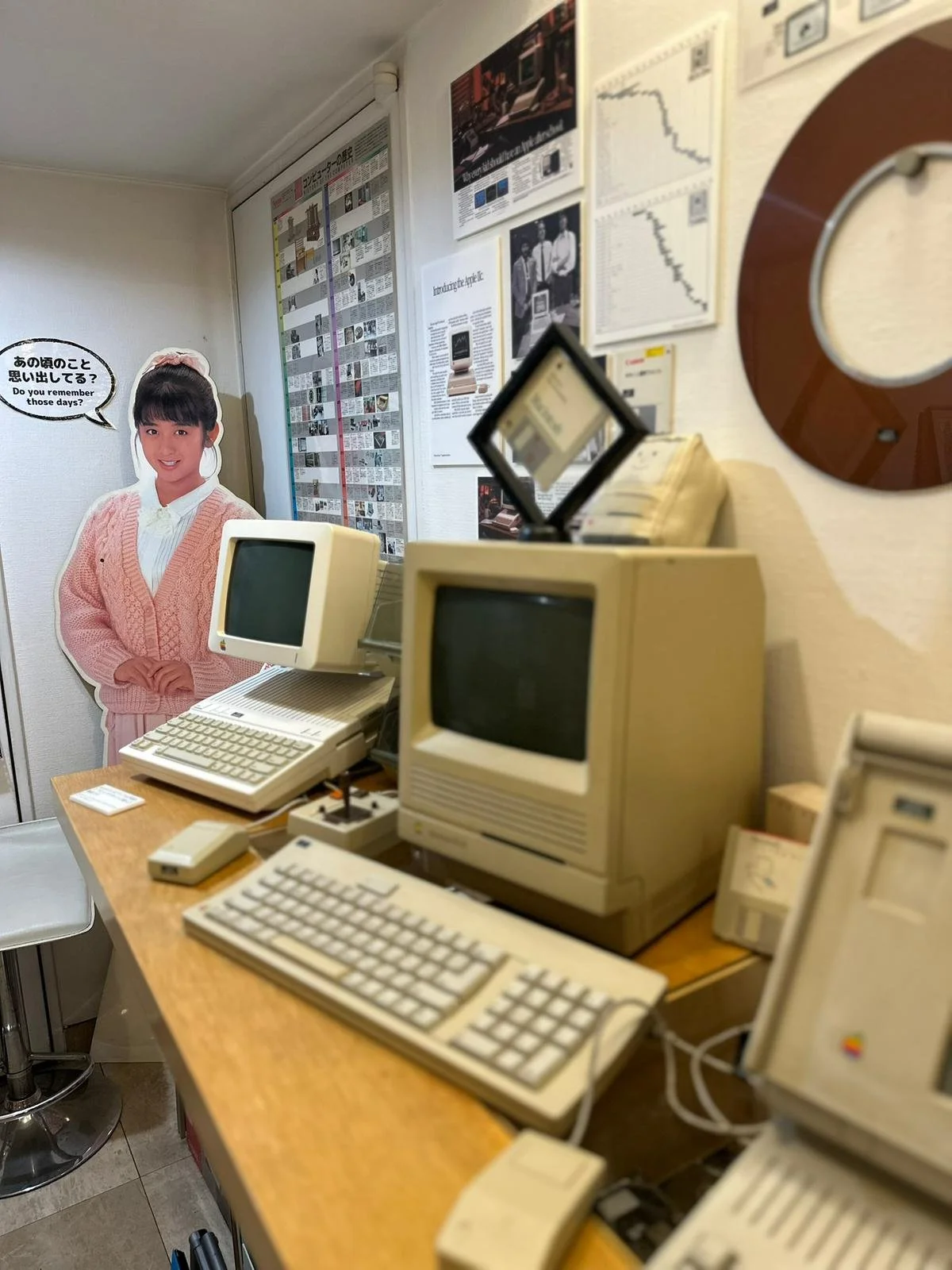
Extinct Media Museum - The museum is a private collection dedicated to the idea that “all media other than paper and stone will become extinct”. It is a huge collection of media devices and formats that are now obsolete or fading. Old cameras, typewriters, floppy disks, mobile phones, cassette tapes, and on and on. It’s an extremely nostalgic time. I even saw the exact flip phone I had when I lived in Japan 18 years ago and loads of other media from my childhood. The best part is that it is very hands-on. You’re encouraged to pick up most of the items, and can take photographs and video of anything.
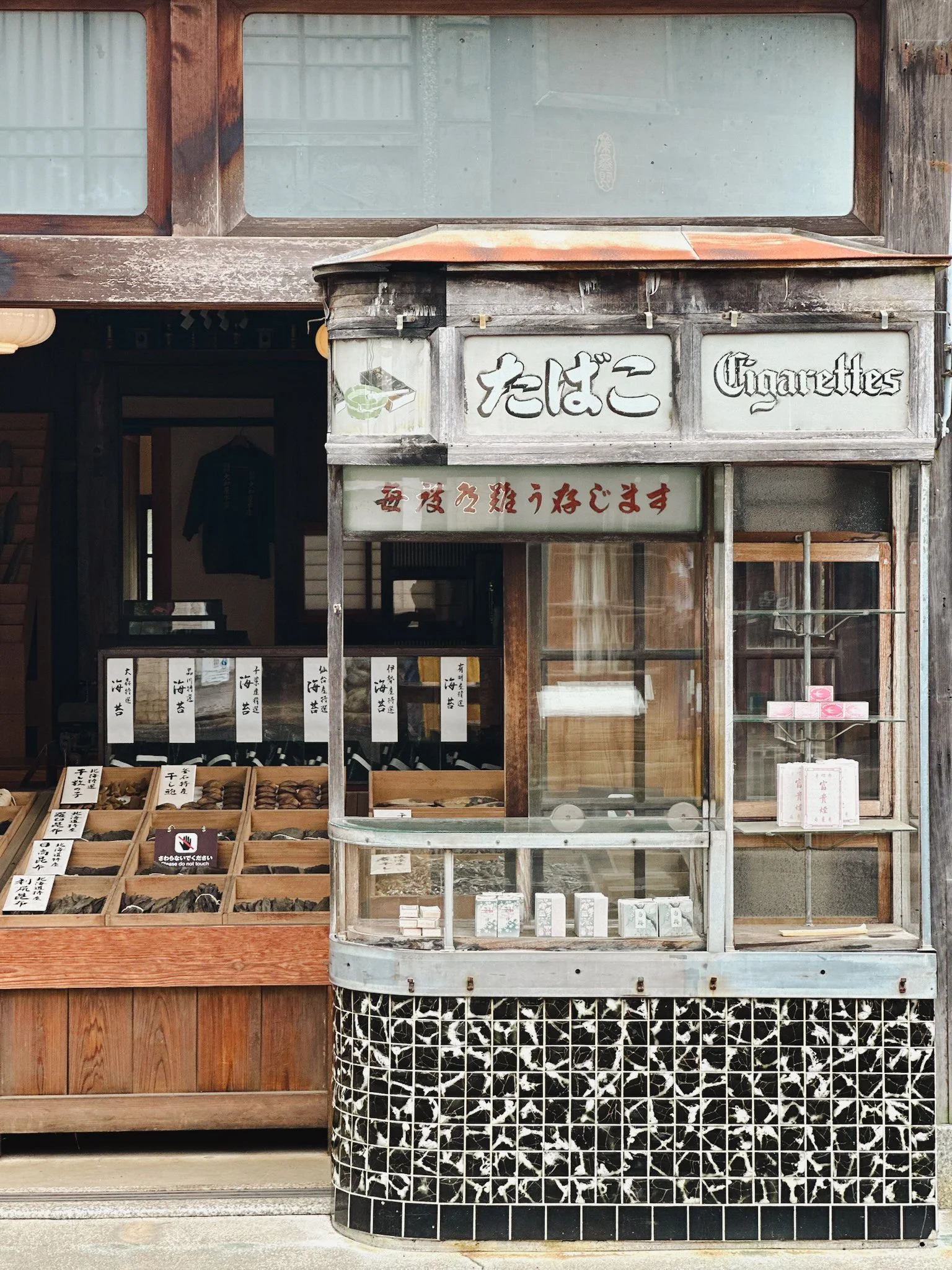
Tobacco and Salt Museum - Despite being run by Japan Tobacco Inc. (JT) it’s not some sort of promo, but rather an historical and cultural look at Japan’s two commodities that were once government monopolies. While not a smoker myself, I loved the tobacco part as it had a cool collection of smoking paraphernalia and vintage cigarette packs from Japan and across the world.
The Child’s Perspective Lab and Cafe - This isn’t a museum as such, but definitely a niche experience. While most tourists might go to a Maid Cafe or a Cat Cafe, I find both a little exploitative. Here it’s just a bit of silly fun. Don a bib, sip from a huge sippy cup, and eat some oversized food. Or head to the Lab where you can try a VR experience where you feel what it’s like to have adults towering over you. The “baby-head” exhibit is a little creepy, they’ve scaled up a toddler’s head so you can feel how top heavy it is for such a small body!
Meguro Parasitological Museum - Look, I’m a pretty squeamish person, and I found this museum equally interesting and horrifying. It's free, which helps when you're voluntarily subjecting yourself to this. Founded in 1953 by parasitologist Satoru Kamegai, it continues as a research and education museum. There’s around 300 specimens of parasite on display and apparently there are 60,000 in storage. Make sure to check out the almost NINE meter tape worm that came out of a person.
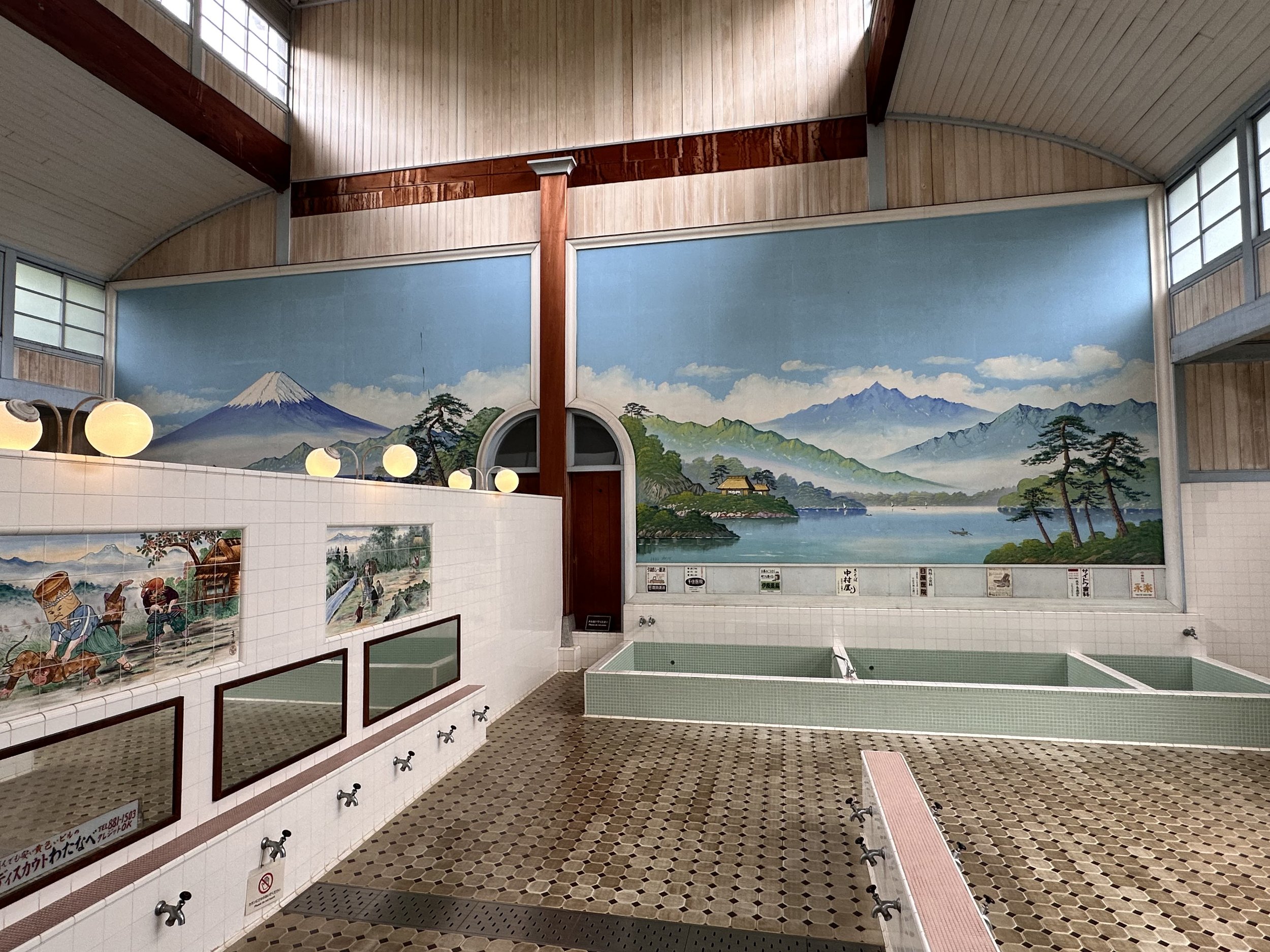
Tatemonoen (Edo-Tokyo Open Air Architectural Museum) - This place is well worth the schlep out west on the train (fair warning, I messed up my train THREE times to get out here and it was still worth it!). The museum is dedicated to restoring and preserving historic buildings of architectural and cultural value that could no longer remain at their original locations. Covering a huge area, it's lovely to just stroll around the park. There are about 30 restored structures, ranging from traditional farmhouses of the Edo period through to mid-Showa era shops and western-style houses. The mid century home, the bathhouse and the 1930’s Grocery Store were real highlights.
Real-life Pokemon Hunting
Minsky
You may not have heard of a yuru-chara, or mascots, but I assure you that you know some. You’ve probably seen Kumamon (and if you haven't, come to Kumamoto with me!), and if you don't know about Chiitan do yourself a favour and google them. Or just watch John Oliver’s whole episode about them.
These lovable little characters are the mascots for literally anything and everything in Japan. Cities, prefectures, government bodies, non-profits, companies, sports teams - whatever it is, there’s a mascot for it. You’ll find all kinds of yuru-chara souvenirs, sometimes sold in tourist shops, sometimes in information centers, sometimes in Michi no eki. (link to article) I myself have a keychain of Tomachoppu, a child dressed as a swan that wears a clam on its head and is eternally 5 years old, who is the mascot for the town of Tomakomai in Hokkaido. Cost me like 300 yen at the local tourist info center. You just can’t beat how ridiculous it is. I had to buy it.
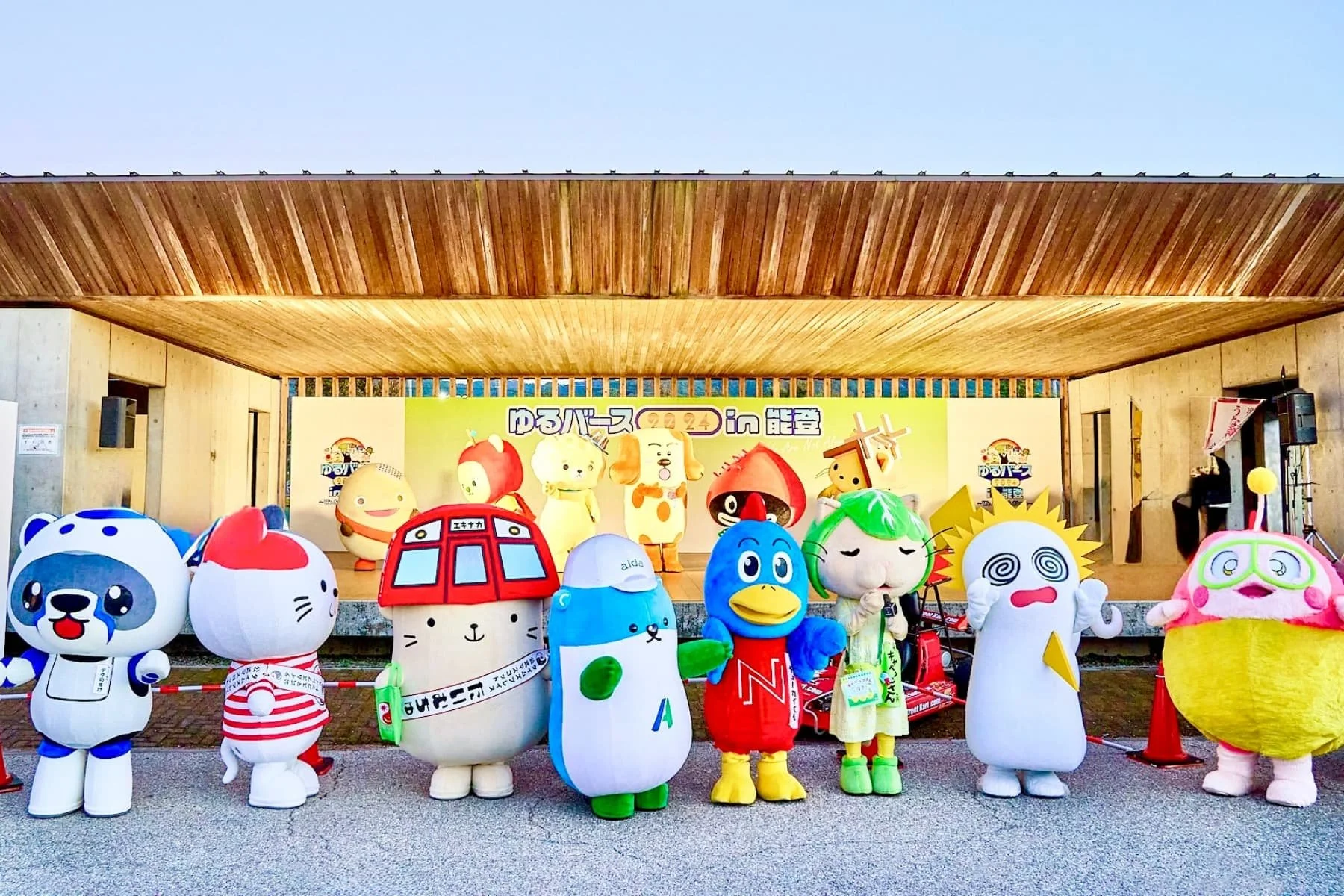
Mascots lining up for the Yuruverse competition, via Ministry of Foreign Affairs of Japan
Yuru-chara usually come with their own backstories and biographies that sometimes go into a shocking amount of detail, and I'm here for it. If you really want a deep dive, check out this wiki where you can vote for your favorite for the annual Yuruverse competition. Or vote for the World Character Summit that happens in November. This is basically real-life Pokemon. Anyway, where I'm going with this is I love a yuru-chara and how ridiculous they can be. In Tokyo alone there are over 700, but I’ve hand picked a few favorites for you:
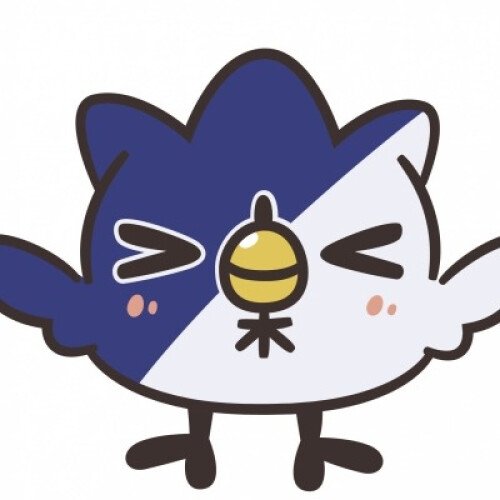
Rakutencho - this is my spirit yuru-chara. Originally a migratory bird, Rakutencho has settled in Tokyo and become the mascot for Rakutenchi, a Tokyo company that runs entertainment facilities like saunas and cinemas around Tokyo. He’s highly curious and always looking for fun things to do - just like me!
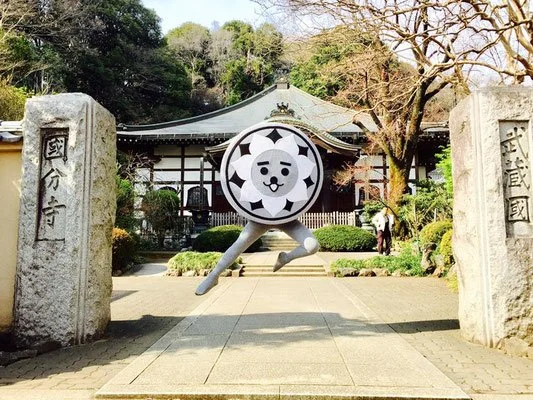
Nishiko-kun, a 1200-year-old roof tile representing Kokubunji City, Tokyo who loves to spend time leisurely, and whose blood type is unknown because of how hard it is to pierce a roof tile with a needle.
Kitapan-kun, a castella cake with a panda face and charmingly flexible legs, who started a non-profit to distribute cakes to children during the Tohoku earthquake and tsunami recovery. Given I lived in Tohoku near the epicenter before it happened, this one is close to my heart.
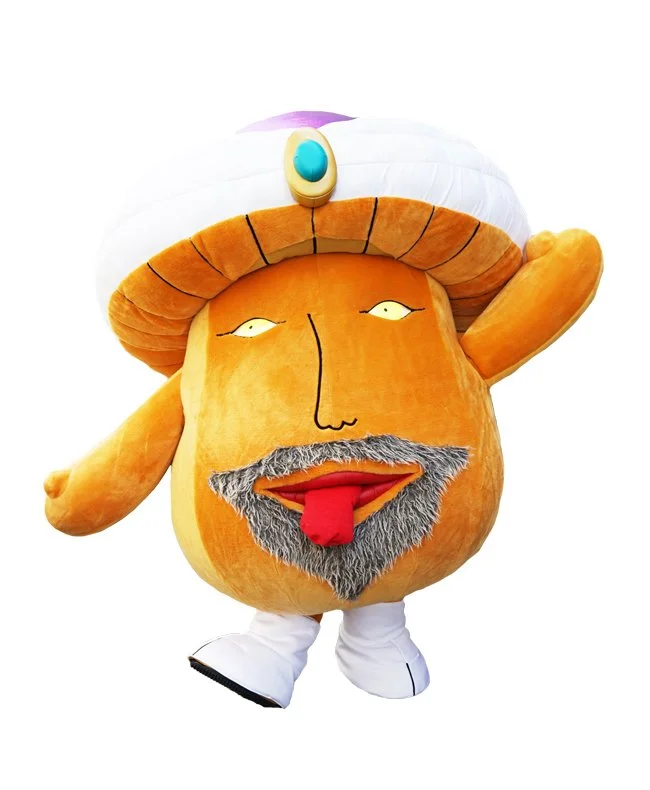
Psyche-deli, the mascot of Koenji’s shopping district. There’s a lot of Indians in the area and a lot of curry shops, and it’s famous for Tokyo’s Awa Odori festival, so they’ve tried to roll all that into one character who lives by the motto “Injecting happiness with Peropero Happy Power, deli~!” Your guess is as good as mine. On a related note, there are multiple yuru-chara that are just people with naan bread for a face. My favorite is Naan Li. Like Bruce Li. He came to Japan to promote Bruce Li’s films and stayed. Yup.
The Three Polinkees are brothers each with their own personality who represent the Koikeya company, which is one of the pioneers of potato chip production in Japan. I think I just like them because they look like purin (and we all know I love a purin). But they aren’t. And apparently you can’t ask about their shape because that’s a secret.

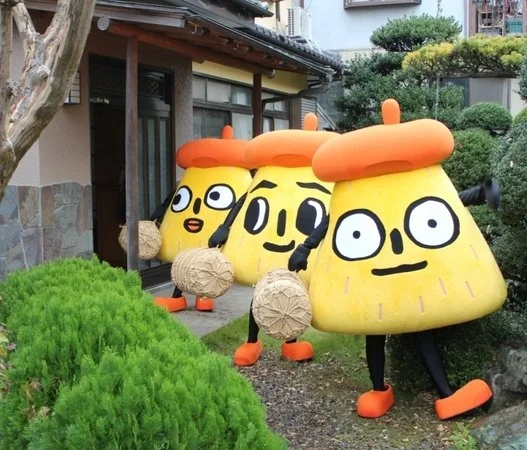
Tokyo's quirks run deep, and these are just a few of our favourites. But one of the best things about Japan is that every city, every town, and every region has its own obsessions. Osaka has its own museum dedicated to instant ramen. Kumamoto's mascot Kumamon has become a global phenomenon. And somewhere in a small town you've never heard of, there's probably a museum dedicated to something so specific you didn't know it needed documenting.
Tokyo might be where you start discovering Japan's weird and wonderful side, but it's definitely not where you should stop. The deeper you dig, the more delightful it gets.
Frequently Asked Questions
-
Yuru-chara (ゆるキャラ) are Japan's local mascot characters. Virtually every city, prefecture, government body, company, and sports team in Japan has one, each with their own detailed backstory and biography. They compete in an annual national ranking competition called the Yuruverse. Famous examples include Kumamon (Kumamoto Prefecture) and Chiitan (Susaki City). In Tokyo alone there are over 700 yuru-chara.
-
Tokyo has some outstanding niche museums. Highlights include the Extinct Media Museum, a hands-on collection of obsolete technology from floppy disks to flip phones; the Meguro Parasitological Museum, a free research museum with around 300 parasite specimens on display including a nine-metre tapeworm; the Tobacco and Salt Museum, a cultural history of two former Japanese government monopolies; and Tatemonoen (Edo-Tokyo Open Air Architectural Museum), where 30 restored historic buildings have been relocated to a large outdoor park.
-
Beyond the standard tourist attractions, Tokyo has genuinely unusual experiences: visit the Meguro Parasitological Museum (free entry); explore the Extinct Media Museum and handle obsolete technology; try the Child's Perspective Lab where you can experience life from a toddler's point of view via VR; wander yokocho bar alleys after dark; or go yuru-chara hunting across the city's 700-plus local mascots.
-
Tatemonoen, also known as the Edo-Tokyo Open Air Architectural Museum, is an outdoor museum in western Tokyo dedicated to preserving historic buildings that could no longer remain at their original locations. It contains around 30 restored structures spanning the Edo period through to the mid-Showa era, including traditional farmhouses, a 1930s grocery store, a period bathhouse, and mid-century western-style homes.
-
Yes, if you have a strong stomach. The Meguro Parasitological Museum is free to enter and houses around 300 specimens on display, with 60,000 more in storage. It was founded in 1953 by parasitologist Satoru Kamegai and continues as a research and education institution. The centrepiece is an almost nine-metre tapeworm extracted from a human. It is one of the most unique free museums in Tokyo.
-
In a sense, yes. Japan's yuru-chara mascot culture works much like real-life Pokémon — hundreds of collectible characters spread across every city, town, and region, each with their own name, backstory, and personality. Hunting for yuru-chara souvenirs and stamps in tourist information centres, roadside stations (michi no eki), and local shops is a genuine pursuit for many visitors. In Tokyo alone there are over 700 yuru-chara to discover.