
Nagoya Travel Guide: Japan's Most Underrated City
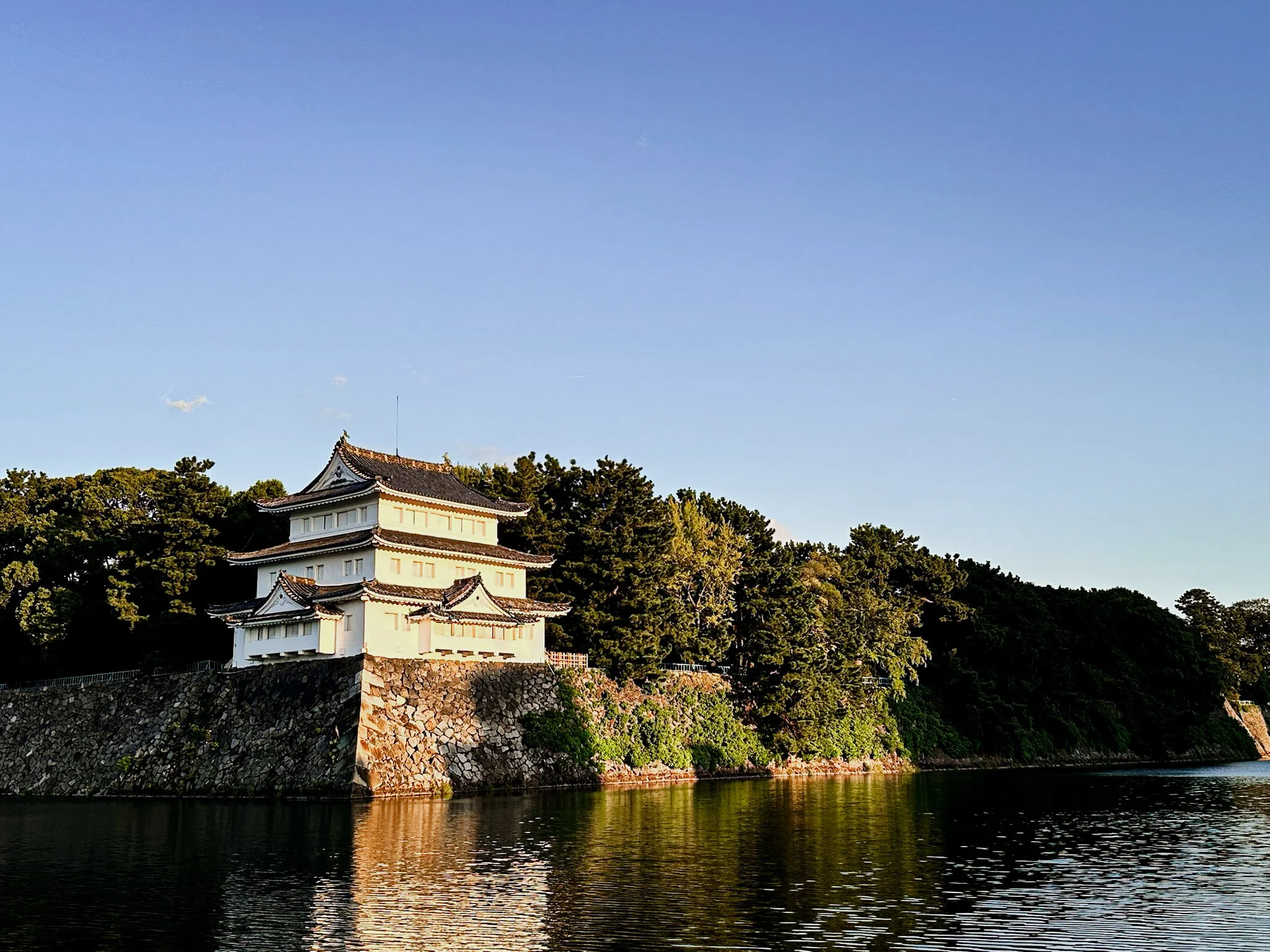
Nagoya Castle
We’re big fans of small towns and far-flung regional capitals here at Off The Eaten Track, but that doesn’t mean we don’t love a big city, too. In fact, Tokyo is our favourite city in the world for a whole range of reasons. This Nagoya travel guide will show you why Japan's fourth-largest city deserves a spot on your itinerary.
If Tokyo is the big, shiny oldest sibling and Osaka is the chaotic and fun baby, Nagoya is the middle child. It’s literally right in the middle of the two, and as any middle child will know, it’s often overlooked. Vibe-wise, it splits the difference between Tokyo's polished exterior and Osaka's in-your-face, DGAF energy. Life moves a bit slower in Nagoya, and you have to work a bit harder to uncover its gems. Most visitors come for the world-famous Nagoya attractions like Ghibli Park, but for those willing to take the time, you may just find your next favourite Japanese city.
Nagoya was founded in 1610 by Tokugawa Ieyasu and has deep ties to Japan's samurai history. It’s since evolved into the country's industrial powerhouse, most notably as the home of Toyota. Nagoyans are fiercely proud of their city, especially the distinctive Nagoya food culture, known nationwide as Nagomeshi (which we will go into more detail below). Whether you're into food like us, history, cars, or anime, Nagoya offers a bit of everything for those ready to dive deeper into Japan.
Getting to Nagoya
Nagoya is an easy addition to any Japan trip. Virtually every single Shinkansen travelling between Tokyo and Osaka will stop here. If you’re basing yourself in Nagoya or starting a journey off the eaten track from here, then there are some great regional rail passes you can use. Chubu Centrair International Airport also serves the region, located about 30 minutes from downtown Nagoya.
Where to Stay
Nagoya’s accommodation offerings match its laid back and trendy vibe. Here’s a few OTET-approved options in different parts of the city:
Nikko Styles Nagoya ¥¥ - This laid-back, trendy hotel is super centrally located and reasonably priced, with a great lobby bar that always has something happening..
TIAD Autograph Collection ¥¥¥ - Right in the heart of Nagoya's shopping district and extremely well connected via public transport, this upscale hotel is a great spot for those who want to be right in the middle of it all.
Hotel Nagoya Castle ¥¥¥¥ - Newly opened and styled to mimic the castle that sits directly opposite, this luxe hotel offers beautiful views of the city and the castle. A bit further out, it's a great spot for a quieter stay, especially if you prefer getting around by car.
What to Eat
If there's one thing Nagoyans are more proud of than their city, it's their food. The local cuisine, called Nagomeshi, is comfort food cranked up to eleven. It’s rich, bold, and built around hatcho miso, a strong and dark red Miso that’s one of Nagoya’s most distinctive ingredients. Here’s some of the Nagoya dishes you don’t want to mis
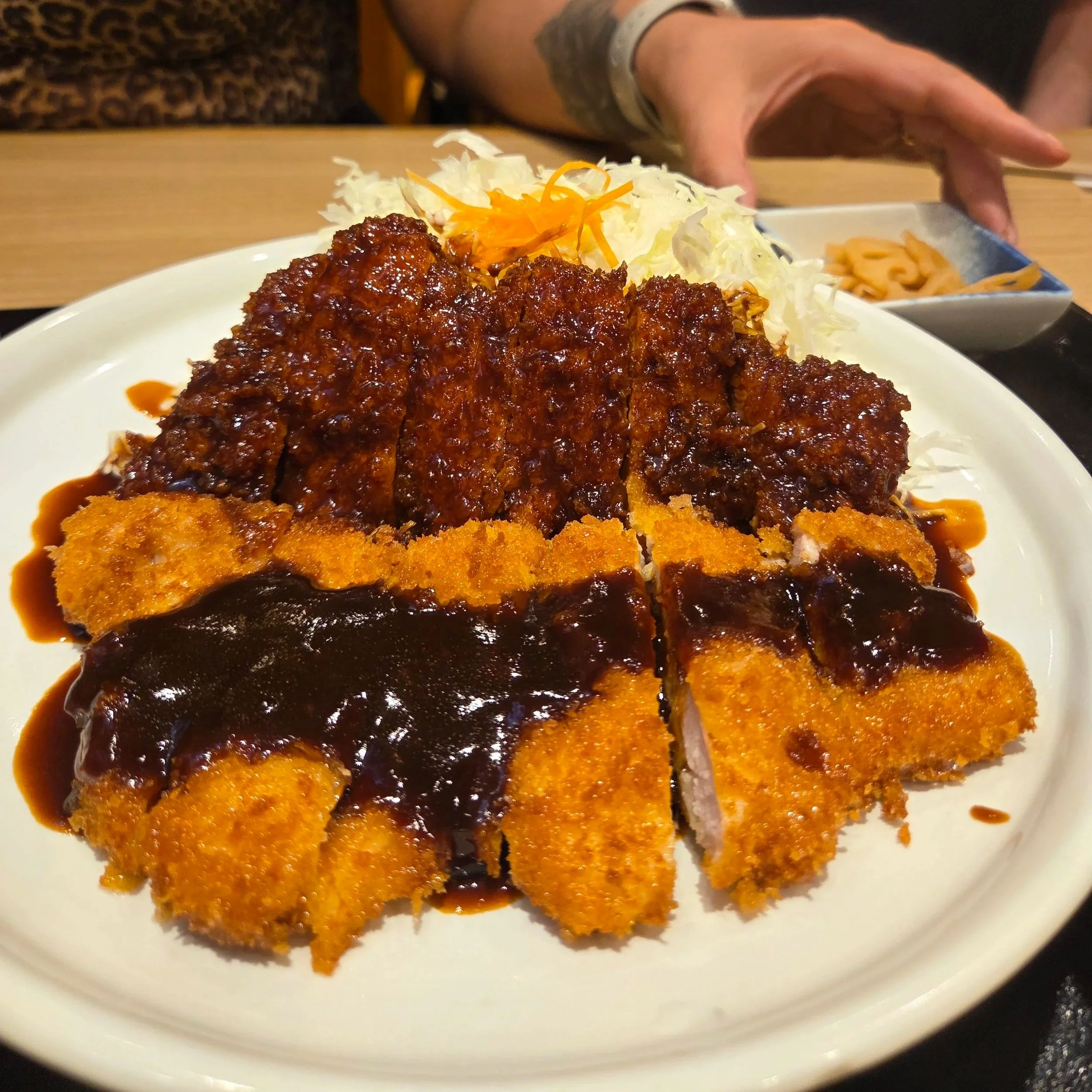
Miso Katsu
If there’s one way to make fried pork cutlet better, it’s by adding hatcho miso. Check out Kanou, the legendary birthplace of the miso katsu don, that has been using the same recipe for over 75 years. Pork Cutlet Ito takes home cooking to the extreme, with a 90-year-old grandmother cooking every portion herself. You’ll want to go early to both as they can sell out.
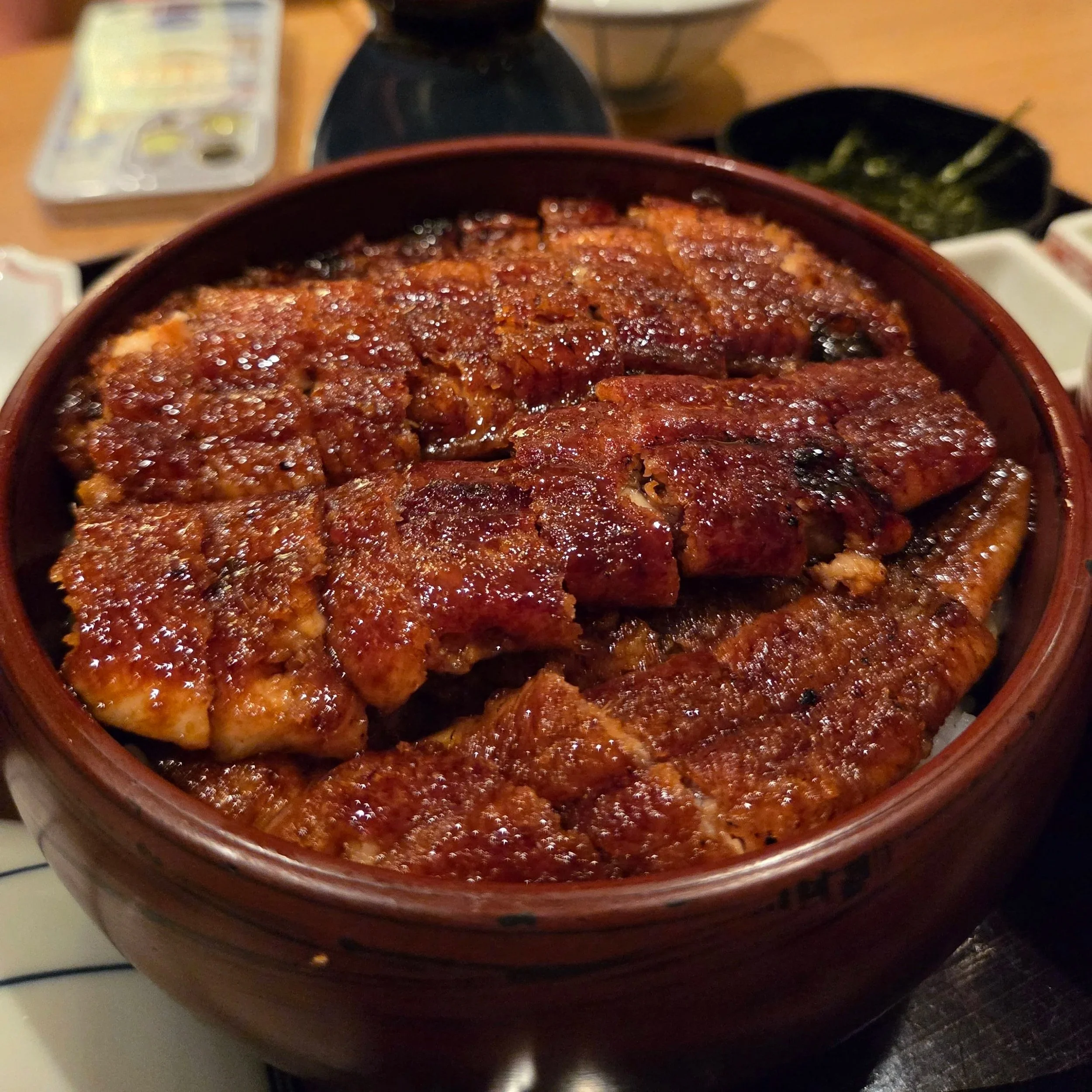
Hitsumabushi
In Nagoya eating Grilled eel is a ritual. First, enjoy it plain over rice to appreciate the charcoal-grilled flavor. Second, add condiments like nori and wasabi. Finally, pour warm tea broth over everything and finish it off. Bincho Hitsumabushi has branches citywide with foreigner-friendly guides on how to eat it properly, or head to Ibashou where the same family has been grilling eels for three generations.
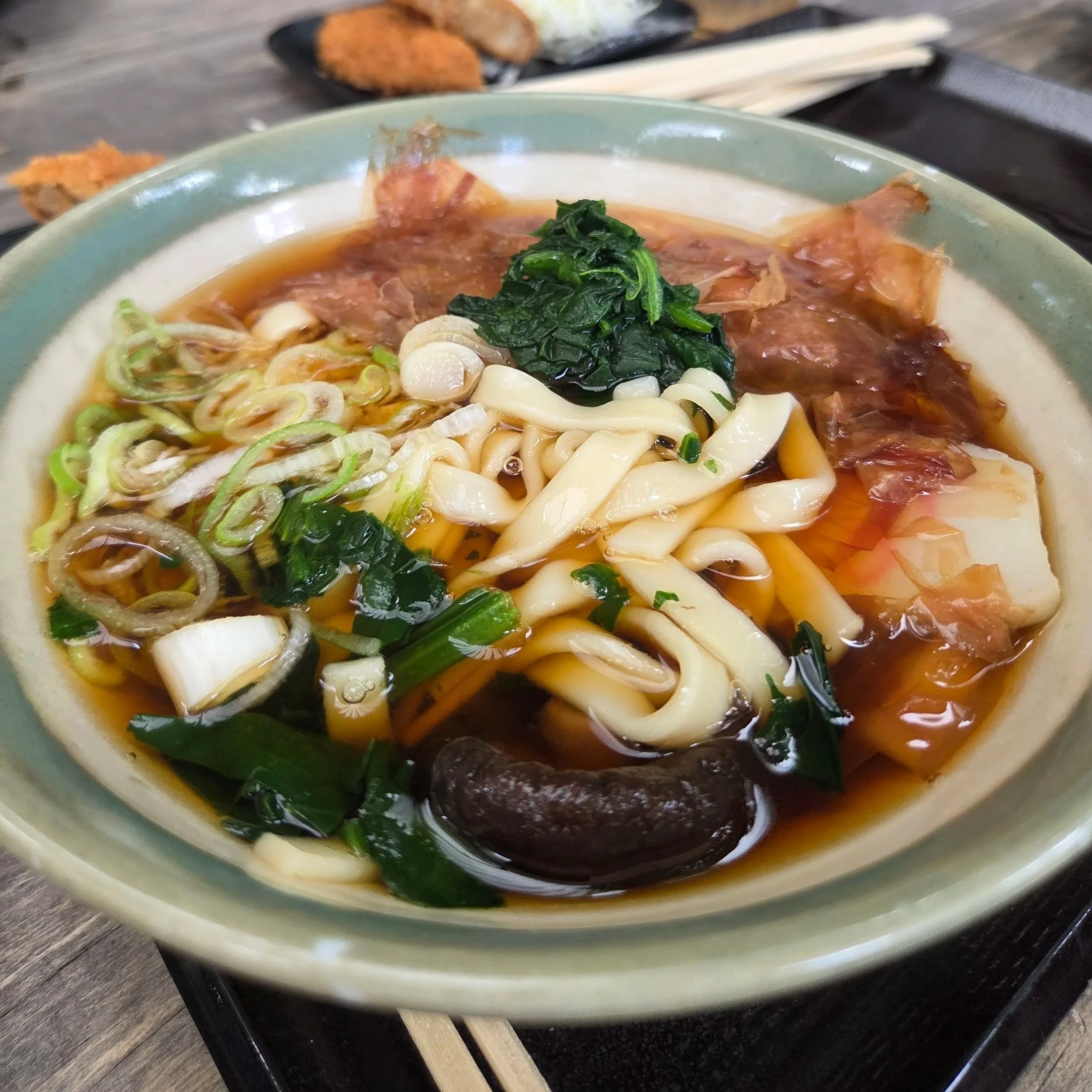
Kishimen
These flat, wide noodles are unique to Nagoya and worth seeking out. Served in a light kombu-bonito dashi with green onions and kamaboko (add tempura if you want), they're like udon's elegant cousin. Miya Kishimen, situated on the beautiful grounds of Atsuta Shrine, serves an excellent bowl that doesn't coast on location alone. For the full Nagoya experience, grab kishimen at Sumiyoshi right on platform 10 and 11 at Nagoya Station, where commuters and travelers who know what's up grab a quick bowl before departure.
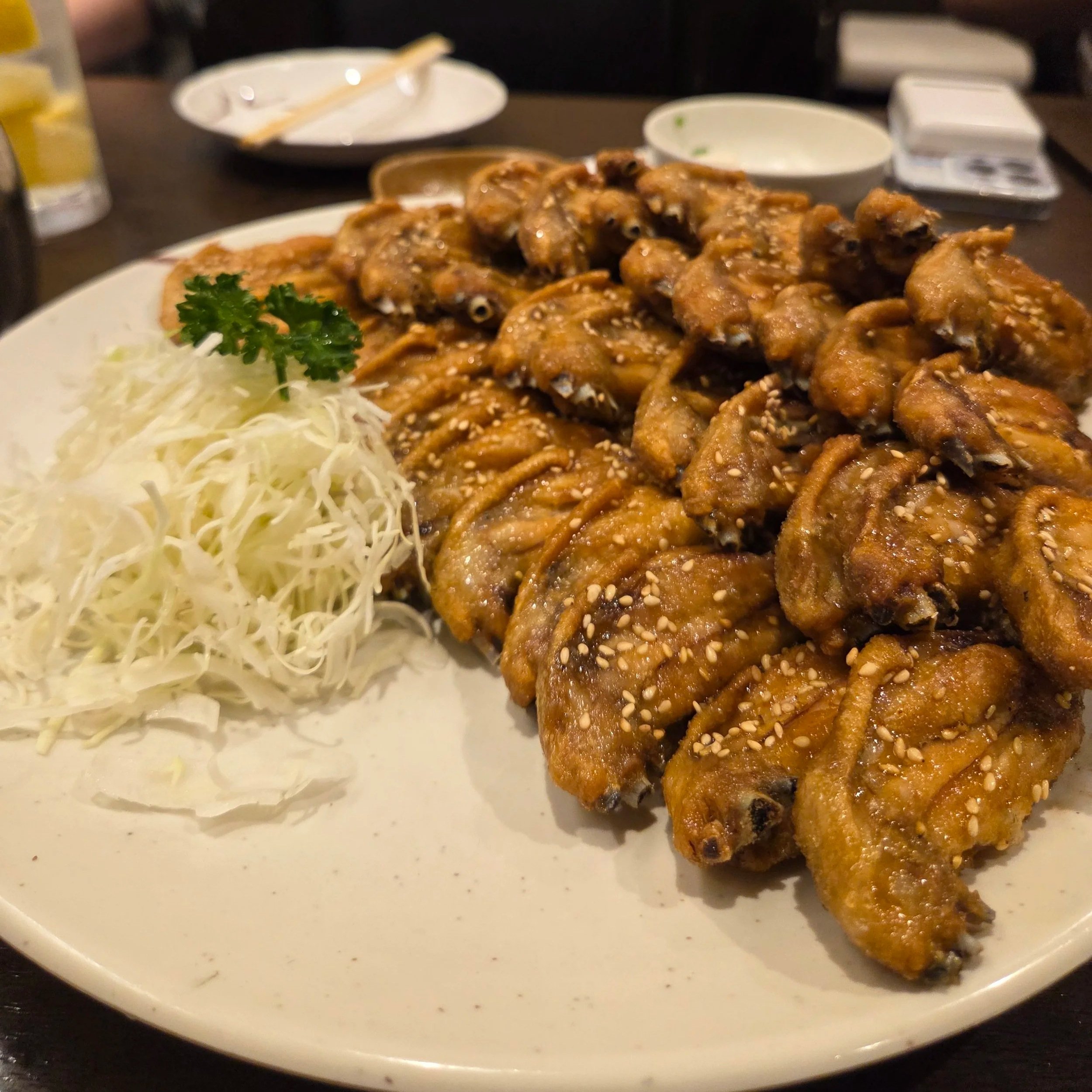
Tebasaki
Nagoya invented the double-fried chicken wing, and the obsession has spread nationwide. Furaibo made them first and is now a massive chain, and their simple salt-and-pepper wings still hold up - something any local will proudly tell you. Our favourites are at Kobitokaba, a small izakaya with the juiciest, crispiest wings we had in Nagoya, plus a great lineup of other Nagomeshi dishes.
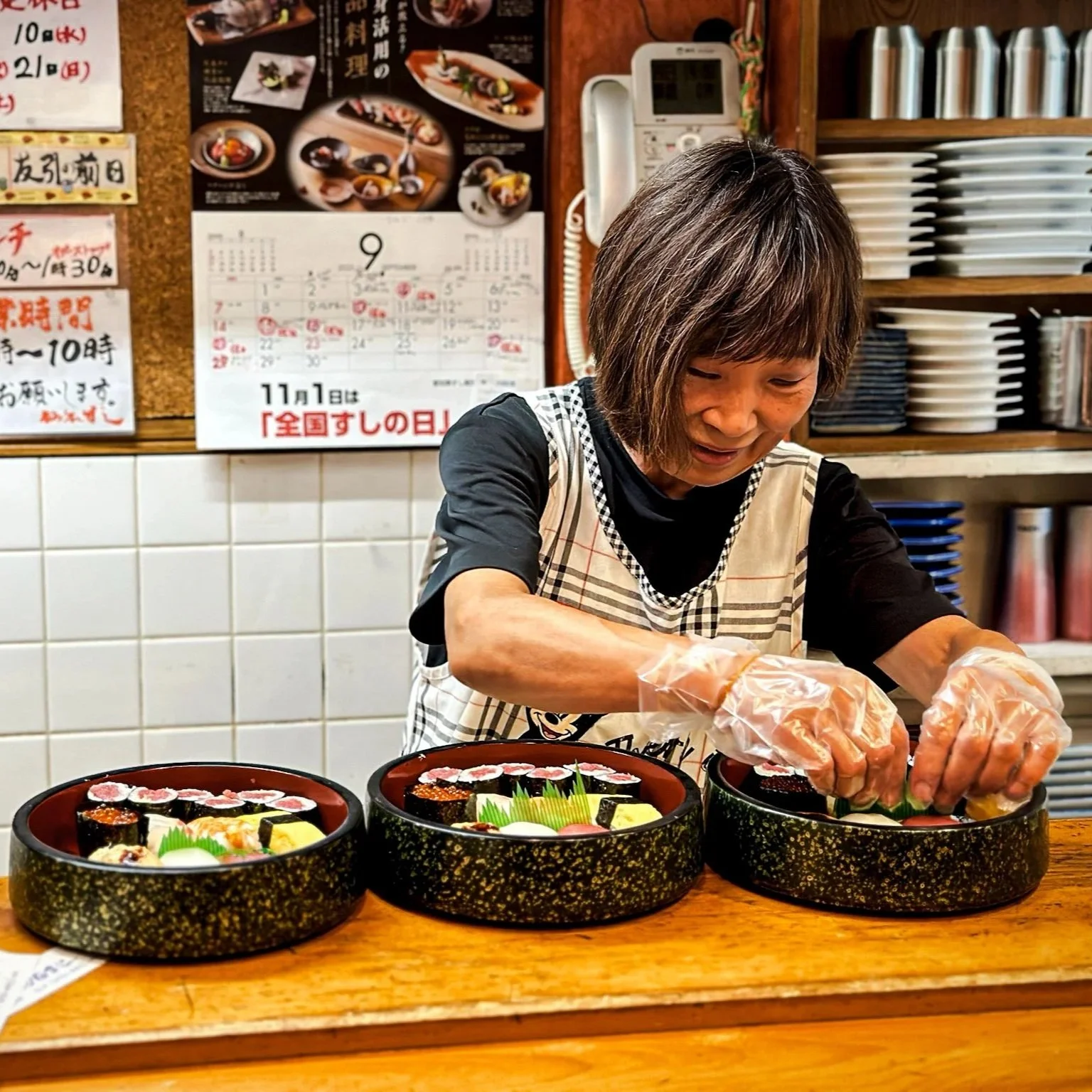
This tiny sushi bar tucked away in an untouristy neighborhood north of Nagoya Station is one of our favorite finds in the city. In business for over 70 years, it's now run by Hitomi, who took over when her husband (the second-generation chef) fell ill. She's turned it into something of a Girls Club where everyone's over 70 and there to have a good time. Expect cheap eats, good sake, and zero English.
What to Do
Most visitors hit Ghibli Park and Nagoya Castle (both worth your time). But if you’re looking for things to do in Nagoya beyond the usual tourist spots, here are our favourites
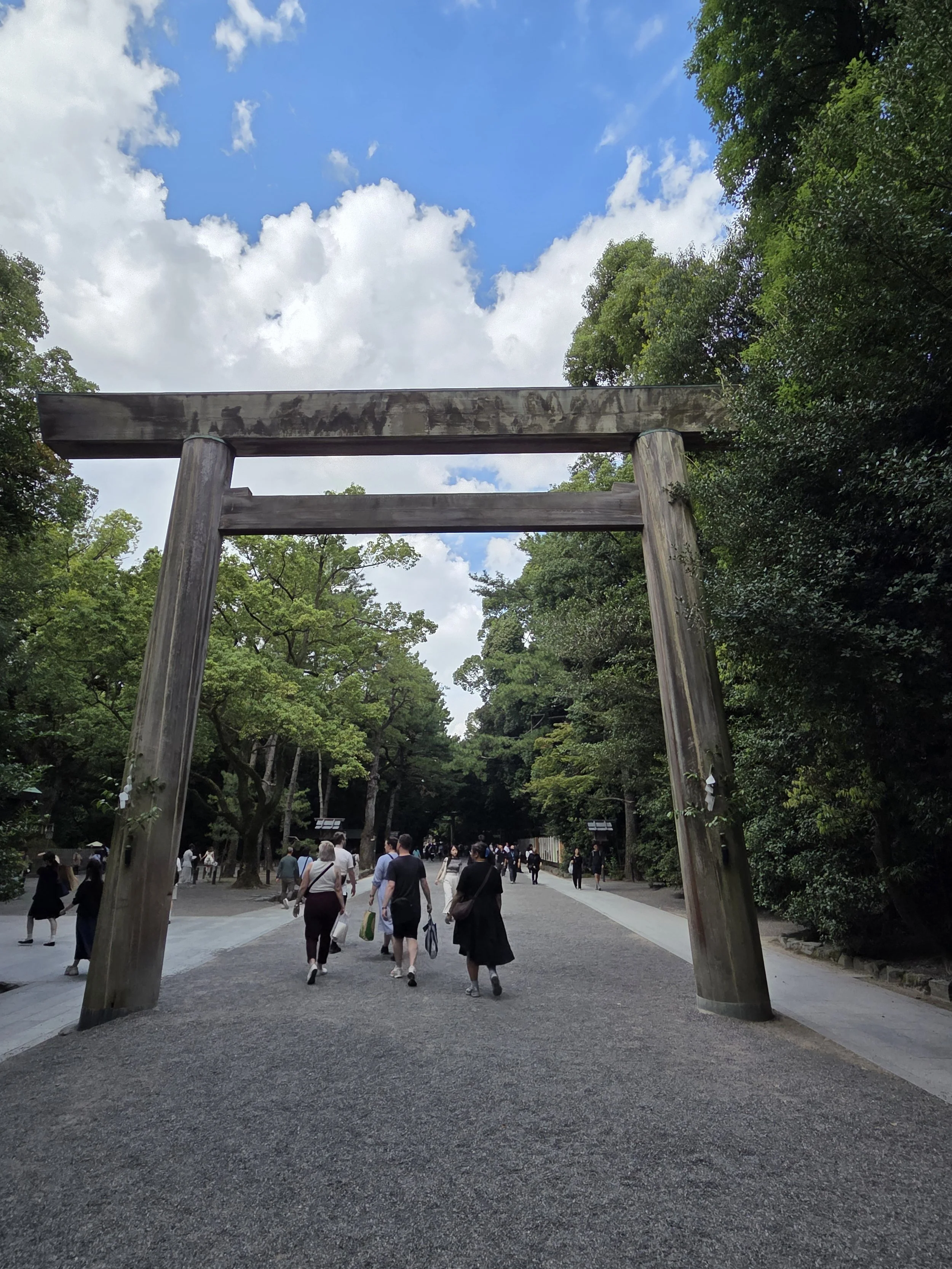
Entering Atsuta Shrine, an oasis in the middle of Nagoya
Atsuta-jingu - One of Japan's most sacred Shinto shrines dating back nearly 2,000 years, Atsuta Jingu houses the legendary sword Kusanagi no Tsurugi, one of the three Imperial Regalia, though the blade itself remains hidden from view. Wander the tranquil grounds, then check out the sword museum for replicas and the fascinating stories behind Japan's legendary sword.
Toyota Auto Museum - Located just outside Nagoya, this expansive museum traces the complete history of automobiles from the late 1800s to today with around 140 vehicles. Built by Toyota (headquartered nearby), it's not just a corporate flex, you'll find rare gems from manufacturers worldwide alongside the hometown heroes.
Setogura Museum - Seto, just northeast of Nagoya, is one of Japan's six ancient kiln towns and a must for ceramics fans. This museum recreates a 20th-century pottery factory complete with working kilns and machinery, giving you the full story of Seto-ware before you explore the town's studios to find the perfect souvenir.
Nagoya Nogakudo Noh Theatre - Right next to Nagoya Castle, this is Japan's largest Noh theater with a stunning hinoki cypress stage, 630 seats, and a small museum. Fair warning: Noh is polarizing even among us at OTET. It's an incredible cultural experience, but the slow, ritualistic performances can be tough going if you're new to it. Grab English audio guides if you attend a show. They're essential.
Ghibli Park - We had to include this. This is why many visitors come to Nagoya in the first place, and it delivers for Ghibli fans. Most of what you need you can get directly from Ghibli Park’s excellent website. But we’ve got some insider tips if you’re planning to go: bring snacks because most areas don’t have food - although there’s plenty of vending machines with ice cream. Don't expect rides. Despite the "park" name, this is all about immersive environments and exhibits, not roller coasters. Your ticket time is for the main Ghibli's Grand Warehouse building, but you can explore other areas beforehand, so early entry times aren't crucial. Show up 15-20 minutes after your designated time to miss the entry rush.
Where to Shop
You can't leave Japan without omiyage (souvenirs) for everyone back home, plus maybe some vintage finds or kitchen gadgets for yourself. Compared to Tokyo and Osaka's tourist traps, Nagoya offers better prices and just as much variety.
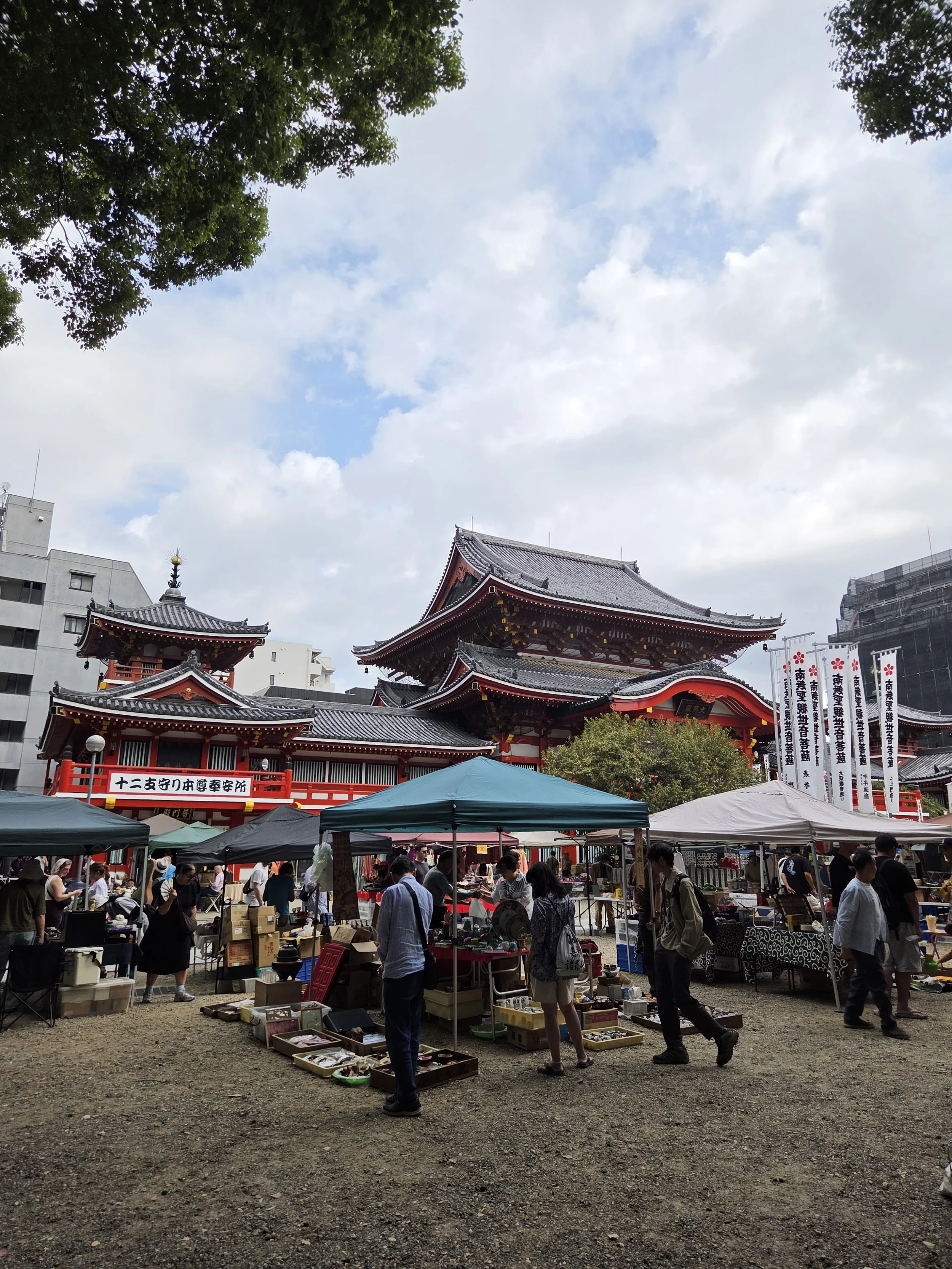
Sunday mornings at Osu Kannon Market
Temple Markets - Nagoya is a city of markets, and the morning temple markets held only once or twice a month are a treasure trove for omiyage hunters. Osu Kannon Market (18th and 28th) spreads across the Osu Kannon Temple grounds with vintage kimono, ceramics, old coins, toys, and quirky collectibles. Small enough to navigate easily but packed with finds. Higashi Betsuin Market (28th only), on the grounds of Higashi Betsuin Temple, starts early in the morning and has a more laid-back, neighbourhood vibe with stalls selling fresh produce, handmade foods, plants, crafts, and everyday goods.
Grapefruit Moon - Of all the vintage shops we hit in Nagoya (and there were many), this is our favourite. With three stories of great finds, plan to spend some time digging through the racks.
Shotengai Shopping Streets - Shotengai are traditional Japanese shopping streets, typically covered arcades closed to car traffic. They’ve served as community hubs for centuries, where locals shop at family-run specialty stores, grab a snack or meal, and gather for festivals and events. Endoji Shotengai, one of the city's oldest dating back to the 1600s, charms with retro Showa-era vibes, and plenty of cafes and bars for the perfect break between shops. Further south, Osu Shotengai is Nagoya’s largest and most eclectic district, where multiple covered arcades house over 1,200 shops spanning electronics, vintage clothing, anime merch, and international street food.
Where to Play
Nagoya’s bar and craft brew scene is growing quickly, with plenty of great places to explore. Whether you want one relaxing drink after a long day or a full-blown bar crawl, Nagoya knows how to show you a good time.
Marunaka Food Center Building - Fish market by day, entertainment district by night. Marunaka is packed with small restaurants and bars serving fresh seafood and plentiful drinks. Just follow your nose (and the crowds) and pick a spot you like, or crawl your way across the whole center. Either way, you’re in for a great night.
Sakedokoro An - For a real local experience, head to this tiny bar run by Yuki, who's created a gathering spot for the self proclaimed "weirdos and outsiders", basically, your non-traditional salarymen (like our best mate Hide san who we met there). Expect a homely vibe, great snacks, and an even better sake selection. Don't worry if you don't know much about sake, Yuki speaks some English and loves helping you choose.
Commone - Japan may not be famous for wine, but if you want to try some head to Commone. They make theirs on-site on the ground floor and pour it upstairs. The real draw is the rooftop with fantastic views of the Nagoya skyline, perfect for sundowners. Book ahead or you might miss out on a rooftop table.
Y Market Brewing - Craft beer is still just taking off in Nagoya, and it all started with Y Market. They brew in-house and have a nomihodai (all-you-can-drink) option if you’re looking to try everything.
Endoji Brewing - This standing bar situated right on Endoji Shotengai is a newer entrant to Nagoya’s craft beer scene. They're working on setting up their own brewing operation on-site, but in the meantime, the 17 rotating taps showcase excellent beers from across Japan.
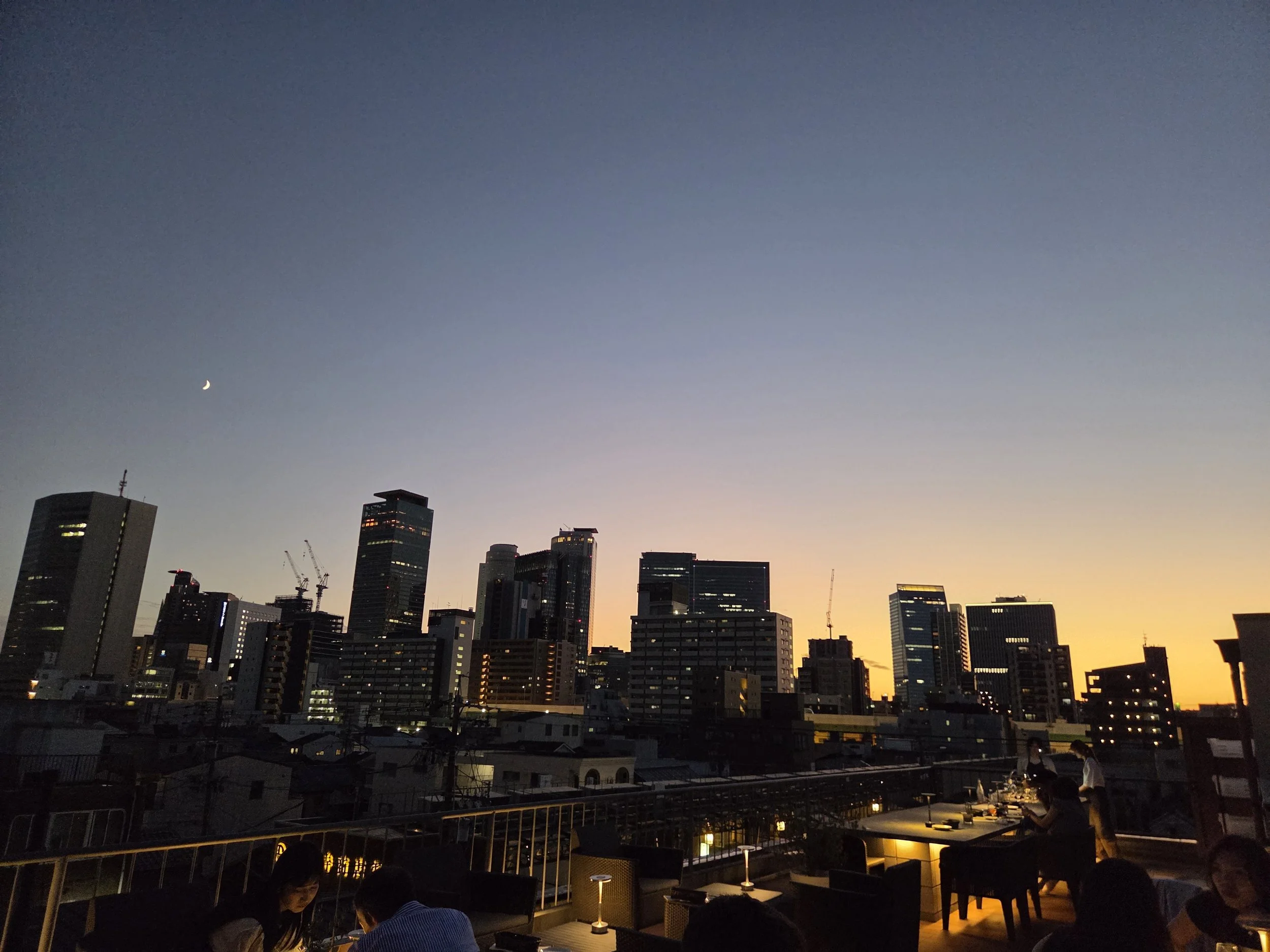
Sundowners at Commone’s rooftop terrace
Nagoya might be Japan's middle child, but that's exactly what makes it special. While Tokyo and Osaka get all the attention, Nagoya offers something they don't—authentic local culture without the tourist crowds, incredible food that you can’t get anywhere else, and prices that won't break the bank. Whether you're here for Ghibli Park, the Nagomeshi food scene, or just want to experience a side of Japan that most travelers skip, this underrated city has a way of surprising you. Give Nagoya the time it deserves, and you might just find your new favorite Japanese city.
Frequently Asked Questions
-
Absolutely. While often overlooked, Nagoya offers incredible food culture (Nagomeshi), authentic local experiences without tourist crowds, and better value than Tokyo or Osaka. It's home to Ghibli Park, has deep samurai history, and makes an excellent base for exploring central Japan. If you're looking for a side of Japan most visitors skip, Nagoya delivers.
-
Nagoya is famous for its distinctive food culture called Nagomeshi, particularly miso katsu (pork cutlet with hatcho miso sauce), hitsumabushi (grilled eel eaten three ways), tebasaki (double-fried chicken wings), and kishimen (flat wide noodles). The city is also known as the home of Toyota, its samurai heritage, and Ghibli Park.
-
Two to three days is ideal to experience Nagoya's food scene, explore the main attractions, and get a feel for local culture. Add an extra day if you're visiting Ghibli Park or planning day trips to nearby areas like Seto, Inuyama, or the surrounding pottery towns.
-
Spring (March to May) and autumn (September to November) offer the most comfortable weather and beautiful scenery. Avoid visiting during Golden Week (late April to early May) when attractions get crowded and prices spike. Summer can be hot and humid, while winter is mild compared to northern Japan.
-
Yes. Nagoya offers better value across hotels, restaurants, and shopping while maintaining similar quality and variety. It's an excellent choice for travelers who want a big-city experience without the premium prices of Tokyo or tourist inflation of Osaka.
-
Don't leave without trying the big four Nagomeshi dishes: miso katsu at Kanou or Pork Cutlet Ito, hitsumabushi at Bincho or Ibashou, kishimen at Miya Kishimen or Sumiyoshi, and tebasaki at Furaibo or Kobitokaba. Each represents a cornerstone of Nagoya's unique food culture.
-
Ghibli Park is located in Expo 2005 Aichi Commemorative Park, about 40 minutes from Nagoya Station. Take the Linimo Line from Fujigaoka Station (accessible via subway from Nagoya Station). There’s also a direct bus from Nagoya Station. Book tickets well in advance through the official website as they sell out quickly, especially on weekends.
-
English is less common in Nagoya than in Tokyo or Osaka, but major hotels, tourist attractions, and some restaurants have English-speaking staff or English menus. Download a translation app and learn basic Japanese phrases. The locals are friendly and helpful, even with language barriers.