
Japan Regional Rail Passes: A Better Alternative to JR Pass
One of the highlights of any Japan trip is a ride on the Shinkansen. But more than that, just experiencing Japan’s incredible public transport system is something that most people have never seen before and may never experience anywhere else. It’s one of the best in the world, and an excellent way to get around the country. But these days, don’t buy a Japan Rail Pass. There’s a better, cheaper alternative out there - one that most people don’t know about: Regional Rail Passes.
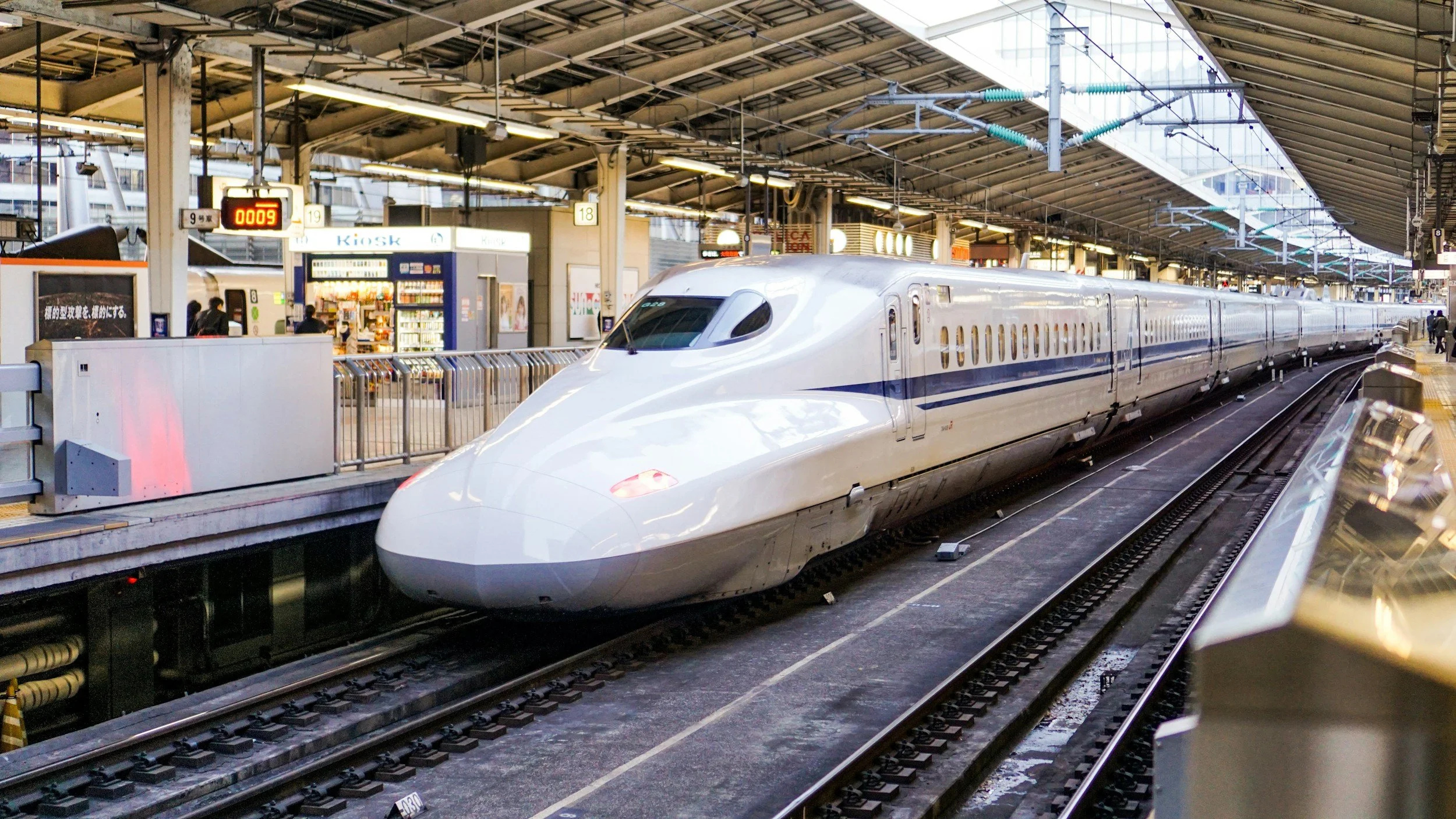
For years, the Japan Rail Pass has been a staple of any Japan trip. At one time, a few hundred dollars could get you a two or three week pass with unlimited access to almost every Shinkansen, plus all other JR owned public transport. The pass is your key to adventure anywhere in Japan, and gives you the spontaneity to hop on a train in the morning to go see the thing you just discovered online last night.
So why on earth would we tell you not to get this magical train pass? Well, we definitely recommend you rent a car to drive yourself to some harder to reach places. Plus the prices have gone up quite significantly in the last few years, and the reality is you probably don’t need it. There’s a lot of alternative options out there and we want to help you find the rail pass that’s going to be just right for your trip.
What is JR and How Does It Work?
The Japan Railways Group, more commonly known as JR, is a group of companies that formed after the privatisation of Japan’s national rail network back in the 80s. Among themselves, they operate a significant portion of Japan's rail services, including local trains, long-distance trains, and the high-speed Shinkansen trains.
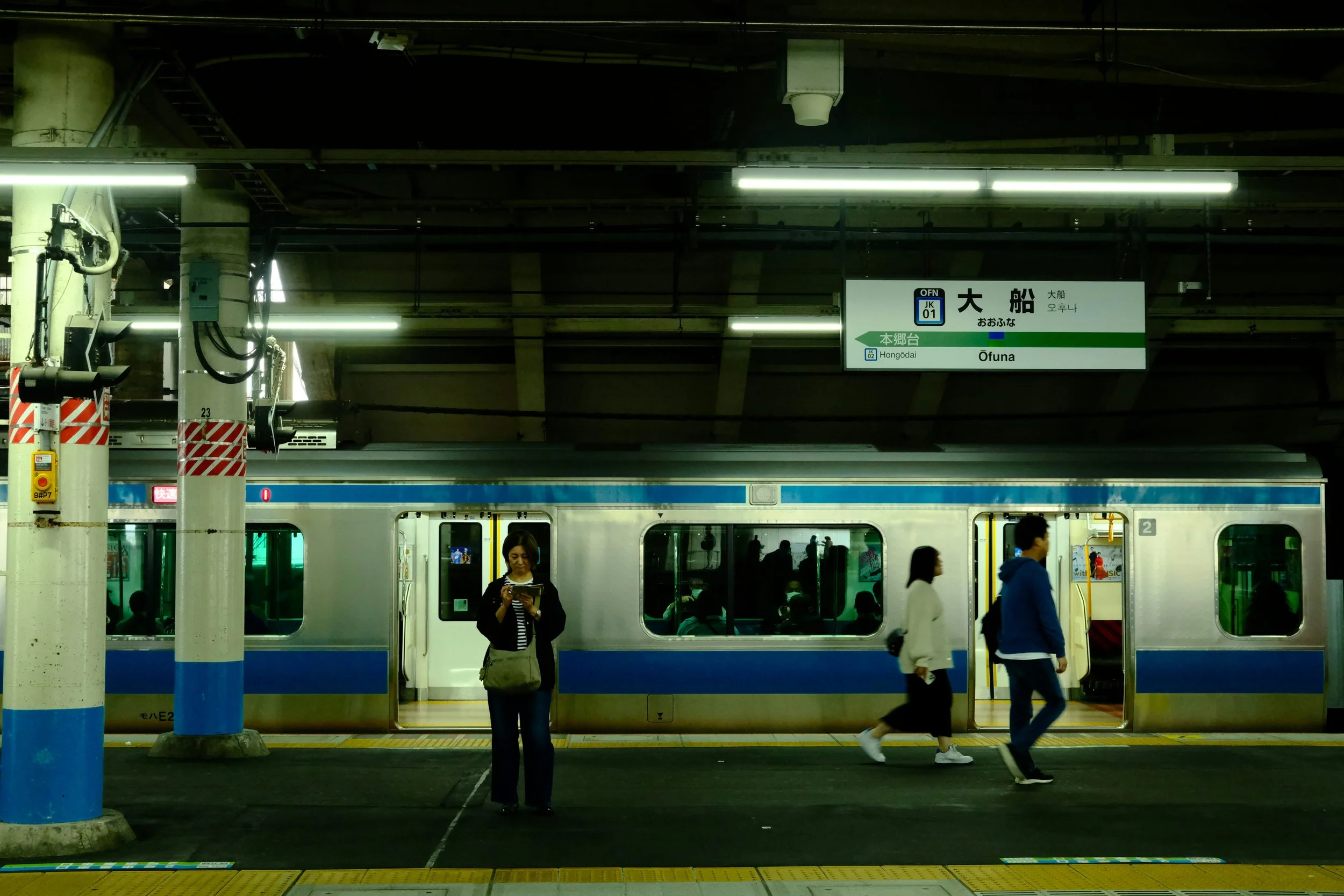
JR is actually 6 companies, each one responsible for a big chunk of the country. Three of them manage transport on Honshu (the Japanese mainland), and there’s one for each of the other island regions (Hokkaido, Shikoku and Kyushu)
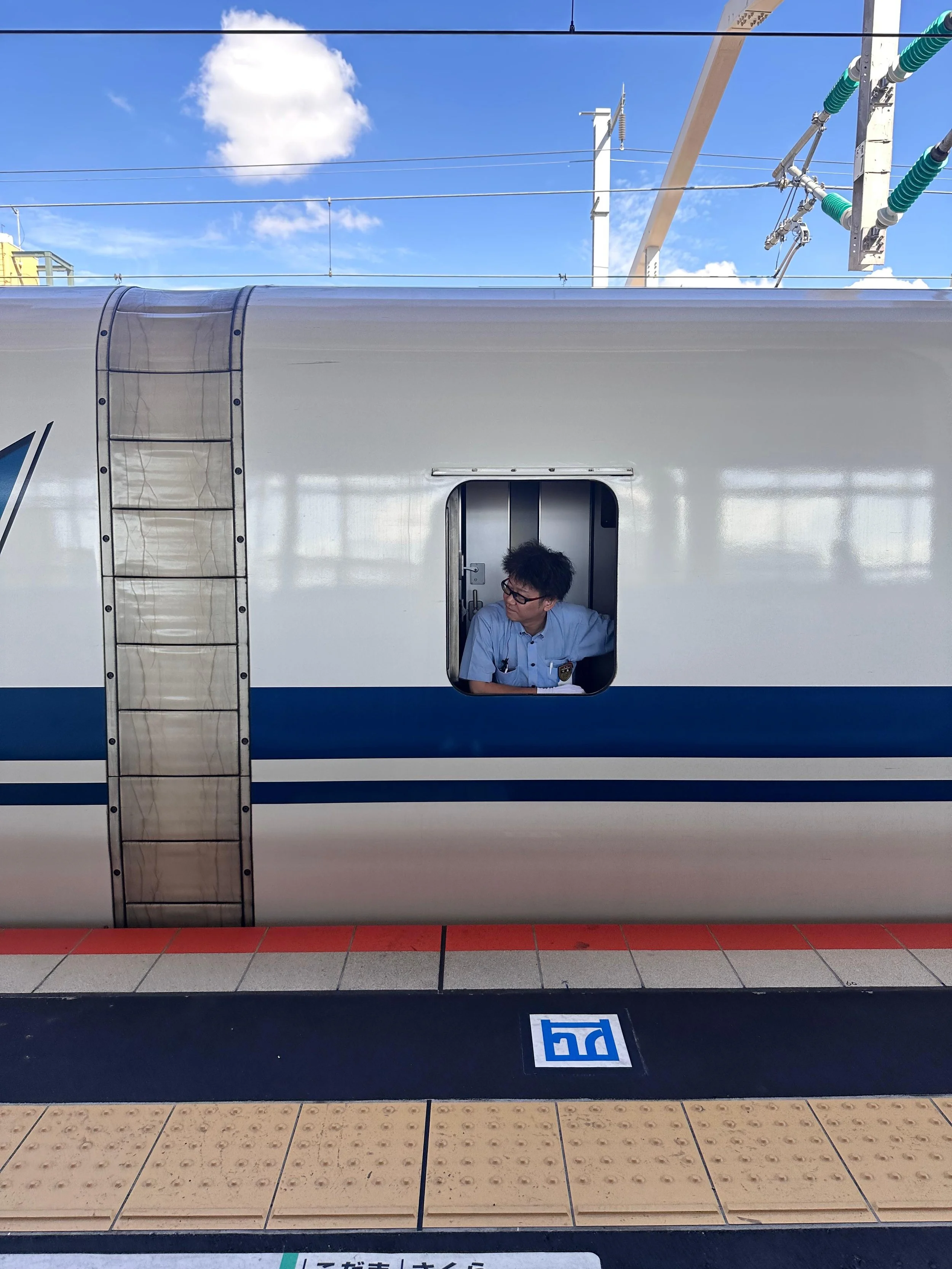
JR East - Tohoku and Kanto regions, including Tokyo and stretching up to the northern tip of Honshu
JR Central - Chubu region, including Nagoya and the Tokaido Shinkansen
JR West - Kansai, Hokuriku and Chugoku, stretching from Osaka and Kyoto to the western tip of Honshu
JR Hokkaido - Hokkaido Island
JR Shikoku - Shikoku Island
JR Kyushu - Kyushu Island
What’s a Regional Rail Pass?
While the Japan Rail Pass covers the entire country for one, two or three weeks, each of the regional companies has their own collection of passes that only covers their region. They range anywhere from one to seven days, and are significantly cheaper than a Japan Rail Pass. For someone who’s looking to explore a specific part of Japan, a Regional Rail Pass may actually be the better, more cost effective option for you.
Which Regional Rail Pass is right for me?
That depends on what you want to see, but here’s our favorite from each JR Company
JR East
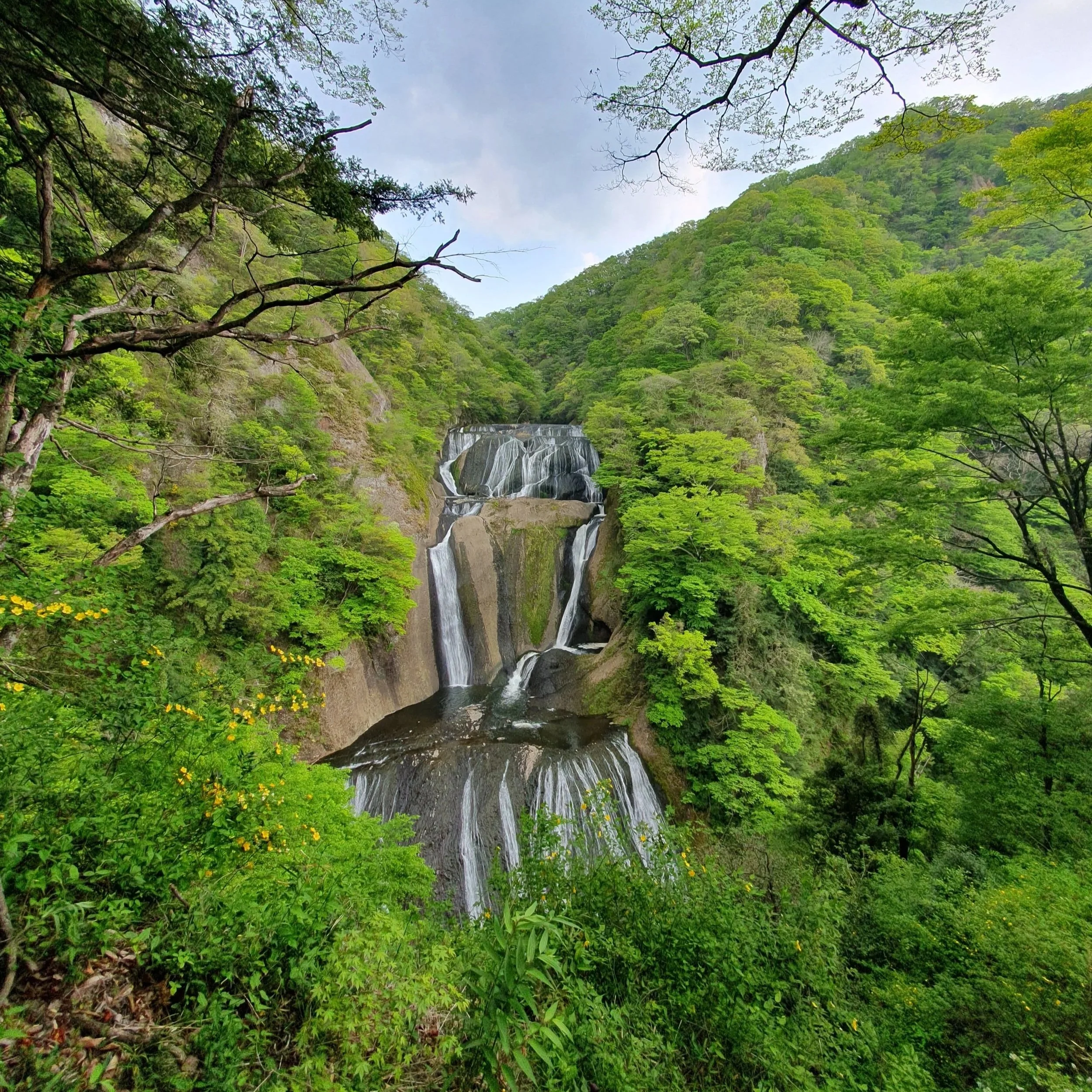
Whether you're staying based in Tokyo or heading north to explore Tohoku, JR East has you covered. If you want the flexibility to explore beyond the city without committing to a big trip, the JR TOKYO Wide Pass gives you 3 days to venture out to mountain onsen towns like Kusatsu and Karuizawa, the temples and bamboo forest of Shuzenji on the Izu Peninsula, or the stunning Fukuroda Falls in Ibaraki. For those ready to dive deeper into Tohoku, a region that’s dear to our hearts, the JR EAST PASS unlocks 5 or 10 days to explore all the way up to the northern tip of Honshu. Experience the Nebuta Festival in Aomori or sample some of Japan's best sake in Iwate. This is also the perfect pass if you want to discover samurai history and hike through pristine nature around the castle town of Aizu with us in June. This pass is your key to Japan's oft-overlooked north.

JR Central
We highly recommend spending some time in Nagoya, and the Ise-Kumano-Wakayama Area Tourist Pass gives you 5 days of unlimited access to the Kii Peninsula, allowing you to slowly make your way to Kyoto or Osaka through some of Japan’s most important cultural sites. If you’re an F1 fan, this pass will get you to the Suzuka Circuit, or you can head to Iga to learn about the history of ninja in the birthplace of one of the most powerful ninja clans. For a more spiritual experience, make your way to Ise Jingu, Japan’s most important Shinto Shrine, or walk the pilgrimage routes of the Kumano Kodo which spread across the peninsula.
JR West
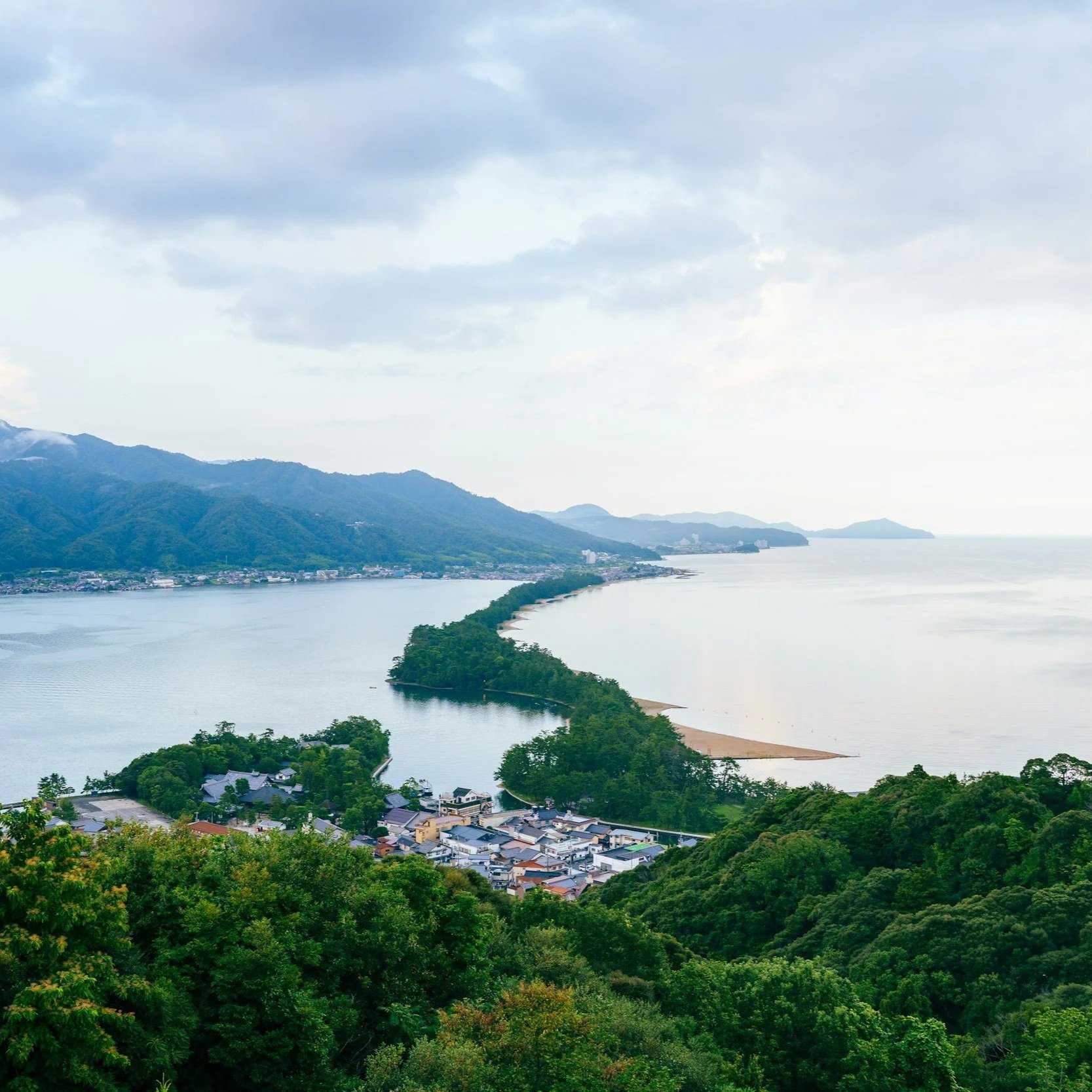
The Kansai - Hokuriku Area Pass is a wonderful option that gives you a taste of some of the best places in central Japan. You could base yourself in Osaka or Kyoto and take day trips out, or go all in and spend up to 7 days out in the countryside with this one. It gets you just far enough to see some of the most picturesque places in central Japan, like Amanohashidate and the Tottori Sand Dunes to the northwest; the mountains and nature of Wakayama to the south; and access further north to towns like Echizen, spread across Fukui and Ishikawa prefectures, which have been perfecting craft heritage for centuries.

JR Hokkaido
The Sapporo-Furano Area Pass is a perfect choice any time of year in Hokkaido. In winter, it can get you out to some of the less crowded ski resorts near Furano and Biei. But for those few who visit Hokkaido outside of ski season, the same pass unlocks the flower fields of those towns, or takes you to Daisetsuzan National Park, Hokkaido’s largest national park dotted with mountains and alpine fields for nature lovers to explore.
JR Shikoku
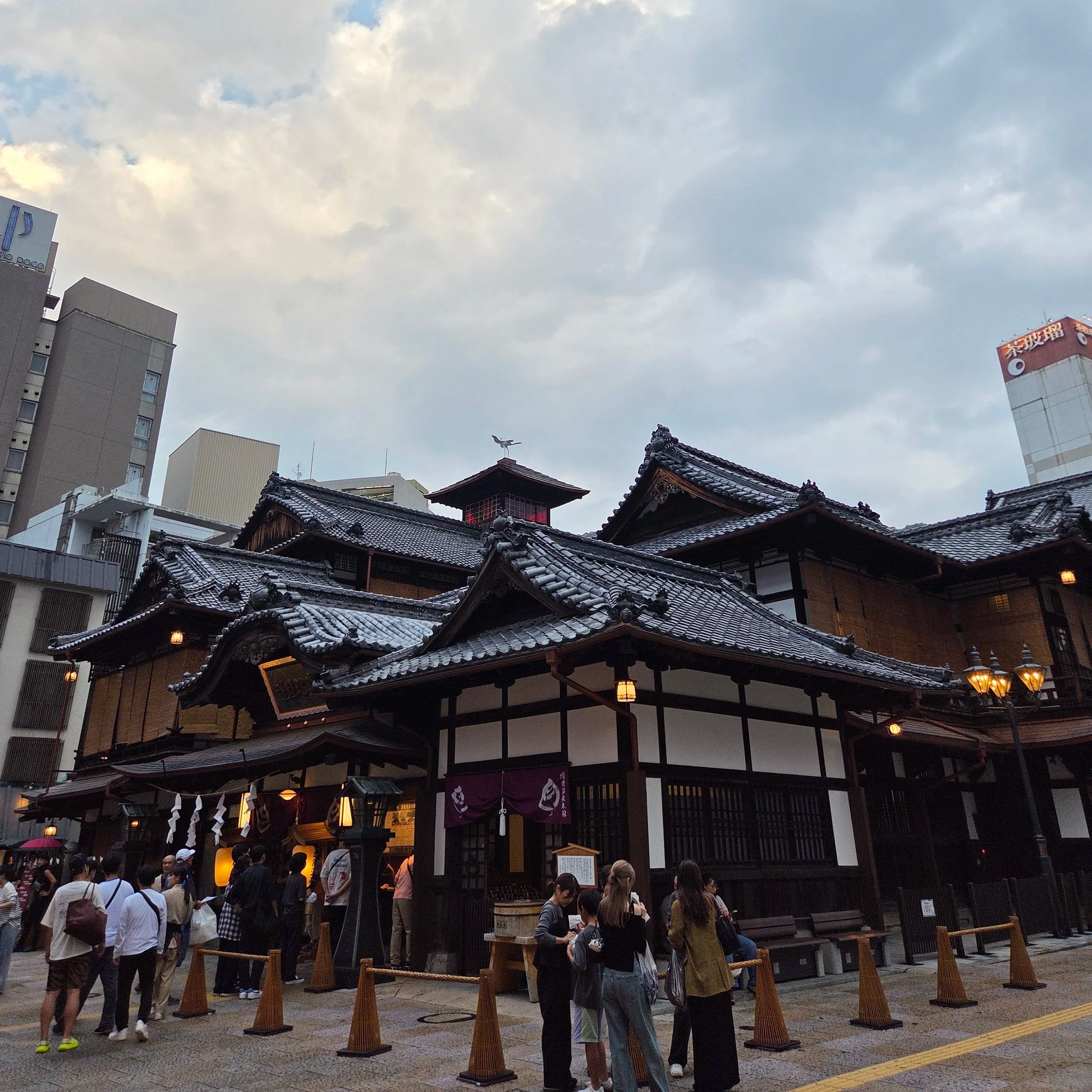
Shikoku's compact size and focused rail network make the All Shikoku Pass ideal for experiencing the island's main cities and cultural highlights. The pass gives you between 3 and 7 days of unlimited travel, taking you to Hirose Market for piles of fresh seafood and the Sunday Market in Kochi (Japan’s largest), Dogo Onsen near Matsuyama, which is said to have inspired the onsen in Spirited Away, or across the Seto Inland Sea by ferry to Shodoshima to explore local food and soy sauce production. If you really want to unlock some of Shikoku’s most precious gems, though, you’ll also want to rent a car to get deeper into places like the Iya Valley or Cape Muroto.
JR Kyushu
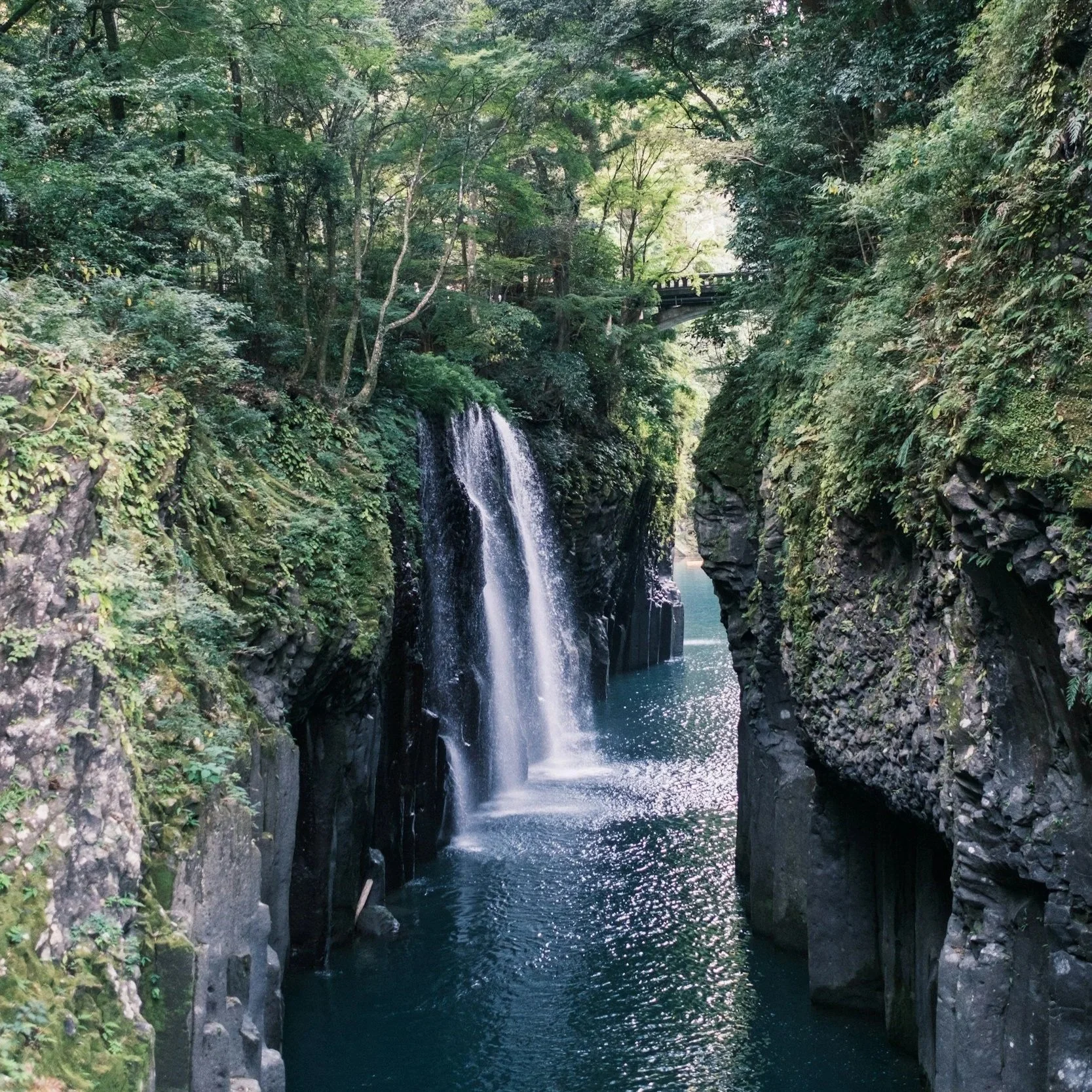
The All Kyushu Pass gives you up to 7 days to explore Japan's southern island, from volcanic landscapes to traditional craft towns. Head south to the volcanic sand baths and onsen of Ibusuki, make your way to Hitoyoshi to sample shochu at the distilleries that have developed along the Kuma River, or hike through the beautiful Yabakei Gorge near Nakatsu. The pass gets you across the island from Nagasaki to Kagoshima, Kumamoto to Beppu. Perfect for exploring Kyushu's diversity on your own terms.
Where can I buy a Regional Rail Pass?
There’s all kinds of websites to buy them, but we recommend getting it directly from the JR company. You need to buy them before entering Japan, and then show your passport to pick them up when you arrive at the airport. The one exception is Hokkaido, where you can buy some of the regional passes directly at stations in Hokkaido.
What does a Regional Rail Pass cover?
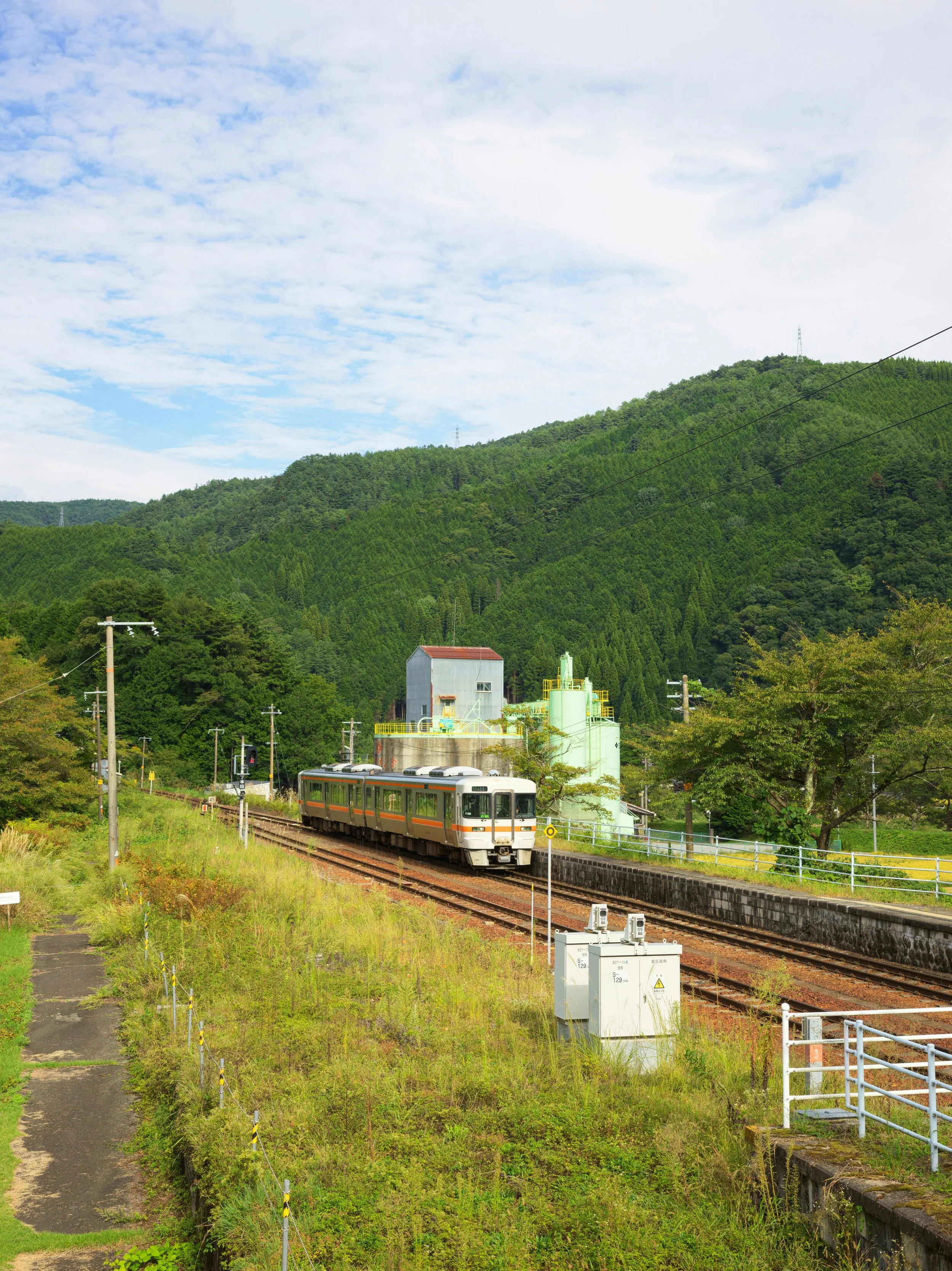
All of the JR companies have great, English language websites that outline exactly what’s covered and what isn’t, with maps to help you decide what’s right for you. Generally, they cover all JR managed transport, which includes trains, buses and ferries. Some of them even get you discounts at JR managed hotels.
Is there anything the Regional Rail Pass can’t do?
The regional pass is only going to work in the designated region, unlike the Japan Rail Pass, so first you’ll need to make sure you’re traveling to included stations. Japan also has a network of private transport companies where you can’t use the rail passes. The most likely examples you’ll see are the Tokyo Metro in Tokyo, where a Rail Pass won’t work. In Kyoto, a lot of the train lines are also private, often run by Hankyu or Keihan, and you can’t use a rail pass on these either. Same applies in some more remote regions, so just make sure you’re getting on at a JR station, which are usually marked with the green JR logo, and you’ll be fine.
The Japan Rail Pass was designed for travelers trying to see everything in two or three weeks, hitting all the highlights spread across the country. But if you're reading this, you're probably more interested in seeing the spaces in between that most visitors to Japan miss. The regional passes give you permission to slow down, dig deeper, and actually get to know a place. Pick your region, get your pass, and discover the Japan that most people rush right past.
Frequently Asked Questions
-
It depends on your itinerary. If you're spending time in one or two specific regions rather than racing across the entire country, a regional pass will likely be cheaper and more suitable for your trip.
-
Yes, significantly. Regional passes range from a few days to a week and cost a fraction of the nationwide pass. They're the better value if you're not trying to see the entire country in two weeks.
-
Yes, most regional passes include access to Shinkansen trains within their coverage area. Check the specific pass details for any restrictions on certain Shinkansen lines.
-
You can buy them directly from each JR company's website before entering Japan. You'll need to show your passport to pick them up when you arrive at the airport or major train stations.
-
Yes, regional rail passes are specifically designed for tourists visiting Japan on a temporary visitor visa. You'll need your passport to purchase and activate the pass.
-
It varies by region and pass type. Most regional passes offer options ranging from 1 day to 7 days of unlimited travel within the designated area.
-
No, regional JR passes and the Japan Rail Pass only work on JR-operated lines. Tokyo Metro and other private railway lines require separate payment or passes.