
Xiamen: The Coolest City You’ve Never Heard Of
Back when I was living in Shanghai, I found myself down in Xiamen about once or twice a year. My boss was from there, so he always found an excuse for business trips to Fujian, and boy am I glad he did because Xiamen quickly became my favourite city in China. Xiamen is a relatively small city by Chinese standards, though you wouldn’t tell from looking at it. Being right on the coast, it’s maintained a relaxed air, with laid-back, artsy vibes and - most importantly - China’s best noodle: shachamian (沙茶面).
Xiamen is a small island off the coast of Fujian Province, and is actually closer to Taiwan than it is to most places in Mainland China. This lush, green island played a major part in China’s history and connection to the rest of the world. Xiamen served as one of the gateways to the tea, paper and porcelain that have been produced in Fujian for centuries, which were in high demand overseas, and the region still boasts world-class tea and porcelain industries. Even the word tea itself was influenced by the local Hokkien dialect spoken in Xiamen. It was one of the first treaty ports that opened after the First Opium War in the mid-19th century, and since then many Chinese from the region moved overseas while many foreigners moved in and made it their home.
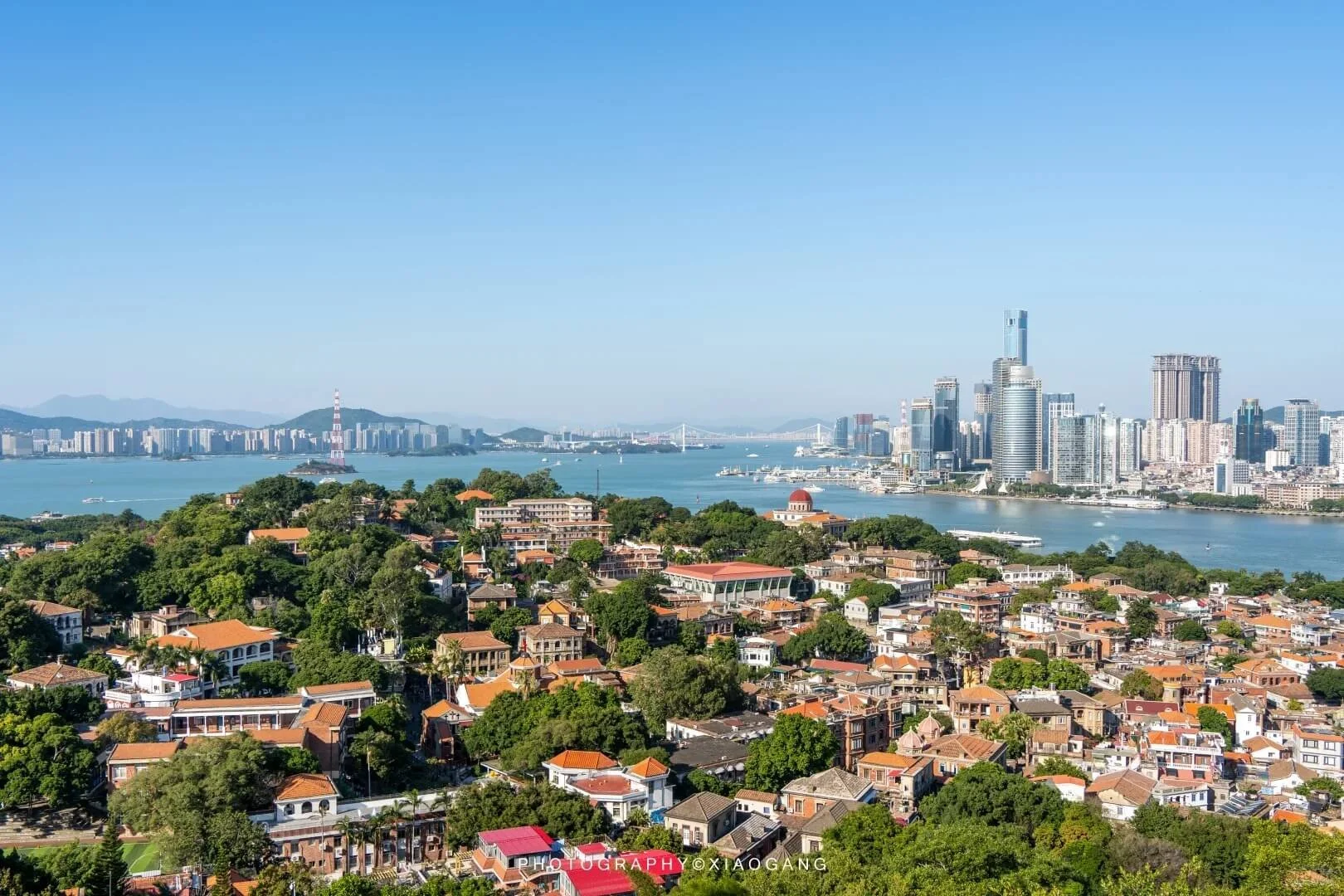
This history of trade and cross-cultural exchange has made Xiamen a unique destination where art thrives and the cuisine is outstanding. Whether you’re looking for underground Chinese music, centuries-old temples, or a delicious bowl of noodles, you’ll want to travel to Xiamen for a few days to soak up the laid-back, seaside atmosphere that’s missing from most Chinese cities. If you’re already heading to China, let this guide get you started on exploring Xiamen and the surrounds, or come with us in June.
Getting to Xiamen
Xiamen is easily accessible by bullet train, with over 250 high speed trains moving between Xiamen and major cities like Guangzhou, Shanghai, Beijing, Shenzhen, Chengdu, Chongqing, Kunming, Changsha and more. Most trains arrive and depart from Xiamen North Railway station, located about 25km from the main tourist attractions. Xiamen Railway Station, about 7km from the main tourist attractions, serves more limited destinations.
Xiamen’s Gaoqi International Airport, located about 20km from the main tourist attractions, is the hub for Xiamen Airlines and serves many domestic and international destinations.
Where to Stay
Xiamen might look small, but it can take a while to get from one end of the island to the other. These hotels will place you right in the thick of the tourist attractions for an excellent stay:
Conrad Hotel ¥¥¥¥ - Taking up the 37th-54th floors of one of Xiamen’s tallest towers, the upscale hotel offers unbeatable seaviews and easy access to Shapowei and some of the city’s best art and activities.
Vishan Garden Boutique Hotel ¥¥ - In the heart of Xiamen’s bustling Zhongshan Road, this hotel mixes vintage Nanyang design with modern amenities, with easy access to top tourist destinations and food centers like Bashi Market.
Lohkah Isle ¥¥¥¥ - For a night on Gulangyu, this is as good as it gets. Part of one of China’s most design-forward hotel groups, this property is on the quiet north side of the island, built into a renovated centuries-old property, letting you live in the history of Gulangyu.
What to Eat
The cuisine of Xiamen is known as Minnan (闽南) cuisine, a subset of Fujian cuisine (闽菜) which is one of China’s Eight Great Culinary Traditions. It should be telling that after covering major tourist hotspots, Michelin next moved into Fujian. In fact, one of our Shanghai food recs, Guan Dan, is actually originally a Fujian dish. Expect a lot of seafood with lighter flavours than in other regions. With so much immigration in and out of Xiamen over the centuries, Minnan cuisine might seem closer to what you’d expect back home, and also includes flavours brought back from diaspora communities across the world.
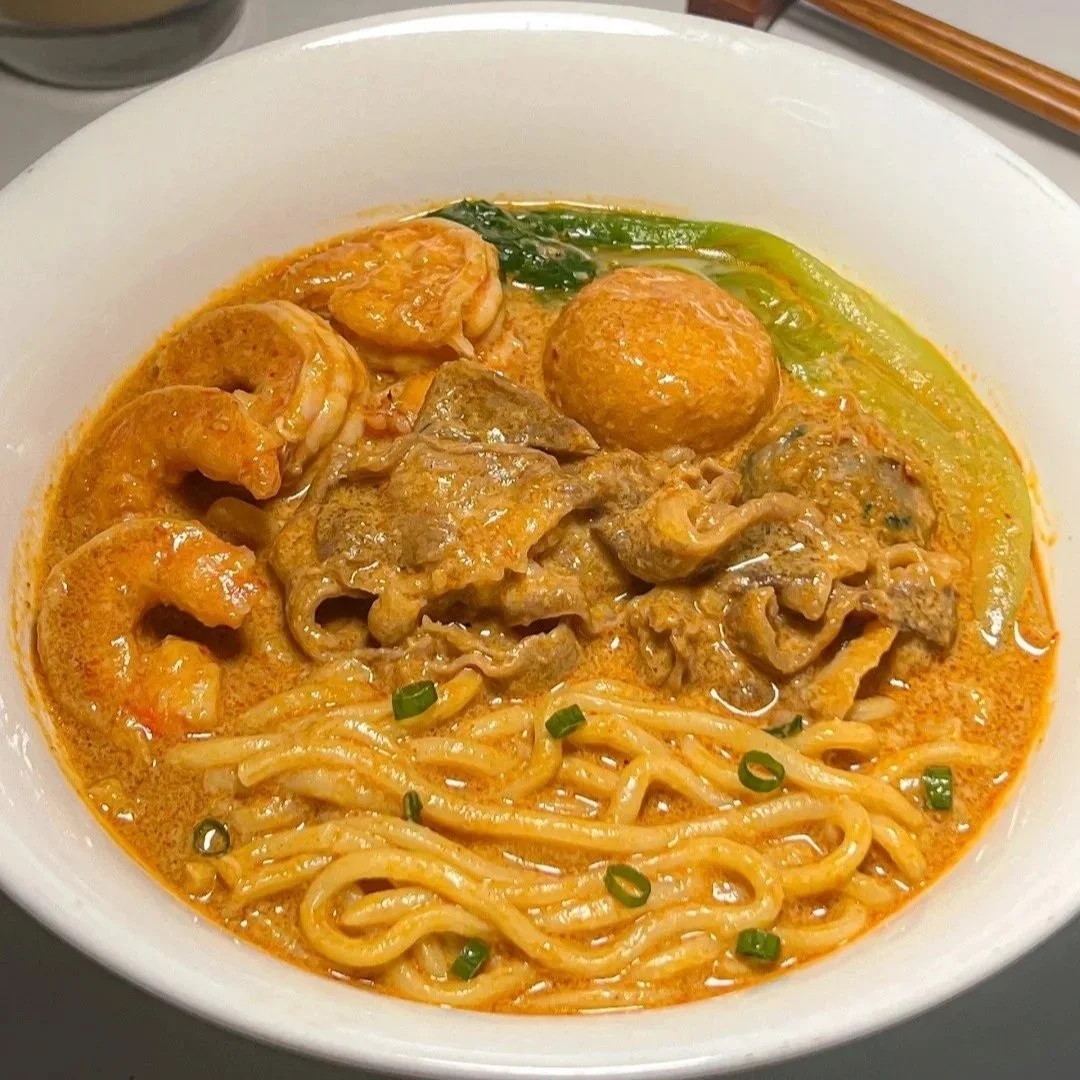
Shachamian (沙茶面)
This noodle soup is Xiamen’s signature dish and my favourite type of noodle in China. Imagine a Chinese laksa (another one of the best noodles in the world). The flavours were brought back by emigrants to Southeast Asia, who adapted satay seasoning from Malaysia and Indonesia into a uniquely Chinese noodle soup. You can customize your toppings, but make sure not to forget the tofu that soaks up all the broth. It’s pretty widely agreed that Sili Shachamian (四里沙茶面) is the best in town, but there’s plenty of excellent options all over the place. You could try Ajie Shachamian (阿杰店沙茶面) in Shapowei, Laoxiamen Shachamian (老厦门沙茶面) in the middle of the island, Yuehua Shachamian (月华沙茶面) on Zhongshan Road - you can’t go wrong with a bowl of these noods.
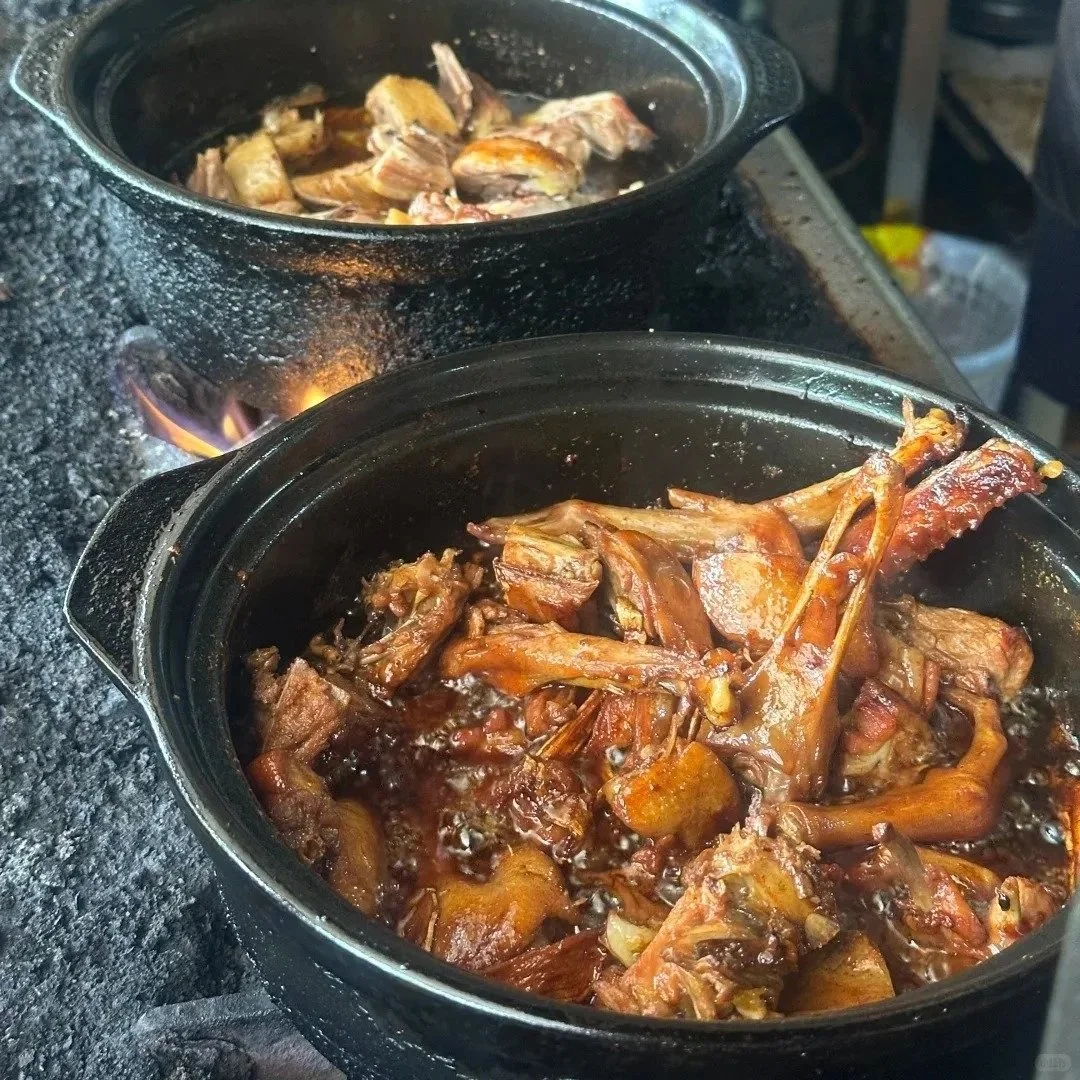
Ginger Duck (姜母鸭)
A favourite dish for many locals, Ginger Duck is exactly what it sounds like - a duck slow cooked with ginger and other spices until the meat falls off the bone. Shiheli (时和利姜母鸭) is a great spot that specializes in Ginger Duck, but if you’re looking to have an excellent version as part of a larger meal, Minnan Hang (闽南行) in Shapowei is the place to go for Ginger Duck along with other Xiamen seafood specialties.
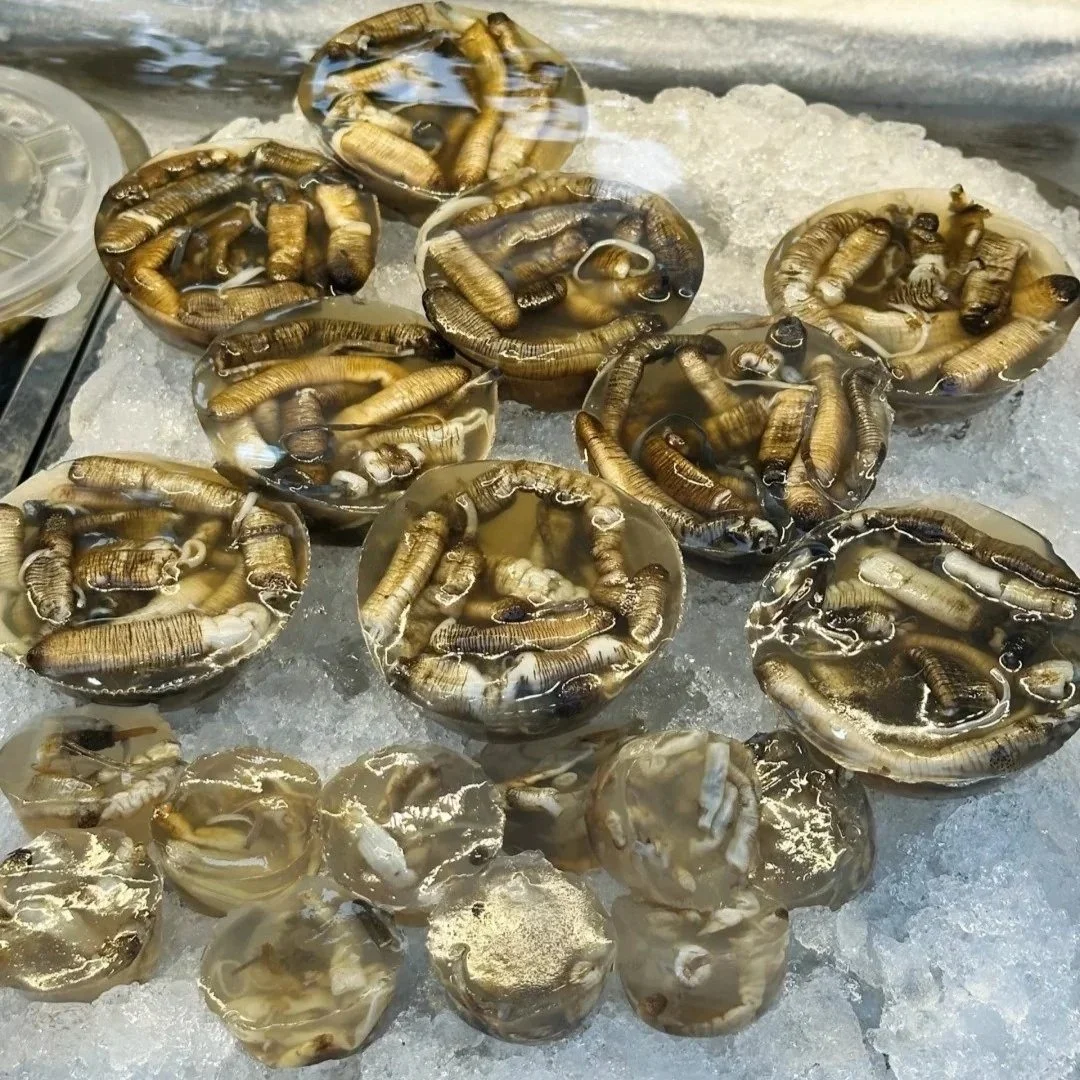
Tu Sun Dong (土笋冻)
In Shanghai, you get worm-looking eels (which we love). In Xiamen, it’s just worms. These sea worms’ bodies contain gelatin which gets released during cooking and then solidifies as it cools. You then top them with mustard, garlic, vinegar and chili and enjoy. This is definitely a more unique Minnan experience, and Chaishu (柴叔土笋冻) in Bashi Market is the perfect place to start. At Jiawei Zaitian (佳味再添土笋冻) you can get a bowl of noodles with some Tu Sun Dong on the side.
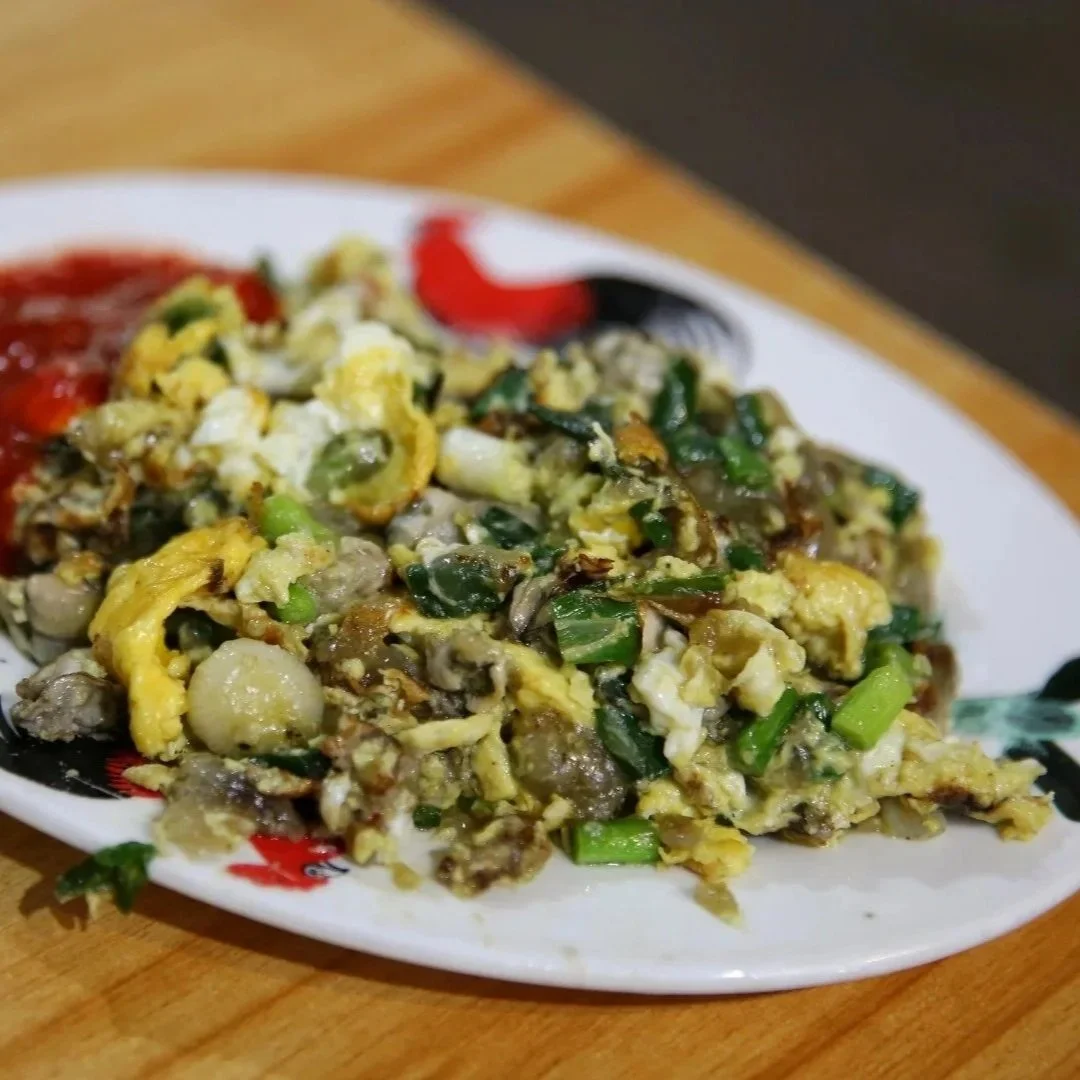
Oyster Omelette (海蛎煎)
Another one you may have seen around Southeast Asia, the Xiamen version uses sweet potato starch, eggs, and the local pearl oysters to create this crispy treat. Lianhuan (莲欢海蛎煎) has been around more than 30 years and is a must-have. In Shapowei, Yujian Zhuanjiao (遇见转角海蛎煎) is a tasty stop. Or take the Michelin guide’s Bib Gourmand recommendation (their best recommendation in my opinion) and head to Haoshilai (好食来大排档).
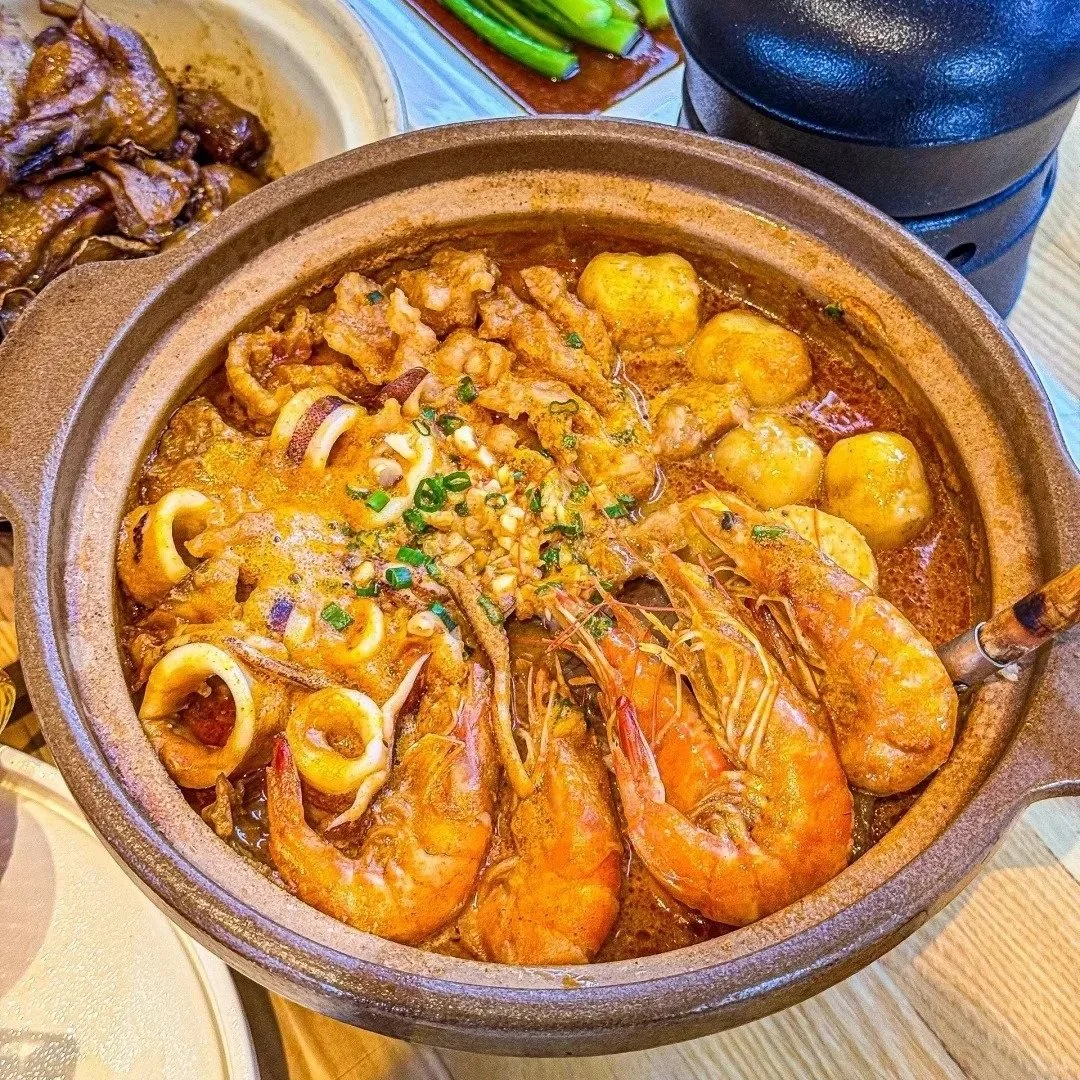
Shaguo (砂锅)
These claypot dishes aren’t specific to Minnan cuisine, but a large part of the cuisine of Fujian and the greater region. Rice or noodles are cooked in a claypot and show up at the table still bubbling. Typically mixed with various seafood or meat, expect more of the seafood variety around Xiamen. Elaichi (饿来吃) makes an excellent shaguo. In Central Xiaman, Yang Xiaomei’s (杨小妹手工刀削面) Shaguo comes with hand cut noodles, giving wonderful texture to the dish.
What to Do
With its laid-back atmosphere, Xiamen is a place you'll want to slow down and spend a few days exploring. Unlike the relentless pace of most Chinese cities, here you can wander between Buddhist temples and beach walks, dive into indie art galleries and underground music venues, or simply watch local life unfold. For those curious about what's happening at the forefront of Chinese cultural and creative trends, Xiamen offers the perfect place to observe and engage without feeling overwhelmed.

Gulangyu
This small island a short ferry ride from downtown Xiamen is a UNESCO World Heritage site and an example of early globalization. When Xiamen opened up back in the 19th century, most of the foreigners settled here. At one point, thirteen countries had established consulates on the island, and there are over 1,000 historical buildings scattered around the island to this day. In the main port areas you’ll find plenty of tourists, but walk out onto the more remote parts of the islands to enjoy the sea views, great cafes and restaurants, and unique architectural heritage. Make sure to spend a night, it’s the best way to enjoy the island without the throngs of tourists that come for the day. You’ll need to take a ferry to get here, and the main access points are going to be from the Xiamen Ferry Terminal (shortest route to east side of Gulangyu) or No. 1 Pier (longer route to west side of island)
Shapowei
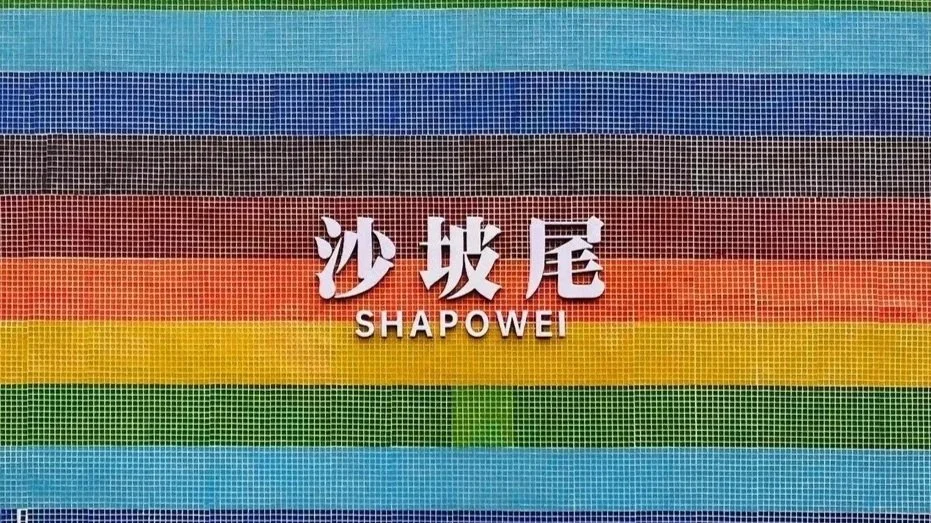
Shapowei (沙坡尾) opened in an old seafood processing factory back in 2014 to serve as a creative hub, and even when it just opened it was one of my favourite places in Xiamen. Filled with almost 10,000 square meters of artist studios, music venues, creative spaces, and a skate park, come here to see how Xiamen’s youth are living their best lives.
Temples and Folk Religion Sites
Xiamen has a deep religious history, most visible at Nanputuo Temple (南普陀寺). This is Xiamen’s most famous temple, dating back to the 9th century. It’s famous for its colorful buildings and it backs onto a mountain that you can hike up for panoramic views. To see something even older, visit Fangtian Temple (梵天禅寺), which was originally built in the 6th century. It’s way out in Tong’an District, far from most tourist hot spots, but home to a vast number of local shrines and religious practices. There are also over 2,000 small shrines spread across the city, where worship of Mazu, the sea goddess, and Tudi Gong, the earth god, take place every day. The highest concentration of these shrines can be found in Tong’an District around Fangtian Temple.
Beaches
China is not known for its beaches and most Chinese aren’t big beach-goers, but Xiamen has its fair share of beaches for you to relax in. There are plenty of beaches along the ring road that circles the island, including Baicheng Beach (白城沙滩). Although manmade, this one is easily accessible and has fine, soft sand imported from Kinmen, just across the harbour. On the east coast, there are plenty of hidden beaches that will be less busy, like Huangcuo Beach (黄厝海滩). You’ll also find a few scattered across Gulangyu if you follow the island coastal walk route, like Gangzaihou Beach (港仔后沙滩). These ones will be particularly quiet if you spend the night and visit after the tourists leave or early in the morning.
Overseas Chinese Museum
If you want to learn more about the immigrant experience, one of the most important parts of Xiamen’s history that shaped the city, make sure to visit the Overseas Chinese Museum (华侨博物院). This is China’s only museum dedicated to overseas Chinese history, with over 10,000 artifacts from migrants who left for Southeast Asia, the Americas and much more.
Where to Shop
With all the creatives in and around Fujian, and the trade that’s happened over the centuries, you’re bound to find some great souvenirs and gifts in this city. Whether you’re looking for antiques or something more modern, here are a few places to start:
The Eighth Market (八市)
This is one of the largest food markets in Xiamen. Come early in the morning to see the wet market in action, with fresh seafood caught right off the coast for sale. Or come later in the day to try some of the best snacks Xiamen has to offer.
Shapowei
Being the main arts hub, this area is filled with galleries and shops. Don’t just stay within the confines of the Shapowei old factory facility itself, head out to the alleys around the nearby reservoir and wander to see what catches your eye.
Bookstores
China has perfected the art of bookstores. Some of the most instagrammable bookstores in the world are spread around the country, and they sell so much more than just books. There’s generally a huge selection of all kinds of gifts and local crafts on offer, set in some incredible spaces. Perfectly mirroring Xiamen’s vibes is Buzai Shudian (不在书店), set along the coast and often called China’s most beautiful bookstore. For something a bit quieter, Mailang Shudian (麦浪书店) is in the middle of town in a 100-year-old building with retro style.
Antique Markets
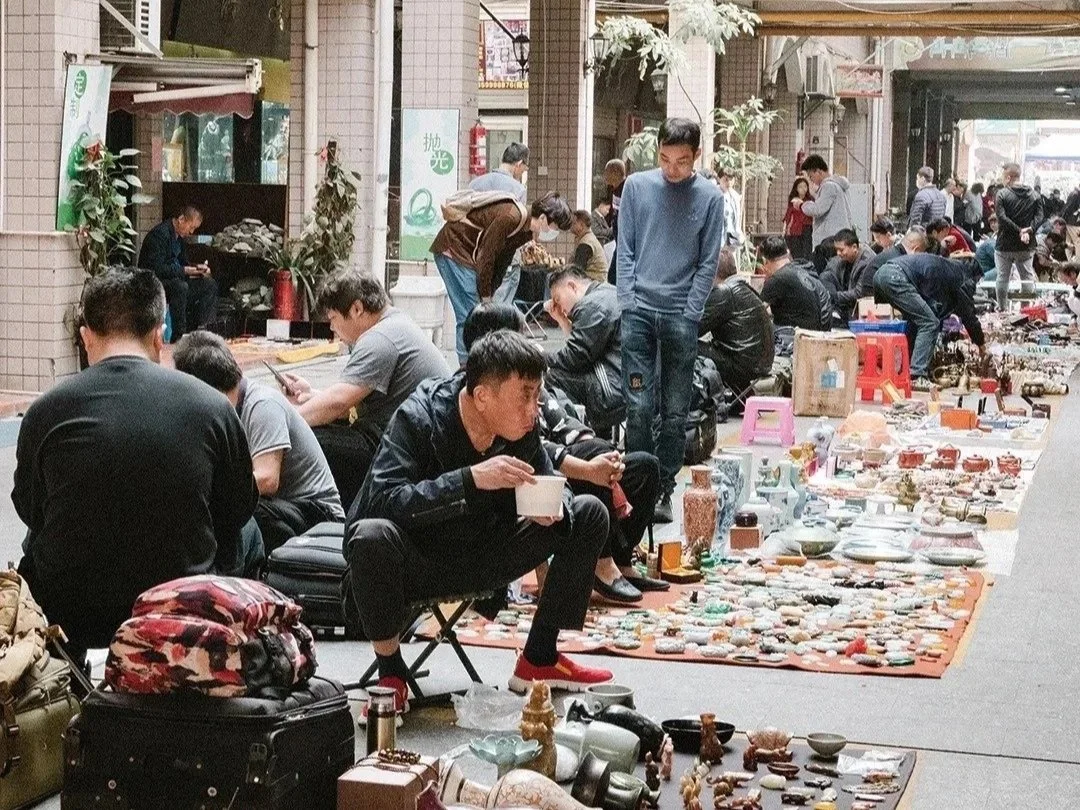
You might think of old vases and communist memorabilia when you think of Chinese antiques, and while you can definitely find those, Chinese antique markets are a treasure trove of retro goods and cultural treasures. The largest in Xiamen is Wanshou Antique Market (万寿古玩城), but these days Dongdu Antique Market (东镀古玩城) is the place to go.
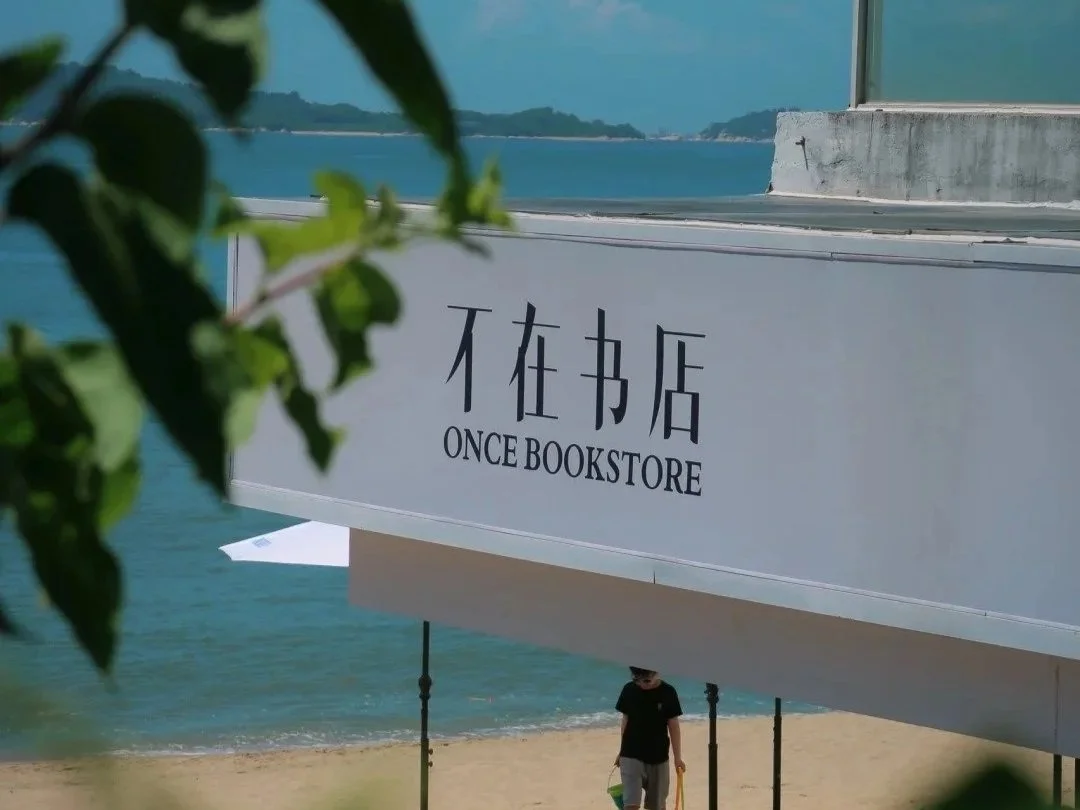
Where to Play
China loves a night out and things are open until all hours in this country. Xiamen offers some top-notch options for whatever type of night you’re looking for.
Suapobbe Taphouse
Every time I go to China I’m impressed by something new, and last time it was just how far craft beer had spread. In Xiamen, Suapobbe Taphouse (沙坡尾酒场) is the current favourite. It’s a small venue, but they’re making a surprisingly wide variety of beers.
Beer Station (beer station啤酒站)
If you’re looking for a wider selection of craft beers from China and further abroad, then head to Beer Station. It’s small and unassuming, but you’ll be spoilt for choice.
Mingfa Plaza (明发商业广场)
Cocktails in China have taken off over the last few years, and have gotten more and more recognition globally. While the international focus might not have reached Xiamen yet, you can get ahead of the curve by heading to the area around Mingfa Plaza in central Xiamen. High-end, modern cocktail bars like Sixpence (陆便士), Haven, and Drift & Co all serve up excellent drinks, and are within walking distance of each other.
Xiang Livehouse (響 Livehouse)
Xiang is the premier spot for live music in Xiamen. You’ll find local acts and touring bands from China, although international acts usually skip Xiamen.
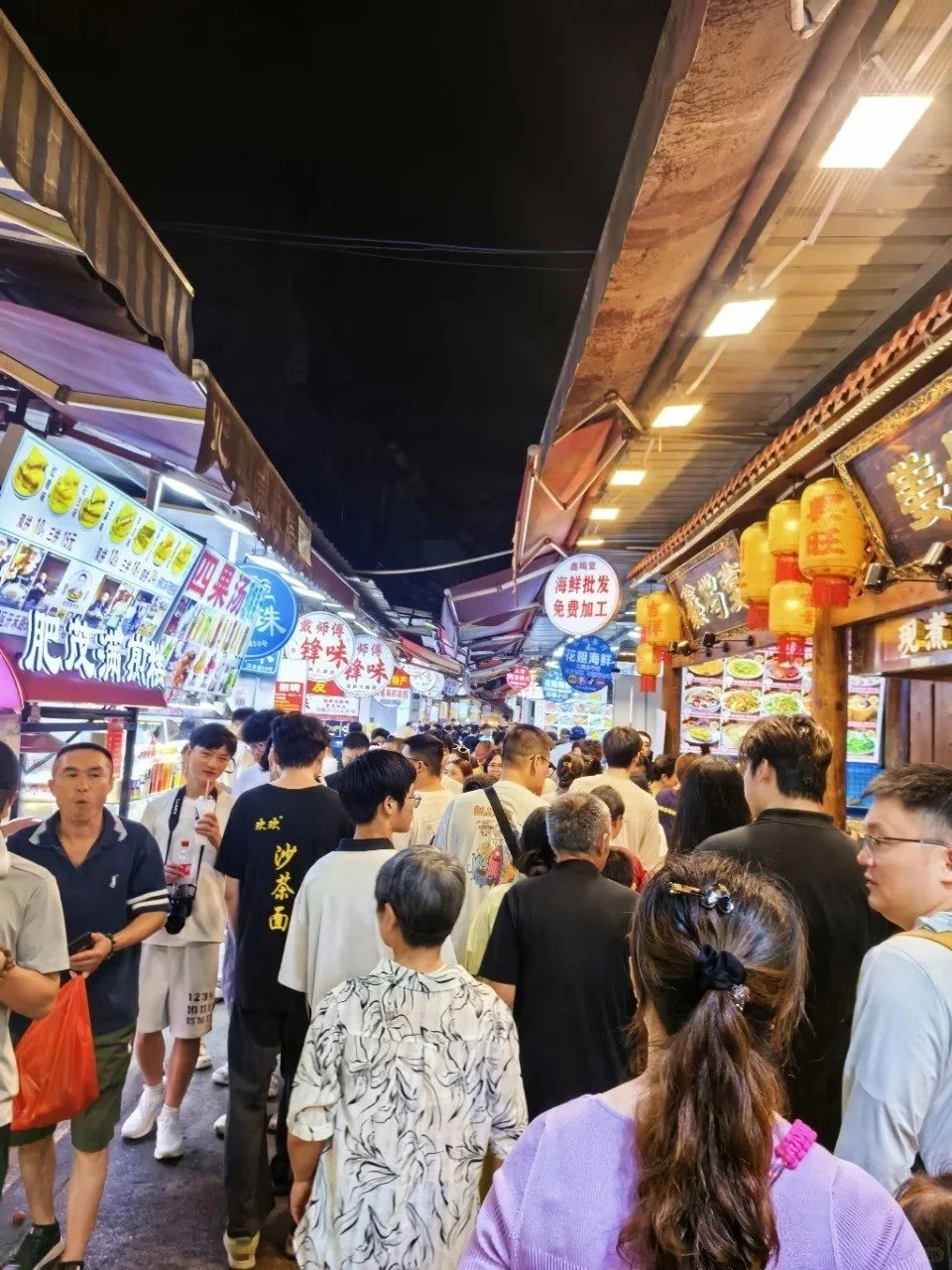
Zengcuoan Night Market (曾厝垵夜市)
If you’re looking for street food, look no further than the Night Market in Zengcuoan. Packed with small shops and stalls, you’ll be able to find any Minnan snack you’ve been looking for and much more. Make sure to grab a Tsingtao to wash it all down.
How to Dive Deeper
Xiamen is one of the main gateways to Fujian, and there are many more amazing things to explore in the surrounding region. It’s easy enough to hire a driver for the day or join a day trip, although if you’re feeling particularly adventurous hop on the train and get yourself to some of these places.
Tulou (土楼)
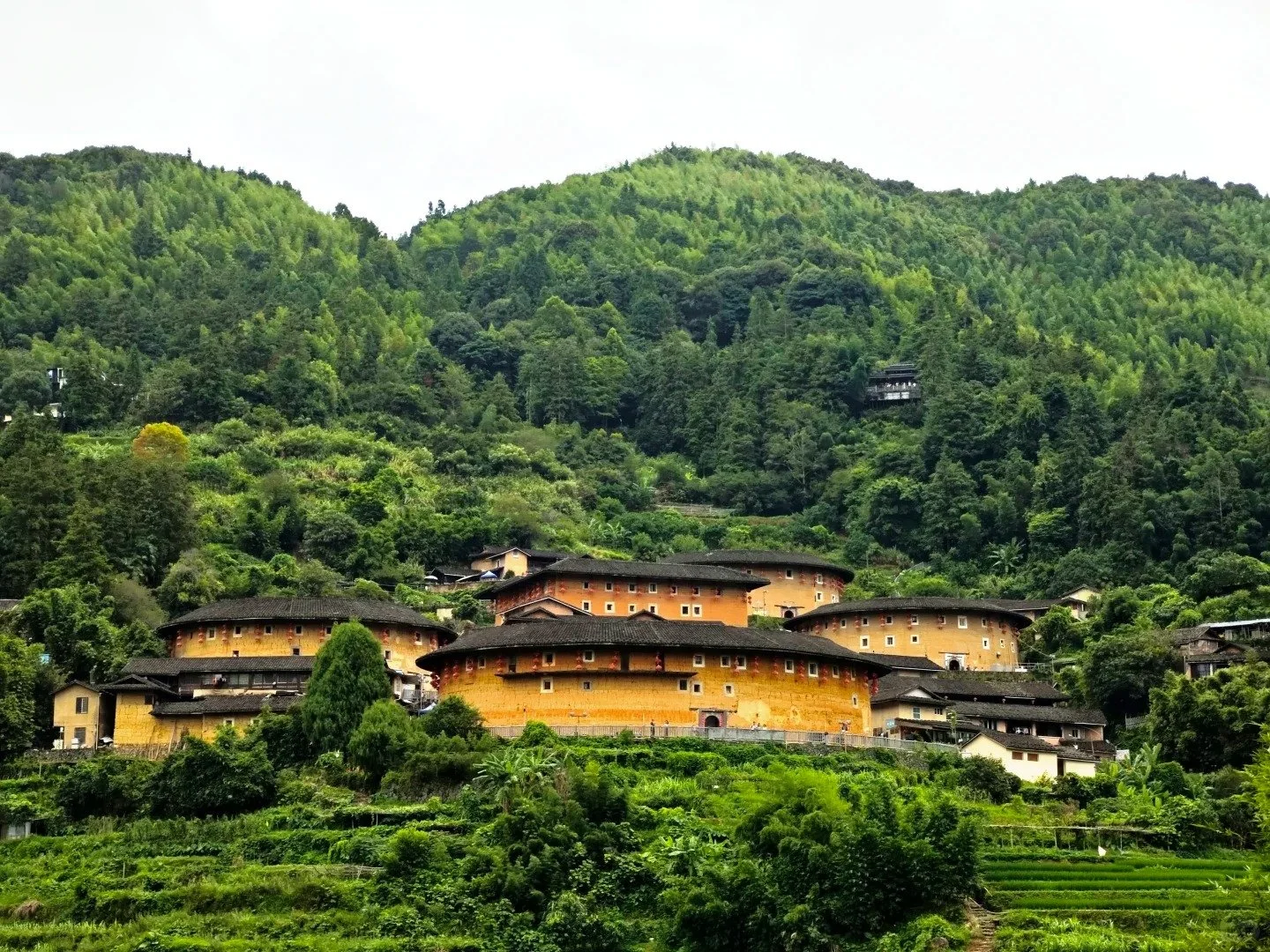
These unique walled cities built into the mountains of southeastern Fujian are unlike anything you’ve seen before. Generally standing 3-5 storeys tall, you enter into a courtyard that’s ringed with homes along the upper floors, facing in towards the courtyard. They were set up this way to provide a fortress-like structure for the families living within, and built a strong community identity among the inhabitants. There are a few clusters spread around, within a few hours drive of Xiamen. Many of them are still inhabited today, and you can even stay overnight in some of them.
Quanzhou (泉州)
Another historical port town less than an hour north of Xiamen, Quanzhou is like a mini version of Xiamen. Wandering the lanes around West Street you’ll get Tang Dynasty vibes, and head to Kaiyuan Temple to see one of China’s three great Buddhist temples with famous 13th century pagodas. Quanzhou is the birthplace of Dehua Porcelain, one of China’s most famous types of ceramic, so the artsy vibes are still strong and there’s plenty of fantastic modern and antique finds. This is a perfect stop for a night or two of exploration.
Wuyi Shan (武夷山)
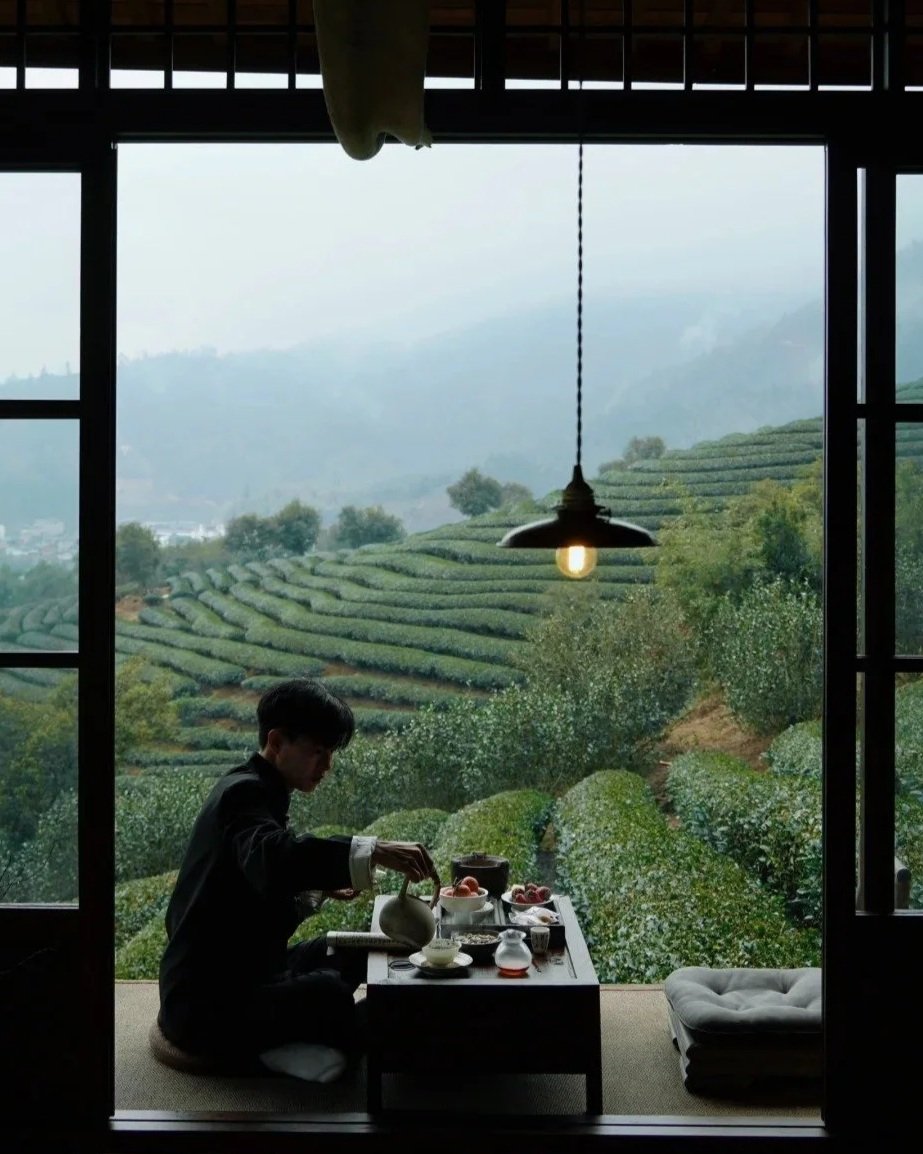
This part of China is also famous for tea, and some of the most famous comes from Wuyi Shan, 2-3 hours from Xiamen. This region is a UNESCO World Heritage site of sandstone peaks covered in forests, with streams snaking throughout. Pass the time here with a bamboo raft cruise, or visit one of the tea plantations to learn about the famous Da Hong Pao oolong tea. This is the perfect escape into nature.
Pingtan Island (平潭岛) and Dongshan Island (东山岛)
Both of these islands provide a glimpse into a quieter way of life in a traditional fishing village, and are accessible within 2-3 hours of Xiamen to the north (Pingtan) and south (Dongshan). A lot of young people, sick of the corporate grind or struggling to find work, have started moving to places like this. These are great places to slow down, connect with locals, and see what some of the youth who are eschewing Chinese norms are doing when they let their creativity flow.
There's a reason I kept finding excuses to come back to Xiamen, even when work didn't require it. This city has a way of getting under your skin. The perfect bowl of shachamian, an unexpected gallery down an alley, or elderly locals practising tai chi at dawn by the sea, Xiamen is quietly doing its own thing. Xiamen might not be on everyone's China itinerary yet, but that's part of what makes it special. Give Xiamen a few days, and you might just find yourself planning your next trip back before you've even left
Frequently Asked Questions
-
Absolutely. Xiamen offers a rare combination of authentic Chinese culture, incredible food, and a laid-back coastal atmosphere that's hard to find in other Chinese cities. If you're looking for something beyond the usual Beijing-Shanghai-Xi'an circuit, Xiamen provides deep cultural experiences without the overwhelming crowds. The city is particularly worthwhile for food lovers and anyone interested in China's maritime history and contemporary creative scene.
-
Three to five days is ideal for Xiamen itself. This gives you enough time to explore Gulangyu Island properly (including an overnight stay), sample the local food scene, visit temples and beaches, and experience the nightlife. If you want to include day trips to Tulou villages, Quanzhou, or Wuyi Shan tea plantations, add another two to three days.
-
Xiamen is famous for its UNESCO World Heritage site Gulangyu Island, its signature dish shachamian (a satay-influenced noodle soup), and its role as a historic treaty port. The city is also known for Minnan cuisine, beautiful coastal scenery, thriving art scene at Shapowei, and as a gateway to Fujian's Tulou circular earthen buildings. Xiamen played a significant role in Chinese overseas migration and trade history.
-
The best times to visit Xiamen are March to May and September to November. During these periods, the weather is mild and comfortable, with temperatures ranging from 15-25°C (59-77°F). Avoid July and August when it's hot, humid, and typhoon season. Chinese New Year (late January to mid-February) means crowds and higher prices. October Golden Week (first week of October) is also extremely crowded.
-
From Shanghai: High-speed train (6-7 hours) or direct flight (2 hours). Trains depart regularly from Shanghai Hongqiao Railway Station.
From Beijing: Direct flight (3 hours) is recommended. High-speed train takes 10+ hours.
From Hong Kong: Direct flight (1.5 hours) or train via Shenzhen (6-7 hours total).
All trains arrive at Xiamen North Railway Station or Xiamen Railway Station. The airport is Xiamen Gaoqi International Airport.
-
Stay near Zhongshan Road or the waterfront areas close to Shapowei for easy access to food markets, restaurants, and attractions. This puts you within 15-20 minutes of most main sights. If you want a quieter experience with historic atmosphere, spend at least one night on Gulangyu Island. Avoid staying too far north near Xiamen North Railway Station as it's quite far from the main tourist areas.
-
Essential dishes:
Shachamian (沙茶面): Xiamen's signature satay noodle soup - try it at Sili Shachamian
Oyster omelette (海蛎煎): Crispy omelette with local pearl oysters
Ginger duck (姜母鸭): Slow-cooked duck falling off the bone
Tu sun dong (土笋冻): Sea worm jelly (adventurous eaters only)
Shaguo (砂锅): Bubbling claypot dishes with seafood
Xiamen's cuisine is Minnan style, featuring lighter flavours and abundant seafood with influences from Southeast Asian diaspora communities
-
While English isn't widely spoken in Xiamen compared to Shanghai or Beijing, you can manage with translation apps and some basic phrases. Download Baidu Maps, Alipay, and WeChat before arriving. Many restaurants have picture menus. Staying in international hotels will help with English support. Learning a few basic Chinese phrases will enhance your experience significantly.
-
Yes, Xiamen is very safe for tourists. China generally has very low violent crime rates, and Xiamen is one of the safer cities. Standard travel precautions apply: watch your belongings in crowded areas, be cautious crossing streets, and keep copies of your passport. The main concerns are traffic (drivers don't always yield to pedestrians) and occasional scams targeting tourists in heavily touristed areas like Gulangyu.
-
Take a ferry from either Xiamen Ferry Terminal (厦门轮渡码头) or No. 1 Pier (第一码头). The Xiamen Ferry Terminal offers the shortest route to the east side of Gulangyu. No. 1 Pier has a longer route to the west side. Ferries run frequently throughout the day. You'll need to purchase tickets at the terminal or online in advance during peak seasons. The ferry ride takes 10-20 minutes depending on which route you take.
-
Most foreign nationals need a Chinese visa to visit Xiamen. China offers 144-hour (6-day) visa-free transit for certain nationalities if you're flying in and out through specific airports, but this doesn't apply to all visitors. Check the latest visa requirements for your nationality. Xiamen doesn't have special visa exemptions beyond standard Chinese visa policies. Plan to obtain your Chinese visa well in advance of travel.