
Best Neighbourhoods to Visit in Shanghai
Shanghai Through Our Eyes - Part 1
Our China journey started more than 20 years ago when Minsky moved to Shanghai during university. For Beth, it was a couple of years later when she and Minsky were living in Japan and he organised a trip to China. For both of us, it was love at first bite. Just like we did for Tokyo, we wanted to start by introducing you to another one of our favourite cities in the world with this Shanghai neighbourhood guide. Shanghai is one of the easiest places in China to get to, and also the easiest place to dip your toes into Chinese culture. However, it’s massive and it’s hard to know where to start, so we wanted to focus on two of our favourite Shanghai neighbourhoods: The Former French Concession (a great place to stay) and Qibao (a great place to visit).
Shanghai is one of the most vibrant, interesting, fast-moving places in the world. When you’re living in Shanghai you feel like you’re at the centre of the universe or living in the future. The future of the world is being built on ideas and inventions that are happening right now in China, and anyone who’s anyone in China wants to be in the Shanghai market. This also puts China at the forefront of design and consumer trends. It’s a city where you can find some of the most incredible treasures from all over the country, built on centuries of heritage but made for the modern age.
This country and city are unlike anything you’ve ever experienced - in the best way possible. But we know the idea of China can be overwhelming. The scale alone can be shocking to most people, and the culture shock is real here. A trip to China is going to open your eyes to so much you’ve never seen or even thought possible, so be ready to get out of your comfort zone. Starting in Shanghai is a great way to ease yourself into some of the best of what China has to offer, and we want this Shanghai travel guide to be your starting point to dive deeper.
The Joys of The Former French Concession
Beth
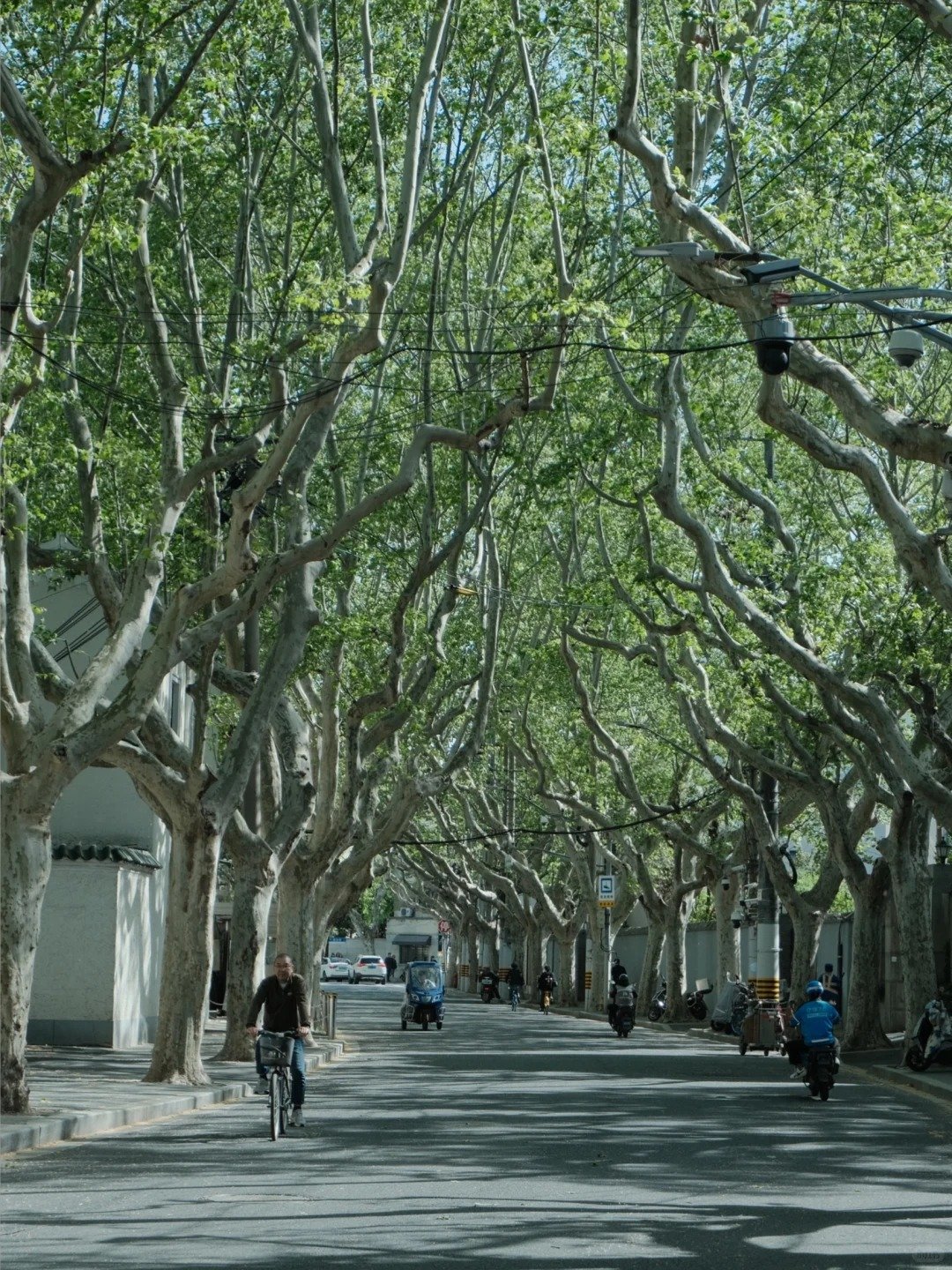
The Former French Concession feels like an oasis in the middle of one of the largest cities in the world. It was one of the many foreign settlements that made up Shanghai in the 19th century and was managed by France for nearly a century. When I came to visit Minsky here the first time my mind was blown that this was actually China, it shows my ignorance, but also I had previously only been to Beijing which looks much more what you think China looks like. The French Concession honestly feels like Paris. The area is known for its distinctive tree-lined avenues, Art Deco architecture, and a blend of European and Chinese culture. It’s one of the main hubs of foreign life in Shanghai, and also packed with some of the best restaurants, bars, cafes and boutiques in the city.
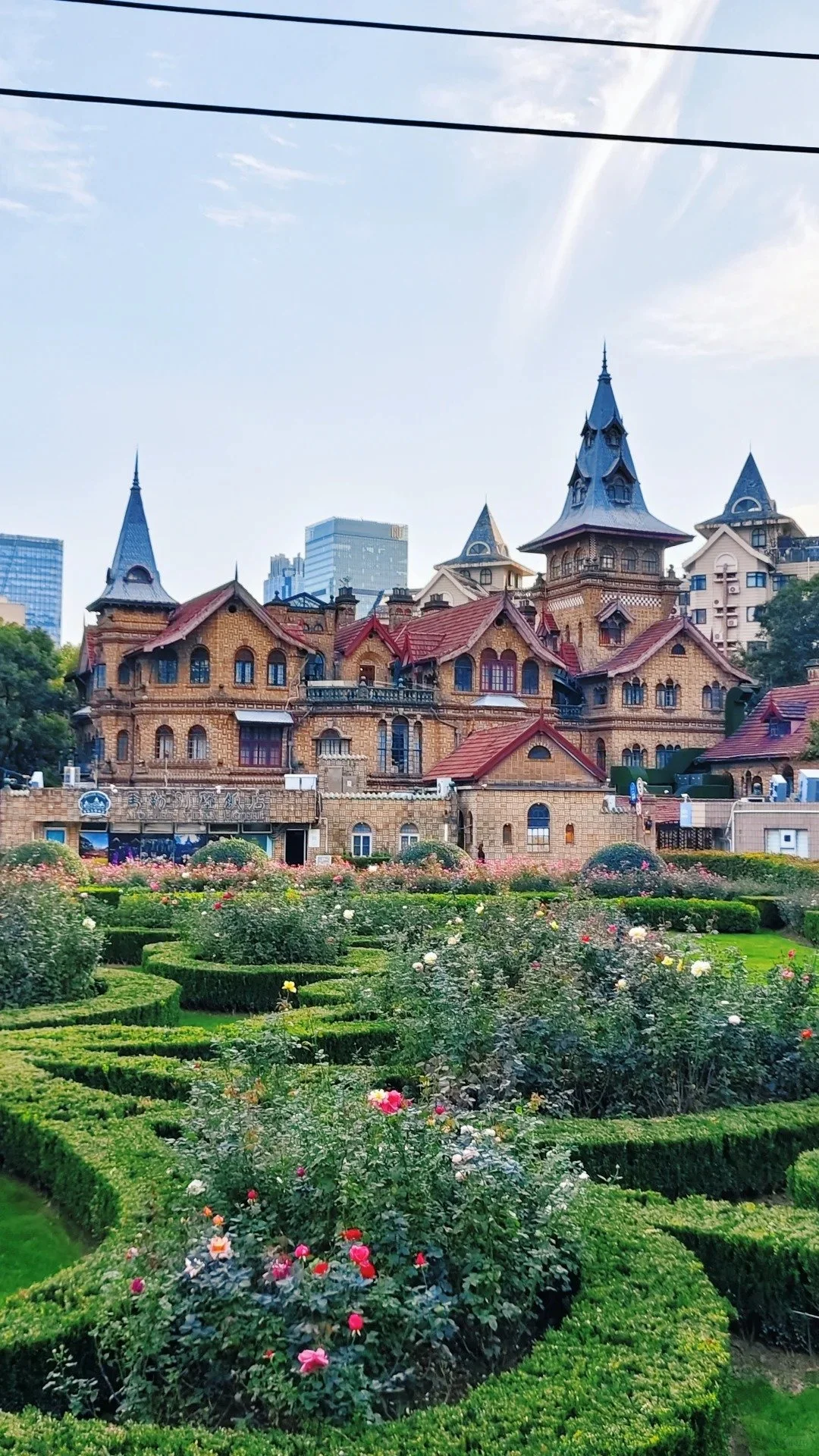
When Minsky was at work, my favourite thing to do was to ride my bike around the streets, although that is also how I hilariously found myself in the middle of about 100 cyclists and just as many cars where five DIFFERENT malls all converge and on this enormous intersection! Safety in numbers as they say, I put myself in the middle of the pack and let the current take me. The French Concession has some of Shanghai’s most iconic architecture. A personal favourite is Wukang Mansion, the wedge-shaped building designed by László Hudec, that looks like it’s something right out of Europe or NYC, however it’s also rumoured to be one of Shanghai’s most haunted buildings. If you’re in a Didi headed to the Bund, then Moller Villa will definitely catch your eye from the highway. This literal castle in the middle of the city was built by a Swedish shipping magnate based on a dream his daughter had. These days it’s a hotel and definitely worth checking out this rather peculiar, almost fairytale-like house that feels equally out of place and also so very Shanghai.
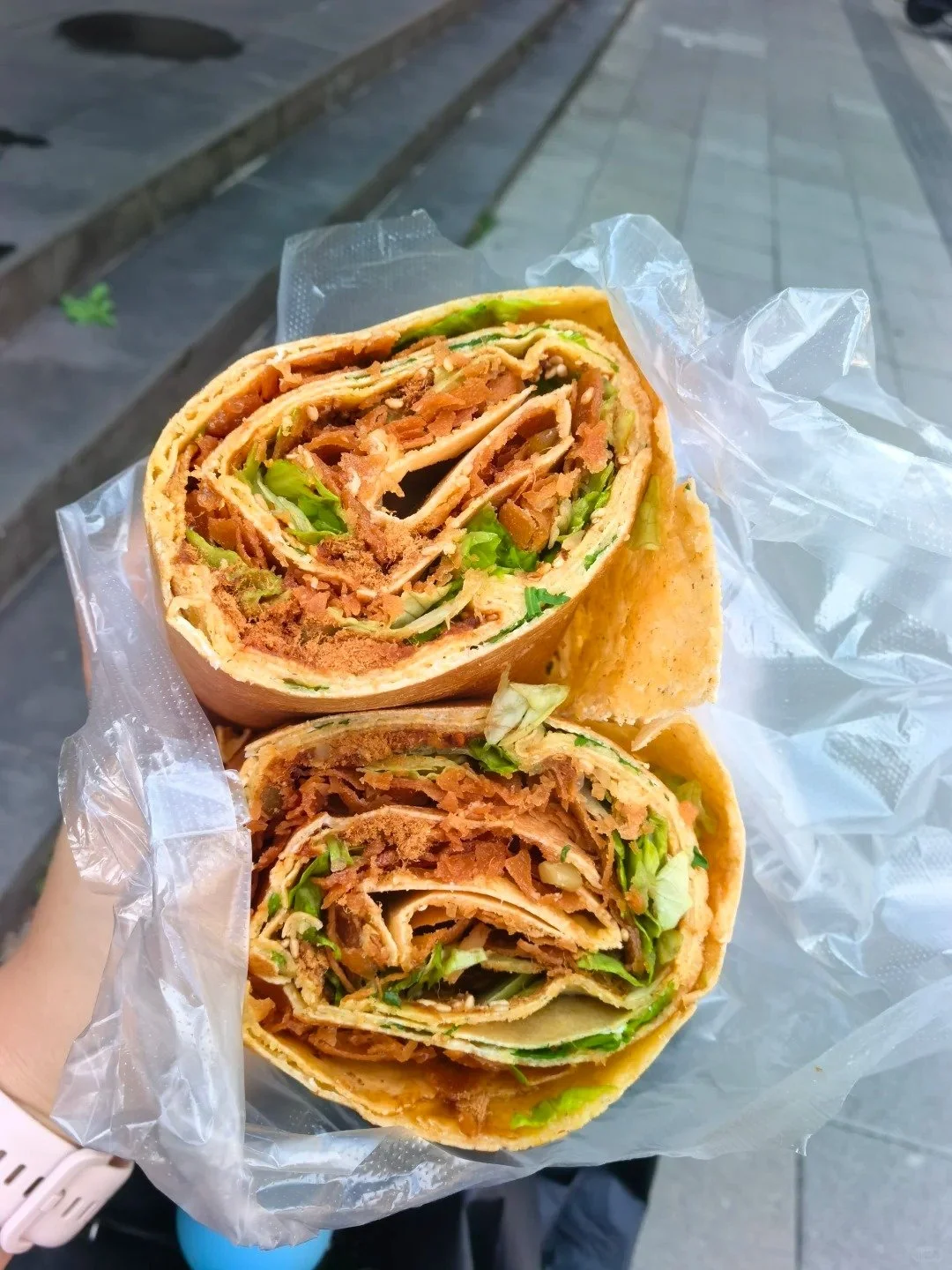
When looking for a decent flat white (you can take the girl out of Wellington) Egg, is a fantastic cafe opened by Camden Hague, who’s been one of the most prominent figures in the development of Shanghai’s food scene. She’s also been a champion for Chinese wines, so while doing great food and coffee, this is also the perfect place to get your first taste of some of the best (although maybe wait until after midday for that). For something more local, my favourite breakfast was Jianbing - China’s savoury “breakfast burrito” that’s usually served out of small stalls and windows across China. Minsky took me to his favourite (and now mine) on the corner of Wulumuqi Road and Wuyuan Road, but if you’re out in the morning you can find them all over the place. For a real authentic Shanghainese meal without any pretension, head to Old Jesse.
The coffee scene is booming all over China, with major chains like Luckin popping up all over the country and serving a decent enough brew. But in the French Concession (and most of China these days) you’ll find small, third-wave coffee shops that are focused on great beans and a great cup of coffee. A couple of stand outs for me are SLAB TOWN and Cafe de Volcan.
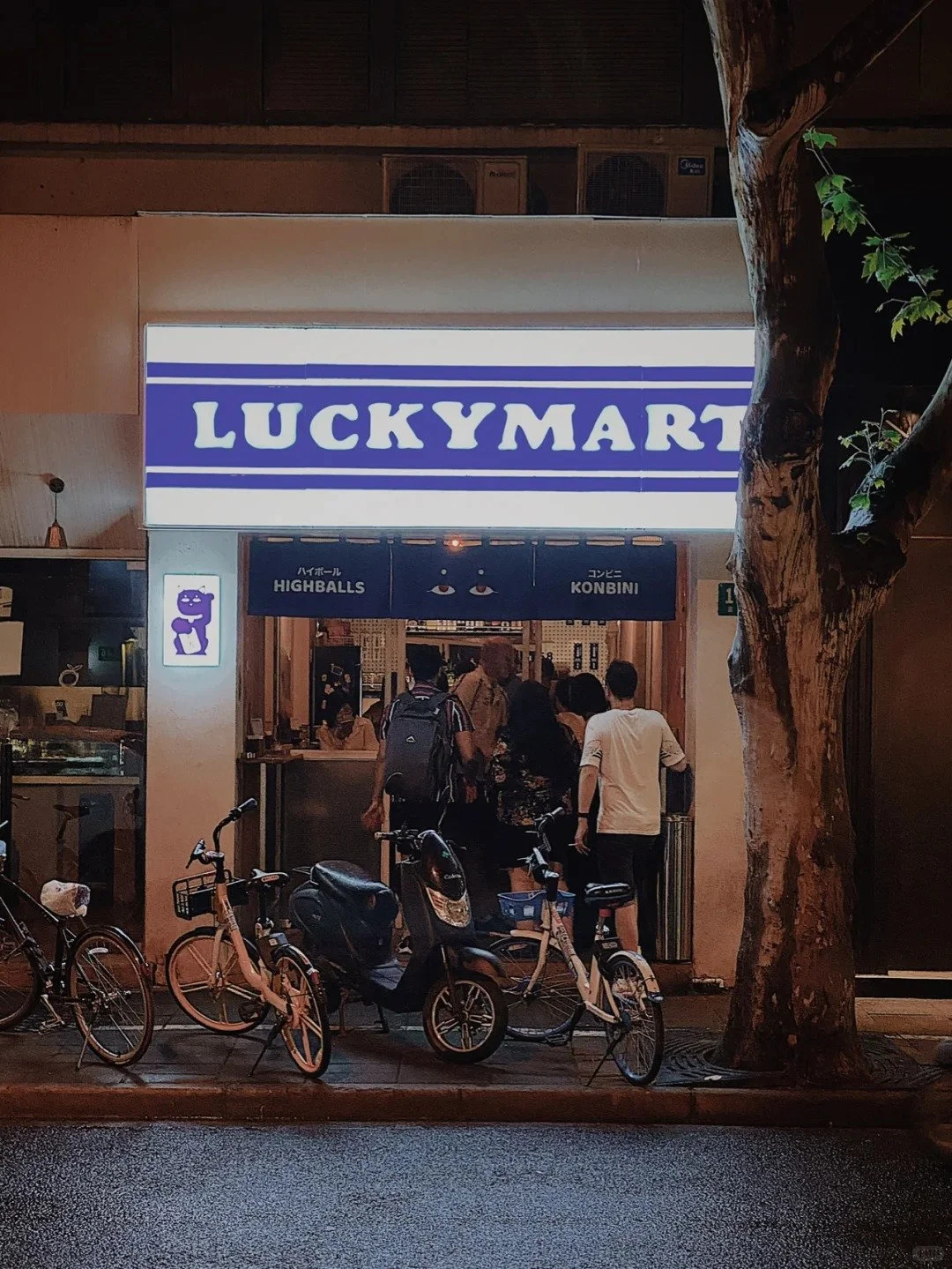
Shanghai’s cocktail scene is also going off, places like Speak Low, Union Trading Company and COA have made it into prestigious lists like the World’s 50 Best Bars, and for good reason. For something a bit more casual, check out another Camden Hague gem - Lucky Mart, a casual Japanese-inspired konbini style bar (you know we love a konbini), with great drinks and great bar snacks.
The Tastes of Historical Qibao
Minsky
Shanghai and the surrounding provinces are full of water towns. Think Venice, but make it Chinese. A lot of the water towns have been turned into tourist sites where you may have to pay an entry, but the architecture and traditional lifestyle have been maintained quite well, and it’s a great way to get a glimpse into the bygone days of Shanghainese life. Plus like any good Chinese town, they’re full of tasty treats.
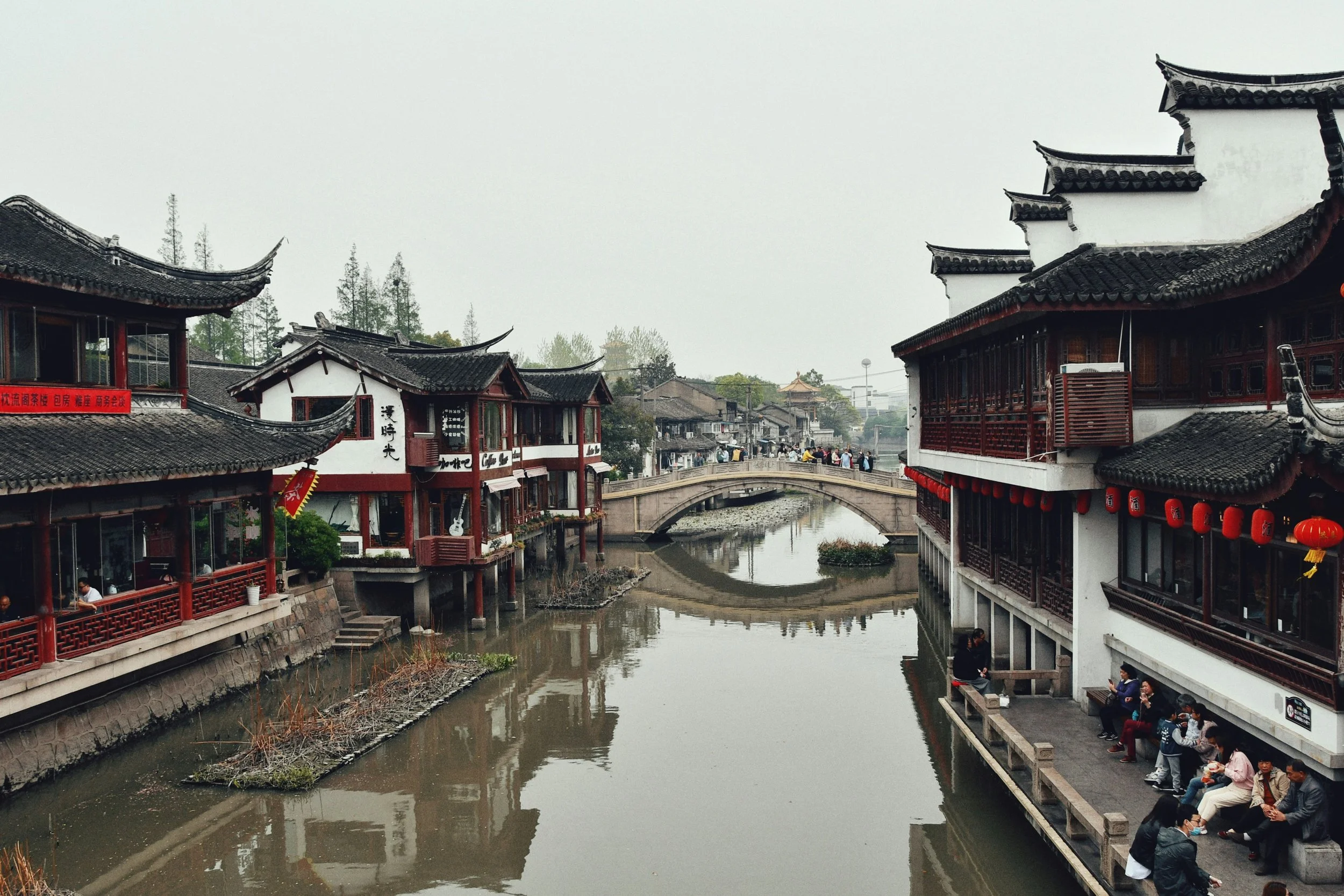
Qibao is one of the most accessible water towns from Shanghai. Back when I first lived in Shanghai in 2005, getting here was a two-hour schlep that involved getting to the end of the subway line then transferring to a bus. These days, just take metro Line 9 to Qibao station and head out Exit 2. It should only take about 30 minutes. You won’t want to stay here, but it’s definitely worth a visit.
Qibao flourished as a prosperous trading centre along its canal system, as did many of the water towns in the region, and today it preserves its Ming and Qing Dynasty architecture alongside traditional workshops that continue centuries-old crafts. The best thing to do here is just wander the streets for an hour or two, ducking into museums and traditional workshops. While wandering, keep an eye out for local sites like the Qibao Temple and Pu Hui Tang Bridge, perfect examples of traditional Chinese architecture. There will be snacks all over the place while you wander, with the largest concentration at the south end of the old town.
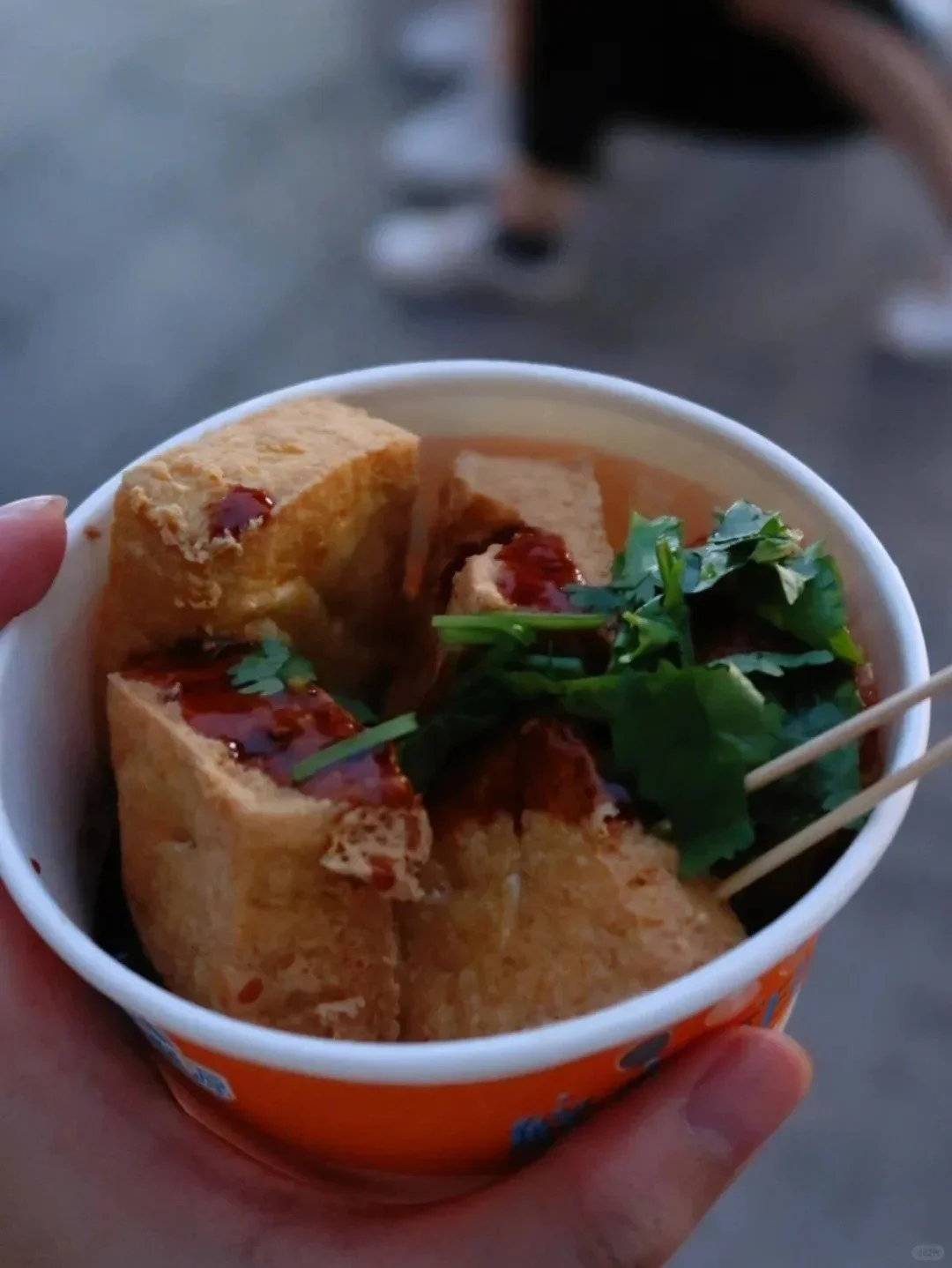
There’s two particular snacks that you need to try in Qibao. The first time I came here, it was specifically to eat stinky tofu (臭豆腐), which is a real Shanghai experience and something Qibao is particularly famous for. I promise it tastes better than it sounds (and smells). You’ll want to add the sweet, fermented bean paste and chili on top, sprinkle some pickles and coriander, and then don’t over think it and just eat it. The other is Tang Yuan (汤圆). These glutinous rice balls are generally stuffed with sesame paste (for a sweet version) or meat (for a savory version) and served in soup, and you’ll find them all over the country as people wind down two weeks of celebrating during Chinese New Year. But in Qibao, they’re an anytime thing, and they’re massive. You’ll also find many more flavour options than just the classics. As you make your way down the alleys, look for lines. That’s really the rule of thumb anywhere in China.
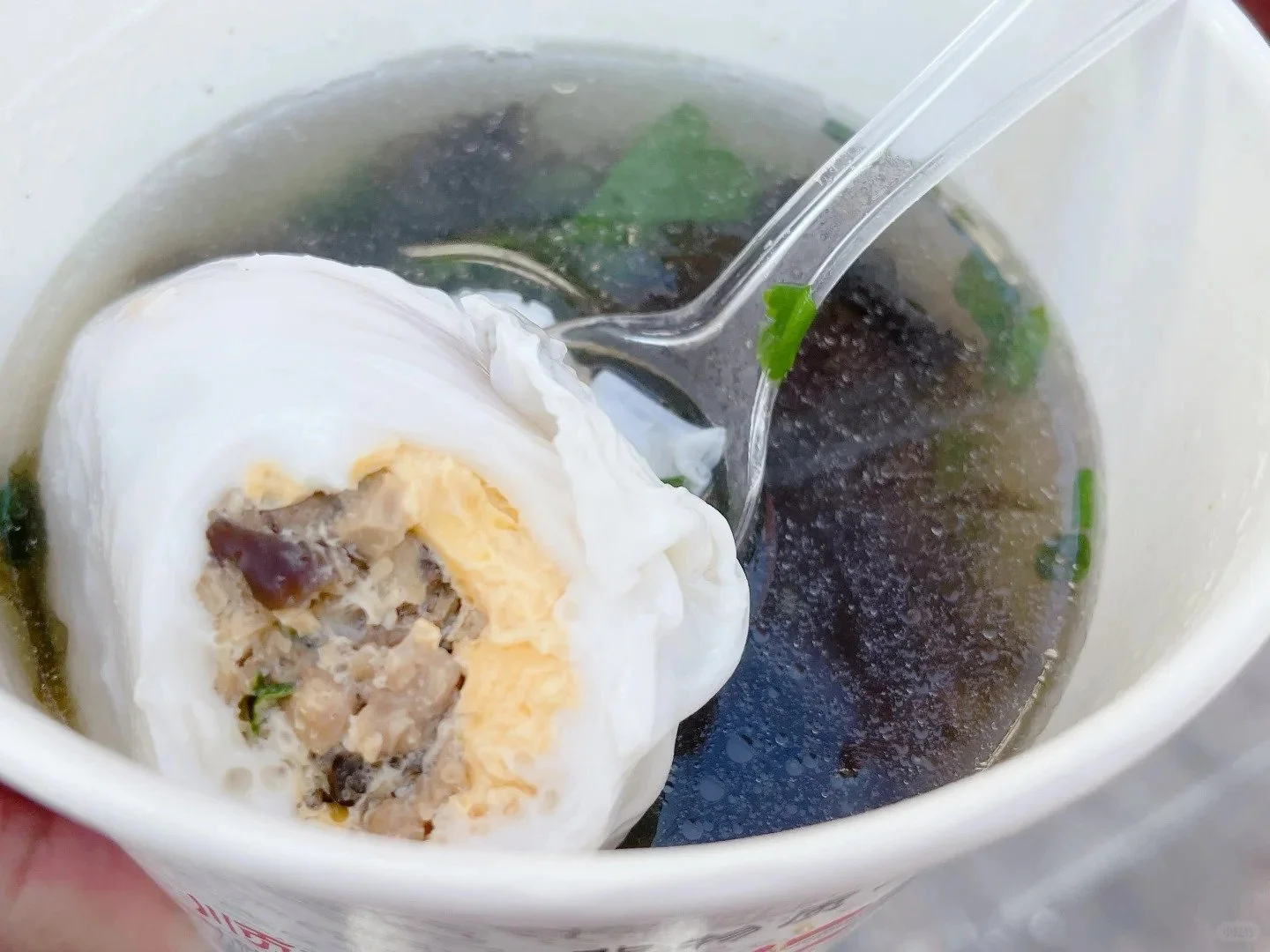
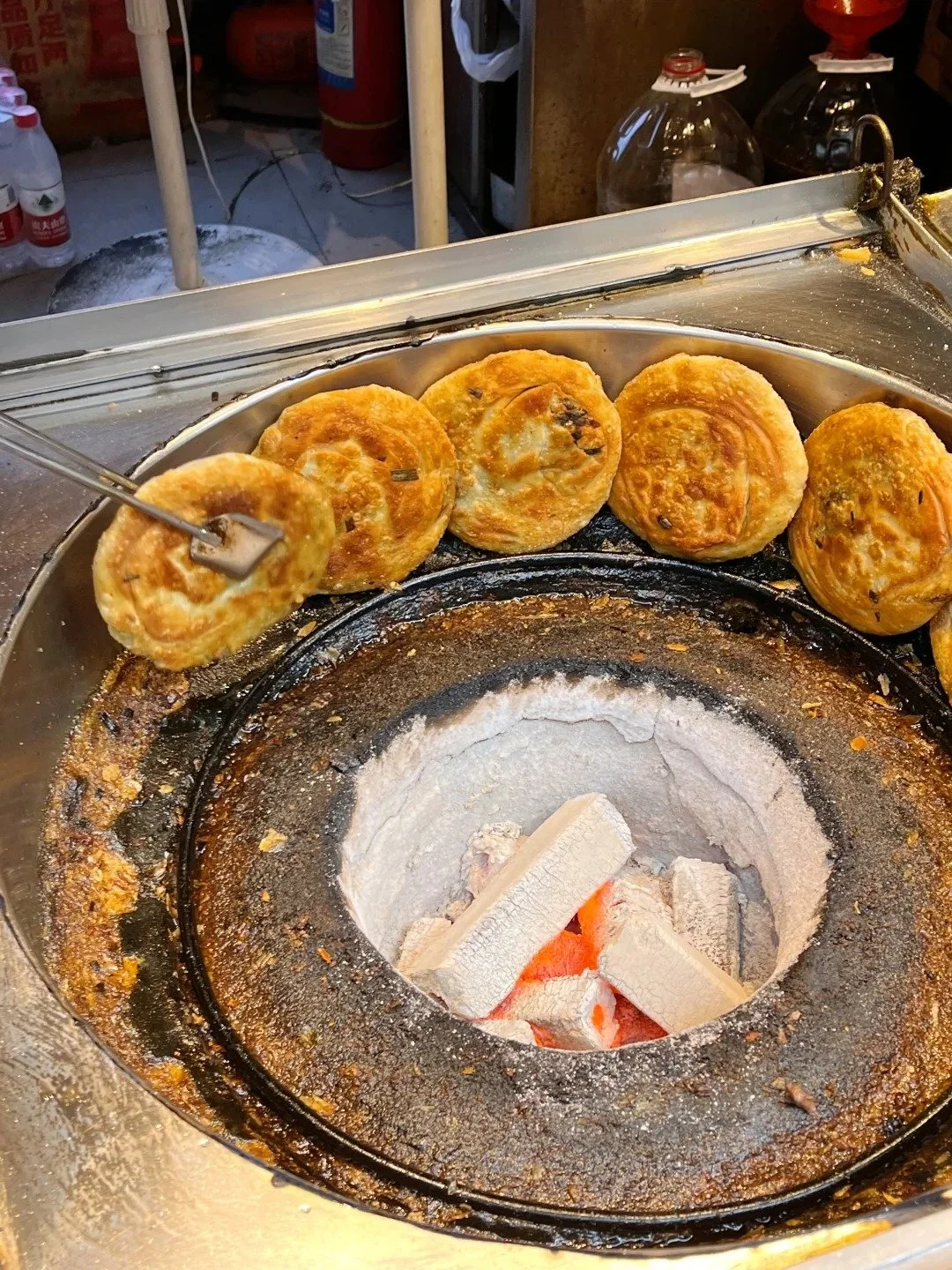
Also worth seeking out is Shunchang Renshou Guan Dan ((顺昌仁寿灌蛋), who serve up a meat-stuffed duck egg that’s been listed as an intangible cultural heritage. You can actually watch them prepare the eggs, so expect crowds around the shop watching the magic happen. I’d also recommend you try a scallion pancake (葱油饼), not because Qibao is particularly famous for them, but because they’re one of my favourite Shanghai snacks and you can get them pretty easily here. The famous place is Lao Wu (老五葱油饼), but you can skip this one. It’s become famous online, but with that the quality has dropped. Instead check out Yu Jia (余家葱油饼) or Old Shanghai (老上海葱油饼) for a better version.
Between the tree-lined streets of the French Concession and the ancient canals of Qibao, you're seeing Shanghai's personality in action: international and traditional, modern and historical, constantly moving forward while holding onto its past. This is a side of China that very few think of when they think of this vast and varying country. Shanghai is the perfect starting point to discovering this truly enchanting country.
Frequently Asked Questions
-
The Former French Concession is one of the best areas to stay in Shanghai. It's centrally located, packed with excellent restaurants, bars, cafes, and boutiques, and its tree-lined streets and Art Deco architecture make it one of the most pleasant parts of the city to walk around. It's also well connected to the rest of Shanghai by metro.
-
The Former French Concession is a historic district managed by France for nearly a century during the 19th and early 20th centuries. It's known for its tree-lined avenues, Art Deco architecture, and blend of European and Chinese influences. Today it's one of Shanghai's most vibrant neighbourhoods, home to some of the city's best restaurants, cocktail bars, independent cafes, and boutique shops.
-
Yes. It's one of the most accessible water towns from Shanghai — just 30 minutes on metro Line 9 to Qibao station, Exit 2. The town preserves Ming and Qing Dynasty architecture alongside traditional workshops and street food stalls. Plan for one to two hours of wandering, and come hungry.
-
Qibao is famous for stinky tofu (臭豆腐) — fermented tofu that tastes far better than it smells, especially topped with sweet bean paste, chili, pickles, and coriander. Tang Yuan (汤圆), glutinous rice balls stuffed with sesame paste or meat and served in broth, are also a must. The Shunchang Renshou Guan Dan shop serves a meat-stuffed duck egg listed as an intangible cultural heritage. Follow the queues — that's the golden rule anywhere in China.
-
Two standout landmarks are Wukang Mansion, the iconic wedge-shaped building designed by Hungarian architect László Hudec, and Moller Villa, a fairy-tale castle built by a Swedish shipping magnate in the 1930s based on a dream his daughter had. Both are worth seeking out as you walk or cycle through the neighbourhood.
-
For authentic Shanghainese food, Old Jesse on Tianping Lu is a classic. Egg cafe on Xiangyang Bei Lu is great for coffee, food, and Chinese wine. For cocktails, Speak Low and Union Trading Company have both earned spots on the World's 50 Best Bars list. For something more casual, Lucky Mart is a Japanese-inspired konbini-style bar with great drinks and snacks. And if you're out in the morning, don't miss a jianbing from a street stall.
-
Take metro Line 9 to Qibao station and exit from Exit 2. The journey from central Shanghai takes around 30 minutes.