
Best Food in Shanghai: From Soup Dumplings to Fusion Cuisine
Shanghai Through Our Eyes - Part 2
Shanghai has been a melting pot for nearly 200 years, becoming an open port in 1842 that let anybody in, no questions asked, which then had a flow on effect in the food scene. This is a city where you can get practically anything to eat, which can be overwhelming so this Shanghai food guide is our suggestion on where to start. Whether it’s Shanghainese dishes like Xiaolongbao, Chinese food from across the country, or modern takes on Chinese classic dishes from chefs who trained in Michelin restaurants, we want to help you find some of Shanghai’s best food.
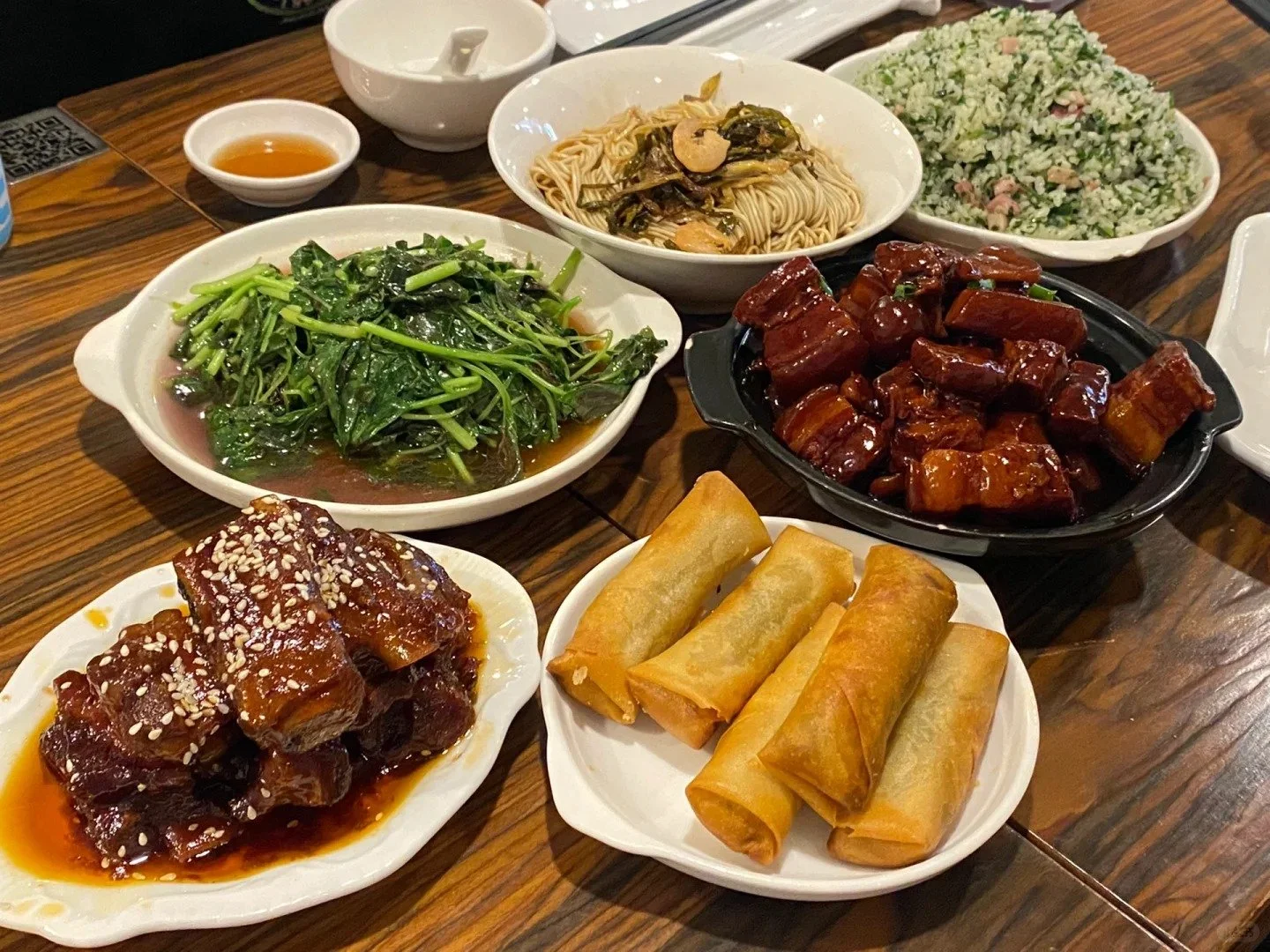
Shanghainese cuisine, generally referred to as Benbangcai, makes generous use of sugar and soy sauce, and often relies on braising, which results in dishes that tend to be on the sweeter, saucier side. We already talked about scallion pancakes, but there’s plenty more to choose from in this city. Personally, while this isn’t our favourite style of Chinese food, there are still some excellent local restaurants like Ren He Guan or Jianguo 328, and some amazing things to try, like smoked fish (熏鱼) and gluten with wood ear mushrooms (四喜烤麸), both cold starters. But the real local treat that we love are River Eels (鳝丝). Don’t be put off by the looks, they kind of look like worms, but they’re excellent.
Chinese restaurants can be hard to navigate, with large menus that are often lacking in pictures, and names that don’t always give you clues to what’s in the dish. If you really want the best of the best, then taking a local food tour with someone like Chris St. Cavish is a great way to really dive deep into Shanghainese food culture. But we hope this Shanghai food guide is a good start for you to go and expand your flavour library on your own.
Shanghai’s Best Xiaolongbao
Beth
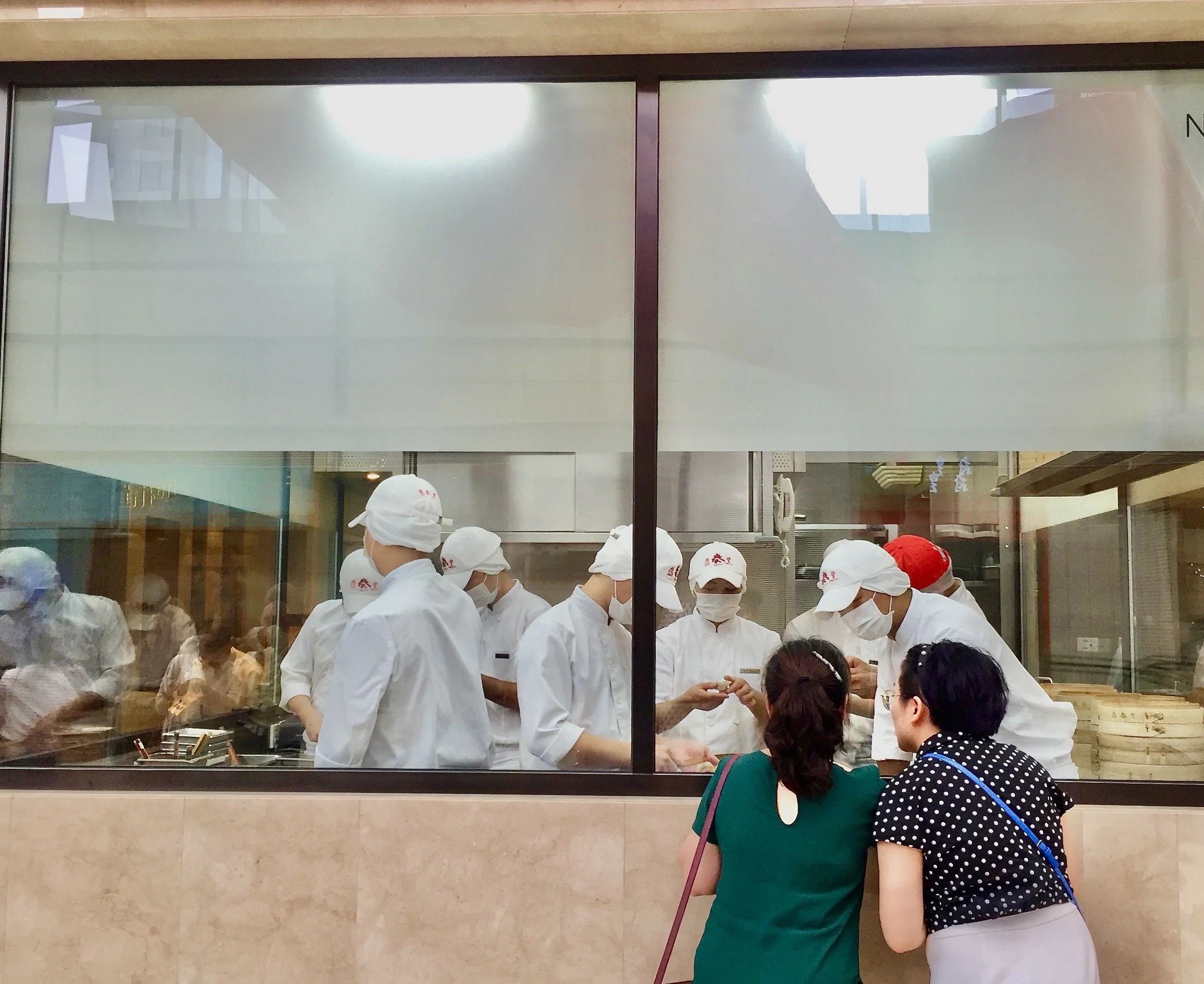
Is there a more perfect food in the world than Xiaolongbao? When your resolve has allowed you to wait until they’re the perfect temperature (near on impossible for me) and you place one of these in your mouth, that burst of silky savoury soup, the unctuous pork, and that little acid hit from the vinegar dip are truly perfection. You’ll also find crab and shrimp varieties but I’m a purist and will always go with pork. There are two main types: the Nanxiang tangbao, which tends to be larger, sweeter and have a thicker skin (said to be the original); and the Shanghai xiaolongbao, which are smaller and carry their thin skin as a point of pride. We prefer the latter so that’s what we’ll focus on. If you want to learn more than you ever expected about xiaolongbao, though, Chris St. Cavish is your man with an entire soup dumpling index he created.
The easiest place to start is Din Tai Fung, and even in this city of Xiaolongbao, Din Tai Fung is one of the best. The quality varies by location, and bless Minsky for doing this important work, he found the best to be at the IAPM mall location in the French Concession. They also have English menus.
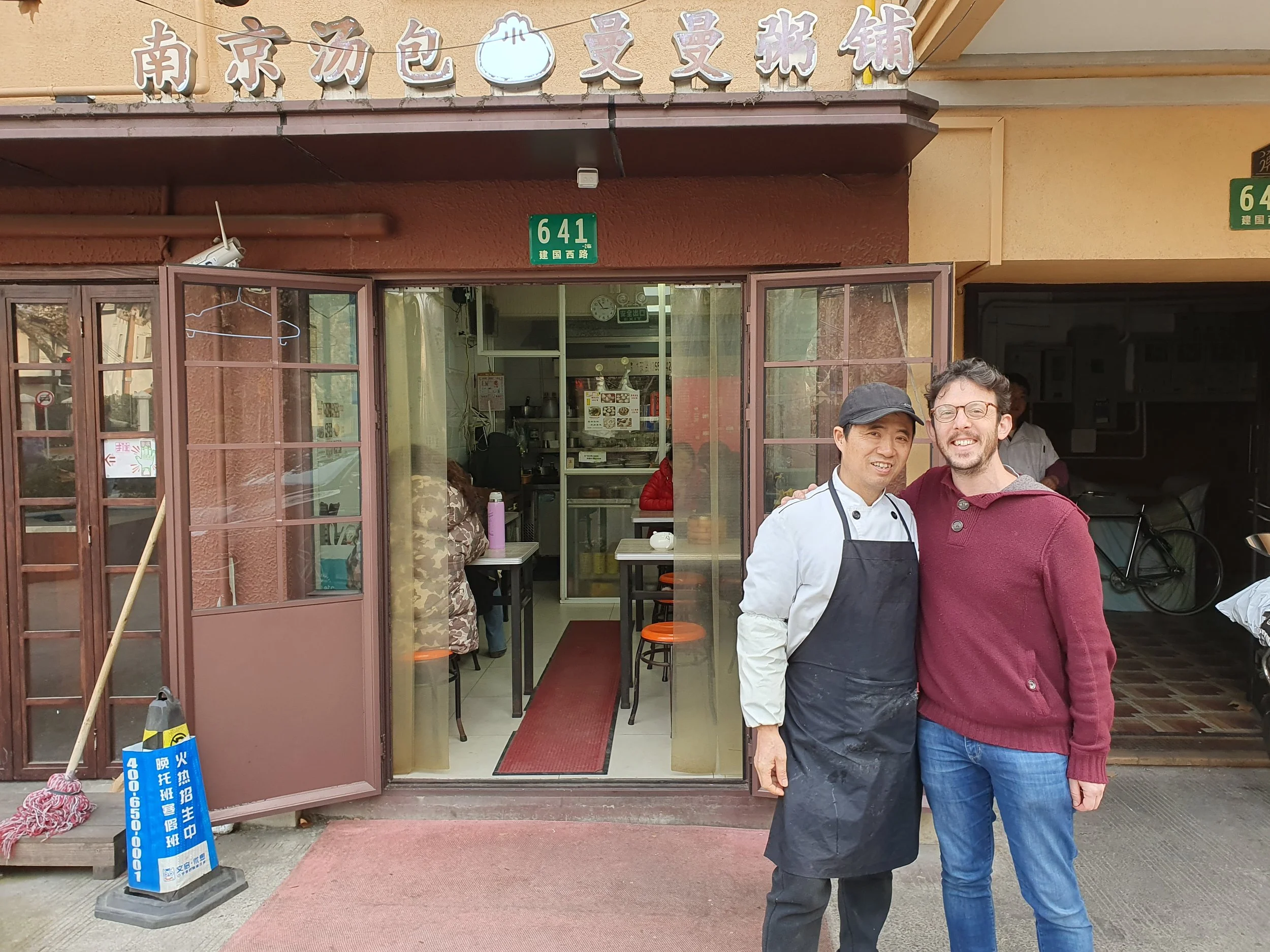
For the real local stuff Fu Chun Xiaolong (富春小笼) is a great place to start. This place has been around for decades and is a Shanghai staple, with good reason. Lai Lai Xiaolong (莱莱小笼) is another local favourite that has a lot of hype, which is well deserved. Famous for their crab xiaolongbao, be ready to wait if you come. Our friend Jing (who is now a world wide authority on Sichuan flavours) her favourite was Linlongfang (麟笼坊) which was truly excellent, but I wouldn’t doubt it coming from Jing. But my most nostalgic was Minsky’s local: Nanjing Tangbao. This was my first taste of Xiaolongbao when I got in late at 11pm my first night, and Minsky (who naturally became best mates with the owner) got them delivered to our door within minutes. It was the perfect welcome to this incredible food city.
Shanghai’s Modern Melting Pot
Minsky
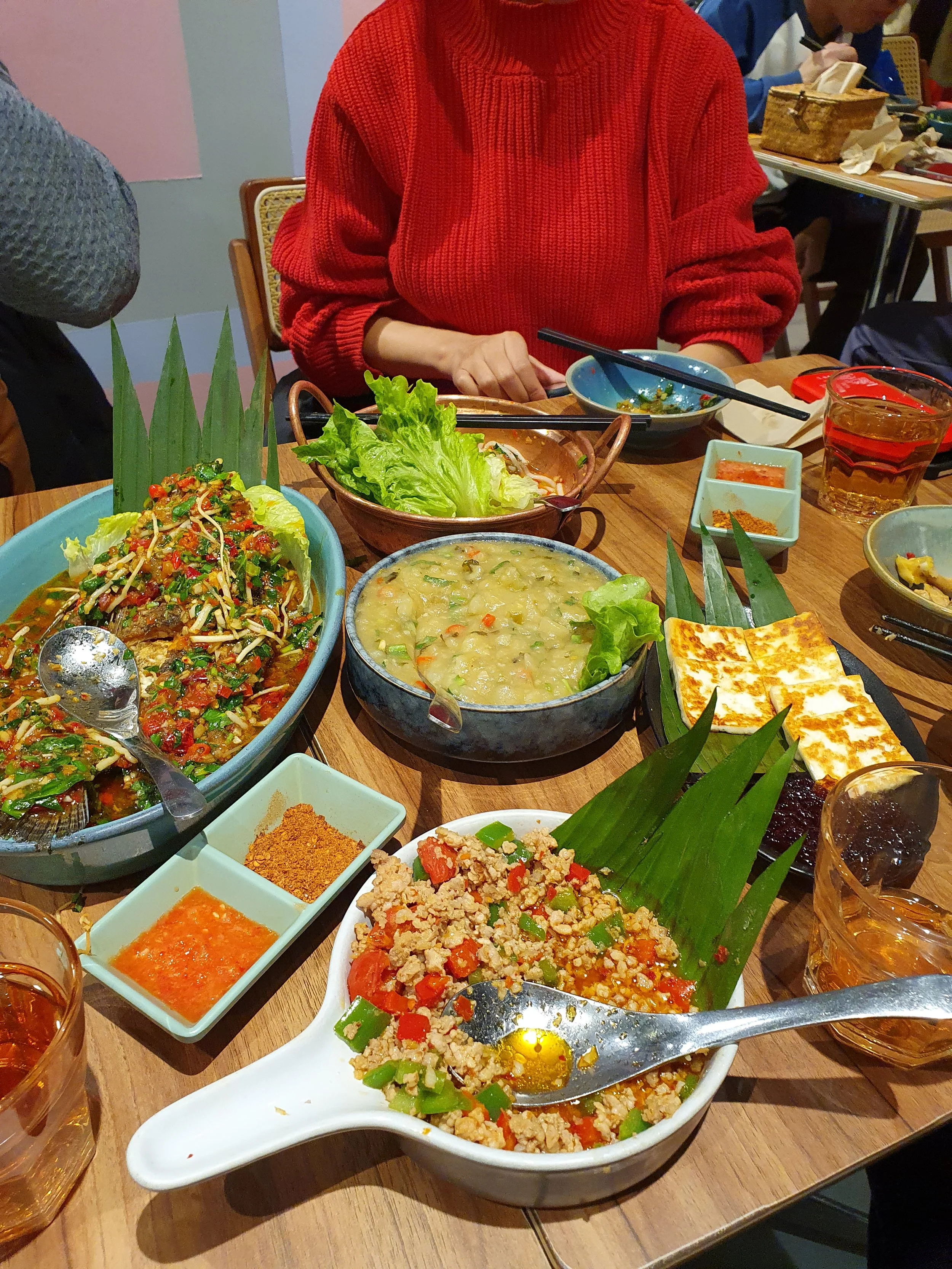
Don’t just eat Shanghainese food when you’re in Shanghai. You can try food from all over China and the world in this incredible city. If you’re looking to try regional Chinese cuisines that are rarely seen outside of China, make sure you try Yunnan cuisine. It’s one of my favourites and is a mix of Chinese and Southeast Asian flavours, so you’ll have typical Chinese ingredients and flavours, mixed with flavours and herbs you’d expect in Thai or Vietnamese cuisine. It is a flavour unlike anything you would associate with Chinese food, and informed by all the customs of the ethnic minorities that make up China's most ethnically diverse region. My go-to whenever visitors are in town (of course I took Beth here) is Lotus Eatery. Get the fried beans, eat anything with mushrooms, and do not miss the whole grilled tilapia. The best Sichuan restaurant I ever went to in Shanghai was Ben Lai, which our friend Jing of Fly By Jing introduced me to. It’s a very authentic take on Sichuan food in a city that will often localise regional cuisine to the lighter, sweeter preferences of local Shanghainese. Sadly the original closed, but their larger sister restaurant, Ben Zhen, is still running and a great place to get some numbing, spicy goodness.
Shanghai is an easy place to try something new. The market is open to new ideas and flavours, and the financial risk of failure is much lower than in other places. Which is how you end up with places like Co. Cheese, a gourmet grilled cheese shop founded by a Canadian that’s been going strong for over a decade. You’ve also got plenty of overseas Chinese chefs who’ve come to live in China, and Chinese who have lived and trained overseas and have now come home, and are opening places that mix their Chinese heritage with foreign flavours and cuisines. Yaya’s Pasta Bar is the perfect example, making pasta dishes that are “not like your nonna’s”. The mapo lasagna is a particular highlight.
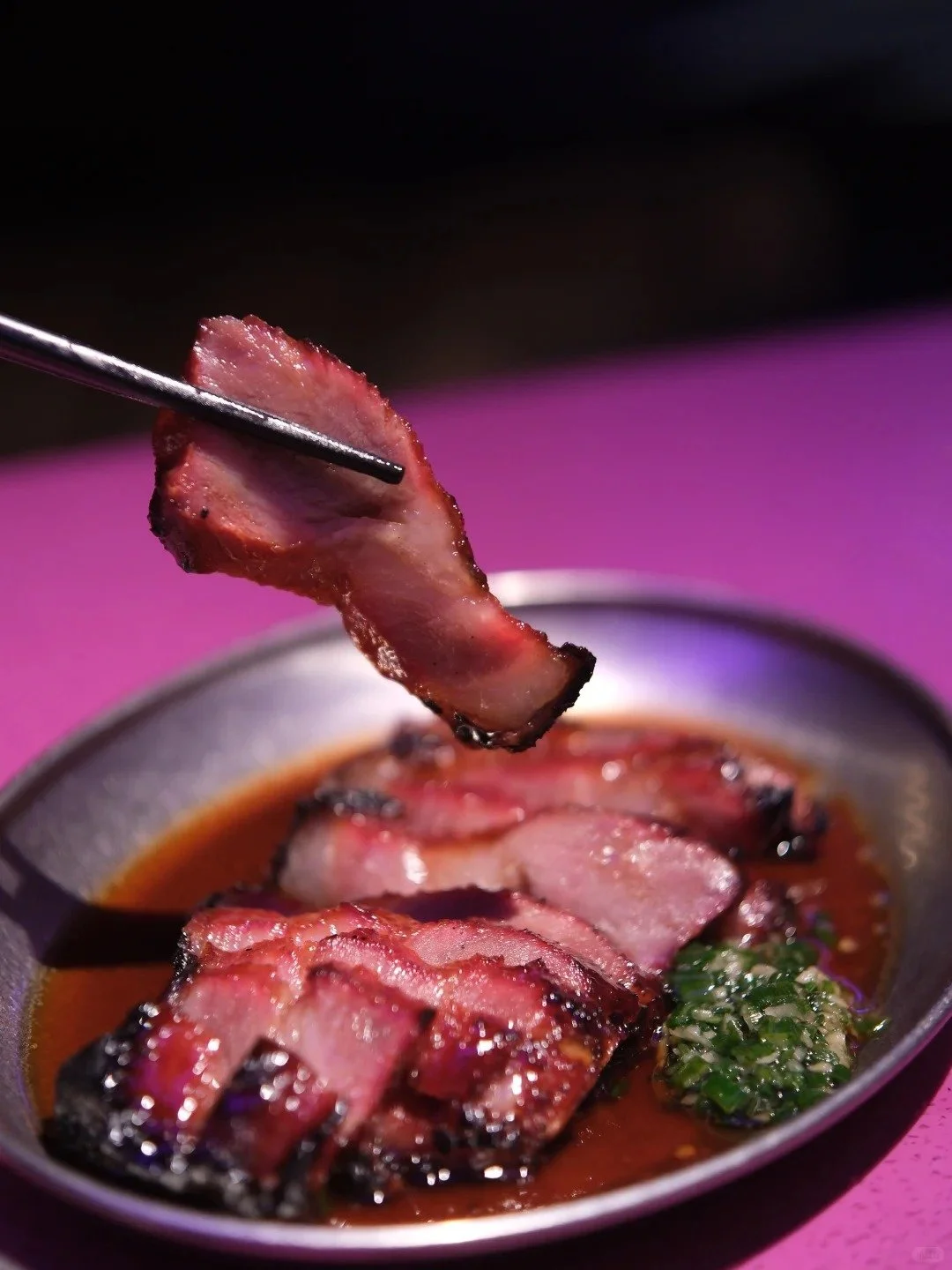
And the pot continues to melt. At restaurants like Cila, founded by a chef who worked at Jean Georges, western cooking techniques are being used to create modern iterations of traditional Northwestern Chinese dishes. There’s also Bastard, serving up “bastardised” takes on Chinese food from all over the country. It’s led by a European chef who honed his skills for years working in Chinese kitchens, and is now introducing western influences into his dishes, with things like the beef taco that’s made with a scallion pancake, or their signature char siu.
Shanghai's food scene is a reflection of the city itself: constantly evolving, drawing from everywhere, and never settling. We've eaten our way through a lot of cities, but Shanghai holds a special place. It's a city that takes food seriously without being precious about it, where a street stall scallion pancake can be just as memorable as a Michelin-starred meal. That openness to ideas and flavours is what makes eating here so exciting, so come hungry.
Frequently Asked Questions
-
Xiaolongbao (soup dumplings) are the dish most associated with Shanghai — thin-skinned parcels filled with pork and hot broth. Beyond that, classic Shanghainese cold starters like smoked fish and gluten with wood ear mushrooms are worth trying, as are river eels if you're feeling adventurous. For street food, don't miss a jianbing or a scallion pancake.
-
For a reliable, high-quality option, Din Tai Fung at the IAPM Mall in the French Concession is hard to beat and has English menus. For a more local experience, Fu Chun Xiaolong has been a Shanghai institution for decades. Lai Lai Xiaolong is known for its crab xiaolongbao but expect to queue. Linlongfang is also excellent and comes highly recommended by Sichuan food authority Jing of Fly By Jing.
-
Shanghainese cuisine is known locally as Benbangcai. It makes generous use of sugar and soy sauce and relies heavily on braising, resulting in dishes that tend to be sweeter and saucier than other Chinese regional styles. Classic dishes include xiaolongbao, smoked fish, gluten with wood ear mushrooms, and braised pork belly.
-
Yes — Shanghai is one of the best cities in China to explore regional Chinese cuisine. Yunnan cuisine is particularly worth seeking out, blending Chinese and Southeast Asian flavours in a way that's unlike anything most visitors expect from Chinese food. Authentic Sichuan food is also well represented, and the city's cosmopolitan nature means you'll find everything from Xinjiang lamb skewers to Cantonese dim sum.
-
Shanghai has one of the most exciting fusion dining scenes in Asia. Restaurants like Yaya's Pasta Bar blend Italian technique with Chinese flavours (try the mapo lasagna), while Bastard serves inventive takes on Chinese classics like a scallion pancake beef taco. Cila uses western cooking techniques to reinterpret Northwestern Chinese dishes. The city's history as an international port and its appetite for new ideas makes it a natural home for this kind of cooking.
-
It can be. Many local restaurants have large menus in Chinese with few pictures, and dish names don't always give obvious clues to what's inside. Starting with restaurants that have English menus (like Din Tai Fung) is a good entry point. For a deeper dive into Shanghainese food culture, a guided food tour with someone like Chris St. Cavish is a worthwhile investment.