
Renting a Car in Japan: Where, How and Why You Should Do It
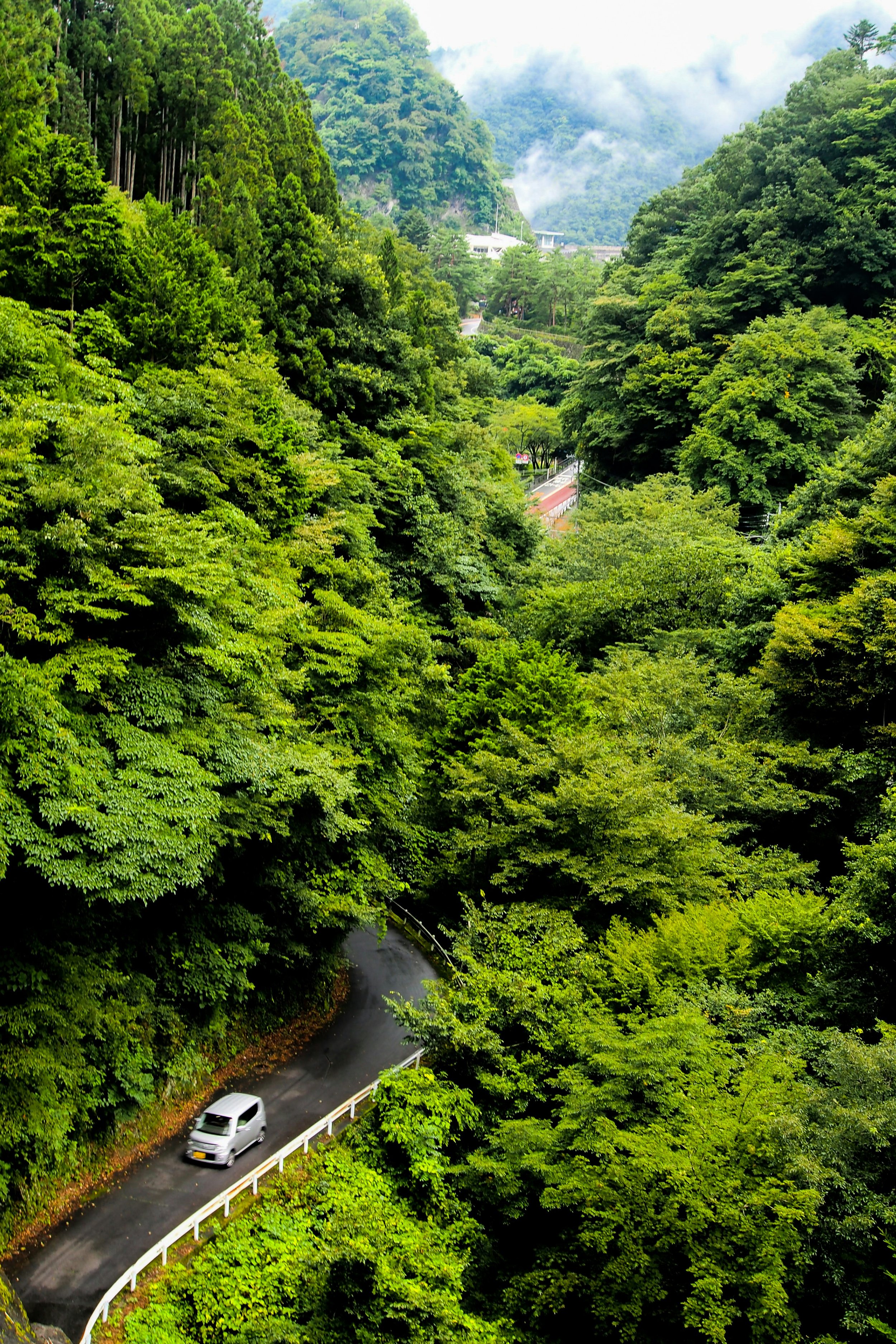
Renting a car in Japan opens up a whole different side of the country most visitors never see. Whenever we lead tours in Japan we always include a road trip portion, and one of the highlights of every tour is stopping at the Michi no Eki. We absolutely love them, and the only way to access them is by car, which happens to be our favourite way to get around Japan. We love a shinkansen and a themed tourist train, and the train is still a great way to relax and get some down time after all the walking you’ve probably been doing. We highly recommend you use regional rail passes to get out and explore. But if you really want to get into the heart of Japan and find some of the best experiences, sights and tastes, a car is the way to go.
As you move into more rural areas to explore, renting a car becomes even more handy. As connected as everything in Japan is by train, small cities will often have limited train stations that are quite spread out, so a car comes in extremely handy. And when you’re trying to get more rural and explore remote corners of Japan, a rental car is going to be your best friend.
Driving in Japan might seem daunting, given the foreign language and Japan’s love of a rule. But once you’re behind the wheel, you’ll find it surprisingly natural and easy. So how does one go about renting a car in Japan, you ask? Well, let’s lay it out for you.
What’s necessary to rent a car in Japan?
You're going to need an international license to drive in Japan. Make sure to get it at home before leaving, because you won't be able to once you're in Japan. An international license is a translation of your domestic license that allows you to use it in countries that might not speak the same language as your home country. They're generally good for 12 months and can be used in over 150 countries.
This isn't a replacement for your home license, so carry both at all times. The international license won't be valid without your home license, and only if your home license is still valid. It also only allows you to drive the same type of vehicle as your original license. Make sure your country is part of the 1949 Geneva Convention on Road Traffic, and leave enough time for processing and delivery before your departure.
Where can I rent a car?
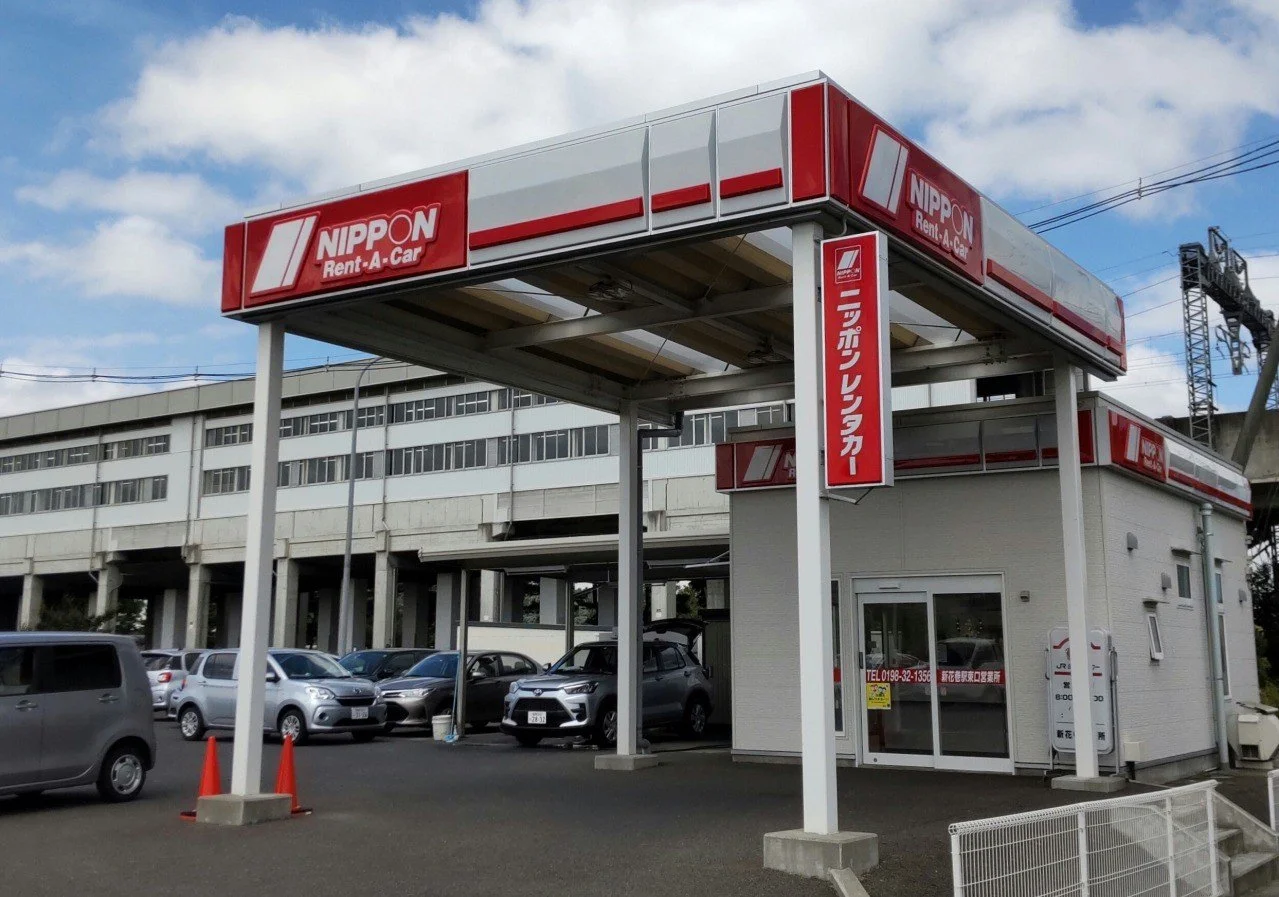
There’s all kinds of places to rent cars in Japan, including international chains like Avis and Hertz. Most airports and Shinkansen stations will have rental car facilities nearby. There are also great Japanese companies you can turn to, with really easy to use English websites.
What should I know about driving in Japan?
There are a few rules you’re going to want to keep in mind when driving in Japan, some of which may be different from back home:
Drive on the left side of the road
All passengers must wear seatbelts
Mobile phone use is illegal while driving
Always stop at railroad crossings, even if the boom is up and no warnings are going off
Always observe speed limits
Yield to pedestrians at crosswalks
Do not make a left turn against a red light
Aside from the legal requirements, you may find some customs that are a bit different. Japanese drivers tend to be conscientious and patient, so don’t be in a rush to get around. You may even find people with the right of way giving it up to someone who needs to turn right just so that the oncoming traffic doesn’t get backed up.
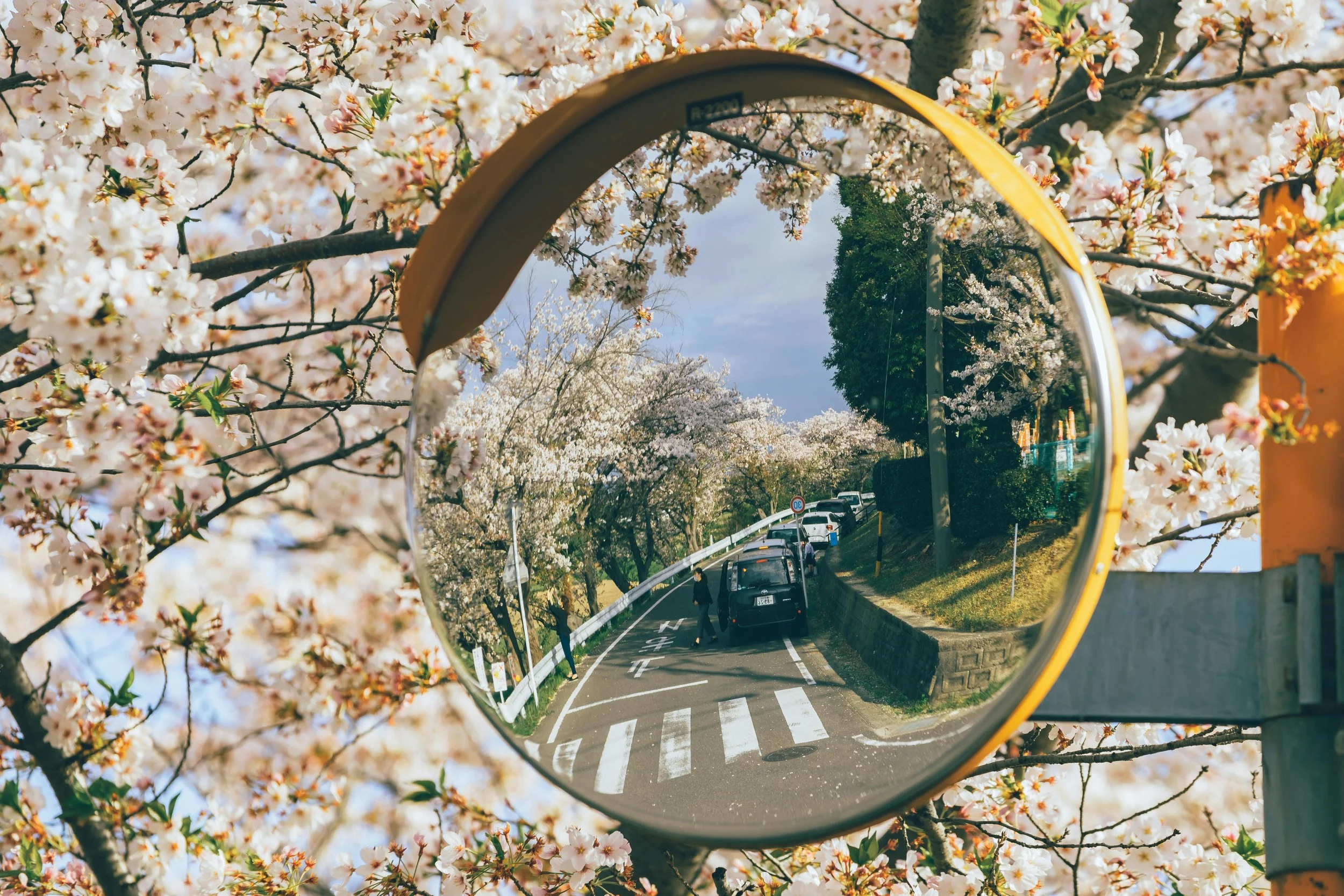
A lot of roads in Japan can also be quite narrow or have blind curves. You’ll often find traffic mirrors to help you see around the corner, so keep an eye out for them. When there’s oncoming traffic, the person who can most easily pull to the side should yield the right of way to the other party. You may even need to back up a bit if there’s an easier spot for you to pull over.
Many highways in Japan are toll roads, and you can opt to include an ETC card in your rental. We always recommend doing this. While our preference is driving on back roads and stopping wherever we feel like, sometimes you just need to get from point A to point B quickly, and the highway is the best way to do it. With an ETC card, you don’t need to worry about whether or not the toll booth is manned. Some Smart Gates only allow ETC entry, and Google Maps won’t be able to tell you which they are. It’s going to cost you a small amount with your rental, but it will make your life much easier and get you a discount on the tolls as well, so it’s well worth spending a few hundred extra yen on.
How will I know where to go?
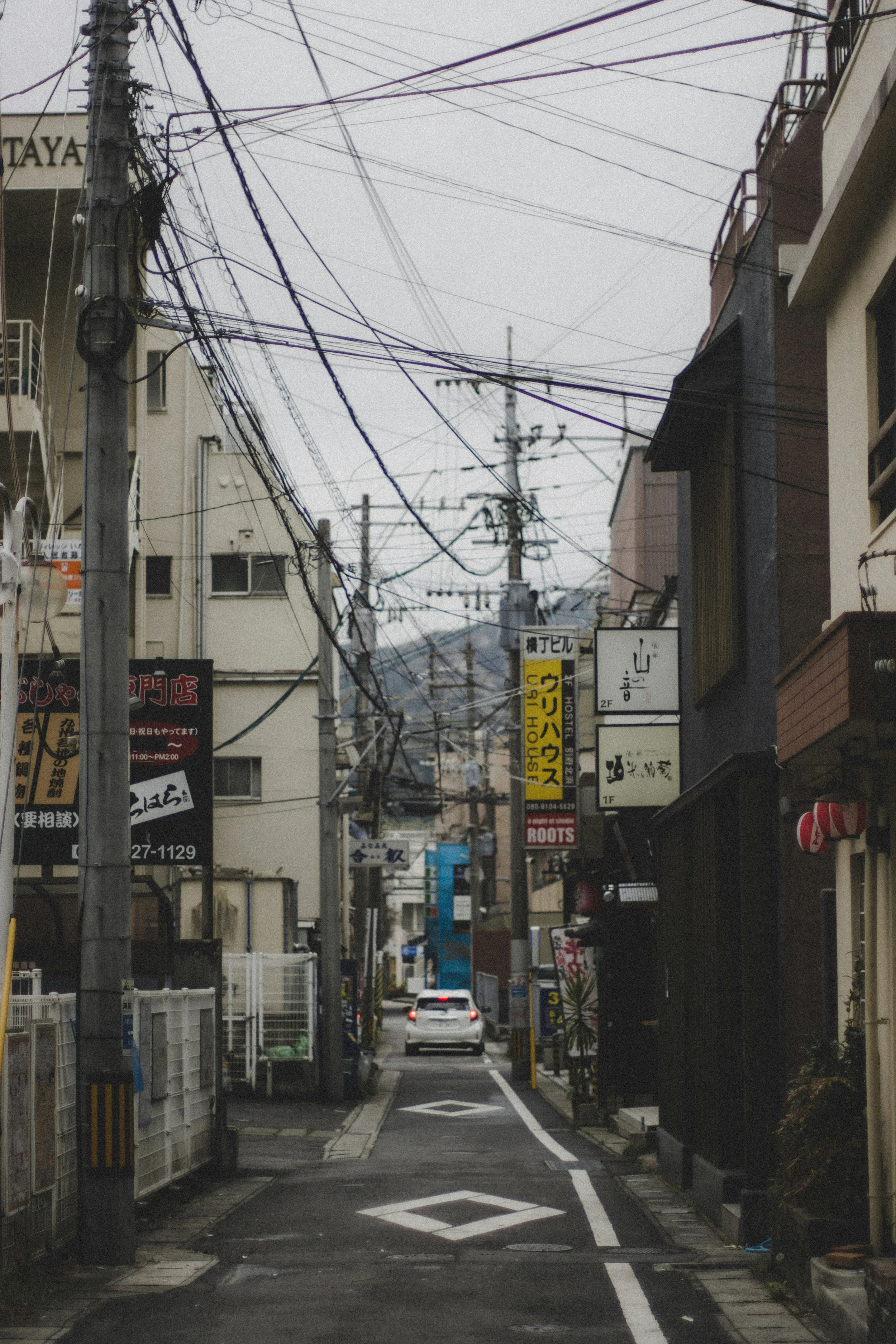
GPS systems and Google Maps work really well in Japan, so getting around shouldn’t be a problem. Japanese addresses can be quite complicated though and don’t always appear in the correct location on Google Maps, so we recommend finding the place by name. Road signs in Japan display place names in both English and Japanese, so you shouldn’t have a problem following the signs to make sure you’re going in the right direction.
What’s going on with all those lights?
Sometimes you may be stopped at an intersection and see both a green light and a red arrow or two. It may seem confusing, but just check if there’s a red arrow pointing in the direction you want to go. If there is, don’t go, even if you also see a green light. If there’s not, you’re free to go in the direction you’re headed as long as there’s also a green light and it’s safe.
Where can I park?
Don't let parking stress you out - it's often easier than you'd expect in Japan. A lot of places you’ll visit outside of major cities will have free parking on site for you. In the city, you’re still likely to find free parking at places like supermarkets and convenience stores. Even some shops and restaurants will have parking spots, but they’re usually quite limited so don’t depend on it. Malls and shopping centres generally charge for parking, but you can often get validation if you spend a certain amount at the shops.
Most people back into parking spots, so take a look around and do as the locals do when deciding how to park. Given the tight spaces in Japan, you may also find parking elevators, sometimes with turntables. They look intimidating but are actually quite simple to use, and a guide will always be there to direct you.
Where do I get gas?
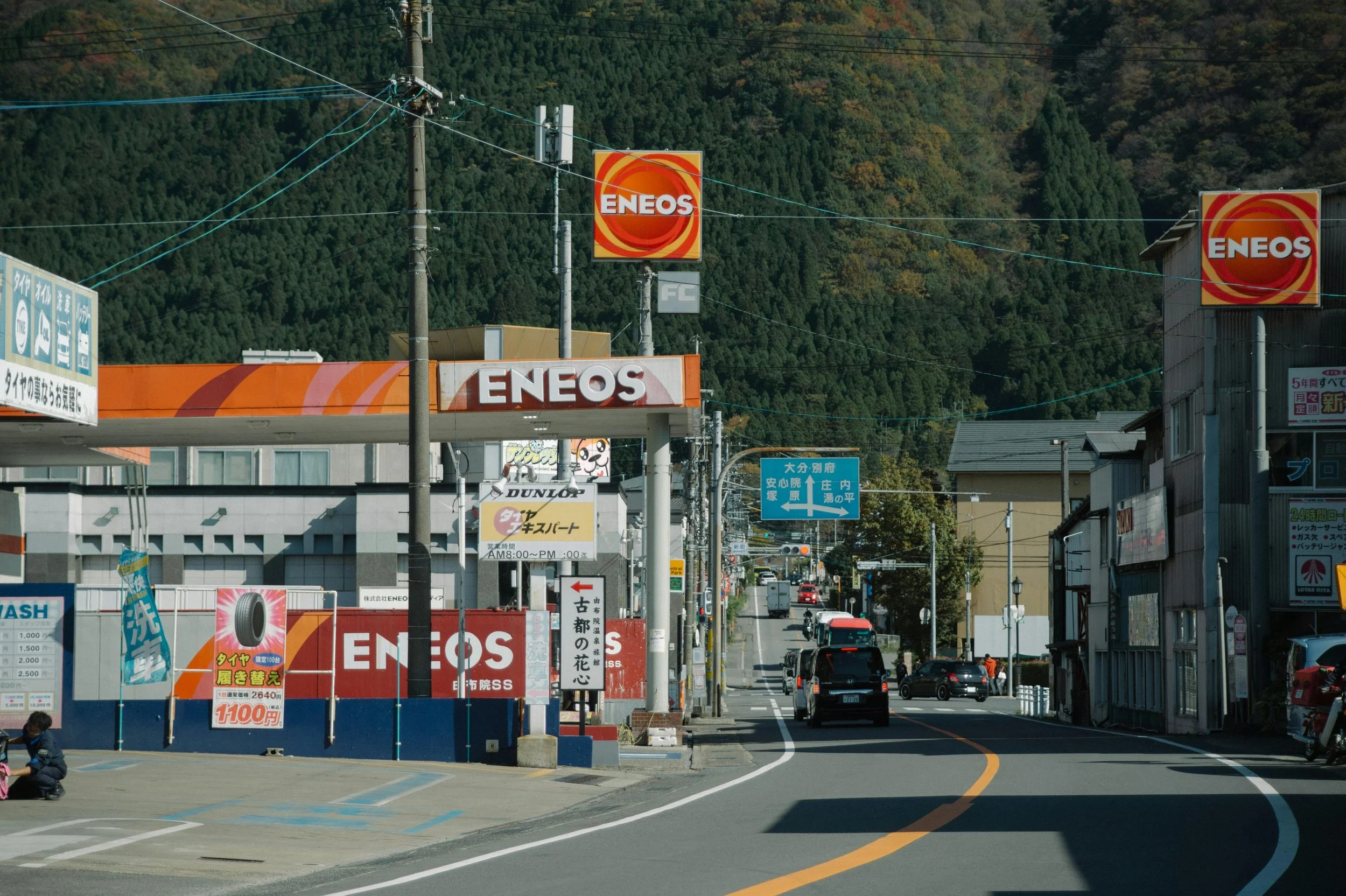
Most gas stations in Japan are either Self Service (セルフ) or Full Service (フル), though some gas stations have both options. If it’s Self Service, you’ll need to get out and pump your own gas. But if it’s Full Service, just stay in the car and someone will take care of everything for you. Expect to pay more for full service. Attendants may not speak English, so just tell them “mantan” to get a full tank of gas, and what type of gas you need. While they’re filling up the car, they may wash your windows or offer to take your trash, and they’ll often direct you back out into traffic before you go.
How much can I drink and still drive?
You can’t. The limit in Japan is zero. Not even a sip. Just don’t do it.
If you do plan to go out drinking and you want to drive there, there’s a service in Japan called Daiko you can use. When you call them, two drivers come and pick both you and your car up then take you back home. They’re usually local services, so you’ll need to do some research if you want to use them, and Japanese will be required.
Now that you know how to get behind the wheel in Japan, it's time to hit the road and discover what makes those drives so special. And make sure to break the drive up with regular stops at Michi no Eki. These incredible roadside stations are the perfect place to find everything from regional specialties and local crafts to fresh produce and unexpected treasures. They're scattered across the country, and they're one of the best reasons to rent a car and explore Japan at your own pace.