
The Best Places to Visit in China in 2026
China is having a tourism moment. Nowhere near as much as Japan, but the possibility of discovery in this amazing country is getting easier than ever, as visa rules are relaxed, infrastructure is developed, and costs stay down. As we look forward to 2026, we’re excited to share some of the places in China that most inspire us. Some of the places we love and can’t wait to take you to, like Yunnan, whose burgeoning wine scene is just taking off and will be the future of wine in China. Some are places that we’ve never been and have dreamt of for years, like the towering peaks of Fanjingshan in Guizhou whose beauty will leave you in awe. Some are places that are better explored on your own, like the lakes and rivers around Shanghai where you can slow down and unwind surrounded by pristine nature. But they all have one thing in common: these are not your typical tourist destinations.
Most visitors to China will stick to the east coast, hitting up Beijing and Shanghai. If they’re more interested in Chinese history, they might hit up a city like Xi’an. If they want to eat, they’ll head to Chengdu, and if they want to spend time outdoors, they’ll head to Guilin and Yangshuo. But only a small percentage of visitors to China will dive any deeper into what China really has on offer, and there is a lot on offer. So let us help you demystify this mesmerizing country so you can get off the eaten track in 2026.
Longmen Grottoes, Henan
For the Culture Kid
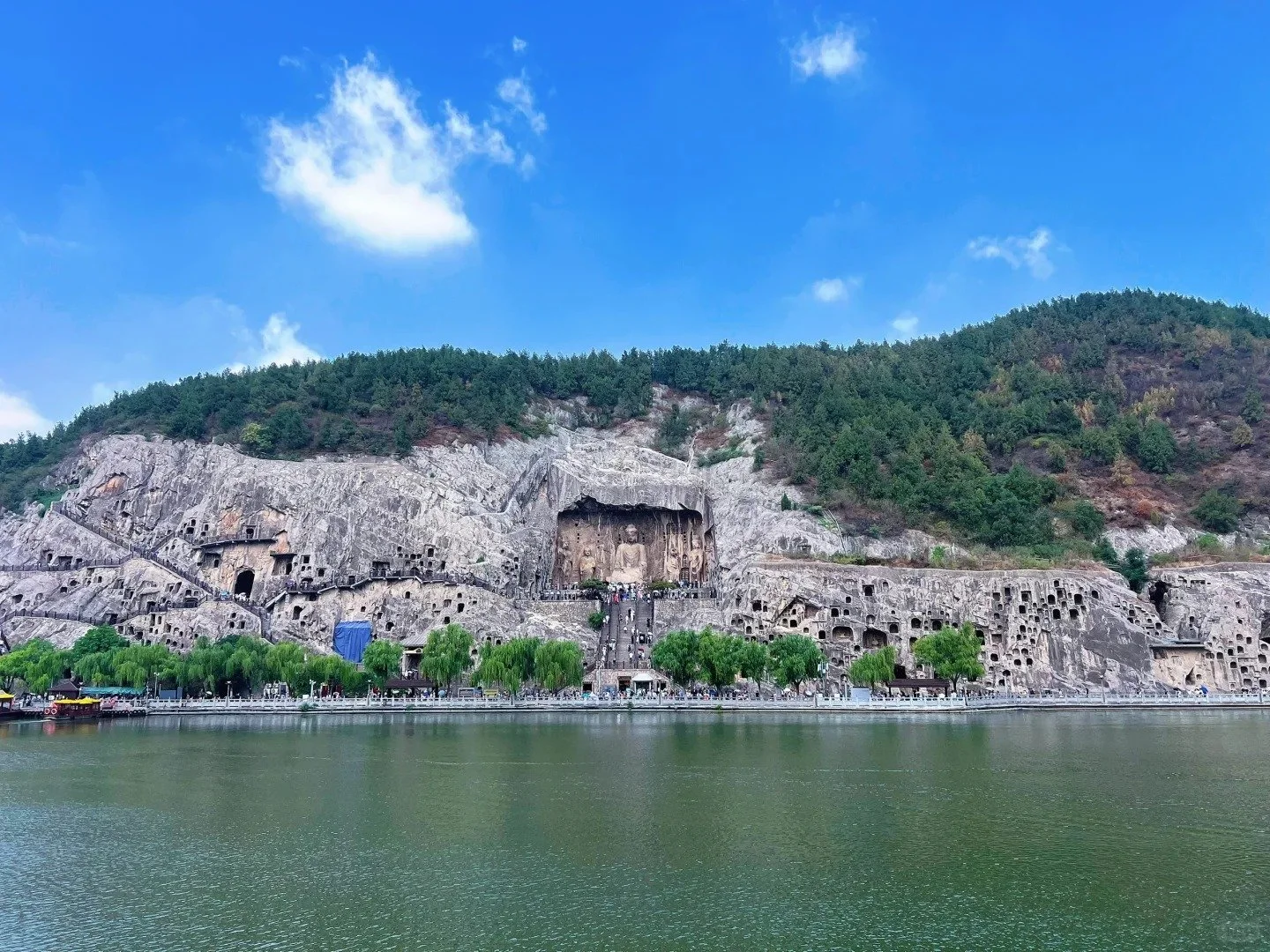
There are so many things that draw me to this area, such as the Shaolin Temple (the birthplace of Shaolin Kung fu) and the Jewish history in Kaifeng, both of which I’ve had the chance to explore. But the thing about China is you’re always finding something new to explore, no matter how many times you go somewhere. In this case, it’s the Longmen Grottoes that I need to go back for. These are HUGE buddhist statues carved into limestone cliffs over 1,500 years ago, then on either side the cliffs there’s an entire network of manmade caves that look like they’re straight out of Middle Earth. Truly awe inspiring. This area is also home to tangbao, said to be the predecessor to xialongbao (I hear they aren’t as good, but you gotta do it for the flavour library), so why wouldn’t we want to go to the birthplace of our favourite snack.
Xiamen, Fujian
For the Trendsetter
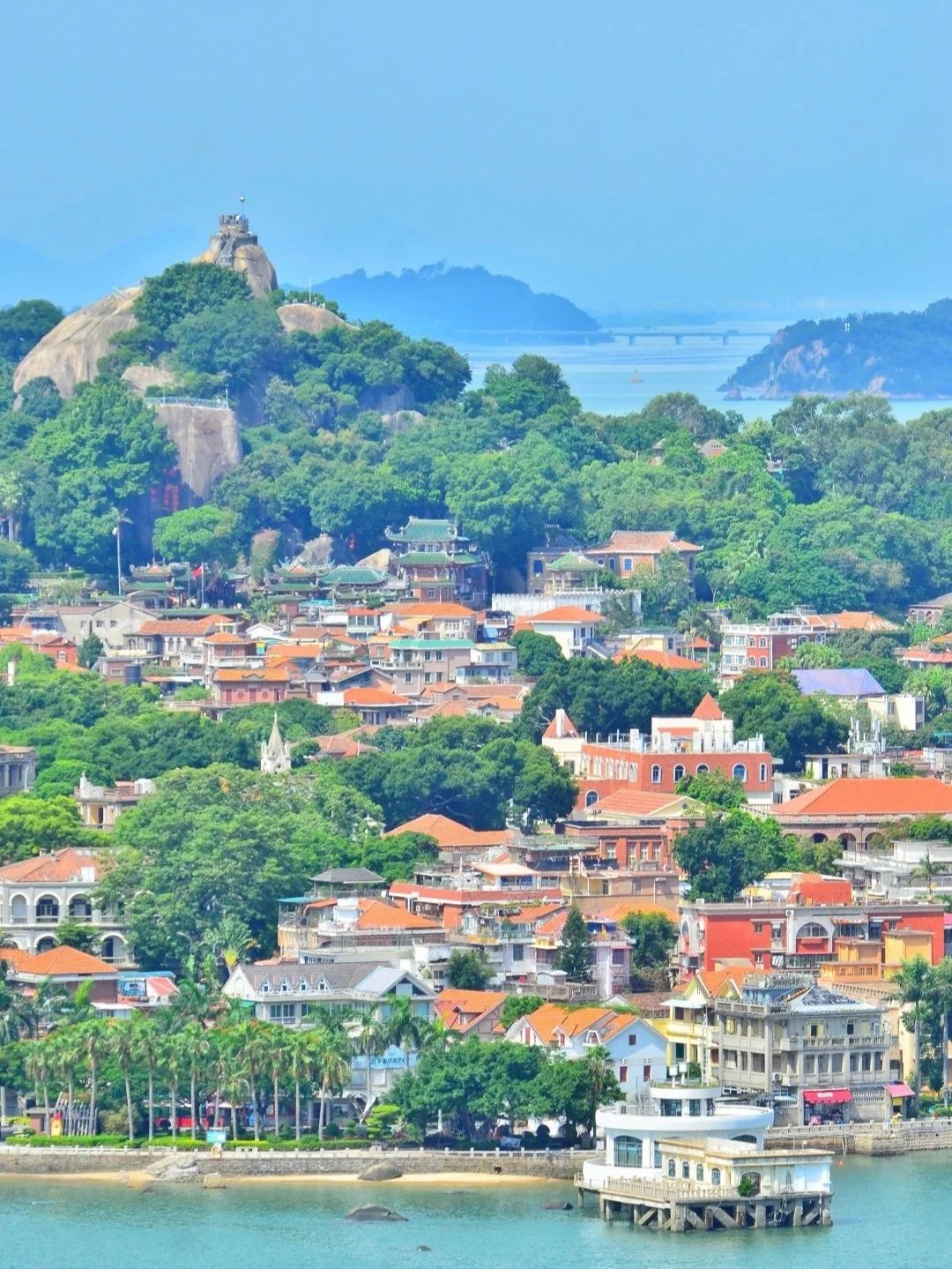
I personally think Xiamen is one of the coolest cities in China. It’s on an island covered in tropical greenery, and moves at a much slower pace than the rest of China. It’s filled with amazing cafes, galleries and shops, and it’s got so much history and great architecture. It’s a truly special city. My favourite area in Xiamen is Gulangyu. Imagine the greenery and architecture of the French Concession in Shanghai but on a small pedestrian only island a few minutes ferry ride from the main island of Xiamen.
For centuries Xiamen has been a hub of creativity. As one of the main gateways in and out of China, this is where much of the foreign cultural influence came in and took root, and where Chinese art and culture went out into the world. Also close by are the Tulou fortress towns These huge, circular walled cities are an architectural phenomenon, with a courtyard in the middle and apartments built into the surrounding walls facing inwards. If you’ve seen Kung Fu Hustle, you’ll know what I’m talking about, but ever since seeing that movie in high school I’ve always wanted to go here.
Qiandaohu, Zhejiang
For the Nature Lover
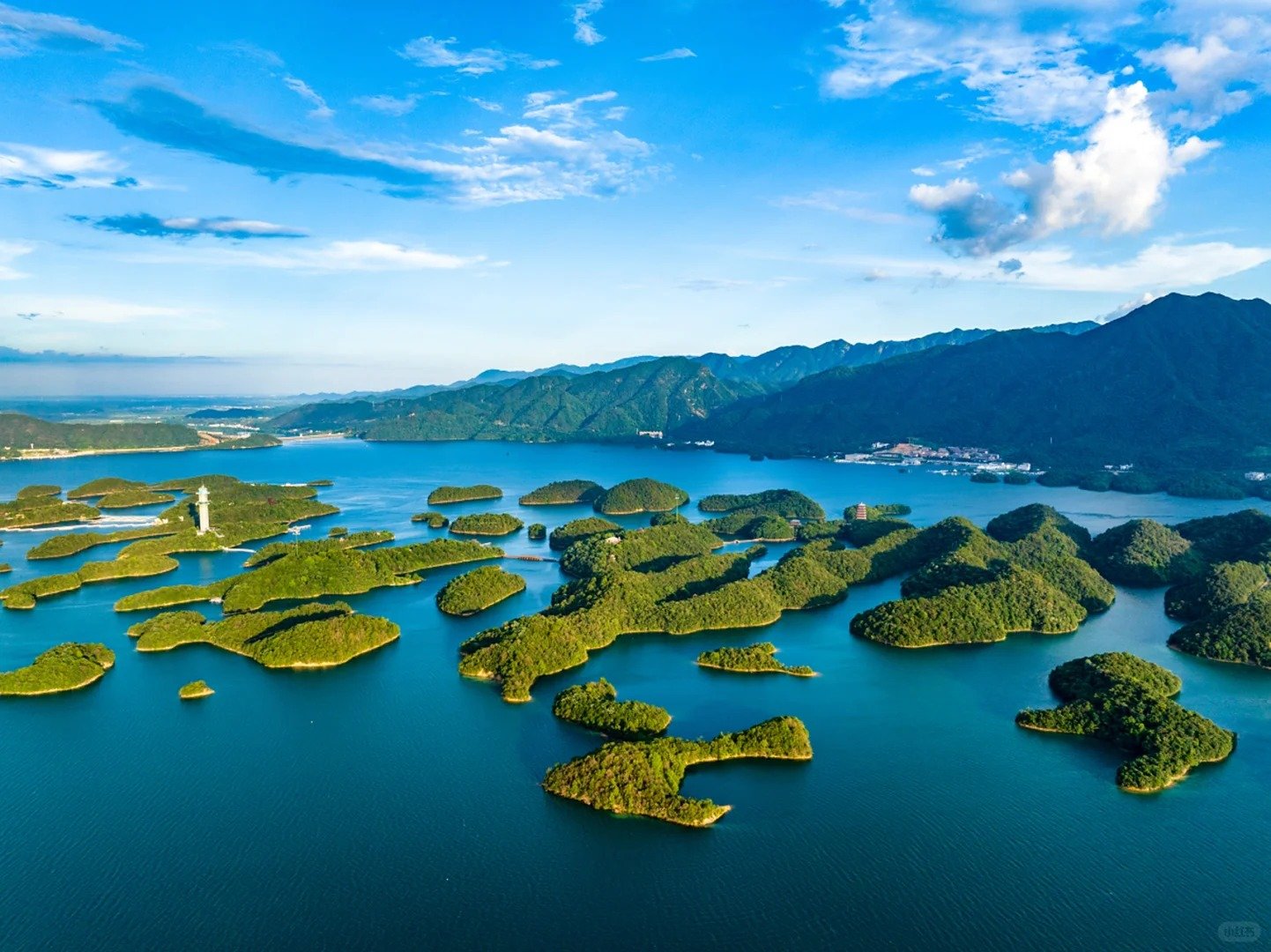
Most people who need to escape from the maddening rush of Shanghai make their way to Suzhou or Hangzhou. Only problem is, they’re still full of tourists. If you truly want to escape into nature and unwind, Qiandaohu is the place for you. This enormous reservoir is dotted with a thousand forested islands, creating the perfect environment to settle into a resort and soak in the natural beauty of Zhejiang. You can spend your days cycling around the lake, picking organic longjing tea in a nearby tea plantation, and eating your way through the countryside. Zhejiang cuisine is one of China’s Eight Great Culinary Traditions, fed by the rivers and lakes that cut through the region. Expect an abundance of seafood from the lakes and rivers, seasonings like oolong tea from the nearby plantations, and locally sourced produce. Just make sure you also try Dongpo Rou. This melt-in-your-mouth, sweet and spicy gem changed my mind about fatty pork belly dishes - something Chinese cuisine has done about a lot of foods I never used to like.
Fanjingshan, Guizhou
For the Intrepid Soul
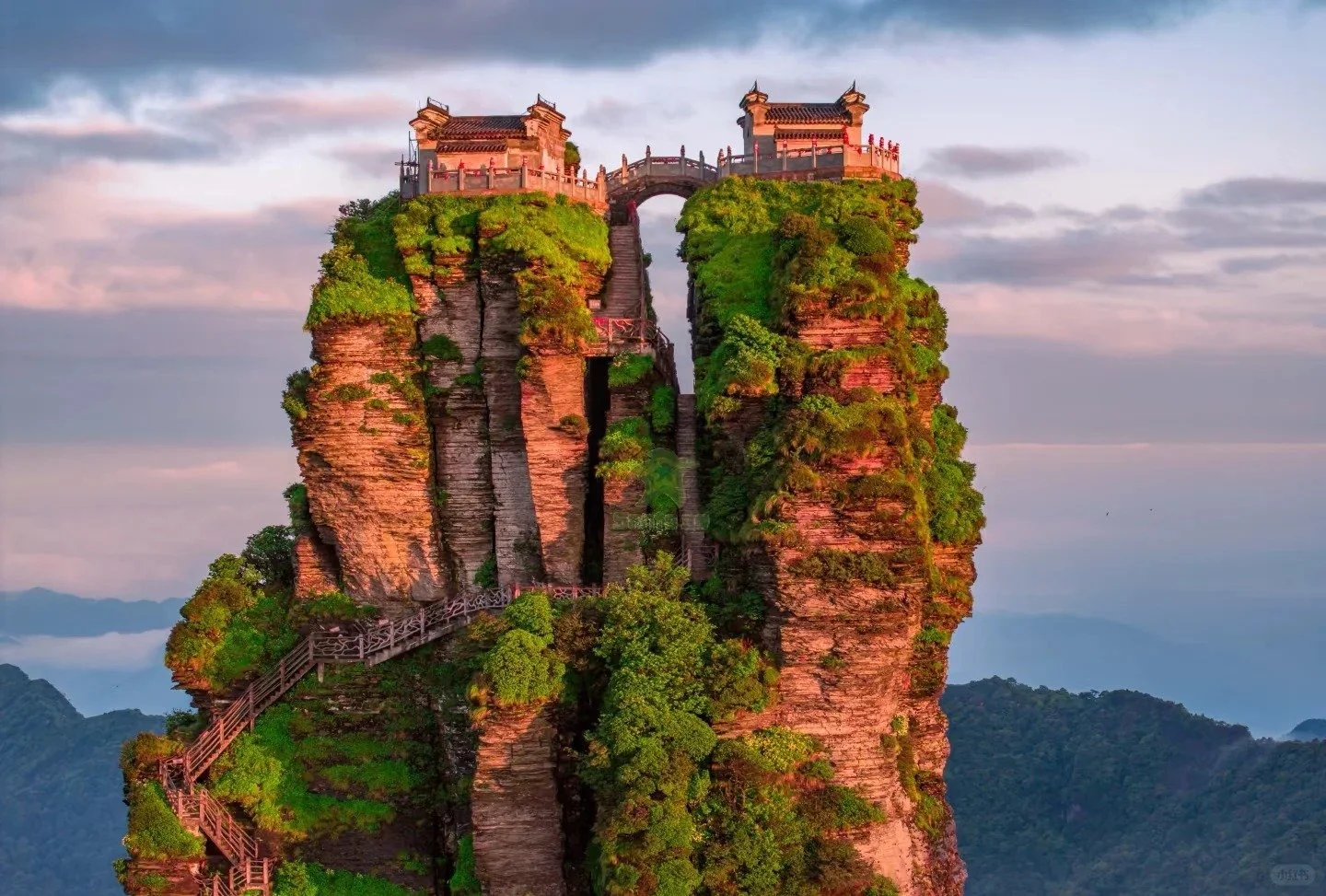
Most people have never even heard of Guizhou. This applies to a lot of Chinese as well because of how hard it’s always been to get to. But when you see Fanjingshan, it will go to the top of your destination list. In a region dotted with jagged, karst peaks jutting from the earth, the twin spires of Fanjingshan rise above the rest, with a temple perched precariously at the top, with a single stone bridge connecting the two. If you ask me, this type of place should be up there with the pyramids, and yet if you come, you’ll likely be one of the few foreigners who are there.
To get here, you’ll pass through one of China’s most diverse regions. The surrounding countryside is home to ethnic minorities like the Miao and Dong, whose traditional villages are open to the public. These villages are the perfect opportunity to learn how diverse China really is, despite its image of homogeneity. The diversity is echoed in the food, a mix of spice and acid, heavily reliant on pickling and preservation techniques formed over centuries due to the inhospitable landscape that left this region cut off from many other parts of China. Come to Guizhou with no expectations, and you’ll leave thinking of China in a whole new light.
Shangri-La, Yunnan
For the Foodie
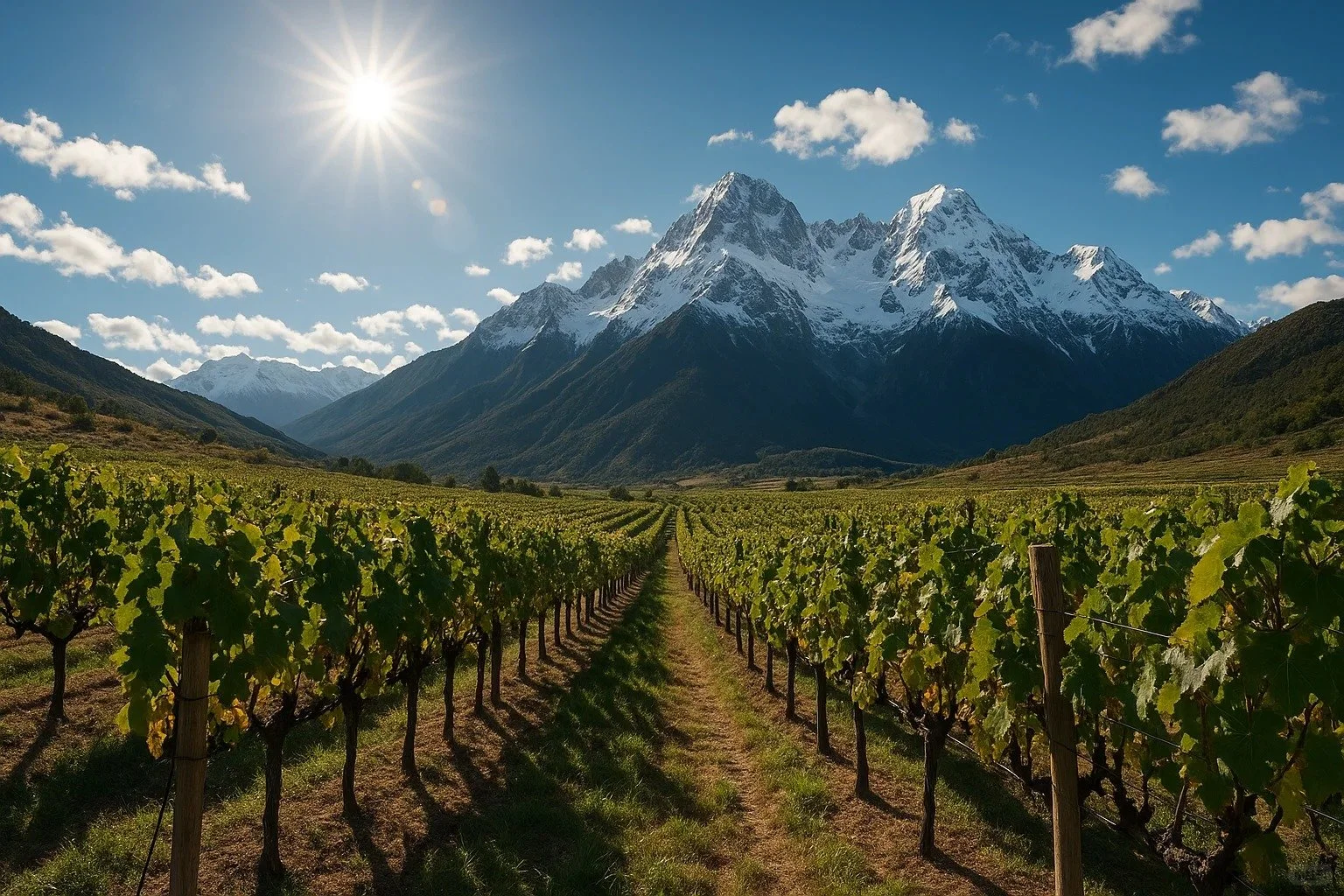
We’ve hinted at our love for Yunnan, particularly its food. But in this region it’s impossible to pin down any single thing that defines the cuisine. Shangri-la presents a completely different side of this incredible region's culinary heritage. Over 3,000 meters above sea level, we’re well into the Tibetan plateau here and surrounded by Tibetan Buddhism and Himalayan culture. The food is more homely cuisine, warming enough for the harsh, Himalayan winters. It centers on momos, the traditional regional dumplings filled with hearty yak meat and Thukpa, a warming noodle soup filled with veggies. Tucked between the mountains, some of China’s most exciting, young wine is being produced. The mineral-rich soil, intense sunlight and high altitude create the perfect terroir for varietals like Cabernet Sauvignon. Unlike other wine regions around the world where you can just drop into a cellar door, China needs a little more planning to access. Luckily we’ve done it for you! Come and enjoy a plate of momos with us, while sipping an incredible natural wine and looking out on the awe-inspiring Himalayan range.