
The Best Places to Visit in Japan in 2026
Japan is blowing up. Ever since the end of Covid the country has been packed with tourists, making it harder to find the best places to visit in Japan without the crowds. Everyone who goes loves it, and is surprised at how affordable things are, in large part thanks to a weak yen. But the flip side of that is the tourist hot spots are becoming overcrowded, and so more and more people are seeking out “the real Japan.” That’s one of the main reasons we started Off the Eaten Track. We’ve been lucky enough to have that experience and want to share our love of this incredible country with you.
As easy as it is to get around Japan, it can still be overwhelming for first-timers (or even tenth-timers) because of how different the language and culture are. So for 2026, we’ve put together a few places to visit that run the gamut of what’s on offer in Japan. If you just need a weekend away from Tokyo but want to avoid the typical Tokyo day trips like Nikko and Hakone, we’ve got just the place for you. If you want to get away from the crowds of tourists and dive into the culture, then head to one of Japan’s biggest festivals in one of Japan’s least visited regions. Or if you really want to get away from everyone and into nature that’s inspired some of the best-loved Ghibli films, we’ve got you covered. In 2026, we want you to get a taste of Japan that most people will miss.
Aizu Region, Fukushima
For the History Buff
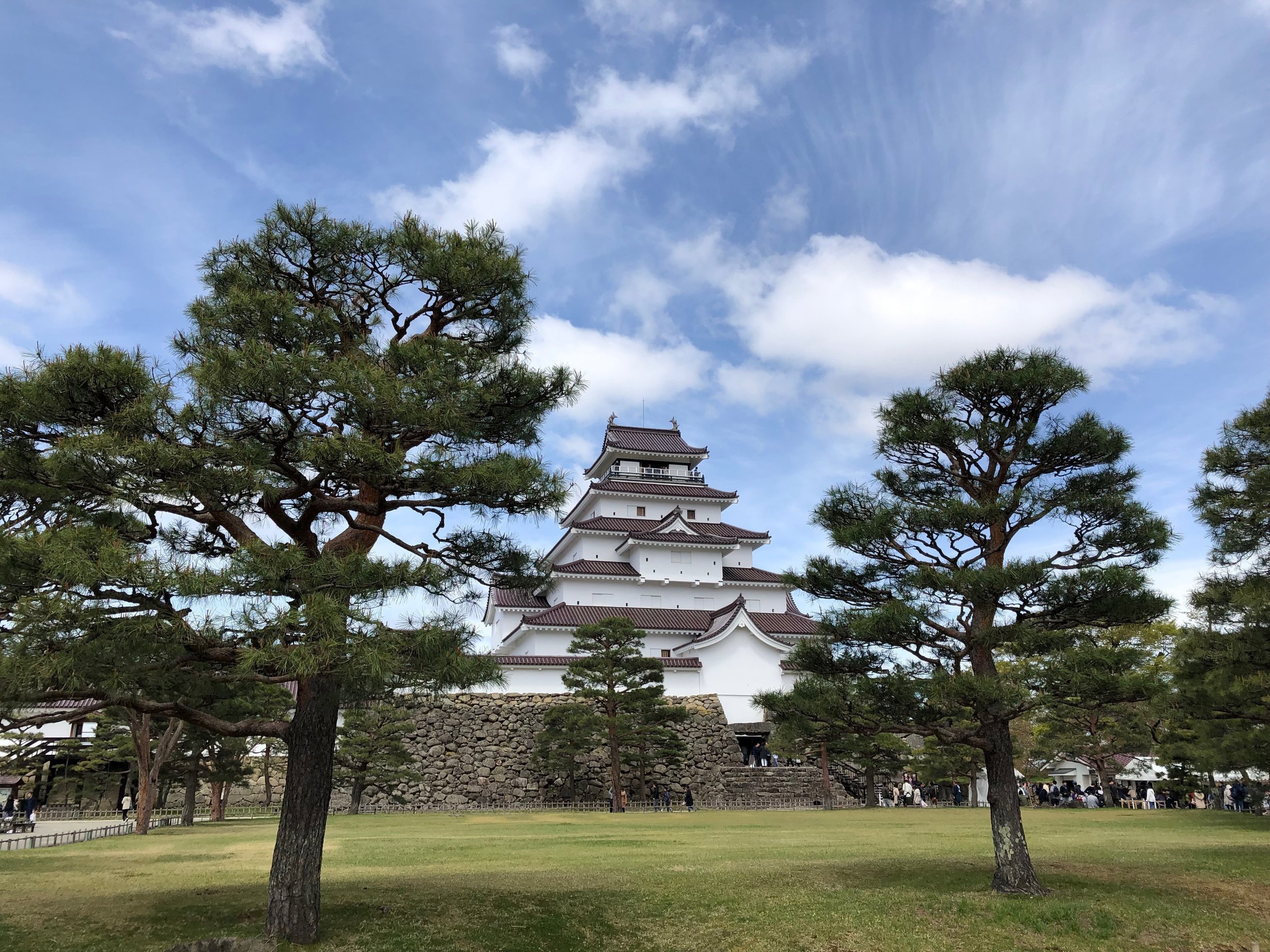
This is where it all began for us nearly 20 years ago. We got sent to Fukushima to teach English, I was out on the coast in Iwaki, and Beth in the mountain villages near Mt. Bandai. Our love for this region is strong, especially after the 2011 Tohoku earthquake and tsunami that devastated the region and still impacts tourism to this day. While we know we’re biased, Fukushima prefecture offers up some incredible experiences, and the Aizu region is a hub for it all.
Tsuruga Castle is the main draw to Aizu, a site made famous by the legendary Byakkotai, a troupe of teenage samurai who sacrificed themselves in defense of the castle and shogunate. As you move outward from Aizu proper, you’ll encounter other historically significant sites like Ouchijuku, a preserved Edo-period post-town with unique thatched roof buildings that you only find in the deep mountains around Japan. There’s incredible nature and hiking (and skiing in winter) around Goshiki-numa - stunning volcanic lakes that range in color from reddish green to cobalt blue. To top it all off, you have one of Japan’s most underrated ramen, Kitakata ramen, centuries-old sake brewers, and craftspeople like Masahira Fujiyasu, one of the 200 traditional swordsmiths left in Japan. We guarantee that a visit to Aizu will rewrite any preconceived notions you may have about Fukushima.
Yakushima, Kagoshima
For the Intrepid Soul
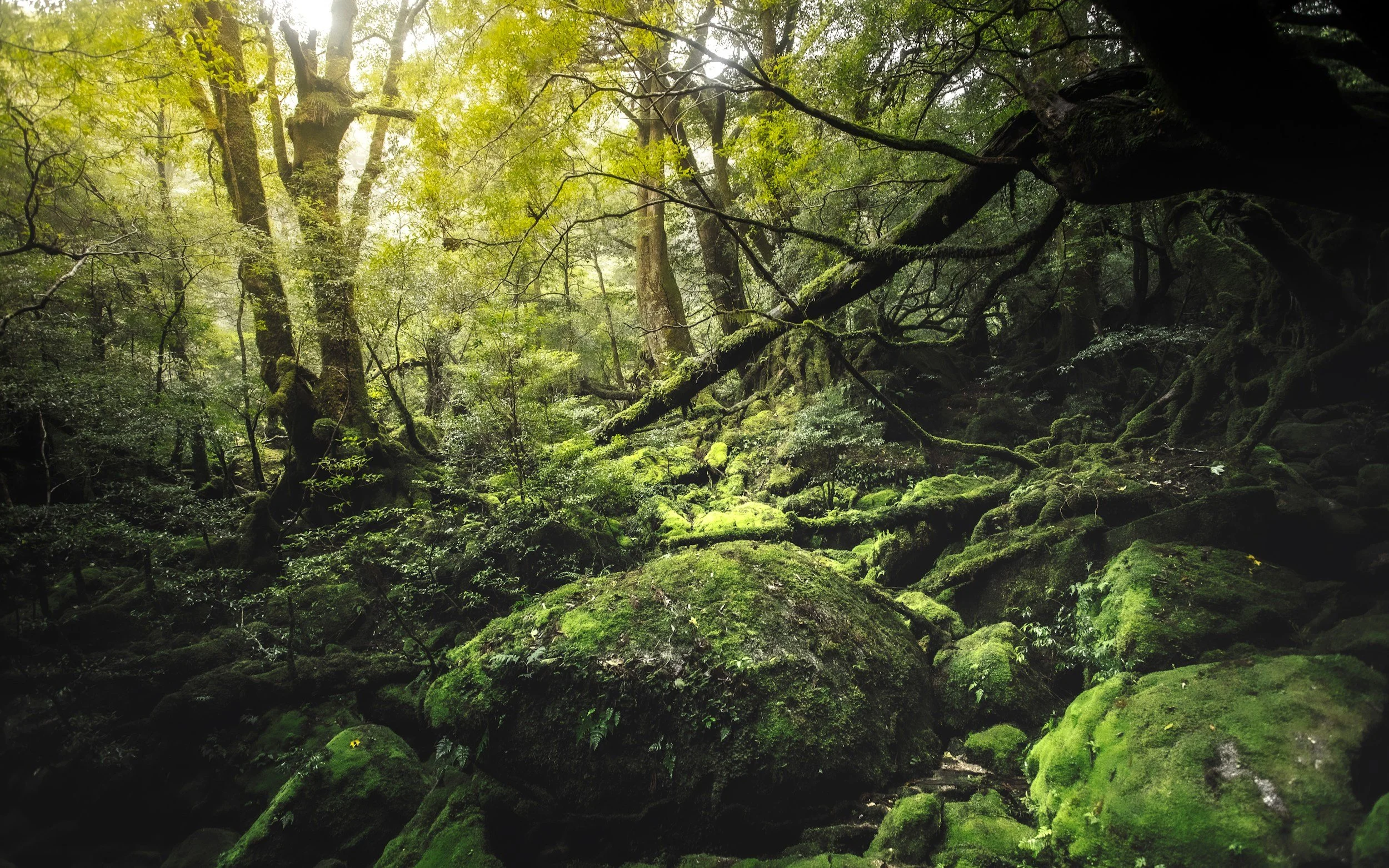
Kyushu has been on my bucket list for a few years now which is exactly why it’s one of the first places I thought of to plan a trip. It all started in Japanese class when I had to do a presentation on travel in Kyushu and became obsessed with the idea of visiting Hitoyoshi, one of Japan’s most renowned shochu-producing regions. This small, samurai town has 27 shochu distilleries spread throughout the basin, as well as pristine nature, castle ruins, and blindingly fresh fish straight from the river at all the guesthouses that have been run by the same families for generations.
But the crown jewel has always been Yakushima, a small forested island 3-4 hours from Kagoshima city by ferry. The ancient cedar forests of Shiratani Unsuikyo were the inspiration for the forests of Princess Mononoke, which is my favourite Studio Ghibli film. Aside from hiking, the small island is home to potters and woodworkers, shochu-makers, and secluded beaches. There’s Hirauchi onsen, a natural hot spring right in the ocean, which you can visit for only 200 yen. All of this on a small island in the middle of nowhere. It’s a schlep to get to, but I know it will be worth it to experience this vibrant island.
Izu Peninsula, Shizuoka
For the Nature Lover
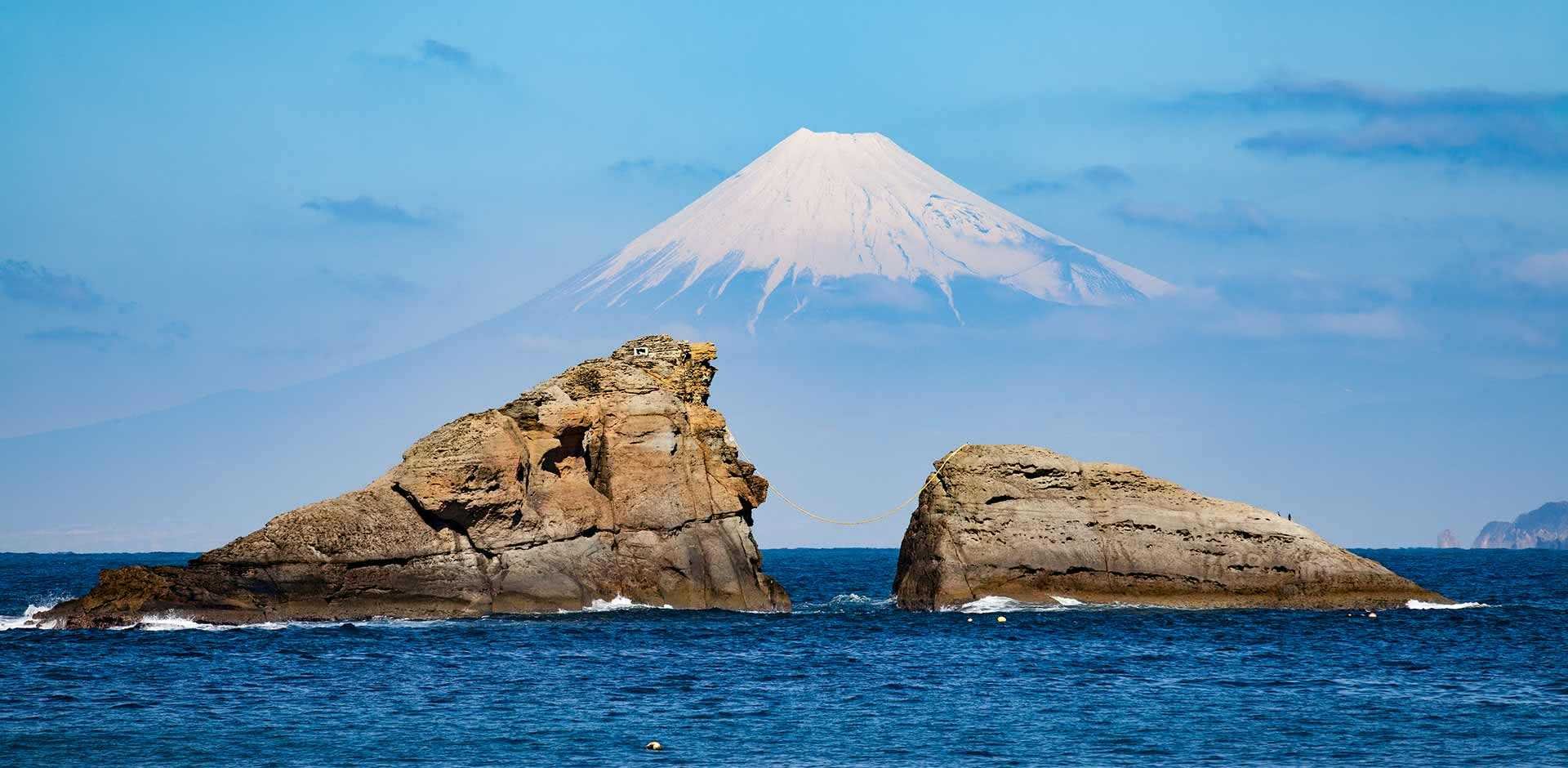
Just a couple of hours from Tokyo, the Izu Peninsula is the perfect place to get away from the crowds for a few days of relaxation. A lot of visitors to Japan have added Hakone to their itineraries, due to its accessibility and views of Mt. Fuji, but it’s getting more and more crowded. If you go just a bit further south from Hakone, you’ll reach the wild, rocky coastline of the Izu Peninsula, that offers up the same dramatic views of Mt. Fuji without the crowds.
The rocky coastline from Jogasaki down to Irozaki is made of towering volcanic rocks, providing a dramatic backdrop for coastal hikes, with hidden beaches dotted throughout. On the western side of the peninsula is Dogashima, with isolated cave systems dotting the coastline which can only be explored by boat or kayak. At Mt. Omuro, you can hike or take the cable car to the peak where you can try Japanese archery right in the crater of this extinct volcano. The peninsula is dotted with onsen, the perfect spot to rest your weary feet after your days out in nature, soaking up the natural healing properties of the volcanic mineral water. Shuzenji, in central Izu, is one of the best, with traditional ryokan serving freshly-caught sushi with local wasabi from nearby farms, ancient temples, and a bamboo forest you can explore without the crowds of Kyoto’s Arashiyama.
Kochi, Kochi
For the Foodie
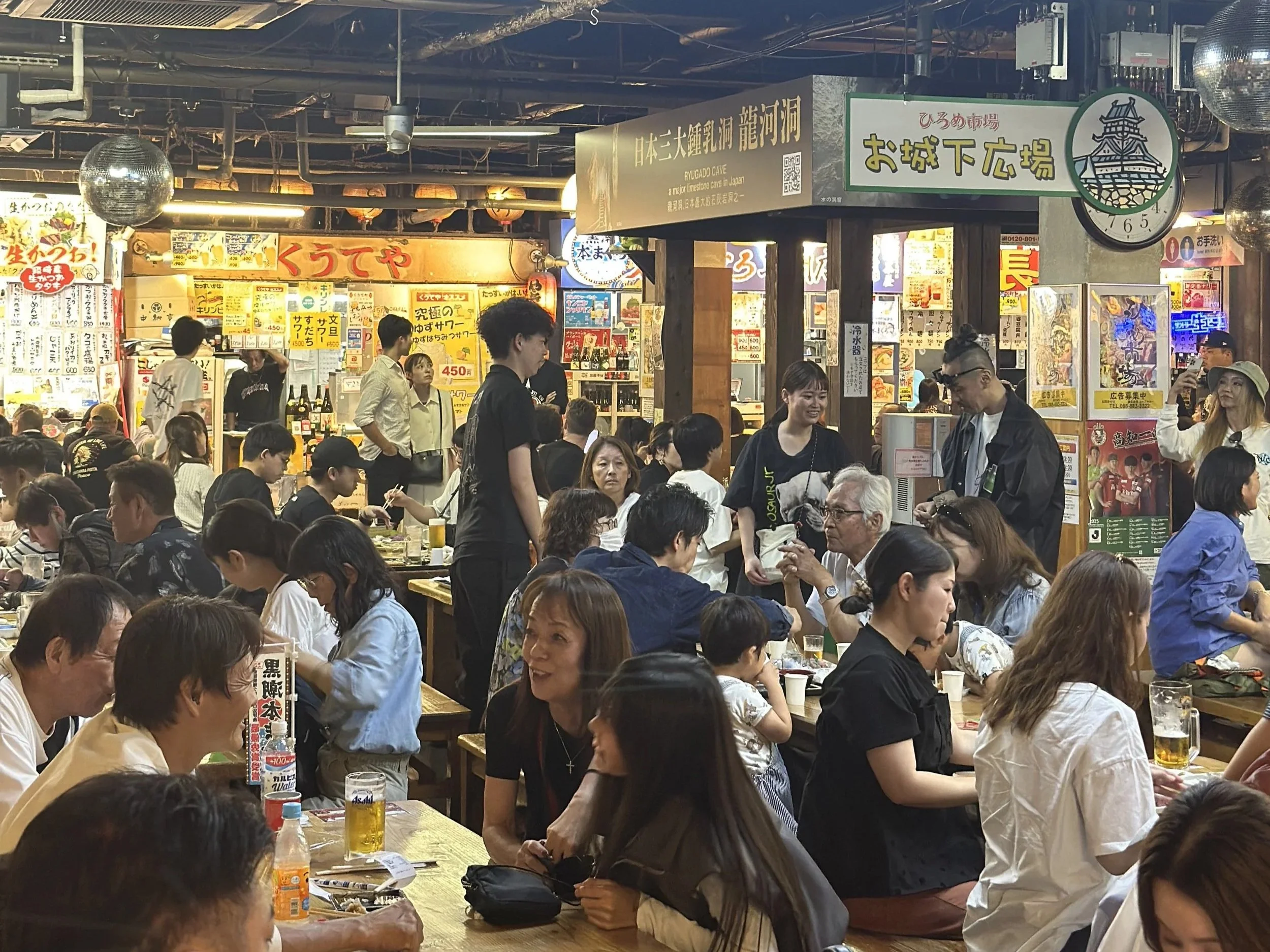
On our last trip to Japan we planned Kochi as a quick pit-stop. It’s home to one of the largest, outdoor farmers markets in Japan every Sunday morning, so we figured we’d stop and check out the local products. Little did we expect that in just 2 hours we would fall in love, and it would become the one place on the trip we wish we’d spent more time.
Our first hint at what we were missing was Hirome Market, which may just be the best food hall we’ve ever been to. It was absolutely heaving at 3pm on a Sunday, and the food and drinks spilled out into the square just out the doors. This place is the perfect place to get your first taste of Kochi’s food and drink, something they take particular pride in. Bonito is the most famous product from Kochi, and we ate a boatload of it served in a literal boat. From the rivers and ocean you get red snapper, moray eels, and small sea snails like chambara-gai. From the mountains, you get Tosa Akaushi wagyu, a range of citrus like yuzu and konatsu, and rice grown in the terraced paddies that dot the mountains. Then there’s the booze – Kochi has the highest alcohol consumption per capita in Japan, a trend that’s fueled by nearly 20 sake breweries, half a dozen beer microbreweries, and a handful of shochu and liqueur producers taking advantage of the high quality water and rice that feed their production. Cheers to that.
Nebuta Matsuri, Aomori
For the Culture Kid
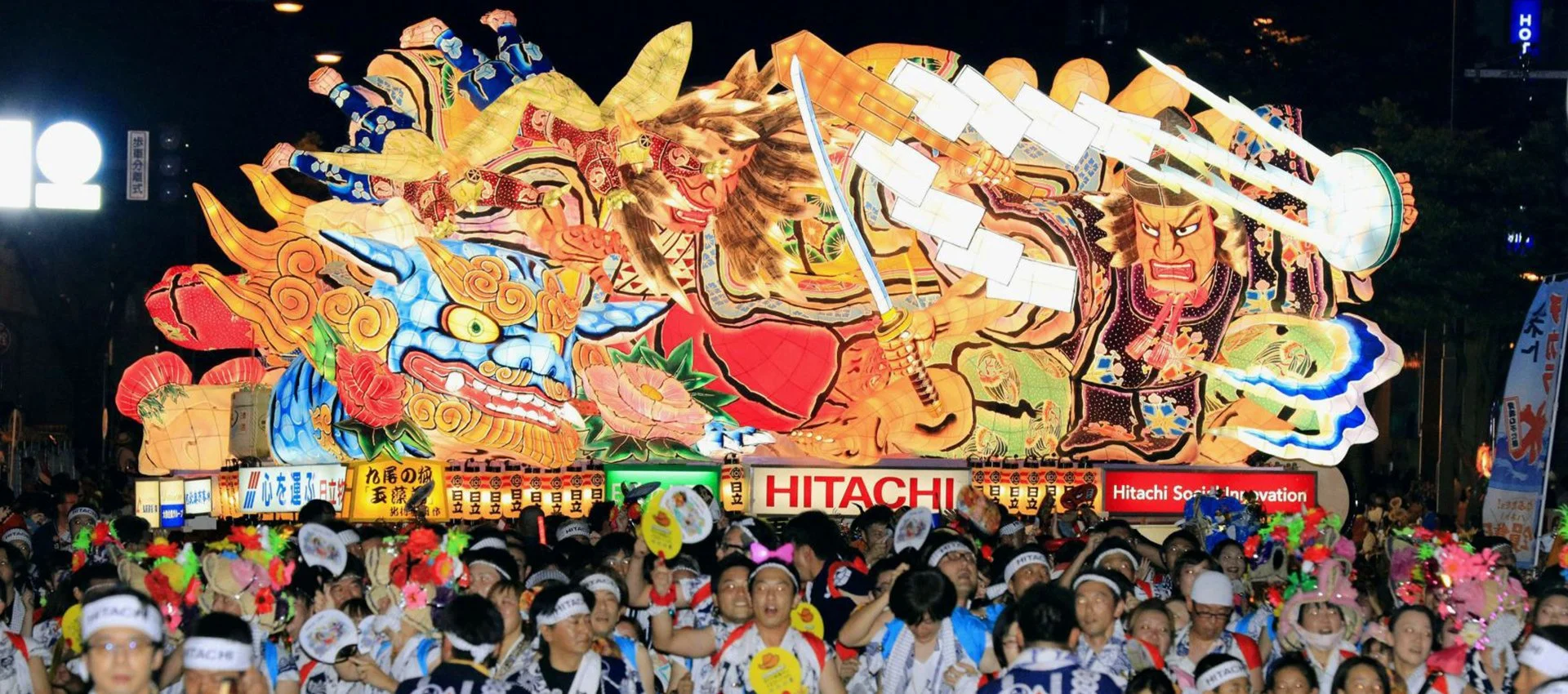
Japan’s northern Tohoku region often gets overlooked, and is one of the least visited parts of Japan by foreign tourists, which makes us want to go there even more. All the way at the top of the Japanese mainland sits Aomori prefecture. Aomori is probably most famous for being cold, having been ranked as the snowiest city in the world, which means that it’s a great place to ski in winter and avoid the crowds who flock to nearby Hokkaido. But come summer, everyone is in town for Nebuta Matsuri. This five-day festival takes place in August and is famous for the enormous, ornate paper floats, called Nebuta, which are paraded through the streets alongside musical troops and dancers. It’s a massive party where you don’t have to just watch, you can rent a traditional outfit and join in on the dancing. We would be remiss if we didn’t mention all the festival food on offer too. Classic matsuri treats like karaage, okonomiyaki, takoyaki and jaga bata are being dished out at stalls all over the parade route. Not only are these some of our favourite foods to eat at a festival, they’re just some of our favourite dishes in Japan.
Outside of Nebuta Matsuri, Aomori offers alternatives to Kyoto’s over-touristed Fushimi-inari shrine in the form of Takayama Inari Shrine, whose landscaped gardens are packed with torii but not with people. There are nationally renowned museums like the Towada Art Center. The far north is also famous for seafood, particularly uni (sea urchin) which you can get fresh off the boat at the Tatehana Wharf morning market in Hachinohe. Or browse the galleries and antique shops of the region to bring home kokeshi dolls, the uber-popular wooden dolls that have been produced in Tohoku for generations, and lacquerware dishes whose refined appearance has been perfected over the last 300 years.