
Your Complete Guide To China Train Travel
Traveling by train in China can be more than just getting from point A to B. It’s an opportunity to whizz through the countryside, watching the country’s diverse landscapes unfold from the comfort of a modern seat. Figuring out the world's largest high-speed rail network for the first time however can seem intimidating, navigating things like the 15-day booking window and the nuances of the e-ticket system, which we’ll dive into.
In this guide, we’re here to break down everything you need to know for a smooth journey on the best transportation method in China. We'll walk you through the different types of trains, how to book tickets as a foreigner, and what to do when you get to the station on your travel day.
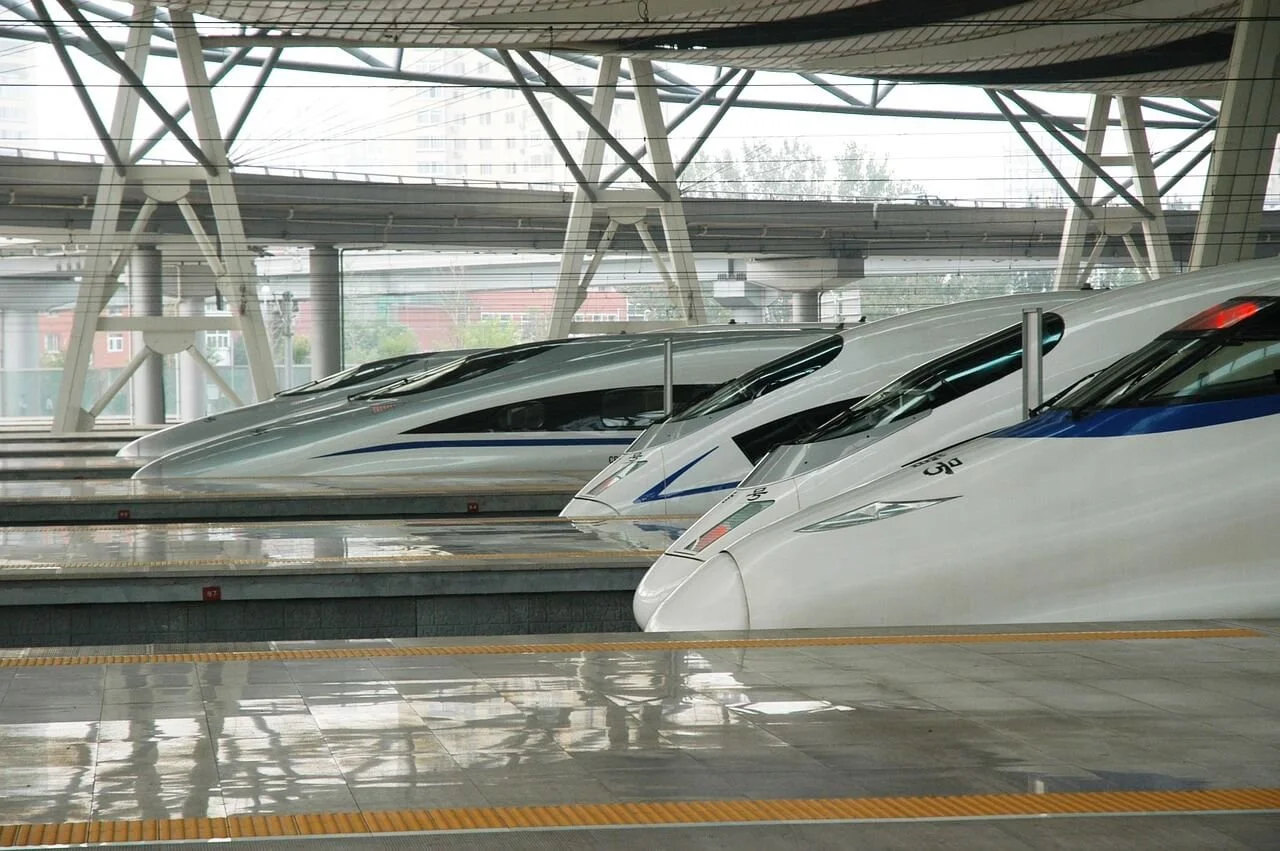
What’s so great about Chinese trains?
With a high speed rail network stretching over 50,000 kilometers (not to mention the hundreds of thousands of kilometers in conventional rail networks ), Chinese trains connect nearly every major city and tourist hotspot, making it one of the most efficient ways to get around. Trains here are famous for being on time, which is a welcome change to domestic flights which are notoriously delayed. Plus, most airports in China are at least an hour outside the city and require a taxi to get to, while train stations are conveniently located right in the city center and easily accessible by public transport. For door-to-door travel, a 6 hour train journey may actually end up getting you to your destination at the same time as a 2 hour flight.
What types of trains are there?
China’s train system is neatly organised by letters that tell you the train's speed and service type. Knowing the lingo helps you pick the perfect ride for your trip
G, D, and C Trains (High-Speed): These are the sleek, modern bullet trains that are the heart of the HSR network, zipping along at speeds up to 350 km/h.
G-trains are the fastest of the bunch, linking major hubs like Beijing and Shanghai in just a few hours.
D-trains are a bit slower and often used for regional routes or even overnight journeys with sleeper cars on longer distances.
C-trains are designed for quick intercity hops, like the short trip between Guangzhou and Shenzhen.
Z, T, and K Trains (Conventional): These are the slower, more traditional trains. They're a fantastic option for long-distance overnight trips, letting you save money on a night's accommodation while you travel. They max out at 160 km/h, but most don’t go over 120 km/h. If you’re really getting off the eaten track, then these also might be your only option, especially out in western China.
Z-trains are direct express services that make very few stops.
T and K-trains are the local workhorses, stopping at more stations and offering a budget-friendly way to reach more remote parts of the country.
How can I plan my train journey?
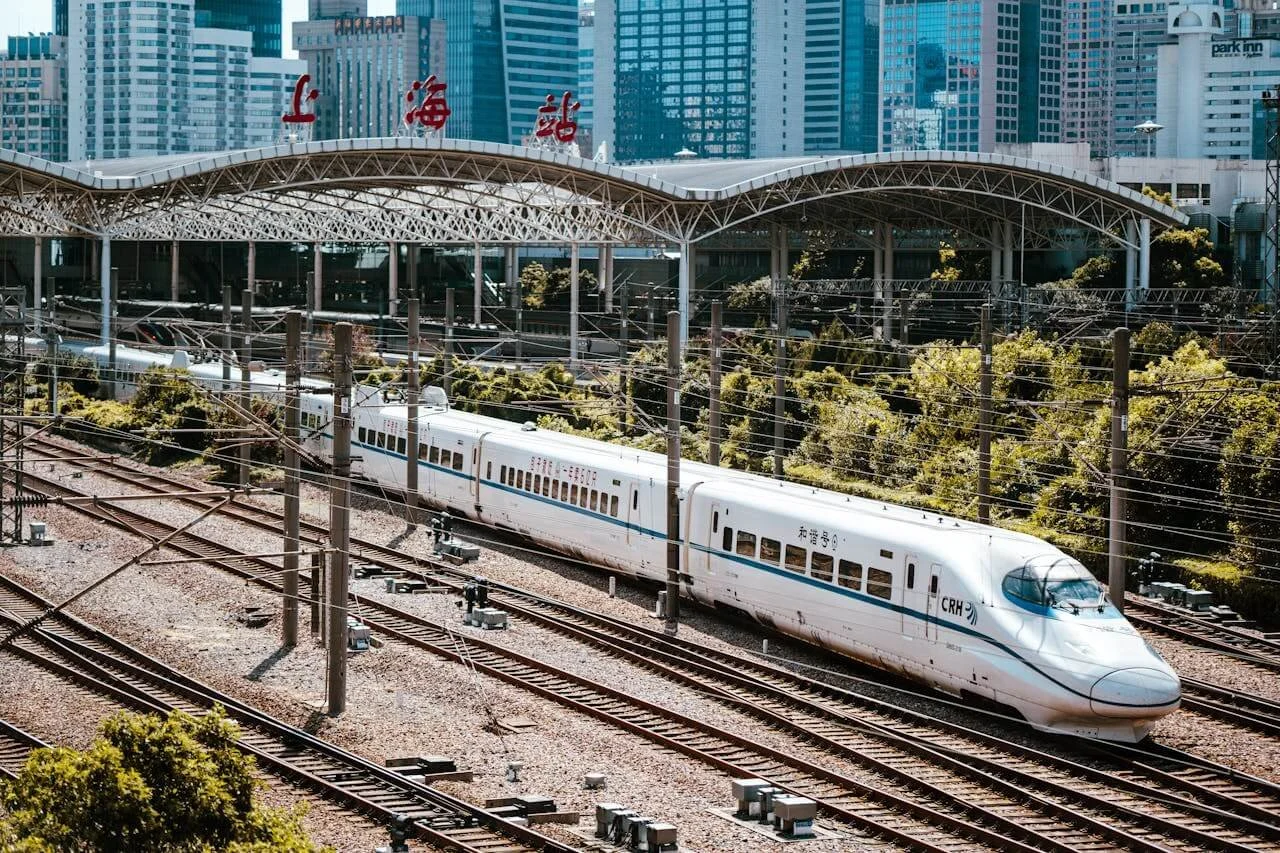
If there’s one golden rule for train travel in China, it’s this: plan ahead. Tickets for popular routes, especially around public holidays like Chinese New Year (usually 2 weeks in February) and China’s National Day holiday (Oct 1-7), can sell out the second they're released. While this can be part of the adventure, piecing together multiple train journeys across different provinces requires careful planning. This is especially true if you’re hoping to get off the eaten track and explore beyond the big cities.
For travelers who prefer a planned itinerary without managing logistics, a curated trip can be a helpful option, and we invite you to come along with us on one of our China journeys. Let us handle the planning and logistics, you just need to handle the chopsticks. If you are joining, this guide will also be super helpful to help you get to and from the tour start and end point or plan your onward journey afterwards.
Choosing your seat or sleeper class
Whether you’re on a bullet train or a classic sleeper, there are different classes to fit your budget and comfort level.
On High-Speed Trains (G/D/C):
Business Class: This is the top-tier option. Think spacious, fully reclining leather seats set up in a 1+2 configuration, much like first class on a plane. It’s luxury travel on rails, and is usually more expensive than a flight. There are very few of these seats on trains, so you won’t be able to do this in a big group.
First Class: A serious upgrade in comfort from Second Class, and what we usually try to book for our tours, First Class has wider seats in a 2+2 arrangement and plenty of legroom to stretch out. Every seat usually comes with its own plug as well.
Second Class: This is the most common and affordable choice (and we mostly use it for solo travel) with seats in a 3+2 layout. They're perfectly comfortable, you shouldn’t have any issues storing your luggage in the shared storage spaces, and each row still comes with a couple of shared plugs. Pro Tip: Window seats are A and F, while aisle seats are C and D.
On Sleeper Trains (Z/T/K/overnight D):
Soft Sleeper: This is the go-to choice for most international travelers. You get a private, lockable compartment with four comfortable bunks, making for a secure and restful overnight journey.
Hard Sleeper: A great budget-friendly option (and what Minsky used to take all the time back when he was living in China in the 00s), these are open-plan bays with six bunks. Don’t let the name fool you; the bunks are padded and it’s a friendly, sociable way to travel and meet other people. If you end up with a coveted bottom bunk, expect your bed to be everyone’s couch during the day. But it comes with some perks: Chinese people always bring snacks, and they will definitely share with you.
Comparing train classes at a glance
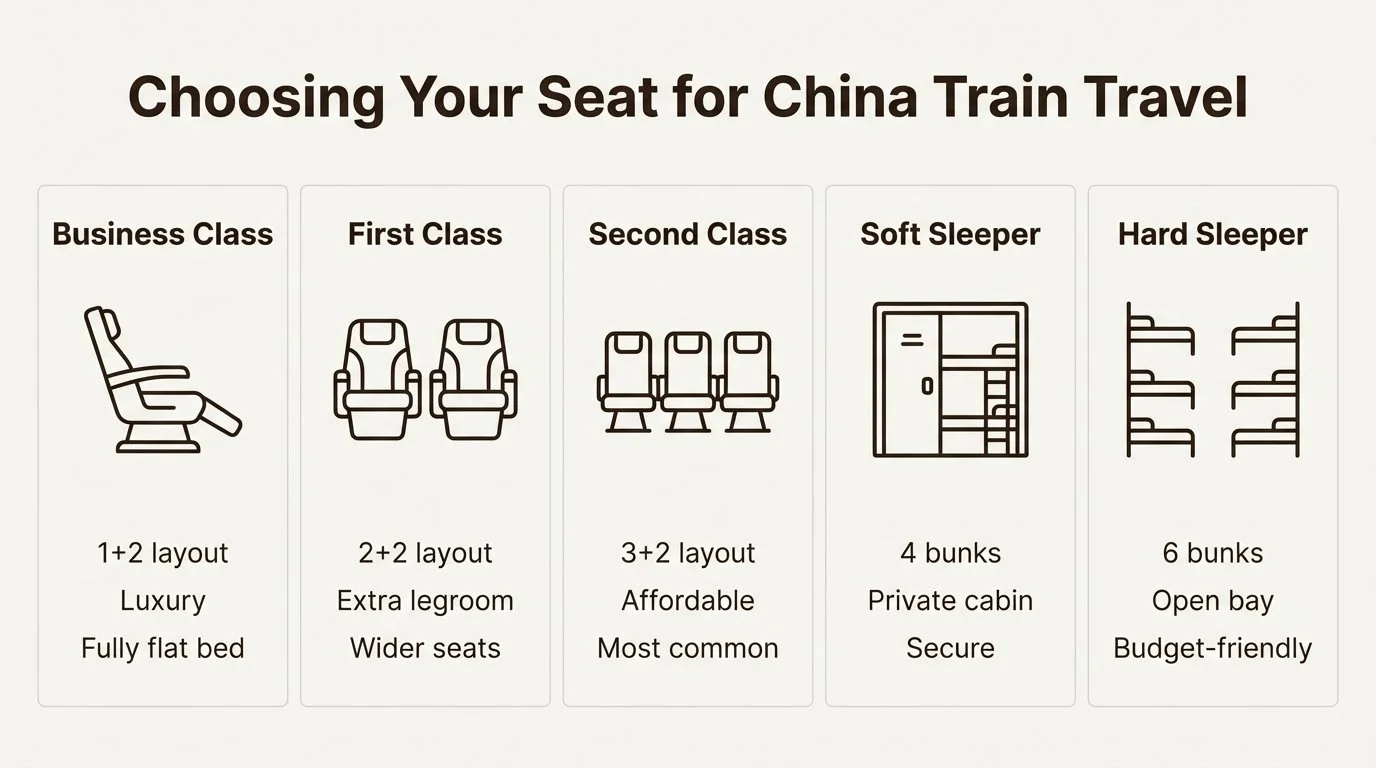
This table breaks down the key differences to help you decide what’s right for you.
A practical guide to booking tickets
One of the biggest points of confusion for foreign travelers has always been the booking process. Train tickets are typically released just 15 days in advance, which can make planning a multi-city trip feel pretty high-stakes.
Booking through an online travel agency
For most international travelers, using an English-language platform like Trip.com is going to be the easiest method. It offers a full English interface, lets you pay with international credit cards, and has 24/7 customer support in multiple languages.
You can search for your trains and place an order months ahead of your trip. While the ticket may not be on sale yet, the agency then acts as your proxy, buying the tickets for you the moment the official 15-day booking window opens. They charge a small service fee, but the convenience and peace of mind are often worth it.
Booking through the official 12306.cn website or app
While the official China Railway website, 12306.cn has an English version now, it has some requirements that can be challenging for foreigners. Before you can buy anything, you have to create an account and get your identity verified by uploading a picture of your passport. This is a manual review process that can take anywhere from a few hours to a couple of days, so make sure you do it well in advance. The site is built for the domestic market, so it primarily accepts Chinese payment methods like Alipay and WeChat Pay. Getting a foreign credit card to work can be inconsistent, so check out our guide to Chinese apps and set them up in advance. If you run into any issues, customer support is mostly in Chinese.
What to expect on your travel day
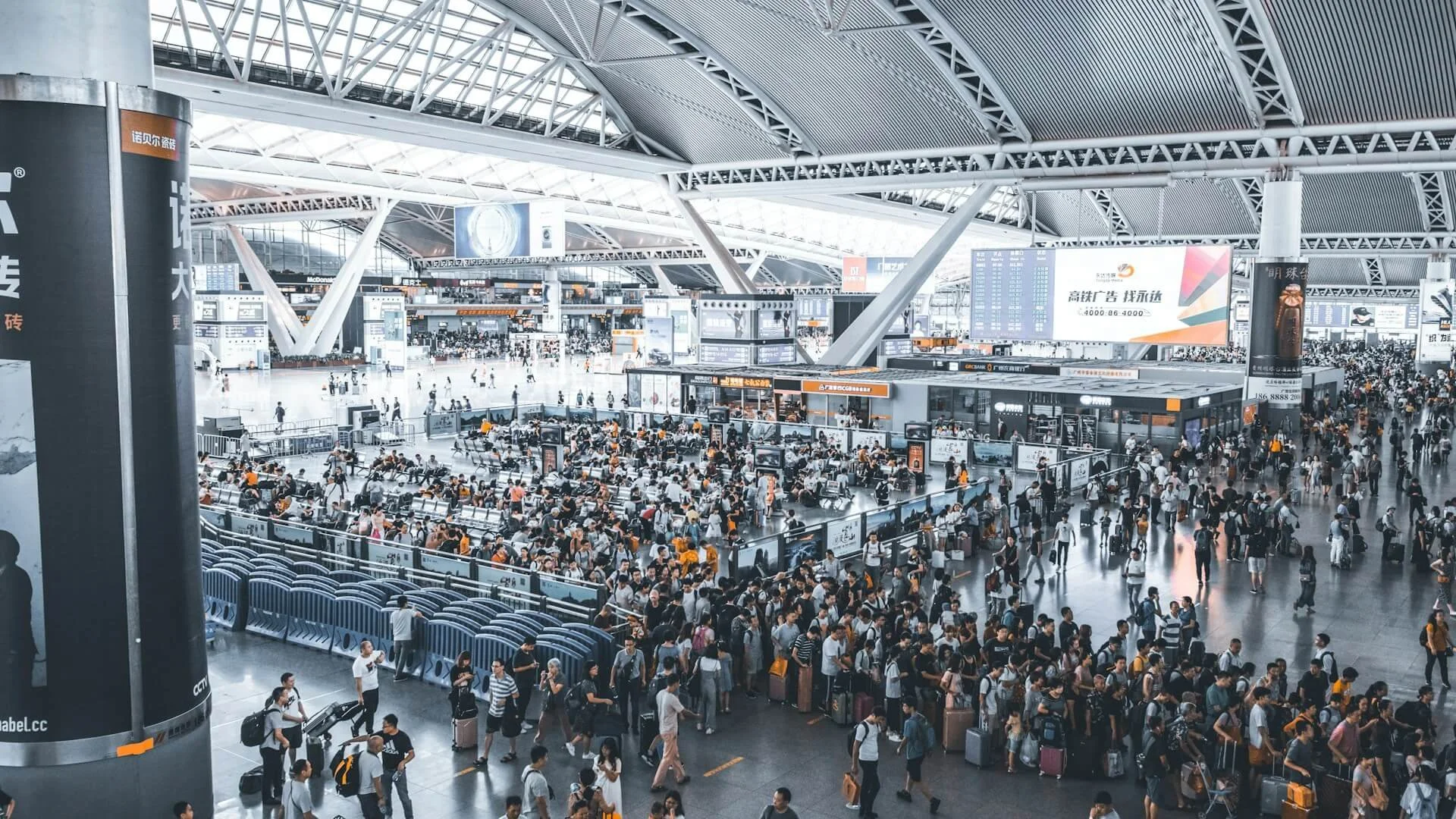
Walking into a major Chinese train station for the first time is an experience. They are massive, modern, and buzzing with energy. And they can be packed with people, so for a stress-free travel day, start by showing up about 60 minutes early. Chinese train stations are set up like airports. You'll need to show your passport and put your luggage through an X-ray scanner just to get into the main departures hall, each with their own lines.
Once you're inside, your first stop is the massive digital departure board. At major stations, all the information is displayed in both Chinese and English. Even when it’s in Chinese only, you can scan the board for your train number to find your assigned waiting area (候车室) and gate number.
Boarding the train with your passport
China’s entire railway system has gone digital with e-tickets, which means your passport is your ticket. You won't receive a paper ticket unless you buy in person at the station and specifically request one.
There are trains running constantly, so it’s likely that other trains will come and go from your gate before yours. The gates to the platform usually open about 15-30 minutes before departure, so start watching for people lining up around then. If you’re unsure, you can show your booking receipt to one of the attendants by the gate. The gates close exactly 5 minutes before the train leaves. They are not kidding about this, so don't be late.
When you head to the automated gates, scan your passport with the photo page facing down. The machine reads your info, matches it to your e-ticket in the system, and the gate swings open.
Most passport scanners aren't configured to read foreign passports, so you’ve got two options. If the gate flashes a red light, just head to the manual check-in lane (人工通道). It's usually right next to the automated gates, either at the far left or far right, and has a much shorter line than the rest of the gates. An attendant will be there and can scan your passport or type in your details to get you through. Your second option is to just go straight to this booth and not bother with the passport scanner.
For an excellent visual walkthrough of the entire process, from stepping into the station to finding your seat, check out this helpful video guide. Skip to 10:30 if you just want to watch the part about scanning onto the trains.
Once you get onto the platform everything is really well marked. You’ll have a car number, and you just need to match it to the markers on the ground that match up for your train. Again, if in doubt, show your ticket to one of the attendants and they can point you in the right direction.
Our last tip is to keep your passport handy, because when you get off at the end of your journey, you’ll need to show your ticket or passport again to get out of the station, so just go to the manual booth again like when you boarded.
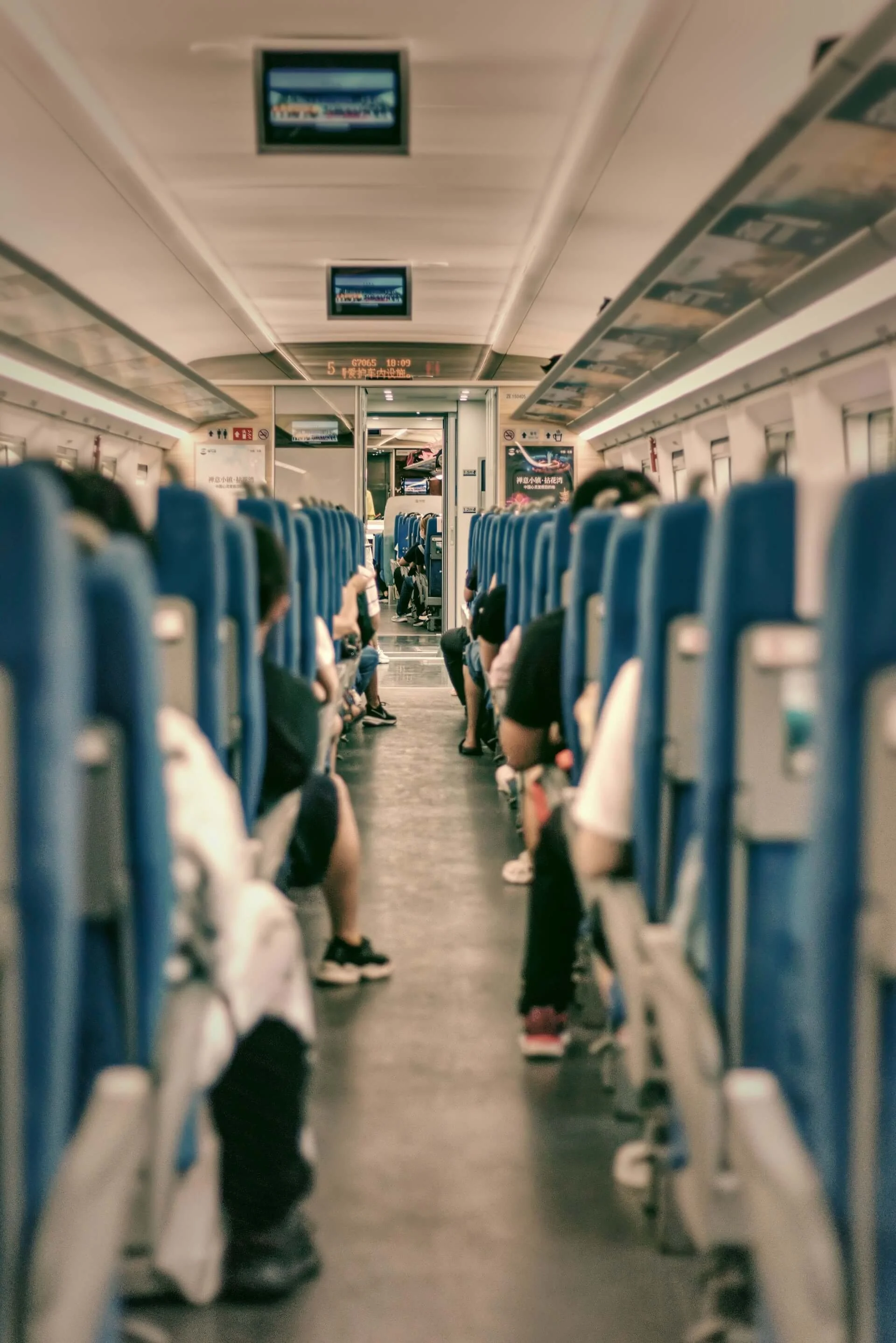
China's train network is a true modern marvel and by far the best way to experience the country's incredible scale and beauty, and a little preparation goes a long way. Just remember to choose the right train for your trip, book your tickets ahead of time with a trusted agency to skip the stress, get to the station early, and always have your passport handy. So there you go, you’re all set! Navigating train travel in China might seem daunting at first, but once you’ve done it once and you’re zipping your way through the countryside, it will be one of the most unforgettable parts of your adventure.
Frequently Asked Questions
-
You can typically book train tickets in China just 15 days before your travel date. This short window is why it's a good idea to use an agency like Trip.com, which lets you place an order in advance so they can secure the tickets for you as soon as they're released.
-
The most straightforward way for international travelers is to use an English-language online travel agency like Trip.com. They accept international credit cards and handle the booking process for a small fee, which saves you from navigating the official Chinese railway website that has verification and payment hurdles for foreigners.
-
No, you don't. China's railway system uses e-tickets, which means your passport is your ticket. You simply scan your passport at the automated gates to board the train. If the scanner has trouble reading it, there's always a manual check-in lane where staff can help.
-
On high-speed trains (G/D/C), you have Second Class (standard), First Class (more legroom), and Business Class (luxury reclining seats). On slower, overnight trains, you can choose between a Hard Sleeper (open bay of six bunks) and a Soft Sleeper (a more private, lockable four-bunk compartment).
-
You should arrive at least 60 to 90 minutes before your train's departure time. Chinese train stations are large and operate like airports, with security checks (passport and luggage scanning) that you must clear before entering the main departure hall.
-
Not necessarily. While high-speed trains (G, D, and C-types) are perfect for quickly connecting major cities, the slower, conventional trains (Z, T, and K-types) are excellent for long-distance overnight journeys. They can save you the cost of a night's accommodation and offer a different kind of travel experience.