
Last updated November 2026
Everyone knows what a hotel in Japan looks like. It's the same as a hotel anywhere else (although most of the time it is much smaller). What most people miss is everything else: the traditional Japanese inns, the family-run guesthouses, the Alpine-style pensions, the sprawling hot spring resorts. These are where you get the best local food and real cultural experiences, and once you know what you're looking for, none of them are hard to book.
We're skipping hotels here. This is a guide to four types of accommodation you'll find all over Japan: ryokan, minshuku, pension, and onsen hotel. We've stayed in dozens of ryokan, minshuku and onsen hotels across Japan, and a handful of pensions, and they're some of the better accommodation experiences you can find in Japan. In this guide, we'll explain what each one actually is, what type of bed to expect, what the toilet and bathroom situation looks like, how you actually book the ones that don't show up on the usual sites, and most importantly, what you can expect to eat.
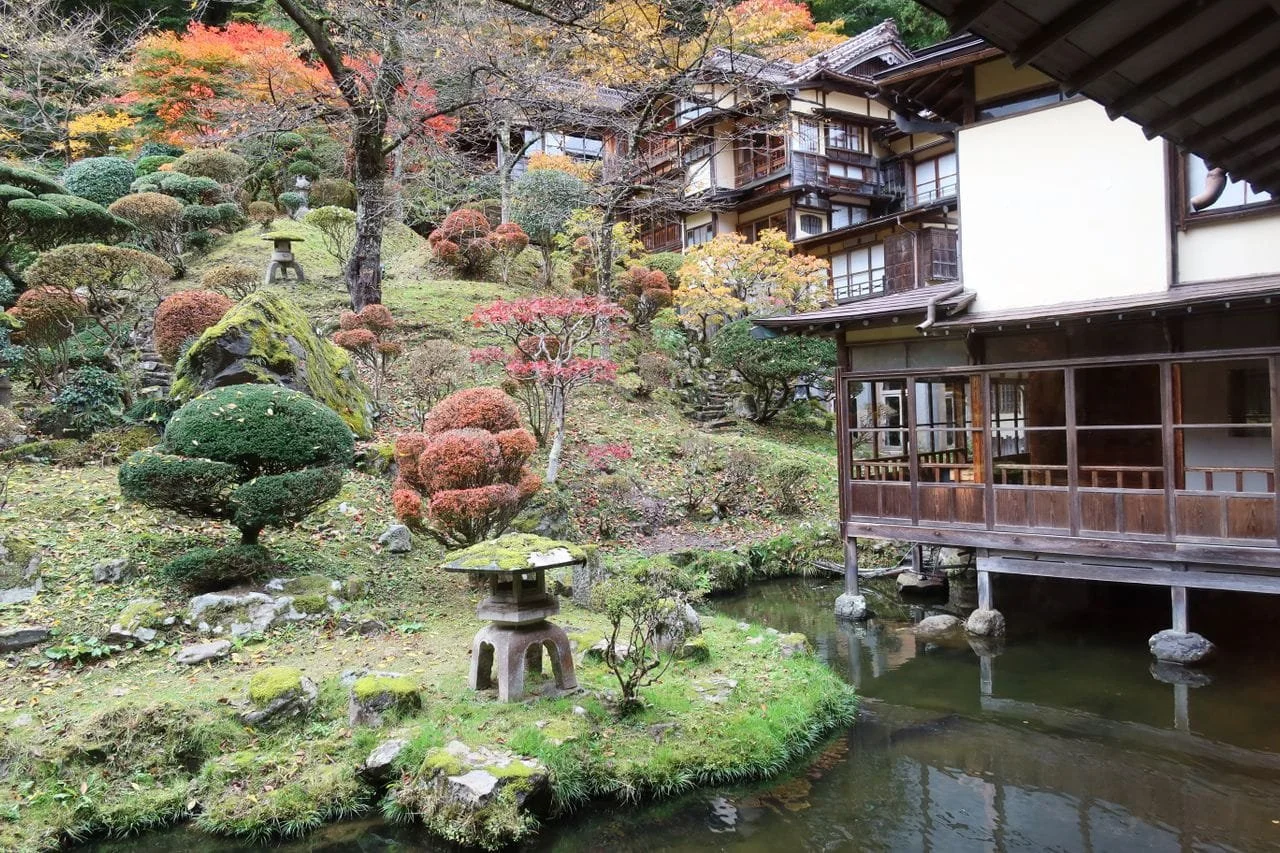
Ryokan, minshuku, pension and onsen hotel at a glance
| Compared | Ryokan | Minshuku | Pension | Onsen hotel |
|---|---|---|---|---|
| Rooms and bedding | Tatami floors, with staff laying out the futon. Some rooms have beds, usually twins | Tatami floors, and you often set out your own futon | Western-style rooms with beds | Japanese-style, Western-style or a hybrid of both |
| Bathroom | Private toilet and sink in most rooms, shared baths, and some rooms with a private bath | Shared toilets and baths | Mixed, with some rooms having their own bath and toilet and others sharing | Room toilet and usually a private shower, plus large communal onsen baths |
| Food | Kaiseki dinner and breakfast, usually included | Home-cooked local meals, normally included | Western-leaning home cooking, normally included | Kaiseki-style dinner or a buffet, or a mix of both |
| How to book | Well-known ones on booking sites, smaller ones by phone or email in Japanese | Almost always by phone or email in Japanese | Often by phone or email in Japanese, found through Google Maps | The easiest of the four, on most booking sites |
| Cost per person per night with two meals | ¥15,000 to ¥40,000 | ¥5,000 to ¥10,000 | ¥7,000 to ¥15,000 | Varies widely with meal grade, room type and season |
Ryokan
What is a ryokan?
The traditional Japanese inn (旅館, ryokan) is the one most people have heard of, even if they've never stayed in one. Japanese-style rooms, tatami floors, and a style of hospitality built around anticipating what you need before you ask for it.
What are the rooms and bedding like at a ryokan?
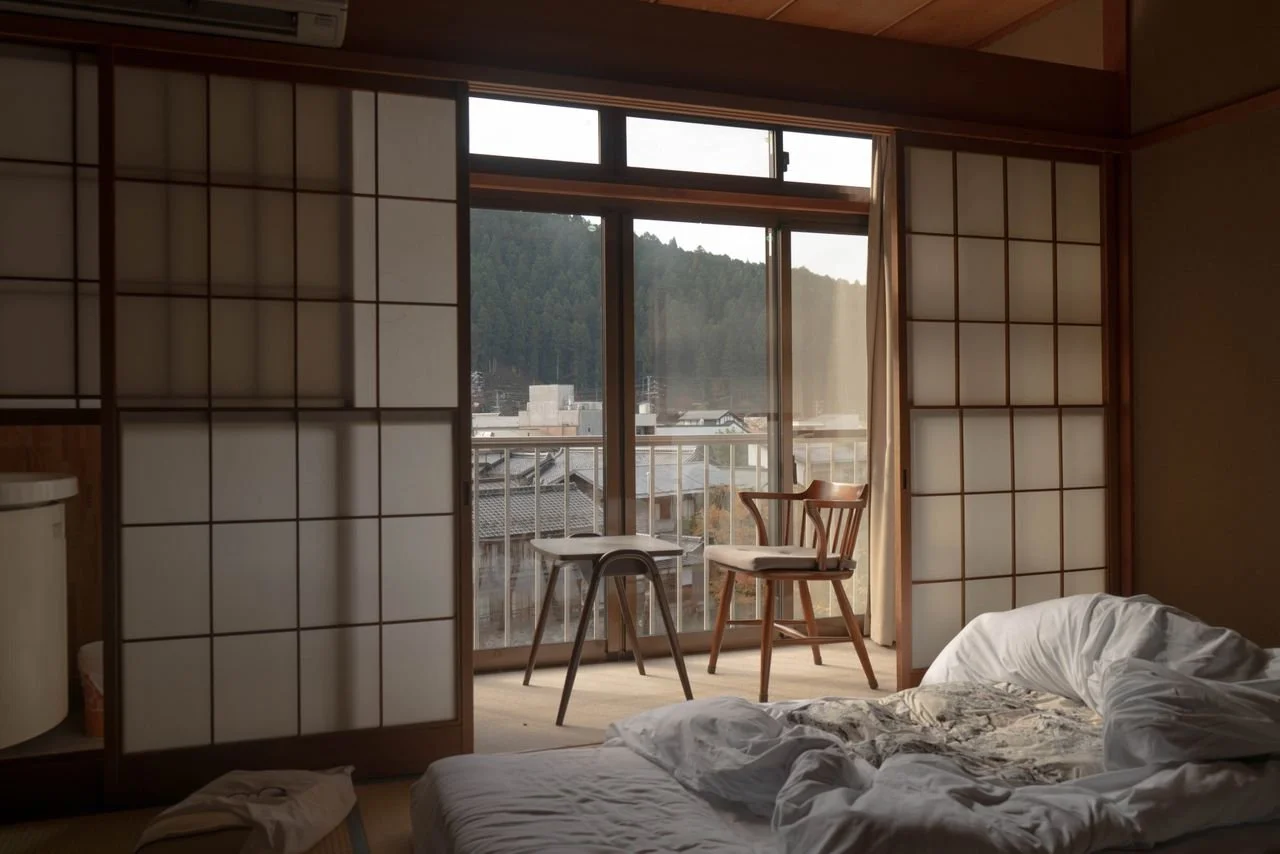
Rooms are usually floored in woven tatami mats, with a low table and cushions during the day. At a traditional ryokan, staff lay out your bedding on the floor while you're at dinner, then put it away again the next morning while you're at breakfast. Expect to be sleeping on a futon on the floor, although if you want a bed you can often find ryokan that also offer a few rooms with beds. It's worth noting that most traditional accommodation in Japan that does offer beds defaults to twin rooms, and you very often won't be able to get a room with one bed to share.
Do ryokan have private bathrooms?
Most ryokan built or renovated in the last couple of decades have a private toilet and sink in the room. Bathing is usually communal though. Large shared baths, sometimes fed by an actual onsen, are the default. Some room types may have a private bath in the room, but they're often limited. Depending on the ryokan, you may share the bath with other guests, while at others you get exclusive use of it for as long as you're in there.
What food do you get at a ryokan?
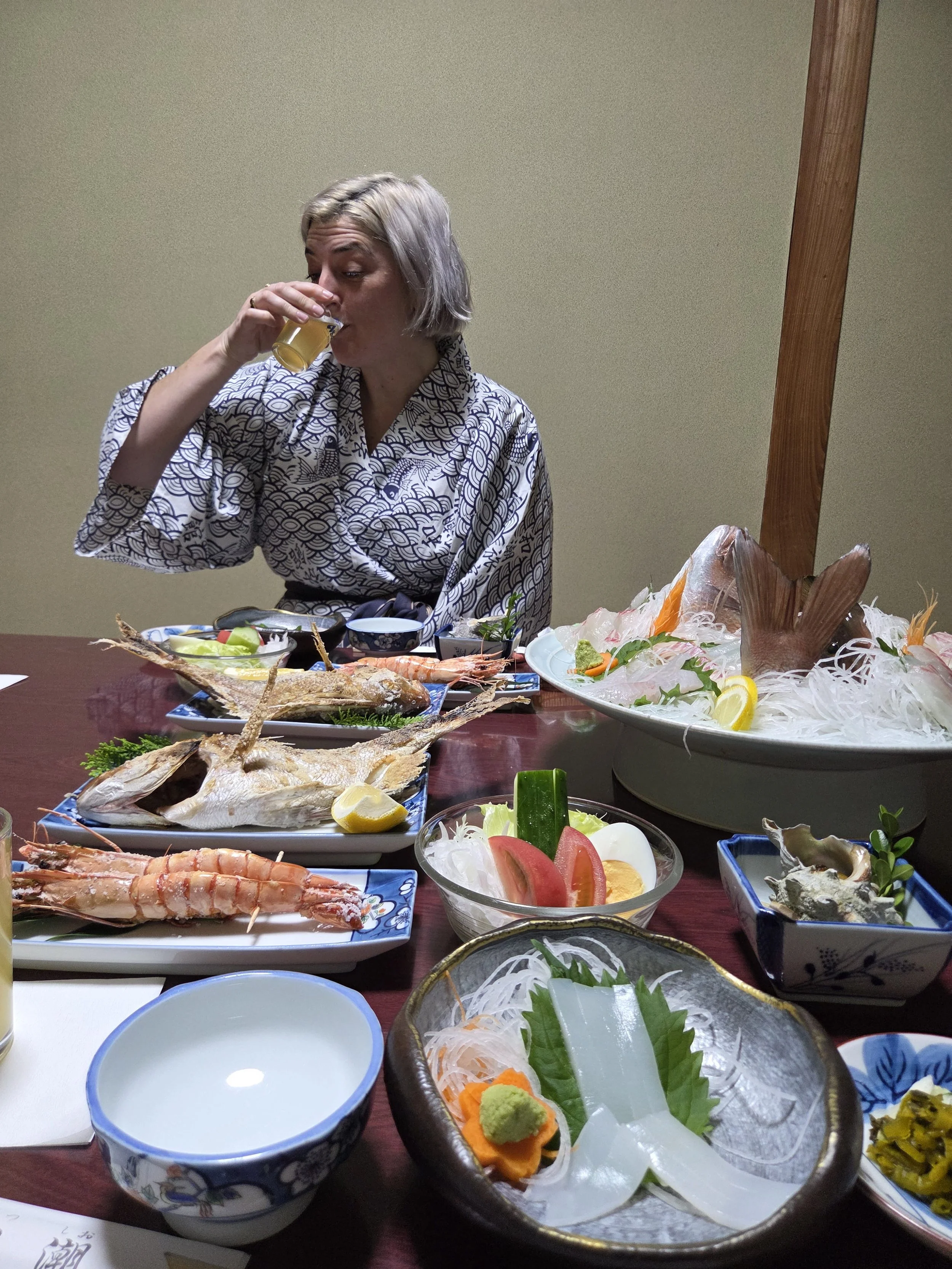
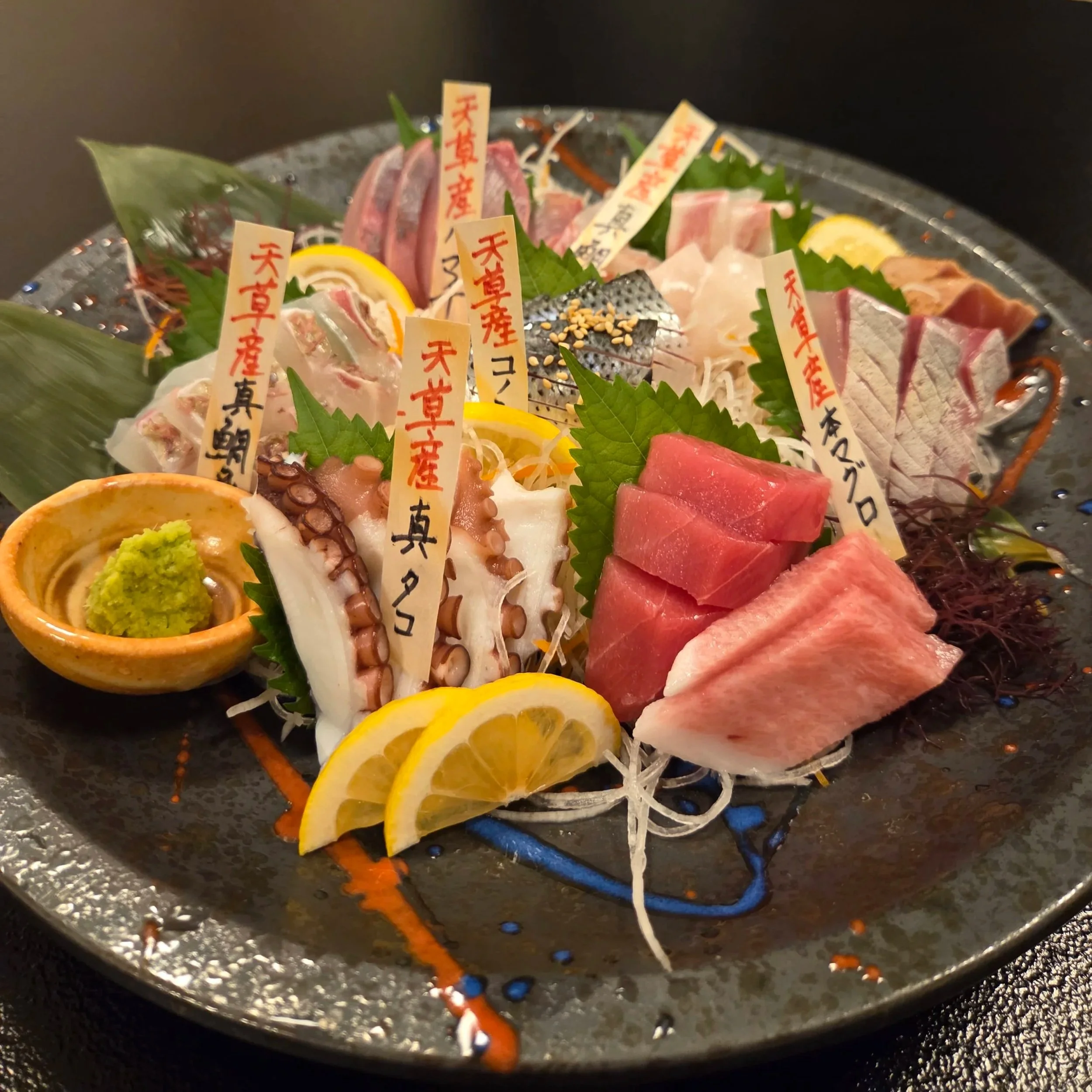
Dinner at a ryokan is usually included, and it's most often kaiseki. Kaiseki is a multi-course meal of small dishes served one at a time, with the menu chosen by the kitchen, similar to Japan's version of a fine-dining degustation. It follows the season and the local area, from winter snow crab on the Japan Sea coast to river fish and mountain vegetables inland. It's often served in your room or a private dining space, and breakfast is typically included as well.
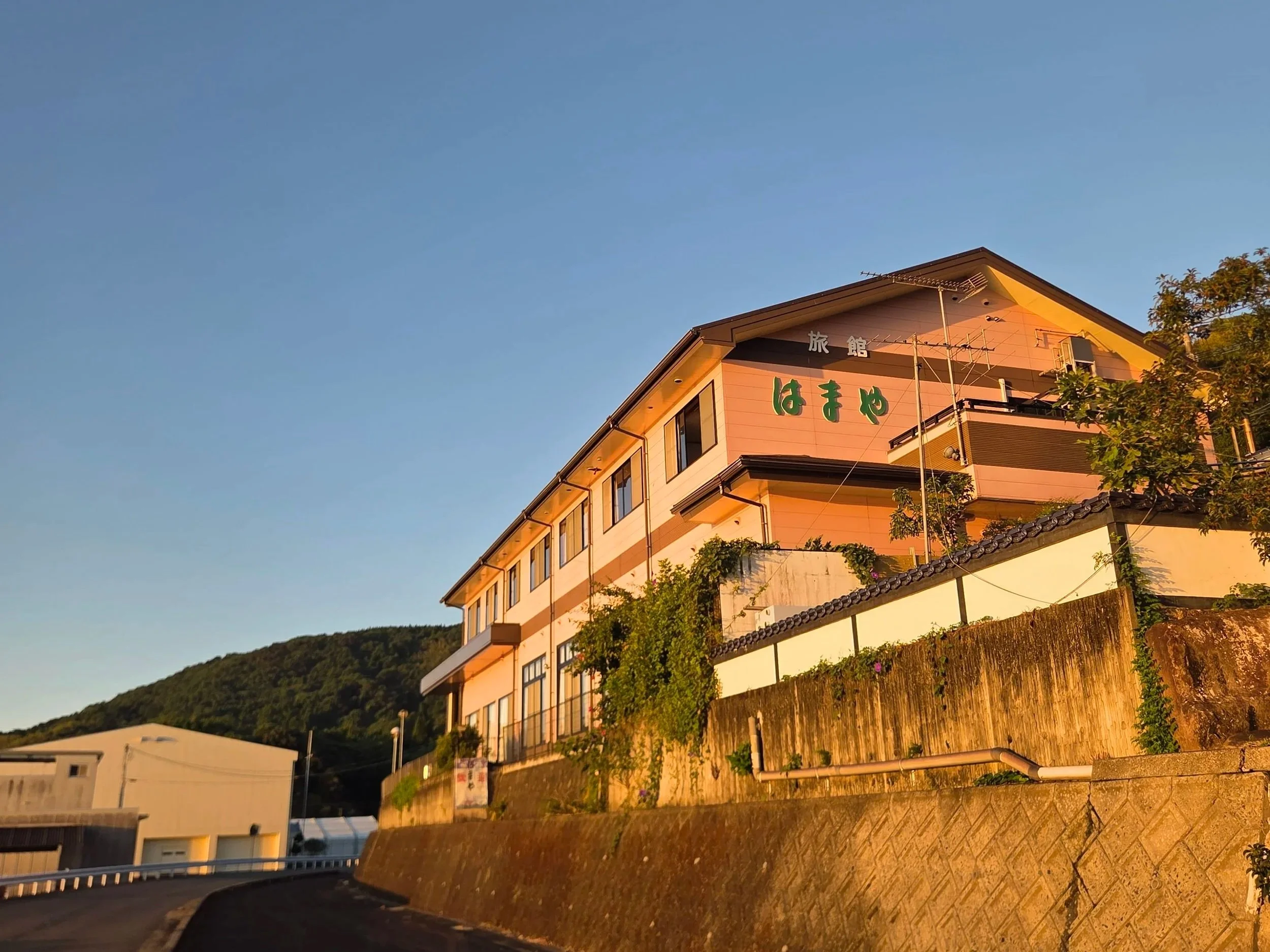
My favourite ryokan is Hamaya, on the Amakusa islands, in a tuna fishing town called Shinwa. Every course on the menu had bluefin tuna in some form, and we were served the most generous sashimi platter I've ever seen, then stayed in a room that looked directly out at the ocean. Incredible food, incredible sunsets, incredible sunrises. It doesn't get much better.
How do you book a ryokan?
Well-known ryokan show up on Rakuten Travel, Jalan, booking.com, Agoda and other standard booking sites. Smaller, more traditional ones often don't. Phone calls or emails in Japanese are common, and you'll frequently find them by searching Google Maps rather than any booking platform.
How much does a ryokan cost?
Somewhere from ¥15,000 to ¥40,000 per person per night with two meals included, depending on location, season, and the meal you choose.
Minshuku
What is a minshuku?
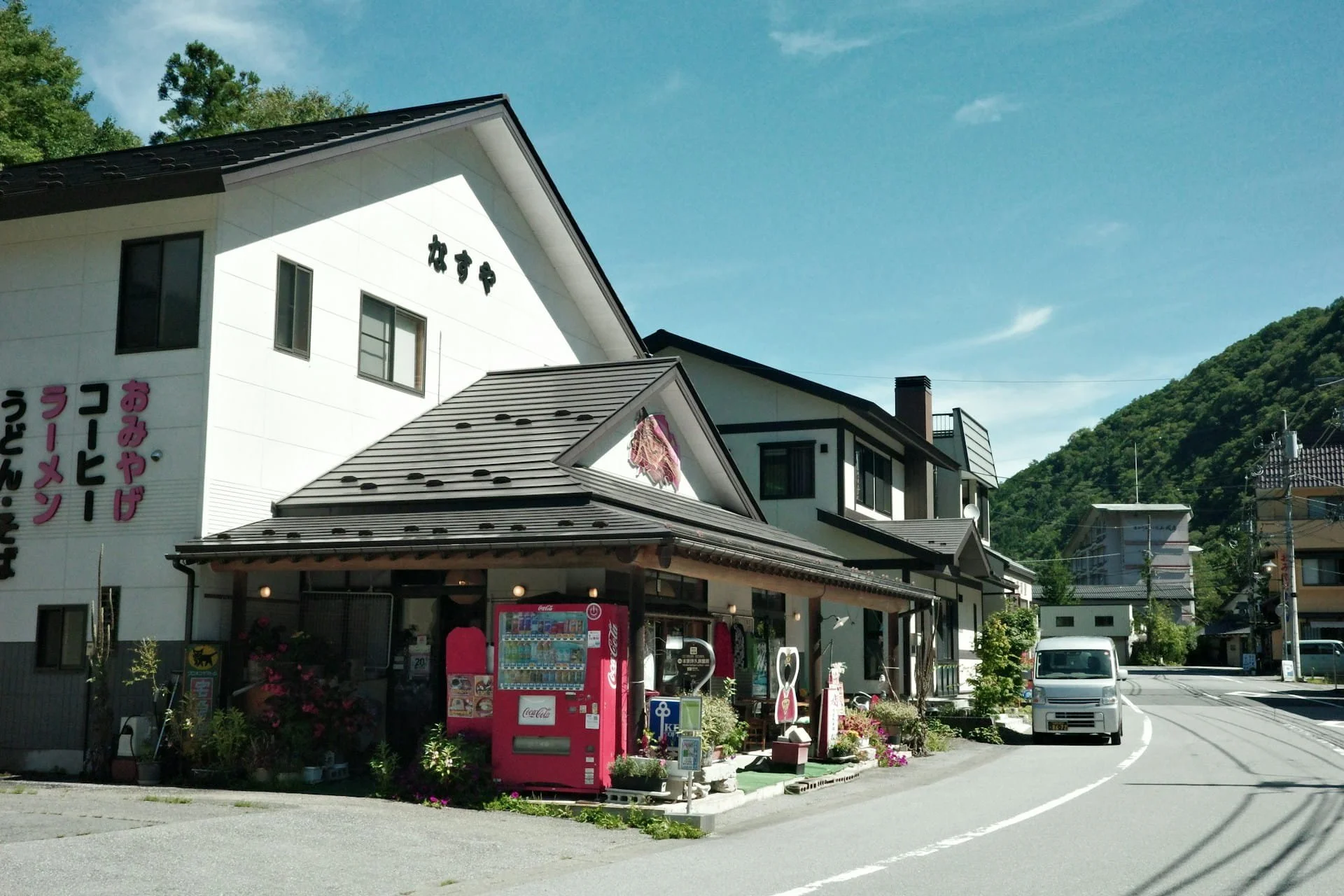
A minshuku (民宿) is closer to staying in someone's actual home than anything else on this list. Family-run, informal, and usually found in small towns rather than cities, because that's exactly where the format comes from: local families opening a spare room to travellers.
What are the rooms and bedding like at a minshuku?
Japanese-style, tatami floors, futon bedding. Don't expect the same choreography as a ryokan though. Minshuku are far more casual, and you'll often be left to sort out your futon yourself.
Are minshuku bathrooms shared?
Shared is the norm. Toilet and bath facilities are usually communal, sometimes literally the same ones the family uses.
What food do you get at a minshuku?
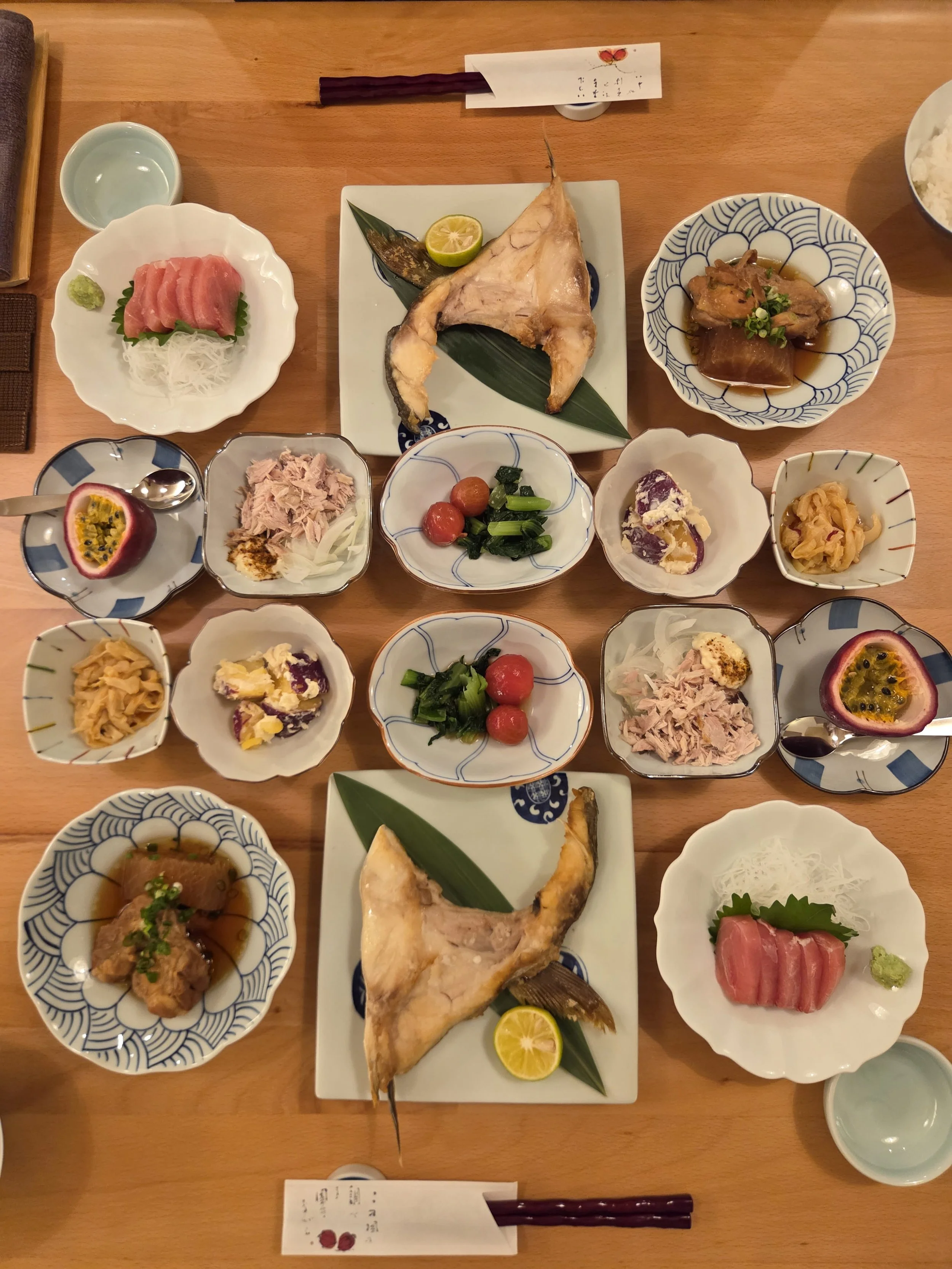
The food is the main reason to stay in a minshuku, and like a ryokan they're normally included. Meals are homemade, local, and can genuinely be some of the best food you'll eat on a trip. It's simple home cooking, focused on whatever is good and in season nearby, rather than something built for tourists. You'll usually get a main with multiple small side dishes. The trade-off: some minshuku cook dinner ahead of time and leave it on the table for whatever time you said you would arrive (or maybe whenever they feel like it), which means it can turn up lukewarm if you're not back exactly on schedule. One time at Tabibito no Yado Nakone in the Iya Valley, we showed up to cold fried eggs at breakfast every morning. Not ideal, but that was the price of sleeping past 6:30, and it was made for us by the owner's elderly mother, who was probably in her 80s, so we were happy to be eating what she cooked.
How do you book a minshuku?
Almost always a phone call or email, and almost always in Japanese. Even if they have a website you can book on, expect it to be in Japanese. Look on Google Maps rather than any booking site, since plenty of minshuku don't have a website at all.
How much does a minshuku cost?
Cheap. Often ¥5,000 to ¥10,000 per person per night with two meals.
Why stay in a minshuku?
If you actually want to get away from crowds and see a quieter, slower side of rural Japan, a minshuku is probably what unlocks it. This is what's sitting in the small towns when the tour buses aren't. Less comfortable, less private, sometimes a cold plate of grilled fish. But you're staying in someone's home, and that's the whole point.
Pension
What is a pension in Japan?
A pension (ペンション, penshon) is the Western-style cousin of the minshuku. Same small, personal, owner-run setup, but modelled on the European pension or B&B, which is where the name comes from. You'll find clusters of them in ski towns, highland resorts, and beach areas.
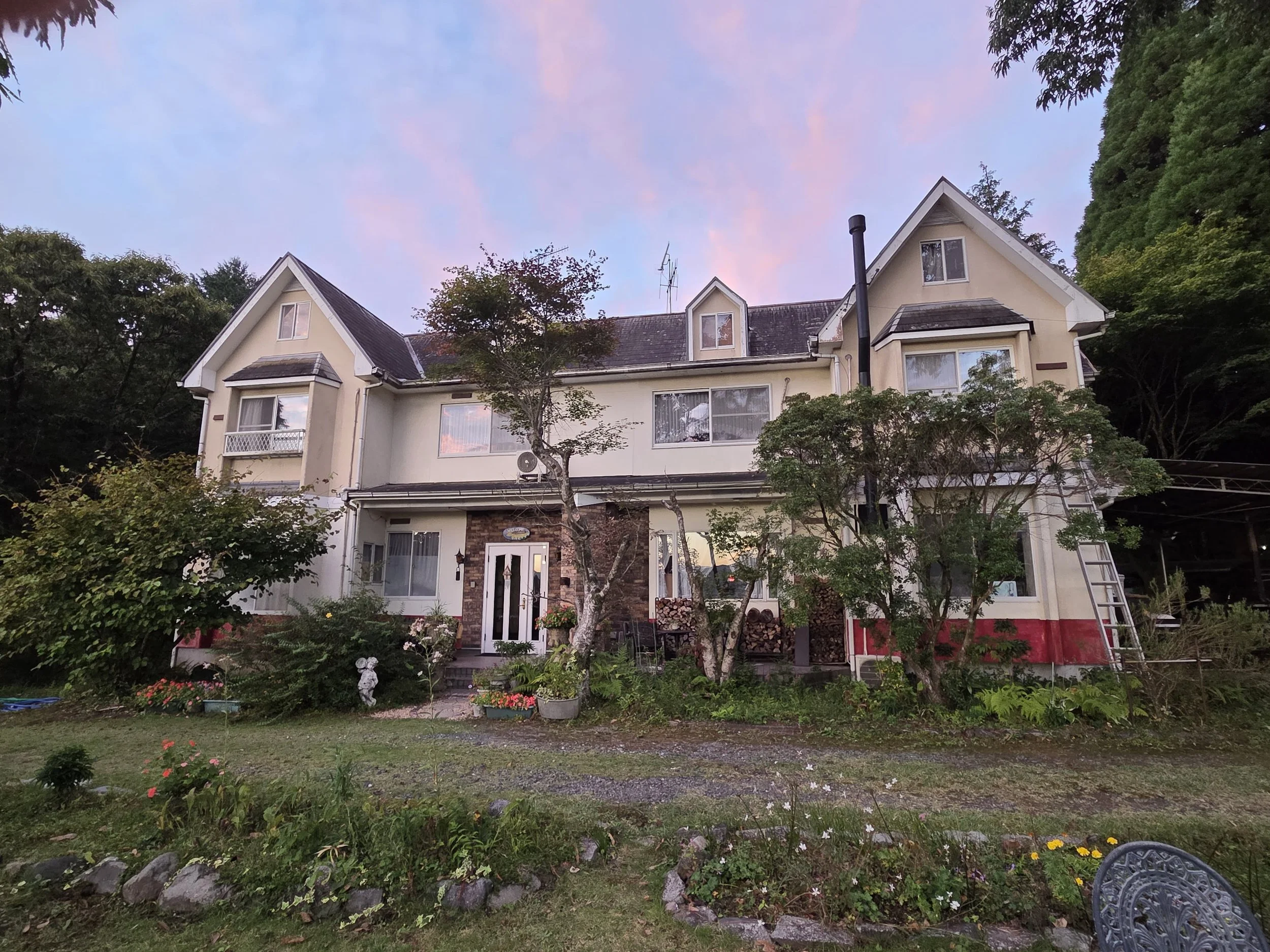
What are the rooms and bedding like at a pension?
Western-style rooms with actual beds rather than futon on tatami. No overnight bed-making ritual here, it's set up like a regular hotel room from the start.
Do pensions have private bathrooms?
Mixed. Some pension rooms have their own bath and toilet, but plenty don't, particularly older or smaller ones, in which case it's shared, much like the minshuku.
What food do you get at a pension?
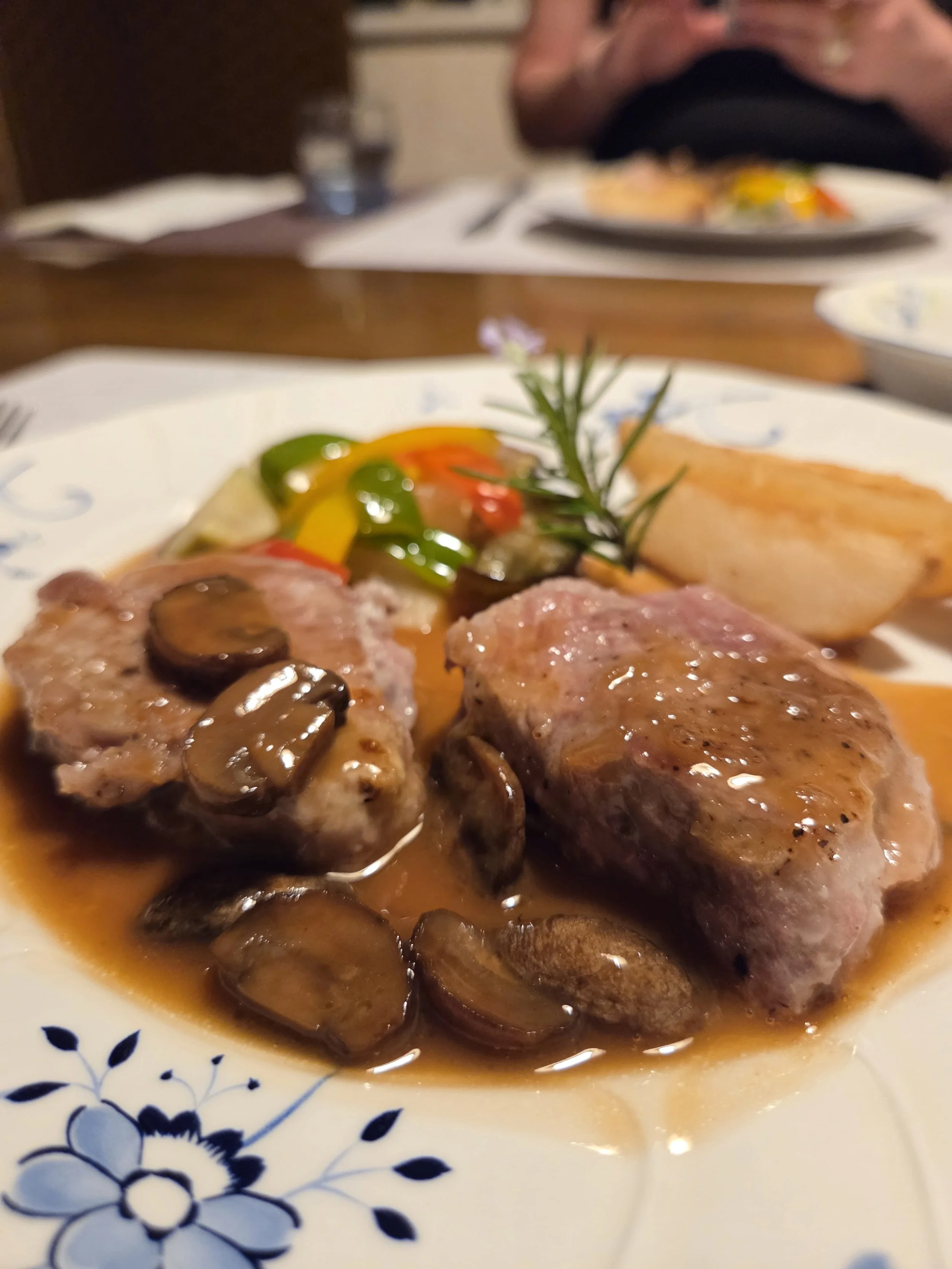
Similar to a minshuku, meals will be included and the food is home-cooked by the family. The difference is that it's usually Western-leaning: home-style pasta, stews, or a set course built around the owner's own specialty, rather than Japanese cuisine. It's often a multi-course format, with salad, soup, main and dessert. A lot of pension owners also cook with local, seasonal ingredients, so you're still getting a sense of place on the plate, and the same homely, staying-with-a-family feeling as a minshuku. At Pension Luminous on Mount Aso in Kumamoto, every night's dinner was built around local akaushi beef, as a beef roll one night and steak with mushroom sauce the next, rather than the sukiyaki you'd expect from a Japanese-style inn.
How do you book a pension?
Similar story to minshuku: plenty are too small to bother with a listing on a travel site, so a phone call or email in Japanese, and a Google Maps pin, is often how you'll actually find and book one.
How much does a pension cost?
Comparable to minshuku, sometimes a touch higher. Roughly ¥7,000 to ¥15,000 per person per night with two meals.
Onsen hotel
What is an onsen hotel?
This is the one built around the bath. A hot spring hotel (温泉ホテル, onsen hoteru) is closer to ryokan territory, but it's usually high-end, and the entire experience is centred on the onsen itself.

What are the rooms and bedding like at an onsen hotel?
Varies more than any other type on this list: pure Japanese-style with futon, Western-style with beds, or a hybrid room with both. Larger onsen hotels tend to offer a mix so you can choose. What you still won't find, though, is a room with one bed for sharing. Always expect two beds.
What are the bathrooms like at an onsen hotel?
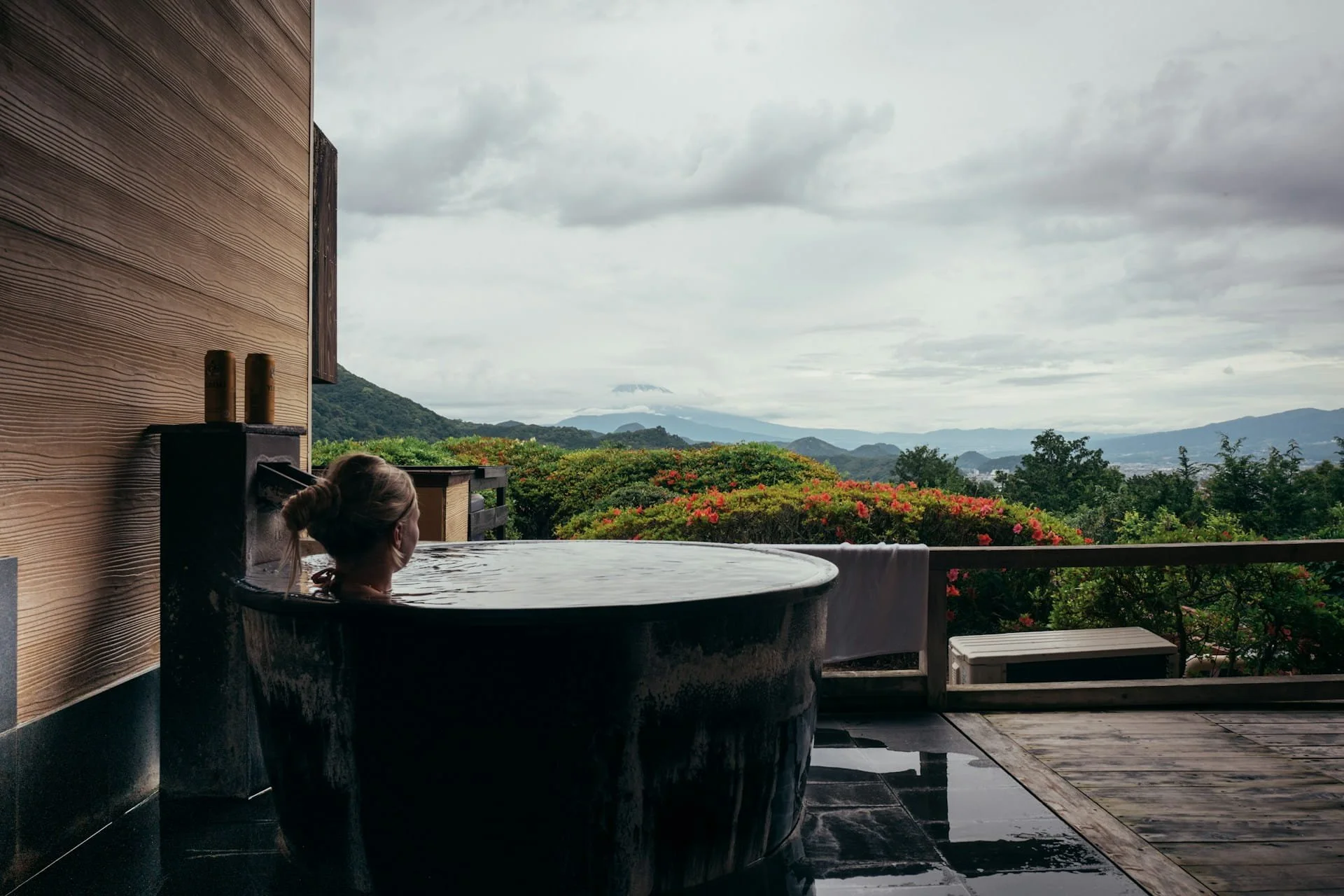
Toilets in the room are standard, and a private shower is usually included as well. To be honest, though, when I'm staying in an onsen hotel I never use the private shower because the real draw is the shared bathing in the onsen. Onsen hotels have indoor and outdoor communal baths, sometimes several different ones with different water or views, usually free to use as many times as you like during your stay. Some even have private onsen baths in the rooms if you want to splurge. Dogo Miyu in Dogo Onsen is on the modern end of the spectrum, and it's absolutely beautiful. Every room has its own private bath on the balcony, with sweeping views over the city and Matsuyama Castle.
If you haven't bathed in a Japanese hot spring before, our How to Onsen guide covers how it all works.
What food do you get at an onsen hotel?
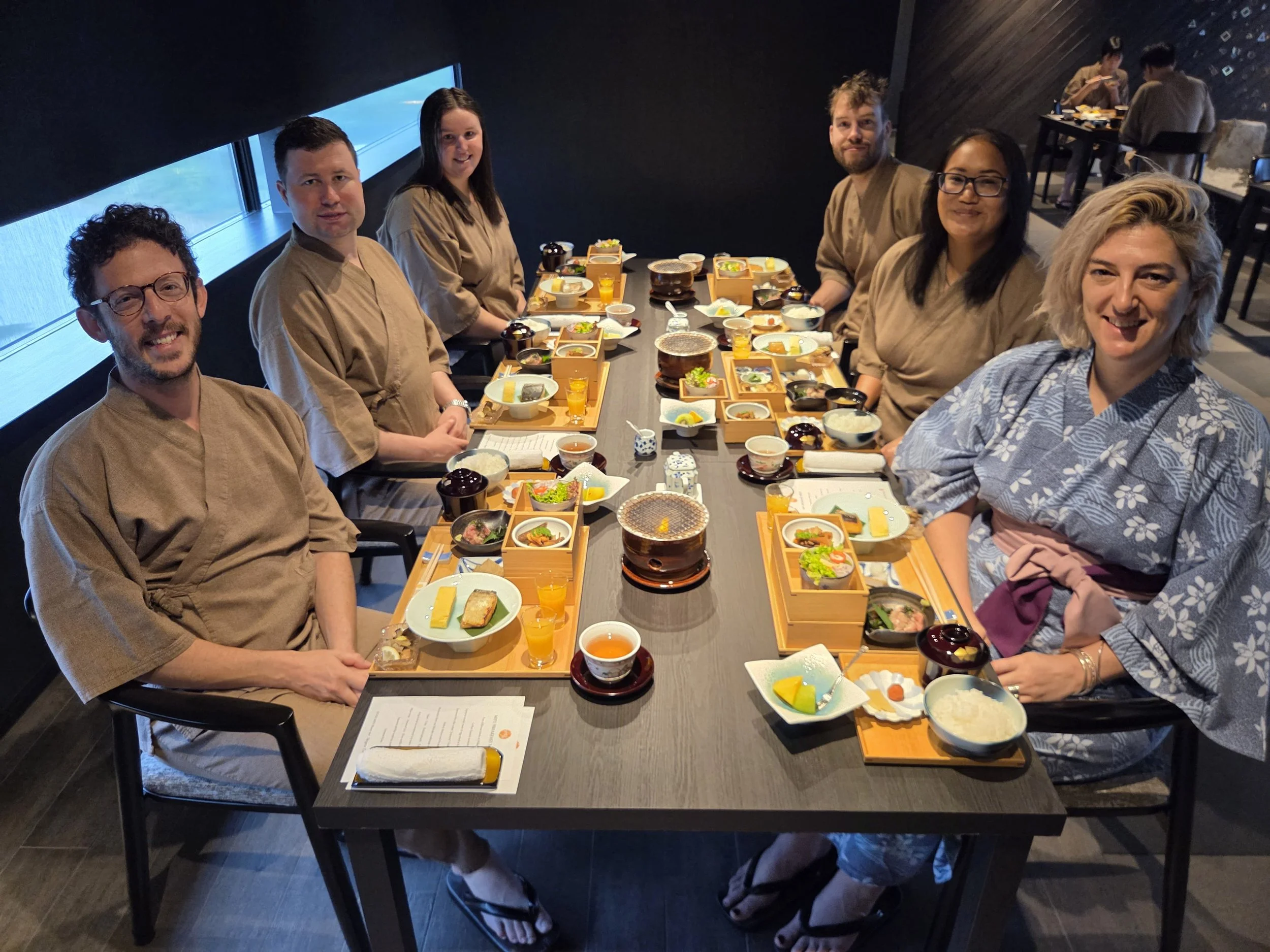
Kaiseki-style multi-course dinners are common, similar to ryokan, though bigger onsen hotels sometimes run a buffet instead, or you may get a mix of buffet for sides with a fresh-cooked local specialty as the main.
How do you book an onsen hotel?
The easiest of the four to book online. Most show up on the major Japanese and international booking platforms.
Why are onsen hotel prices so different?
This is where onsen hotel pricing gets genuinely confusing. You'll look at two rooms that seem identical, two meals included, similar-looking room, and see a ¥15,000 gap between them. It usually comes down to one or more of:
Meal grade: a standard course versus one built around a local specialty like crab, wagyu, or a seasonal delicacy
Room type: a standard room versus one with its own private open-air bath, a better view, or extra space
Extras: a small gift, a private bathing session, a welcome drink, something bundled into the plan
Timing: weekends, holidays, and peak season push prices up regardless of what's included
Read the plan description properly before booking. The price difference is rarely random, it's almost always one of those four things. For the most detail and the best price, book directly through the hotel.
Travelling solo or in a big group?
Two things worth knowing before you book anything on this list.
Solo travellers can run into trouble at more upscale ryokan and onsen hotels, particularly on weekends and public holidays. Some simply won't take a booking for one person during peak times, and require a minimum of two guests. It comes down to how these places price themselves: rooms and meals are often costed per person, so a lone guest in a room built for two earns less on a night the property could otherwise fill twice over. Even if you offer to pay for two people, they often still won't take you. Minshuku and pension are generally easier for solo travel, since they're smaller, more personal operations to begin with.
Bigger groups have an advantage with any Japanese-style tatami room. Because the setup is just floor space plus futon rather than a fixed number of beds, the same room can often sleep three, four, or even eight people simply by adding more futon. If you're travelling as a family or a group of friends, ask directly about larger tatami rooms. It's often cheaper, and more fun, than splitting into separate rooms.
Before you hit confirm
Most of the hiccups at a small Japanese inn come down to timing and a few details nobody mentions at the booking stage. All of it is easy to sort out in advance, and much harder at the front desk.
What time do you need to arrive?
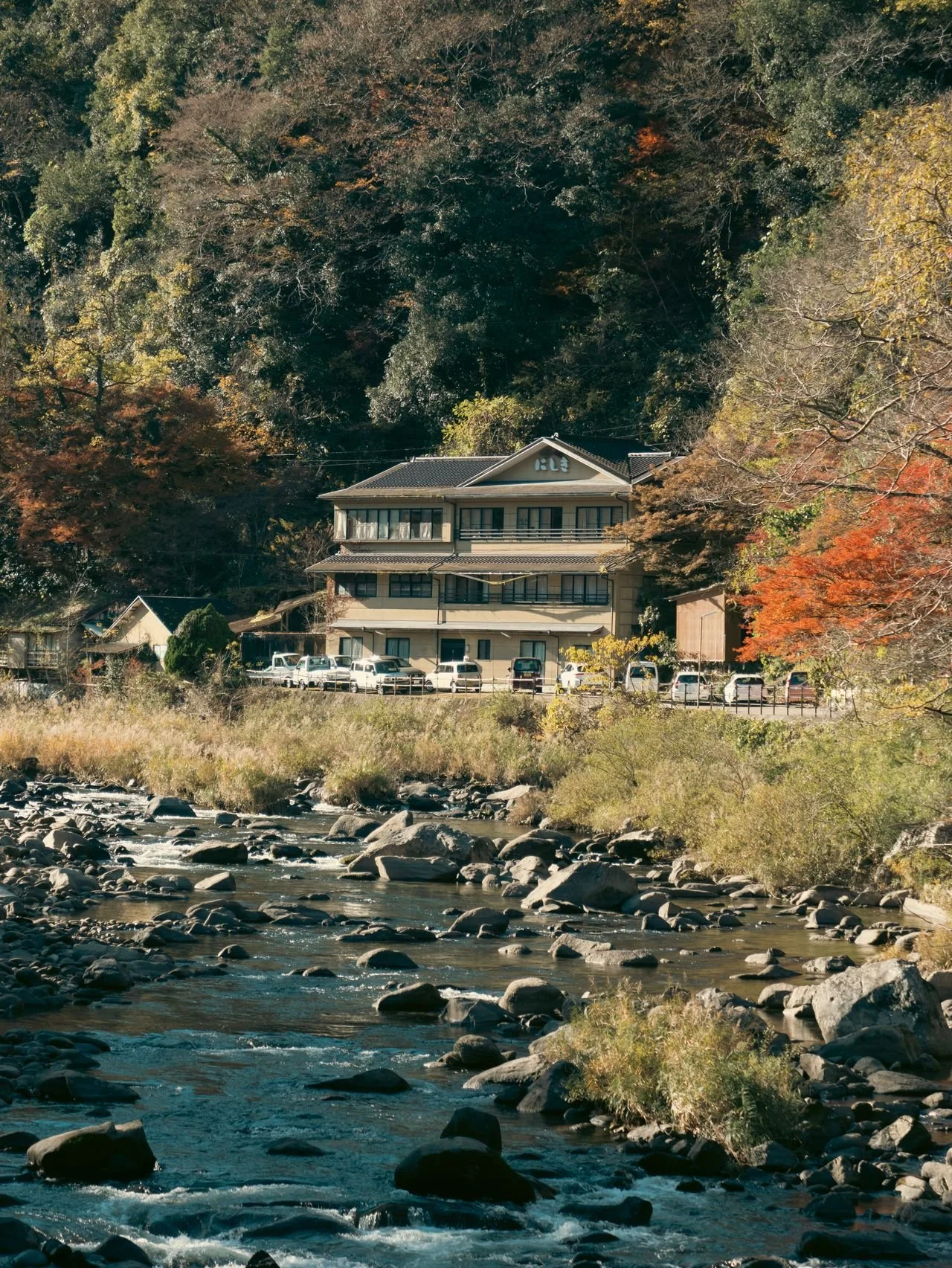
Smaller places don't have 24-hour check-in. They usually have a fixed window, often opening at 3 or 4pm and closing somewhere between 7 and 9pm, so find out the latest check-in time before you book. Dinner is the other thing that sets the schedule, because the kitchen works to a timetable and some places start serving at 6pm. We wouldn't arrive after 5:30pm. Turn up later than that and you may not get a say in your dinner time, eating whenever they still have room. Arrive after 6pm and the odds of missing dinner altogether climb with every minute.
If you're running late, call from wherever you are. The call can be short:
本日予約している(name)です。到着が7時ごろになりそうです。
Honjitsu yoyaku shite iru (name) desu. Tōchaku ga shichiji goro ni narisō desu.
"I'm booked tonight under (name), and I'll arrive around seven."
That covers everything they need to know. In rural areas, also check the last bus time and whether the inn runs a shuttle that needs reserving if you aren't driving yourself. Check-out is almost always 10am.
Is there a curfew?
Some minshuku and small inns lock the front door at a set time. Ask when you book, especially if you're planning an evening out, so you're not standing outside a dark house in a small town.
How do cancellations work?
Many places let you cancel for a full refund up to a week before, and some stay free right up until the day before. In our experience Japan is generous here. A no-show is the exception and is normally charged at 100 per cent, and a late arrival with no phone call can be treated as one, which is another reason to ring ahead. Discounted and prepaid plans tend to be stricter, so read the cancellation terms on the plan itself before you pay.
What's in the meal plan?
Usually dinner and breakfast, with the menu set by the rate you choose. The booking page will usually show a sample menu for the tier you're looking at, so you can see exactly what the higher price gets you. If you're staying somewhere remote, the plan with two meals (一泊二食, ippaku nishoku) is usually the sensible choice, since a room-only rate in a village with one shop that closes at 5pm can mean no dinner at all. At most of these places it's also the reason you're there. Try to confirm the meal times when you book. Having said that, most also offer rates with breakfast only or no meals.
What do you tell them about food if you have dietary requirements?
Kaiseki is planned and prepped days ahead, so dietary needs go in at booking or in advance via phone call or email, not at the table. Most places can handle vegetarian, no pork, or common allergies with notice, and 48 hours is the usual minimum. Strict vegan or serious allergies deserve a direct conversation, because some small kitchens can't safely adapt a menu and will tell you so. A short note written in Japanese helps a lot.
What if you have tattoos, or don't love bathing naked with strangers?
Many ryokan and onsen hotels still don't allow tattoos in the shared baths, though plenty now do, and small tattoos can often be covered with a bandage or patch. For anything bigger, look for a private bath. Some rooms have one of their own, and many places have a kashikiri onsen (貸切風呂), a private bath you rent for a fixed slot, usually 45 minutes to an hour, for a set fee. Some plans include a slot in the room price.
A private bath also takes care of any discomfort with nudity, since you don't have to be with any strangers, and you can even wear a swimsuit. It's a great way to soak together if you're travelling with friends and want to go in as a group, which the gender-separated shared baths don't allow. Ask before booking, because the changing room door is an awkward place to find out.
Do you need cash?
Often, yes. Smaller ryokan, pension and minshuku are regularly cash only at check-out, and even when a booking site took your card, extras like drinks or a private bath fee may need yen. Withdraw in the last big town before you head somewhere rural.
Are there extra taxes to pay on arrival?
Usually, and they're rarely included in the price you booked, even if you paid in advance. Hot spring areas charge a bathing tax (入湯税, nyuto-zei), commonly ¥150 per person per day, which the inn collects at check-in or check-out. Some cities also add an accommodation tax, which varies by city, and plenty of places have none. Tokyo currently charges ¥100 per person per night for rooms from ¥10,000 and ¥200 per person per night from ¥15,000, with nothing under ¥10,000. From April 2027 that changes to 3% of the room charge, with rooms under ¥13,000 per person per night exempt, according to the Tokyo Bureau of Taxation. Look up the city you're staying in and keep a little cash for it.
How far ahead should you book?
Several months ahead for autumn foliage and cherry blossom season, when popular ryokan fill up. Tiny minshuku and pensions have a handful of rooms, so they can sell out even when the surrounding area looks quiet. The earlier you can book, the more likely you are to get the room type you want in the location you need. Many inns only open their calendars about six months out, and some open even closer to the booking date. If dates further out all show as unavailable for an entire month while closer ones are open, they may simply not have been released yet, so check back regularly or contact the inn directly by phone or email.
A few less common types of places to stay
The four above are the general categories. These are rarer, and closer to specific experiences than a place to sleep, but worth knowing about if you come across one.
Shukubo (宿坊): temple lodging, sleeping on temple grounds, shared bathroom, and vegetarian Buddhist cuisine (shojin ryori). Some let you join morning prayers.
Kokuminshukusha (国民宿舎): government-established public lodges, usually in national parks or onsen areas, built decades ago so ordinary people could afford a break. Cheap, and often in genuinely beautiful spots.
Kominka farm stays (古民家民宿): staying in a genuine century-old farmhouse, often with actual farm work involved and home-cooked meals from what's grown on the property.
Which one's right for you?
None of these are better than the others, they just get you something different. Want the full ritual and a beautiful kaiseki dinner? Ryokan. Want to disappear into a small town and eat like a local family? Minshuku. Want a European-style bed and breakfast with a fireplace and pasta cooked by the owner? Pension's the one. Want to fall into a hot bath after a long day and not think too hard about anything else? Onsen hotel.
Once you know what you're looking at, none of this is hard to find, whatever version of Japan you're actually chasing.
Frequently asked questions
-
A ryokan is a traditional Japanese inn with tatami rooms, futon bedding laid out by staff, communal baths and a multi-course kaiseki dinner, usually costing ¥15,000 to ¥40,000 per person per night with two meals. A minshuku is a smaller, family-run guesthouse, usually in a small town, with simple tatami rooms, shared toilets and baths, and home-cooked meals, usually costing ¥5,000 to ¥10,000 per person per night with two meals.
-
A pension (ペンション, penshon) is a small, owner-run guesthouse with Western-style rooms and beds, found mainly in ski towns, highland resorts and beach areas. Dinner and breakfast are usually included and lean Western, such as pasta, stews or a set course. Some rooms have their own bath and toilet while others share, and prices are roughly ¥7,000 to ¥15,000 per person per night with two meals.
-
Sometimes. Some upscale ryokan and onsen hotels refuse solo guests on weekends and public holidays and require at least two people, because rooms and meals are priced per person. Minshuku are generally easier for solo travellers, and a growing number of ryokan offer plans designed for one guest.
-
Kaiseki is a multi-course Japanese meal of small dishes served one at a time, with the menu chosen by the kitchen. At a ryokan it follows the season and the local area, and it is usually included in the room price along with breakfast.
-
Most ryokan built or renovated in the last couple of decades have a private toilet and sink in the room, but bathing is usually in large shared baths. Some ryokan room types have a private bath, though these are often limited. Minshuku usually have shared toilets and baths, and onsen hotels have in-room toilets, usually a private shower, and large communal onsen baths.
-
Aim to arrive by 5:30pm at the latest. Check-in usually opens at 3pm or 4pm and closes between 7pm and 9pm, and dinner is often served from 6pm, so a later arrival can mean missing it. If you are running late, phone the property to let them know. Check-out is almost always 10am.
-
Often. Hot spring areas charge a bathing tax (入湯税, nyuto-zei), commonly ¥150 per person per day, which the inn collects at check-in or check-out. Some cities also charge an accommodation tax that varies by city. Tokyo currently charges ¥100 or ¥200 per person per night depending on the room price, and from April 2027 it changes to 3% of the room charge, with rooms under ¥13,000 per person per night exempt.