
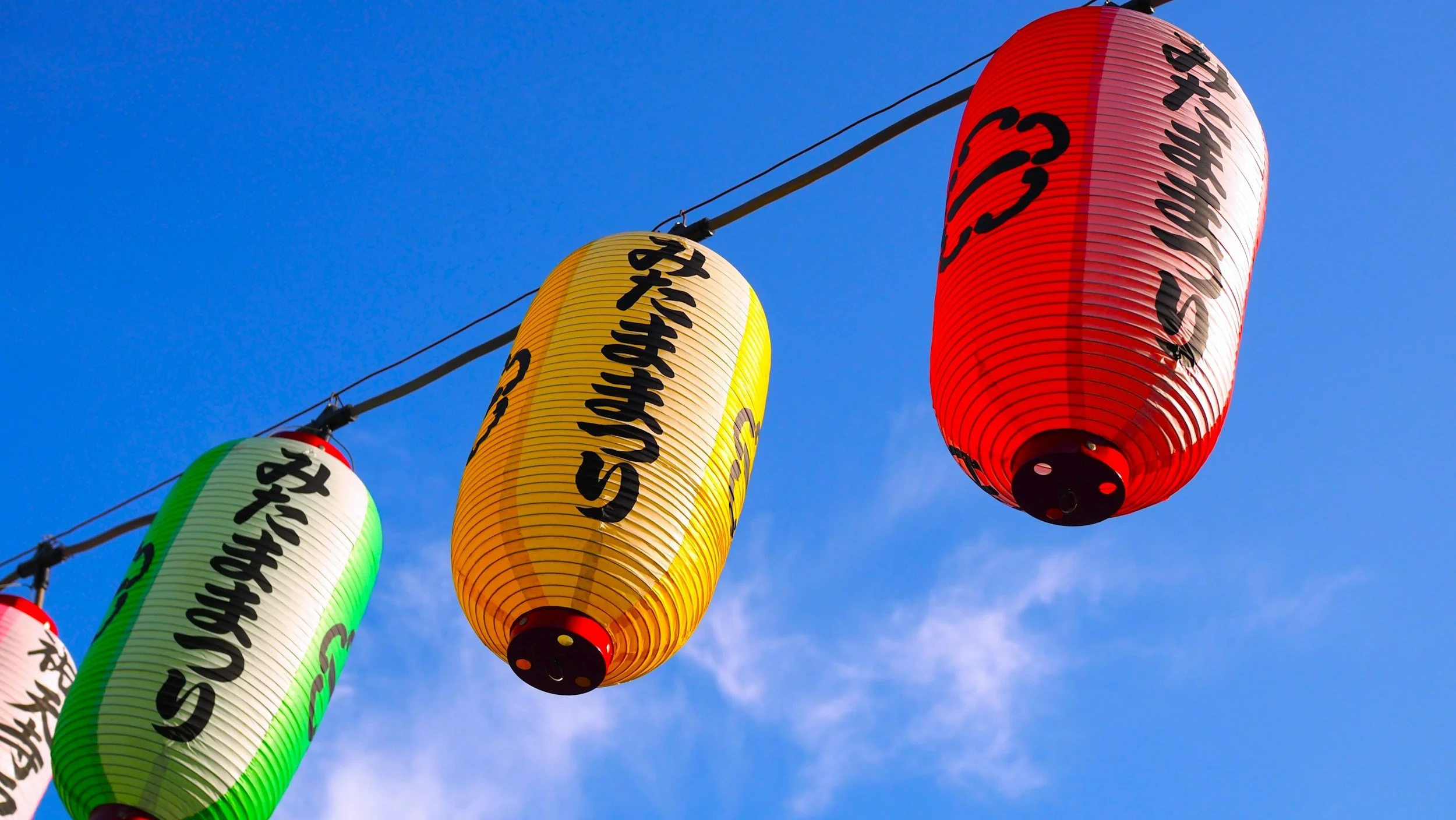
SHIKOKU
TOKUSHIMA & KOCHI
MARCH 2027
Duration
Group Size
March 5 - 17, 2027
12 nights / 13 days
Max 8 guests
Min 4 guests
Starting Point
Ending Point
Nishi-Akashi
Hyogo Prefecture
Takamatsu
Kagawa Prefecture
Train Access
Tokyo: ~3 hours
Kyoto/Osaka: ~30 min
Price
AUD $8,621.24
based on double occupancy
Solo supplement available
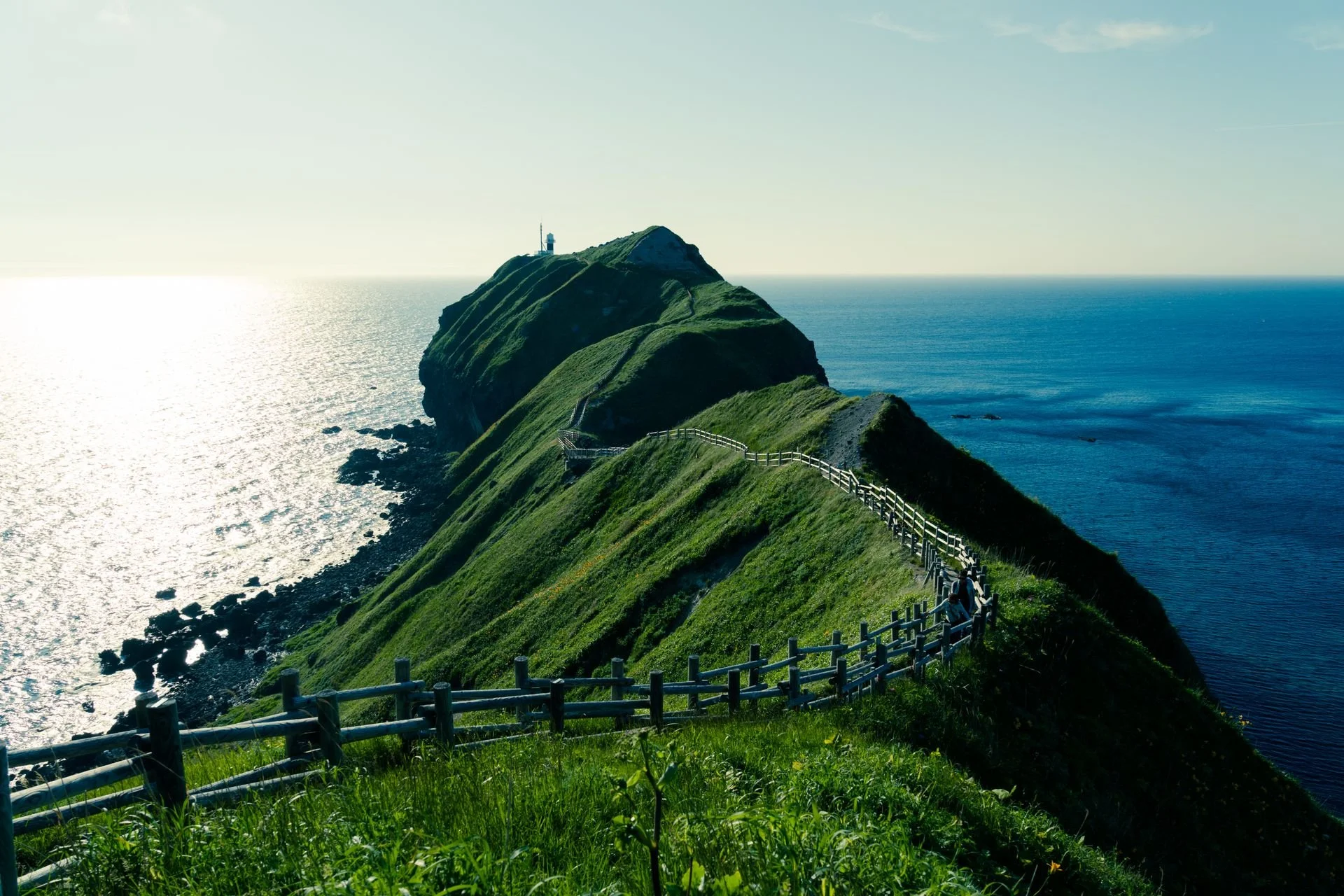
Shikoku is one of Japan's most overlooked regions, despite being its fourth-largest island. It has ancient pilgrimage routes, obsessive regional food cultures, dramatic Pacific coastlines, and traditions that have been running for centuries without much outside interruption. We're going to eat our way through it.
The trip crosses from Awaji Island into Tokushima, where we visit a family-run soy sauce maker and work our way south through fishing towns, sea turtle beaches, and cape shrines on one of Shikoku's wildest stretches of coastline. We stop at Kamikatsu, a mountain town that pioneered one of the world's most ambitious zero-waste systems, before heading to the wild cape at Muroto and then into Kochi city in time for Tosa no Okyaku, a city-wide March festival built around communal feasting and sake. The trip winds down in the Iya Valley, one of the most remote corners of Japan, rich with nature, onsen, and some of the best soba in the country, before we finish in Takamatsu, gateway to the art islands of the Seto Inland Sea.
The tour will be led by Michael, who has been travelling and eating his way through Japan since 2007, including time living there, and speaks Japanese.
DAY BY DAY ITINERARY
DAY 1 - MARCH 5
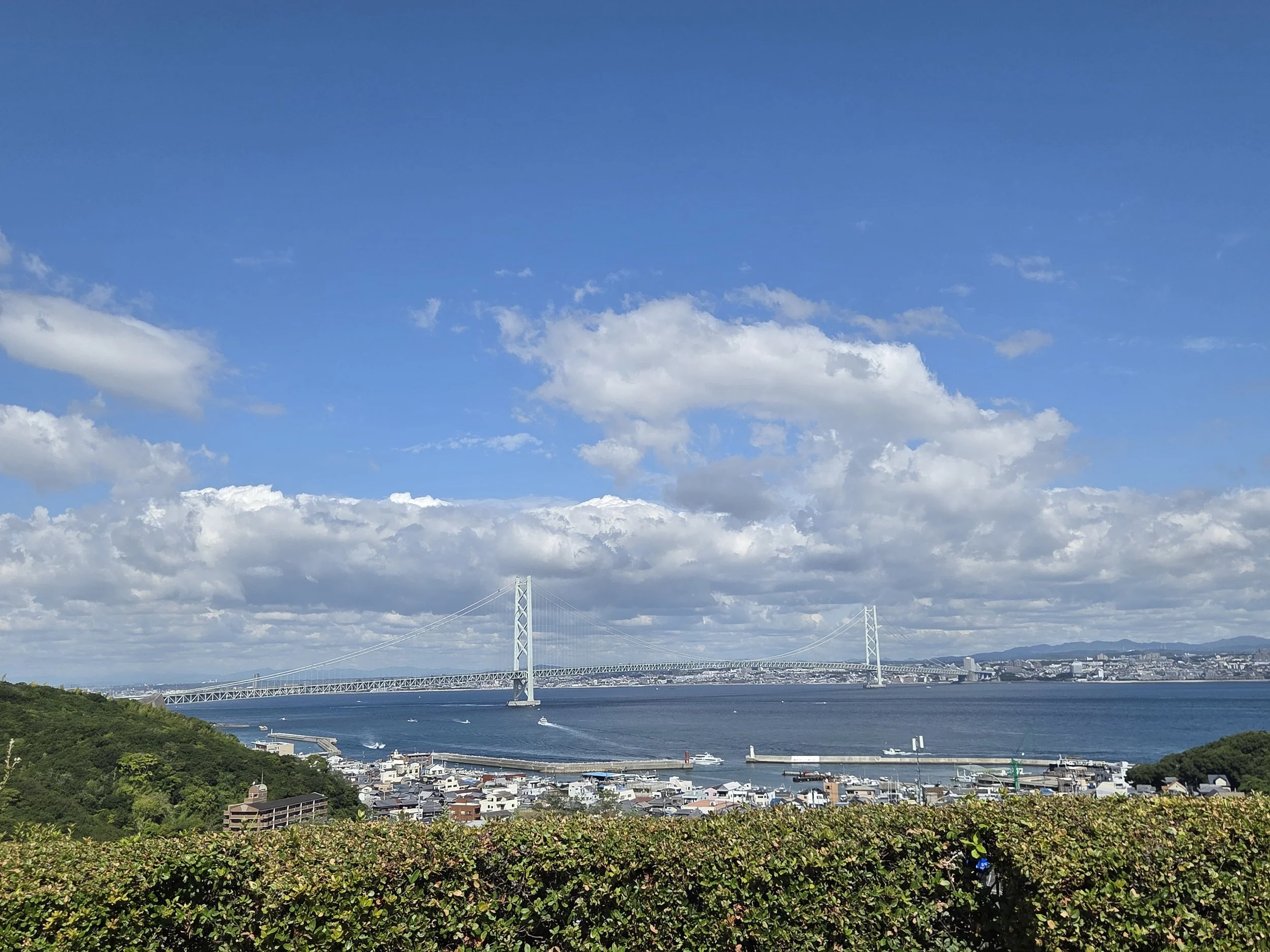
We meet in the town of Akashi, sitting right across the water from Awaji Island, where the journey begins in earnest tomorrow. Settle into an oceanside hotel with sweeping views across the Seto Inland Sea, the Akashi Kaikyo Bridge, one of the longest suspension bridges in the world, stretched out in front of you. We start things off with a seafood kaiseki dinner, a first taste of the coast we'll be following in the days ahead.
Included: Seafood kaiseki dinner, Accommodation

DAY 2 - MARCH 6
We cross the Akashi Kaikyo Bridge, one of the longest suspension bridges in the world, and spend the day working our way down Awaji Island. First stop is Yumebutai, a sprawling complex designed by architect Tadao Ando and built on a hillside. Ando spent years turning the scarred mountain back into gardens, terraces, and courtyards in raw concrete, still one of his most striking works anywhere in Japan. Around Fukura we catch a performance at the island's ningyo joruri puppet theatre, an art form with 500 years of continuous history that went on to shape puppet traditions across Japan. From here we head to the island's south end for a rest stop with local flavour: a michi-no-eki built around Awaji's onion farming, right down to a giant golden onion sculpture overlooking the strait. We cross the Onaruto Bridge into Tokushima from here, timing it against the tides in case the Naruto whirlpools are running strong enough to catch on the way through.
Included: Breakfast, Yumebutai, puppet theatre performance, Accommodation
DAY 3 - MARCH 7
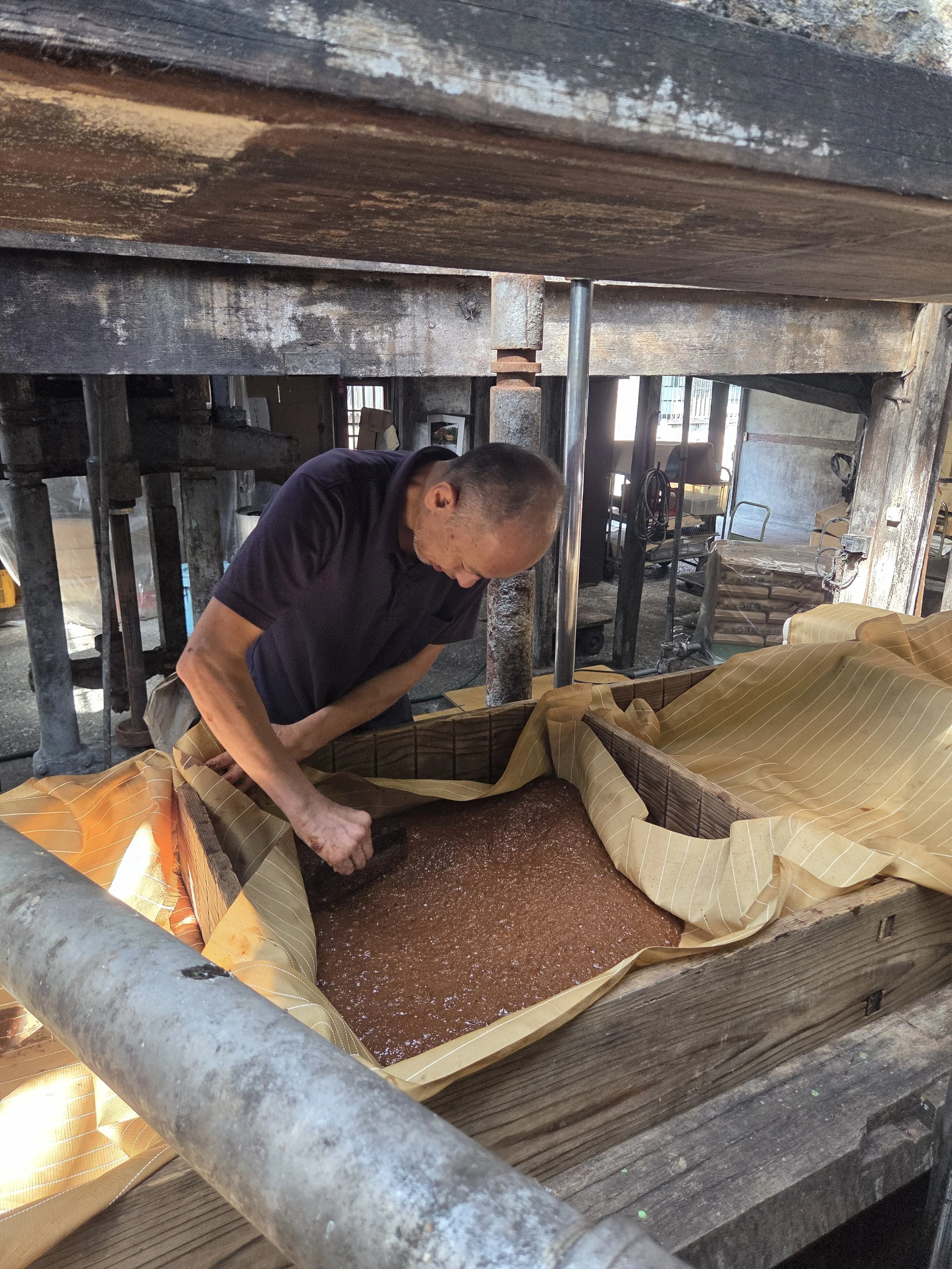
If the tides didn't cooperate yesterday, this is whirlpool morning: a boat out into the Naruto Strait, where the tidal currents between Awaji and Shikoku collide hard enough to form some of the largest whirlpools in the world. From there we visit Ryozenji, temple number one of Shikoku's 88-temple pilgrimage, where pilgrims have set out on foot for over a thousand years. In the afternoon we visit a family-run soy sauce producer, where fermentation methods that haven't changed in generations turn out something that tastes nothing like the bottle in your pantry at home, with a tasting to compare it for yourself.
Included: Breakfast, Naruto whirlpools, Ryozenji entry, soy sauce factory tour and tasting, Accommodation
DAY 4 - MARCH 8
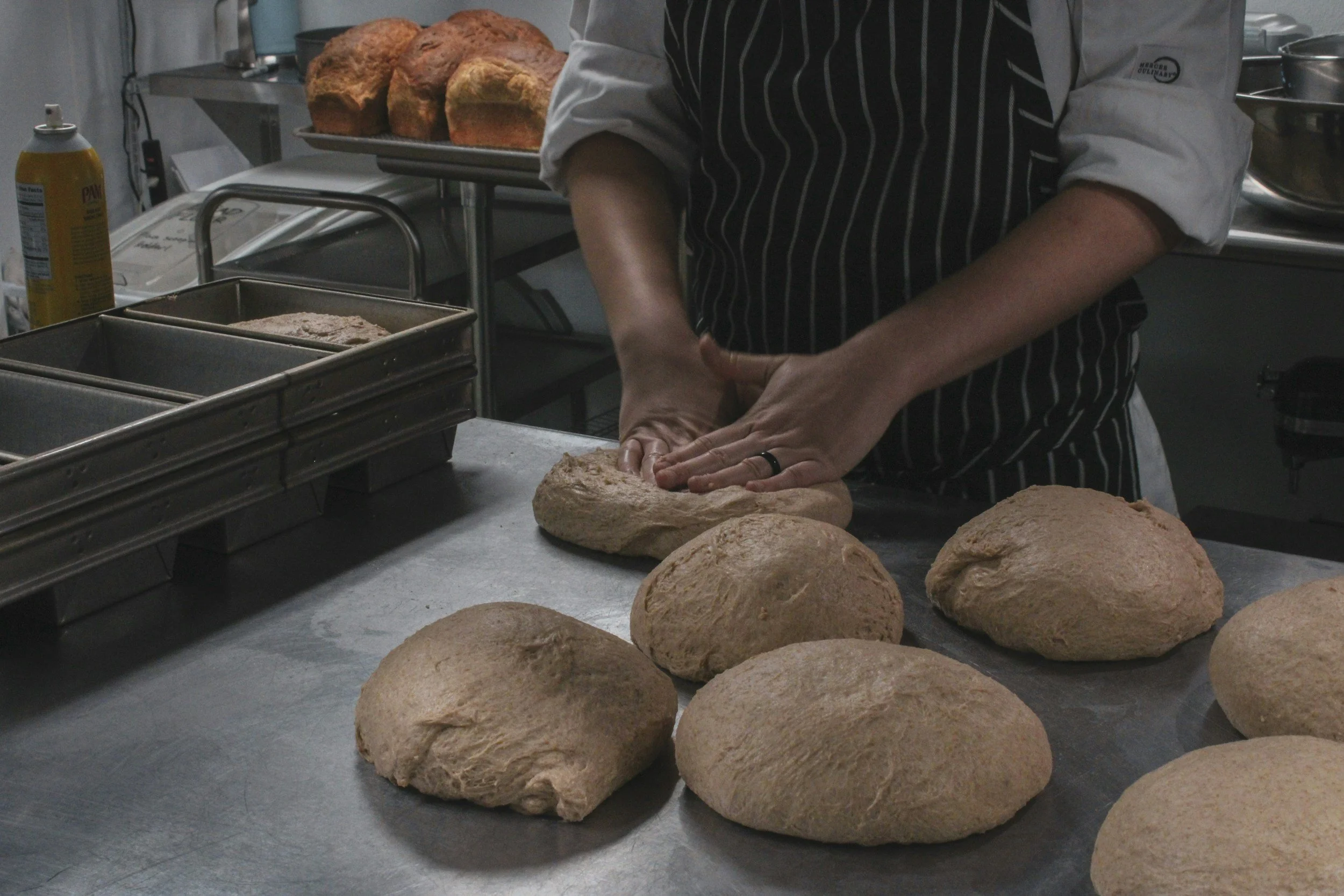
We head into Tokushima's mountains today, to a valley that's become a national case study in reversing rural Japan's biggest problem. Kamiyama's population has fallen by more than half since the 1950s, and over half its remaining residents are past 65. Rather than fight the decline outright, the town set out to attract young, creative people instead. It worked, and today the town is being revitalized by young entrepreneurs, with businesses like a local bakery that’s built enough of a following to open its own shop in Tokyo. We continue on to Kamikatsu, a town with the ambitious goal of becoming Japan's first zero-waste town. It's the same story of a shrinking, aging community finding its own way to stay alive, and it's what gave rise to Kamitkatz Stonewall, a craft brewery built almost entirely from the windows and timber of abandoned houses around town, and other local artisans. From here we drive down to Naka for the night, staying at a ryokan known for its cooking.
Included: Breakfast, Dinner, Accommodation
DAY 5 - MARCH 9
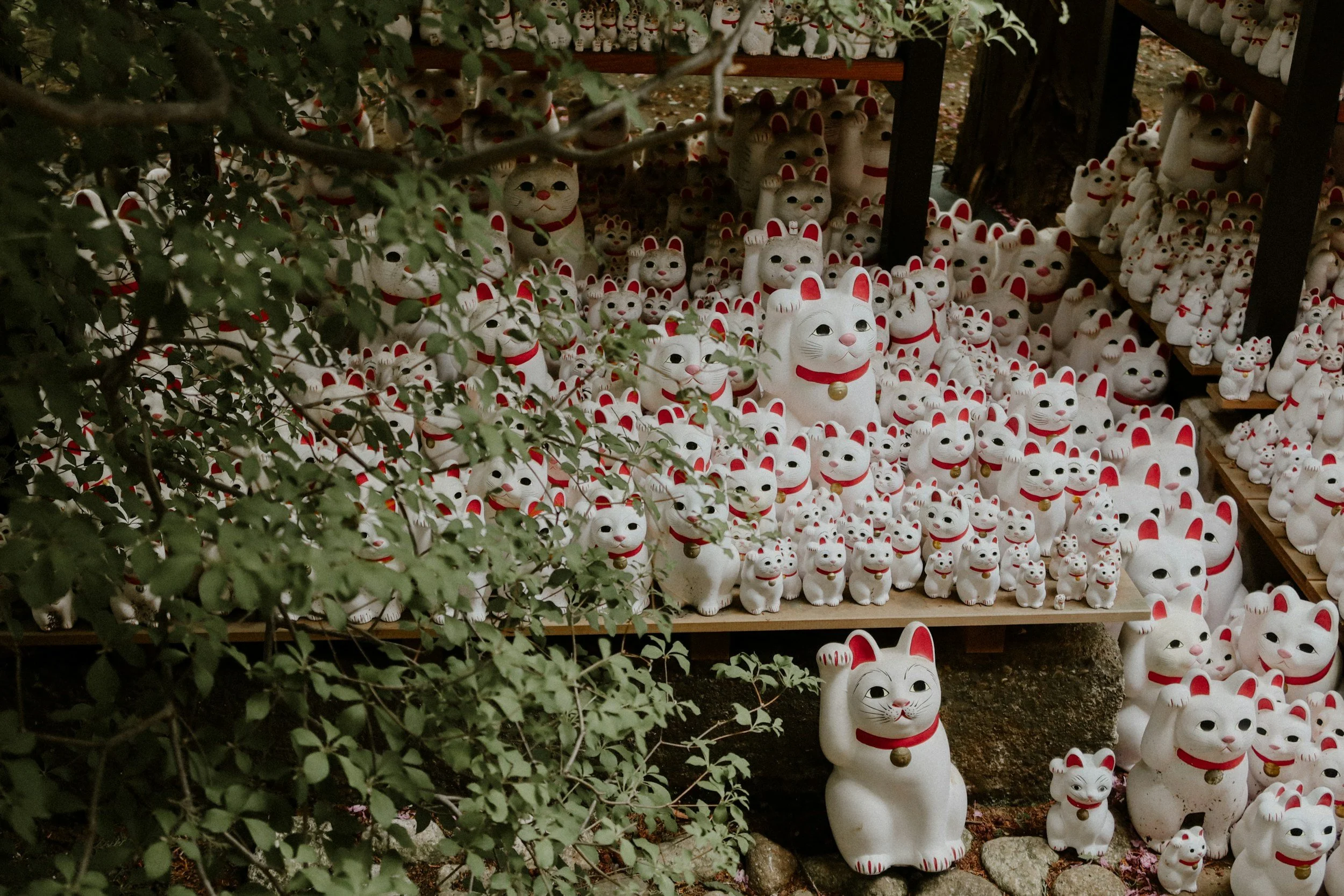
From Naka we visit Tairyuji Temple, reached by ropeway through dense cedar forest, and Omatsu Daigongen, a shrine in nearby Kamo-cho where close to 10,000 maneki-neko cat figurines have been left by visitors over the years. From there it's on to Naka Shuzo in Washiki, a tiny family sake brewery that's been making sake since 1725, working at a scale that a coach tour could never fit inside. We follow the Naka River valley down to the coast then pick up the Minami Awa Sun Line for the last stretch. Along the way, we stop at the Hiwasa sea turtle museum before rolling into Shishikui, a surf town on Tokushima's southern coast. Our onsen hotel here draws its water from 1,000 metres beneath the Pacific, milky and silky against the skin, with a 40-metre bath looking straight out over the water. Dinner is a seafood kaiseki built around the day's catch from the local port, alongside Awa-odori-dori, Tokushima's own heritage chicken breed.
Included: Breakfast, Naka Shuzo tasting, Tairyuji & ropeway, Omatsu Daigongen, sea turtle museum, Dinner, Accommodation
DAY 6 - MARCH 10
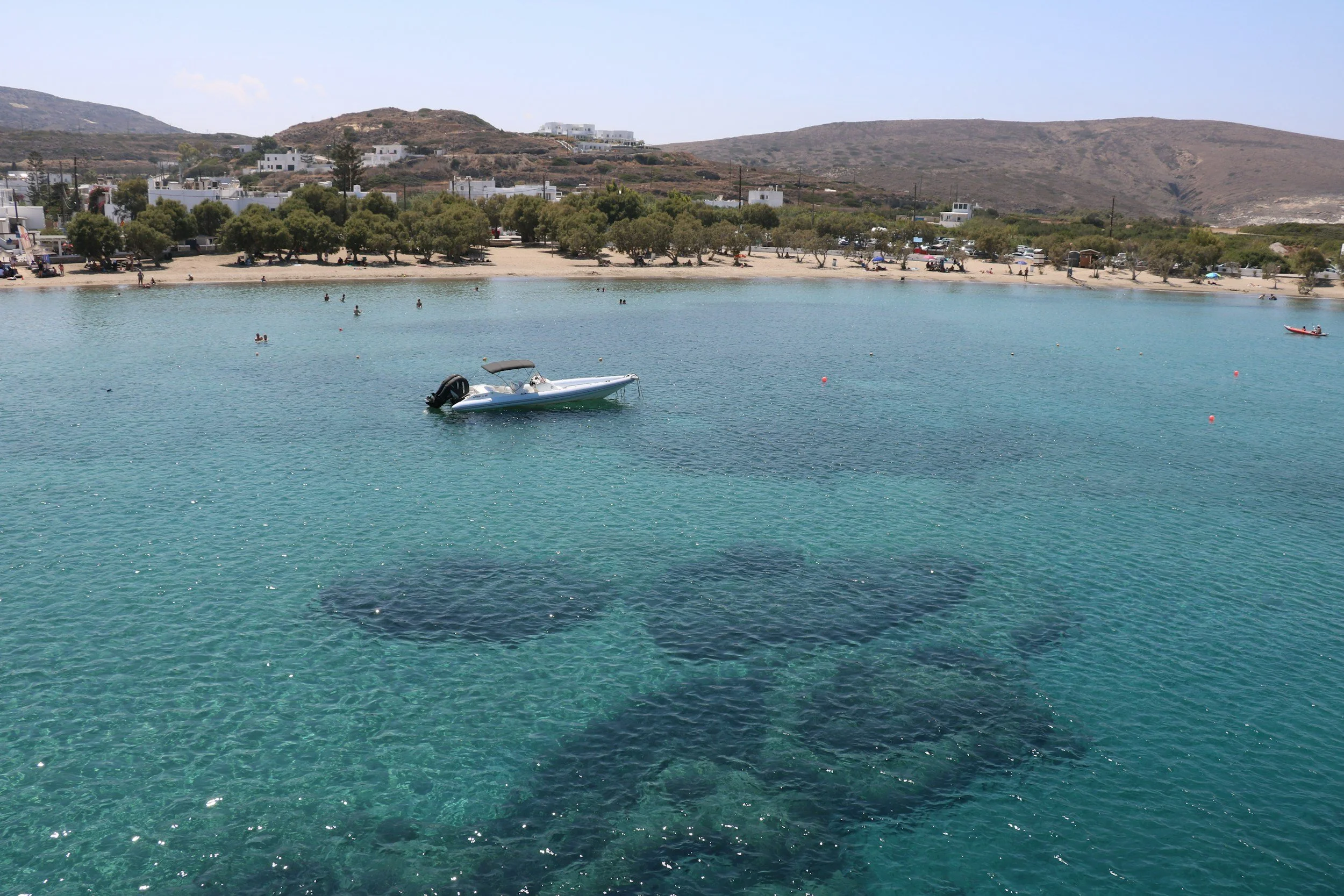
We continue down the coast to Takegashima Marine Park, where a glass-bottomed boat takes you out over coral that most people don't associate with mainland Japan. From here we head for Cape Muroto, taking the Muroto Skyline on the way in, a ridge-top road that climbs the spine of the cape with the Pacific dropping away on both sides. From the lookout at the top you can genuinely see the horizon curve, one of the few places in Japan where that's true. We stop for lunch at a small izakaya run by two brothers who also run their own fishing and seafood supply business, so what's on the table that day is generally whatever they've just pulled in. We spend the next two nights in Nahari, a town built around tuna long-line fishing, staying at a hotel that opened decades ago to house the crews and has built its whole identity around it since, serving natural minami-maguro sourced straight from the boats.
Included: Breakfast, Takegashima glass-bottom boat, Lunch, Dinner, Accommodation
DAY 7 - MARCH 11
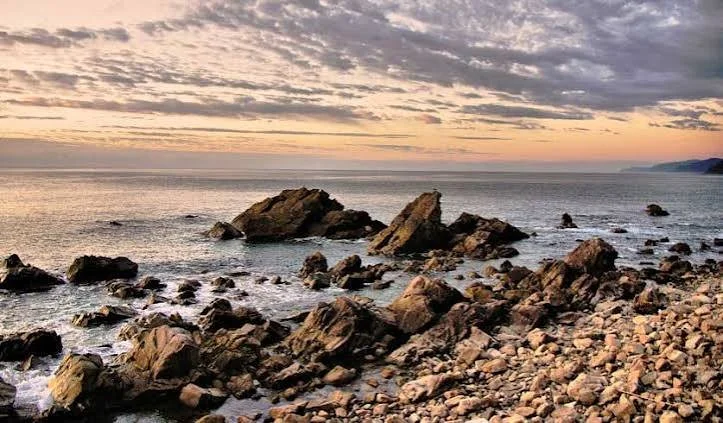
Muroto's whole coastline is a UNESCO Global Geopark, and today we walk it. This is land that spent millions of years on the ocean floor before tectonic pressure slowly forced it up above the waterline. The trail passes turban-shell fossils embedded in the rock, wave-cut platforms, and sea caves you can walk right into at low tide. One of them, Mikurodo Cave, is where the monk Kukai is said to have achieved enlightenment, gazing out at nothing but sky and sea until the two became indistinguishable. Along the way we also stop at a small aquarium built inside a former school, and Monet's Garden Marmottan, a working recreation of Monet's own garden in Giverny. Lunch is kinmedai-don, a bowl of glossy, deep-red splendid alfonsino over rice, a dish that barely travels beyond this part of the coast.
Included: Breakfast, Mikurodo Cave entry, aquarium entry, Monet's Garden entry, Lunch, Dinner, Accommodation
DAY 8 - MARCH 12
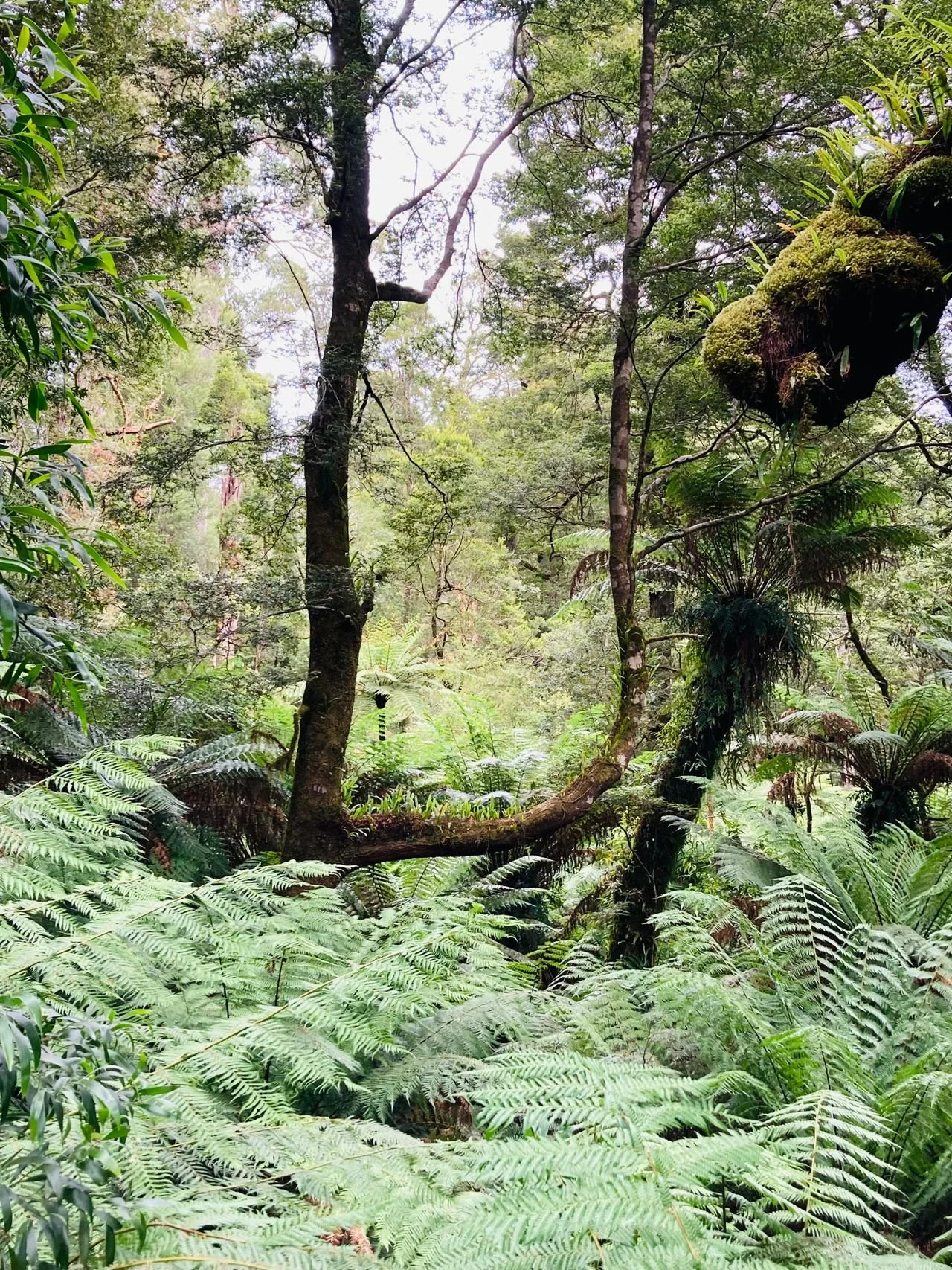
On the way to Kochi we stop at Ioki-do, a sea cave in Aki City that formed millions of years ago when this whole stretch was still ocean floor. You duck through a narrow, dripping passage in near-dark, and then the walls suddenly open up into a fern-choked gorge, close to 40 species growing wild together in a spot humid and sheltered enough that it's a protected natural monument. It's the kind of place that looks more like a film set than something you stumble on beside a national highway, and it’s been used as a filming location for Japanese TV shows. From here we continue into Kochi city and round out the day with a visit to a family-run sake brewery, fitting for a prefecture with one of the highest concentrations of breweries per capita in Japan.
Included: Breakfast, Ioki-do entry, sake brewery tour and tasting, Accommodation
DAY 9 - MARCH 13
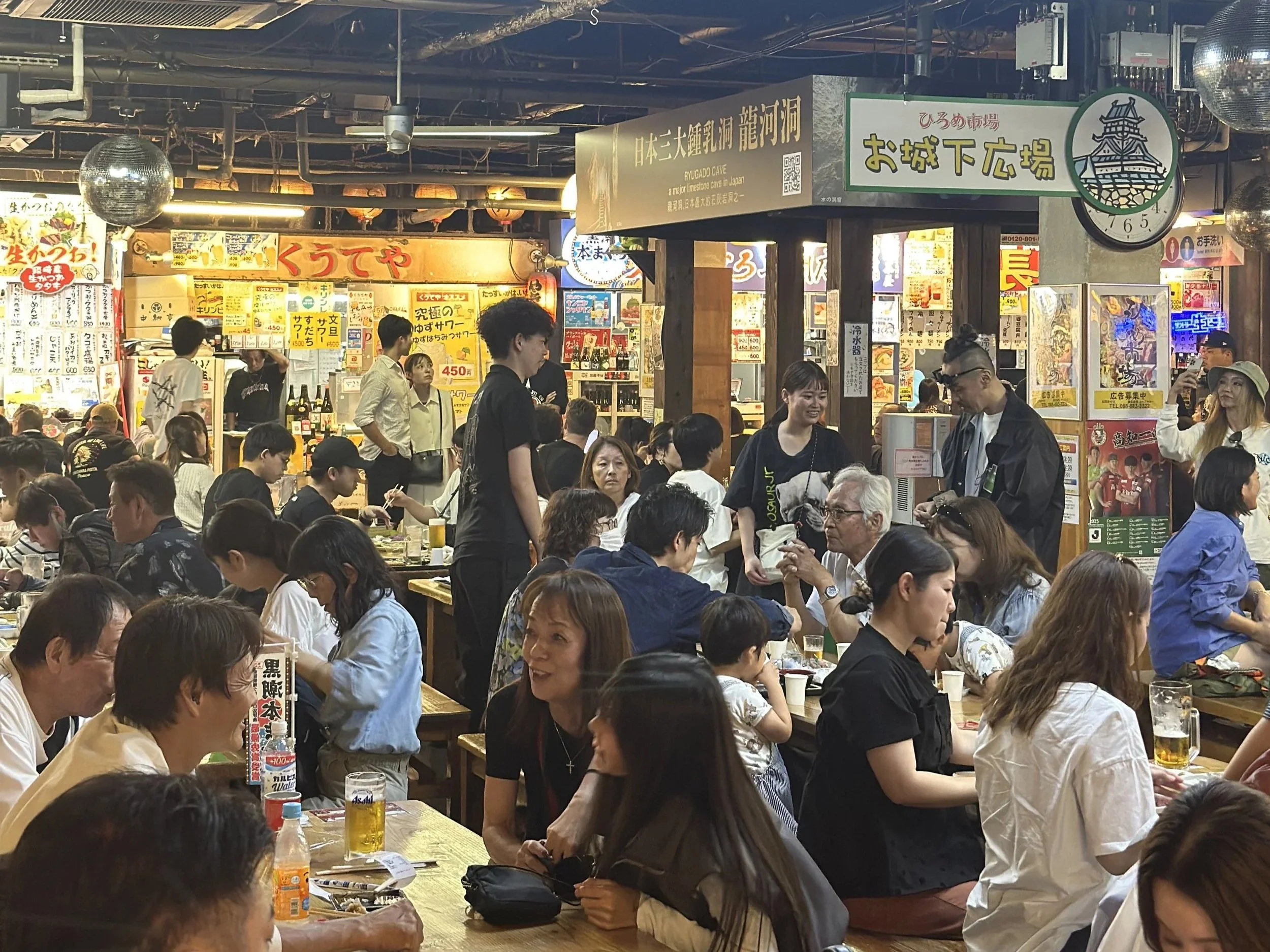
A free day in Kochi to spend however you like. Kochi Castle, one of only twelve castles in Japan with its original wooden keep still standing, sits right beside Hirome Market, a lively indoor food hall of small stalls where you can piece together a meal one plate at a time. Katsurahama Beach is a striking stretch of black-pebble coast with a statue of the samurai Sakamoto Ryoma gazing out to sea, and the Kochi Prefectural Makino Botanical Garden, built on a hillside above the city, is named for the botanist often called the father of Japanese botany. By evening, the arcades downtown are already filling with kotatsu tables and music, the festival's closing weekend getting underway.
Included: Breakfast, Accommodation
DAY 10 - MARCH 14
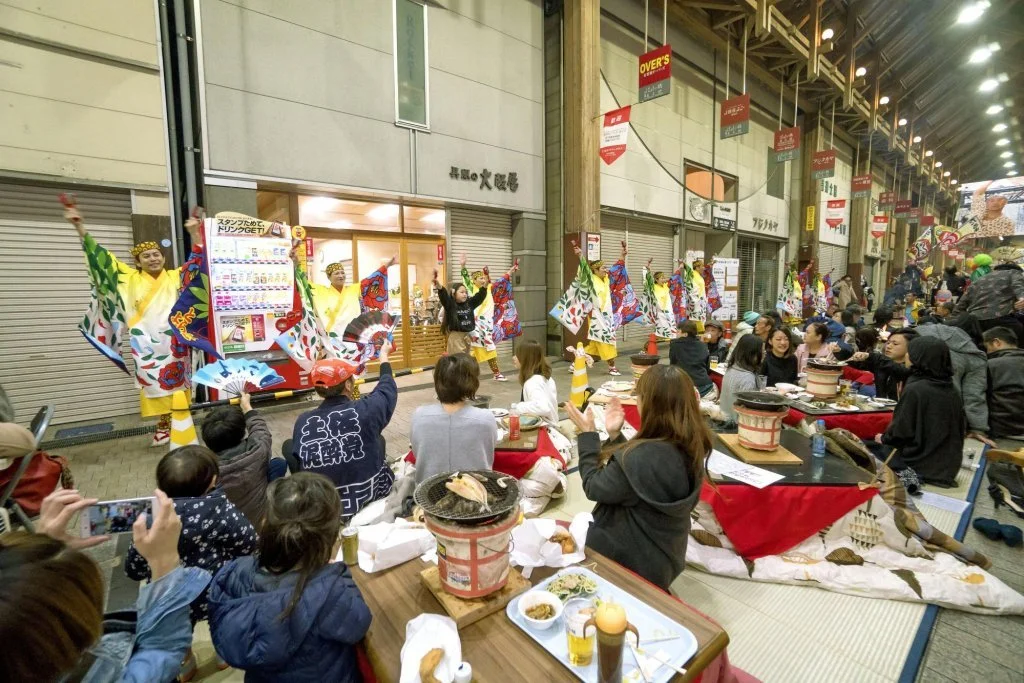
Tosa no Okyaku grows out of the local tradition of obiyaki, elaborate seated banquets where sake is poured continuously and the food keeps arriving in waves. We spend tonight, the closing night of the nine-day festival, at one of Kochi's ozashiki restaurants for our own obiyaki-style dinner: a sawachi feast, sake from breweries across the prefecture, and someone teaching the table the traditional drinking games that make these nights what they are. During the day, Kochi's regular Sunday Market runs the length of Otesuji Street, stalls of local produce, sake, and street food that have been setting up here every Sunday for over 300 years. In the evening we walk out into a city mid-celebration. Kotatsu tables line roughly a kilometre of shopping arcade, yosakoi dancers perform in the street, and strangers pour drinks for each other the traditional way. It's the wildest night of Kochi's year, and we're right in the middle of it.
Included: Breakfast, Tosa no Okyaku banquet dinner, Accommodation
DAY 11 - MARCH 15
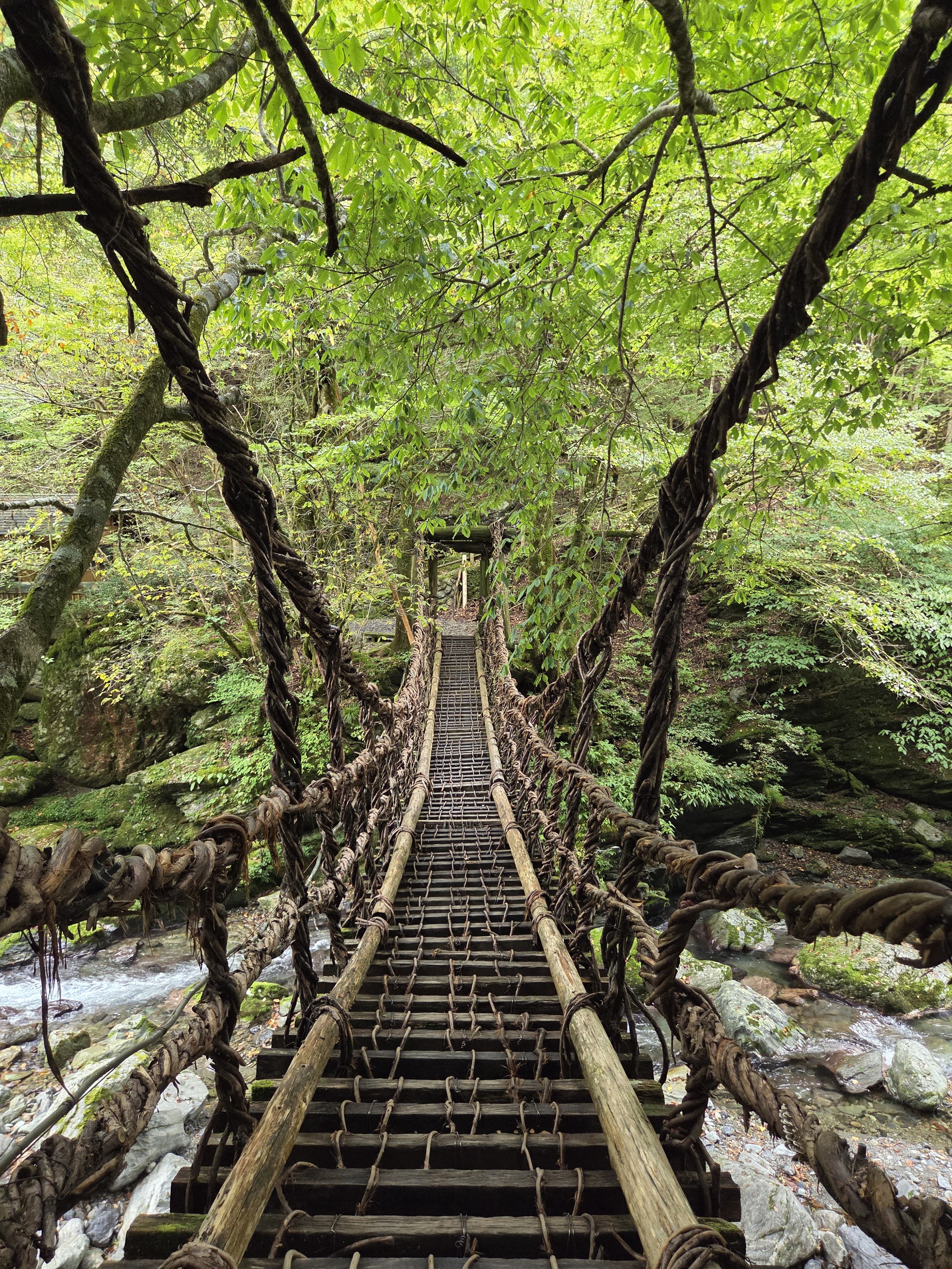
We leave Kochi behind for the Iya Valley, one of the most remote pockets of mainland Japan, a landscape of forested gorges and near-vertical hillsides that kept most of the outside world out for most of Japanese history. We cross the Kazurabashi vine bridges, hand-woven from mountain vine and originally built so they could be cut loose fast if enemies approached. From there we spend the middle of the day on a hands-on soba-making session, which doubles as lunch, grinding buckwheat and working the dough by hand the way it's been done here for generations. In the afternoon we visit Nagoro, a hamlet where one resident has spent years replacing everyone who left or passed away with a life-sized scarecrow. There are now more scarecrows here than people. We head back to our onsen hotel for the night, with a kaiseki dinner to match.
Included: Breakfast, Kazurabashi entry, soba-making class and lunch, Nagoro scarecrow village, kaiseki dinner, Accommodation
DAY 12 - MARCH 16
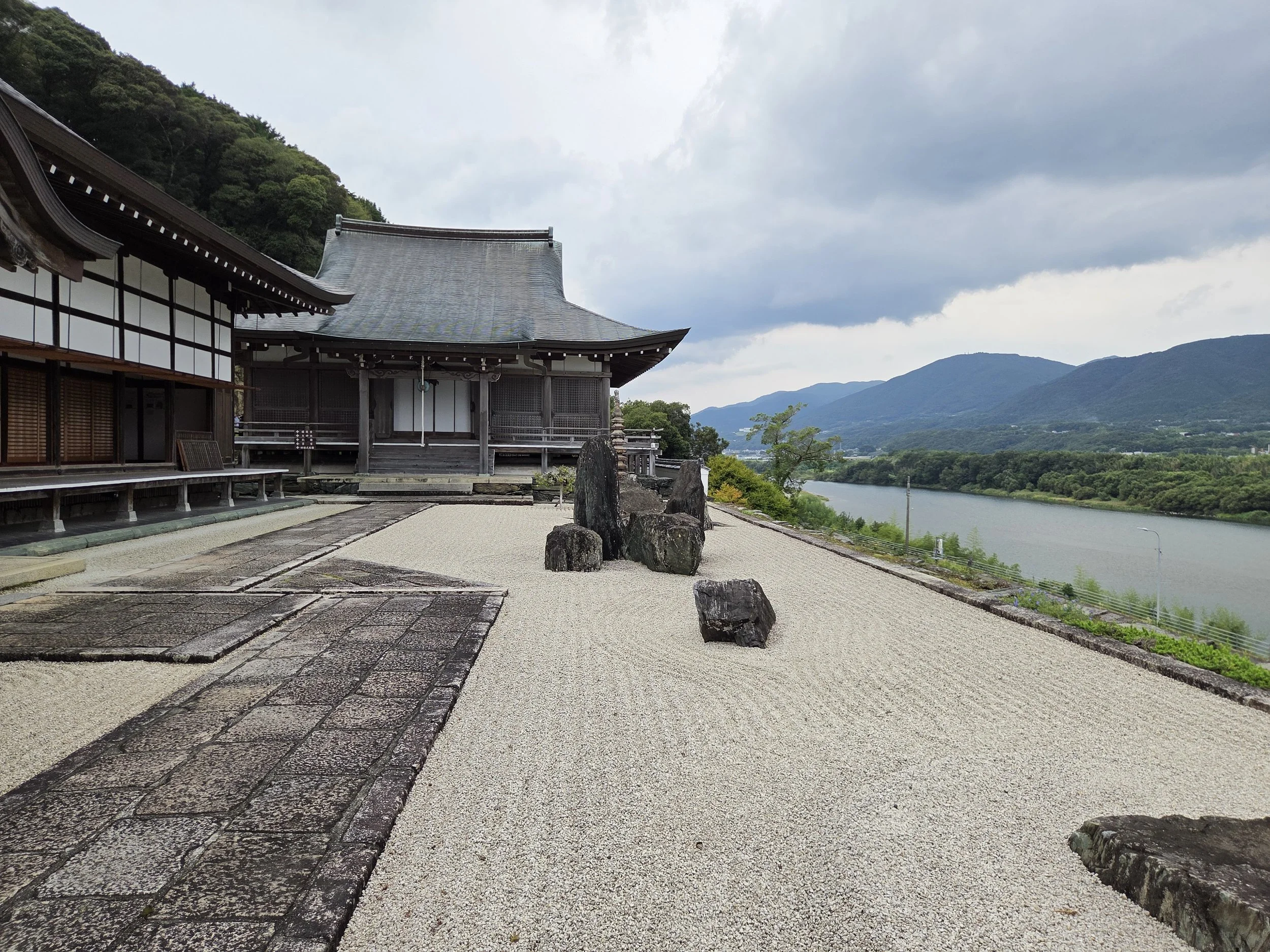
We start the morning on the water, a river cruise through the Oboke-Koboke gorge where the Yoshino River has cut deep through the mountains over millions of years. From there we visit Honrakuji, a temple dating to 828 AD with a dry-landscape garden that uses the Yoshino River below as borrowed scenery, one of our favourite temples in the country. We walk the Udatsu Townscape in Wakimachi, a merchant quarter of indigo-trader houses with fire-resistant udatsu walls between them, a status symbol from the era when indigo made this town rich. From here we make our way to Takamatsu, our final stop, and settle in for a farewell dinner together to close out the trip properly.
Included: Breakfast, Gorge cruise, Honrakuji entry, Farewell Dinner, Accommodation
DAY 13 - MARCH 17
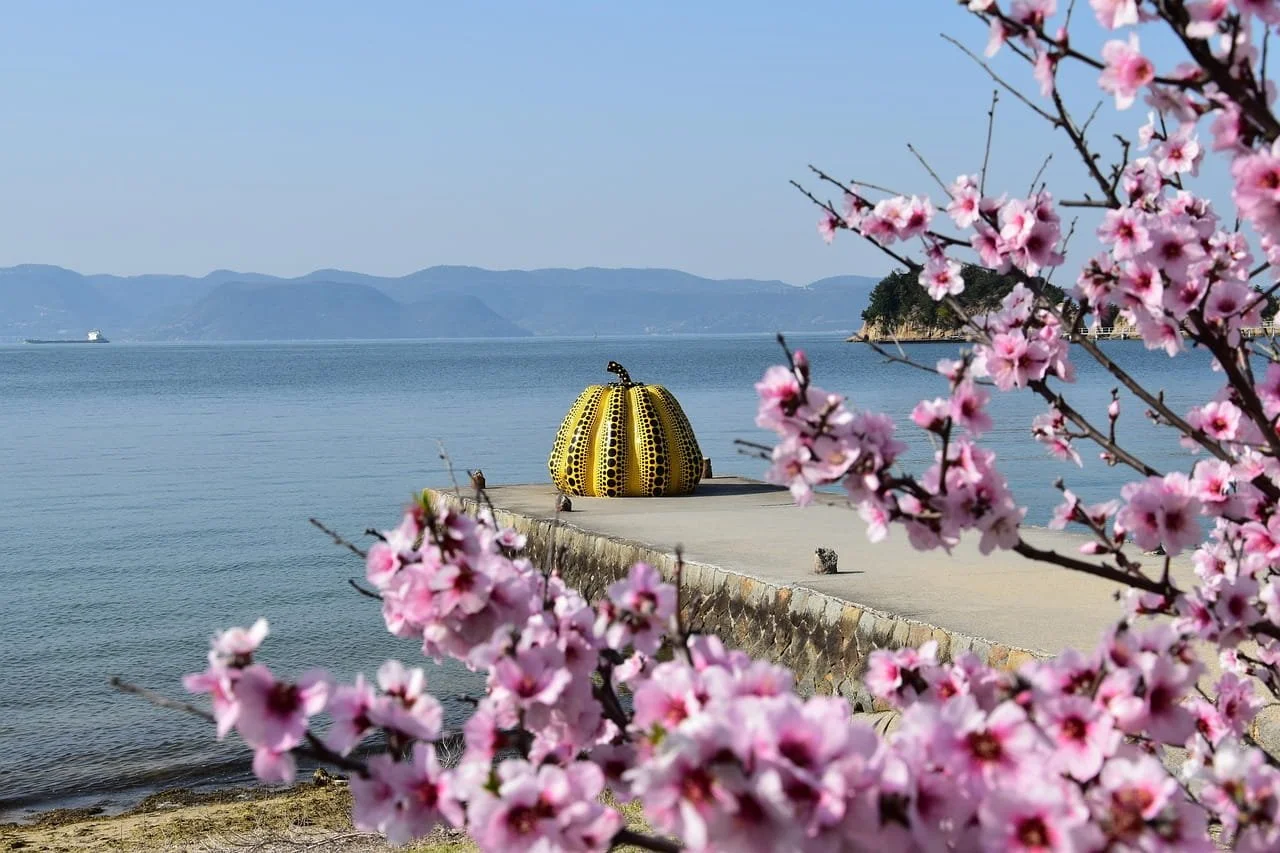
The trip wraps up in Takamatsu, one of our favourite cities in Japan and an easy place to extend your trip from. It's the main jumping-off point for the art islands of the Seto Inland Sea, Naoshima and Teshima among them, so if you've got the time, it's well worth staying on. Our Takamatsu city guide covers where to eat, what to see, and how to get out to the islands. Onward connections are also straightforward if you're heading off elsewhere, whether that's a flight out of Takamatsu Airport or the JR limited express into Okayama to connect with the Shinkansen network. Safe travels, and thanks for eating your way through Shikoku with us.
Included: Breakfast
Itinerary and price are subject to change based on availability, seasonal conditions, and local circumstances.
GET OFF THE EATEN TRACK WITH US
Want to know more? Here's how it works.
Register your interest using the form and we'll be in touch to set up a quick call, a chance to answer your questions and give you a deeper look at what the trip involves. From there, a 25% non-refundable deposit secures your spot. The remaining balance is due 60 days before departure. Check our full T&Cs here.
Our FAQ covers everything from what's included to our cancellation policy.
We’ll be traveling around by van, which is the only way to reach some of the places we're going, so group size is intentionally capped at eight.
See our other Japan Tours here.
FREQUENTLY ASKED QUESTIONS
General Shikoku FAQ
-
Tosa no Okyaku is an annual food and sake festival held in Kochi city, Shikoku, every March. It draws on the local tradition of obiyaki, elaborate communal banquets where sake is continuously served alongside local dishes. The festival takes over streets and venues across the city for several days.
-
Shikoku is best known for the 88 Temple Pilgrimage, a 1,400-kilometre Buddhist circuit founded by the monk Kobo Daishi. The island is also known for its dramatic Pacific coastline, the Naruto whirlpools, the Iya Valley's vine bridges, and distinct regional food cultures including katsuo tataki in Kochi, indigo dyeing in Tokushima, and sudachi citrus.
-
Kochi is known for katsuo tataki (bonito seared over a straw fire) and has one of Japan's highest concentrations of sake breweries per capita. Tokushima produces awa ai indigo and is known for its sudachi citrus and soy sauce traditions. The Iya Valley is known for hand-made buckwheat soba. Kagawa Prefecture, which this tour does not visit but can be easily added on, is nationally known for sanuki udon.
-
Spring (March to May) is an excellent time to visit Shikoku. March brings Tosa no Okyaku in Kochi, mild temperatures across the island, and early cherry blossoms in lower elevations. The Iya Valley's mountain interior can still be cool in March. Autumn offers good hiking weather and foliage.
-
The tour begins at Nishi-Akashi Station, reachable by Shinkansen in around three hours from Tokyo, or a short hop from Shin-Osaka or Kyoto. It ends in Takamatsu, Kagawa Prefecture, where onward travel back to Tokyo, Kyoto, or Osaka is easy by train or plane.
Tour FAQ
-
The Shikoku March 2027 tour is AUD $8,621 per person, based on double occupancy, with a solo supplement available. Register your interest below and we'll be in touch with full details. For a guide to what's typically included and excluded in OTET tour pricing, see our FAQ page.
-
The tour covers Awaji Island, the east coast and mountain interior of Tokushima Prefecture (including the indigo-producing north, the Pacific south coast, and the Iya Valley), Kochi city and the Muroto Cape coastline, and finishes in Takamatsu, Kagawa Prefecture, with a stop at Honrakuji Temple in Mima on the way. See the full day-by-day itinerary above.
-
We generally stay in a mix of three and four star hotels and traditional ryokan, with three separate onsen hotel stays across the trip. We do our best to choose onsen hotels that allow for private bathing, ensuring that all guests have a chance to experience an onsen, even if they have tattoos or are uncomfortable with nudity.
-
Eight people fit comfortably in a van. It’s that simple. Travelling as a small group means we can reach places a coach tour never could, eat at restaurants that wouldn't seat big groups, and visit producers who work on a scale that doesn't accommodate large groups.
-
The tour is led by Michael Minsky, who has lived in Japan and travelled there regularly since 2007. He’s been organising and guiding food-focused tours in Japan for years, speaks Japanese and has personal experience of most of the places on this itinerary.
-
Register your interest using the form on this page. We'll be in touch to set up a call, answer your questions, and walk you through the trip in more detail. A 25% non-refundable deposit secures your spot, with the remaining balance due 60 days before departure. Full details are in our Terms of Service.