
Takamatsu: The City Worth Missing Your Ferry For
Takamatsu doesn't announce itself. There's no iconic skyline, no bucket-list landmark that floods your Instagram feed, no moment where you step off the train and immediately understand why you're there. It's a mid-sized city on the northern coast of Shikoku, and most travellers don’t put together a proper Takamatsu travel guide, they treat it as a quick stop on the way to the art islands of the Seto Inland Sea, a place to sleep before catching the morning ferry to Naoshima.
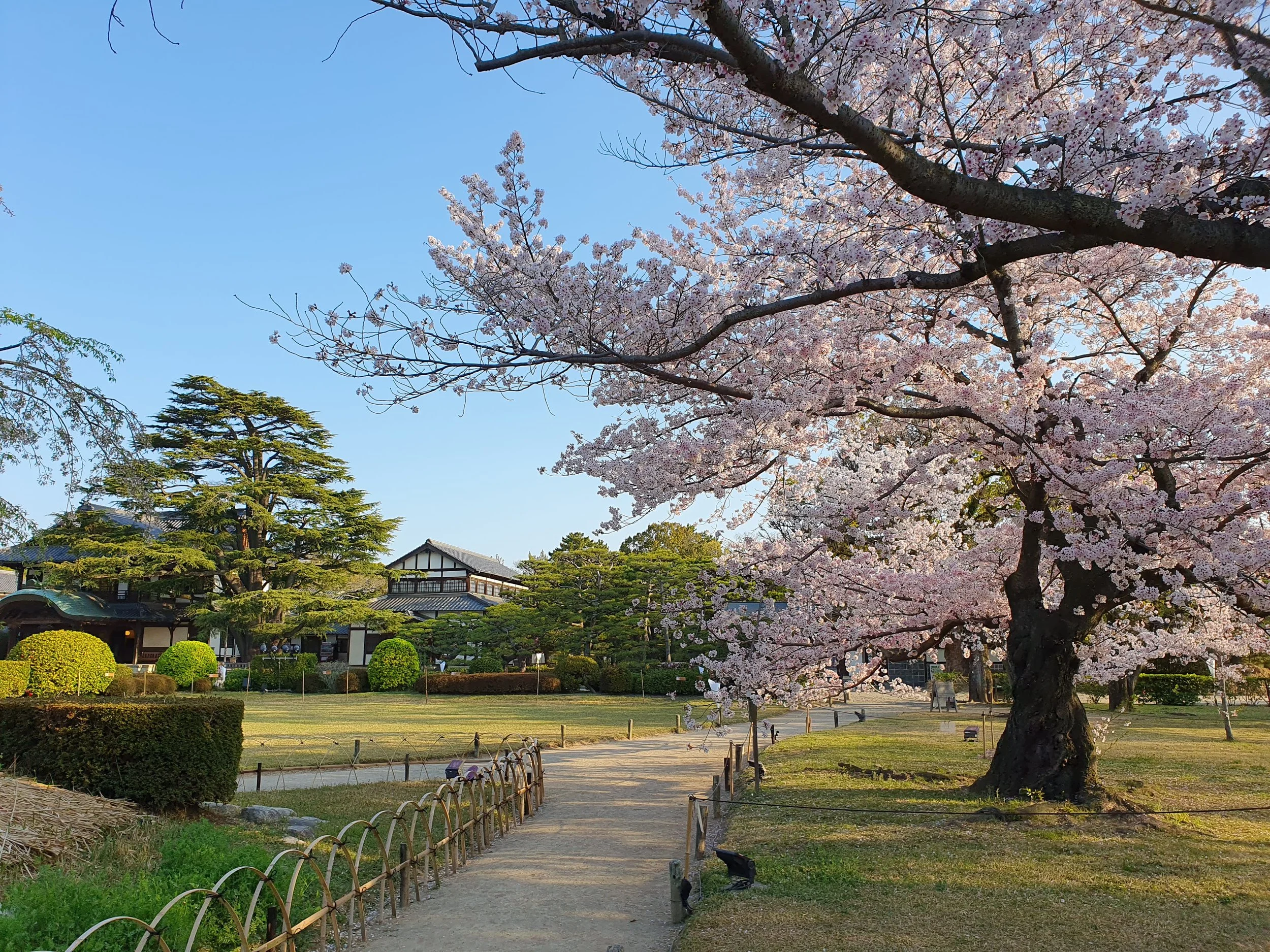
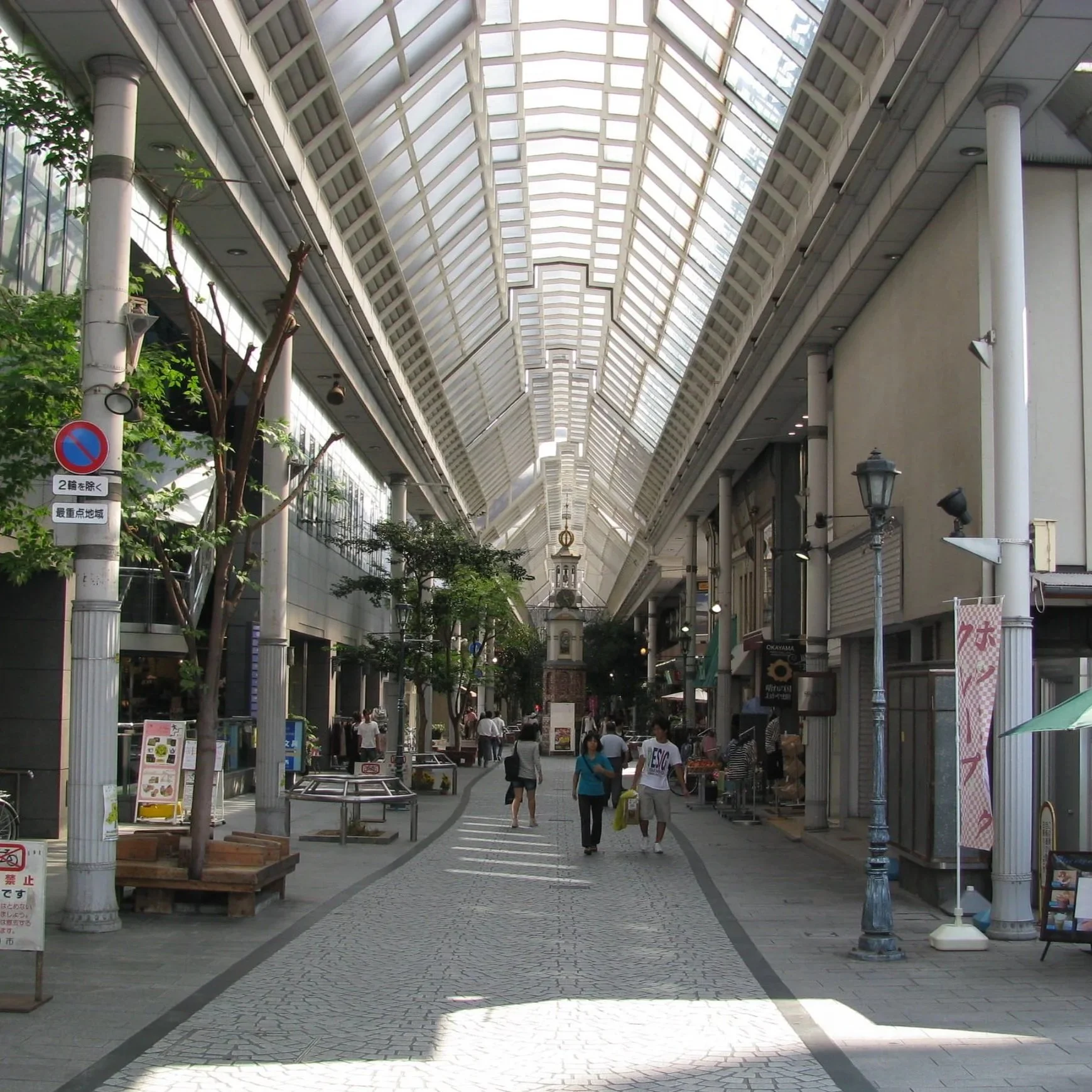
But spend a day or two here, and something shifts. The covered shopping streets (shotengai), some of the longest in Japan at 2.7 kilometres, wind through the city centre with enough hidden restaurants, local shops, and unexpected detours to fill an entire afternoon. The food is quietly extraordinary. The Seto Inland Sea sits at the end of every street that runs north, and the light it throws back at the city in the late afternoon is the kind that makes you slow down without realising it. Takamatsu has a rhythm to it, unhurried, confident, not trying to impress anyone, and that's exactly what makes it so good.
The art islands are worth your time, and we'll get to them. But the mistake is treating Takamatsu as just a launching pad. Give it two days on its own terms, eat well, wander, and let it do its thing.
Getting to Takamatsu
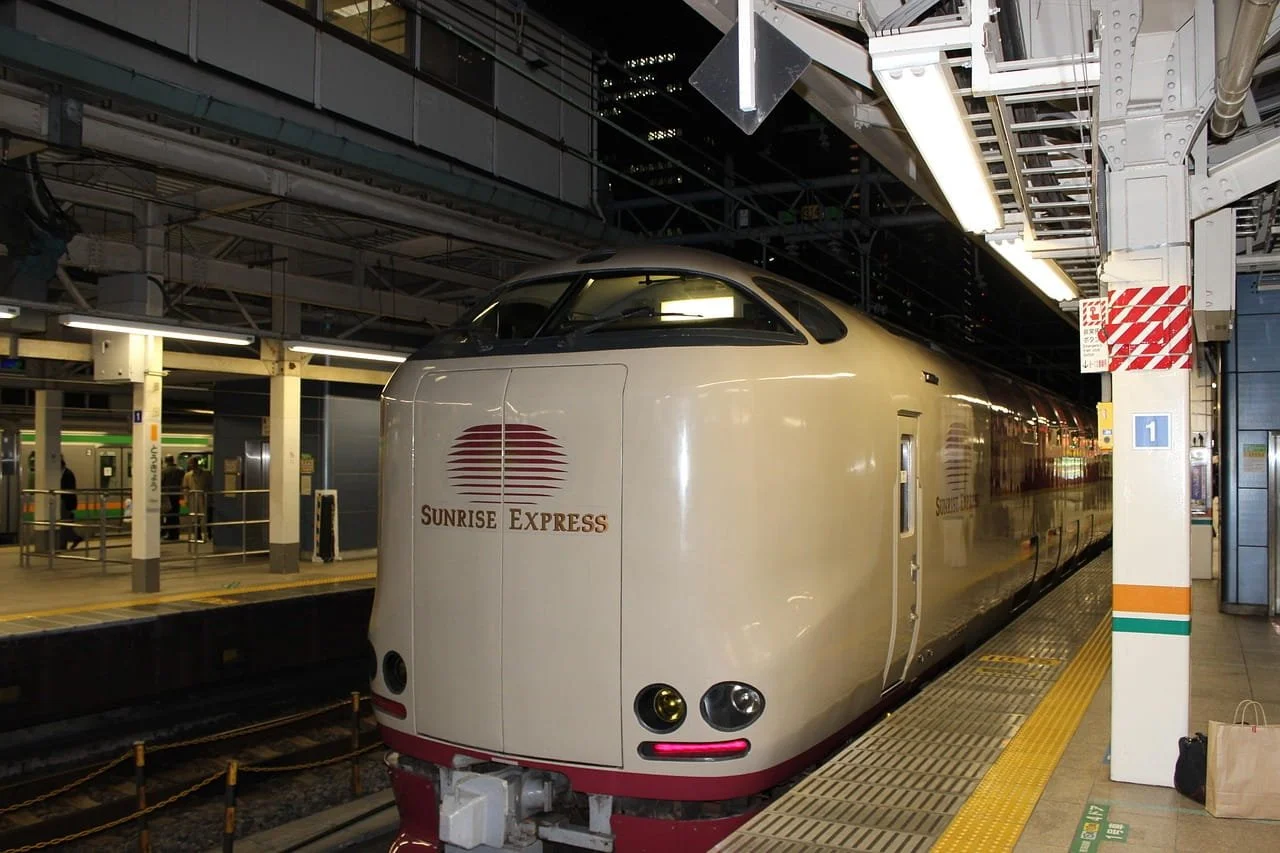
The most common route is the Marine Liner from Okayama, a one-hour train ride across the Seto Ohashi Bridge that connects Honshu to Shikoku. Most travellers from Tokyo or Osaka change at Okayama, which sits on the Shinkansen line. If you're coming from Tokyo and want to do it in style, the Sunrise Seto is one of Japan's last overnight sleeper trains and runs directly to Takamatsu — you board in the evening and wake up pulling into the station. Worth doing at least once.
Takamatsu Airport has domestic connections from Tokyo (Haneda and Narita) and a handful of other cities, with the city centre about 40 minutes away by bus.
Where to Stay
Budget: Dormy Inn Takamatsu Chuokoen-mae
Centrally located and consistently good value. The main draw beyond the location is the onsen. Dormy Inns are known for them, and this one delivers. A reliable base for exploring the city.
Mid-Range: JR Hotel Clement Takamatsu
Sitting directly above Takamatsu Station with views out over the Seto Inland Sea. Seven restaurants in-house, easy access to everything, and those sea views make it hard to leave in the morning.
Luxury: Hotel Hanajukai (Yunaginoyu)
A ryokan perched above the city with private onsen rooms and views across Takamatsu and the Seto Inland Sea. A shuttle runs from the station, so the location outside the centre isn't the inconvenience it might sound.
What to Eat
Sanuki Udon
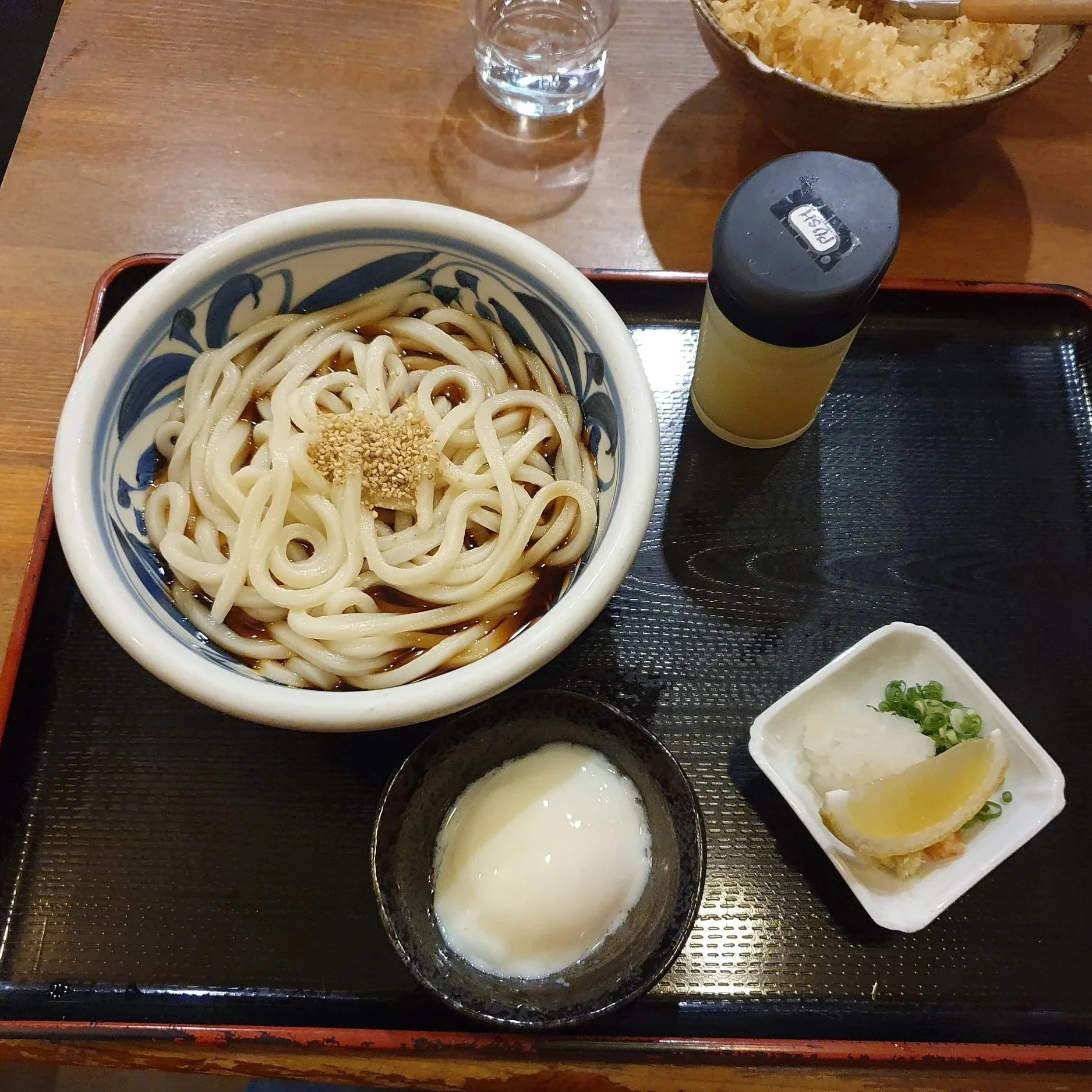
Kagawa didn't rename itself Udon Prefecture for nothing. Sanuki udon has a chew and snap that sets it apart from every other style in Japan — the result of local wheat, specific water, and a kneading technique that's been refined over centuries. The broth is lighter here than in most of Japan, which lets the noodle do the talking. Shinpei Udon is the best in town and has become a local institution — owner Shinpei has kept the welcoming vibe and reasonable prices intact even as queues have started forming outside. Order the ikageso to beni shoga no kakiage (squid tentacle and pickled ginger tempura). It's incredible, but they run out, so order it as soon as you arrive. We were there at 6:30 and they ran out by the time we left. Udon Baka Ichidai opens at 6am and is best known for the kama butter udon, a kind of Japanese carbonara that was invented here and exists nowhere else. Waraya, at the foot of Yashima in a thatched-roof building, adjusts the salt-content daily based on the weather.
Honetsuki Dori
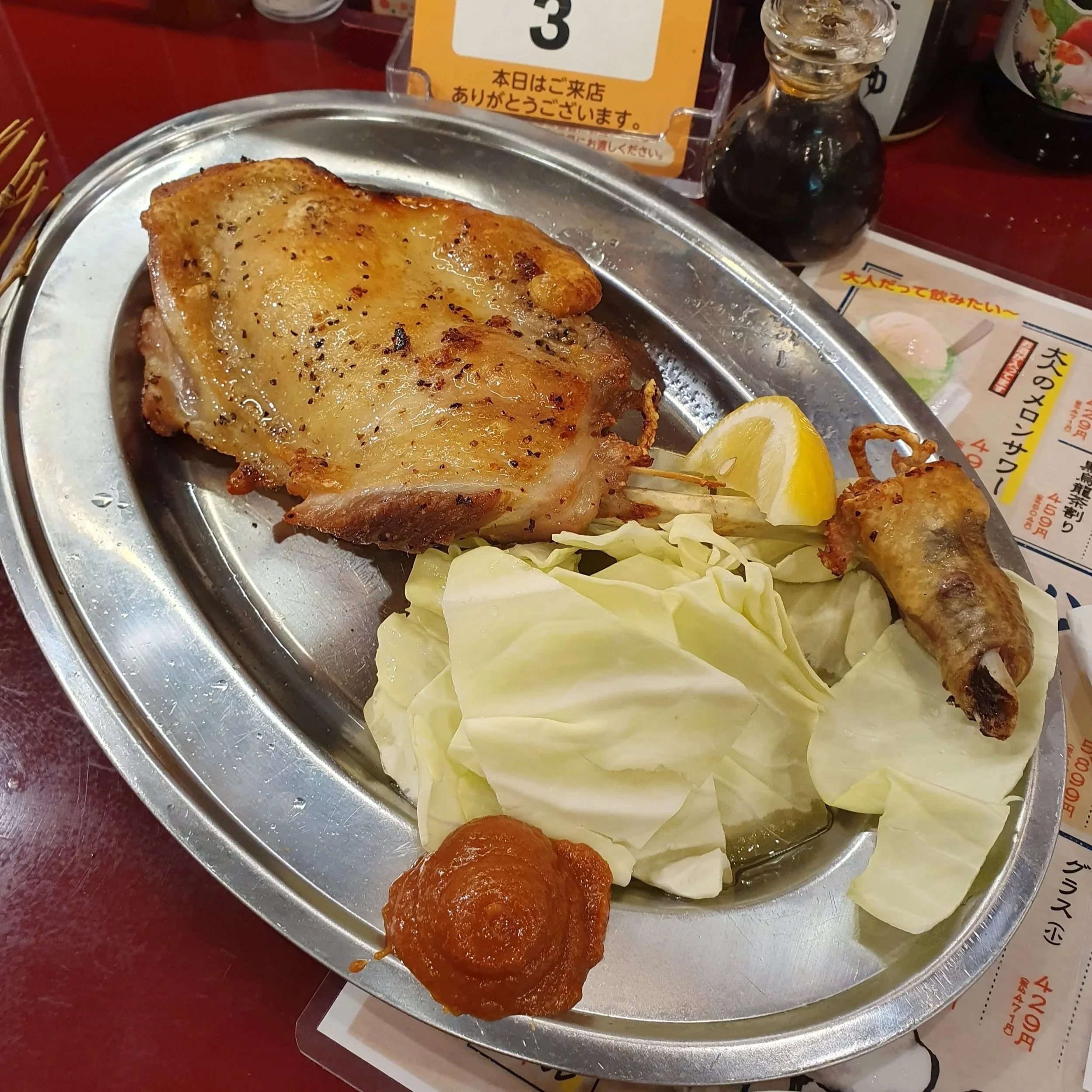
A whole bone-in chicken thigh, roasted at high heat with garlic, pepper, and spice until the skin is almost lacquered. You choose between oya (older bird, chewy, intensely flavoured) or hina (younger, softer, juicier) and eat it with your hands. We went to try it expecting a snack. It’s not. It’s basically a quarter of a chicken. Ikkaku invented the dish in 1952 and is still the benchmark. Honetsuki Marugamedori uses Kagawa-raised, morning-slaughtered chicken, which makes even the oya surprisingly tender. Order one of each and compare.
Seto Inland Sea Seafood
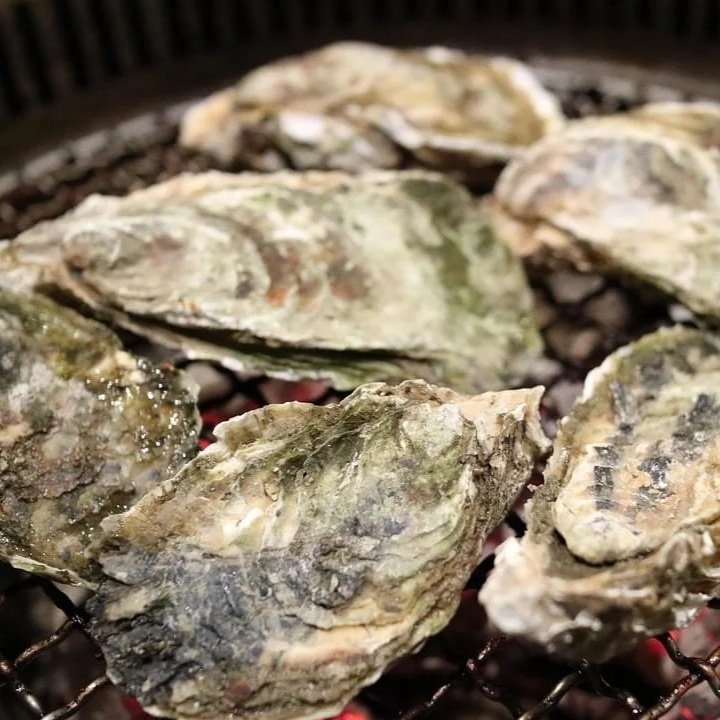
The strong tidal currents between the islands produce octopus with a firmness and depth of flavour you don’t get elsewhere, and the oysters (in season autumn through spring) are sweet and plump. You’ll find both in all kinds of forms at izakaya around town, but these are our picks. Tenkatsu has been doing this for over 100 years, with oysters and anago that you've gotta try. Uoichiba Komatsu is three floors with a live fish tank downstairs, Shikoku sake only, and an owner, Komatsu-san, who is something of a local legend. Order the kawahagi sashimi and finish with the bone-and-head soup with Sanuki somen. For something more considered, Shokukoubo DOI is a tiny husband-and-wife place where the food often arrives on handmade bizen pottery, there are no prices on the menu, and you just have to trust them and you should.
Olive Beef
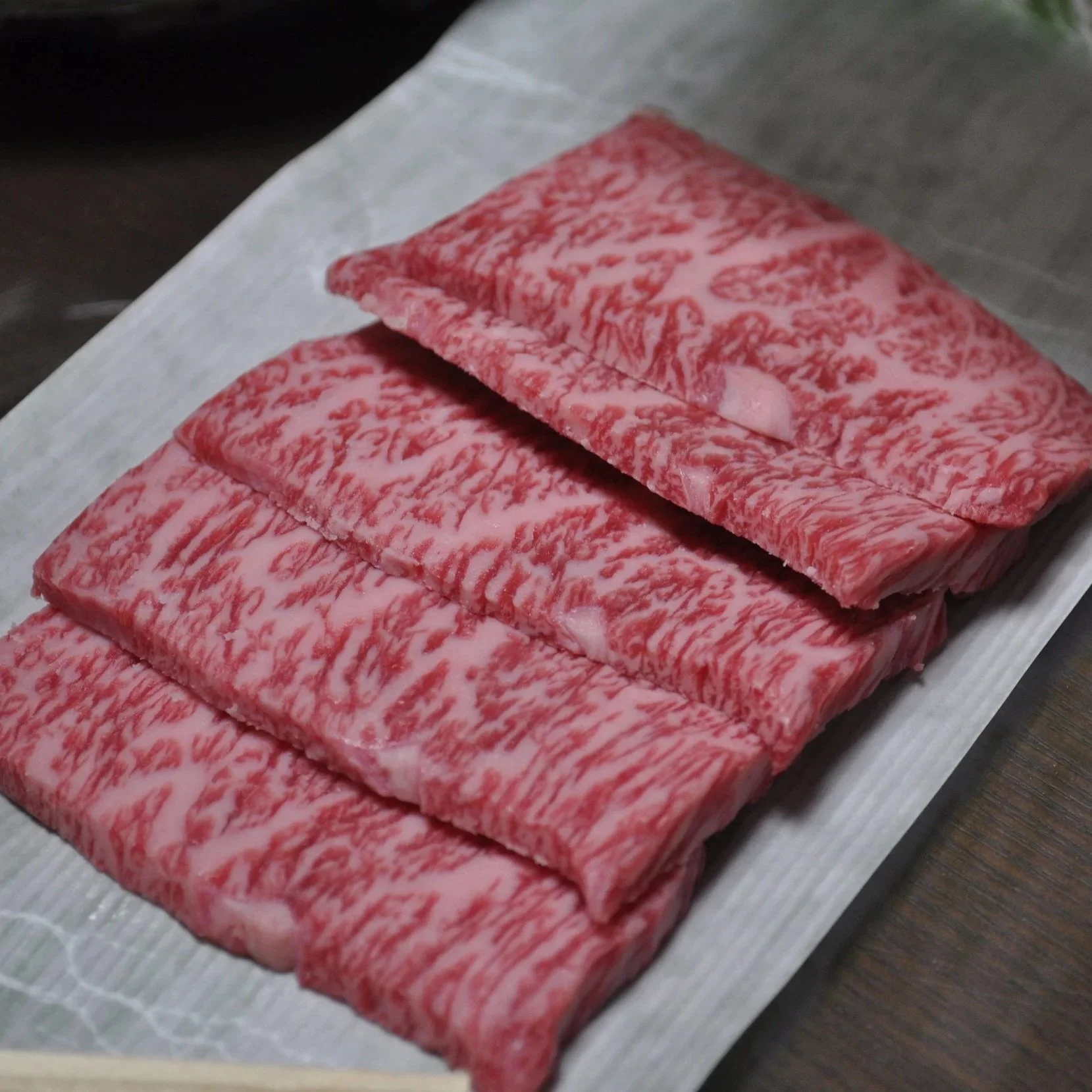
Cattle raised on Shodoshima, finished on the pressed olive lees left over from the island’s oil production. The result is beef with a nuttiness and subtle olive character that makes it genuinely different from anything else you’ll eat in Japan. It’s really only found in this region. Steak House Ichigo is Shikoku's first dedicated olive beef restaurant, buying whole cattle directly from certified farms and grilling over charcoal. It's the most serious version of this beef you'll find. Kado no Teppan Yumeji is the casual end of the spectrum, a lively teppanyaki izakaya tucked down a lane off the shotengai where the saganaki olive beef sirloin is the go. Shabutei Maru serves it as shabu-shabu if you want something in between.
Wasanbon
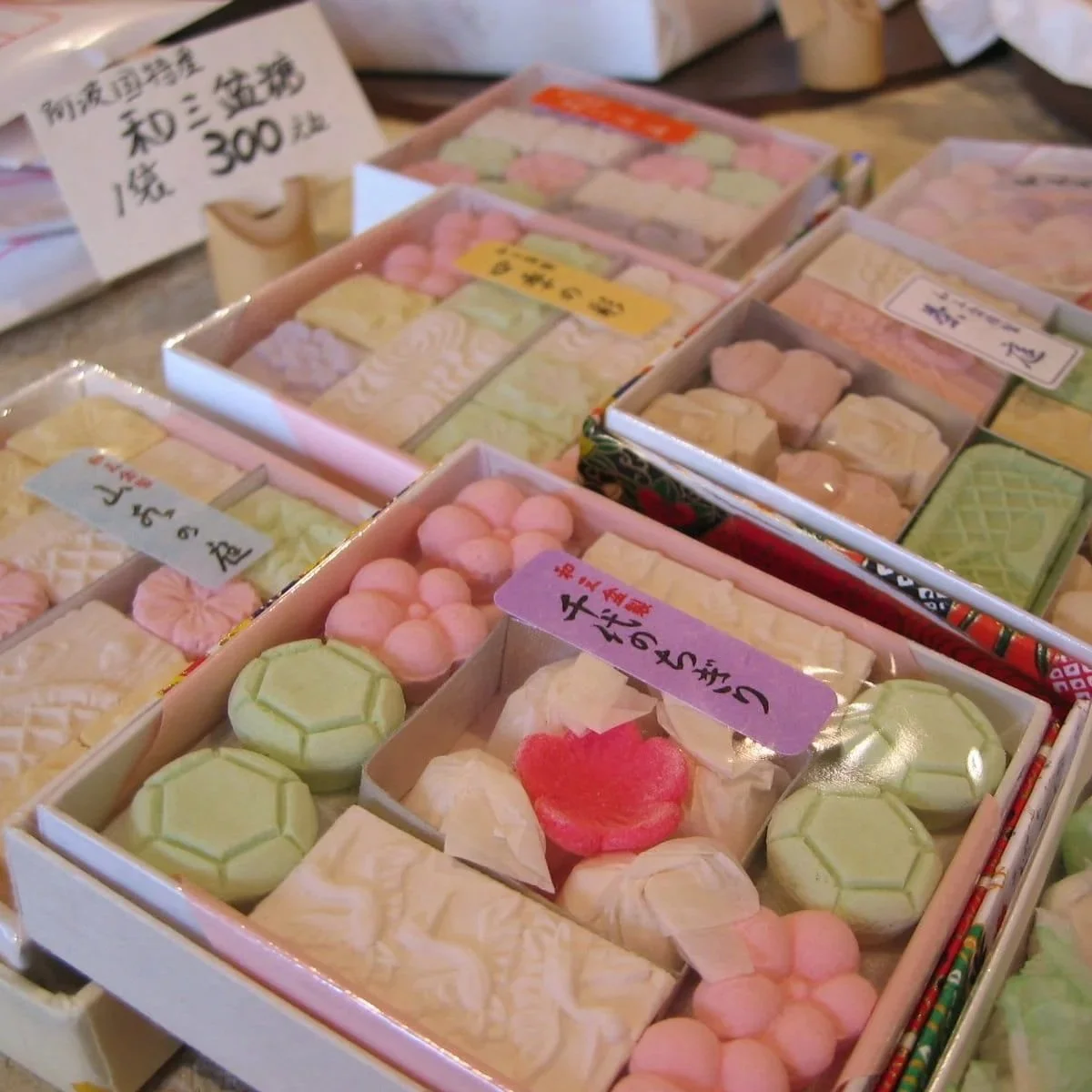
Kagawa and neighbouring Tokushima are the only places in Japan that still produce this small, moulded sweet that gets pressed into seasonal shapes. They’re firm until they hit your tongue, then they immediately start to dissolve. Made from a specific variety of sugar cane and hand-polished three times, they’re the sugar used in the finest Japanese confectionery. Pick some up at Mitani Seito, which has been making it since 1804.
What to Do
Ritsurin Garden
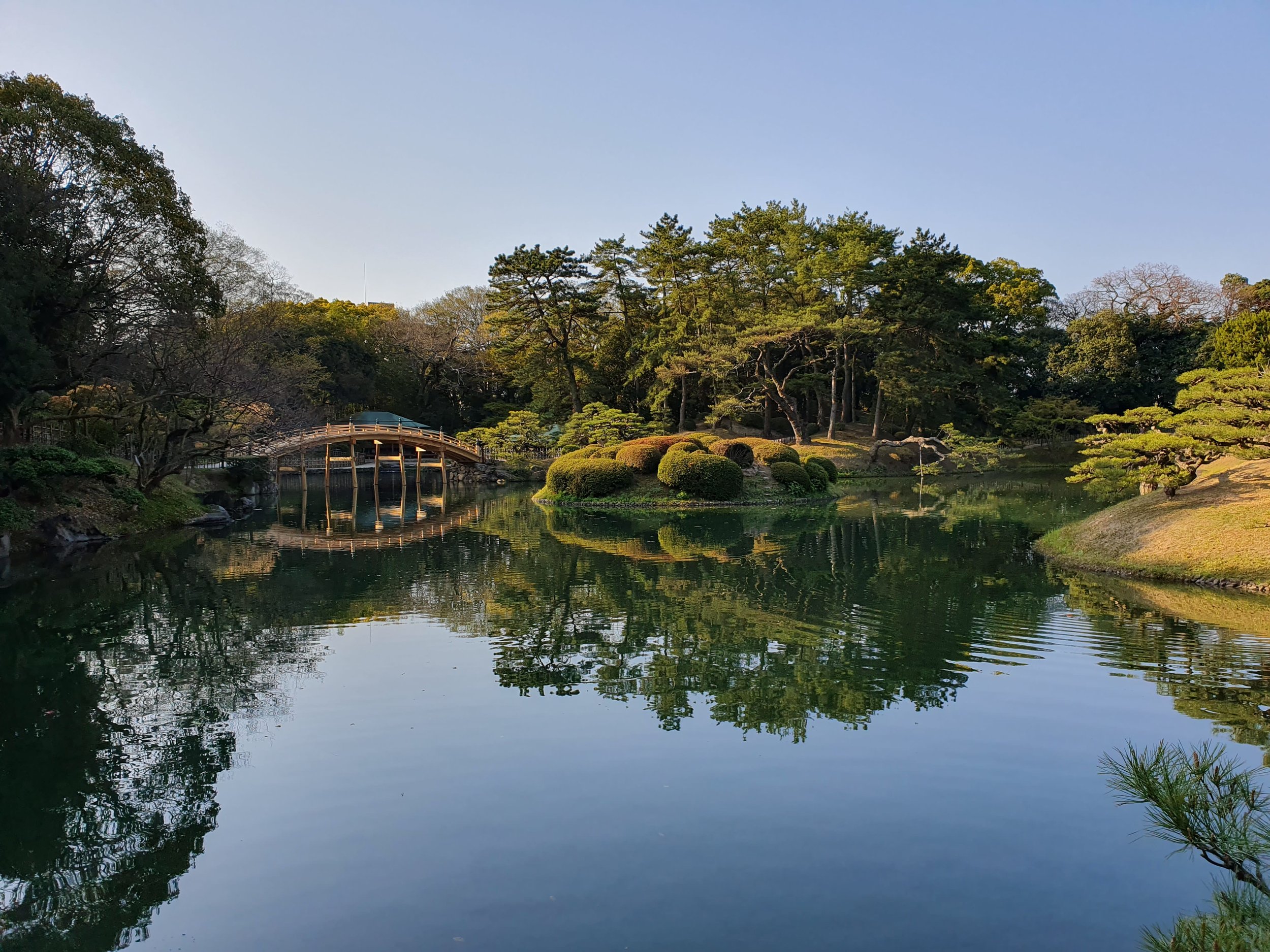
One of Japan’s Three Great Gardens, Ritsurin Garden is genuinely different from most. Where other gardens focus on a single tree or a single season, Ritsurin has everything: manicured pines, lotus ponds, teahouses, historical buildings, and Mount Shiun rising behind it all as a borrowed backdrop. It took over a century to complete, and you can feel that patience in the way every turn reveals something new. Go early in the morning and you’ll have it practically to yourself.
Shikoku Mura
An open-air museum of 33 traditional buildings relocated from across Shikoku, from farmhouses and kabuki theatres to one of the suspension bridges made of vine from the Iya Valley. That would be fun enough, but to make it even more interesting there’s a Tadao Ando-designed gallery at its centre, housing works by Picasso and Bonnard in a space that feels completely at odds with its surroundings, in the best possible way.
Mount Yashima
A flat-topped plateau rising above the city with views across the Seto Inland Sea, Yashima was the site of a pivotal battle in the 12th century Genpei War. Yashima Temple, which sits at the top, is the 84th stop on the Shikoku pilgrimage and has been collecting the arrows and armour ever since the Genpei War. The Yashimaru building, designed by Toyo Ito, has reinvigorated the plateau with food and craft, and the area has a long tradition of tanuki folklore with ceramic raccoon dogs tucked into unexpected corners everywhere you look.
The Art Islands
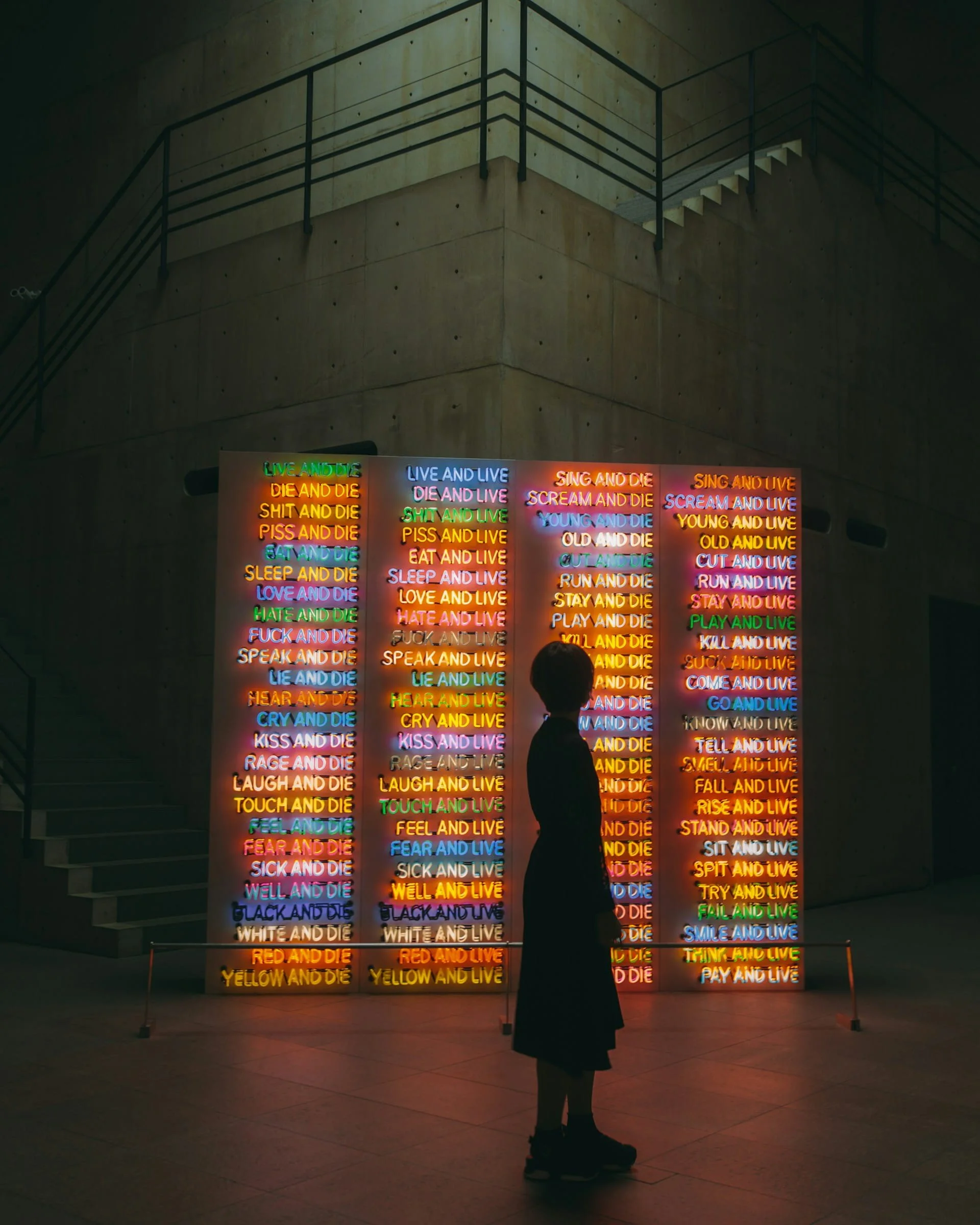
Naoshima and Teshima are each worth a day on their own, and collectively they’re one of the most remarkable things you can do in Japan. Naoshima is the most famous, home to Tadao Ando’s Chichu Art Museum, the Benesse Art Site, and the iconic Yayoi Kusama pumpkins. Our personal favourites are the Lee Ufan Museum and Minamidera, a James Turrell light installation that will have you questioning your vision. Teshima centres on the Teshima Art Museum, a concrete shell shaped like a water droplet where light, air, and water seep through the floor. Make sure to visit the Heartbeat Archive, where you can experience heartbeats recorded from people around the world, or even add your own. If you find yourself with an extra afternoon, the 20-minute ferry to Megijima drops you on a quiet island where local legend says demons once lived, and where art installations do during the Setouchi Triennale.
How Do I Get To Naoshima and the Art Islands?
There’s a slow and a fast ferry to Naoshima, and we highly recommend taking the time for the slow one. It’s a much more pleasant experience. There are multiple departures every day. For Teshima, there are also multiple departures, and if you can catch the one that goes direct instead of stopping at Honmura (on Naoshima) you’ll save a lot of time. The ferry to Megijima also continues on to Ogijima, so you could even hit up both in a day if you wanted.
Busshozan
A short ride on the Kotoden electric railway from the city centre brings you to one of the few areas in Takamatsu where the Edo period still feels present. Busshozan grew as a temple town around Hōnen-ji, the family temple of Takamatsu’s first feudal lord, and the old streets connecting the station to the temple are lined with traditional townhouses that have been standing since. In recent years, renovated machiya have been filling up with small cafés, craft shops and galleries, giving the area a quiet energy that’s hard to find in central Takamatsu. Every October, the area puts on a full daimyo procession recreating the lord’s journey to the temple, costumes and all. And if you want to soak, Busshozan Onsen is one of the better onsen in the area, with an award-winning design that looks nothing like a traditional bathhouse.
Bonsai Nurseries
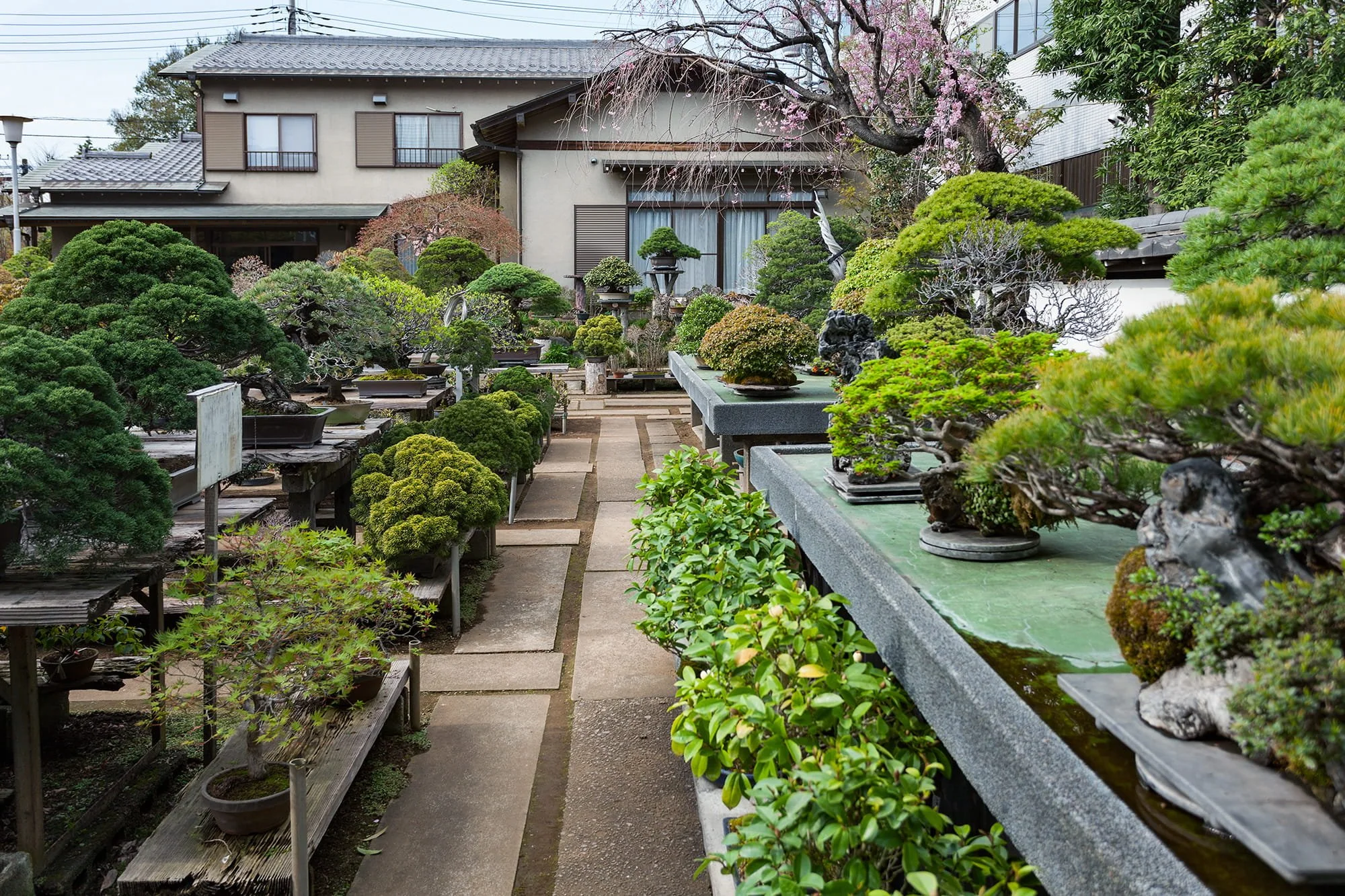
The quiet western suburbs of Kinashi and Kokubunji produce around 80% of Japan's pine bonsai, yet almost no visitors make it out here. Kinashi Bonsai Village is just seven minutes by local train from the city centre, and the area around the station is dotted with around 60 working nurseries you can wander between freely. These are not tourist attractions, and that's exactly the point. For a more structured introduction, the Takamatsu Bonsai no Sato opened in 2020 as a dedicated exhibition and sales space with thousands of pieces from local growers. If you want to go deeper, Takumikumo Village runs workshops with fifth-generation masters where you can get your hands dirty.
Where to Shop
Shotengai
Most Japanese cities have a covered shopping arcade. Takamatsu has 2.7 kilometres of them. What makes it different is that it’s not one street but an interconnected maze that branches off in all directions, and just when you think you’ve found the end, there’s another covered street waiting. There’s so much to explore and find in this city, and the fun continues off the covered arcade as well, particularly in the streets around Kawaramachi. They’re packed with izakaya and bars, so the shopping has a habit of turning into dinner and an evening out.
Kitahama Alley
A cluster of repurposed waterfront warehouses near the port, converted into indie boutiques, galleries, cafés and restaurants. The atmosphere alone is worth the walk. The standout shop is Kitahama Blue Stories, a carefully curated select store carrying work by artists and craftspeople from Kagawa and the wider Setouchi region, from glassware made with local Aji stone to handmade accessories and ceramics. A good place to find something you won’t see anywhere else.
Umimachi Shopping Street
Sitting alongside the Takamatsu Central Wholesale Market and the Kagawa Prefectural Fish Market, this is one of the liveliest morning spots in the city. Go early, around 7am on weekdays, and you’ll be shoulder to shoulder with locals doing their morning shop. Several spots inside serve breakfast and lunch, so you can eat what you just watched come in off the boats.
Nakata Shikkiten
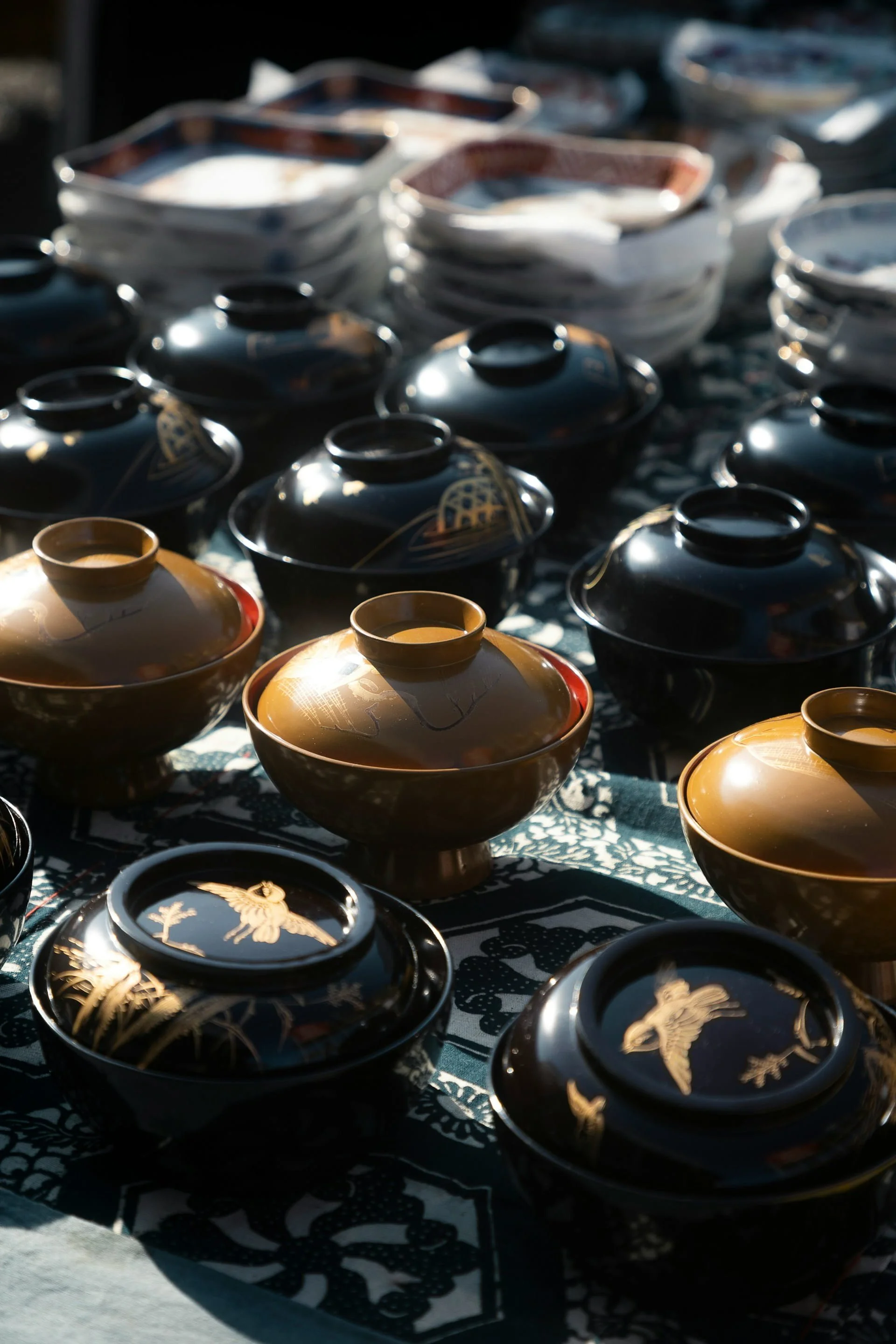
Kagawa produces some of Japan’s finest lacquerware, with two techniques largely unique to the region: chinkin, where gold is inlaid into carved grooves, and chōshitsu, where lacquer is built up in layers and then carved back. Nakata Shikkiten is the best place in town to buy it, whether you want a showpiece or something you’ll actually use at home.
Machino Schule 963
A beautifully curated shop selling crafts made from Aji granite, the stone quarried just outside Takamatsu and used in landmark buildings around the world. They also stock a good range of other quality local goods, and there’s a café inside if you need a reason to linger.
Where to Play
Live Music
Takamatsu punches well above its weight as a music city. For a place this size and this far off the main touring circuit, the live music scene is surprisingly active. The anchor is TOONICE, which is the kind of venue that defies description. You might walk in on a band of high school students, a mainstream Japanese tour, or a local indie rock band. It’s underground, unpretentious, and always a good time. Club Dime is the other venue worth knowing for live music.
Jazz Kissa
Part of what makes Takamatsu a music city is that the appreciation for it goes deeper than live shows. Voice is the kind of place that reminds you why jazz kissas exist. An older guy runs it, the records are immaculate, and you feel at home the moment you walk in. If Voice is closed, Fifty Jazz Café opened in 2023 modelled on the legendary Kichijoji Fifty, with vinyl played on high-end equipment and the same listening-first philosophy.
Sukima
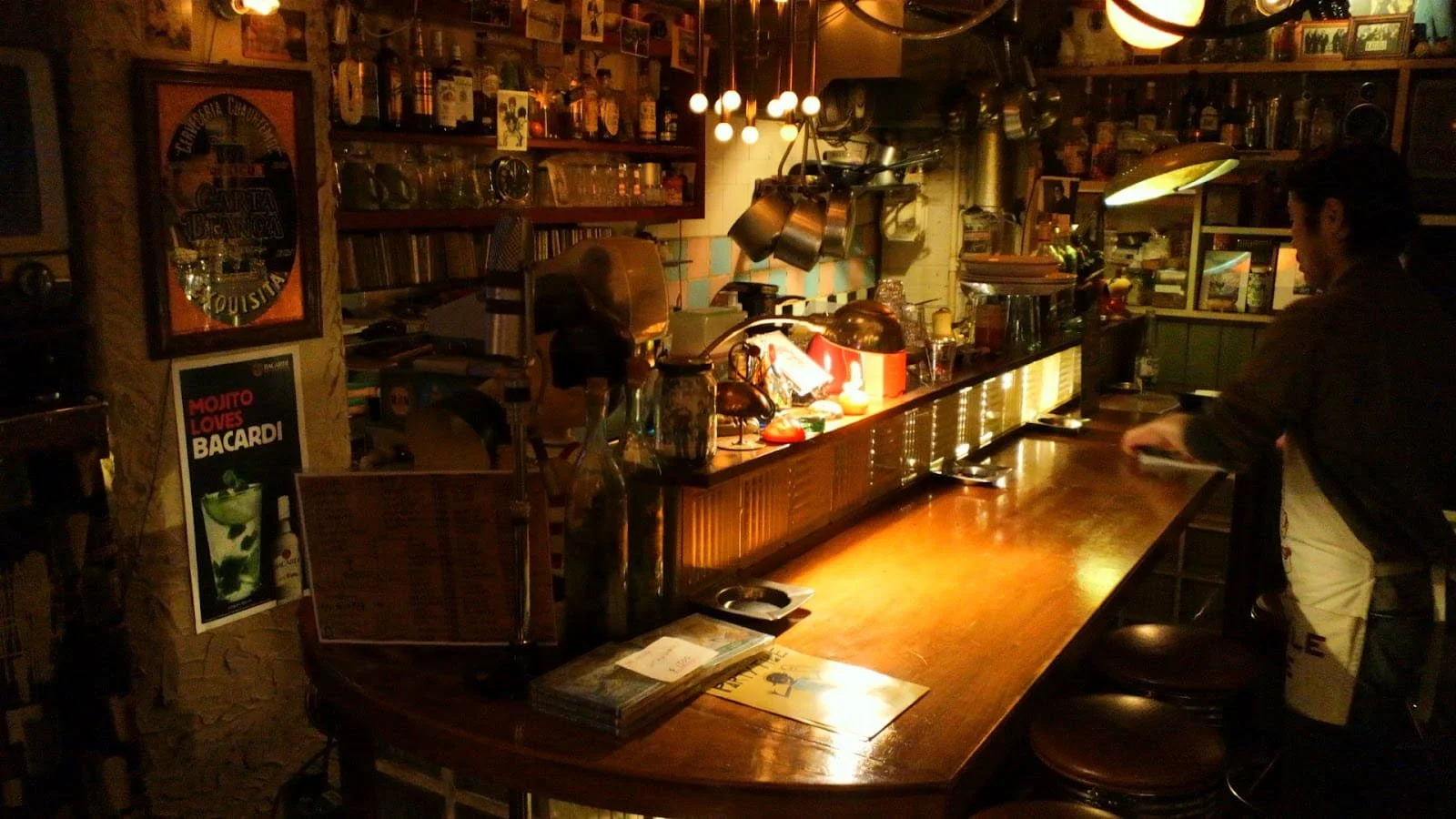
A sake standing bar near Katahara-machi where owner Wada Sumiyo pours small measures, around a third of a standard wine glass, so you can try a good selection. The focus is Kagawa’s local breweries alongside a broader national selection, and the bottles lined along the walls make it feel like a very intimate cellar. Simple snacks like cheese, pâté and cured meats keep things going. It has a way of getting strangers talking, and Wada-san’s warmth is a big part of why.
Shamrock
A whiskey bar with a quiet, intimate vibe and a bartender who clearly knows what they’re doing. We went expecting a standard list and found considerably more than that. Cocktails too, but if you’re a whiskey person, this is your place.
Craft Beer
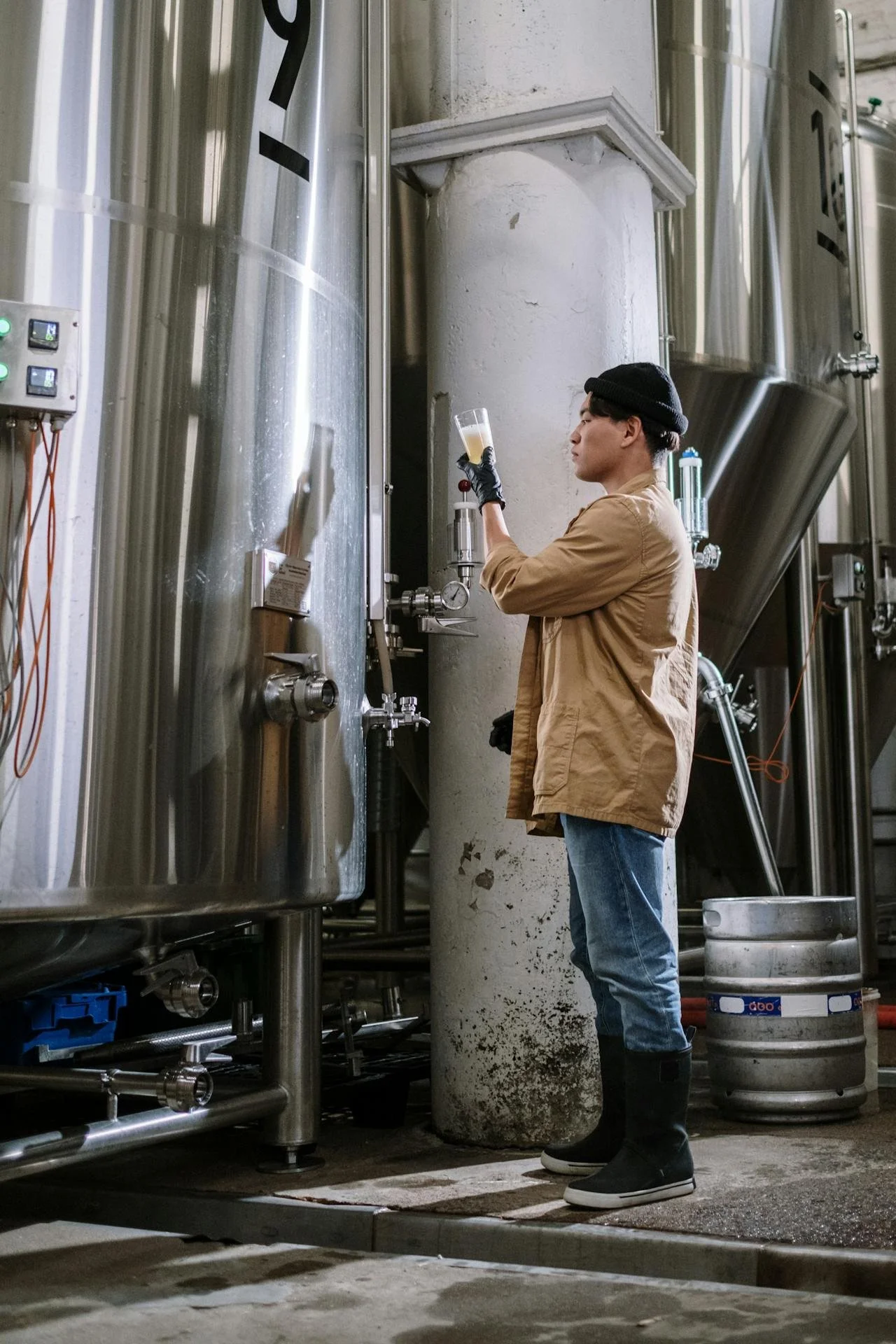
White Sparrow Brewing is doing interesting things with local ingredients in the heart of the city. Riverside 351 is the taproom for Setouchi Beer, sitting alongside the river with eight rotating taps and a bring-your-own-food setup that makes it as good for a sunny afternoon as it is for an evening out.
Most people use Takamatsu as nothing more than a place to rest their head while they visit the art islands, or a quick stop before heading deeper into Shikoku for the temple pilgrimage. There’s always somewhere else to be, and we have a full Shikoku Guide available for those of you who want to use this as your starting point. But Takamatsu has a habit of surprising the people who slow down long enough to let it. The unhurried rhythm, the extraordinary food, the craftsmanship that runs through everything from the lacquerware to the bonsai to the udon. It doesn’t announce itself. It just quietly delivers, over and over, to the people patient enough to stay.
Frequently Asked Questions
-
Takamatsu is an easy city to underestimate. Most people pass through on their way to Naoshima or deeper into Shikoku. But the food alone justifies two days: sanuki udon, honetsuki dori, olive beef from Shodoshima, and some of the best seafood you'll eat in Japan. Add Ritsurin Garden, the bonsai nurseries at Kinashi, and a live music scene that punches above the city's weight, and it starts to look less like a layover and more like a destination.
-
Two or three days in Takamatsu itself, plus a day each for Naoshima and Teshima if you're visiting the art islands. That gives you time to eat properly, wander the shotengai, get out to Kinashi or Busshozan, and not feel rushed.
-
Ferries run from Takamatsu Port to Naoshima (Miyanoura Port) in about 50 minutes. There are also high-speed ferry options that take around 30 minutes, but we recommend the slow ferry. Check the Shikoku Ferry timetable before you go. Services are limited, especially on weekday mornings and days when the museums aren't open.
-
Kagawa Prefecture (where Takamatsu is located) is known as "Udon Prefecture." Sanuki udon is taken seriously here in a way that goes well beyond any other region in Japan. The city is also the main gateway to the Seto Inland Sea art islands (Naoshima, Teshima), home to Ritsurin Garden (one of Japan's Three Great Gardens), and the source of around 80% of Japan's pine bonsai.
-
Spring (March–May) and autumn (October–November) are the most comfortable. Ritsurin Garden is spectacular in both seasons. Summer is hot and humid but the Seto Inland Sea in the late afternoon light is hard to beat. Avoid Golden Week (late April–early May) or visiting during the Setouchi Triennale if crowds are a concern.