
Don’t Eat Kobe Beef: Japan’s Regional Wagyu Alternatives
Kobe beef is overrated. Not because it isn't delicious. It absolutely is. But somewhere along the way, "Kobe" became the only Japanese beef word most people know. It got so famous that it essentially broke the conversation. Ask someone about Japanese wagyu and nine times out of ten, Kobe is the only answer you'll get.
Japan actually has a regional wagyu culture unlike anything else in the world. There are over 200 distinct wagyu brands, each one tied to a specific landscape, a specific climate, a community of producers who have spent generations doing things their own way. Some are richer than Kobe. Some are rarer. Some have histories that make Kobe look like a newcomer. Almost none of them get the recognition they deserve.
This isn't a takedown of Kobe beef, we’re just inviting you to look past it.
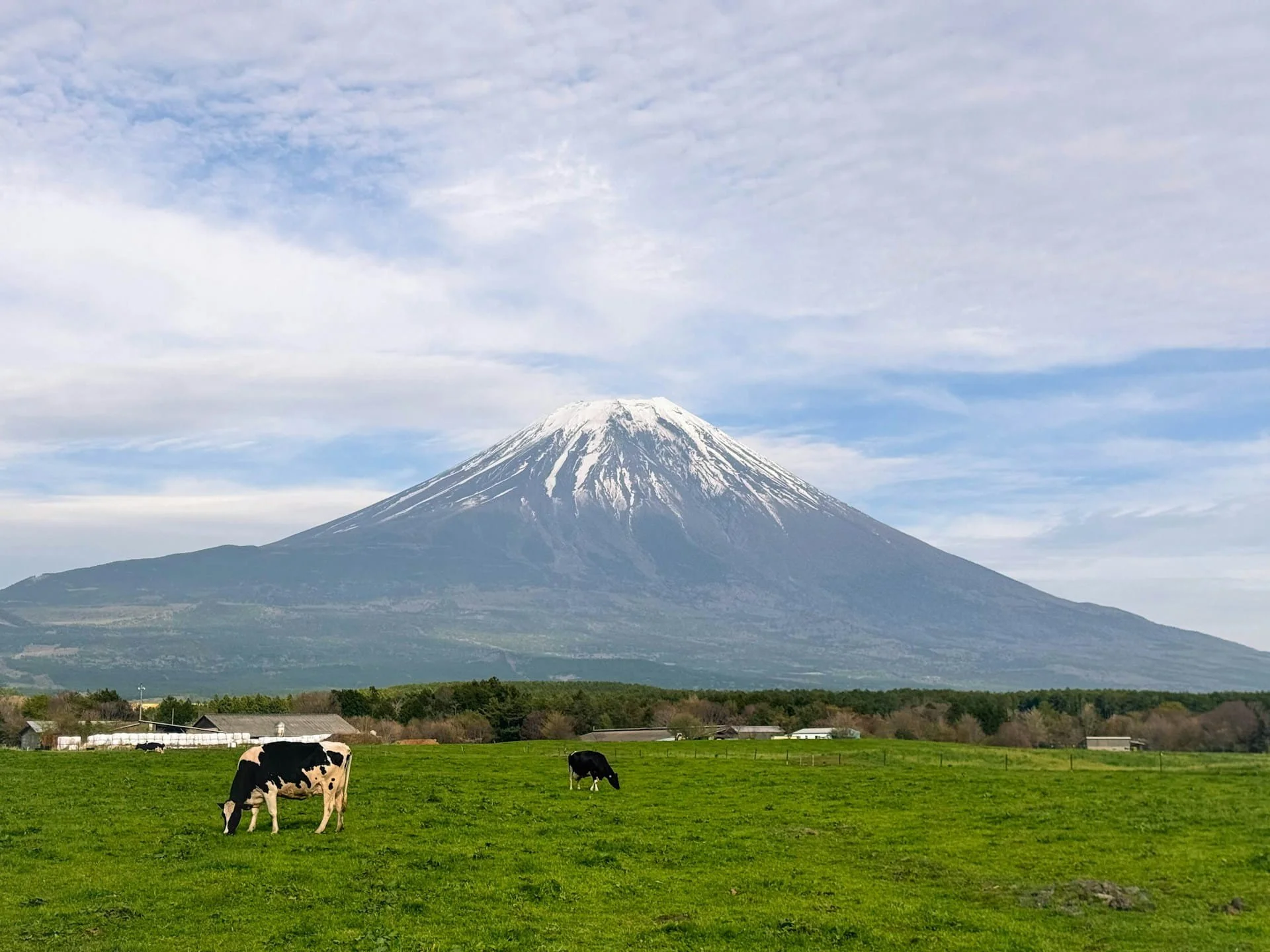
What Makes Wagyu Special (And Misunderstood)
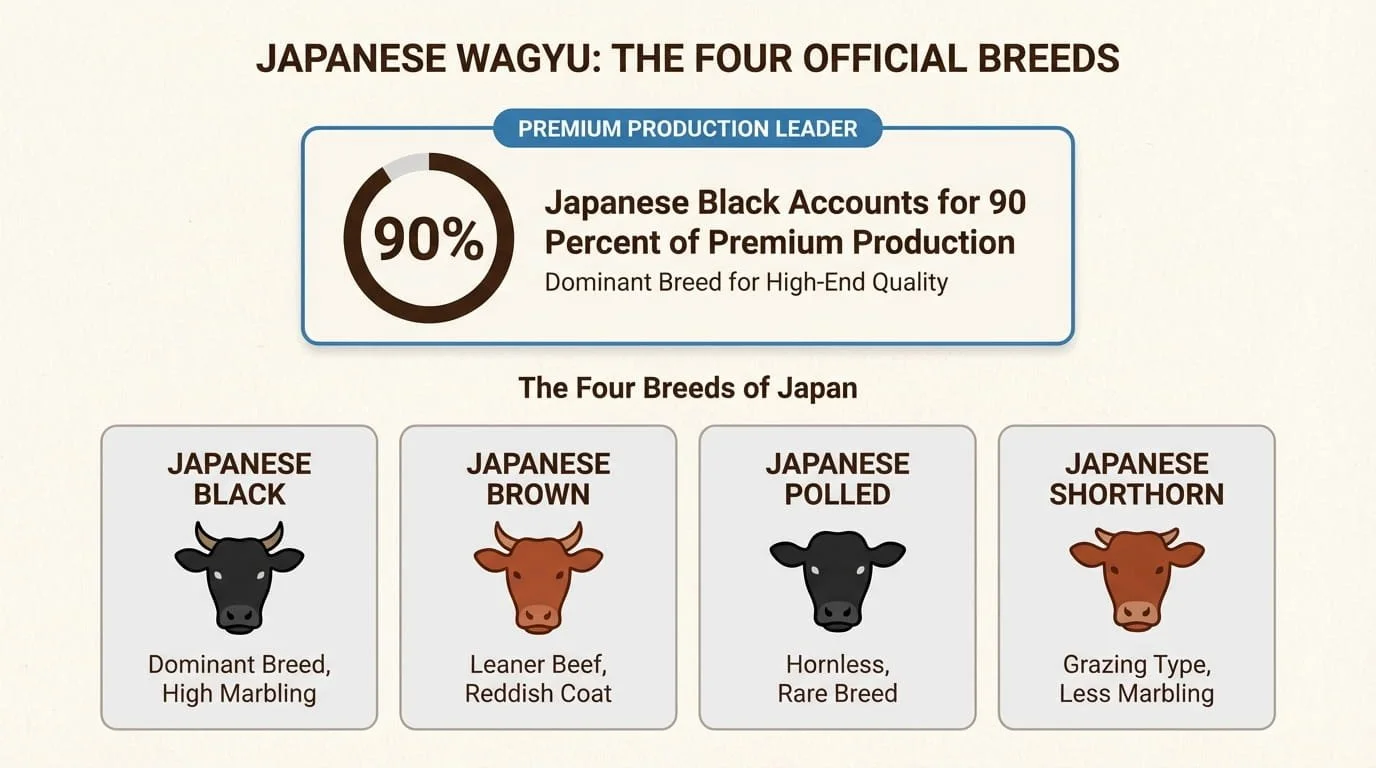
Before we get into the good stuff, let's clear up some confusion. "Wagyu" (和牛) simply means "Japanese cow" (wa = Japanese, gyu = cow), and not all wagyu is created equal.
Japan recognises four wagyu breeds: Japanese Black, Japanese Brown, Japanese Polled, and Japanese Shorthorn. The Japanese Black dominates the premium market, producing around 90% of the country's high-end beef. It has a genetic predisposition to develop intense intramuscular fat, the marbling that gives wagyu its signature melt-in-your-mouth texture.
The Japanese Meat Grading Association evaluates every cut on two scales. Yield grade (A, B, or C) indicates how much usable meat comes from the animal. Quality grade (1 to 5) assesses marbling, colour, firmness, and fat quality.
In practice:
A5 — highest yield, highest quality. The one you're ordering.
B5 — lower yield, same top-tier eating quality. Don't dismiss it on a menu.
The regional designation matters as much as the grade. Just as Champagne must come from Champagne, authentic Kobe beef must come from Hyogo Prefecture. The same logic applies to every regional variety on this list. Geography, feed, climate, and generations of producer expertise create flavour profiles you simply cannot replicate anywhere else.
The Kobe Beef Rivals
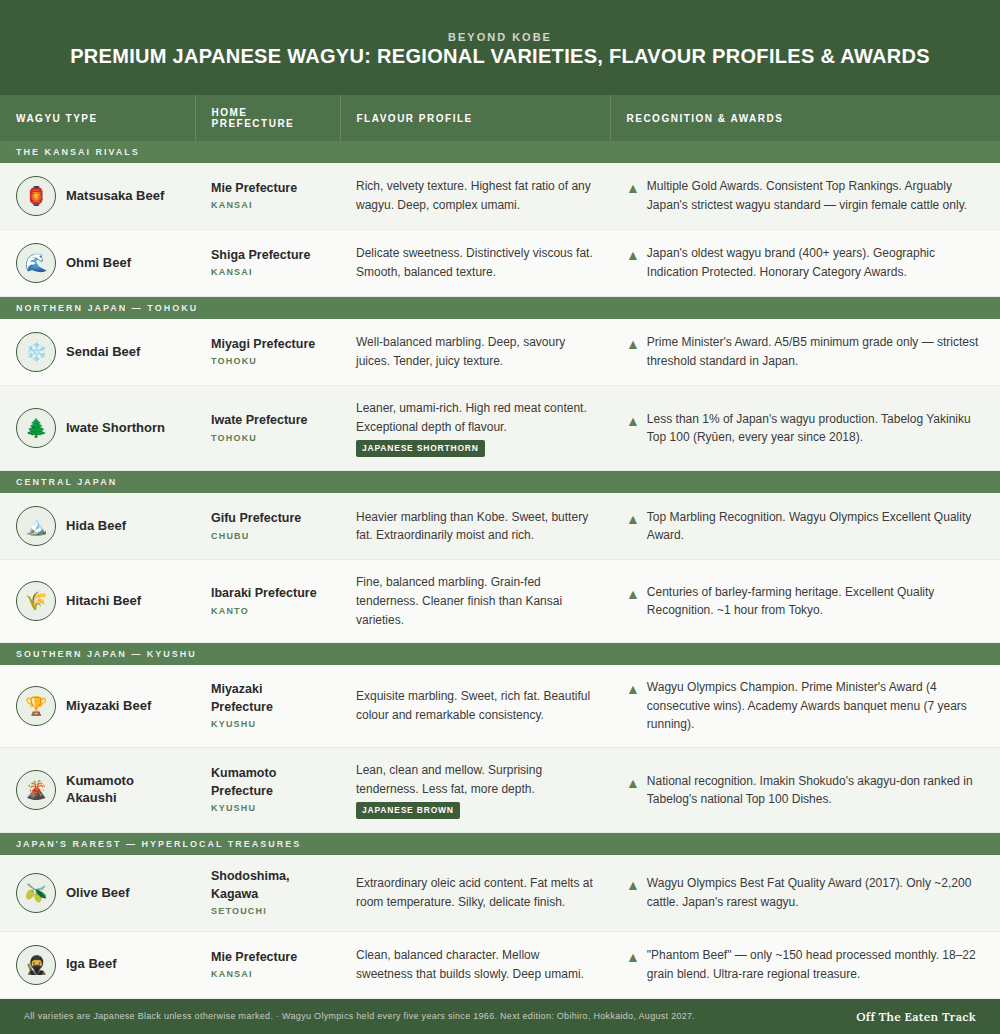
Japan has three wagyu brands that are generally considered the pinnacle: Kobe, Matsusaka, and Ohmi. All three come from the Kansai region and share bloodlines tracing back to Tajima cattle. But each has developed its own character over centuries, and honestly, the other two don't get nearly enough attention.
Matsusaka Ushi (Mie Prefecture)
Matsusaka Ushi comes exclusively from virgin female cattle raised around Matsusaka City, and the standards here are arguably stricter than Kobe. Each cow is tracked from birth to slaughter. Some farms feed beer to stimulate appetite and give massages with shochu to improve circulation. The result is beef with a higher fat-to-meat ratio and a velvety texture that many connoisseurs actually prefer to Kobe. It's rarer, often pricier, and harder to find outside Japan, which is partly why it hasn't reached the same level of global fame. Them flying under the radar is your gain.
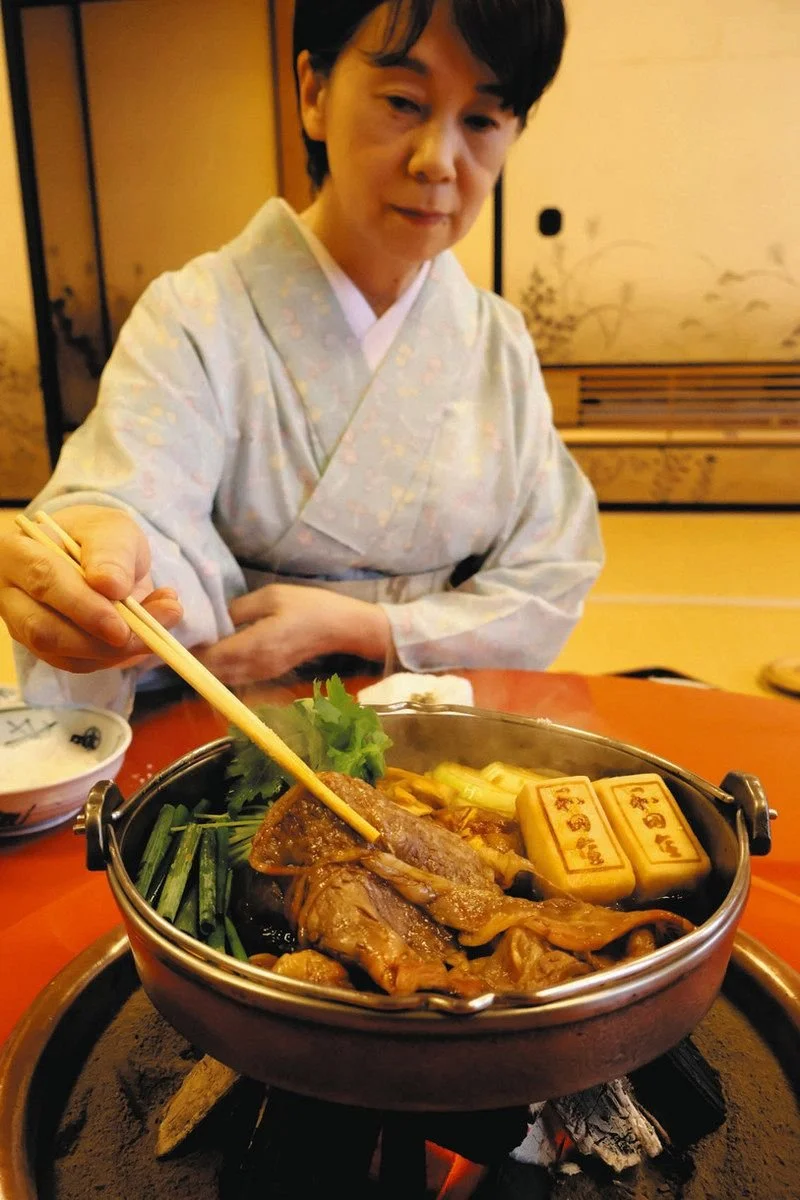
For the full ceremony, Wadakin (和田金) has been the definitive Matsusaka beef restaurant since 1878, with private rooms, a personal sukiyaki chef, and beef cooked over oak charcoal in a cast iron pot. If you want something more casual and genuinely fun, 一升びん 宮町店 (Isshobin Miyamachi) is the only place in Japan doing kaiten yakiniku, with A5 Matsusaka beef riding a refrigerated conveyor belt past your grill. For the most direct and affordable experience, おう児牛肉店 (Ouji Gyuniku-ten) is a small butcher that sources directly from farms and serves simple dishes alongside their retail cuts.
Ohmi Beef (Shiga Prefecture)
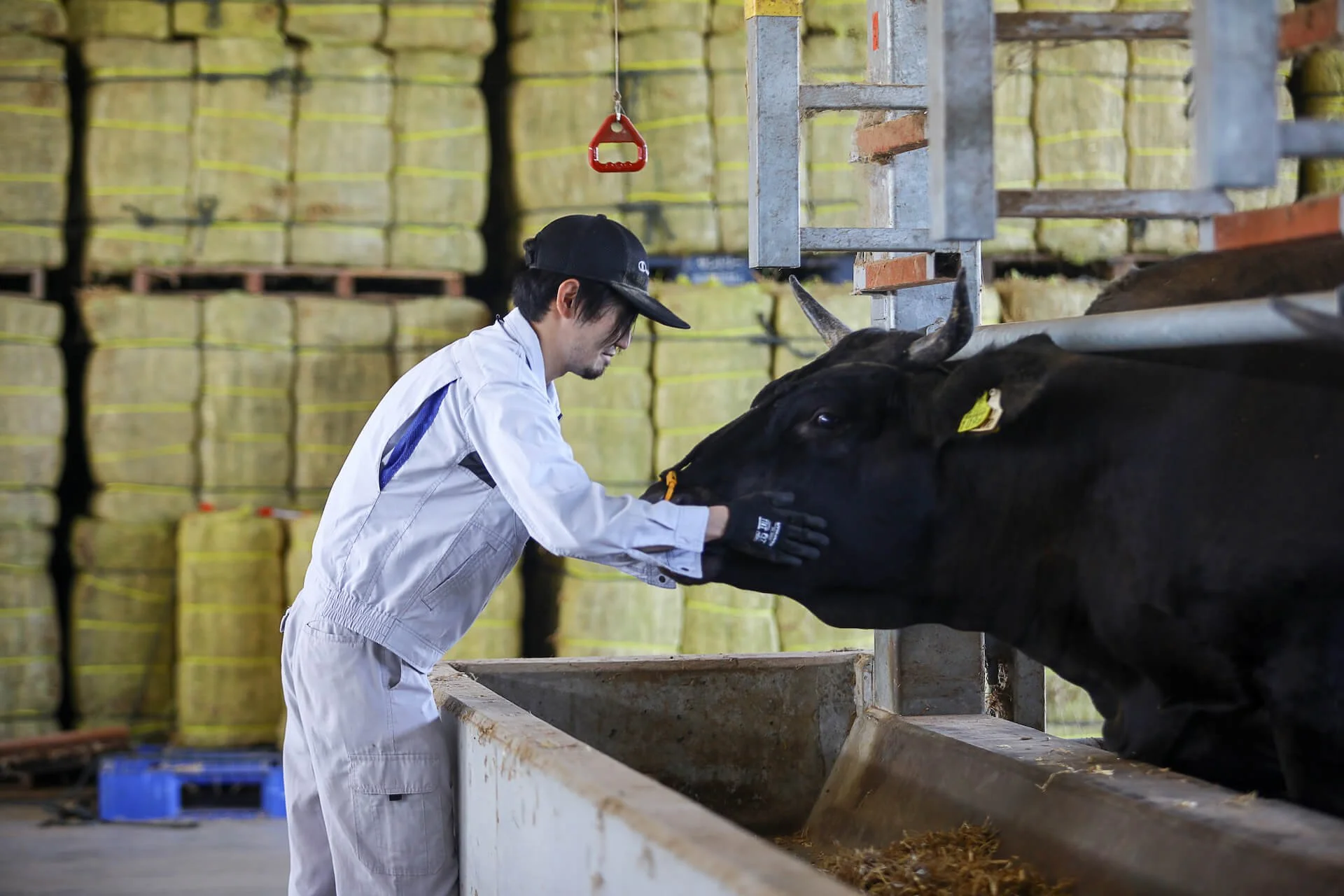
Ohmi beef carries a distinction that should probably make it more famous than Kobe: it's Japan's oldest wagyu brand, with over 400 years of history. Before eating meat became widespread in the 19th century, miso-marinated Ohmi beef was presented to the ruling shogun as a medicinal cure. It's now protected under Japan's Geographic Indication system, the same legal framework that protects Champagne and Parmigiano-Reggiano.
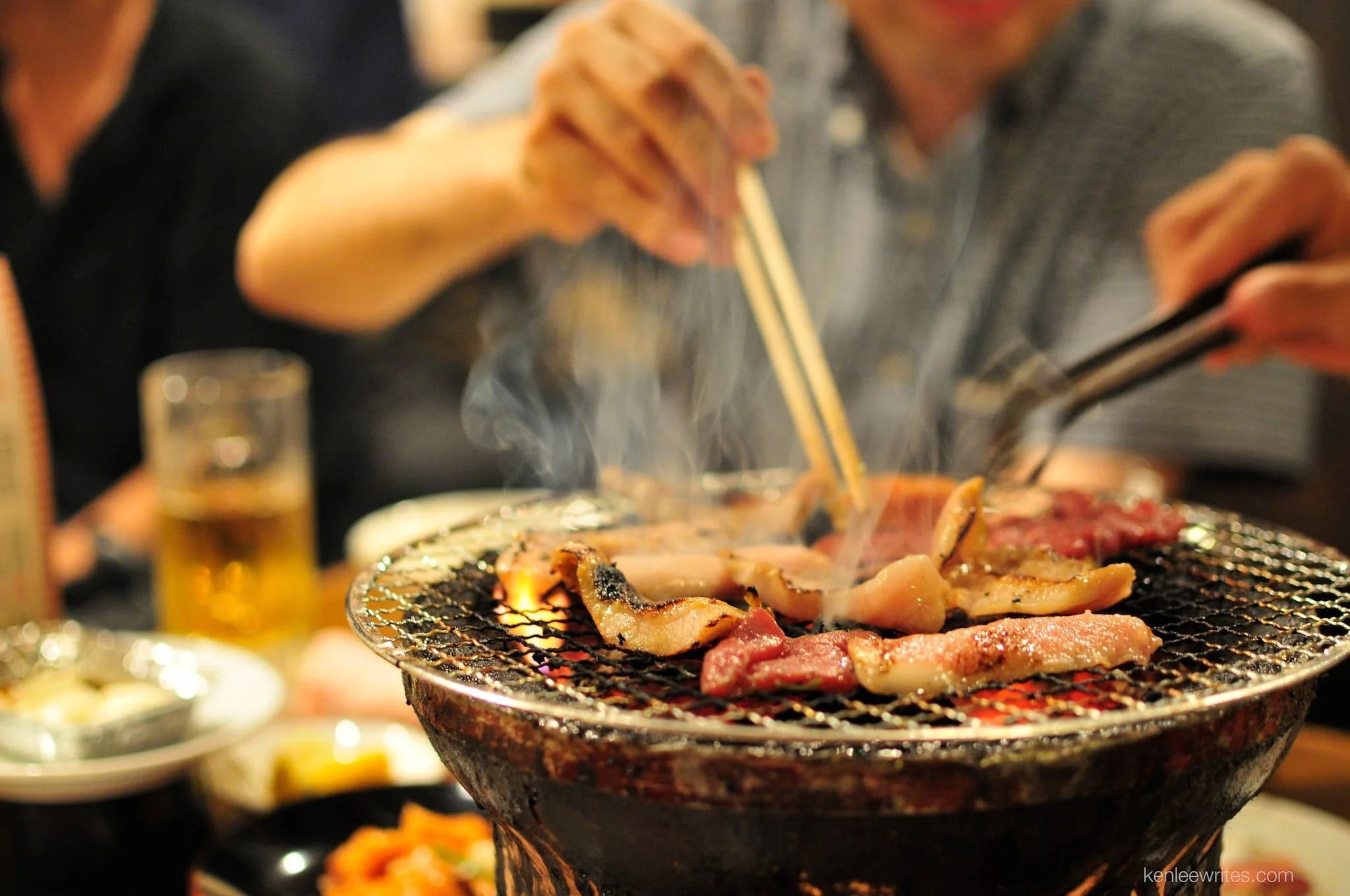
The beef is raised around Lake Biwa, Japan's largest lake, fed by over 4,000 rivers. That environment produces a fat with a distinctive viscosity and sweetness that sets it apart from anything else in the country.
We had clients spend a week in Shiga and come back absolutely evangelical about it. They found Yakiniku Kyoraku (焼肉響楽) in Omi Hachiman and loved it so much they went back for dinner on both nights they were there. We loved this story so much we're taking a small group to Shiga in May 2026 to experience it firsthand.
Beyond Yakiniku Kyoraku, Morishima Nagahama Kurokabe (毛利志満 長浜黒壁店) is a Meiji-era institution serving Ohmi beef inside a converted Edo-period merchant's house in Nagahama's Kurokabe district. For something completely different, the brand new OWL (炭火焼ハンバーグ専門店OWL) does Ohmi beef hamburg steak over binchotan charcoal that you finish yourself at the table, lunch only and sells out fast, so arrive early.
Northern Japan's Hidden Gems
The Tohoku region gets overlooked in most Japan itineraries, which is a shame for a lot of reasons, and the wagyu is one of them. We’ve been eating our way across Japan for nearly two decades, and this is where it began for us.
Sendai Beef (Miyagi Prefecture)
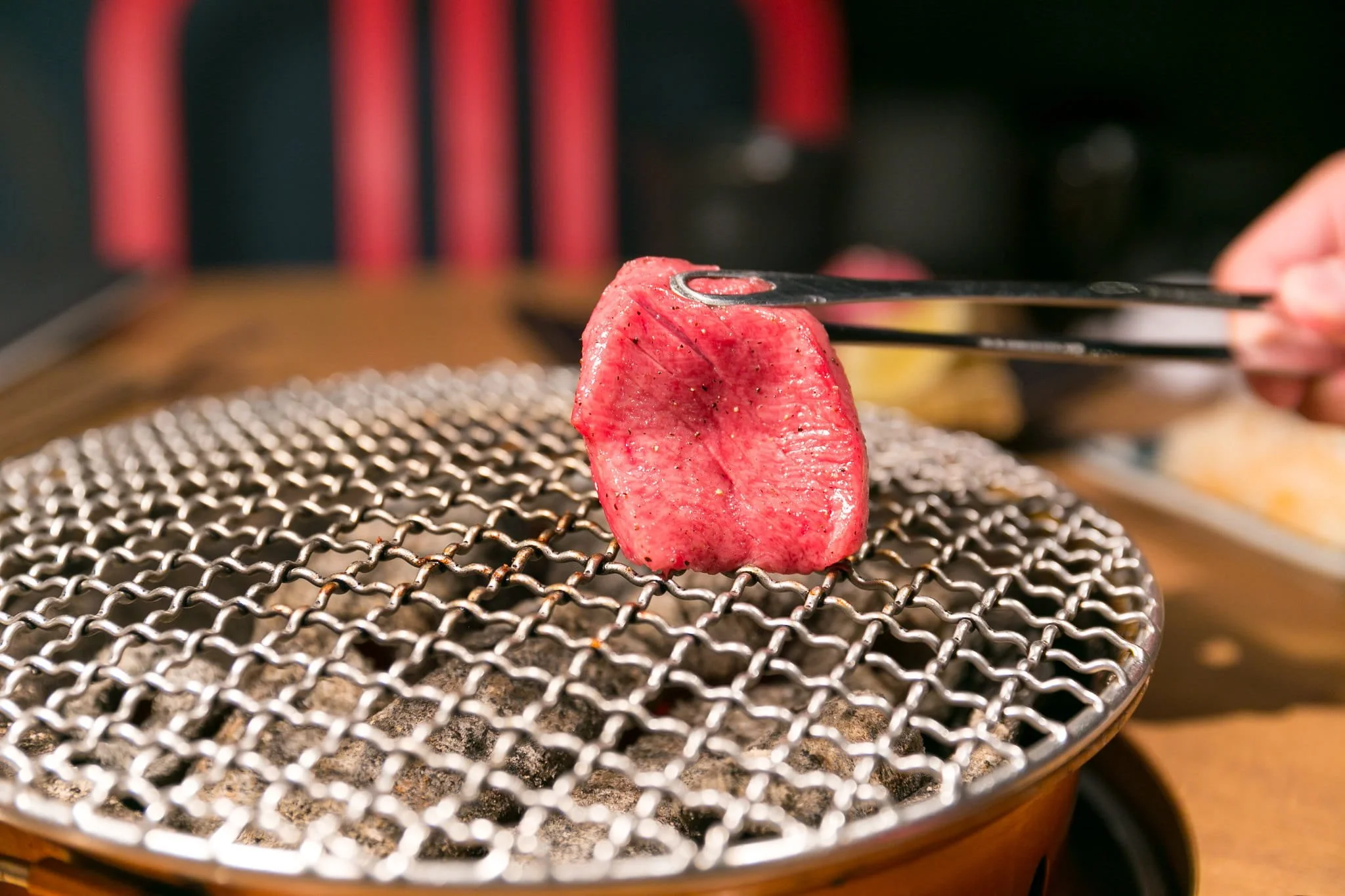
Sendai beef has one of the strictest quality thresholds of any regional brand in Japan. Only A5 and B5 grades qualify for the name, which means every plate of Sendai beef you order is operating at the top of the grading scale. The beef is known for its tender texture and exceptionally flavourful juices, and Sendai is one of the easiest regional wagyu destinations to reach from Tokyo, just a couple of hours on the shinkansen.
Roasted Gyutan Tasuke (旨味太助) is the direct descendant of the original Sendai beef tongue restaurant, counter seating only, charcoal-grilled thick-cut tongue, cash only, and a queue out the door before it opens. For the full Sendai beef experience beyond tongue, Sukiyaki Kappo Kato (すき焼割烹 かとう) has been run by the Kato butcher shop since 1954, serving A5 Sendai beef as sukiyaki prepared tableside using a sauce recipe aged for over 50 years, and was a selected restaurant in the Michelin Guidein 2017. If yakiniku is more your speed, Sendai Beef Yakiniku Hanagyu (仙台牛焼肉 花牛) has been a Tabelog Yakiniku Top 100 restaurant every year since 2020, serving exclusively certified Sendai beef in private rooms.
Iwate Japanese Shorthorn (Iwate Prefecture)
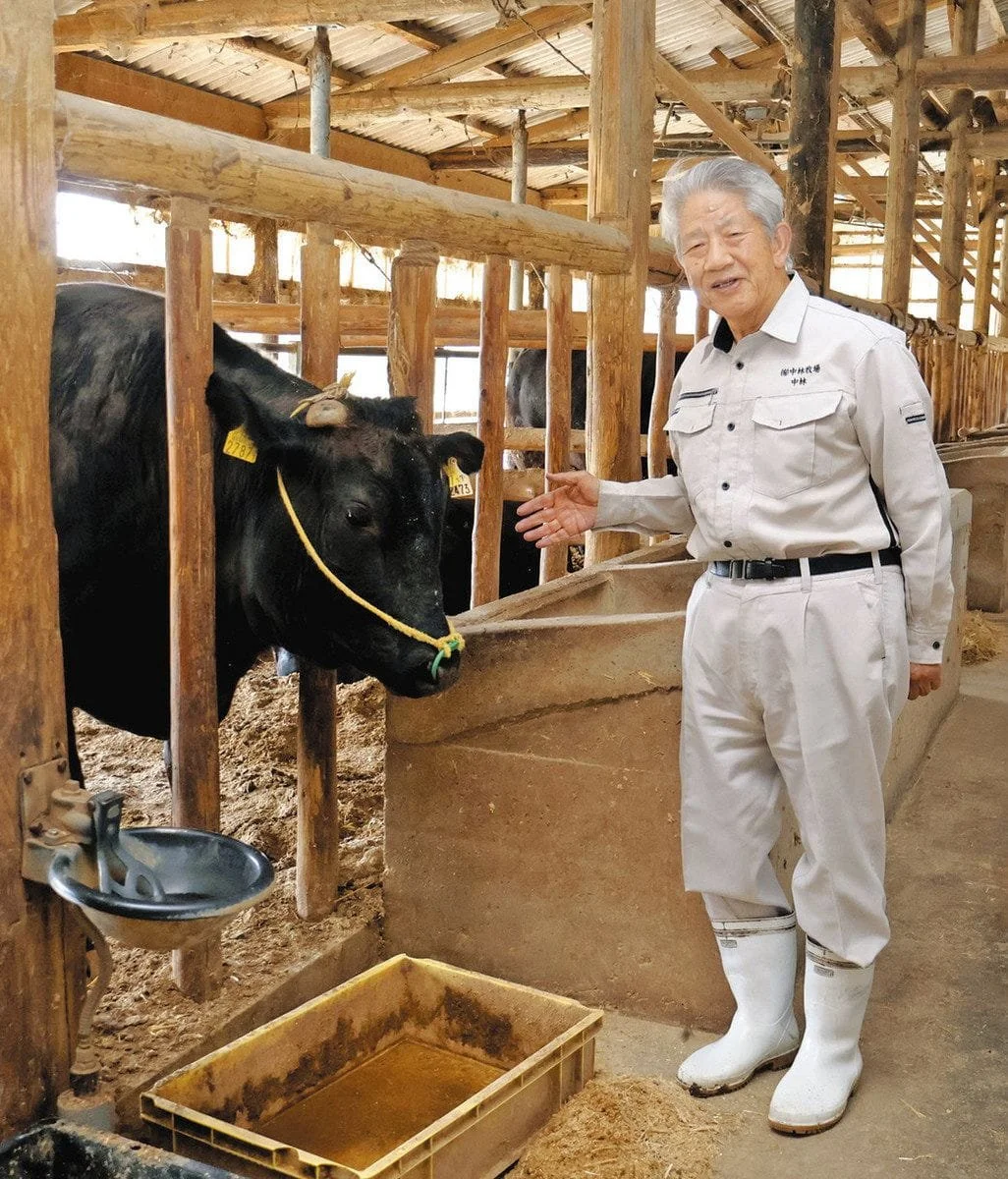
The Iwate Japanese Shorthorn represents less than 1% of all wagyu production in Japan. It's a genuinely rare breed, and it produces something quite different from the heavily marbled Kansai varieties: leaner beef with higher red meat content, but with umami-rich amino acids that still deliver incredible tenderness and depth of flavour. If you've ever found A5 Japanese Black a little too rich, this is your answer.
The cold northern climate shapes how the cattle develop, creating a mouthfeel unlike anything you'd find further south. And because you're eating it in Morioka or another Iwate city rather than Tokyo,you’ll do a double-take when you see how cheap prices are.
Ryūen (龍園) in Ōshū has been on the Tabelog Yakiniku Top 100 list every year since 2018, which tells you everything you need to know — this is the kind of place people reroute their shinkansen journey for, and the house sauce recipe has been developing since 1974. For teppanyaki, Kozuki (香月) in Morioka is a Tabelog Steak Top 100 pick serving Maesawa beef in a tucked-away jazz-filled room that feels more like a private club than a restaurant, and worth every yen of the splurge. If you want to catch something newer, Teppanyaki Oto (鉄板焼 音) only opened in March 2025 but is already generating buzz for its Shorthorn hamburger steak cooked on an iron plate right in front of you.
Central Japan's Rising Stars
Hida Beef (Gifu Prefecture)
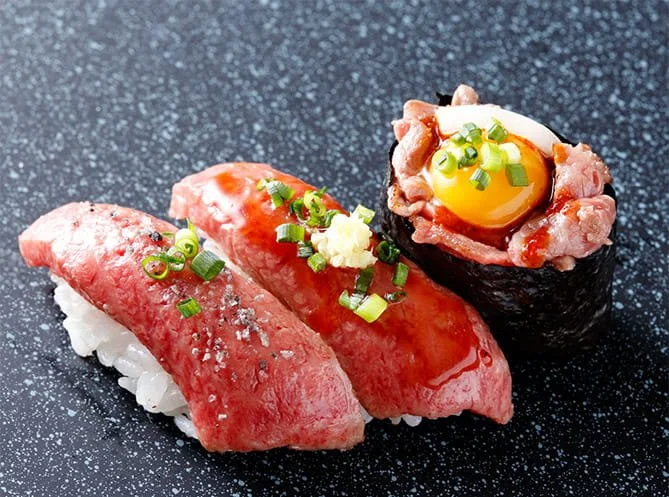
Hida beef is about as far from subtle as wagyu gets. Known for heavier marbling than even Kobe, it produces a richness that coats your mouth and lingers in the best possible way. The fat has an almost sweet, buttery quality, and the texture is extraordinarily moist. Takayama, the beautifully preserved historic mountain town in Gifu Prefecture, has become the natural home for Hida beef tourism, with restaurants serving everything from teppanyaki to beef sushi.
For a quick bite, nothing beats Hida Kotte Ushi (飛騨こって牛) in the old town, serving up A5 Hida beef nigiri, made to order and served on a handmade seaweed cracker, the kind of two-bite snack that stops you mid-wander and immediately makes you want another. Mikado (郷土料理みかど) is an unfussy Takayama spot serving one of the region's most beloved dishes: hoba miso, beef and vegetables grilled on a dried magnolia leaf over a small flame, the leaf's natural oils mingling with fermented miso to create something smoky, savoury and deeply local. If you want to sit down and do it properly, Ajikura Tengoku (味蔵天国) is run directly by JA Hida, the farming cooperative behind much of the region's beef production, which means the yakiniku here is about as close to the source as you can get without visiting a farm.
Hitachi Beef (Ibaraki Prefecture)
Ibaraki has been grain-growing country for centuries, and that agricultural heritage shows up directly in the beef. Hitachi cattle are raised on barley and local grains that produce beautifully balanced marbling, finer in texture than some of the richer Kansai varieties, with a tenderness that speaks for itself. Much like Sendai, it’s only about an hour from Tokyo by train, so it’s another very accessible regional wagyu experience.
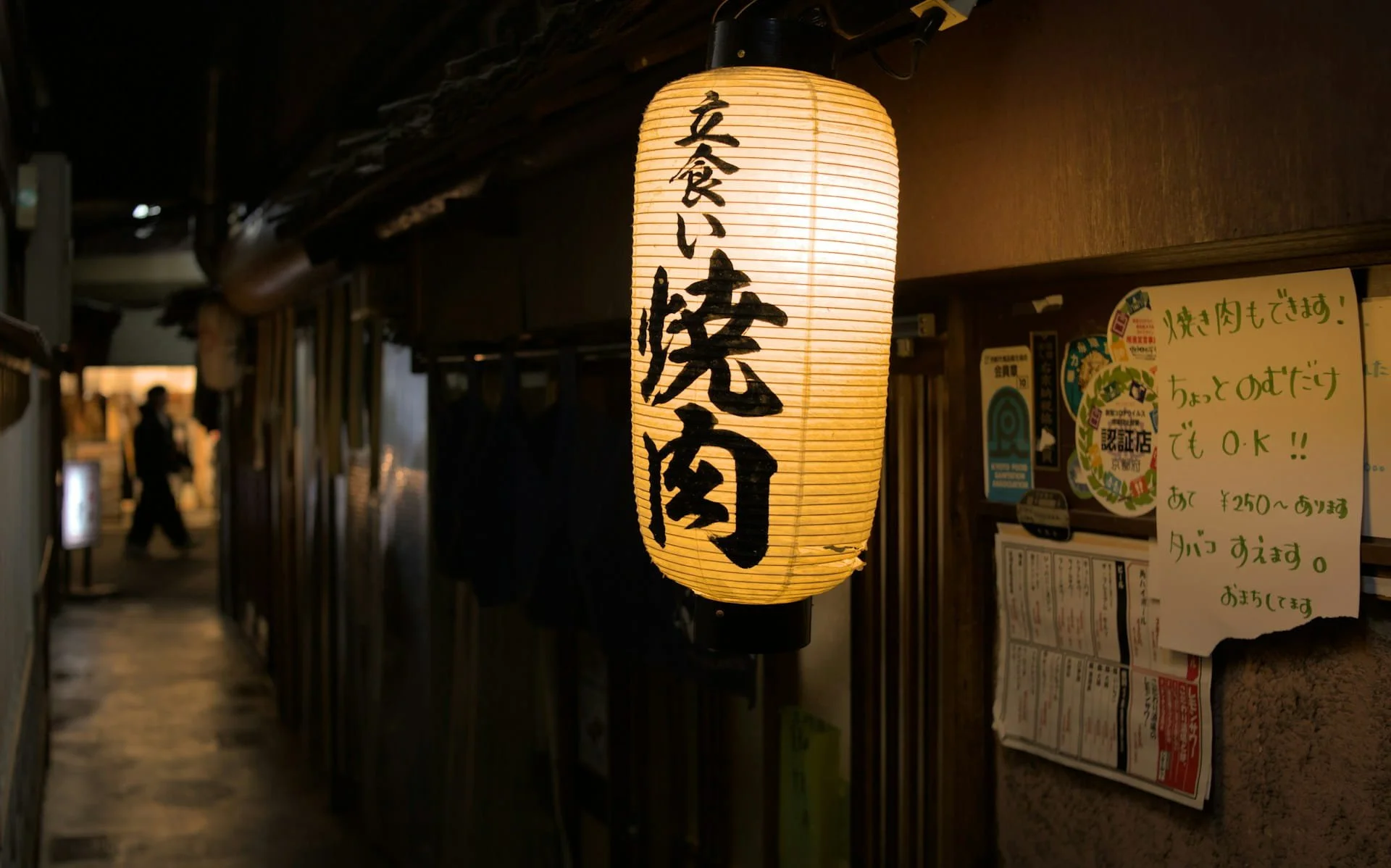
Niku no Kurata (肉のレストランくらた) has been the go-to yakiniku spot in Hitachi City for over 50 years, the kind of place all the locals would recommend. A step up in price but not in pretension, Yakiniku Gyushin (焼肉牛新) is a butcher-direct operation that sources only top-ranked Hitachi beef. Their signature dish is the "Champion," a single thick-cut plate of A5 marbling at ¥3,800. For something genuinely memorable, Hitachino (常陸牛料理 ひたち野) serves Hitachi beef over individual irori hearths inside three 200-year-old gassho-zukuri farmhouses relocated from Shirakawa-go, perched on Mt Tsukuba with the entire Kanto Plain laid out below.
Southern Japan's Award Winners
Miyazaki Beef (Miyazaki Prefecture)
Miyazaki beef has the trophies to back up its reputation. It's the only brand to win the Prime Minister's Award at the Wagyu Olympics four consecutive times, and it's appeared on the Academy Awards ceremony banquet menu for seven years running. Miyazaki Prefecture is Japan's second largest producer of Japanese Black cattle, and only the highest quality animals earn the Miyazakigyu designation. The beef is known for its beautiful colour and remarkable consistency, which is partly why it's become one of Japan's most successful wagyu exports. Finding it outside Japan is increasingly possible. Finding it in Miyazaki itself is a different experience entirely.
For Miyazaki city itself, start with lunch at Miyachiku APAS (橘通り ミヤチクAPAS), the JA cooperative's own restaurant on Tachibana-dori, where the beef travels from their farms directly to your plate and the prices reflect it. For something more off the beaten track, Bunsto (宮崎和牛肉重 ぶんすと) is tucked down a narrow covered arcade off the main street, a 13-seat counter serving seared Kuroge Wagyu over rice at lunch, with dashi on the side to pour over the last of your rice when the meat is gone. For dinner, Gyuzo (炙り屋 牛蔵) is the serious option: the owner raises his own cattle and selects only female Miyazaki beef aged over 30 months, which melts at a lower temperature and stays silky rather than waxy. Private rooms, A4 and A5 only, and worth booking ahead.
Kumamoto Akaushi (Kumamoto Prefecture)
Kumamoto Akaushi comes from the Japanese Brown breed, which makes it the odd one out on this list. Less marbled than Japanese Black, it offers something different: a cleaner, more mellow flavour with a tenderness that genuinely surprises people who are expecting wagyu to be all about the fat.
I had my first taste of Akaushi at a ryokan in Kurokawa Onsen, served as shabu shabu. I'd never had anything like it. The dish itself was extraordinary, but it was the beef that stopped me in my tracks. Nothing I'd eaten before had been that tender. If you're staying in the region, a ryokan dinner is one of the best ways to try it.
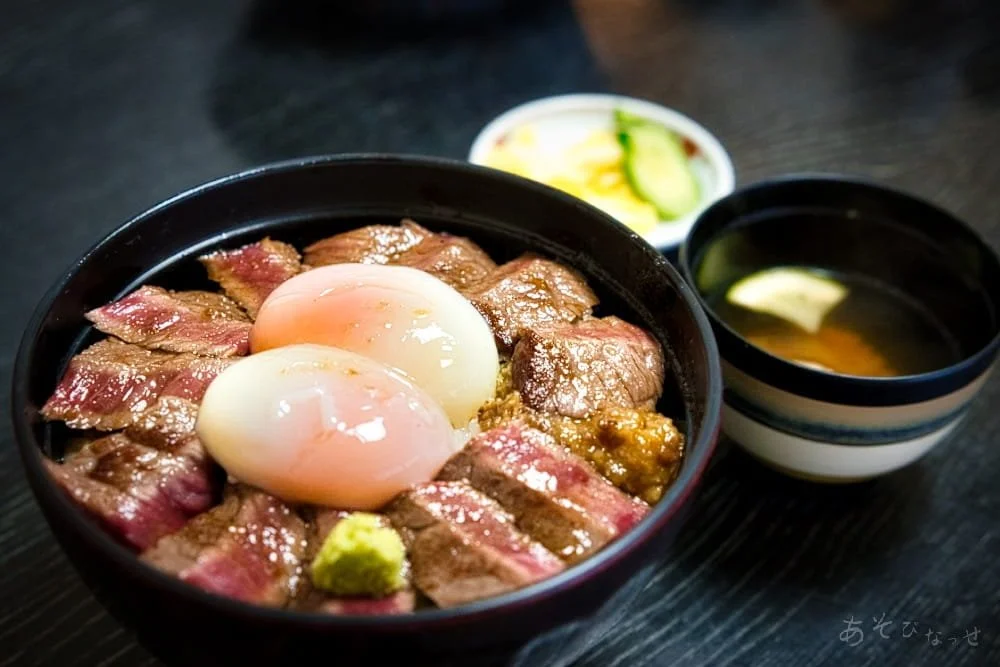
For dedicated restaurant options, the two places to know in Aso are Imakin Shokudo (いまきん食堂) and Gotou-ya (ごとう屋). Imakin invented the akagyu-don and has been drawing queues ever since. It’s rare-fired Akaushi over rice with a hot spring egg, so good it earned a spot on Tabelog's national Top 100 dishes. Gotou-ya takes a different approach, finishing the beef with a sauce made from century-old brewery miso and serving it alongside local Aso pickles and horse meat tataki on the side. Neither takes reservations, so get there early. In Kumamoto city, Kitsune (焼肉 㐂常) is the place for a proper evening of it: whole-head Akaushi, aged for two weeks before it reaches the grill, with a rotating menu of cuts that change daily.
Japan's Rarest Beef: Hyperlocal Treasures
Some wagyu varieties are so limited in production that they barely make it out of their home regions. Finding them requires going directly to the source, which is honestly half the appeal.
Olive Beef (Shodoshima, Kagawa Prefecture)
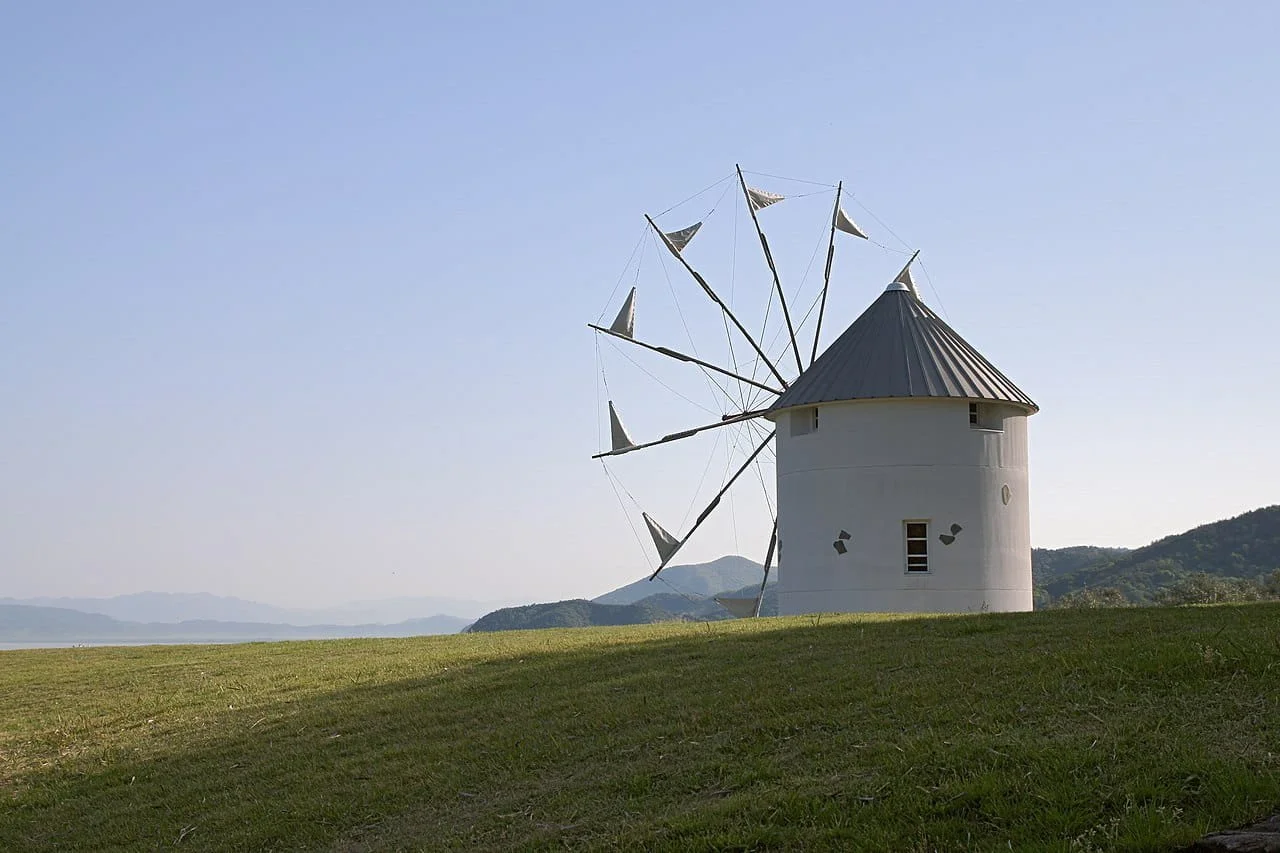
Shodoshima is one of Japan's great underrated islands, known for its olive groves, its soy sauce producers, and its unhurried pace. It also happens to be home to possibly the rarest wagyu in the country. Olive Beef comes from a herd of only around 2,200 cattle, raised exclusively on the island and fed toasted olive pulp left over from local olive oil production. That diet produces beef with extraordinarily high levels of oleic acid, the same heart-healthy fat found in olive oil, with the fat so soft it begins to melt at room temperature. It won the top prize for best fat at the Wagyu Olympics, which tells you everything you need to know.
On the island, Komame Shokudo (こまめ食堂) serves an Olive Beef burger overlooking the terraced rice fields of Nakayama. Arrive early and grab a same-day reservation. At FARM'S TABLE Chuzaemon (忠左衛門), run by an olive farm, enjoy their three-cut roast beef set while you enjoy the olive groves and the Seto Inland Sea out the window. If you're not making it to Shodoshima, Kado no Teppan Yumeji (カドのてっぱん 夢路) in Takamatsu is a back-alley teppan izakaya where the Olive Beef sirloin steak is one of the best-value plates in the city, sourced directly from the farms. Get any further from Shodoshima, and you're really pushing your luck finding Olive Beef.
Iga Beef (Mie Prefecture)
Iga is best known as the birthplace of ninja, which already makes it worth a visit. The beef is another reason entirely. Known as "phantom beef," Iga beef is so rare that only around 150 head of cattle are processed monthly in the region, raised by a handful of family farms who keep their feeding methods deliberately secretive. The cattle are fed a blend of 18 to 22 types of grain, including Koshihikari rice, the same premium variety eaten by people across Japan, and they're raised longer than typical wagyu to develop deeper umami. The result is beef with a cleaner, more balanced character than its famous neighbour Matsusaka, less rich, with a mellow sweetness that builds slowly.
For the full experience, Kanaya Honten (金谷 本店) in Iga-Ueno has been serving Iga beef sukiyaki in private tatami rooms since 1905, with a hostess cooking tableside for you. For something more casual, Restaurant Ito (レストランito) is a cash-only Showa-era diner where locals have been coming for the Iga beef steak-don for decades.If you want to go straight to the source, Steak House Grazie (ステーキハウス グラツィエ) is the only farm-direct steak house in Iga, run by the Okuda family from their own ranch, serving dinner at the teppan counter, and as a certified raw beef specialist, one of the few places in Japan where you can order beef sashimi and yukke straight from the source.
What Is The Wagyu Olympics?
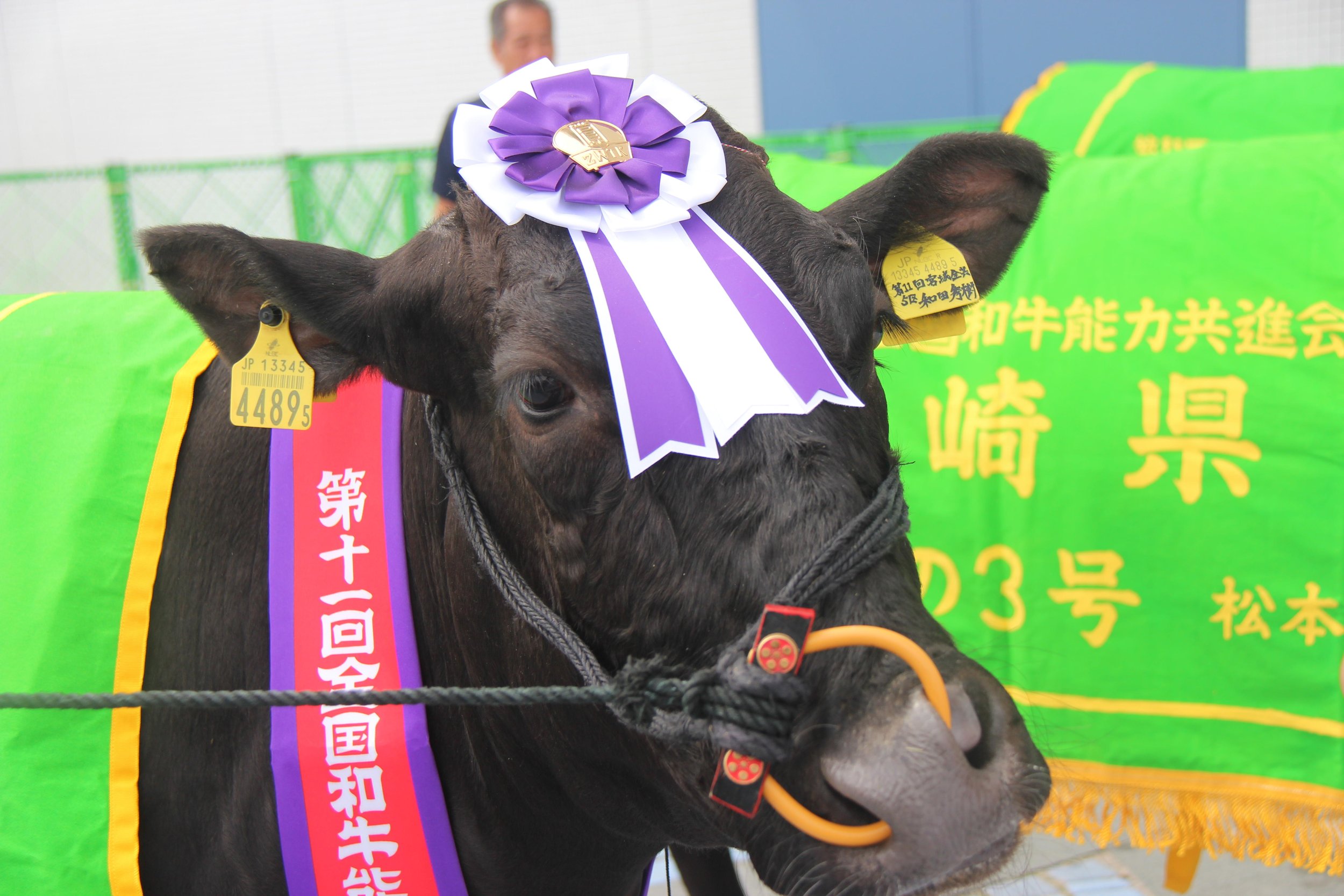
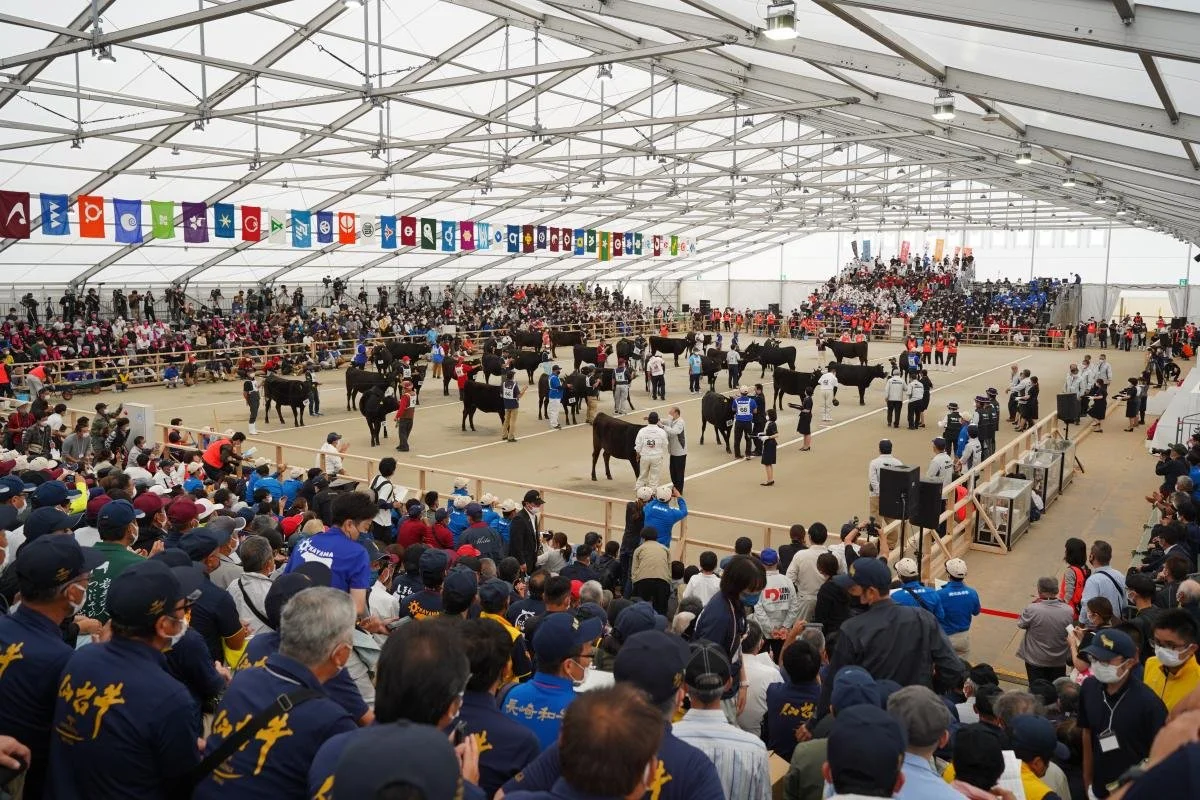
Every five years, Japan holds the Wagyu Olympics, officially known as the Zenkoku Wagyu Nouryoku Kyoushinkai. Forty-seven prefectures, five centuries of breeding tradition, and one very simple question: whose beef is best? It's been running since 1966, and it's exactly what it sounds like: prefectures from across the country competing to crown the best beef in Japan. There are two main categories, breed improvement and meat quality, with sub-categories covering everything from fat quality to marbling. There's no prize money. Just the honour.
The scale of it is genuinely staggering. The 2022 edition in Kagoshima drew around 300,000 people over five days, with farmers from 41 of Japan's 47 prefectures bringing 438 cattle to compete. It's part agricultural show, part national festival, part obsessive celebration of craft.
Miyazaki has dominated recent editions in a way that's hard to overstate, winning the meat quality award four consecutive times. Kagoshima took the breed improvement prize at the 2022 edition, hosted on its home turf. Olive Beef from Shodoshima won the fat quality award in 2017. The next edition takes place 26 to 30 August 2027 in Obihiro City, Hokkaido, and if you happen to be in Japan that August, it's one of those experiences that has no equivalent anywhere else in the world, and is a must for any culinary tourist
Kobe beef got famous the way most things get famous — a good story and better marketing. What got left behind is the farmer in Iga who has been refining the same grain blend for decades, the olive growers on Shodoshima who turned a waste product into the rarest wagyu in Japan, or the families around Lake Biwa who have been raising cattle for over 400 years. That generational Japanese obsession with doing one thing as well as it can possibly be done is what ends up on your plate. You can taste the difference, and once you have, Kobe beef starts to feel like just the beginning. We're taking a small group to Shiga in May 2026 to eat Ohmi beef where it's actually raised (amongst many other delicious activities). Details on the tour page.
Frequently Asked Questions
-
Kobe beef is a specific brand of wagyu from Tajima-strain cattle raised in Hyogo Prefecture, subject to strict certification standards. Other regional varieties — such as Matsusaka beef in Mie, Ohmi beef in Shiga, and Miyazaki beef in Kyushu — are produced under their own certification systems, each with distinct flavour profiles shaped by local climate, feed, and breeding traditions. Some, like Matsusaka, apply even stricter standards than Kobe and are often considered superior by Japanese wagyu connoisseurs.
-
Japan's three most celebrated wagyu brands are Kobe beef (Hyogo), Matsusaka beef (Mie), and Ohmi beef (Shiga) — all from the Kansai region. Other highly regarded regional varieties include Miyazaki beef (Miyazaki), which has won Japan's national wagyu competition four consecutive times; Olive Beef (Shodoshima, Kagawa), which is the rarest wagyu in Japan; Hida beef (Gifu); Sendai beef (Miyagi); and Kumamoto Akaushi (Kumamoto), which comes from the Japanese Brown breed rather than Japanese Black.
-
The Wagyu Olympics (全国和牛能力共進会) is a national competition held every five years in Japan where prefectures compete to produce the best beef. Established in 1966, it evaluates cattle on breed improvement and meat quality, with sub-categories including marbling and fat quality. The 2022 edition in Kagoshima drew approximately 300,000 visitors over five days, with 438 cattle from 41 prefectures competing. The next edition takes place in Obihiro, Hokkaido, from 26 to 30 August 2027.
-
Not always. Matsusaka beef often costs more than Kobe due to stricter production standards and lower annual output. However, eating regional wagyu in its home prefecture — Ohmi beef in Shiga, Hida beef in Takayama, or Sendai beef in Miyagi — is typically significantly cheaper than ordering the same quality beef in Tokyo or Osaka. Budget from approximately ¥8,000 to ¥20,000 per person for a dedicated wagyu dinner at a reputable restaurant in the producing region.
-
Olive Beef (オリーブ牛) is a rare Japanese wagyu produced exclusively on Shodoshima Island in Kagawa Prefecture. The cattle are fed toasted olive pulp left over from local olive oil production, which raises the oleic acid content of the fat and produces a texture that begins to melt at room temperature. Only around 2,200 cattle are raised under this system, making it the rarest wagyu in Japan. It is best tried at Komame Shokudo on Shodoshima Island, or at Kado no Teppan Yumeji in Takamatsu on the mainland.
-
Japanese wagyu is graded by the Japan Meat Grading Association on two scales. The yield grade (A, B, or C) measures how much usable meat comes from the carcass, with A indicating the highest yield. The quality grade (1 to 5) assesses marbling, meat colour, firmness, and fat quality, with 5 being the highest. A5 wagyu represents the top of both scales. B5, sometimes seen on menus, refers only to a lower yield grade and not eating quality — it can still be exceptional beef.
-
Kumamoto Akaushi is a Japanese Brown breed wagyu raised in Kumamoto Prefecture, Kyushu. It is leaner than Japanese Black varieties with a cleaner, more mellow flavour. The best places to try it are in Aso, where Imakin Shokudo serves the original akagyu-don (Akaushi over rice) that made the dish nationally famous, and Gotou-ya, which finishes the beef with century-old brewery miso. In Kumamoto city, Kitsune (焼肉 㐂常) specialises in whole-head Akaushi aged for two weeks before serving.