
Beyond Sakura: China's Flower Viewing Traditions Are Older, Deeper, and Way More Interesting
Everyone knows about Japan's cherry blossom obsession. But like a lot of things in Japan, those sakura trees originally came from China. China’s flower viewing traditions have been going strong for over 2,000 years, with philosophical depth that makes hanami look like a recent hobby.
We're not saying this to start an argument. We're saying it because if you've already done the Japan sakura circuit and you're hungry for something with more layers, more meaning, and arguably better food (ok, maybe we are saying this to start an argument), then China's flower seasons deserve your attention.
\In this guide, we’ll walk you through some of China’s most iconic flowers, their meanings and seasons, and most importantly where to see them.
Plum Blossoms (梅花 méihuā): The Flower That Blooms in Hell
When: January to March
Key Areas: Nanjing, Wuhan, Suzhou, Hangzhou
Plum blossoms start to bloom in the dead of winter, pushing through the snow. This is why Chinese scholars spent 2,000 years obsessing over them.
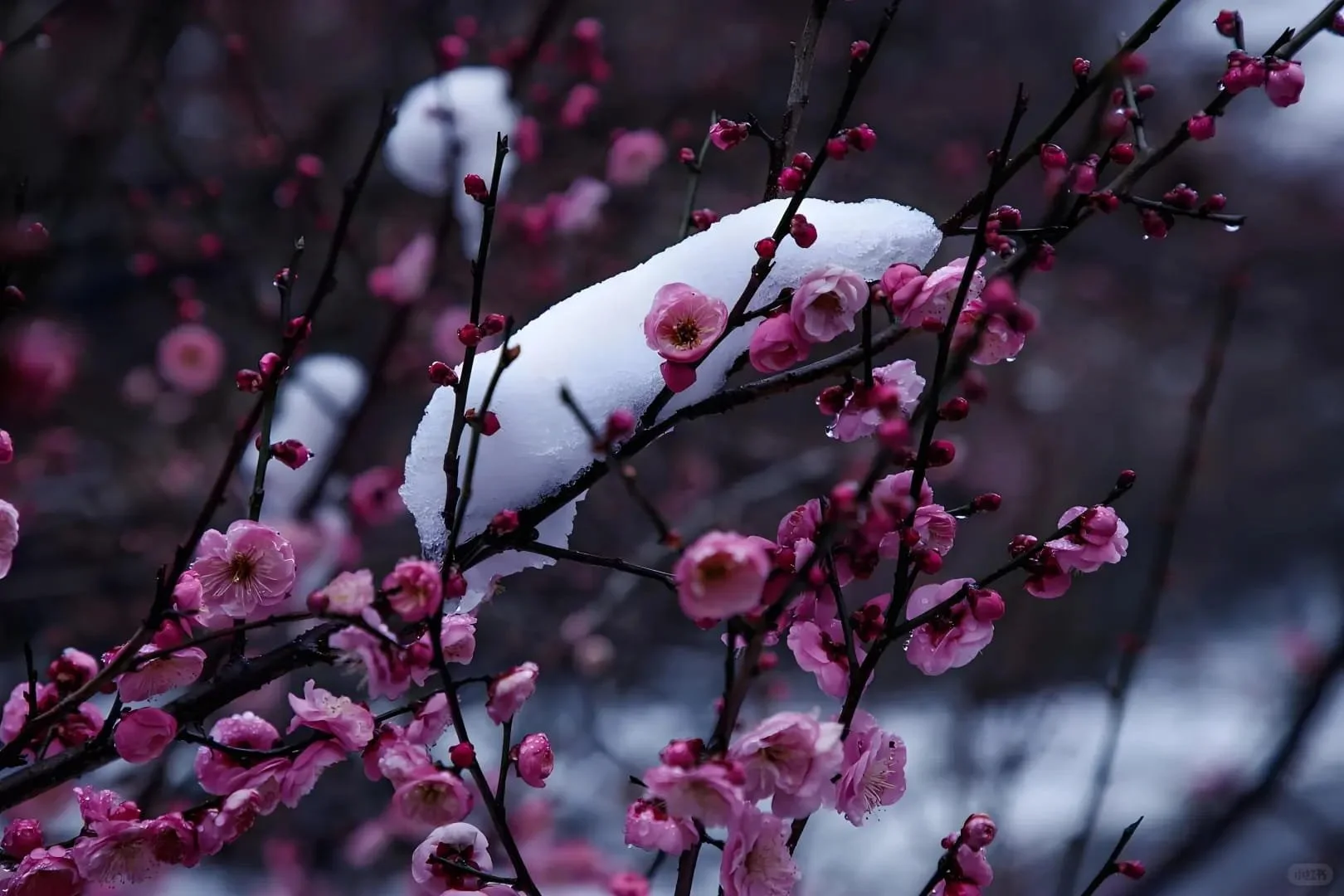
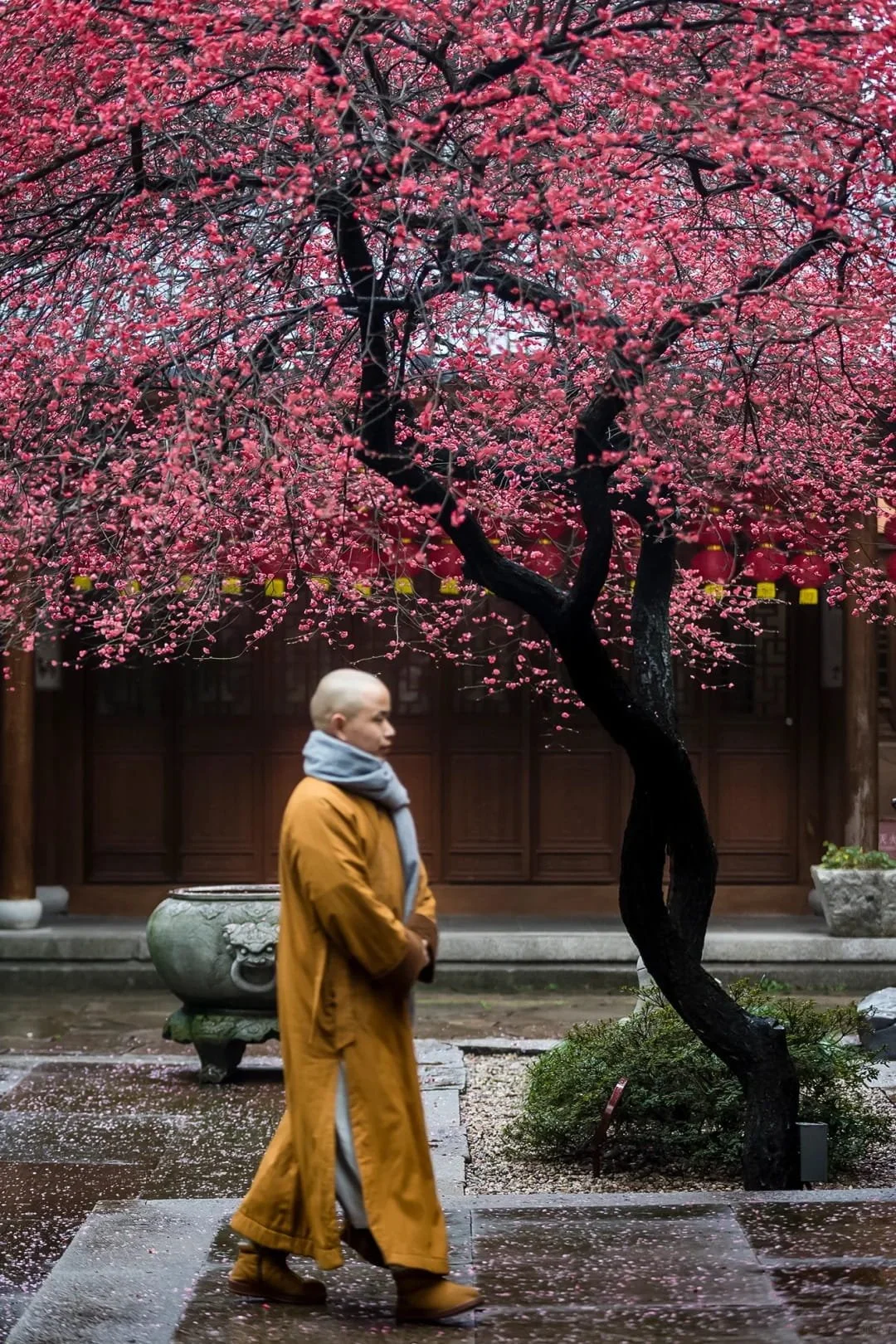
In the Song Dynasty, Fan Chengda wrote 梅谱 (méi pǔ) - a book about plums, that reportedly listed numerous ideal conditions for viewing plum blossoms. Not just "hey go look at these flowers,” traditional viewing requires specific conditions: light snow, gentle cold, waning moon, at dawn. Some traditions even mention viewing them with a crane nearby.
This isn’t to be pretentious, it’s about creating the perfect moment to contemplate resilience. You're not meant to view beauty from comfort, you're meant to earn it. When you finally find those flowers blooming in impossible conditions, watching delicate petals push through frost while everything else has given up, it’s less about the flowers and more so a lesson in resilience.
The Chinese method of appreciation involves multiple senses. Observe the form of the branches (preferably old and gnarled, “like a coiled dragon”), smell the fragrance, listen to petals falling and taste the plum wine. It should be an immersive experience.
Where to see them:
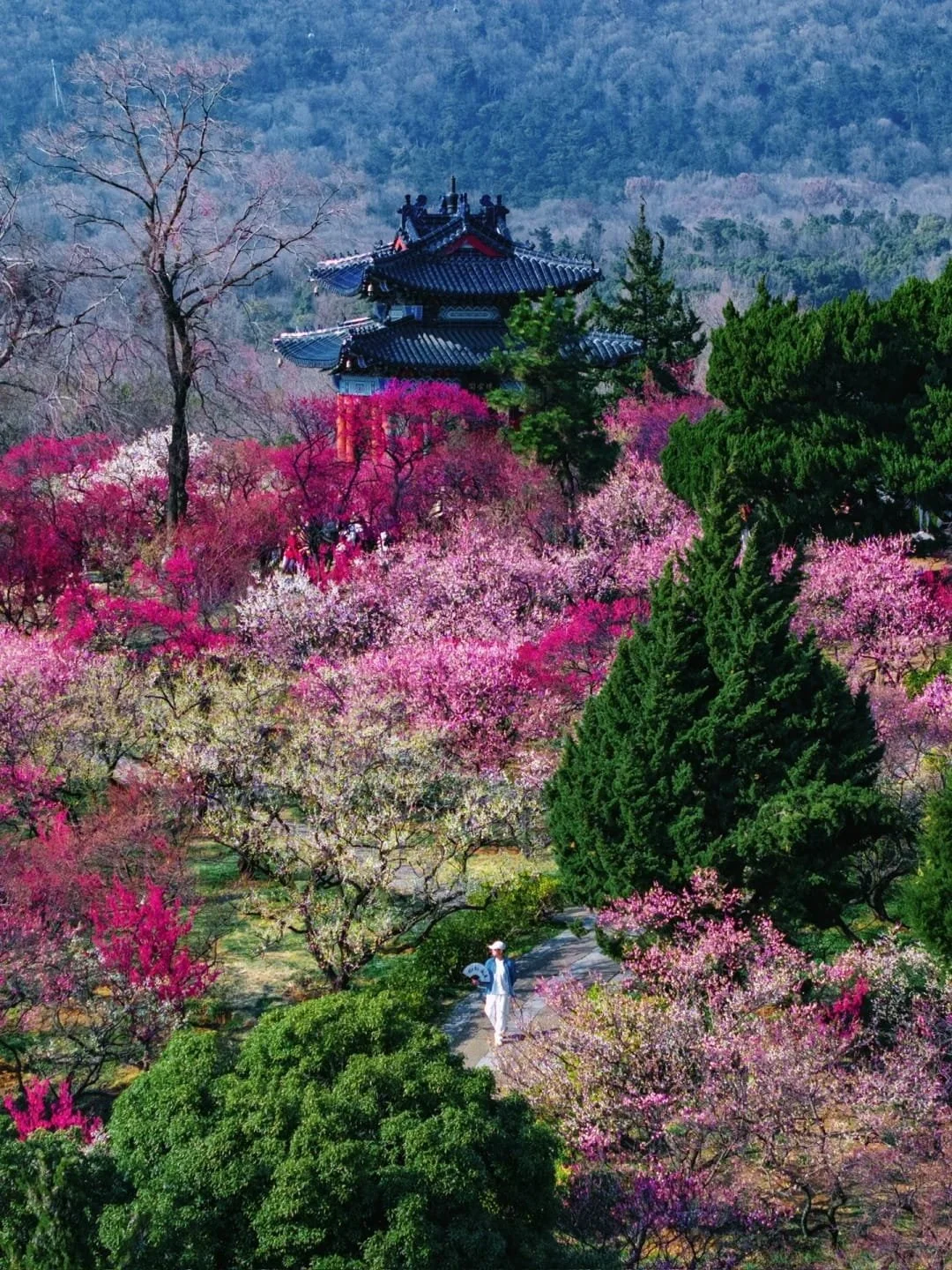
Nanjing's Plum Blossom Mountain (梅花山 méihuā shān) has over 30,000 plum trees and hosts the city's annual Plum Blossom Festival
Wuhan's East Lake Moshan Scenic Area (东湖磨山 dōnghú móshān) features ancient plum groves
Suzhou's classical gardens plant plums specifically for winter viewing
Hangzhou Botanical Garden (杭州植物园 hángzhōu zhíwù yuán) has early-blooming varieties from late January
But can I eat it?
Plum wine (梅酒 méijiǔ) is the traditional accompaniment to plum blossom viewing (and the obvious choice). You're supposed to drink it while contemplating the flowers. The fruit is also preserved as 话梅 (huà méi), those salty-sweet dried plums you'll find everywhere, and made into 酸梅汤 (suān méi tāng), a refreshing sour plum drink that's summer's answer to lemonade and my go-to whenever I’m eating spicy Chinese food, regardless of season.
Peony (牡丹 mǔdān): When an Entire City Goes Mad
When: April to early May
Key Areas: Luoyang, Heze
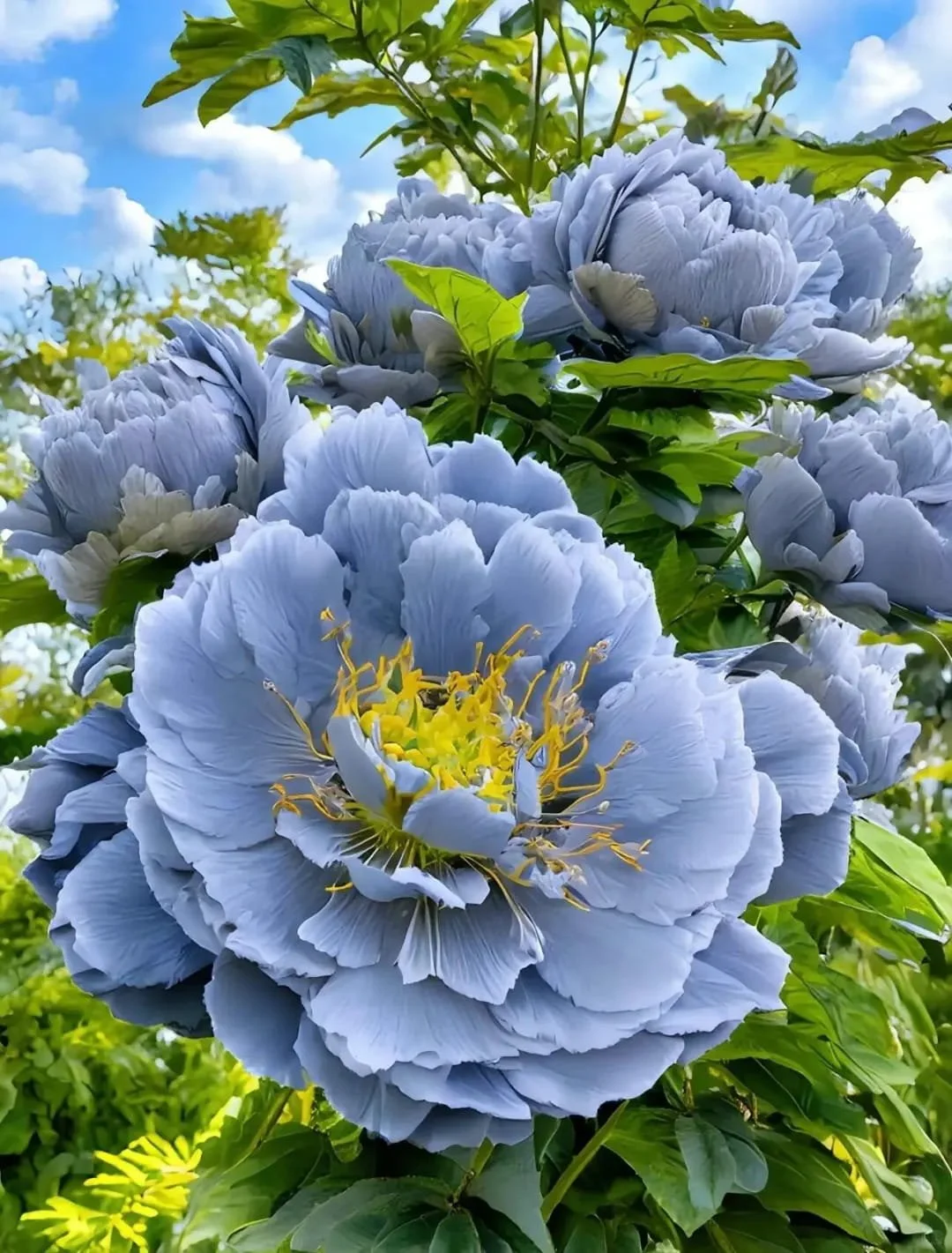
There's a Tang Dynasty poem about Luoyang's peony season: 花开花落二十日,一城之人皆若狂 (huā kāi huā luò èrshí rì, yī chéng zhī rén jiē ruò kuáng) "When the flowers bloom for twenty days, the entire city goes mad with joy"
This isn't hyperbole.
During the Tang and Song dynasties, when peonies bloomed in Luoyang, the whole city shut down. Emperors, scholars, farmers, and street vendors – everyone dropped what they were doing, and set up tents in temple gardens with music and wine. They wore flowers in their hair regardless of social class. They partied until the petals fell. For twenty days, Luoyang belonged to the peonies.
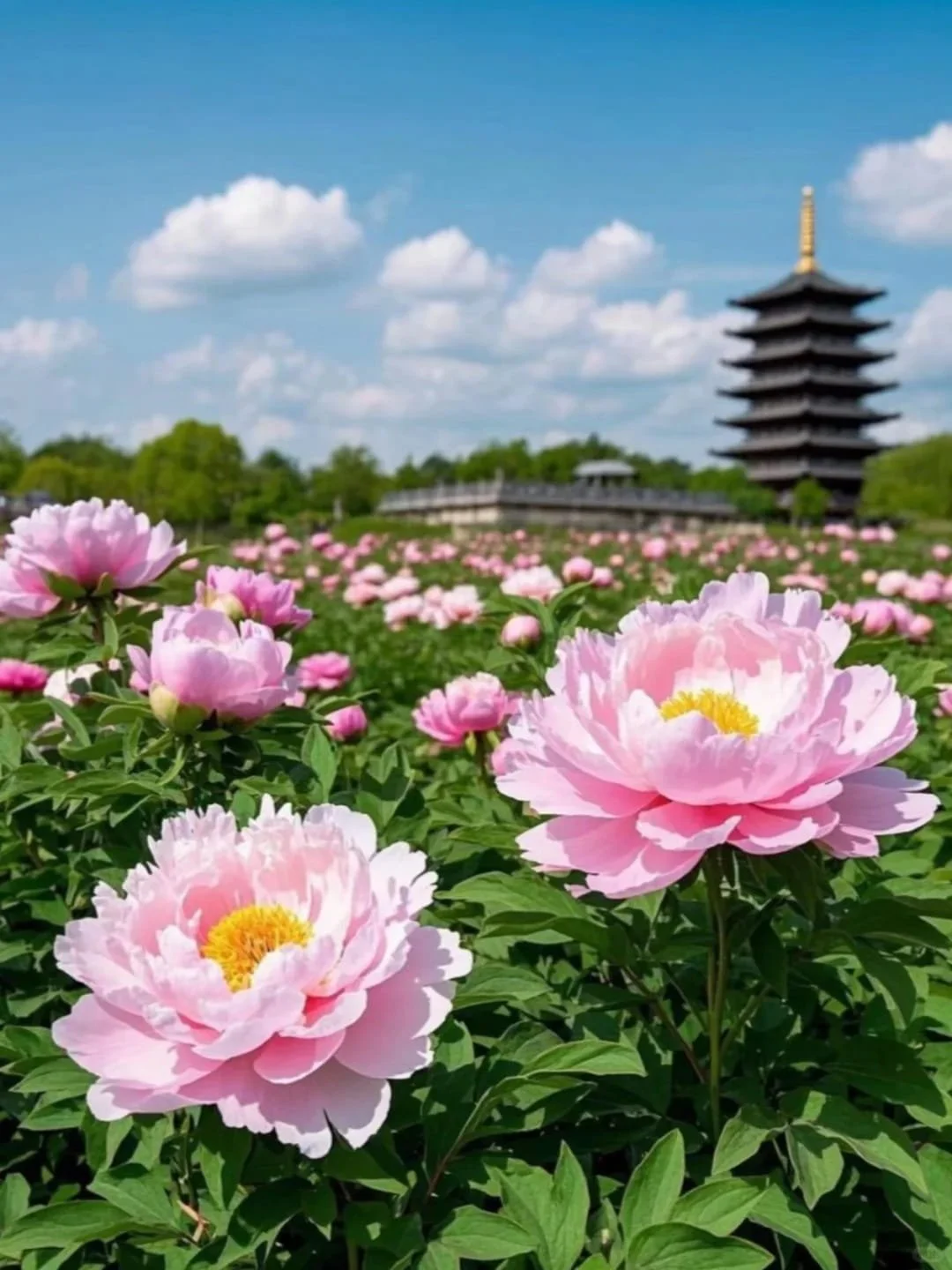
Standing in a Luoyang peony garden in mid-April with hundreds of varieties simultaneously blooming, you understand why. The air is thick with fragrance,colours range from white to pink to red to purple and yellow. People in hanfu (汉服 hànfú) are posing for photos, old men are playing traditional music and everyone is slightly drunk on flower-viewing wine. This is a party that consumes an entire city and has for over a thousand years.
The best time to visit is during the Luoyang Peony Festival, which has been running since 1983 and is now a UNESCO Intangible Cultural Heritage event. The city reportedly has 1,400 varieties of peonies across 20 major gardens, and during peak season, millions of visitors arrive.
Peonies represent everything Chinese culture values about prosperity: abundance, beauty, confidence, and the wealth to enjoy life. They're called 花中之王 (huā zhōng zhī wáng, "King of Flowers"), and there's a reason. When they bloom, they bloom BIG. Massive flowers, intense colours, heady fragrance. No subtlety, no minimalism. Just pure, shameless gorgeousness.
Where to see them:
Luoyang (洛阳 Luòyáng) is the undisputed capital. Wang City Park (王城公园 wángchéng gōngyuán), Sui-Tang Ruins Botanical Garden (隋唐遗址植物园 suí táng yízhǐ zhíwù yuán), and National Peony Garden (国家牡丹园 guójiā mǔdān yuán) are the main spots
Heze, Shandong (菏泽,山东 hézé, shāndōng) claims to have the world's largest planting area with over 1,200 varieties
Beijing's Jingshan Park (景山公园 jǐngshān gōngyuán) and various imperial gardens
But can I eat it?
Peony petals are edible and show up in all kinds of traditional dishes. The seeds produce 牡丹籽油 (mǔdān zǐ yóu, peony seed oil), marketed as a health food. During the festival, you'll find 牡丹饼 (mǔdān bǐng, peony cakes), 牡丹茶 (mǔdān chá, peony tea), and 牡丹花饼 (mǔdān huā bǐng, peony flower cakes) showing up in high-end banquets.
Peach Blossoms (桃花 táohuā): China's Original Utopia
When: March to May (varies by altitude)
Key Areas: Nyingchi (Tibet), Beijing's Great Wall, various locations
Every culture has its version of paradise. For Chinese people, it's called 桃花源 (táohuā yuán) or the Peach Blossom Spring.
The story goes that a fisherman stumbles through a grove of peach blossoms and discovers a hidden valley where people live simply, peacefully, and harmoniously, untouched by war and corruption. When he tries to find it again, it's vanished.
For 1,600 years, "world beyond the peach blossoms" has meant the same thing to Chinese: somewhere good and peaceful. Put simply, peach blossoms represent China's Garden of Eden. When Chinese people see them, they're seeing the possibility of a better world. Peach blossoms also carry significance as a symbol of marriage, love and fertility.
Where to see them:
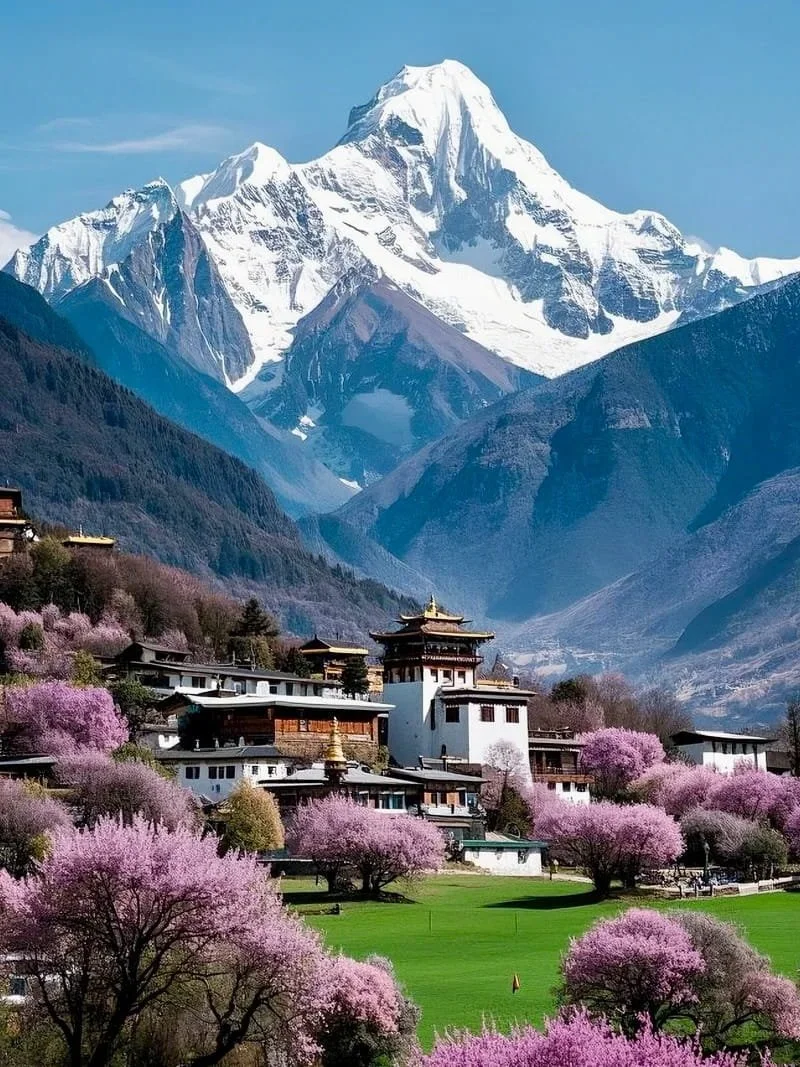
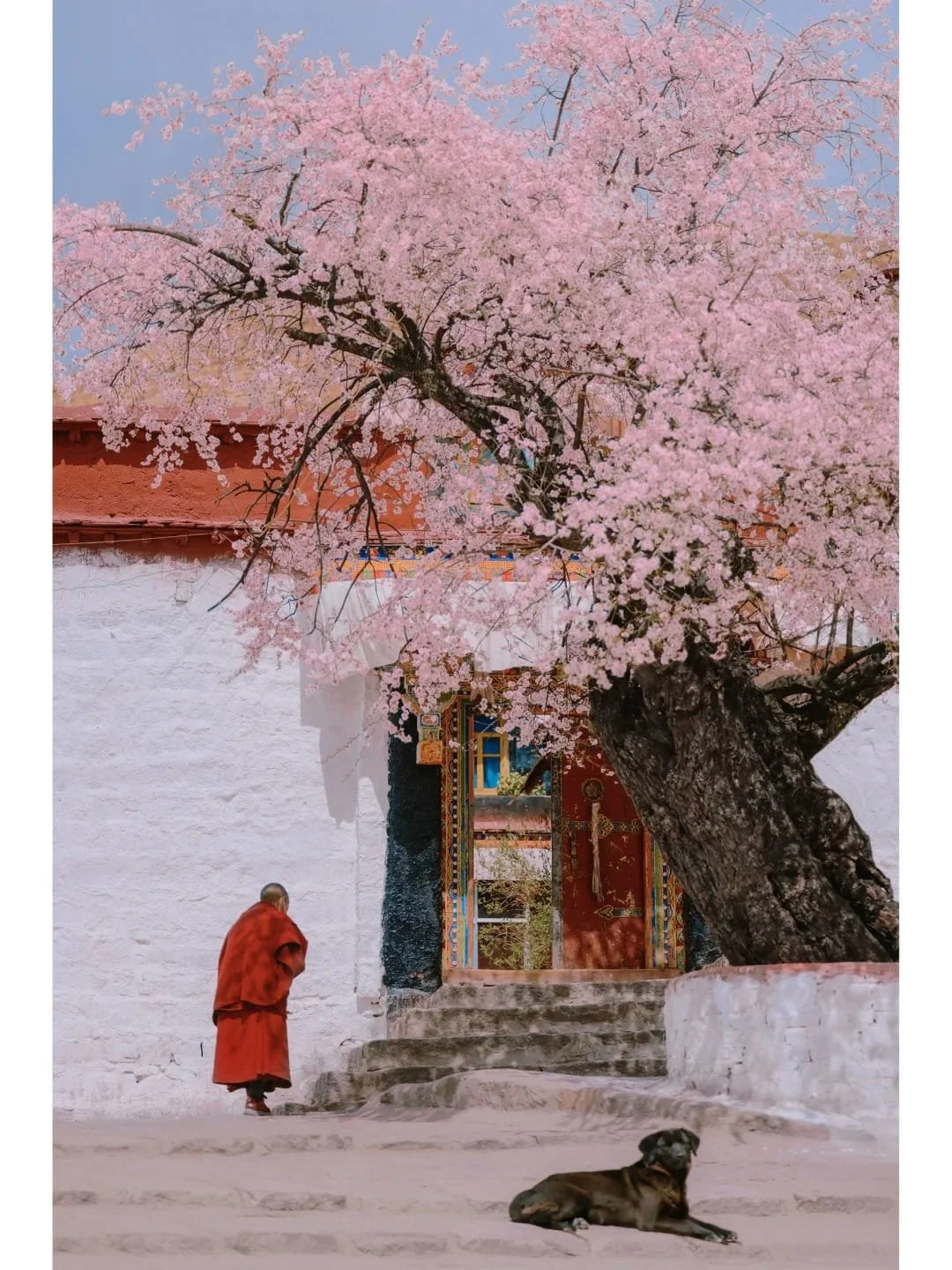
Nyingchi, Tibet (林芝,西藏 línzhī, xīzàng) (late March-April) is called "the most beautiful peach blossoms in the world" – wild peach forests blooming against Himalayan snowpeaks and turquoise rivers. Riding through Nyingchi's valleys when wild peach blossoms cover the mountains is genuinely arresting. Snow-capped peaks behind you, brilliant blue river beside you, pink clouds of blossoms everywhere. Tibetan villages tucked into the landscape. You understand why Tao Yuanming chose peach blossoms for his paradise. If anywhere on earth feels like a world beyond troubles, this is it.
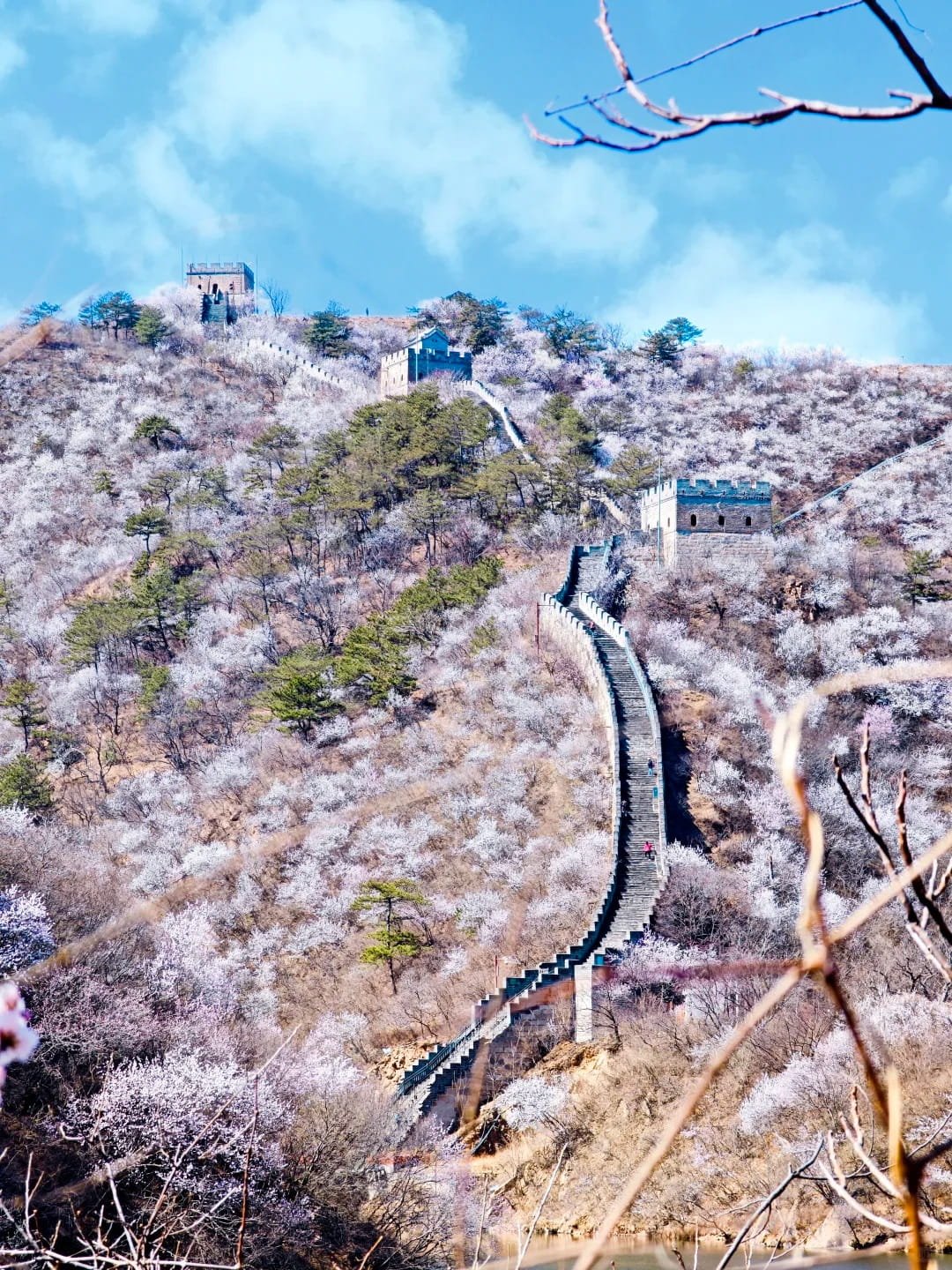
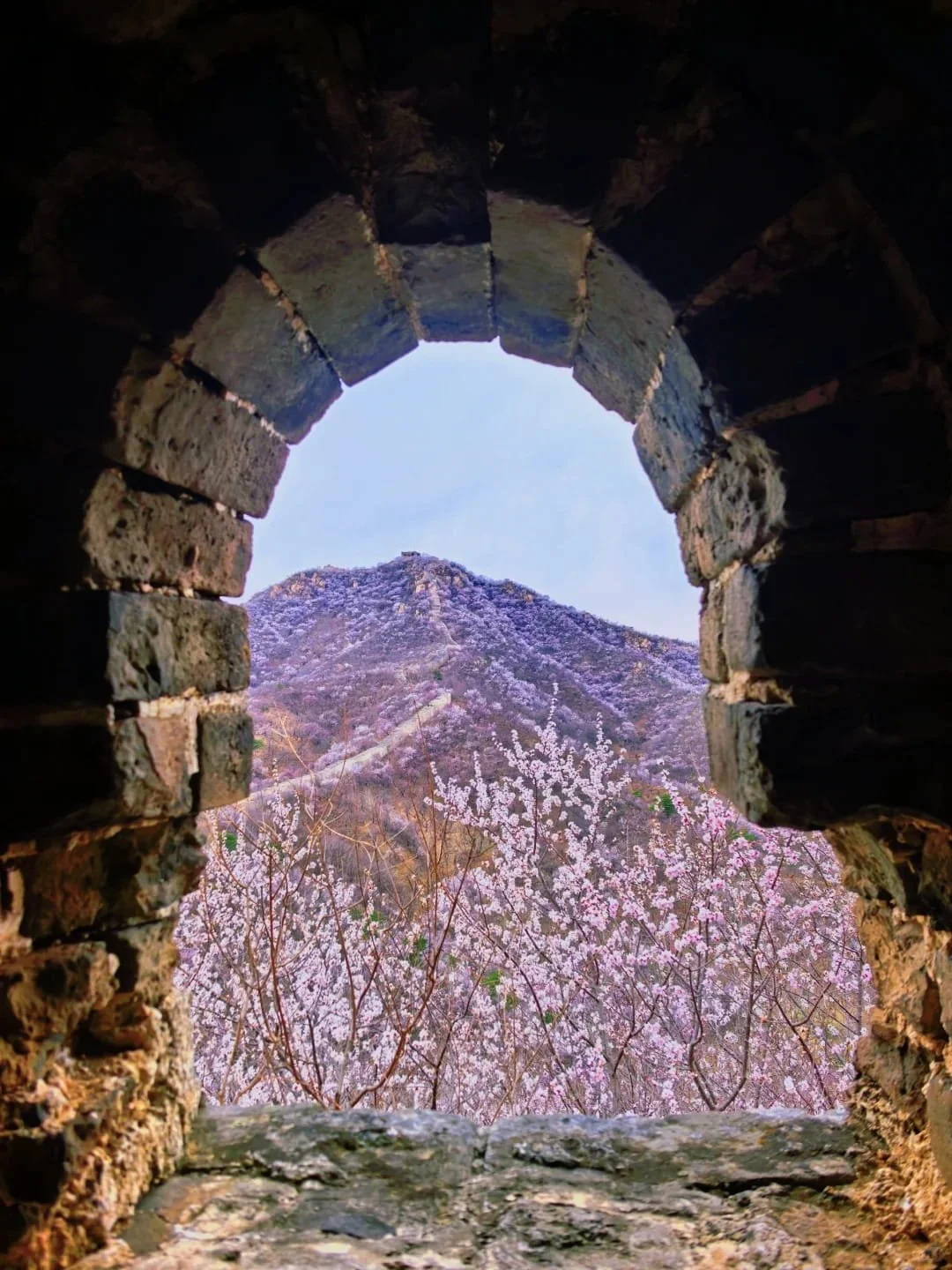
Beijing's Great Wall sections – I've seen peach blossoms at the Great Wall and it's genuinely stunning. At Juyongguan (居庸关 jūyōngguān) and Huanghuacheng (黄花城 huánghuāchéng), peach trees bloom alongside the ancient stones from late March to mid-April. There's something profound about seeing these delicate pink flowers framing one of humanity's most monumental structures. The contrast between the ephemeral blossoms and the enduring wall creates a moment that feels almost designed for contemplation. For the more adventurous, head to Jiankou Great Wall (箭扣长城 jiànkòu chángchéng) where they bloom on an unrestored section (mid-April)
Wuyuan, Jiangxi (婺源,江西 wùyuán, jiāngxī) combines peach blossoms with rapeseed flowers and traditional architecture
But can I eat it?
Peach fruit is deeply symbolic – in mythology, it grants immortality, most famously depicted when the Monkey King stole the celestial peaches in Journey To The West. Fresh peaches are everywhere in summer, but you'll also find 桃酥 (táo sū, peach-shaped cookies), 桃花酒 (táohuā jiǔ, peach blossom wine), and 桃花糕 (táohuā gāo, peach blossom cakes). There's even a traditional recipe from 太清方 (tàiqīng fāng): "On the third day of the third month, collect peach blossoms, soak in wine and drink – it eliminates all diseases and improves complexion."
Rapeseed Flowers (油菜花 yóucài huā): Golden Seas of Hope
When: February to April
Key Areas: Luoping, Wuyuan, Hanzhong, Guizhou
Rapeseed flowers don't have the literary pedigree of plum blossoms or the imperial cachet of peonies. But in some ways, they matter more. Because when Chinese farmers see golden fields stretching to the horizon, it means survival.
These are working flowers. They grow on farmland, they produce oil, they mean the harvest is coming. For thousands of years, seeing rapeseed bloom meant winter's hardship was over and life could continue.
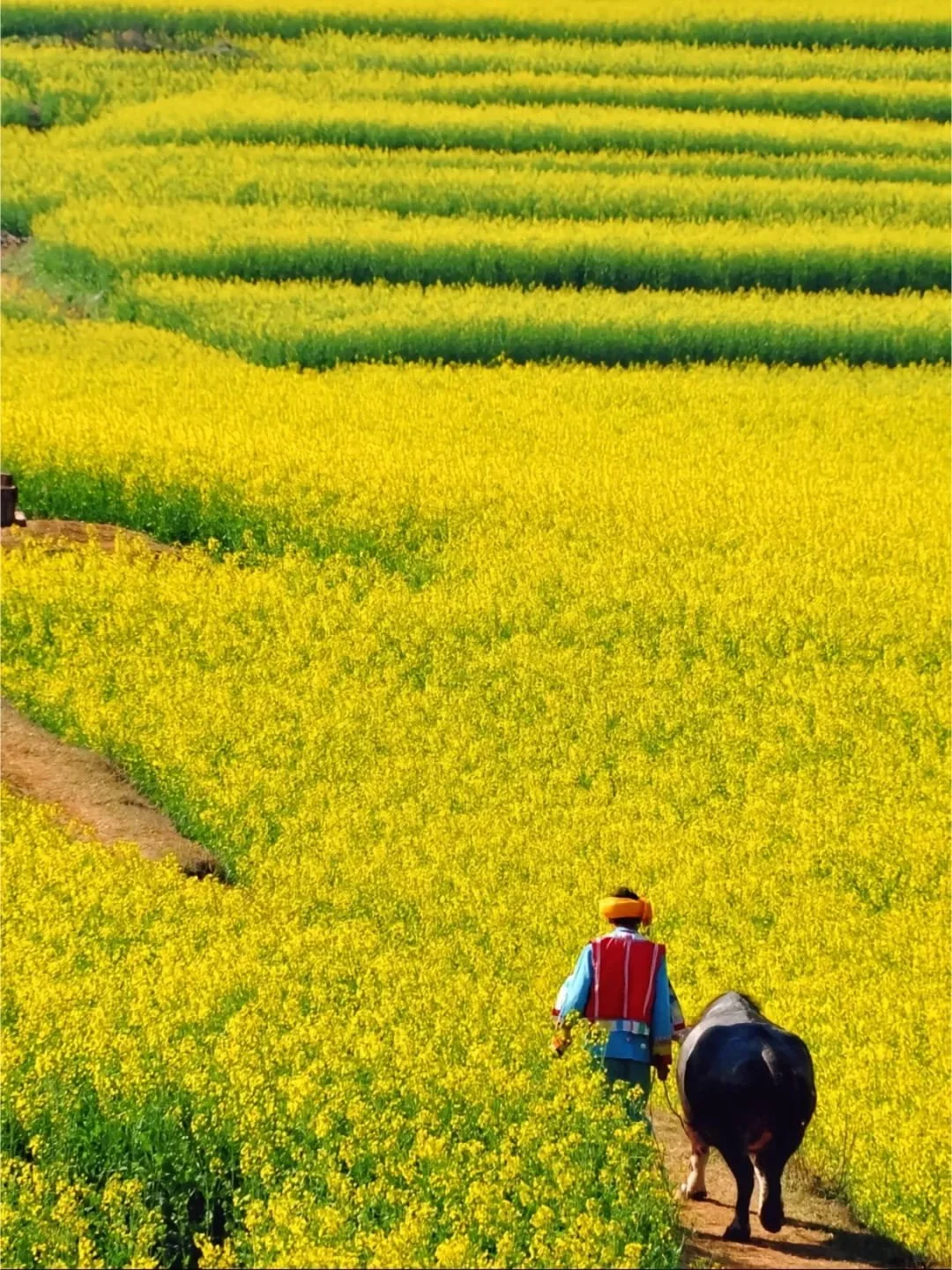
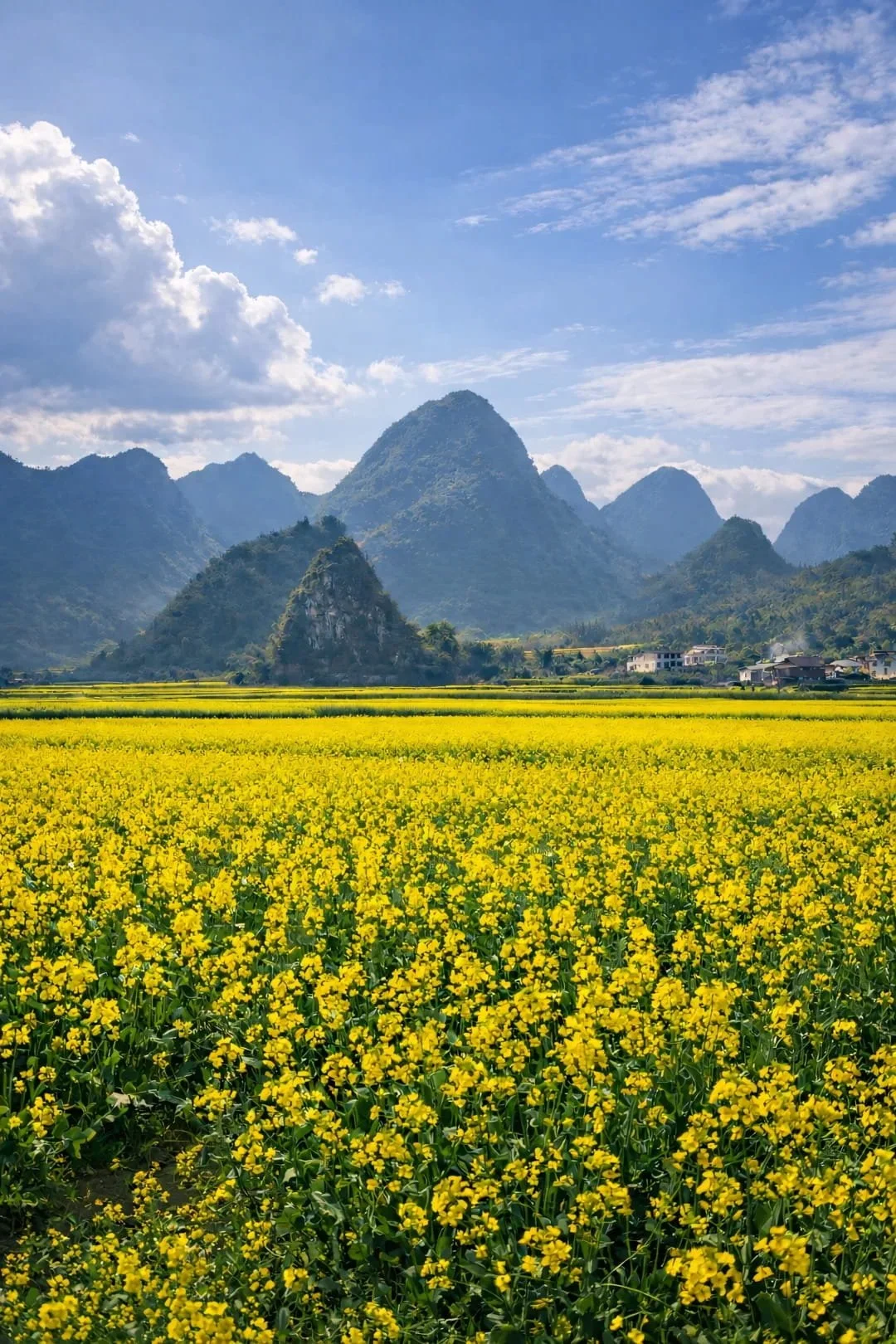
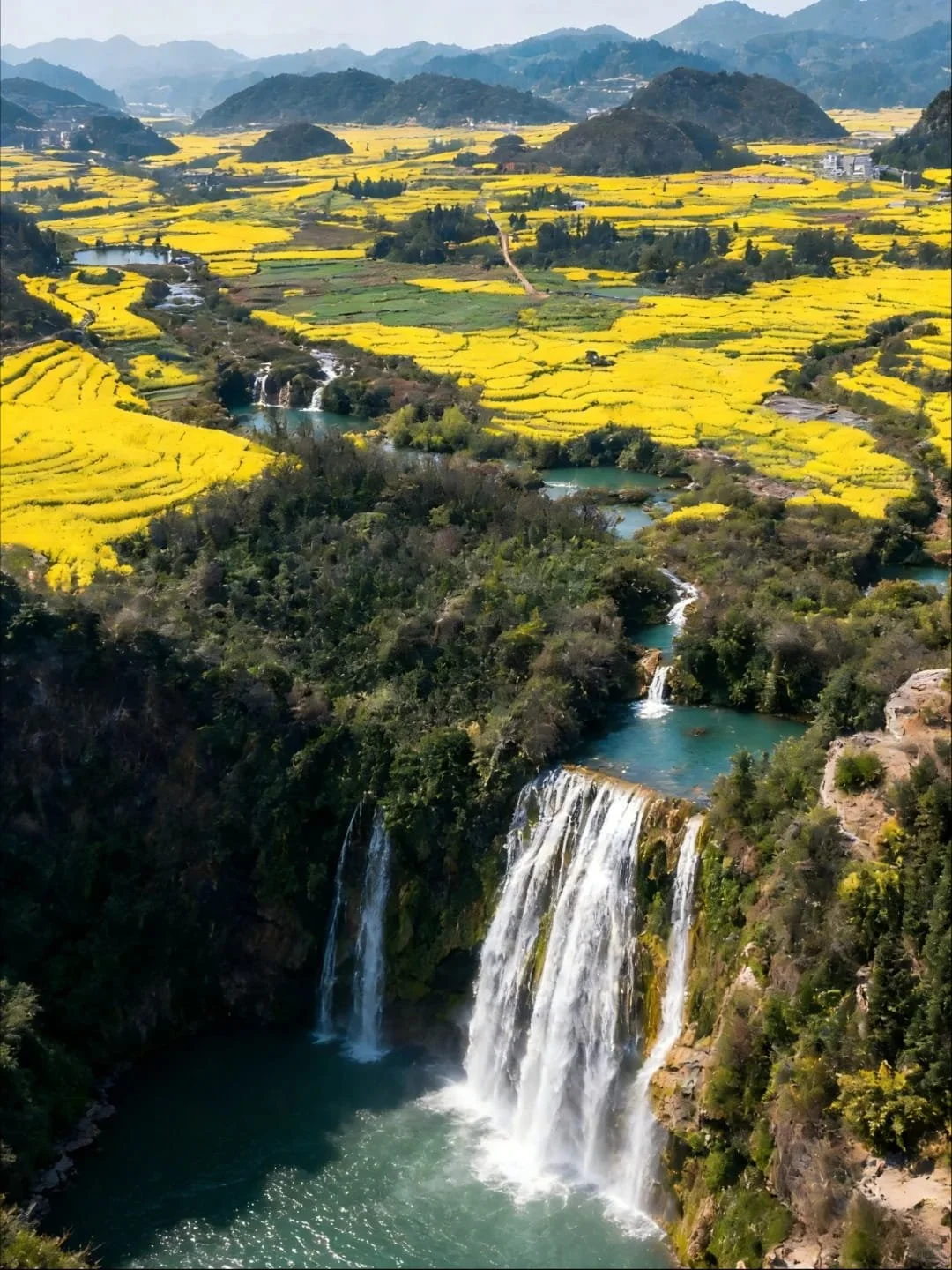
My favourite place I’ve seen rapeseed fields in rural Guizhou, driving through the Qiandongnan (黔东南 qiándōngnán) region between Congjiang (从江 cóngjiāng) and Zhenyuan (镇远 zhènyuǎn). Set against the dramatic mountains in the background the experience is breathtaking. Cycling or driving through the countryside in early spring, you'll suddenly round a corner and there it is: field after field of brilliant yellow, stretching between mountains and surrounding Dong and Miao minority villages. The colour is so intense it almost hurts your eyes. As you cross the border into Yunnan, you reach Luoping, where in late February all you see is gold in every direction. The morning mist lifting off the fields, jagged karst peaks jutting up like islands in a golden sea. It’s beauty in abundance on a scale that makes your brain stutter.
Where to see them:
Luoping, Yunnan (罗平,云南 luópíng, yúnnán) (February-early April) is the earliest and most dramatic – golden flowers spreading across karst peak landscapes. The contrast between jagged grey stone and brilliant gold is surreal
Wuyuan, Jiangxi (婺源,江西 wùyuán, jiāngxī) (March-April) is the postcard version – golden fields surrounding white-walled, black-tiled Huizhou villages
Hanzhong, Shaanxi (汉中,陕西 hànzhōng, shǎnxī) has millions of acres creating waves of gold
Qiandongnan, Guizhou (黔东南,贵州 qiándōngnán, guìzhōu) – the area around Congjiang (从江 cóngjiāng) has thousands of acres of rapeseed flowers blooming among traditional Dong and Miao villages. Less crowded than Luoping but equally beautiful
But can I eat it?
Rapeseed oil (菜籽油 càizǐ yóu) is one of China's primary cooking oils. During flower season, you'll find it sold at markets as "fresh-pressed" alongside other local products. Some areas serve 油菜花宴 (yóucài huā yàn, rapeseed flower banquets) where young shoots and flowers are cooked as vegetables. The honey from rapeseed flowers (油菜花蜜 yóucài huā mì) is widely available and has a distinctive flavour.
Cherry Blossoms (樱花 yīnghuā) in China: Full Circle
When: March to April
Key Areas: Wuhan, Beijing, Shanghai
Yes, cherry blossoms. The irony isn't lost on anyone: sakura originally came from China, became deeply embedded in Japanese culture, and now Chinese people travel to see them partly inspired by Japanese hanami culture.
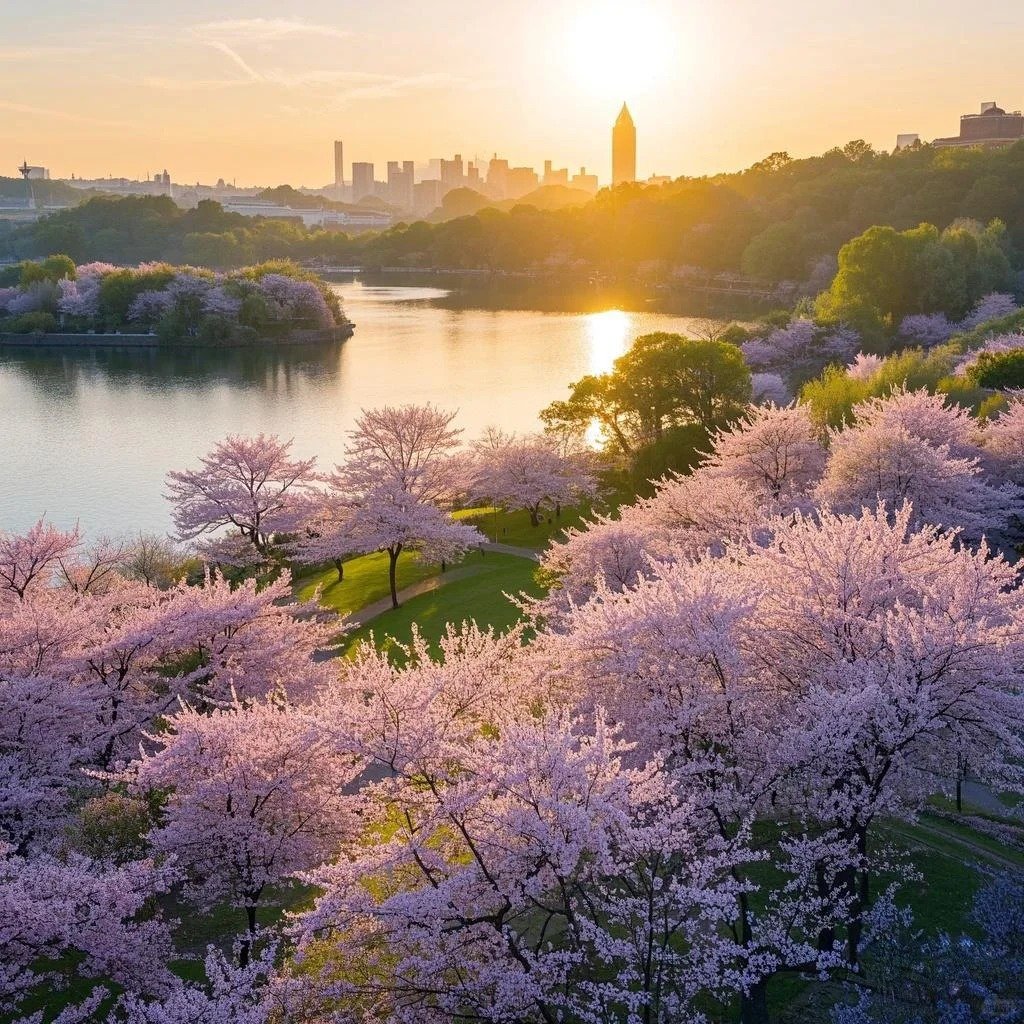
The most famous spot is Wuhan University (武汉大学 wǔhàn dàxué), which has thousands of cherry trees planted starting in the 1930s. During peak bloom, the university often limits visitors because too many people want to see them lined up creating pink tunnels across campus.
Where to see them:
Wuhan University (late March-early April)
Beijing's Yuyuantan Park (玉渊潭公园 yùyuāntán gōngyuán) holds an annual Cherry Blossom Festival
Wuxi's Yuantouzhu (鼋头渚 yuántóu zhǔ, Turtle Head Isle) has early-blooming varieties
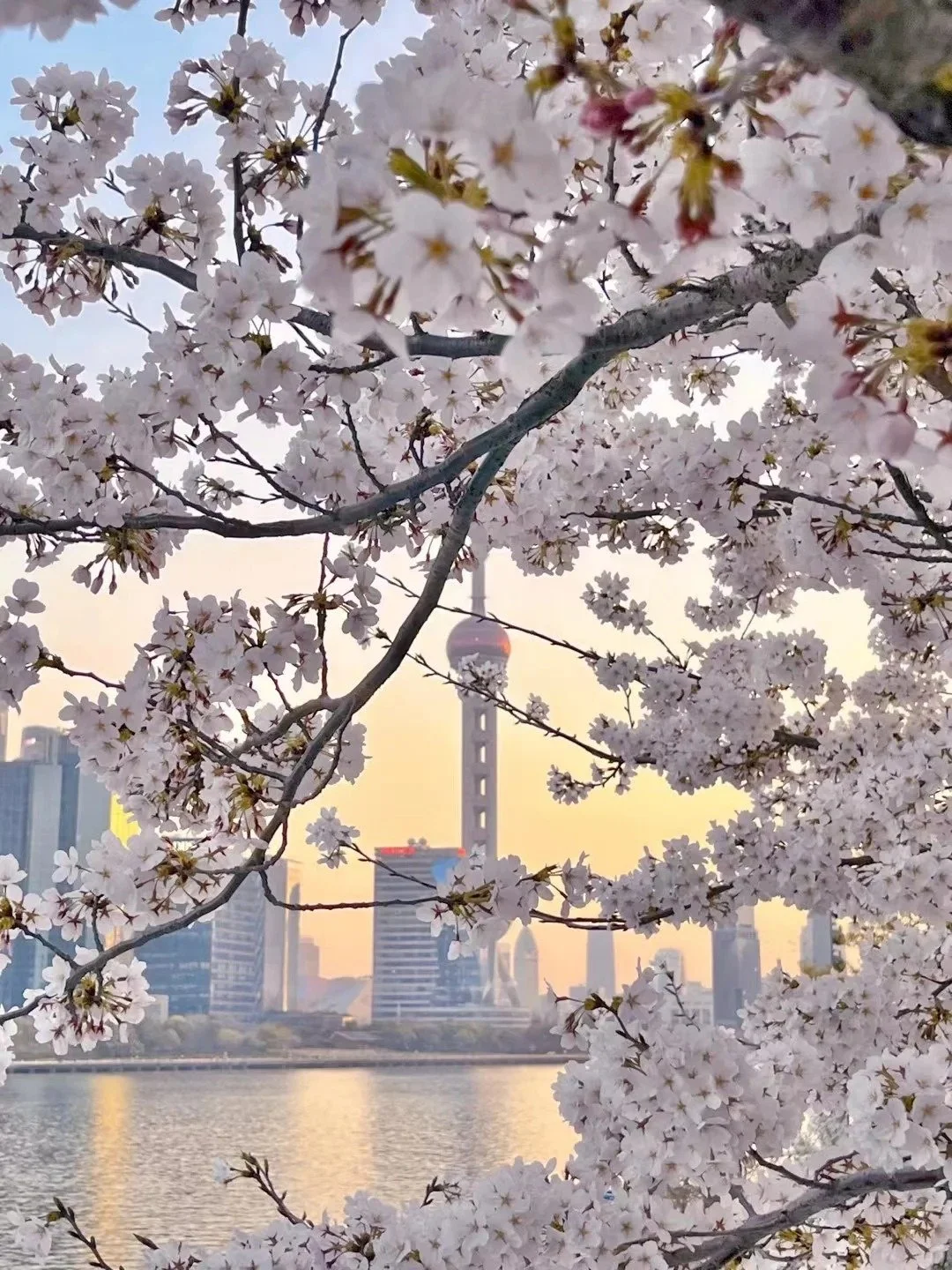
Shanghai's Gucun Park (上海顾村公园 shànghǎi gùcūn gōngyuán) is the city’s largest cherry blossom park with over 16,000 trees and an annual Cherry Blossom Festival from mid-March to mid-April. Also: Century Park (世纪公园 shìjì gōngyuán) and Fuxing Park (复兴公园 fùxīng gōngyuán) in the French Concession area, which are also great for people watching.
Pingba, Guizhou (平坝,贵州 píngbà, guìzhōu) has 700,000 cherry trees creating a massive pink-and-white sea
The cultural significance in China is different from Japan. These aren't about mono no aware or the beauty of transience. They're about spring, beauty, and increasingly, about connecting with modern youth culture. Cherry blossom viewing in China tends to involve picnics, hanfu photos, and social media content.
How to Experience Chinese Flower Viewing Like a Local
Traditional practices:
For thousands of years, the locals have celebrated these flower blooms by drinking wine, dressing in hanfu (traditional clothing), wearing flowers in their hair, and making sure to appreciate them with all their senses. For a different perspective, some would paint them or write poetry, and organize night viewings by lantern light.
Modern practices:
These days people go for picnics with family and friends and head to one of the huge Chinese flower festivals. A major trend with younger crowds is to get a professional photoshoot done dressed in hanfu, which obviously requires posting on Xiaohongshu.
Planning Your China Flower Viewing Trip: Best Times and Places
February-March: Start in Yunnan for early rapeseed and plum blossoms, then head to Guizhou's Qiandongnan region for rapeseed fields with fewer crowds and fascinating minority culture. Or head east to Jiangxi for Wuyuan's combined rapeseed and peach blossoms.
April: This is peak season. Choose between Luoyang's peonies (mid-late April), Nyingchi's peach blossoms (late March-April), Beijing's Great Wall peach blossoms (late March-mid April), or Wuhan's cherry blossoms (late March-early April). You can't do all of them in one trip, so pick your priority.
Crowd factor: Chinese flower festivals get BUSY. Luoyang during peony season sees millions of visitors. Wuhan University often limits entry during cherry blossom peak. If avoiding crowds is your goal, go for lesser-known spots (like Guizhou's rapeseed fields or Jiankou's wild peach blossoms) or visit slightly before/after peak bloom.
Best strategy: Pick one major festival (Luoyang peonies, Nyingchi peaches) and combine it with smaller, less-crowded spots nearby. Luoyang has incredible history and food beyond flowers. Nyingchi is the gateway to Tibet's eastern regions.
China vs Japan Flower Culture: The Fundamental Differences
Japanese sakura viewing centres on mono no aware (物の哀れ) – the pathos of things passing. The beauty is intensified by its brevity.
Chinese flower culture is different. Each flower represents virtues humans should embody. Plum blossoms are about resilience, peonies are about prosperity. The timing matters: plum blossoms blooming in deepest winter teach courage; peonies blooming in prosperous spring invite celebration.
Chinese flower appreciation is also more sensory. You're expected to smell, touch, taste, listen. You drink wine with the flowers. You eat foods made from the flowers. The experience is meant to be the sum of its parts.
And it's deeply social. Historically, flower viewing meant poetry parties, music, wine, and gathering with friends. Chinese flower festivals these days are loud, crowded, joyful celebrations.
Why This Matters
If you've already travelled extensively in Japan and you're looking for the next level of depth, China's flower seasons offer something genuinely different. Not better or worse – just different.
And practically speaking, the scale is bigger. Rapeseed fields in Luoping stretch further than you can see. Luoyang has 1,400 peony varieties. Nyingchi's wild peach forests cover entire mountain ranges.
The food is better too. (There. We said it.)
So yes, come to China to chase flowers. But come knowing you're stepping into something ancient, layered, and still very much alive.
Frequently Asked Questions
-
The best time depends on which flowers you want to see. Plum blossoms bloom January to March, peonies bloom mid-April to early May, peach blossoms bloom March to May (varying by altitude), rapeseed flowers bloom February to April, and cherry blossoms bloom late March to early April.
-
The best places to see plum blossoms are Nanjing's Plum Blossom Mountain (over 30,000 trees), Wuhan's East Lake Moshan Scenic Area, Suzhou's classical gardens, and Hangzhou Botanical Garden. These locations host annual plum blossom festivals from January through March.
-
The Luoyang Peony Festival is a UNESCO Intangible Cultural Heritage event held annually in Luoyang, Henan Province, from mid-April to early May. The city has 1,400 peony varieties across 20 major gardens and attracts millions of visitors during peak bloom.
-
Chinese flower viewing focuses on multiple flower varieties representing different virtues (plum blossoms for resilience, peonies for prosperity), involves all five senses including tasting flower-based foods and wines, and emphasizes social celebration. Japanese hanami centres on cherry blossoms and the concept of mono no aware (the beauty of transience).
-
Spring in China features peach blossoms (March-May), peonies (April-early May), rapeseed flowers (February-April), and cherry blossoms (late March-April). The specific timing varies by region and altitude, with southern areas blooming earlier than northern regions.
-
Luoping in Yunnan (February-early April) is the most dramatic location with golden fields across karst landscapes. Wuyuan in Jiangxi (March-April) combines rapeseed with traditional villages. Qiandongnan in Guizhou offers fewer crowds with equally stunning views among minority villages.
-
Yes, many flowers are edible in Chinese culture. Plum blossoms are made into wine and preserved fruit, peony petals appear in cakes and tea, peach blossoms are used in wine and traditional remedies, and rapeseed flowers are cooked as vegetables and produce honey.
-
Peach blossoms bloom at Beijing's Great Wall sections from late March to mid-April. The best viewing spots are Juyongguan, Huanghuacheng, and Jiankou, where pink blossoms frame the ancient stone walls.