
How to Spend Your Haneda Layover, However Much Time You've Got
Haneda has an advantage almost no other major international airport can claim. It's genuinely close to the city it serves. Narita sits over an hour outside central Tokyo, but Haneda can put you in the city inside thirty minutes. So a Haneda layover comes with an option most layovers don't. If you've got a long one here, "just go into Tokyo" becomes a real option.
But I don't think that means it's the only option. Some of the best things near Haneda are the ones you'd never plan a special trip for, and probably wouldn’t do if you were actually in central Tokyo. A tattoo-friendly onsen with a view of planes taking off. A shrine that used to sit inside what is now the runway. A neighbourhood where one man birthed an entirely new style of gyoza that's now on menus all over the country.
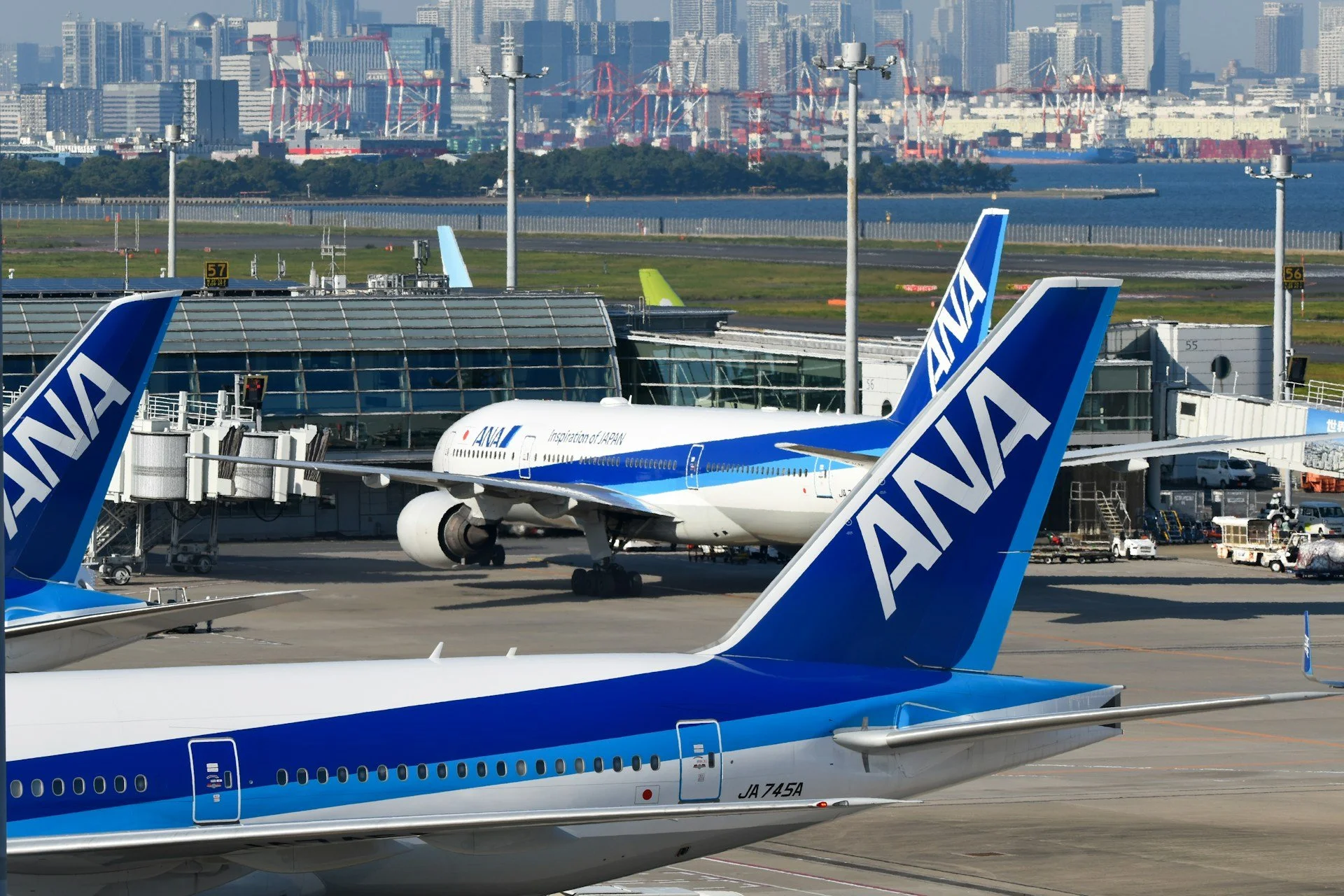
We’ve already given you a guide on how to spend a Narita layover, and now here's how I'd spend a Haneda layover, broken down by how much time you've actually got.
Two to Three Hours: Stay Close
This isn't enough time to clear security twice and get anywhere far, so the move here is to stay inside the airport complex itself, or one stop away at most.
Soak with a view: Izumi Tenku no Yu
Tucked inside Haneda Airport Garden, connected to the Villa Fontaine hotel right by Terminal 3, is Izumi Tenku no Yu, a proper natural hot spring facility. Real onsen water, drawn from an actual natural hot spring source, not just heated tap water dressed up with the word "onsen" on the sign, which is more common near big cities than you'd think. The standout is the rooftop open-air bath, where you're soaking outdoors with views of planes taking off and, on a clear day, Mount Fuji in the distance.
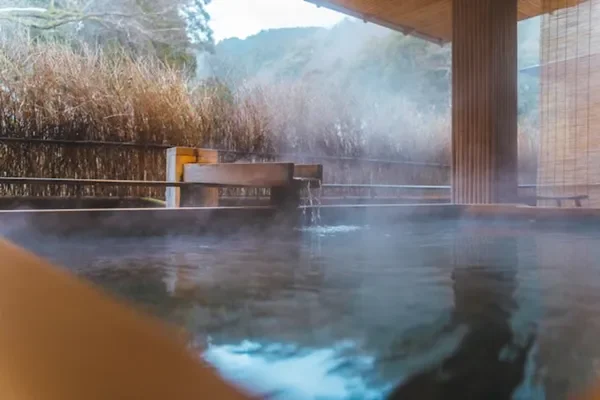
It's also tattoo-friendly, which is genuinely hard to find in Japan, and the fact that this one leans into it (almost certainly because of the international crowd passing through this terminal) makes it one of the more unexpectedly welcoming onsen experiences you'll find anywhere in the country. There's a rock sauna, a carbonated bath, lie-down baths, a dining area, and even massage and body scrub if you want to properly commit to two hours of relaxation. Entry runs around 4,800 yen for adults.
If you've never been to a Japanese onsen before, our full guide on how to onsen walks you through the etiquette, washing, and everything else you need to know before you go.
Walk it off: Anamori Inari Shrine
If relaxing at an onsen for a couple of hours isn't your idea of a layover, take the Keikyu Line one stop to Anamori Inari Station and start walking to Anamori Inari Shrine.
This shrine used to sit inside what is now Haneda Airport itself. In 1917, a flying school and aircraft manufacturing works opened nearby, and student pilots would come and pray here before their first solo flight. After the war, Allied occupation forces forcibly relocated the shrine to expand the airport, and the original main hall, stone lanterns, and fox statues were buried as foundation stones under what's now the runway. The giant torii gate out front couldn't be moved in time, so it stood alone in front of the terminal for years before it was eventually shifted to its current spot near Benten Bridge.
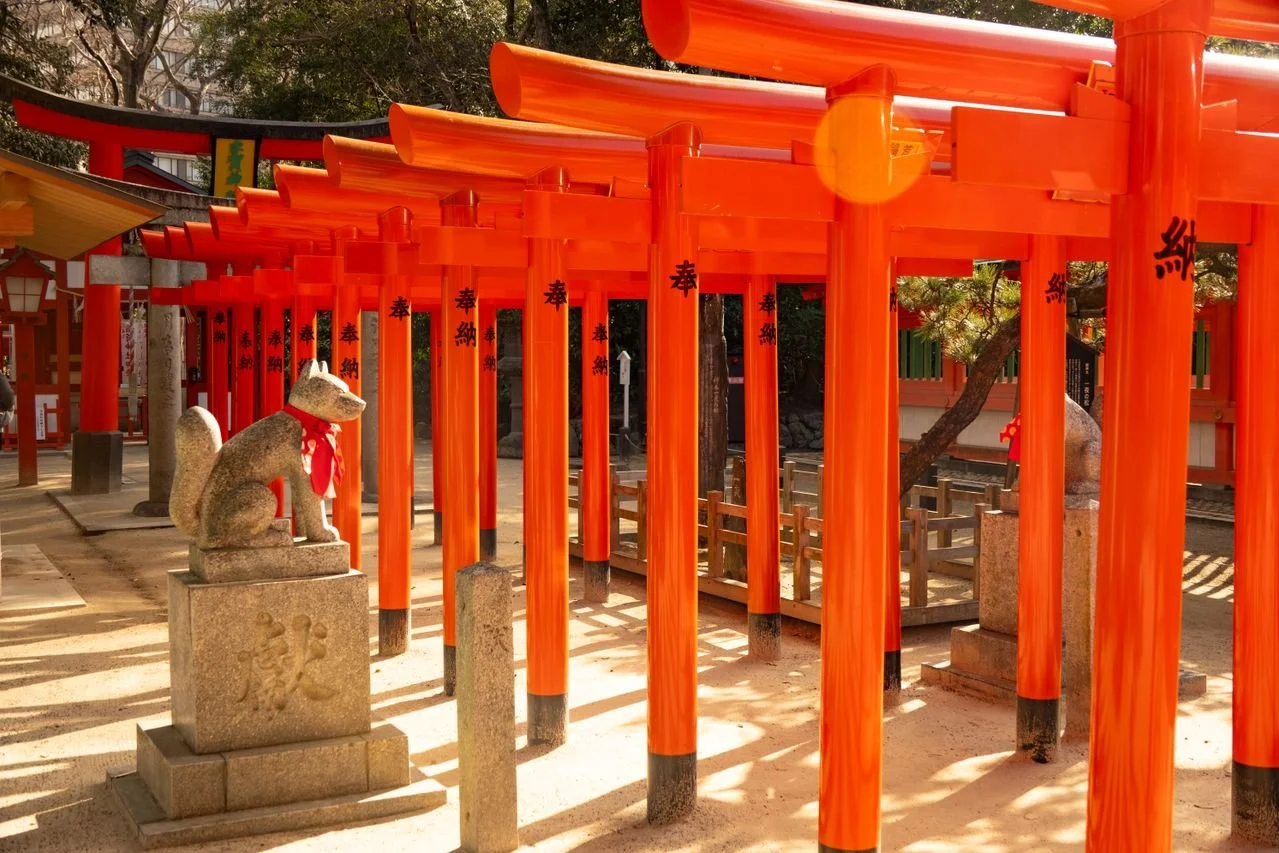
Today the draw is the "thousand torii gates" path (千本鳥居). This is the same name Kyoto's famous Fushimi Inari uses for its own iconic torii tunnel. In both cases it's a traditional name rather than a literal count. Fushimi Inari's actual number is closer to 900. Anamori Inari's is smaller again, especially after the postwar relocation stripped away most of what was once one of the largest torii collections in the country, but what's left is still a tight, vivid tunnel of vermillion gates.
Four to Five Hours: One Stop Further
With a bit more time, head to Kamata (蒲田), just next to Keikyu-Kamata Station. Kamata is a proper locals’ neighbourhood. Mostly Tokyo residents here, either because they live nearby or because they've come specifically to eat and drink, and almost no tourists. It's also, quietly, the birthplace of an entire style of gyoza eaten across Japan.
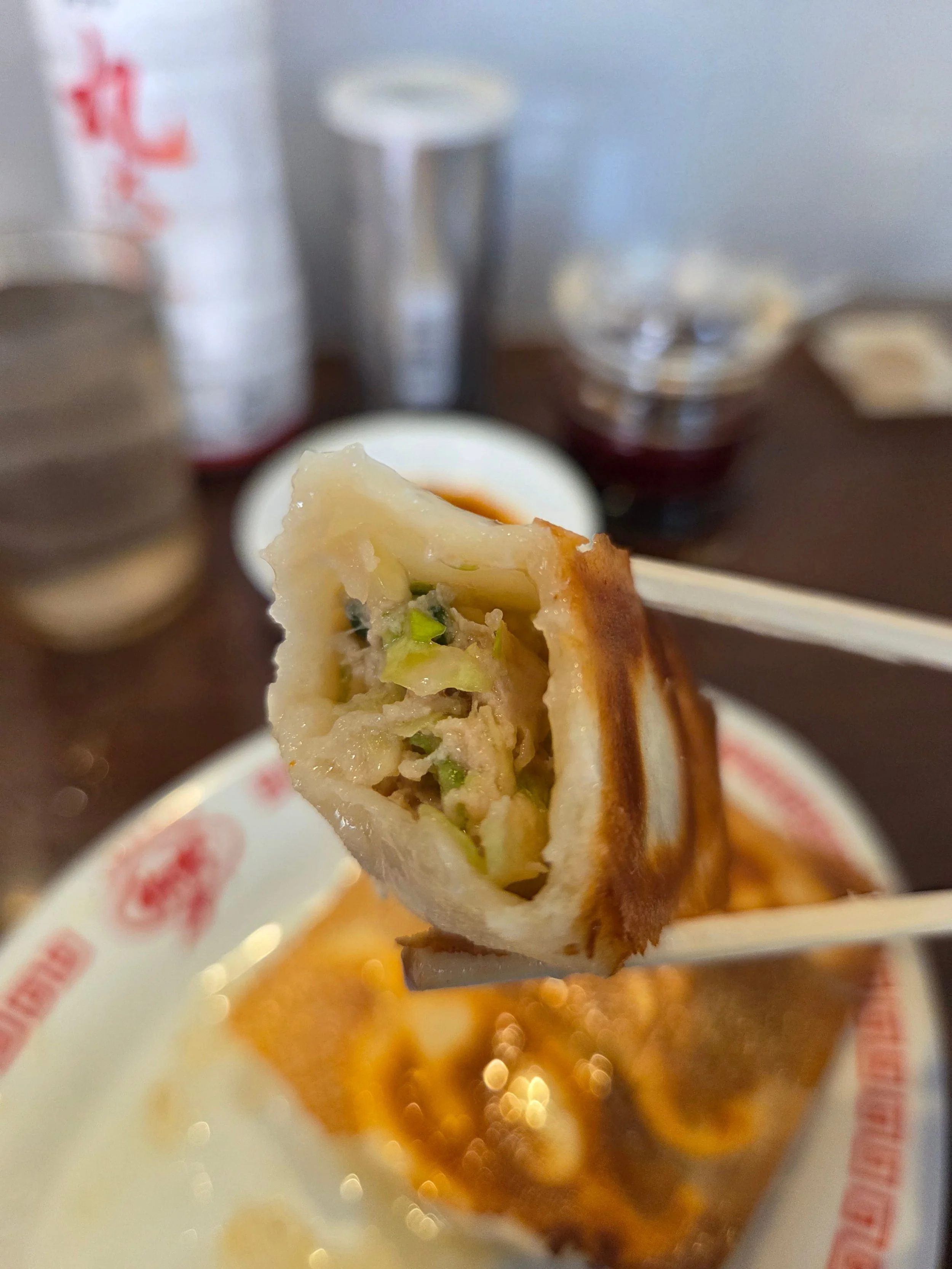
Winged gyoza (羽根つき餃子) is a style of pan-fried dumpling joined together by a thin, crispy skirt of fried batter that connects a whole pan of dumplings into one sheet, and it was invented here in 1983. The whole thing traces back to one man, Yagi Isao, a Chinese war orphan who returned to Japan at age 45 speaking no Japanese, supported by welfare while he attended language classes. To thank his Japanese teacher, he cooked the Chinese food he'd grown up with. Word got around, and his gyoza became good enough that the local community pooled money to help him open a restaurant.
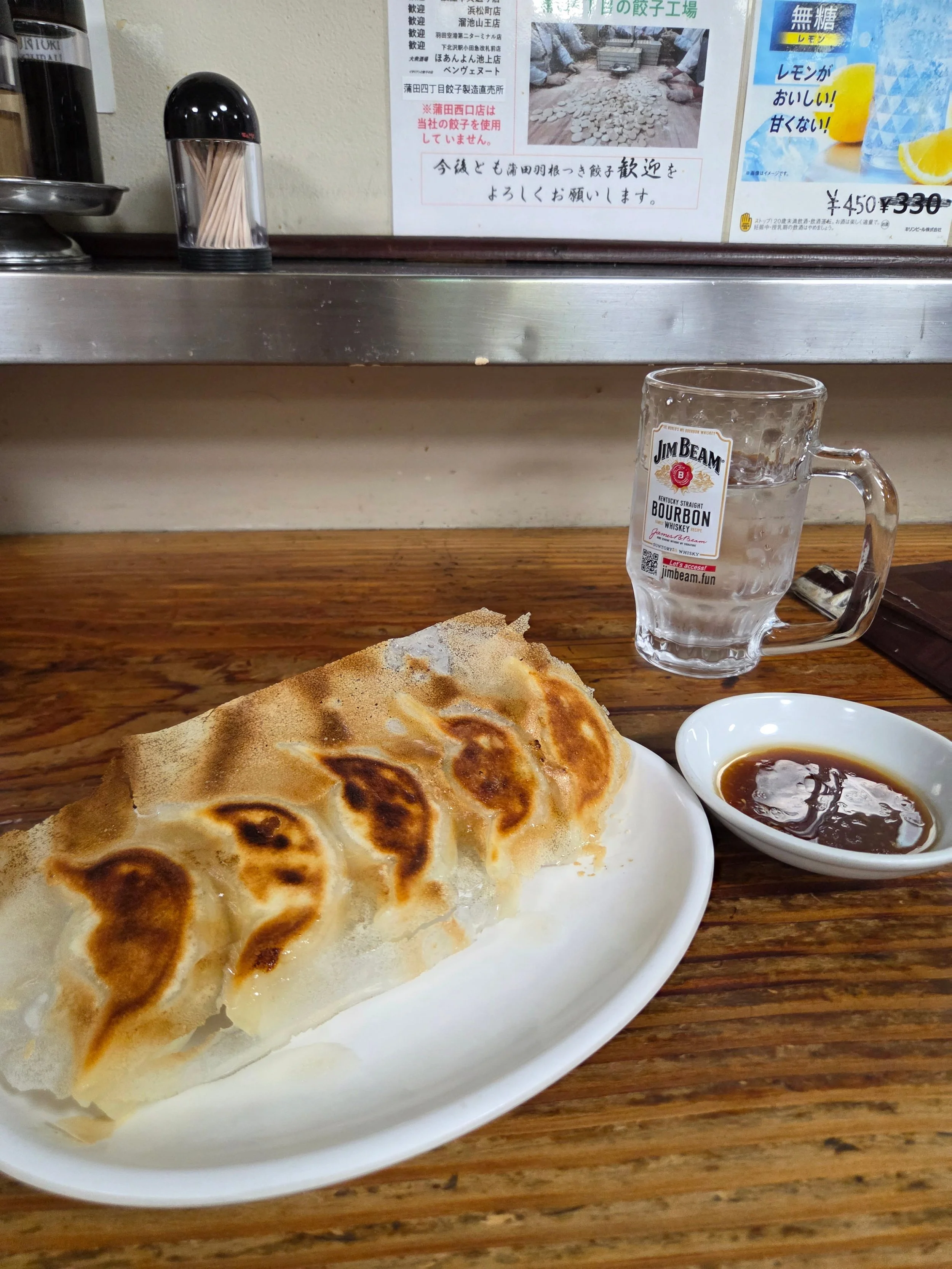
The technique itself is a genuine hybrid. Growing up in China, Yagi had eaten boiled dumplings. When he encountered Japan's preference for pan-frying gyoza instead, he adapted a Dalian-style pan-fried bun technique, pouring a flour and water slurry into the pan late in cooking to create that crisp wing. One man's surprise at a different country's food habits turned into a completely new dish.
He called his restaurant Nihao (你好). It now has eleven locations. His sister opened her own place nearby, Kangeion (歓迎). His brother opened Konparu (金春). A nephew later added a fourth, Shunkoen (春香園). Locals call the original three the gosanke (御三家), the three founding houses. Nihao's success set off a wave of copycat winged-gyoza restaurants across Kamata, which is how the whole neighbourhood ended up known for it, and the dish has spread to izakaya nationwide. There's no competing origin story here either. Almost every source traces winged gyoza back to this one family.
I've tried all three of the founding houses, purely judging on the gyoza itself. Kangeion is the best of the three. Nihao is a solid second. Konparu, the distant third, honestly wasn't very good.
Kangeion's wing had the best crispiness of the three, and the filling had more flavour to it as well. Nihao's dipping sauce was arguably the best of the bunch, even if the gyoza itself came in second.
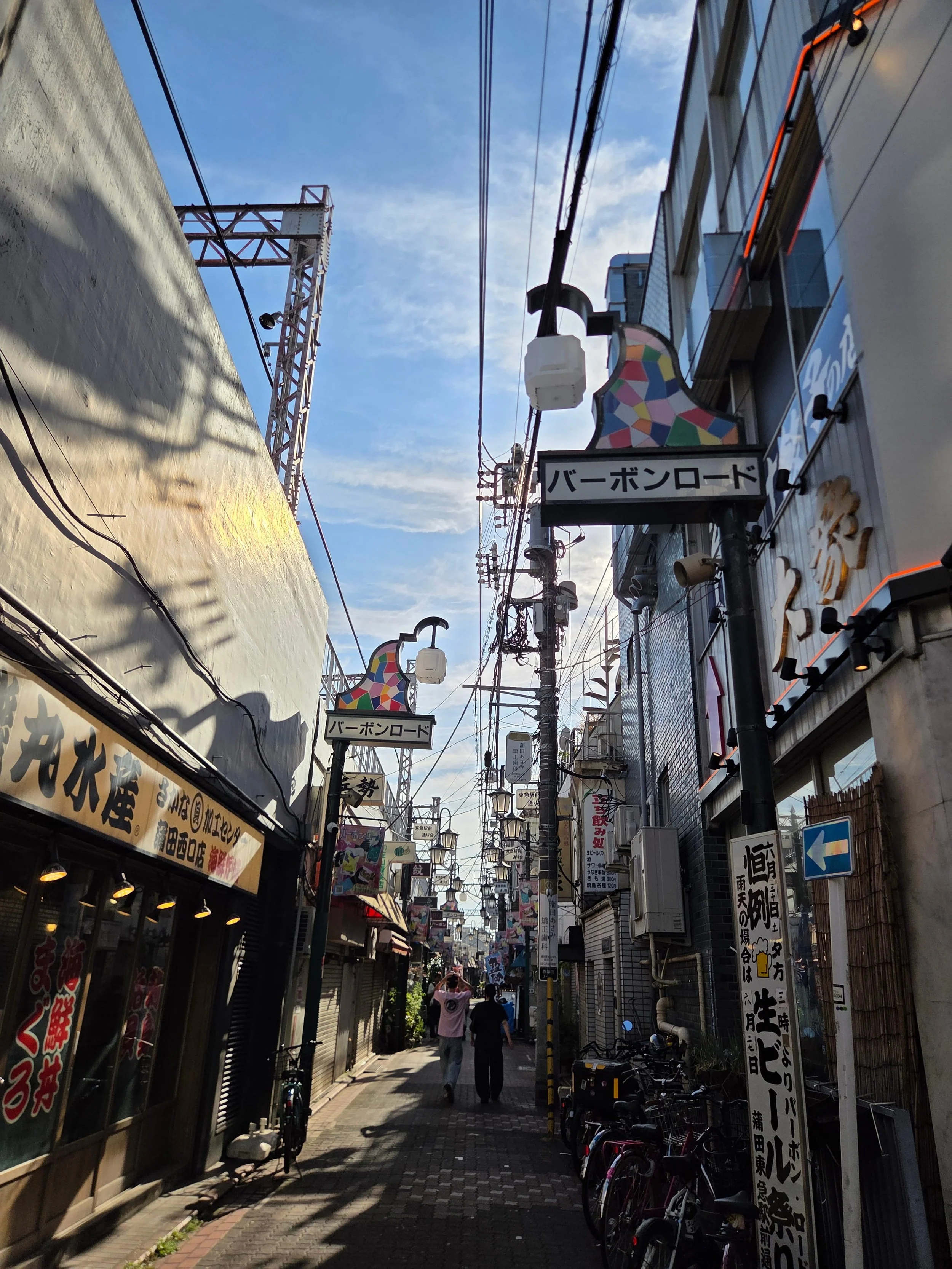
Kamata is also a classic senbero neighbourhood, meaning you can get properly drunk on a handful of small plates and a few rounds of drinks for around 1,000 yen, the kind of place built for cheap, no-fuss drinking. If you've got an overnight layover, or you just want a drink and some noise rather than a quiet meal, then head to Bourbon Road, a genuinely fun place to end up for a few hours.
If you skipped Anamori Inari Shrine earlier, you can add it in to a stop in Kamata since it's on the same Keikyu Line and barely out of the way.
Six Hours Plus: Into the City
With this much time, I don't try to cover Tokyo. I pick one neighbourhood and keep it simple: one coffee, one meal, one thing to do. The "thing to do" might just be wandering a new neighbourhood, or it might be going back to somewhere I already love. The meal is usually whatever I'm in the mood for that day, found once I'm already there, though sometimes it works the other way around: a specific dish or restaurant I've been thinking about is what decides the neighbourhood in the first place.
Here’s a few of my regular picks:
Kappabashi (かっぱ橋)
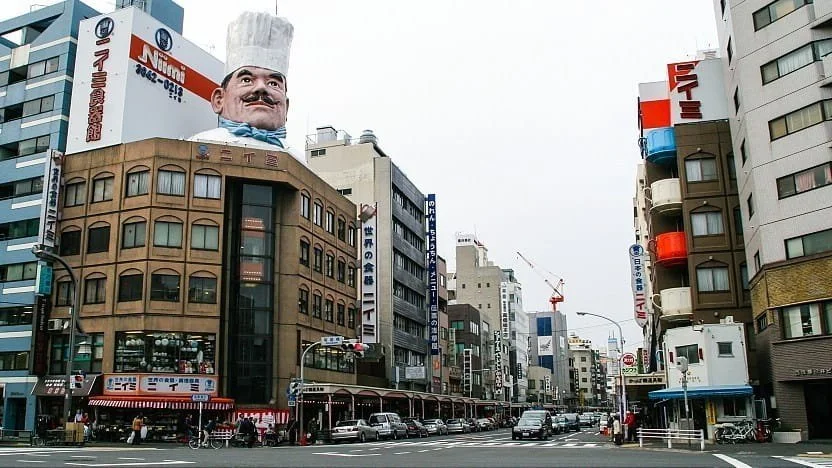
Kappabashi is Tokyo's kitchenware district, for an afternoon of wandering shopfronts and picking up a set of chopsticks or some Japanese cups to take home. Get your coffee at TABI TO COFFEE, and then a tonkatsu at either Tonkatsu Juroku or Danki Tonkatsu. And for first-time visitors to Tokyo, it’s very close to Asakuska, so you can also visit one of Tokyo’s top tourist destinations.
Meiji Shrine
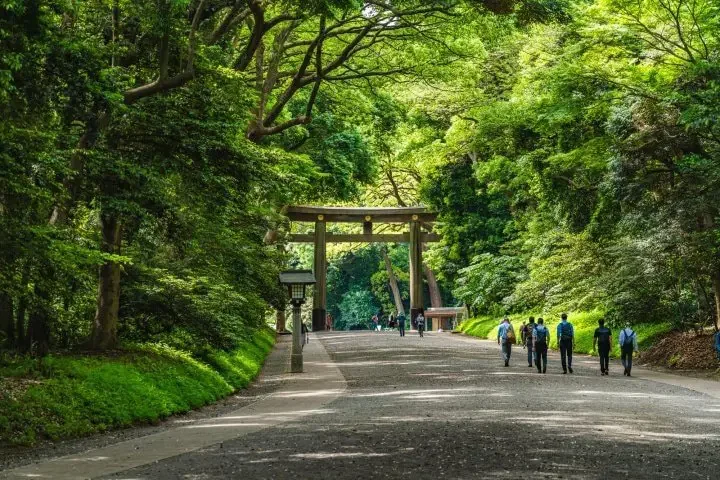
The Meiji Shrine is one of my favourite places in the whole city, a green haven tucked away in the middle of everything. Grab a coffee at Sedai Roasters, or if you want to sit down and play with some hedgehogs, go to Harry’s. Much cuter, but the coffee isn’t as good. You’re right next to Harajuku, another Tokyo hit for first-timers, and if you scour the back-alleys instead of the main strip, you’ll find great gems like BEETLE Harajuku for a meal. If it’s a Sunday, make sure to head into Yoyogi Park as well for some of Tokyo’s best people watching.
Jimbocho
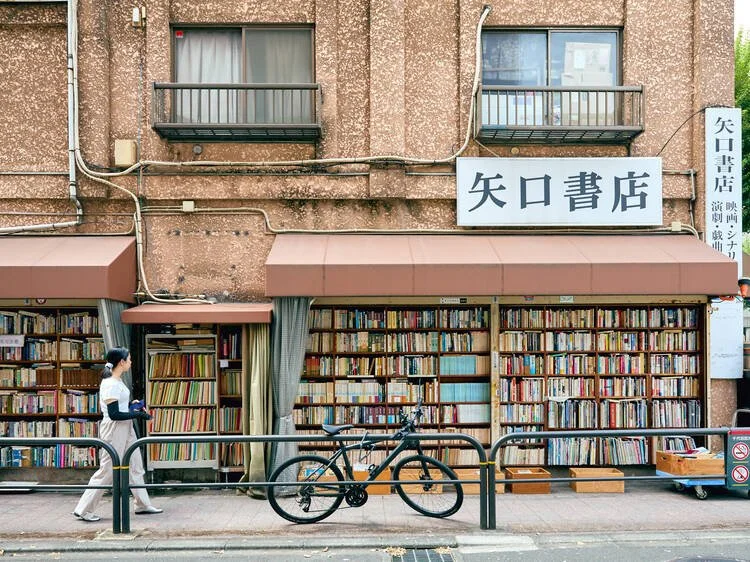
Jimbocho was rated the #1 neighbourhood in the world by Time Out in 2025, and with all the secondhand bookshops and galleries, and genuinely good food scattered throughout, it’s easy to see why. It’s also one of our favourite neighbourhoods in Tokyo. This place has been a centre of kissa culture for decades, with places like Sabor and Koseto still going strong. For food, it’s gotta be curry in this neighbourhood. Head to Curry Bondy or Sangatsu no Mizu for lunch.
Yanesen
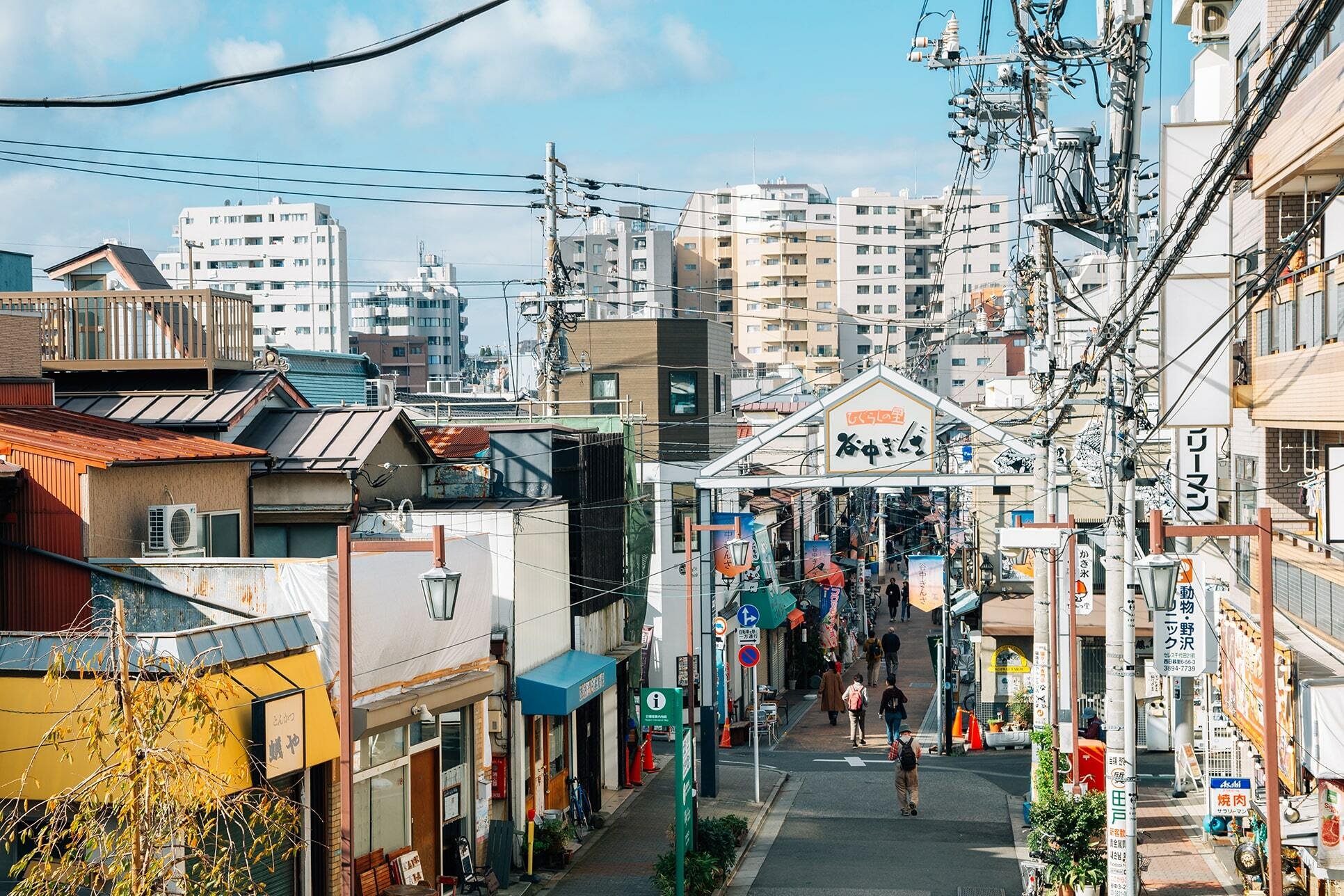
A grouping of Yanaka, Nezu and Sendagi, this area is a great place for a couple of hours drifting through the old cemetery, down Yanaka's old shopping street, and into the back alleys of Nezu, which are full of small local shops and boutiques. Grab a coffee at ignis or SIRCLE before an unagi-don at Edo Meidai Amon or ramen at Hidamari. Legitimately the best ramen I've had in Tokyo.
None of these need a plan beyond showing up. Pick whichever one matches the mood you're in that day, and let the coffee and the meal sort themselves out once you're there.
If You're Planning Ahead: JAL and ANA
Everything above works whether you've booked it in advance or you're deciding on the day. These two don't. Both require reservations, sometimes weeks or months out.
JAL Sky Museum
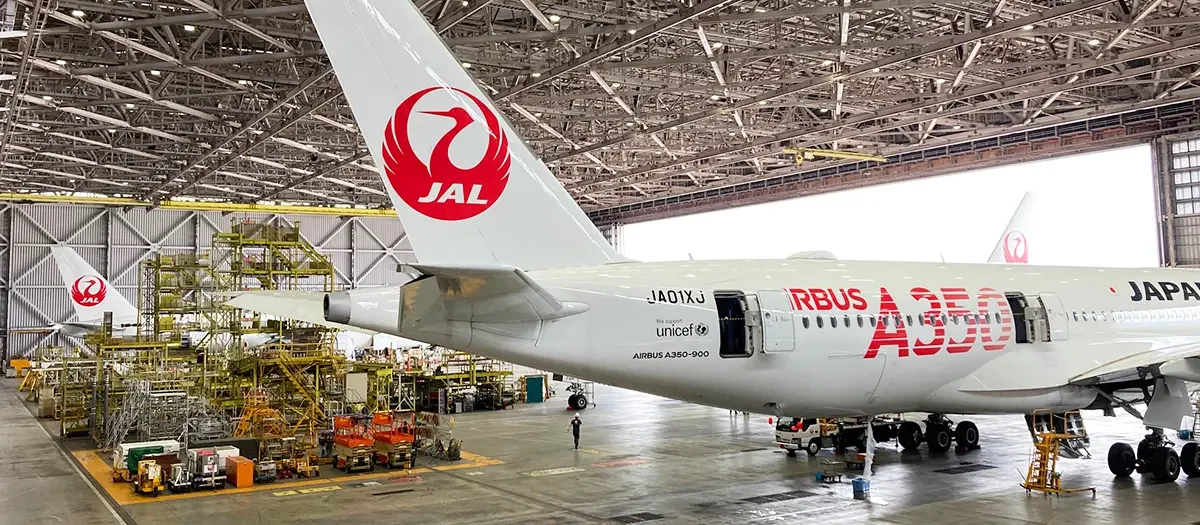
Sitting in the Shin-Seibijo area, roughly the middle of the airport between the A and C runways, is the JAL Sky Museum. This is JAL's aircraft maintenance hangar tour. It's free, but reservation-only via their website, and slots can book out fast. It's been running since early in the airline's history as a community outreach programme, renovated and rebranded as the Sky Museum in 2013. You get an ID badge as a souvenir, go through a security check, and are escorted through the hangar itself alongside the exhibits.
In the same building is the JAL Safety Promotion Center, which holds wreckage and artefacts from the 1985 Osutaka crash, when JAL Flight 123 went down in the mountains of Gunma Prefecture, still the deadliest single-aircraft accident in aviation history.
ANA Blue Base Tour
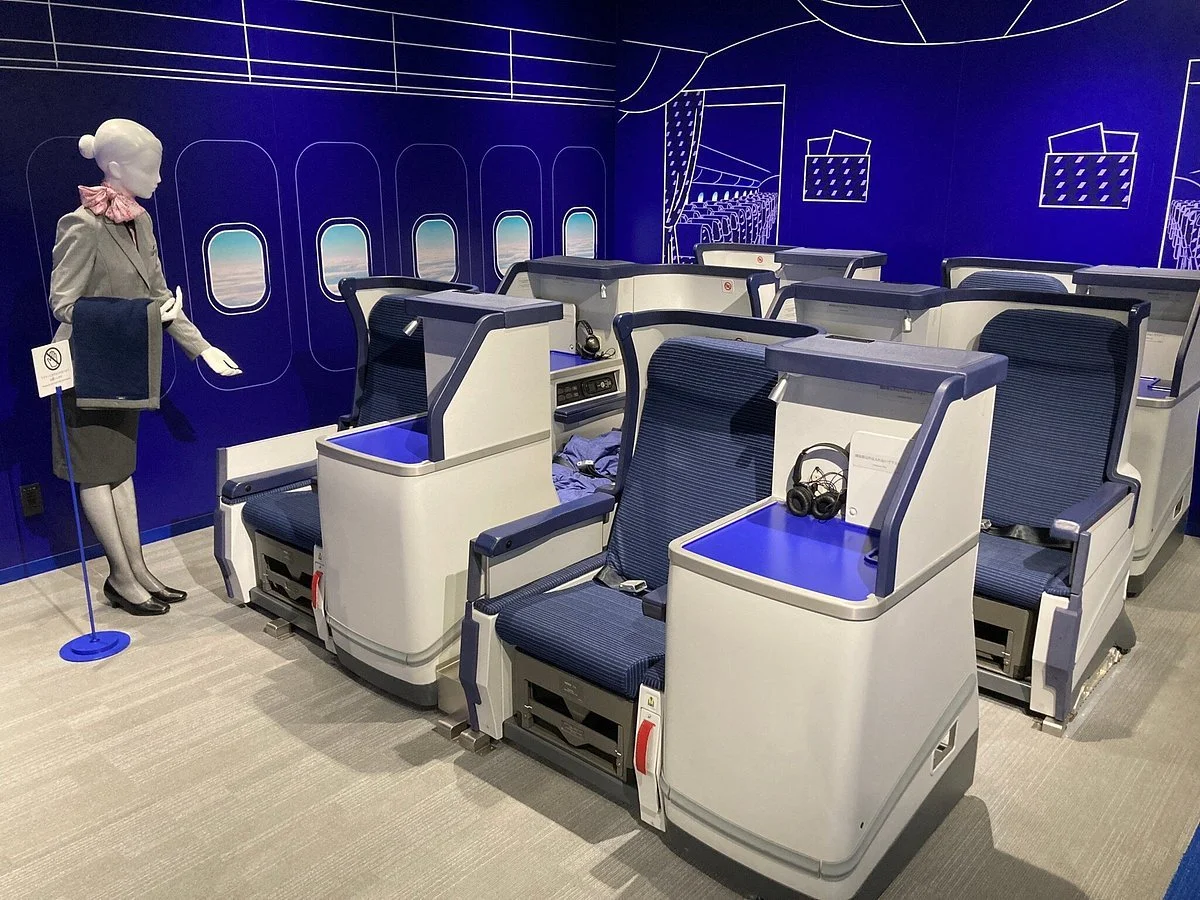
A few minutes from the airport by Keikyu Line, between Anamori Inari and Tenkubashi stations, is ANA's training facility. It costs around 1,500 yen for adults, runs roughly seventy-five minutes, and can be booked through VELTRA. Inside, you'll get a look at flight simulators, cabin crew training, and ground handling demonstrations. It sits on the same line as Kamata and Anamori Inari Shrine, so if you've booked this one ahead, it's easy to fold into the same trip out.
For years, travelling between Europe and Australia, I regularly had six to eight hour layovers at Haneda. They were some of the best parts of those trips. I never once thought of that time as something to kill. In fact, I’d try to book the longest layover possible. It was time to actually use, whether that meant a soak, a shrine, a plate of gyoza in Kamata, or heading into the city for a few hours if the mood struck.
If you’re looking for a longer trip in Japan, then we’ve got Japan tours available for you. But even if you only have a few hours, a long layover at Haneda isn't a gap between two flights. Treat it right, and it's one of the best travel breaks anywhere in the world.
Haneda Layover Frequently Asked Questions
-
Yes. If your passport qualifies for visa-free entry to Japan, you can clear immigration and leave Haneda Airport during a layover, as long as you allow enough time to clear security again before your next flight. Check current visa-exemption status with Japan's Ministry of Foreign Affairs before travelling.
-
At least 6 hours is generally recommended to travel from Haneda into central Tokyo and back, allowing for immigration, transport time, and a buffer before your next flight.
-
Haneda Airport is around 30 minutes from central Tokyo by train, using the Tokyo Monorail or Keikyu Line. This makes it significantly closer to the city than Narita Airport, which typically takes over an hour.
-
Kamata, one stop from Haneda Airport on the Keikyu Line, is known as the birthplace of winged gyoza. It's home to the three original restaurants (Nihao, Kangeion, and Konparu) that started the style in 1983.
-
Winged gyoza (羽根つき餃子) is a style of pan-fried dumpling connected by a thin, crispy skirt of fried batter. It was invented in 1983 at Nihao restaurant in Kamata, Tokyo, and has since spread to menus across Japan.
-
Yes. Izumi Tenku no Yu, located inside Haneda Airport Garden near Terminal 3, is a natural hot spring facility with an outdoor rooftop bath overlooking the runway.
-
Yes, both require advance booking. The JAL Sky Museum is free but reservation slots can book out quickly. The ANA Blue Base Tour is a paid, timed-entry tour bookable through VELTRA.