
Shanghai Layover Guide: What to Do at Pudong and Hongqiao
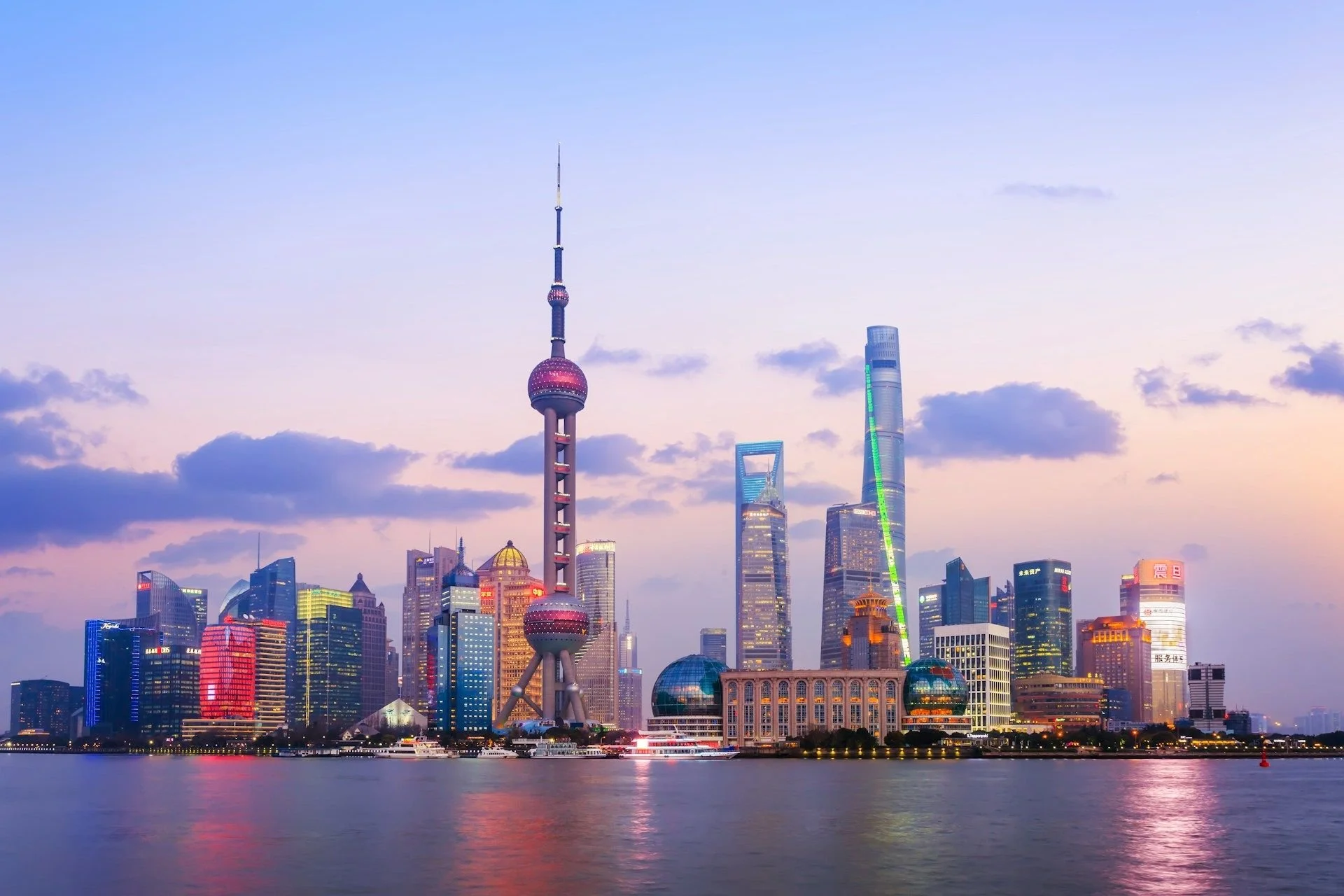
Minsky's China obsession started in Shanghai, when he moved there during university. That was more than twenty years ago now, and even after all this time, the city still has that same electric, at-the-centre-of-everything feeling to it. So when someone tells us they've got a Shanghai layover and nothing planned, our first reaction isn't sympathy at having to sit at the airport. It's mild jealousy.
Can You Leave the Airport During a Shanghai Layover?
Before anything else, know this: depending on your passport, you might have a lot more time than you think. China's visa-free transit policy currently allows eligible travellers to leave the airport and stay up to 240 hours without a visa, as long as you're heading on to a third country. The government won’t count transit on the way to Hong Kong or Taiwan. And for some lucky people, you can now even get up to 30 days visa free. Most people with a six-hour layover have no idea they're allowed to even leave the airport, let alone do so much more.
The trick is knowing what's actually worth the trouble for the time you've got, because Pudong and Hongqiao sit on opposite sides of the city and don't offer the same options. Pudong is the layover airport for most international flights and it's out in the middle of nowhere. Hongqiao is more common for domestic layovers, though regional flights around Asia sometimes route through here too, and it sits much closer to the city proper, with a handful of genuinely good options within thirty to forty minutes by train.
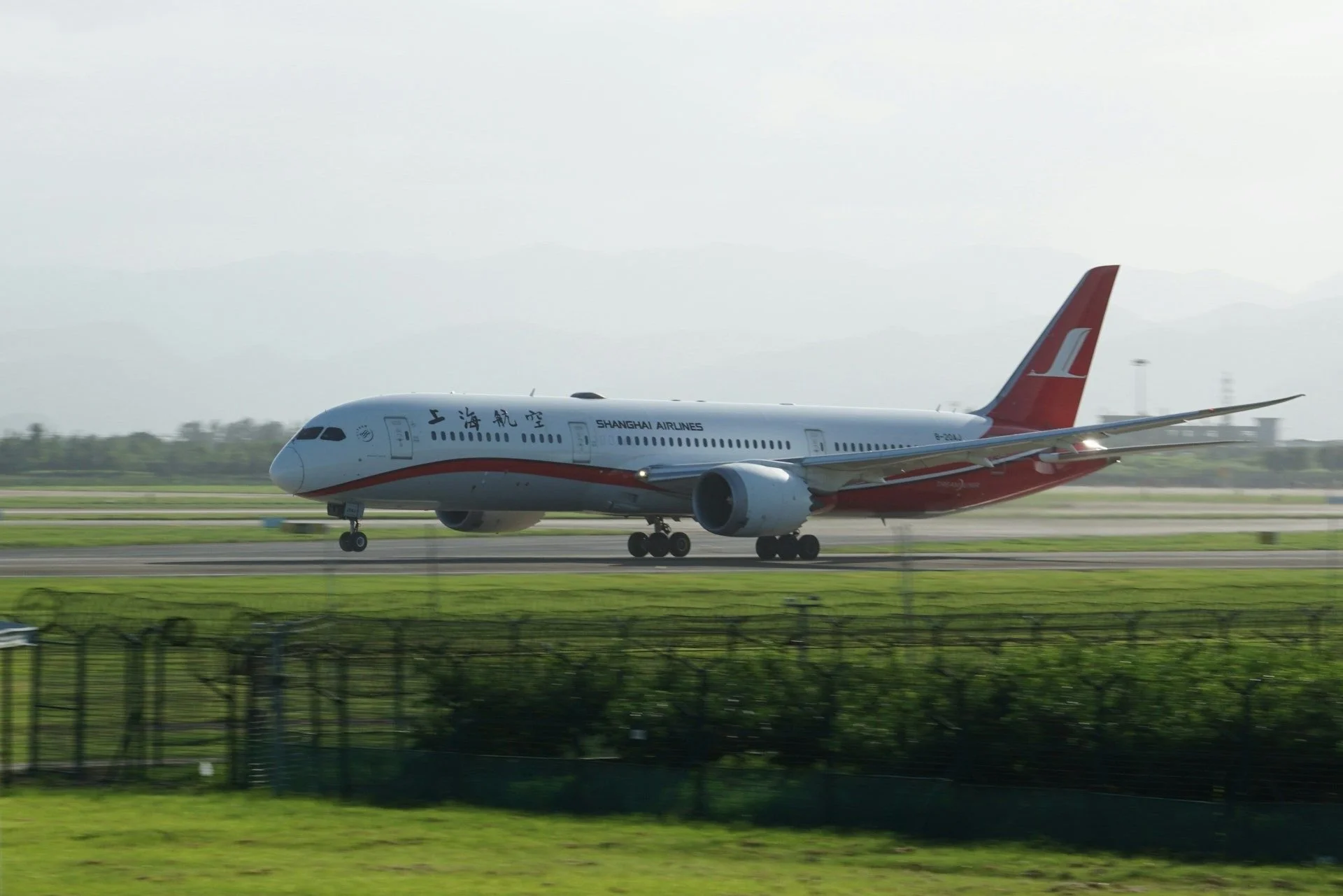
Whichever option you go for, it's worth getting a few things set up before you land. The first thing is payments with Alipay or WeChat. This will also unlock Didi for taxis, because if you use Didi at home it’s actually a separate version that doesn’t work in Mainland China. And for navigation, download Amap. Those are the essentials, and we've written a full rundown of what to set up before you land in our essential apps for China guide.
Below, we’ve broken down our recommendations by airport, noting how much time is required for each, giving you options for everything from a couple of hours right through to a full loop of the city if your layover stretches long enough. Just make sure you’re back at the airport with at least a couple of hours to spare, since security and immigration lines can get quite long.
Under Six Hours from Pudong Airport
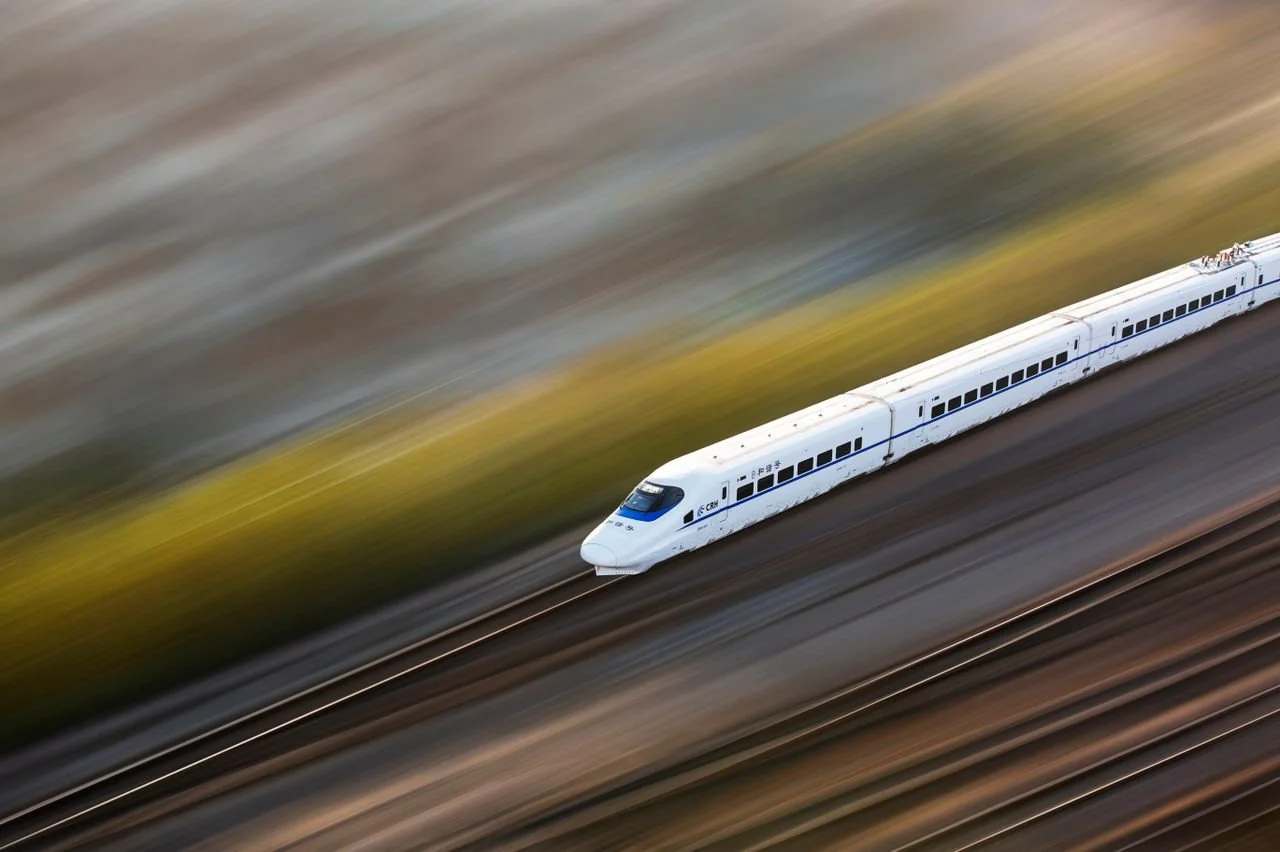
Maglev round trip
The Shanghai Maglev is the fastest commercial train in the world, and one of the few anywhere that doesn't actually touch its track. Magnets lift it off the guideway and push it forward, no wheels involved, which is how it covers the 30 kilometres from the airport to Longyang Road (龙阳路, Lóngyáng Lù) in around eight minutes. Even at today's capped speed of 300 km/h (the old 431 km/h record only comes out for testing these days), it's worth the ride just to watch the speedometer climb with nothing underneath you but air.
Longyang Road itself isn't a sight in any real sense. It's a metro interchange with a mall built into it, full of commuters rather than tourists, and there's nothing much to do there except eat. Which is fine, because who doesn't like eating. Head into the food court and order shengjianbao (生煎包, shēngjiānbāo) at Yang's Fried Dumpling (小杨生煎, Xiǎoyáng Shēngjiān), pan-fried soup dumplings with a blistered, sesame-flecked bottom and a mouthful of broth inside. Eat, wander the rest of the food court to see if something else catches your eye, then get back on the maglev for the return leg. Total time needed, including the ride out, eating, and the ride back, comfortably fits inside two hours.
Disneytown wander
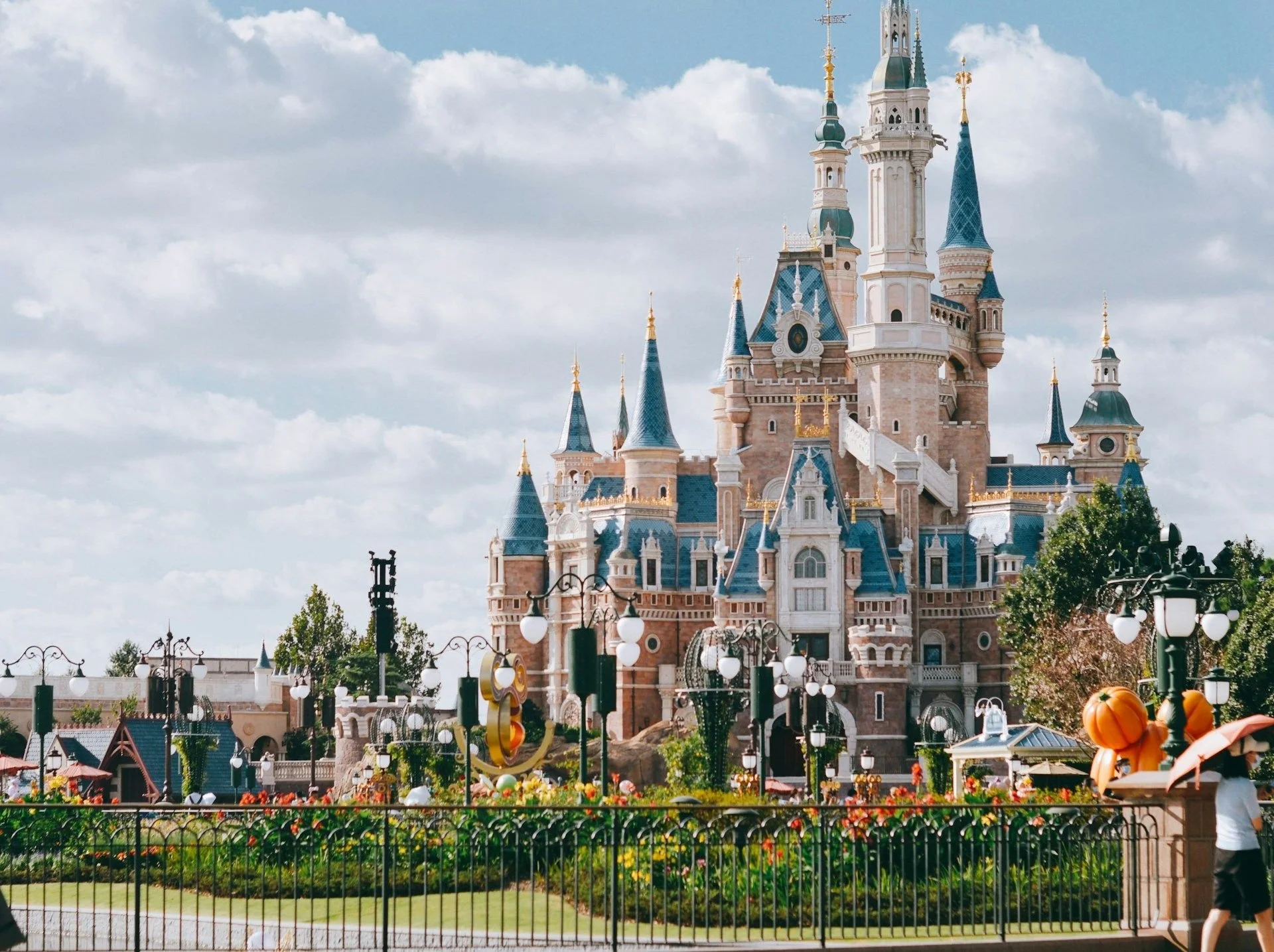
Disneytown sits just outside the actual Shanghai Disneyland gates and is free to walk into without a park ticket. It's about 25 minutes by taxi from the airport, or closer to an hour by metro since it needs a transfer, so a taxi is the better option unless you're watching every kuai. With four to six hours to play with and a soft spot for Disney, it's an easy way to fill the time without committing to a full theme park day. Expect shopping, restaurants, and a lot of deliberate Disney atmosphere rather than a slice of local Shanghai life.
If you want a food stop here, skip looking for something local and go straight for the Cheesecake Factory, the first one to open in China, back in 2016. Minsky's connection to it goes back further than that though: he worked at a Cheesecake Factory in college, long before OTET existed, so a stop here is as much a walk down memory lane as it is lunch. A few birthdays have happened in that booth since.
Xinchang Old Town
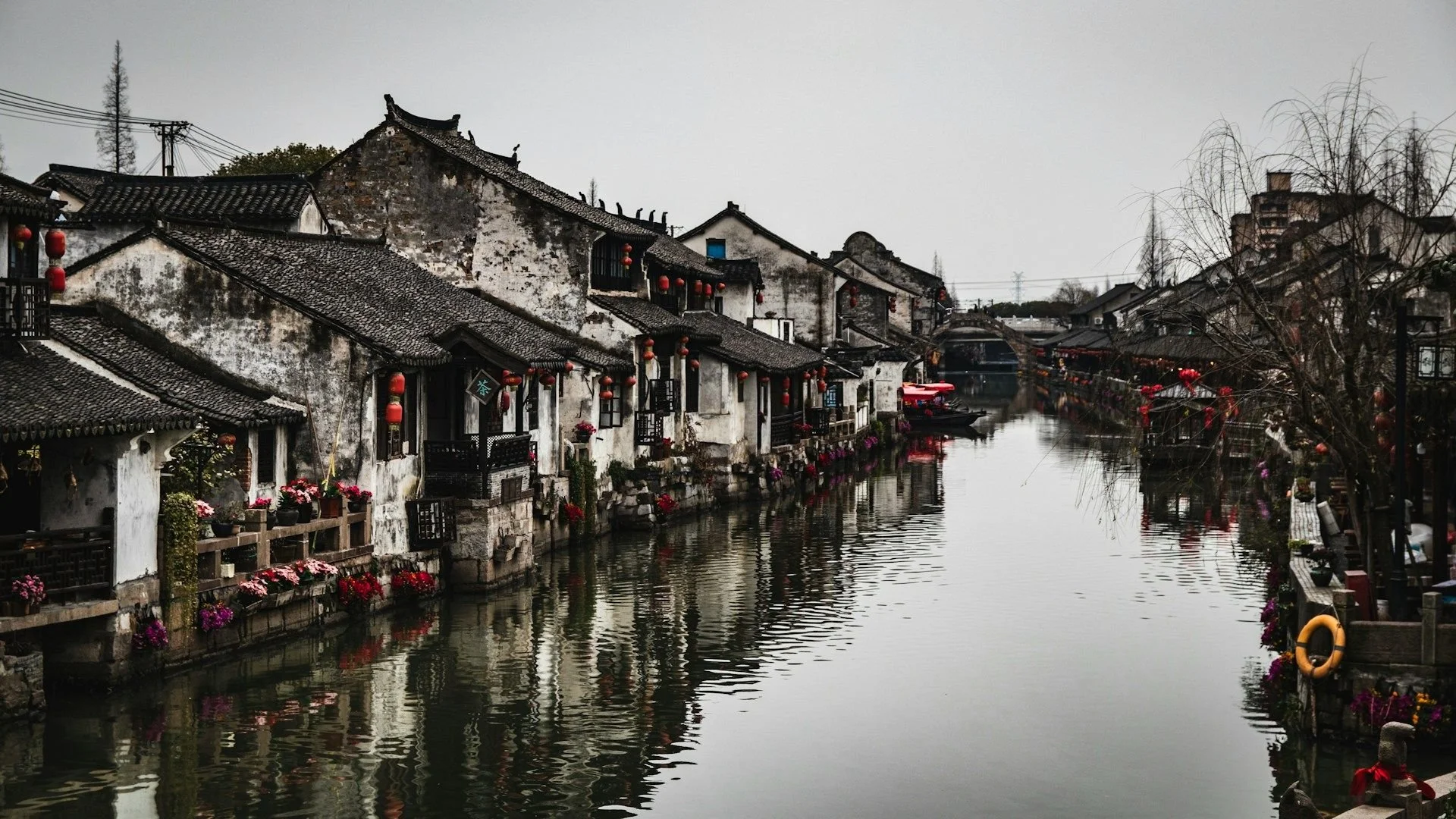
Water towns are small canal settlements scattered across the Yangtze Delta, built with houses backing straight onto the water and stone bridges stitching one side of town to the other. Shanghai sits right at the edge of this region, and while Zhujiajiao and Qibao get most of the attention, Xinchang (新场, Xīnchǎng) is one of dozens of others still standing nearby, just far less restored for tourists.
It's about 25 to 30 minutes by taxi from the airport, with no realistic public transport route. Give yourself an hour or so on the ground, more if you want to sit down for a proper meal. The old street still has original Ming and Qing era buildings alongside a stretch of preserved stone embankment running over a thousand metres along the canal. Wander the lanes, cross a few of the old stone bridges, and duck into the local history museum that’s housed in what used to be an old pawnshop.
For food, stop for haitang cake (海棠糕, hǎitánggāo) at Wang's (王记, Wángjì), a griddle-cooked cake shaped like a begonia flower with a caramelised shell that has to be made in under five seconds to set properly, and a molten filling underneath. Round it out with xiasha shaomai (下沙烧卖, xiàshā shāomài), open-topped dumplings stuffed with bamboo shoot, pork, and rendered pork skin jelly, sold by the box at stalls along the old street.
This stretch of Pudong was also a filming location for Ang Lee’s 2007 film Lust, Caution. The teahouse scenes and one of the bridge shots were filmed here, so keep an eye out for the lanes and old shopfronts that made the cut. Locals sometimes call it Little Suzhou.
Under Six Hours from Hongqiao Airport
Qibao Old Town
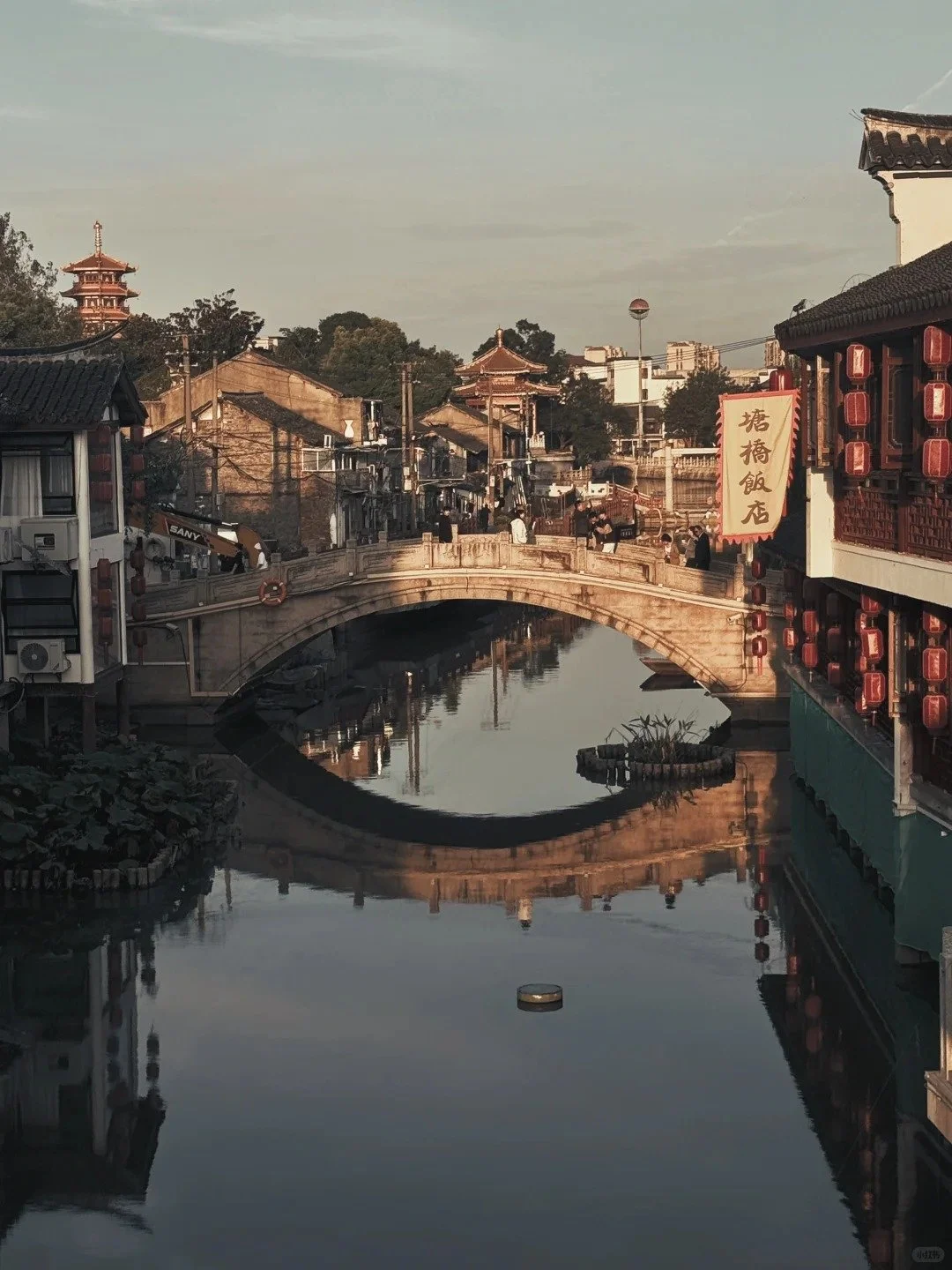
The easiest water town to reach from Hongqiao, about 30 minutes on Line 9 to Qibao (七宝, Qībǎo) station, Exit 2. Qibao grew rich centuries ago as a trading town along its own canal system, and that trading-town history is still visible in the Ming and Qing dynasty buildings lining the water and the workshops still turning out the same crafts they have for decades. Wander the streets for an hour or two, duck into a few of those workshops, and keep an eye out for Qibao Temple (七宝教寺, Qībǎo Jiào Sì) and Puhuitang Bridge (蒲汇塘桥, Púhuìtáng Qiáo), two of the better examples of the traditional architecture the town is known for. Snacks turn up everywhere as you walk, with the heaviest concentration at the south end of the old town.
The dish to know here is stinky tofu (臭豆腐, chòu dòufu), fermented tofu that tastes far better than it smells. Tang yuan (汤圆, tāngyuán), glutinous rice balls stuffed with sesame paste or meat and served in broth, are also worth grabbing, and if you spot a queue outside Shunchang Renshou Guan Dan, join it. Their meat-stuffed duck egg has intangible cultural heritage status, which in China usually means the recipe is old enough and specific enough that you really need to try it. We've written more about Qibao, including a few more of our favourite spots to eat, in our Shanghai neighbourhoods guide.
Nanxiang Old Town
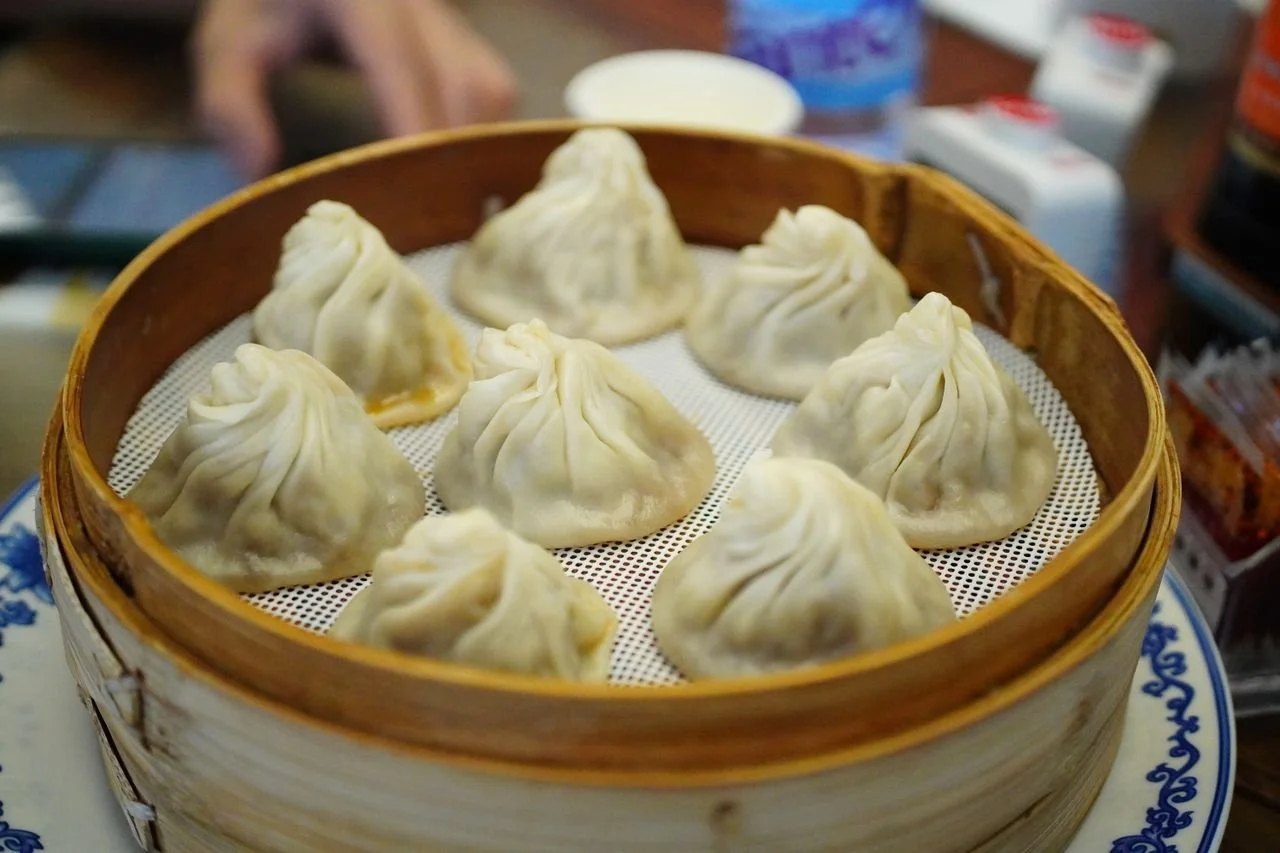
Nanxiang (南翔, Nánxiáng) is widely credited as the birthplace of xiaolongbao (小笼包, xiǎolóngbāo), over a century ago, though like most food origin stories in China, the claim isn't uncontested. Either way, it makes this less a food stop and more a pilgrimage to the source. A fair warning though: these xiaolongbao tend to run larger, with a thicker skin, less soup, and a slightly sweeter filling than the versions most people fall in love with elsewhere in Shanghai. The original shop, Riyuaxuan, is long gone, destroyed in fighting in 1932 and never rebuilt. For the closest thing to the original, eat at the restaurant inside Guyi Garden (古猗园, Gǔyī Yuán). It's the officially recognised inheritor of the intangible cultural heritage technique, passed down through six generations of chefs, with Li Jiangang taking over as the sixth in 1997.
Pair the meal with a wander through the garden itself, one of Shanghai's five great classical gardens and more than 400 years old. It's built across two small islands linked by stone bridges, centred on a pond where locals still feed the geese, with bamboo groves said to include some of the widest variety in the region and a nine-metre pavilion shaped like an opening peacock's tail standing right at the water's edge. It's compact enough to see properly in half an hour, longer if you'd rather sit by the pond for a while. Getting here from Hongqiao takes about 30 to 40 minutes each way, with one transfer, so plan on three to four hours total once you factor in both legs of the trip.
Sheshan
Shanghai is famously flat, which makes Sheshan (佘山, Shéshān) feel like a genuine anomaly. It's about 25 to 30 minutes by taxi from Hongqiao, and it's the one part of the city with real hills, part of a national forest park spread across nine small peaks. The park splits into two halves: East Sheshan (东佘山, Dōng Shéshān), free to enter and better suited to an actual walk through bamboo forest, and West Sheshan (西佘山, Xī Shéshān) next door, where the main sights are.
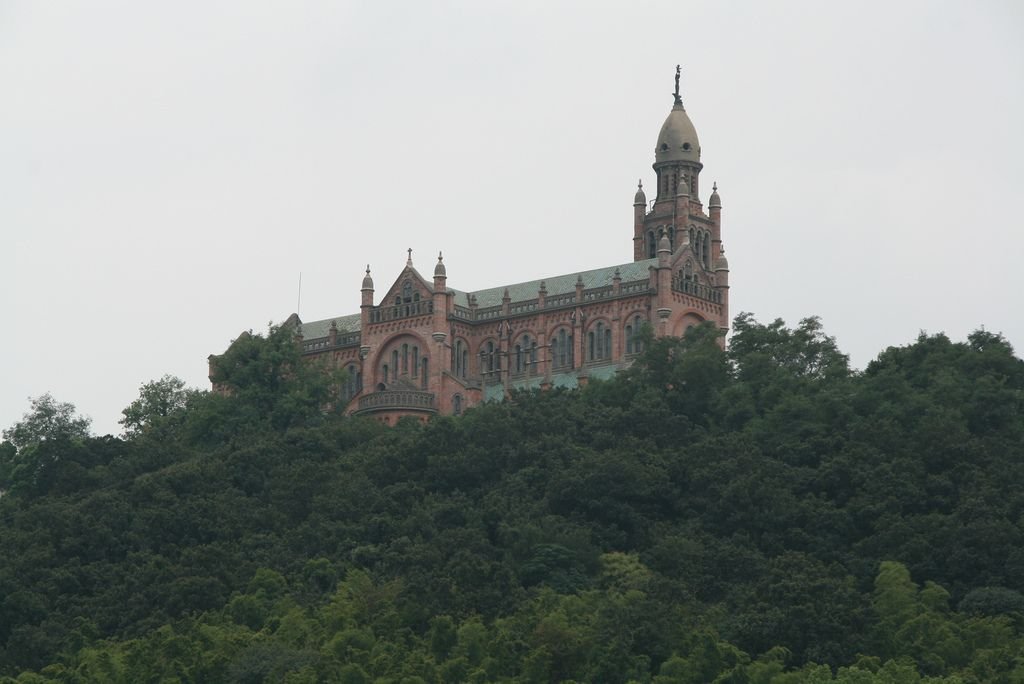
Climb to the top of West Sheshan and you'll find a Catholic basilica built in the early twentieth century, one of the most important Catholic pilgrimage sites in China and once known as the largest cathedral in the Far East. It's a genuine architectural mash-up with Romanesque vaults, Greek columns, a Gothic spire, and Chinese roof tiles all on the one building. Right next to it sits an astronomical observatory that once tracked typhoons for the whole region, now open as a small museum, and on the way up you'll pass Xiudaozhe Pagoda (秀道者塔, Xiùdàozhě Tǎ), a stone pagoda that's been standing since the Song dynasty, meaning it’s over a thousand years old. The walk up isn’t too strenuous, it’s more a steady incline through trees than a full-on hike, so give yourself about an hour up and down if you want to see all of it.
If you're visiting in spring, look for orchid bamboo shoots (兰花笋, lánhuā sǔn) on menus at restaurants around the base of the mountain, a Songjiang speciality dug fresh from late March into mid-April, thinner and more delicate than the bamboo shoots found elsewhere in Shanghai.
Six Plus Hours from Either Airport
With six hours or more at either airport, it's worth treating this like an actual afternoon in Shanghai rather than a layover. Here’s three neighbourhoods you can easily explore, and since they're all connected by metro or an easy taxi ride, you don’t have to limit yourself to just one. If you’re coming from Pudong, you can easily combine this with a ride on the Maglev.
Former French Concession
The Former French Concession (老法租界, Lǎo Fǎ Zūjiè) is reachable from either airport by metro, with the neighbourhood spreading across several stations depending which street you want to start from. Tree-lined avenues and Art Deco architecture define the area, a legacy of nearly a century of French administration blended with distinctly Shanghainese life. It's one of the main hubs of foreign life in the city, and also packed with some of Shanghai's best restaurants, bars, cafes, and boutiques.
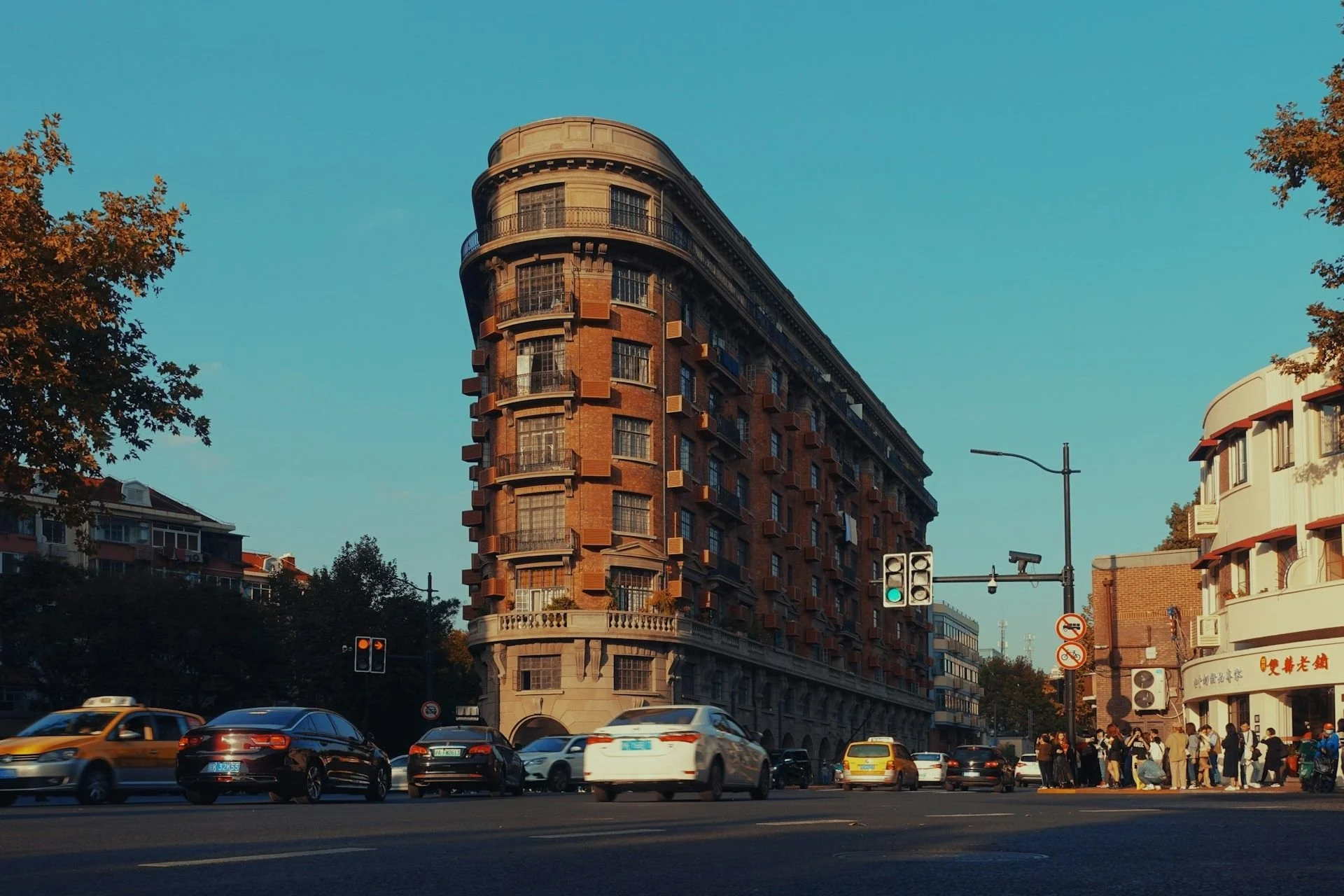
Anchor your wander around Wukang Mansion (武康大楼, Wǔkāng Dàlóu), the wedge-shaped 1920s building designed by Hungarian architect László Hudec that's become one of the most photographed buildings in the city, and rumoured to be one of its most haunted. Minsky's favourite way to see the rest of the neighbourhood is still on a bike, weaving through the side streets.
For something properly local, track down a jianbing (煎饼, jiānbǐng), China's savoury breakfast wrap, cooked to order on a griddle and folded around a crispy cracker, egg, and chilli paste. There's a good stall on the corner of Wulumuqi Road and Wuyuan Road if you're out in the morning. For a sit-down meal, Old Jesse on Tianping Road does proper Shanghainese cooking without any of the pretension. For coffee, SLAB TOWN and Cafe de Volcan are both worth the stop, part of the third-wave coffee scene that's taken over the neighbourhood the way it has most of China these days. We've written more about the neighbourhood, including where to stay and what else to eat, in our Shanghai neighbourhoods guide.
West Bund
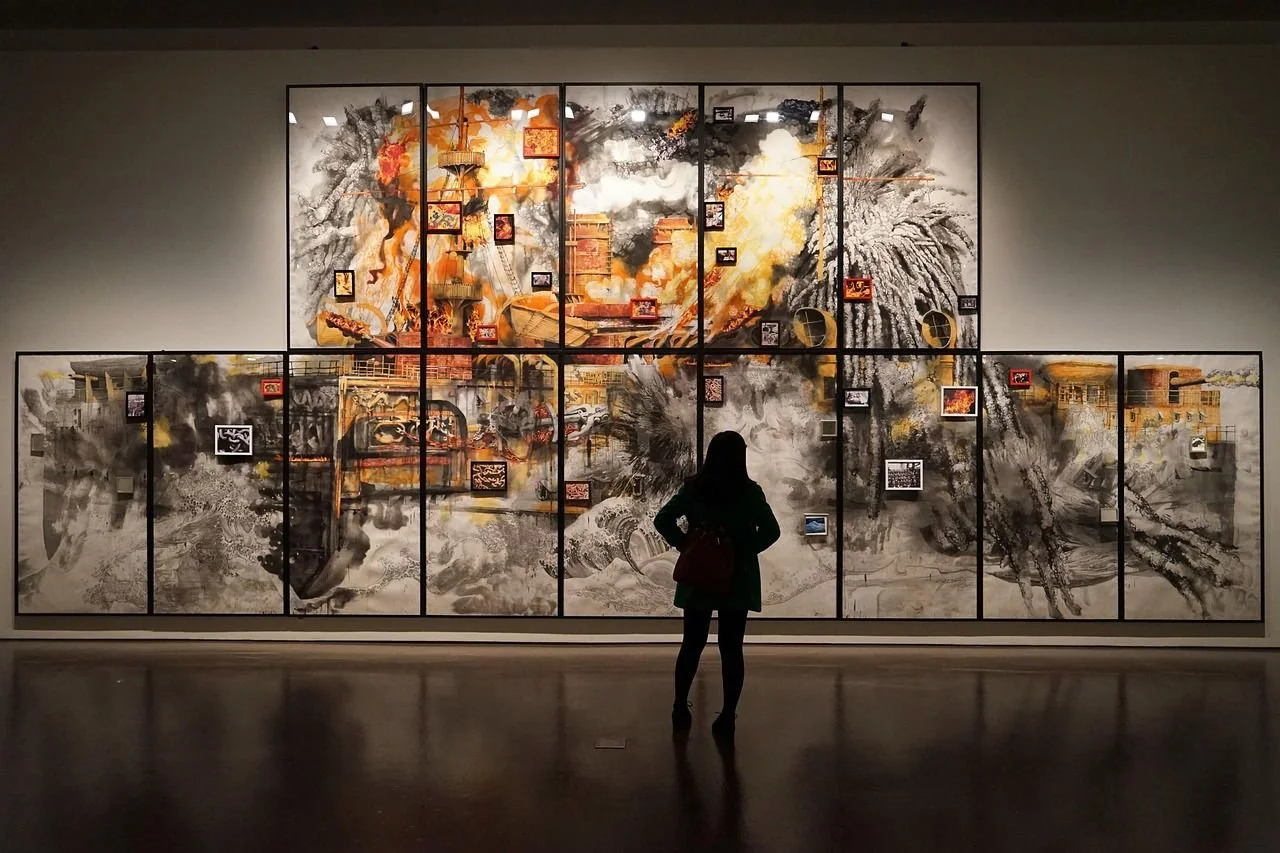
If you'd rather spend your time somewhere quieter, head to West Bund (西岸, Xī'àn), a stretch of former industrial riverfront on the Huangpu that's been rebuilt into one of Shanghai's best art districts. It's about 20 to 30 minutes by metro from central Shanghai, Line 11 to Yunjin Road or Line 7 or 12 to Longhua Middle Road, and the whole stretch is walkable along the river once you're there.
This is where the city's best private art museums cluster, and it's a genuinely good way to spend a few hours. Long Museum West Bund occupies a former coal hopper from the old Beipiao Wharf, the architecture of its vaulted concrete ceilings reason enough to visit even before you've seen the art inside, which runs from Qing dynasty paintings through to big-name Western artists. Yuz Museum sits in a converted aircraft hangar from the old Longhua Airport, with a main gallery big enough to swallow genuinely huge installation work. West Bund Museum, designed by David Chipperfield, rounds it out with a more minimalist, gallery-white approach and rotating international exhibitions. Pick one or two rather than trying to see all three, and budget a couple of hours for whichever you choose.
If you get hungry between galleries, don't go looking elsewhere. West Bund Museum has its own riverside café and restaurant built into the ground floor, looking straight out over the Huangpu, an easy way to fuel up without breaking the flow of the afternoon.
People's Square and People's Park
People's Square and People's Park sit right in the centre of the city and connect easily to the Bund, an easy fifteen to twenty minute walk or a single stop on the metro, so it's a natural place to spend all or part of your afternoon around.
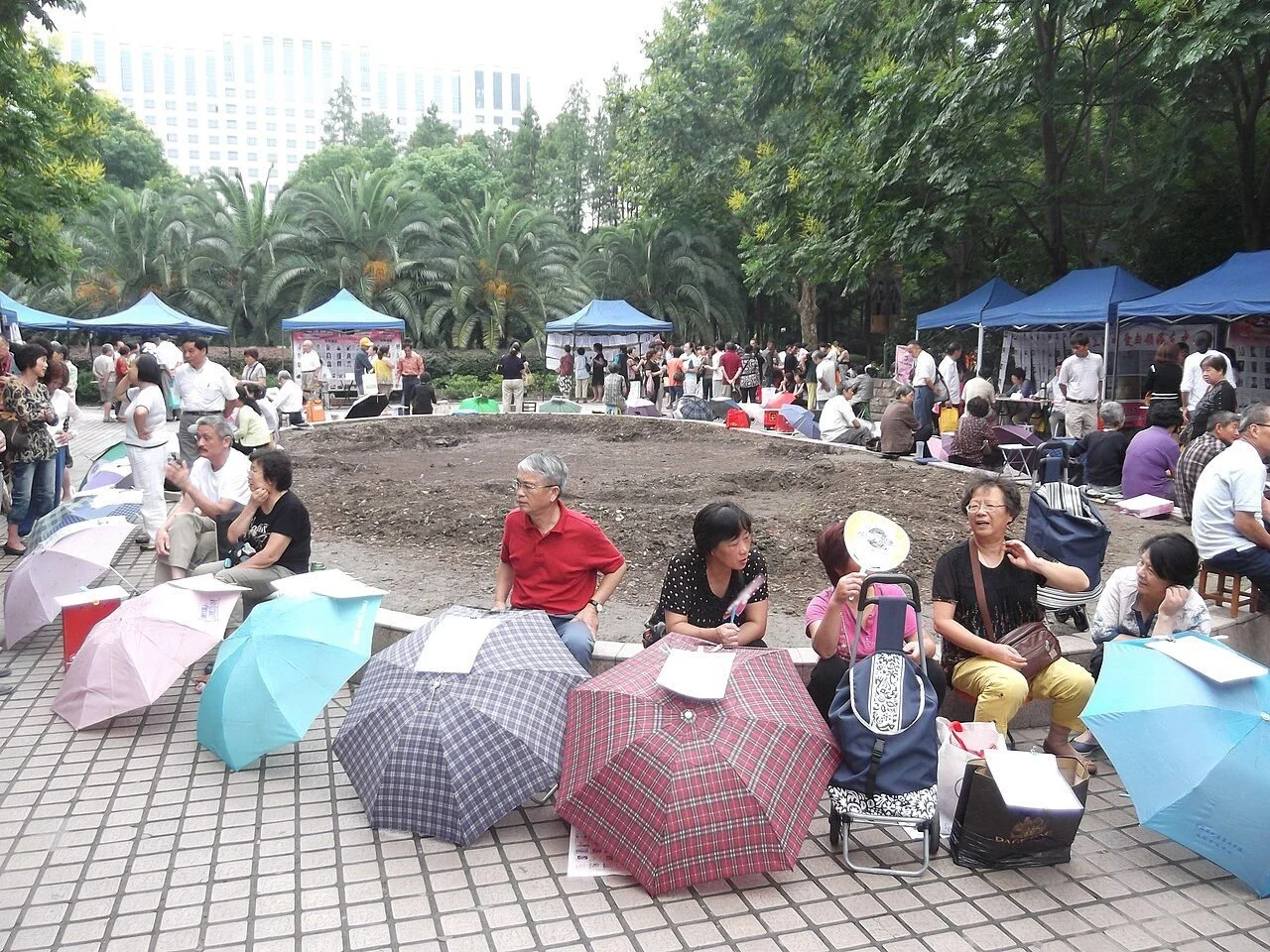
People's Park (人民公园, Rénmín Gōngyuán) itself is one of Minsky's favourite contradictions in the city. It’s a genuinely peaceful, green space with uncles playing cards and aunties practising tai chi, sitting right in the middle of some of the tallest buildings in Shanghai. In the middle of the park is the Museum of Contemporary Art Shanghai (上海当代艺术馆, Shànghǎi Dāngdài Yìshùguǎn), MOCA for short, housed in a glass pavilion that used to be the park's greenhouse, flooded with light and looking straight out onto the trees. If you're there on a weekend, don't miss the marriage market (相亲角, xiāngqīn jiǎo), where parents gather from around midday into the afternoon on Saturdays and Sundays, pinning their unmarried children's height, salary, and education onto umbrellas propped open along the paths. It's a unique and fascinating slice of modern Chinese life, and one of those things that you should see for yourself.
From the park, it's an easy walk or metro ride to the Bund. On the way, stop for paigu niangao (排骨年糕, páigǔ niángāo), fried pork rib served over pan-fried sticky rice cake with a sweet, savoury sauce drizzled over the top, a proper old-school Shanghai street snack. Xiandelai (鲜得来), just off Yunnan South Road, has been serving it since before most of the skyscrapers around it existed.
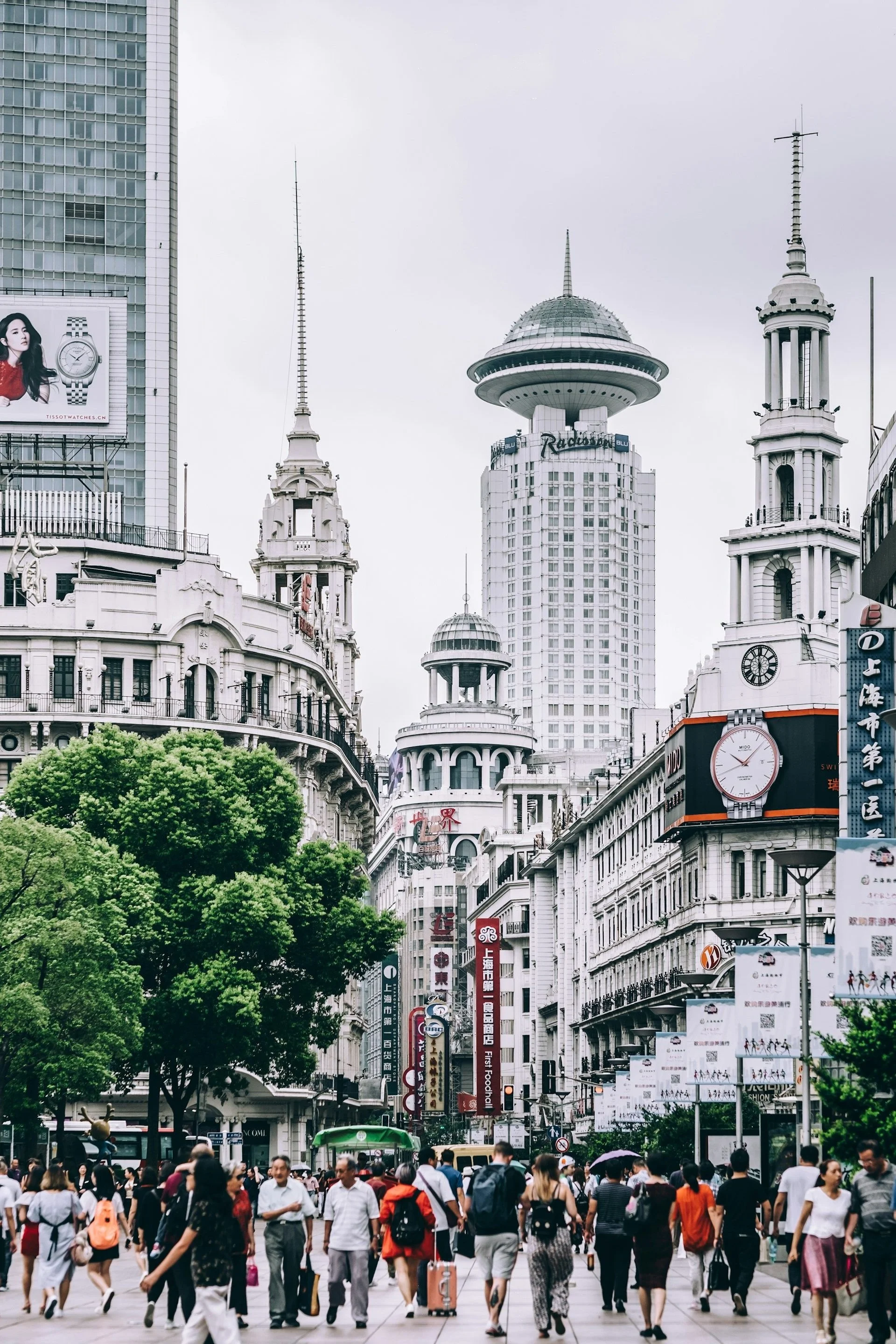
Once you’re at the Bund, if you’re looking for the views, head up. CHAR Bar at Hotel Indigo, on the 29th and 30th floors right on the South Bund, is Minsky's personal favourite, a 270-degree sweep across the river and the Pudong skyline, stretching all the way back to People’s Park. The rooftop terrace at the Swatch Art Peace Hotel is another good option, right where Nanjing Road meets the Bund, with cupola lounges and a sweeping view of the river and skyline for sunset. And if you'd rather sit at street level with a drink in hand, the Bund's two grand old hotels both deliver. Head to the Long Bar at the Waldorf Astoria for a classic cocktail, poured across a bar that runs the length of the room, a faithful recreation of the original 1910s counter that was once the longest in the Far East. For a slice of Shanghai history, go to the Jazz Bar at the Fairmont Peace Hotel, where a band with an average age somewhere in the eighties has been playing since 1980 and holds the Guinness World Record for oldest jazz band in the world.
However much time you've got, a Shanghai layover doesn't have to mean sitting still. Two hours is enough for a maglev ride and a proper meal. Six is enough for an actual afternoon in one of the most interesting cities in the world, whether that’s for art museums, a jazz band that's been playing since before most of us were born, or a park in the middle of the madness where it feels like nobody's in a hurry.
Next time someone tells you they've got a few hours in Shanghai, you'll know exactly what to tell them.
Frequently Asked Questions
-
Yes, for eligible travellers. China's 240-hour visa-free transit policy allows citizens of around 55 countries to leave the airport and stay in Shanghai and several other provinces for up to 240 hours (10 days), as long as they're travelling on to a genuine third country. Travellers from 48 additional countries, including the UK, most of the EU, Australia, Canada, and Japan, can also enter visa-free for up to 30 days under a separate unilateral policy, regardless of onward destination.
-
About 50-60 minutes door to door using the Shanghai Maglev to Longyang Road (around 8 minutes), followed by the metro into the city centre. A direct taxi takes roughly 40-70 minutes depending on traffic.
-
Hongqiao is better for short layovers, since it sits much closer to central Shanghai, with several neighbourhoods reachable within 30-40 minutes by metro. Pudong is further from the city centre and better suited to nearby options like the Maglev, Disneytown, or Xinchang Old Town rather than a trip into central Shanghai.
-
The Shanghai Maglev is a magnetic levitation train connecting Pudong Airport to Longyang Road station, reaching speeds of up to 300 km/h in daily service. The one-way fare is approximately 50 CNY, or discounted for passengers showing a same-day flight ticket.
-
Yes, if used efficiently. Six hours is enough time to leave the airport, visit one nearby attraction such as a water town or a short metro ride into the city, eat a proper meal, and return with a reasonable buffer before your flight, provided you're eligible for visa-free transit and move promptly after landing.
-
Popular options include xiaolongbao (soup dumplings) in Nanxiang, considered by many to be its place of origin; stinky tofu in Qibao water town; and shengjianbao (pan-fried soup dumplings) at Longyang Road station near Pudong Airport. Each is reachable within a short layover depending on which airport you're transiting through.
-
Not necessarily. Alipay and WeChat Pay, China's dominant mobile payment platforms, now support linked international cards for short-term visitors, and are accepted at most restaurants, shops, and taxis in Shanghai. Setting this up before landing is generally more convenient than exchanging cash.