
What to Do on a Layover at Narita Airport
Narita sits a long way from central Tokyo, over an hour by train on the fast Narita Express, sometimes more than two hours by regular train, depending on where you’re heading. Most of the time it isn’t worth making the schlep all the way to the city. The good news is, if you've got a long layover you don't need to go anywhere near the city to make it worthwhile. Chiba's own countryside, temple towns, and sake breweries are close enough to explore properly, and this guide covers exactly what to do depending on how much time you've got.
As it turns out, there’s quite a lot of things to do near Narita Airport. Narita City and the towns around it have been welcoming travellers passing through for centuries, long before there was an airport here at all, and there's a genuinely rewarding stretch of Chiba within easy reach that even people who are staying in Japan never bother visiting. None of it is overrun with tourists. All of it comes with something good to eat.
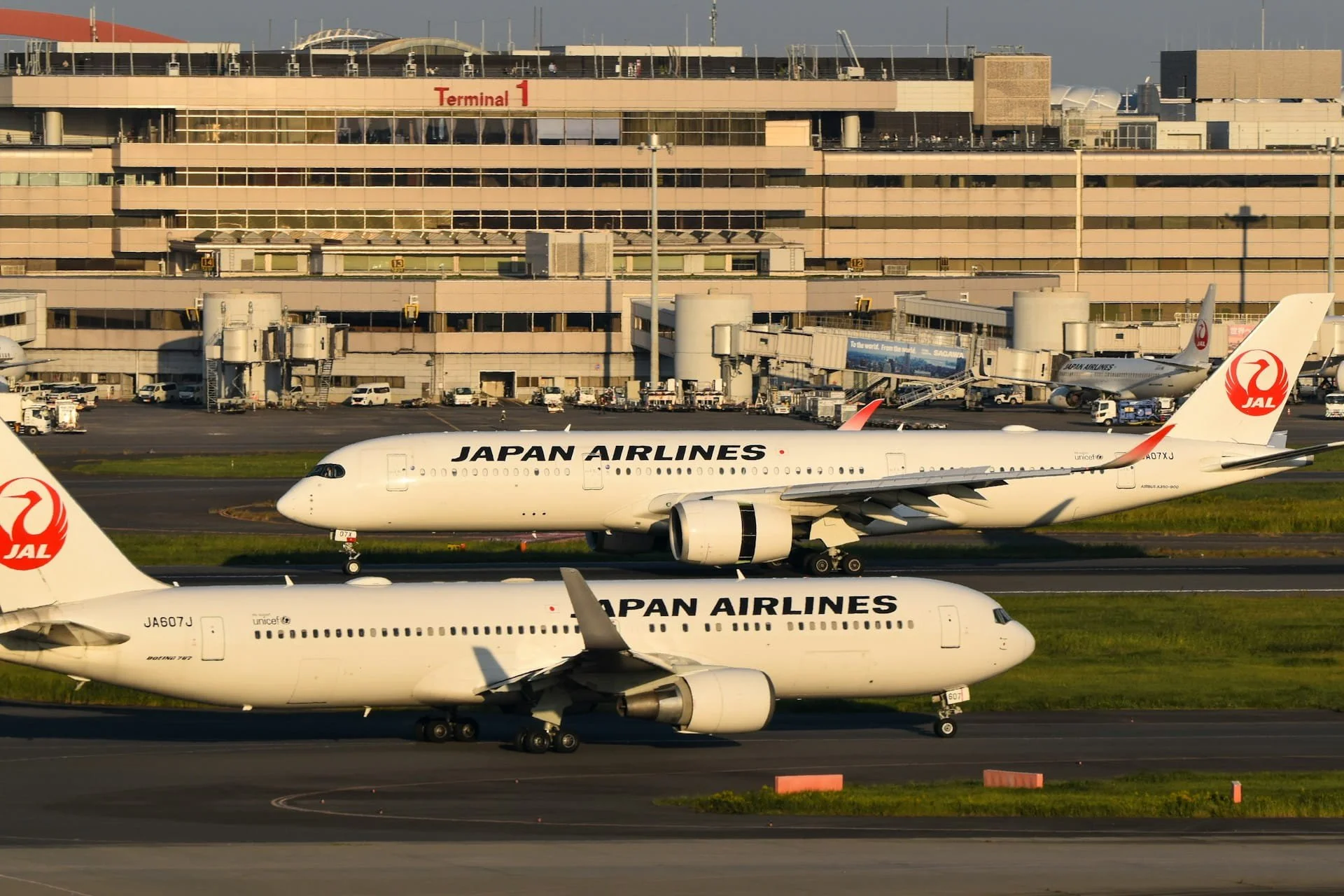
We've tried to make it easy for you to plan a day trip from Narita Airport by splitting this up by how much time you've actually got, assuming you'll want to be back through security with a couple of hours to spare, so a six hour layover really gives you about four hours out in the world. And if you’ve got a Haneda layover instead, we’ve got a guide for that, too.
If You've Got 6 Hours or Less
Naritasan Omotesando (成田山表参道)
The easiest, most reliable option, and one of the reasons Narita has any food reputation at all. From the airport it's 10-15 minutes by train to Narita Station or Keisei Narita Station, and from there the approach street to Naritasan Shinshoji Temple starts right at the station exit.
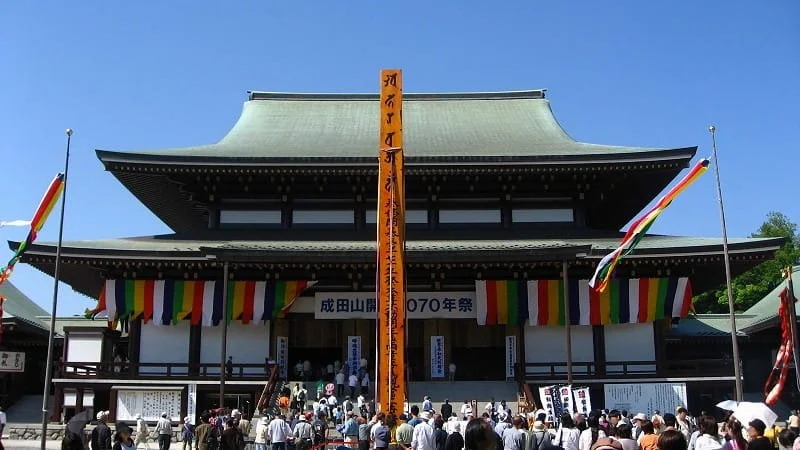
The stroll: This is an Edo-period monzen-machi, a temple town that grew up along the road leading to the temple gate, and the approach still runs about 800 metres from the station to Naritasan Shinshoji itself, a temple founded in 940 AD and one of the most visited in the country come New Year. If you head straight to the temple it’s a twenty minute walk, though you'll want longer once the shops start pulling you in, which they will.
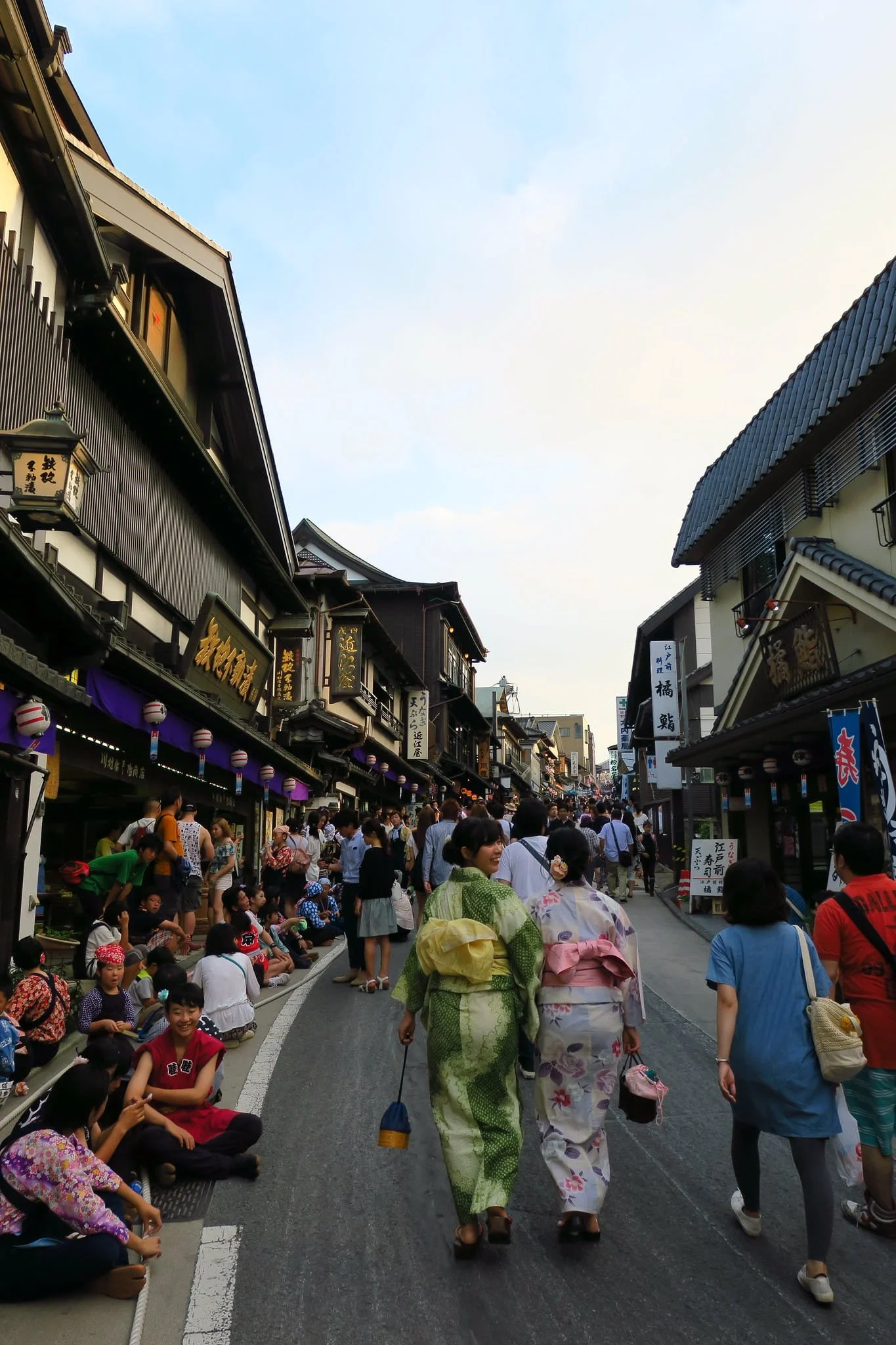
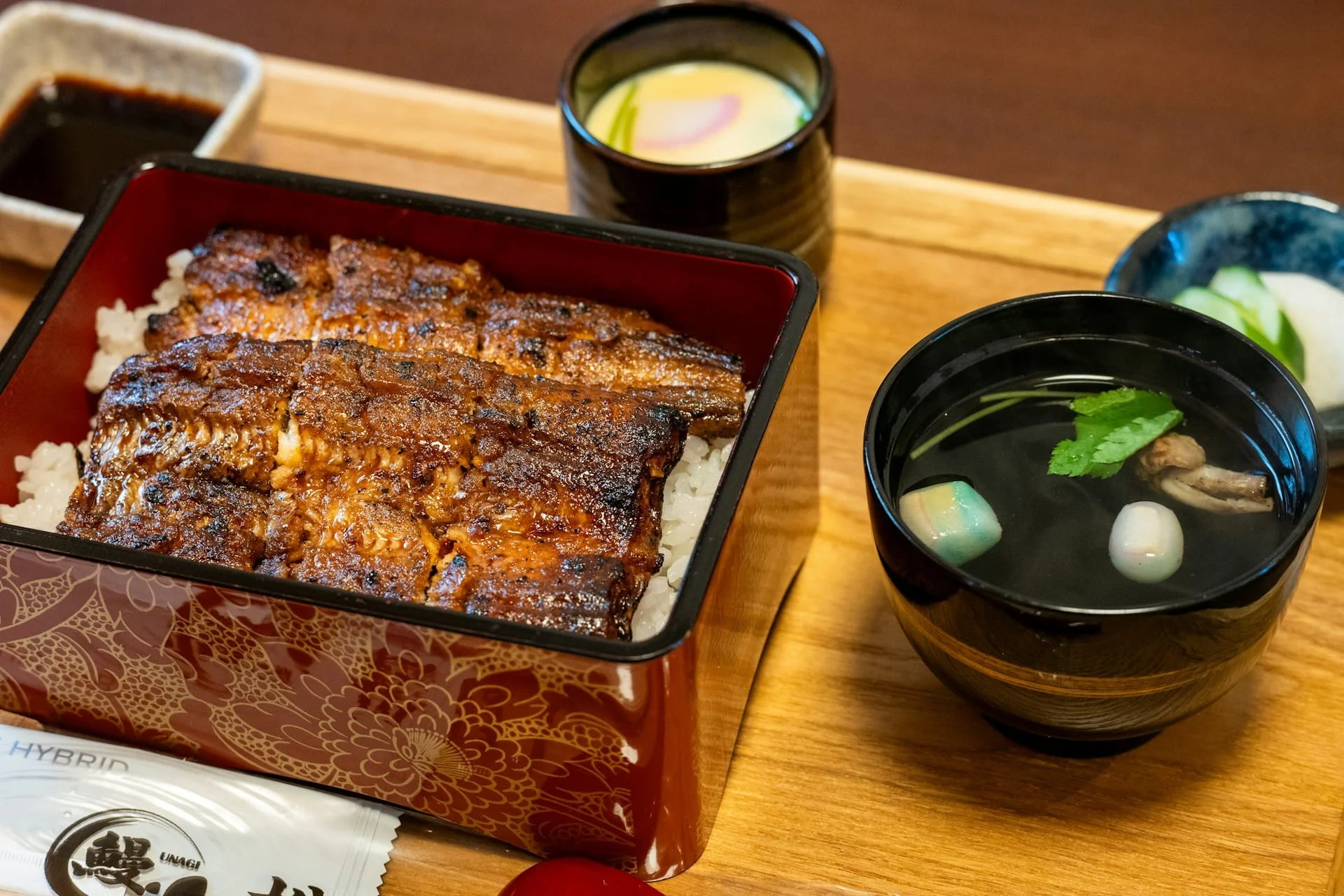
Eat: This stretch is nicknamed unagi kaido (eel street) because there’s around 60 unagi restaurants dotting the 800 metres between the station and the temple. Historically, this is tied to the eel-rich waters of the Tone River and Lake Inba nearby, and the shops along Omotesando still prepare eel live in the window the old way. Two shops dominate the conversation among Japanese locals and Japanese-language food bloggers. Kawatoya has been doing it since 1910 and does things in the classic Kanto style: steamed before grilling, which gives a lighter, fluffier texture. The rival is Surugaya, which started life as an Edo-period ryokan right by the temple's main gate before shifting to food, and bloggers consistently describe it as the richer, heartier option: thick cuts of eel, a tare made from Shimousa soy sauce and Mikawa mirin, and a bolder, more assertive flavour overall. At the time of publication, Surugaya's main store is currently closed following a fire, so they’re operating from a temporary location at Mukoudai Surugaya. Double check whether the original site has reopened before visiting.
If the queue at either of those is too long, Omiya gets flagged by several Japanese bloggers as the best value alternative nearby, without sacrificing much on quality.
Snack your way down the street:
Kintoki no Amataro-yaki has been making imagawayaki (a round, pancake-like batter cake filled with sweet bean paste) since 1961, and there's reliably a queue from opening at 9am. Azuki and white bean, both made with Hokkaido beans, come out fresh and hot straight off the griddle
Goto Dango-ya has been grilling dango since 1845, nearly 180 years on the same street, a proper old-school option to try the classic skewered rice dumplings that we love. Go for the yaki-dango, their classic.
Hayashida's senbei shop has been hand-grilling rice crackers from scratch since 1912, and their unique kushi-sen, a senbei on a skewer, is worth trying. For someone who loves potato chips like we do, this is a great snack to try.
Nabeya Gengoemon is the retail and tasting shop for Nabedana, a sake brewery founded in 1689 right on this very site, makers of the Jinyu and Fudo sake labels. At the shop, they do sake tastings, and you can try amazake and sakamanju made using the brewery's own sake lees. There's also a hand-grilled senbei shop, Raijindo, attached to the same building.
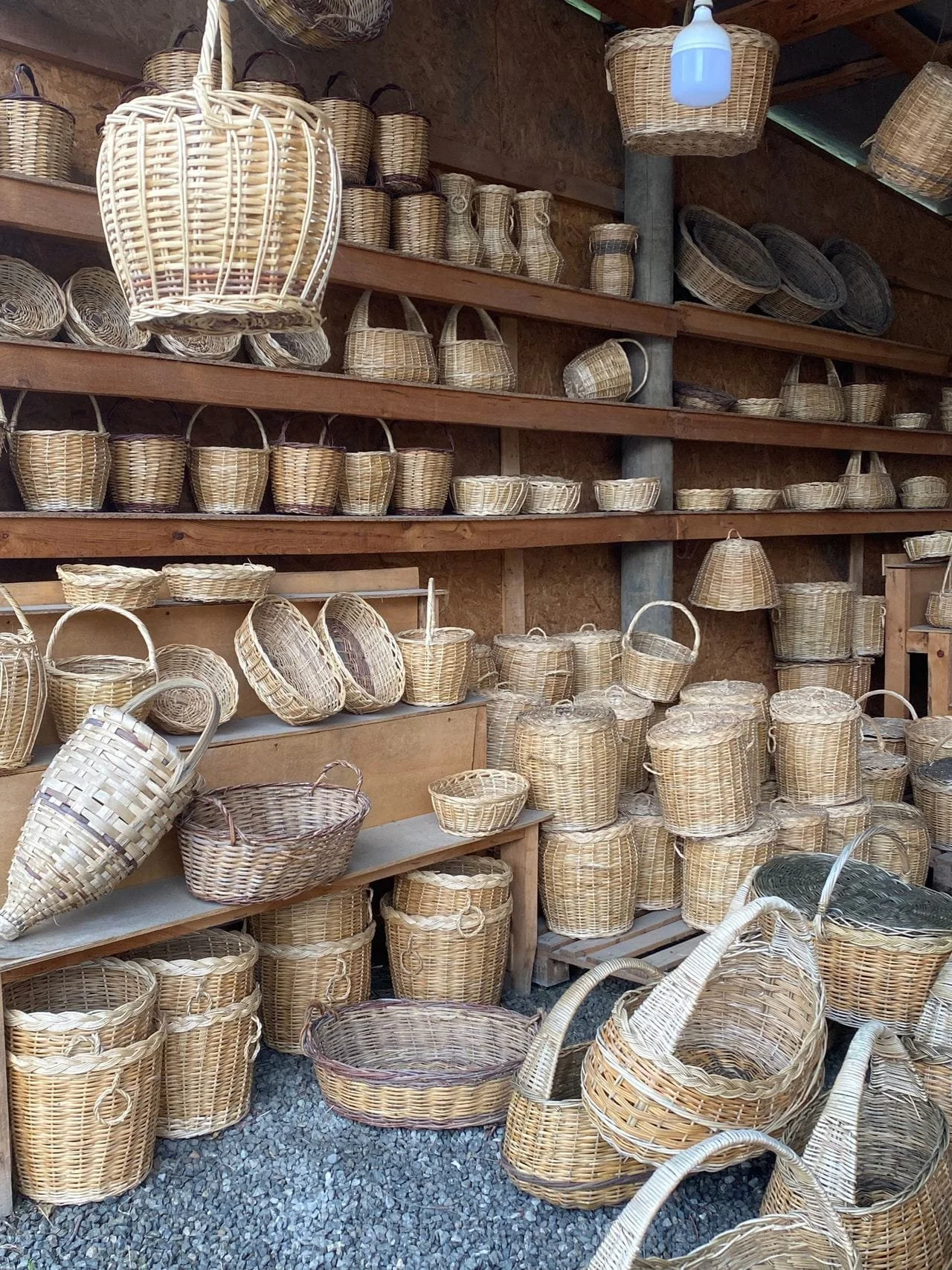
Craft: There’s two shops we’d definitely recommend stopping at. Seimiya specialises in handwoven bamboo, and you can often watch the craftsman at work in store. Fujikura Shoten, running since 1948, goes further: a proper natural-materials specialist with around 3,000 items on the shelves: bamboo baskets, steamers, rice tubs, and their best-selling oni-oroshi, a double-toothed bamboo daikon grater. They also carry Boshu-uchiwa fans, a traditional bamboo craft that requires 21 hand-done steps, one of Japan's three great fan-making traditions.
A dirty Michelin detour: If you're up for a short trip off the main strip, Ishibashi is a certified Dirty Michelin spot to get unagi. It's out near Lake Inba, surrounded by rice paddies, a small family-run eel restaurant known for long queues and for grilling the eel rather than steaming it first, a distinctive regional style.
Add-on if you've got time left over: Naritasan Park sits right behind the temple, with a plum festival in spring and autumn foliage later in the year.
Kozaki (神崎町), Sake Brewery Country (Reservation Required)
About 40 minutes from Narita Airport gets you to Shimousa Kozaki Station, in Kozaki town. Kozaki town was historically known as "Kanto Nada," a nod to the famous sake-producing Nada region, and it's home to two breweries worth knowing, though both require booking well ahead, so this only works if you're planning your layover in advance rather than deciding on the day.
Nabedana, the brewery behind the Jinyu and Fudo sake found back at the Narita Omotesando shop, has its actual production site here (the retail shop on Omotesando is just the original founding location, moved into pure tasting and sales once brewing relocated). Their Kozaki branch offers proper brewery tours multiple times a day, though they close for tours during the December to February brewing season. You can get in touch with them through the application form on their website and they suggest booking at least a week in advance.
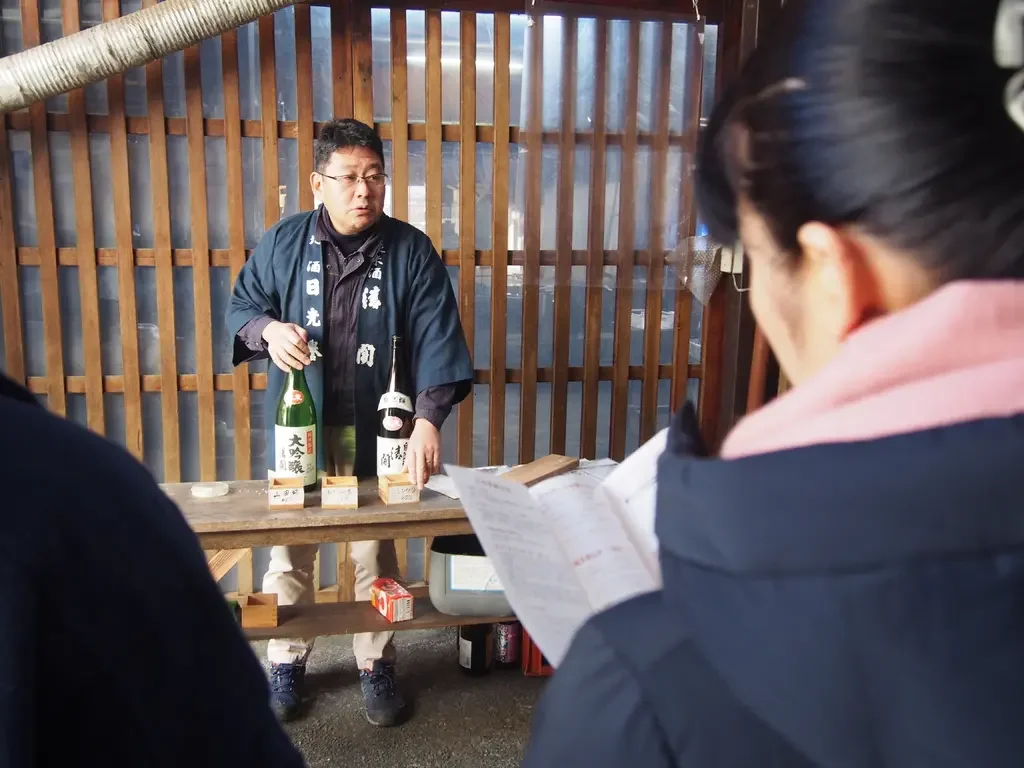
Right around the corner is Terada Honke, a 350-year-old brewery known for natural sake (shizenshu), made with pesticide-free rice and wild yeast fermentation rather than modern shortcuts. Their tour walks you through the whole process, the rice steamer, koji room, yeast starter room, and fermenting mash tanks, guided by actual brewery staff, and finishes with tasting and lunch at their attached café. Tours are quite limited and can only be booked in Japanese via the links on their website.
The two breweries also jointly host an annual festival, Okura Festa, each March, with tours, tastings, food stalls, and free sake pouring at the neighbouring shrine, worth flagging as a seasonal reason to time a longer layover around it.
Museum of Aeronautical Sciences (航空科学博物館)
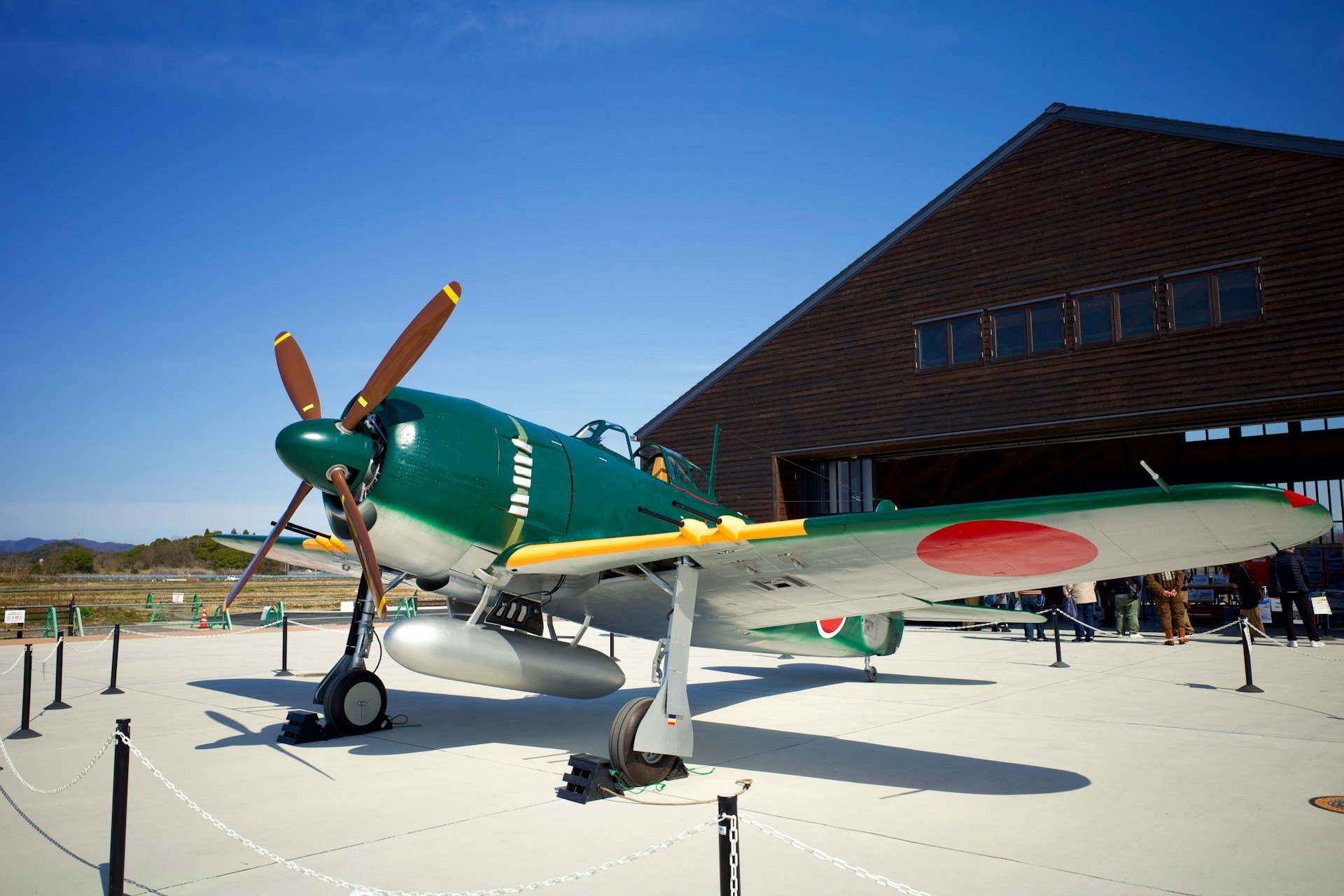
The Museum of Aeronautical Sciences is a short bus or taxi ride from all of the Narita terminals. This is Japan's first dedicated aviation museum and a solid pick if you're travelling with kids or just love planes. There's a large-scale Boeing 747-400 model, cockpit simulators, and engine and fuselage cross-sections to look through.
Sogo Reido (宗吾霊堂)
Sogo Reido is a quieter, more contemplative stop, about fifteen to twenty minutes' walk from Keisei Sogo Sando Station, which is about 15 minutes train ride from Narita Airport. The temple enshrines Sakura Sogo, an Edo-era peasant leader martyred for standing up for farmers against crushing taxation, and there's a museum-style hall retelling his story. It's also home to a large hydrangea garden, with over 5,000 plants blooming in season.
If You've Got More Than 6 Hours (But Not Enough Time to Get Into the City)
If you’ve got an even longer layover, but not enough time to get into the city, or if you just don’t feel like going into Tokyo proper, then these next few places are excellent options. They’re all 40-60 minutes away from Narita Airport by train and easy to kill a few hours in.
Sawara (佐原), "Little Edo"
About an hour from Narita Airport via the JR Narita Line. Sawara grew up as a river port town, historically a key hub for shipping rice into Edo, and its centre still runs along the Ono River, lined with restored Edo and Meiji-period merchant houses, warehouses, and shopfronts. It's the first area in the Kanto region to be designated an Important Preservation District for Groups of Traditional Buildings, and you can feel that history walking through it.
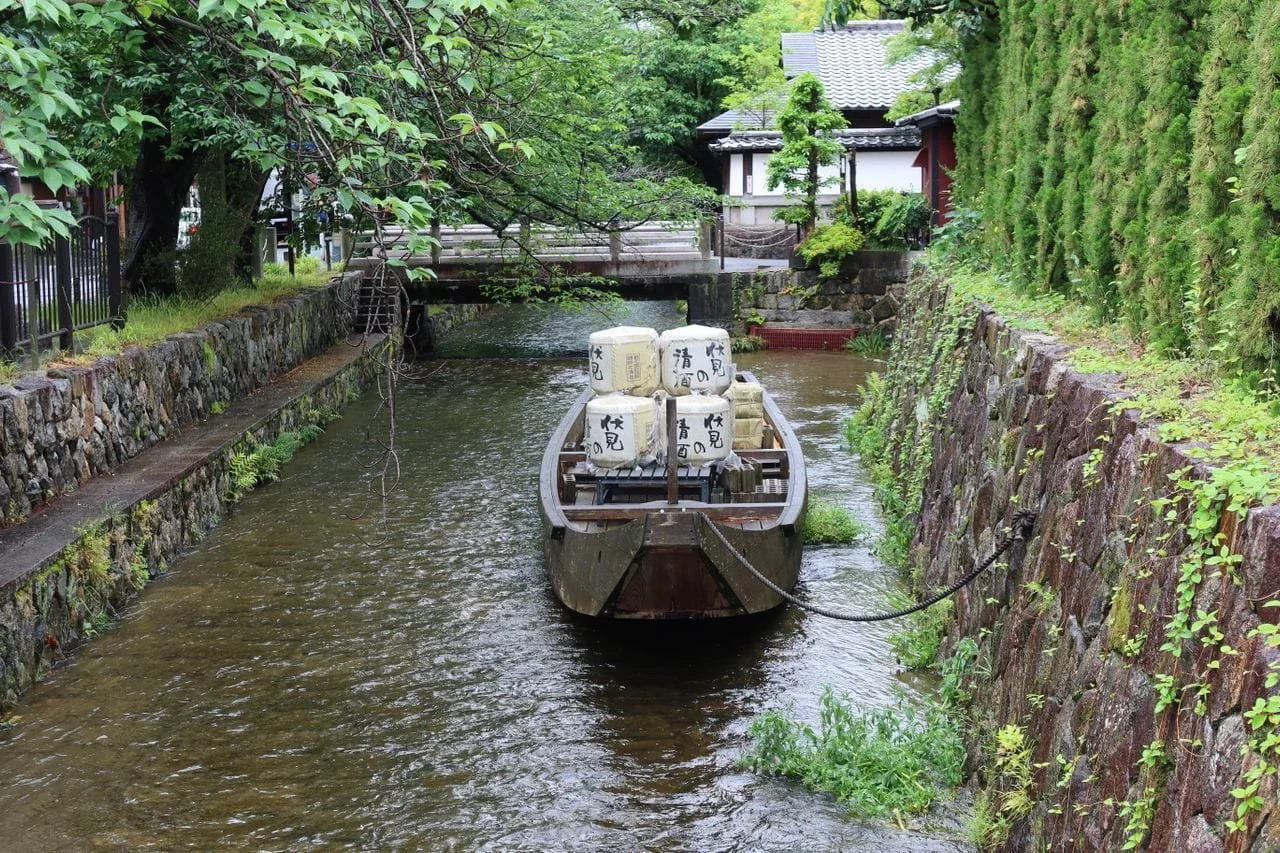
The stroll: Cross the river back and forth over its several small bridges, taking in the wooden facades on either side. Flat-bottomed boat tours run along the canal if you want to see it from the water instead. Sawara Machiya-kan, a rest stop built in the traditional Sawara-machiya style, is a good spot to pause partway through, with local produce and snacks like castella cake made with seasonal Katori fruit. The town has put together a wonderful English language map to help you find your way around.
Eat: Sawara has its own unagi tradition, sitting right where the Ono River meets the Tone River, historically a major eel-producing area in its own right. Asoya Honten is our pick here. Nearly 200 years old and right at the point where the two rivers meet, it’s known for "Genpei-ju," a combo of kabayaki and shirayaki served together in one box (the name nods to the Genpei War's red-and-white flags), with a hitsumabushi-style option too.
For soba, Koboriya Honten has been running since 1782, originally as a soy sauce brewery before a fire pushed the family into soba instead. It's now on its ninth generation, in a building that's a Chiba Prefectural Tangible Cultural Property, sitting right by Chukei-bashi, the bridge named after Ino Tadataka (more on him later). Their signature is kurokiri soba, noodles mixed with kombu that turn the whole dish black, apparently found nowhere else in Japan, drawn from a secret recipe book of 57 soba preparations handed down through the generations.
For sushi, there’s two options depending on how much time you've got. Katoriya Honten is the easy, reliable pick, right in central Sawara, using the local Tako-mai brand of rice, with seasonal fish and a following that goes back generations. Plus they do bento to go if you'd rather eat on the move.
If you've got more time to spare, Makotoya is a genuine find worth the detour, out near Omigawa Station, roughly 40 minutes further along the line or 90 minutes directly from Narita. The owner, Kobori Shin'ichi, calls himself "half farmer, half sushi chef." He grows his own rice using natural farming methods, no pesticides, no fertiliser, no tilling, flooding the fields over winter to build up a whole ecosystem of plankton, loach, and wild birds that feed the soil naturally. In 2015 he became the first sushi restaurant in Japan licensed to brew his own doburoku, made from his own rice, koji, and local Katori spring water. Fish comes largely from nearby Choshi. Worth making a reservation given the scale of the operation and the distance.
Mapping Japan: Sawara was home to Ino Tadataka, the surveyor who created Japan's first accurate map of the country by walking and measuring it himself in the early 1800s. His former residence and a memorial museum dedicated to him sit right along the river, with his original surveying instruments and maps on display, some of which are nationally designated treasures.
Also worth a look: Suigo Sawara Float Museum, a museum housing the ornate floats used in the Sawara Grand Festival, a UNESCO-recognised intangible cultural heritage event held twice a year. Seeing the floats up close gives a sense of the scale of the festival even outside of festival season. There’s quite a few festivals in town, so if your layover coincides with one of them, this is the stop you want to make.
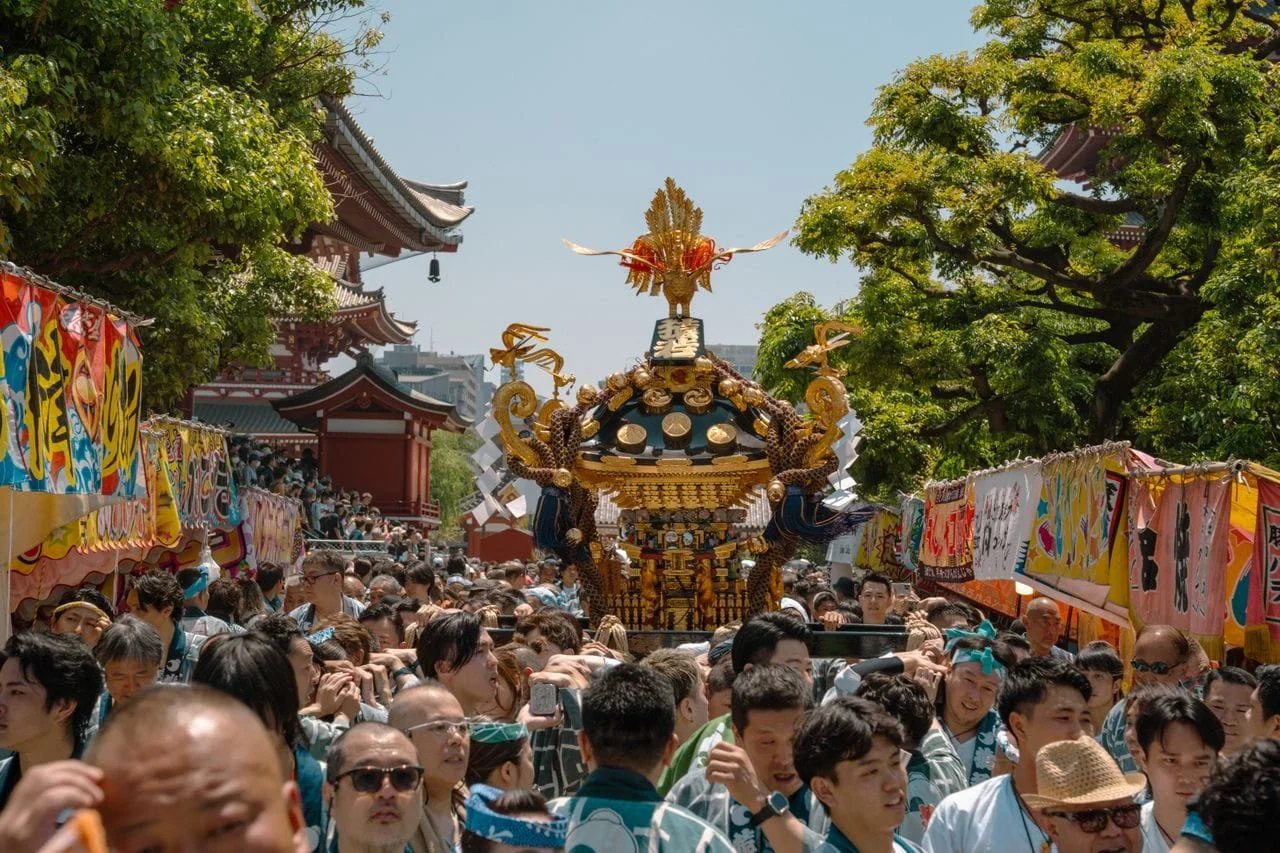
If you've got even more time: Katori Jingu is one stop further from Sawara Station, or a short bus or taxi ride away, the head shrine of some 400 Katori shrines nationwide and the historic chief shrine of the old Shimousa Province, which covered this region of current-day Northern Chiba from the 7th-18th centuries, up into Ibaraki Prefecture, and even parts of Saitama and Tokyo.
Sakura (佐倉), the Samurai Town
About 30 minutes by train from Narita Airport via the Narita Line, or around 20 minutes by Keisei limited express to Keisei Sakura Station. Sakura was a jokamachi, a castle town built at the base of the local lord's stronghold, and it's kept enough of that history to make the walk worthwhile.
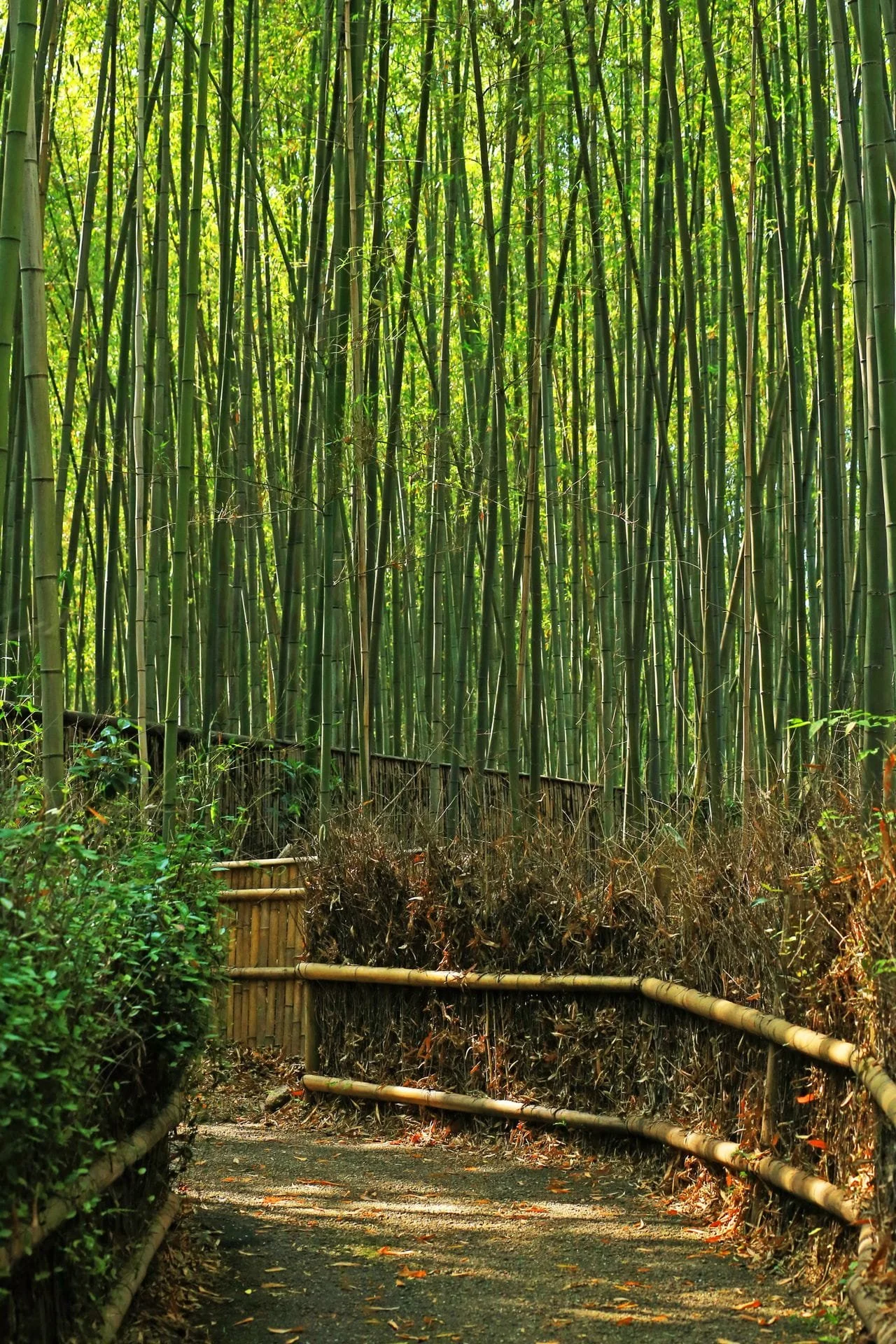
The stroll: Hiyodori-zaka is the old samurai road, leading through a proper towering bamboo grove toward three preserved samurai residences (Kawara-ke, Tajima-ke, and Takei-ke) where retainers of the Sakura Clan once lived. You can walk through the houses themselves and see where they cooked and slept, with armour and other artefacts on display.
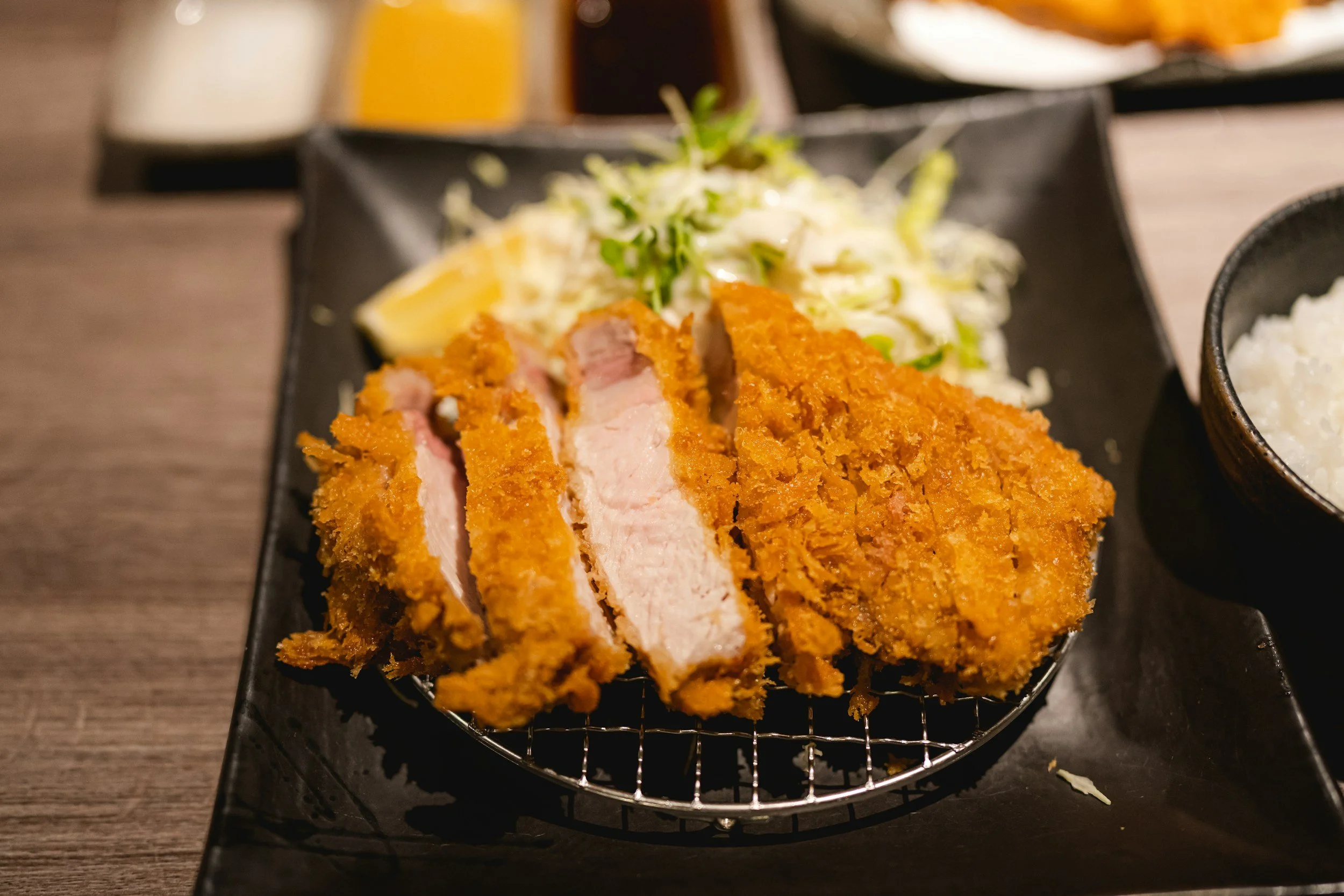
Eat: Your first stop should be Okayama Shokudo, a classic no-frills teishoku diner, cheap, hearty, and loved equally by locals and visitors. They do all kinds of stuff, and their fried cutlet and fish sets are a standout. Everything comes with a free choice of rice size (large runs about 300g).
For unagi, Tamaya is the pick, tucked down a back lane called Tamaya-zaka behind the main Shinmachi-dori shopping street. Around 135 years old, in a building itself over 150 years old, it’s only open weekends (Saturday and Sunday, 11am to 3pm) since the owner runs their main restaurant in Chiba City during the week.
Then something a bit unexpected: the Sakura City Hall Cafeteria, in the basement of Sakura City Hall itself. It’s a distinctive capsule-style building designed by the architect Kisho Kurokawa, completed in 1971, and used as a filming location for movies and dramas. The cafeteria is open to the public, not just staff, and does simple teishoku sets, ramen, and curry using Sakura-grown rice, miso, and vegetables.
Which brings us to Yamani Miso, the reason that cafeteria food tastes the way it does. Yamani has been brewing since 1887, now on its fourth generation, sitting right across from the city hall itself and still using local groundwater in the process. Sakura sits in a suigo, a water-town region near Lake Inba, and around 64% of the town's tap water comes from that same groundwater, part of why locals will tell you the food and sweets here taste better than you'd expect from a small castle town. You can taste the connection directly at the city hall cafeteria, where a shogayaki (ginger pork) set is made with a miso-based sauce developed using Yamani's own product. Otherwise, visit the storehouse itself to pick up a bag of their nanohana or peanut miso to take home.
The two museums: The National Museum of Japanese History, known locally as Rekihaku, takes you through the full sweep of Japanese history from prehistory to the twentieth century, with immersive displays. Sakura City Museum of Art sits right in the middle of the old castle town, near the samurai residences, housed in the former Kawasaki Bank Sakura branch building, built in 1918 and now a Chiba Prefectural Tangible Cultural Property. The collection focuses on artists connected to Sakura and the wider Boso region, alongside Japanese modern art, and there's a new café, APRON MARK, which just had its grand opening in June 2026.
Sakura Furusato Square: Home to a genuine Dutch-style windmill named Liefde, built to mark the town's 40th anniversary and named after the ship that opened relations between Japan and the Netherlands. The square normally hosts the Sakura Tulip Festa each year, running from around late March into mid-April with roughly 700,000 tulips in bloom. The festival is on hold from 2026 through to the end of 2028 for a major renovation of the square, with a planned reopening in 2029.
Boso no Mura (房総のむら)
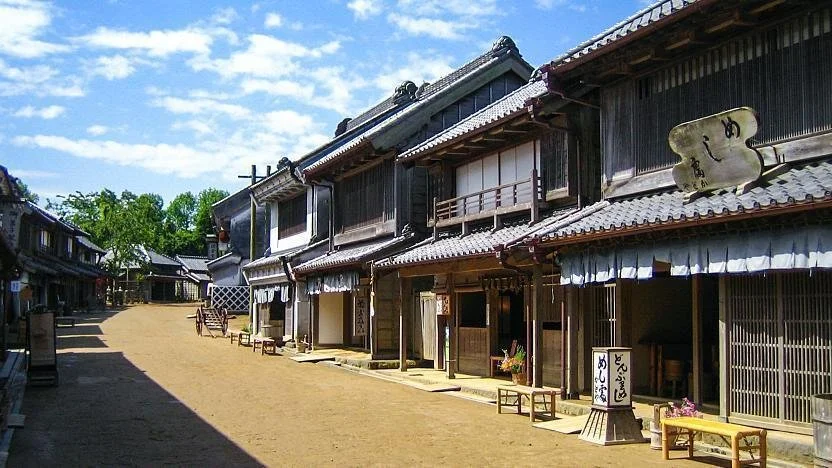
Boso no Mura is about an hour from Narita Airport, connecting to JR Narita Station by a 20 minute bus, or around ten minutes by bus from JR Ajiki Station. It’s an open-air museum recreating rural Boso life from the late Edo through early Meiji period, with old farmhouses, merchant houses, and samurai residences to walk through. In our opinion, the real highlight is all of the hands-on traditional craft experiences.
It’s worth knowing before you go that these experiences come in three tiers, and they're not equally accessible if you don't know Japanese.
Same-day experiences (当日体験) — walk-in, no booking needed. Register in person at each experience location on the day and pay on the spot. The shorter, simpler activities live here, and this tier works fine for a spontaneous stop regardless of language.
Reservation experiences (予約体験) — need advance booking, by phone (+81-476-95-3333) or in person at the general reception, 9am–4:30pm. No fax or email bookings. The year runs in four booking windows, each opening with a phone-only rush period. This tier needs planning ahead, and realistically some Japanese to arrange.
Lottery programs (抽選演目) — the more involved experiences (a full-day farmhouse experience, miso-making, soba and udon fundamentals, eel-splitting and kabayaki grilling demonstrations, multi-session bamboo craft courses). Applications are by return postcard only, during set windows, with results mailed back. No digital or phone option at all here.
None of this means the museum needs a craft experience to be worth the trip. The site is split into two zones. The first is a paid area (¥300) recreating a late Edo to early Meiji townscape, with 17 merchant shopfronts modelled on old towns like Sawara, samurai residences modelled on Sakura's own Kaburagi-koji quarter, and farmhouses, all built for wandering through and looking at rather than booking anything. There’s also a free zone, Fudoki no Oka, with the Ryukakuji burial mounds, a history and archaeology museum, and a couple of relocated Edo-era buildings including a 1751 farmhouse that's a Chiba Prefectural Tangible Cultural Property. Kimono rental is available if you want to stroll the townscape in period dress, and there's a retro soba shop, Inba, and a tea shop, Yamabe-en, for lunch. The whole site is a popular filming location for Japanese period dramas, so the atmosphere holds up on its own even without a single hands-on activity booked.
Frequently Asked Questions
-
Yes, if your layover is roughly 4 hours or longer once security and immigration time is factored in. Narita City and the surrounding Chiba countryside offer temple towns, historic districts, and food destinations that are genuinely reachable, unlike central Tokyo, which is too far for most layovers to justify the round trip.
-
Requirements depend on nationality and whether you're in international transit or have already cleared immigration. Many nationalities can enter Japan visa-free for short stays under existing visa waiver agreements, but travellers should check current requirements for their specific passport before planning to leave the airport. Immigration staff at Narita can also confirm eligibility on the day.
-
About 10-15 minutes by train from the airport to Narita Station or Keisei Narita Station, then a further 15-20 minute walk along the temple approach street to reach Naritasan Shinshoji Temple itself.
-
Technically yes, but it's generally not recommended unless the layover is very long (8+ hours), since Narita is over an hour from central Tokyo by the fastest train and can take longer depending on the specific line and destination. Closer alternatives within Chiba, such as Narita City itself, Sawara, or Sakura, make better use of a shorter layover.
-
Stick close to the airport: Naritasan Omotesando, the temple approach street, is about 10-15 minutes away by train and covers a temple visit, unagi lunch, and shopping in one stop. If time allows, the Narita Aviation Museum, Sogo Reido, or the Kozaki sake breweries (with advance booking) are also within reach without eating too far into your buffer before the next flight.
-
A layover of 6 hours or more (roughly 4 usable hours once security and immigration time is factored in) opens up day trips to Sawara, a preserved Edo-period merchant town about an hour away, or Sakura, a former castle town around 20-30 minutes away with samurai residences and a bamboo-lined old road. Boso no Mura, an open-air museum, is also reachable in this window.
-
Naritasan Omotesando, the temple approach street in Narita City itself, is the closest, roughly 10-15 minutes away by train. For a different atmosphere, Sawara ("Little Edo") and Sakura (a former castle town) are both under an hour away and offer preserved Edo-period townscapes.
-
It depends on the tier. Same-day, walk-in experiences require no advance booking or Japanese language ability. Reservation-based experiences require a phone call or in-person booking, and lottery-based programs require a postcard application, both of which are Japanese-only processes with no English option currently available.
-
Surugaya's main store near Naritasan Shinshoji Temple is currently closed following a fire and is operating from a temporary location, Yumekoudai Surugaya, elsewhere in Narita City. Visitors should confirm current status before visiting, as this is subject to change.