
Best Multi-Day Side Trips from Tokyo, Kyoto or Osaka
You’re planning a trip to Japan. You’ve probably got the classic "Golden Route" lined up: the electric energy of Tokyo, the timeless temples of Kyoto, and the incredible food scene in Osaka. It's a fantastic way to experience the country for the first time.
But after a few days in the city, you might start wondering what lies just beyond the neon glow and bustling train stations. This guide covers the best side trips you can take for a few days from Tokyo, Kyoto and Osaka to get off the beaten track. Six destinations that are easy to reach but genuinely different from the Golden Route. Two of them you can easily get to Kyoto and Osaka, two are closer to Tokyo, and two are easy from any of the Golden Route cities. These are the places most tourists haven’t heard of. They’re the perfect destinations to add extra depth to your trip, and you’ll leave Japan with a deeper understanding of this amazing country.
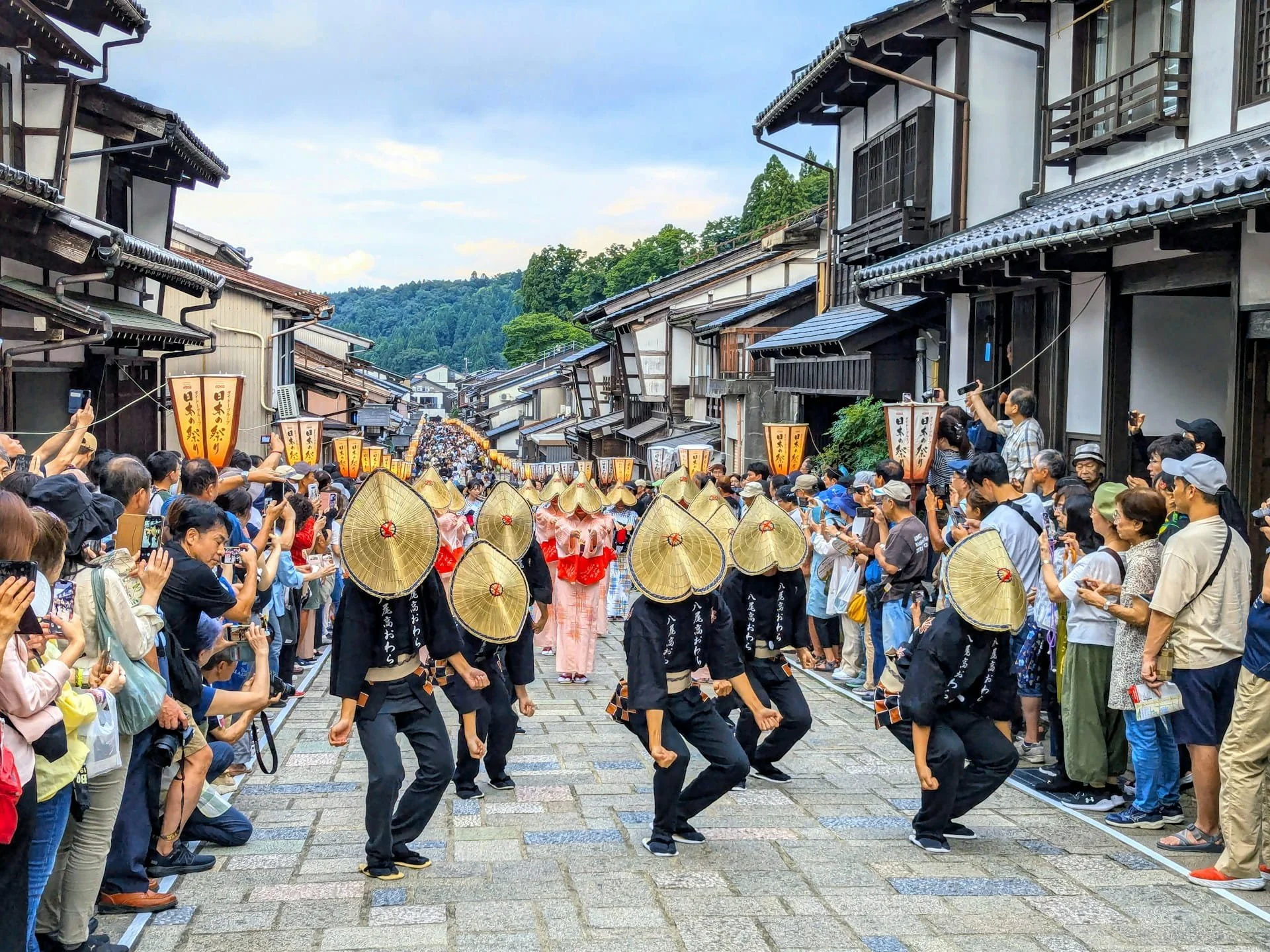
What Makes a Great Multi-Day Side Trip in Japan?
To make sure this list is actually useful, we set some ground rules. We wanted to make sure each of these destinations is manageable and affordable, especially if it’s your first time navigating Japan.
Travel Time: Under 3 hours by train from Tokyo, Kyoto, or Osaka
Public Transport: Every location is a straightforward journey on Japan's amazing train or bus network, and will be covered in one of the regional rail passes. You may want to rent a car once you get there to truly experience everything on offer.
Value: Each trip delivers an authentic experience that’s worth the journey, giving you a richer understanding of Japanese culture, history, or nature.
First-Timer Friendly: The logistics are simple. These are perfect trips for getting your feet wet without having to miss Japan’s most popular places.
Off The Beaten Track: These places all have something in common: very few western tourists. These experiences will deliver something truly unique and leave you with a true appreciation for deeper Japanese culture.
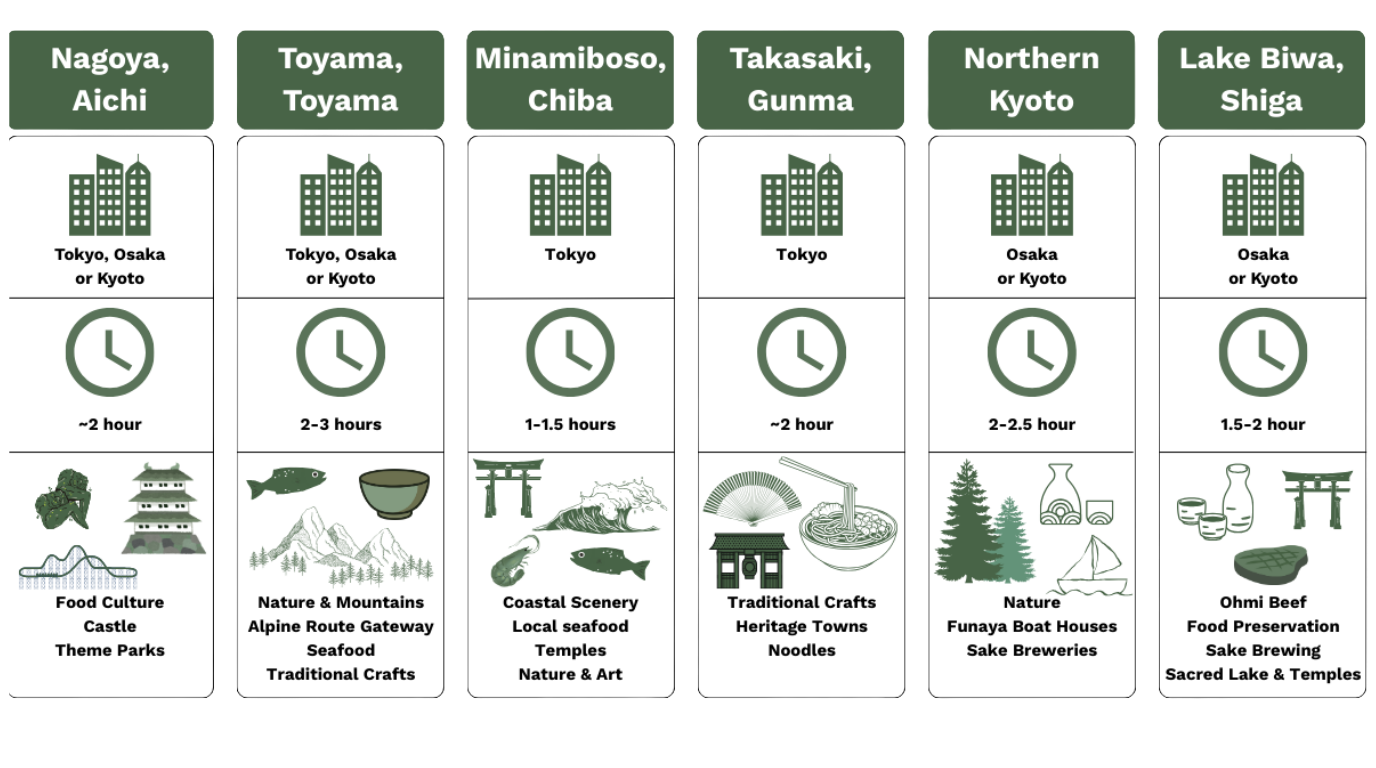
Side-Trip Comparison: Travel Times & Highlights
Before we dive into the details, here’s a quick-glance table to help you figure out which trip might be the best fit for your style and schedule. We’ve outlined the closest hub city, average travel times by public transport, and some of the top reasons to visit.
Side Trips from Kyoto and Osaka
If you think the overtourism in Tokyo is bad, wait until you see Kyoto and Osaka. Having an option to get away for a few days is going to be a game-changer, and show you exactly why you came to Japan.
Northern Kyoto Prefecture: Amanohashidate & Ine Village
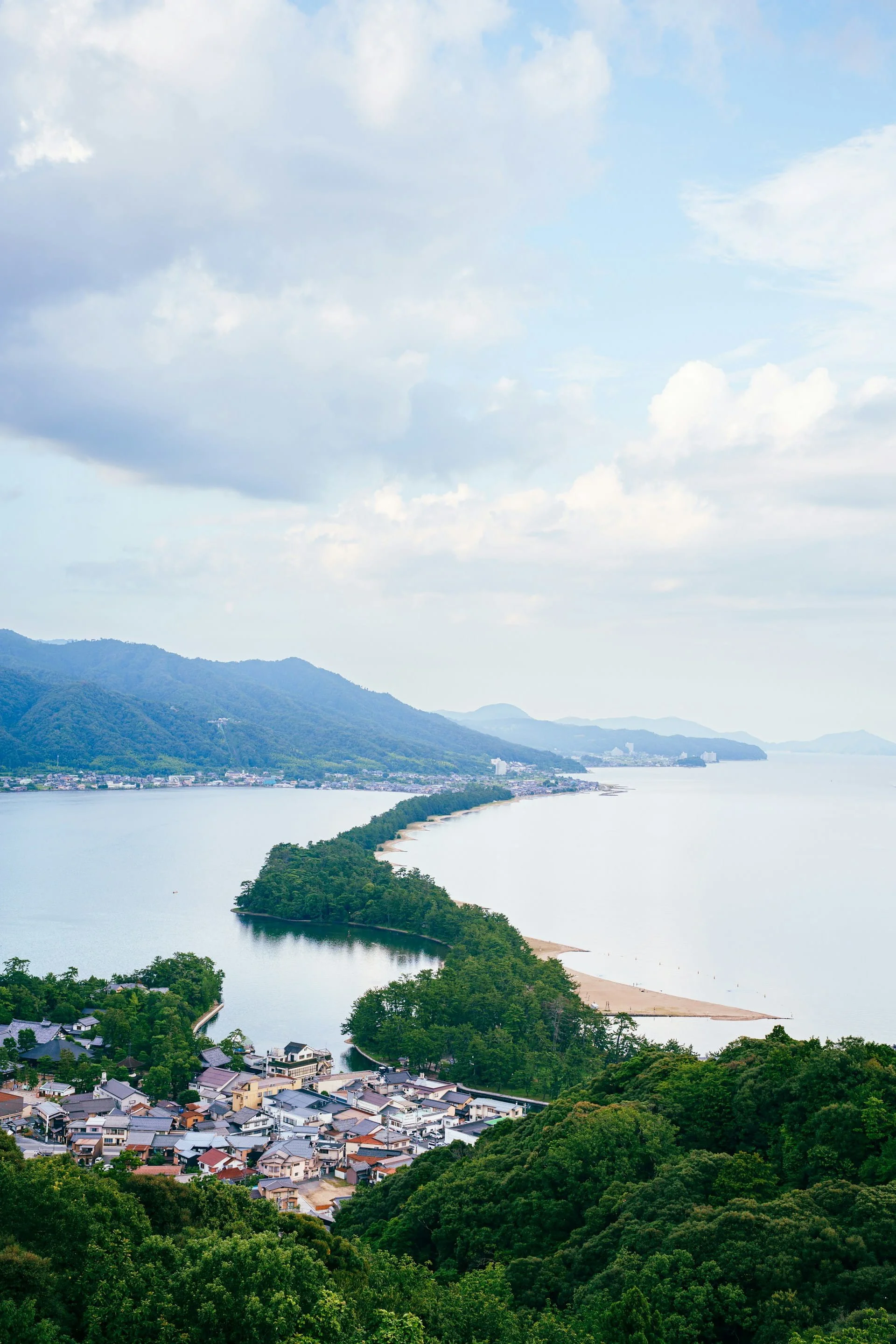
Most people don’t realise that Kyoto is just the capital city of Kyoto Prefecture, but Kyoto Prefecture extends to Japan's northern coast. Up there you'll find natural scenery and fishing villages that most people never know exist. The Kyotango Region is starting to trend, so go before it really explodes.
Start at Amanohashidate, a 3.6 km pine tree-studded sandbar, which was immortalized in Japanese culture as one of the three best views in the country (alongside Miyajima and Matsushima). You can walk or bike across it, but make sure to take in the view on both sides. The most famous view is from Matanozoki, where the tradition is to bend over and view Amanohashidate through your legs, transforming the sandbar into a dragon ascending to heaven.
Small villages like Ine also offer a unique experience in Japan - a homestay in a traditional boathouse. The village of Ine is often called Japan’s Venice, and these boat houses are situated right on the water, with incredible views of Ine Bay.
Here, the regional seafood specialty is Taiza crab, whose seasonality and low catch rates make it a prized delicacy. Beyond seafood, be on the lookout for manganji peppers, a cousin to the more famous shishito. This small region is also dotted with a dozen sake breweries, the perfect pairing for any meal.
Getting there: Amanohashidate is 2 hours from Kyoto. To properly explore Kyotango and access Ine, we recommend renting a car.
Lake Biwa: Fermentation Heritage & Sacred Islands
Just 15 minutes from Kyoto, Lake Biwa is one of the most rewarding side quests you can take in Japan, and you can come explore it with us in May. As you loop anti-clockwise around Japan’s largest lake, you’ll pass Omi-Hachiman, an old town with beautiful canals, and Hikone, which has one of Japan’s best preserved castles. 45 minutes outside Kyoto, you’ll find yourself in Nagahama, our favourite town around the lake, with a beautiful old town and an unparalleled food preservation history.
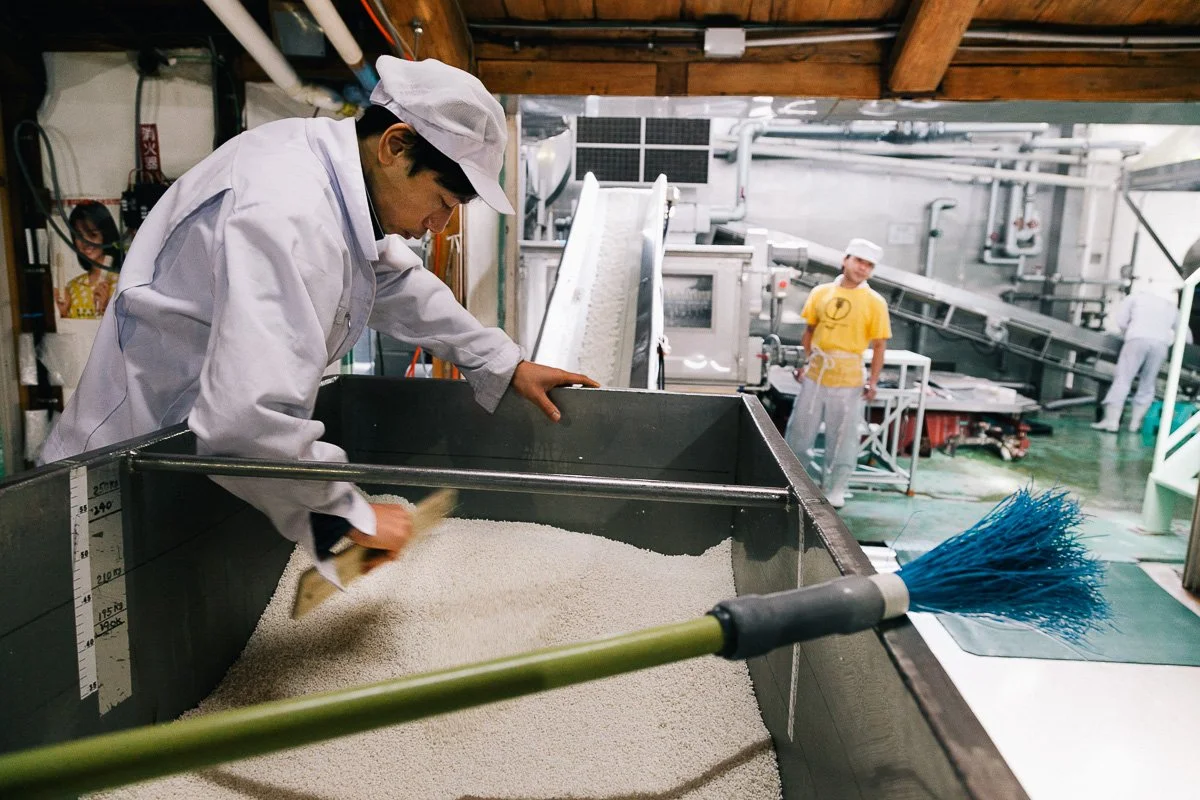
In the alleyways of Nagahama’s Kurokabe Square or the neighbourhood of Kinomoto, you’ll find multi-generational artisanal sake brewers, soy sauce makers, and pickle shops - all of which grew from the deep culinary roots of fermentation and preservation, due to being cut off by the surrounding mountains. Take a ferry out to Chikubu Island and spend a little time exploring the UNESCO-listed temple complex rising right out of the heart of the lake.
Looping back towards Kyoto around the north of the lake, make a stop in Takashima. This town has incredible sake breweries like Kawashima Shuzo, who have now branched off into whisky in recent years. In the south end of town, you can stop off at Kitashina, who have been making the region’s signature funazushi (an ancient predecessor to the sushi you love) for over 400 years. For your last stop, visit the floating torii of Shirahige Shrine, one of Shiga’s most iconic views.
The real star here is the food, though. Yakisaba somen is the staple, taking mackerel from the lake and simmering it for hours, then placing it on top of local somen noodles. Omi Ushi, the region’s specialty wagyu beef, can be found in yakiniku and shabu-shabu shops all around the lake. As you move a bit further out into the mountains, you start to find wild game meat like boar, deer and bear.
Getting there: It’s only 15 minutes from Kyoto to Otsu, at the southern tip of Lake Biwa. Getting to Nagahama is under an hour on the Tokaido Shinkansen via Maibara. To Takashima, it’s also under an hour on the Thunderbird Line, making this a perfect stop on your way to Kanazawa or Toyama.
Side Trips from Tokyo
Tokyo may be our favourite city in the world, but we know it can be a lot. So here’s a couple of great options to explore when you need to get away from the hustle and bustle.
Minamiboso Peninsula: Coastal Hiking & Art Parks
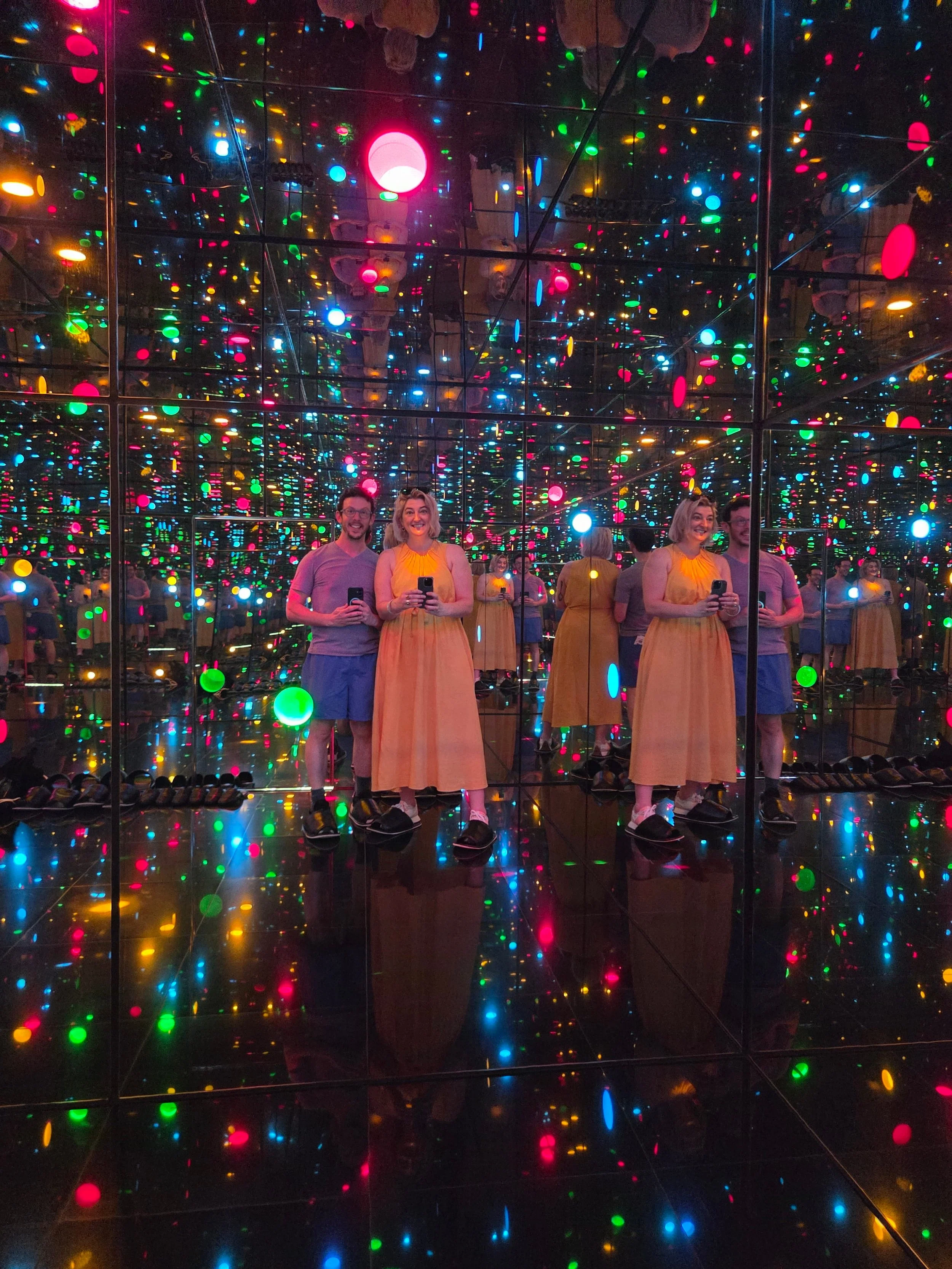
The Minamiboso Peninsula, at the southern tip of Chiba, is so close to Tokyo that nobody ever thinks about it. As you visit the small towns and hike through the mountains around the area, you’re unlikely to see any other foreigners, and very few Japanese for that matter.
Mountains across the peninsula offer day hikes for any fitness level. Mount Nokogiri on the west side gives you temple views plus Tokyo Bay, the city, and Mount Fuji in the distance. The east coast's Ubara Utopia Hiking Course delivers proper coastal hiking.
In Chikura town, Takabe Shrine is the only temple in Japan dedicated to the God of Cooking. Chefs from across the country make pilgrimages here. Three times yearly, they perform the Houchoushiki, a sacred knife ceremony worth seeing if you're around. Kurkku Fields is worth the trip alone, a family-friendly outdoor park dotted with works from some of the world’s most famous artists, from Sebastian Masuda’s “Gaping Hole Secret” (a personal favourite) to an infinity room by Yayoi Kusama.
Getting there: Express bus from Shinjuku or Tokyo Station to Tateyama takes 2 hours. Train is 2.5 hours. Once there, rent a car to properly explore. The ferry from Kurihama is an excellent way in or out.
Takasaki: Daruma Dolls & Konjac Cuisine
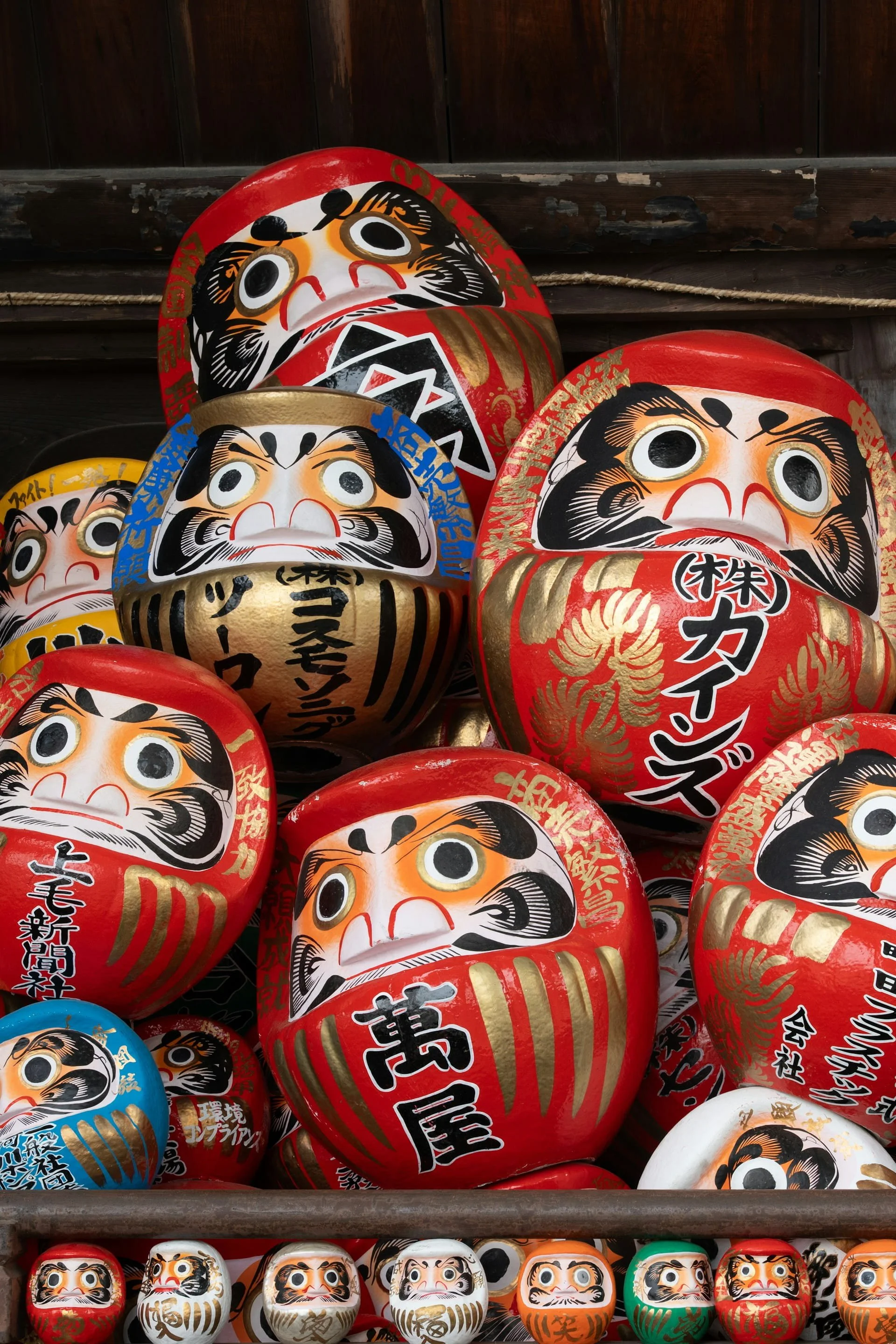
Takasaki sits just before the Northern Alps, a small city with an oversized cultural influence. Known as the Lucky Town, Takasaki’s claim to fame is the daruma doll, those angry-looking little red guys that you’ve probably seen around. They were invented here in the 1780s, and despite their looks, they bring good luck and represent perseverance, making them essential for New Year's resolutions. 80% of the daruma in Japan are made here, and you can make your own, or come for the massive Daruma-ichi festival in January to see Daruma of all sizes, colours and designs spread across over 300 stalls.
The ancient keyhole tombs (kofun) outside the city date back to the 5th and 6th centuries, before Buddhism arrived and reincarnation beliefs made tombs redundant. In a more recent part of Takasaki’s history, at the Cave Kannon, one man dug a cave by hand over 50 years to house 39 Kannon statues. Make sure to also visit the nearby Tokumei-en gardens.
Even the food in Takasaki punches above its weight - 90% of the konjac in Japan is made here. This unique specialty is a staple across Japan, but rarely seen outside of the country. At places like Tokiwaso, you can eat an entire kaiseki meal of konjac. The region also grows loads of wheat, so noodles are everywhere. Try Shango pasta, a miso-packed bolognese-style pasta, often topped with tonkatsu. It's exactly as good as it sounds.
Getting there: Under an hour from Tokyo on either the Hokuriku or Joetsu Shinkansen. Makes for a great stop if you're heading to or from Toyama or Kanazawa.
The Best Side Trips from Any Golden Route City
If you’re travelling between the cities of the Golden Triangle, then these places give you the perfect chance to get a break from the tourist crowds and spend a few days slowing down and diving deeper into Japan.
Nagoya: A Foodie Dream
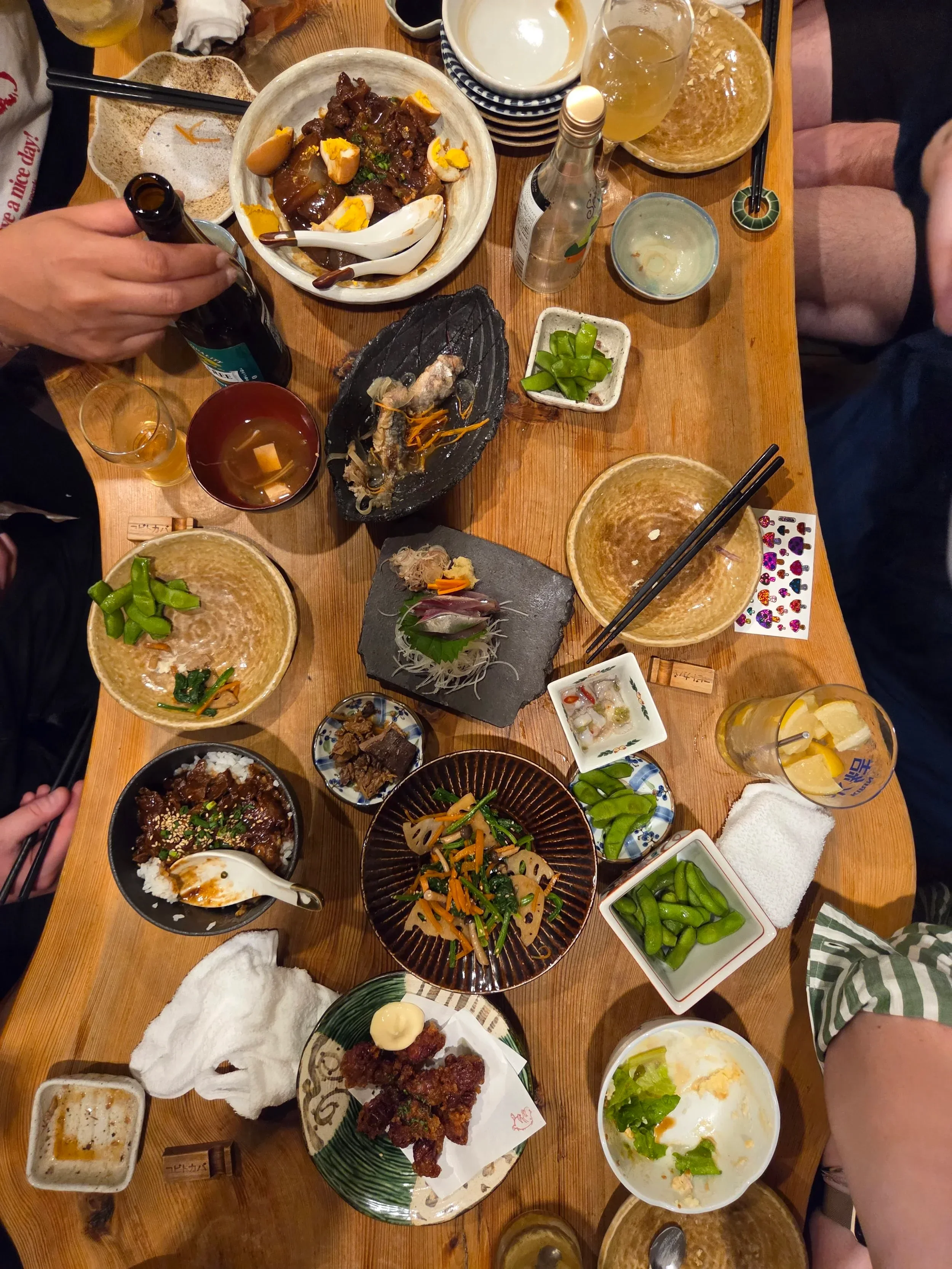
Nagoya is a food lover's paradise. This truly underrated city, sitting right in the middle of Tokyo, Osaka and Kyoto, is so easy to get to, and yet skipped by most visitors to Japan.
Despite its amazingly accessible location, Nagoya is overlooked by most visitors to Japan. After the crowds in Tokyo, Kyoto, and Osaka, Nagoya feels like you can finally breathe. The main draw for most western tourists here is a trip to the Ghibli Amusement Park (which is fun if you’re a fan, but it's basically elaborate exhibits, not rides). But there are a million things to discover in Nagoya.
The antique markets at Higashi Betsuin and Osu Kannon are excellent for sourcing vintage finds. Atsuta-jingu gives you one of Japan's most sacred shrines without the Meiji-jingu chaos. Nagoya Castle has gorgeous grounds that you can wander for hours.
But the real draw is the local food, otherwise known as Nagomeshi. Nagoya is where Japan’s breakfast culture was born, with every cafe serving some variety of their famous ankake toast with coffee. As you move into lunch and dinner, make sure you don’t miss out on tebasaki (Japanese style chicken wings were invented here), grilled eel bowls, and anything topped with the umami-rich hatcho miso, Nagoya's dark, umami-rich specialty that usually ends up on pork katsu.
Getting there: Every Shinkansen between Tokyo and Osaka stops here. Make sure to grab a bowl of kishimen, the local noodle specialty, on the platform before you head out of town. We've got a full Nagoya guide if you want to find out more.
Toyama: Where Mountains Meet the Sea
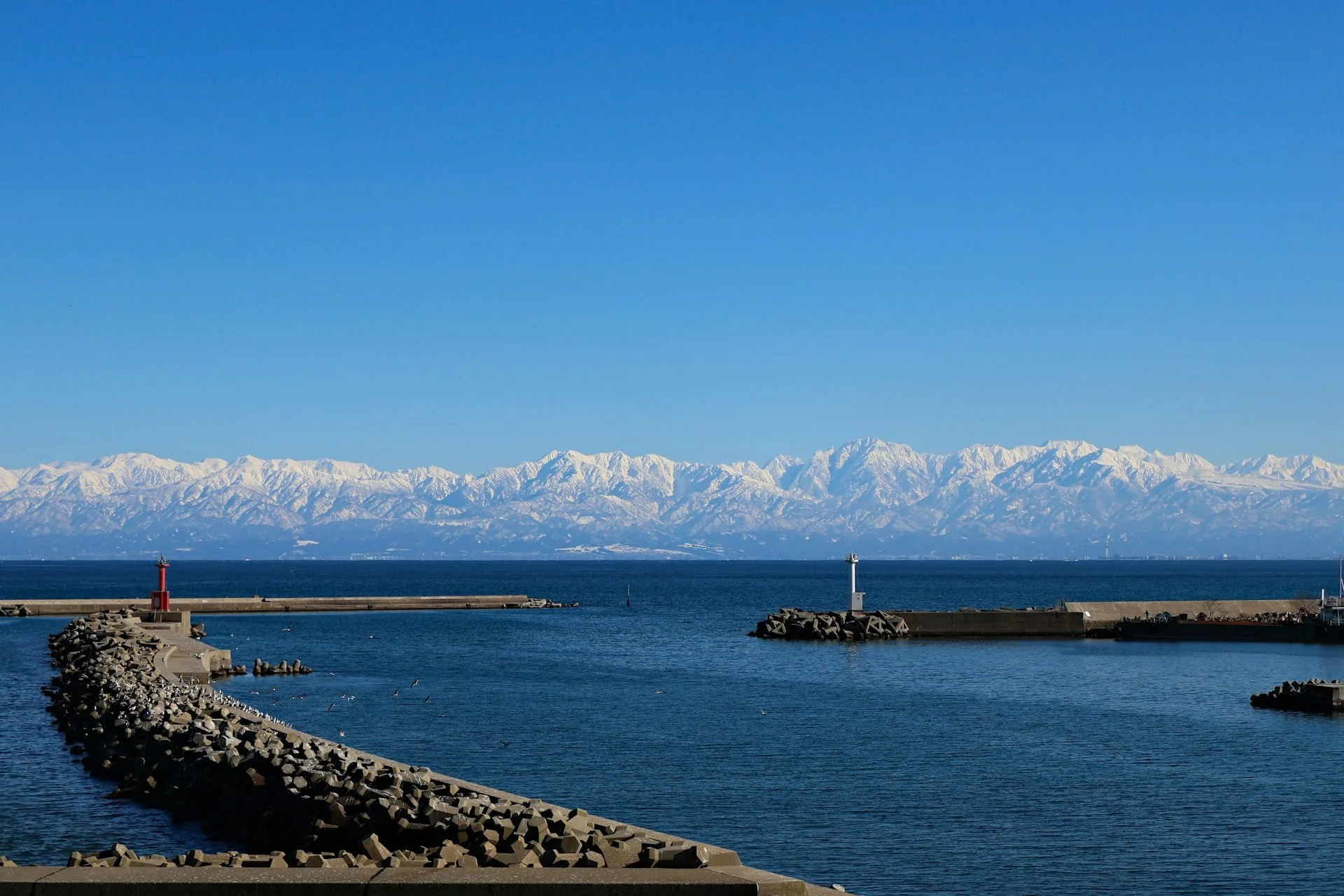
Pretty much nobody goes to Toyama, and we promise you they’re missing out. As you come into the city, the first thing you’ll notice is the ocean on one side, and the peaks of the Tateyama Mountain Range on the other side. It’s a striking juxtaposition.
Toyama is your gateway to the wonders of both the mountains and the sea. One of the most famous sights to try and catch is the Shinkiro mirage, a natural phenomenon which occurs in the waters of Toyama Bay if you’re lucky with timing. As you head into the mountains, you can take a ride through the Kurobe Alpine Route, where massive snow walls can reach up to 20m in height, and are accessible through spring and into the start of summer (yes, you read that right). Go deeper and you'll find traditional villages with thatched-roof gassho-zukuri houses like the ones in Shirakawa-go, but smaller and without the tour buses.
This whole region developed its own craft heritage because the Northern Alps cut it off from the rest of Japan for centuries – Bronze production at Nousaku in Toyama city and over 200 master woodsmiths in tiny Inami (population 8,000).
Being this close to the ocean, the seafood will be some of the freshest you’ll find on your trip. The claim to fame here is hotaru-ika, or firefly squid, tiny bioluminescent squid who light up the bay between March and June, and who light up your sushi at any time of the year. The shiro-ebi are also particularly famous, and don’t miss out on the black ramen - a rich, jet-black soy sauce ramen that’s become the staple of the city.
Getting there: The Hokuriku Shinkansen makes Toyama a 2-hour direct shot from Tokyo. From Kyoto or Osaka, take the JR Thunderbird to Kanazawa, then transfer (about 3 hours total).
So there you have it! While you can find a million articles telling you about the best day trips from Tokyo, Kyoto and Osaka, we wanted to focus on places that most people miss, where a single day may not be enough. Most of these could be treated as a day trip if you are just looking for something off the beaten track, but we recommend slowing down, taking your time, and really getting to know one of these incredible places on your trip.
Frequently Asked Questions
-
The best multi-day side trips from the Golden Route cities are Nagoya, Toyama, Lake Biwa, Takasaki, the Minamiboso Peninsula, and Northern Kyoto Prefecture (Amanohashidate and Ine). All are reachable in under 3 hours by train and offer experiences genuinely different from the main tourist circuit.
-
Two to three days is the sweet spot for most of these destinations. A single day is possible for closer options like Lake Biwa or Nagoya, but an overnight stay gives you time to slow down and experience the food, culture and surroundings properly.
-
Most of these destinations are covered by the national JR Pass or one of Japan's regional rail passes. Nagoya and Toyama are on the Shinkansen network, while Lake Biwa, Takasaki and Northern Kyoto are covered by regional lines. Check our regional rail pass guide to find the right pass for your itinerary.
-
Nagoya and Toyama are the standouts for food. Nagoya has one of Japan's most distinct regional food cultures, with hatcho miso, tebasaki chicken wings and morning coffee culture. Toyama is famous for hotaru-ika (firefly squid), shiro-ebi and black soy sauce ramen, all backed by some of Japan's freshest seafood straight from the bay.
-
Yes. All six destinations are easy to reach by public transport from Tokyo, Kyoto or Osaka, and none require advanced Japanese language skills to navigate. They're ideal for first-timers who want to see more than the Golden Route without the complexity of planning a deeper regional trip.
-
For Minamiboso and Northern Kyoto Prefecture (particularly Ine village), a rental car makes a significant difference — public transport gets you there, but a car lets you explore properly. For Nagoya, Toyama, Lake Biwa and Takasaki, public transport is sufficient for most of what you'll want to see and do. See our guide to renting a car in Japan for everything you need to know.