
Best Multi-Day Side Trips from Beijing and Shanghai
China is huge. Like, genuinely massive. The country is the same size as Europe. All of it. But some of the country's best side trips from Beijing and Shanghai sit just a few hours away, connected by high-speed trains that make getting around almost too easy.
The thing about these places is that they're not trying to be anything other than what they are. There's no performance, no sanitised version for tourists. You're getting provincial cities where people live actual lives, eat actual food, and couldn't care less whether you find them photogenic. That's exactly why they're worth spending a few days and truly experiencing.
We’ve picked eight places to give you a wide variety of experiences. Like our Japan side trips guide, this is also split into three sections: places best reached from Shanghai, places best reached from Beijing, and places accessible from either city. Most involve trains, but we'll be upfront when flying makes more sense.
Side-Trip Comparison: Travel Times & Highlights
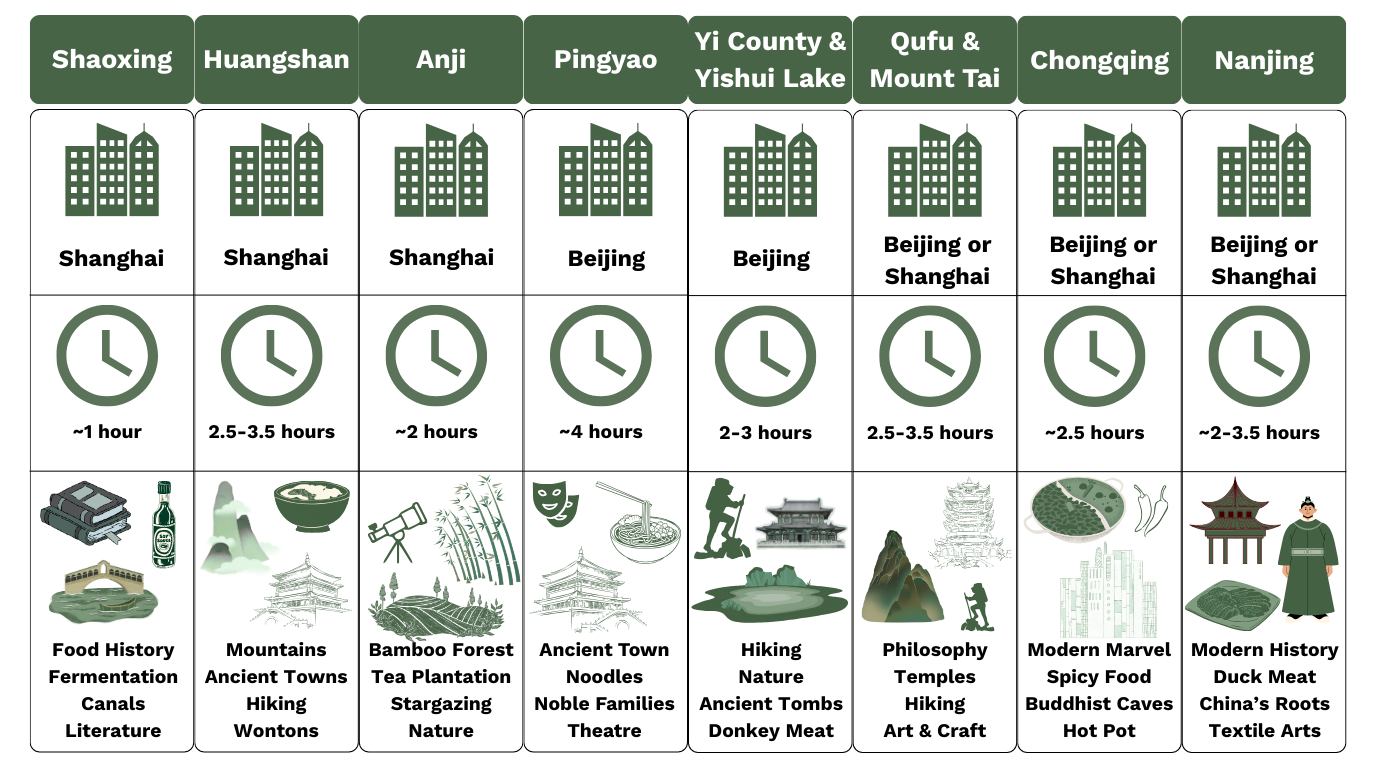
Side Trips from Shanghai
If you're based in Shanghai, these three destinations offer the perfect escape from the city's intensity whilst still being incredibly easy to reach.
Shaoxing: Where Fermentation Became Culture
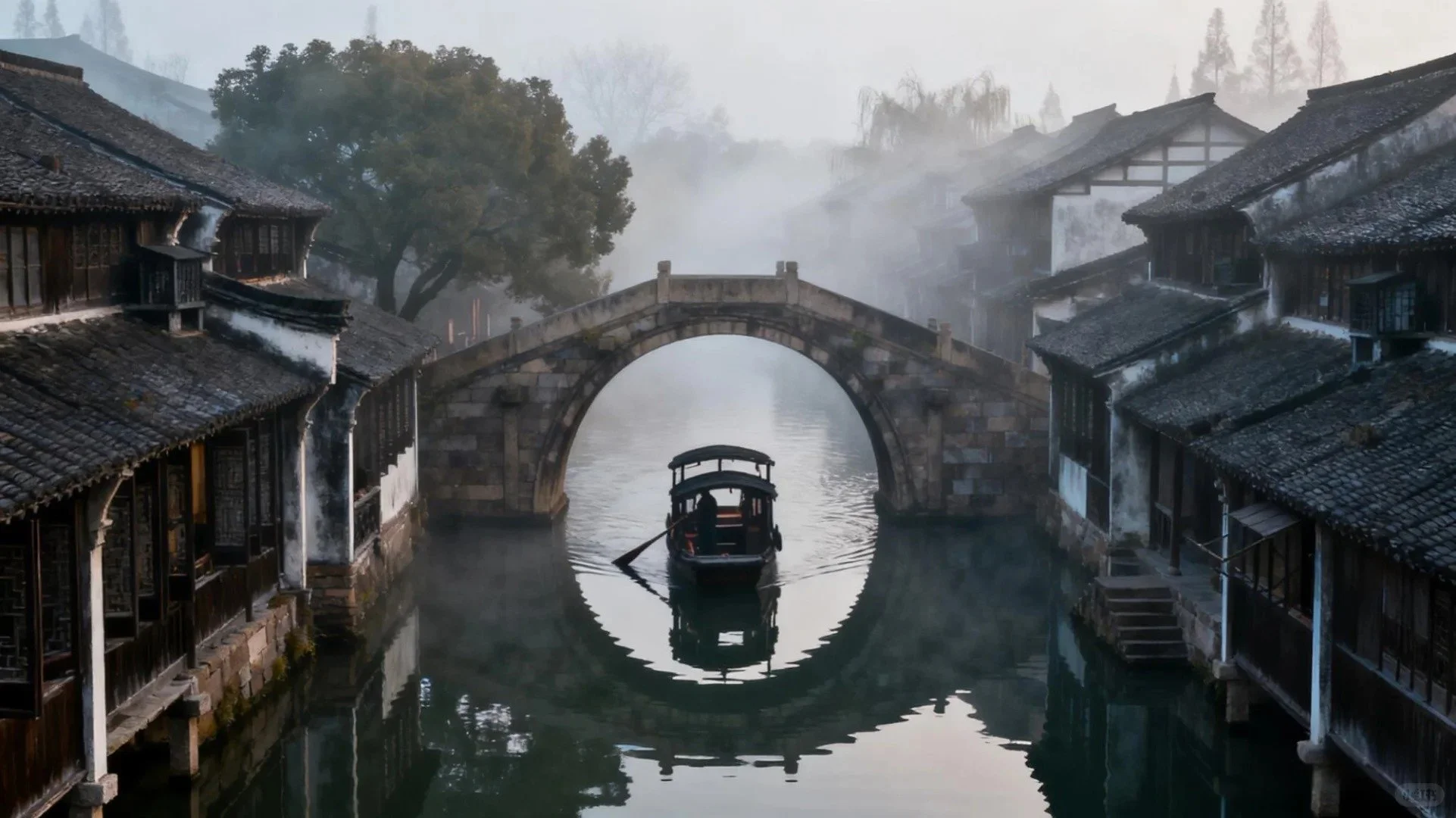
Just an hour from Shanghai, Shaoxing is where China's fermentation culture reached its peak, and you can come experience it with us in June. This ancient water town is built on canals, with stone bridges arching over waterways and wooden boats carrying goods through the old quarters. It’s the birthplace of Shaoxing yellow wine, and where the holy trinity of fermentation - yellow wine, soy sauce, and furu (fermented tofu) - developed and became cornerstones of Chinese cuisine. At Renchang Sauce Garden, you can see rows of massive jars filled with soy sauce fermenting naturally under the sun for months or even years.
Wander along the canals of the old town through Cangqiao Zhijie's pedestrian street, lined with Ming and Qing Dynasty buildings where contemporary life continues in ancient settings. Cross the Ba Zi Bridge, an 800-year-old stone marvel whose unusual shape connects four different streets at odd angles. Visit Keyan Scenic Area where dramatic stone formations carved by centuries of quarrying create a landscape of caves and mirror-still pools. Shaoxing also has strong ties to China’s literary history, which comes to life at "Shen Garden Night," an impressive performance of Shaoxing opera, traditional music, and modern stagecraft.
The food scene revolves entirely around what pairs with Shaoxing wine. Stinky tofu here is fried golden and crispy, made with amaranth stem brine. Drunken crab and drunken shrimp are marinated in yellow wine until the wine permeates every bite. The signature dish Shao San Xian combines fish balls, meatballs, and Dongpo tofu in a bubbling hotpot.
Getting there: Just 1 hour from Shanghai on the high-speed rail. Makes for a perfect day trip or overnight stay.
Huangshan: Granite Peaks Rising Through the Clouds
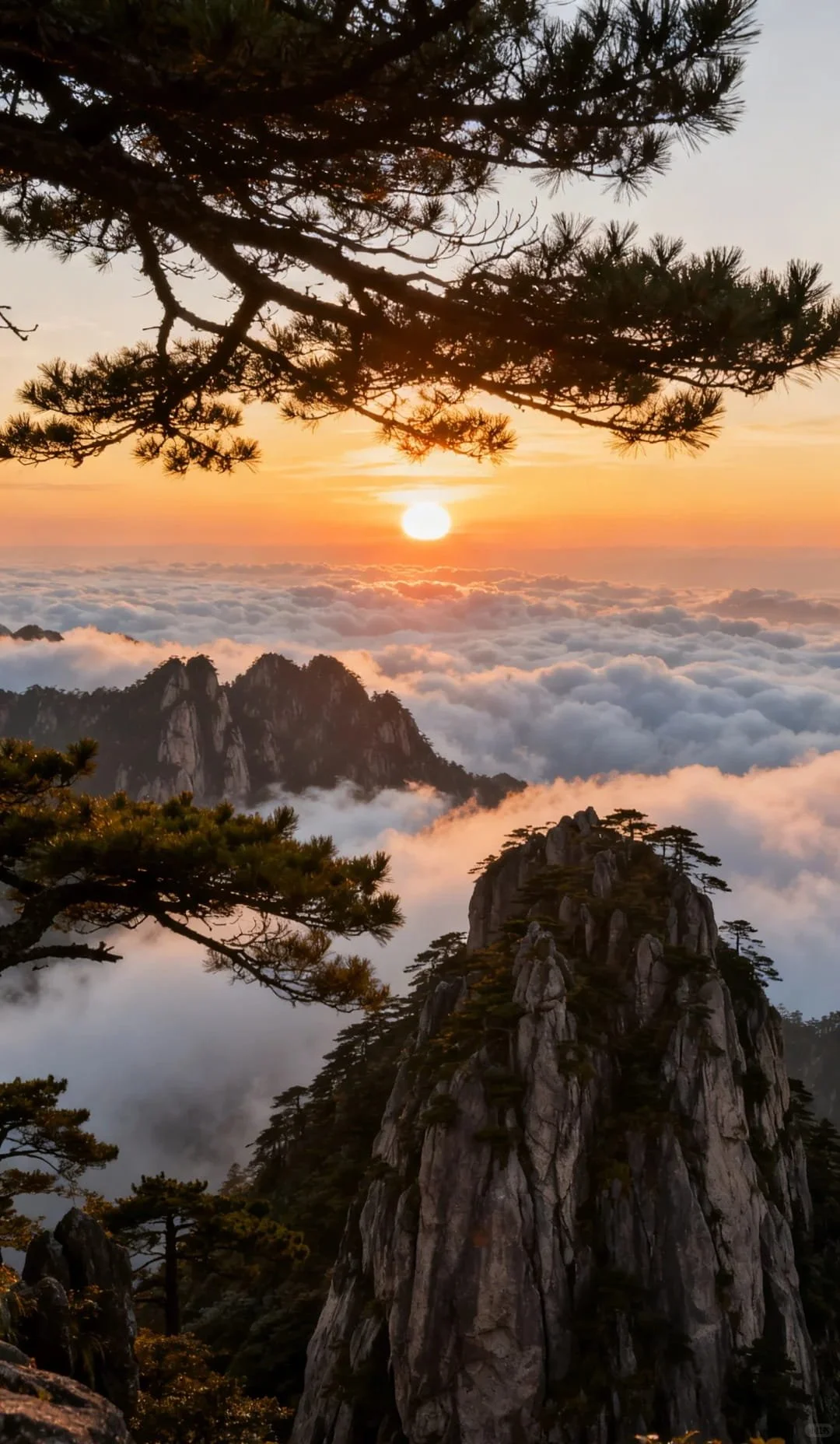
I’ve been to a bunch of famous mountains in China, and Huangshan might be the most beautiful one and easily my favourite. Where seventy-two granite peaks thrust through a sea of clouds, ancient pine trees grow sideways from sheer rock faces, and on clear days the views stretch as far as the eye can see. The Chinese have painted and written poetry about this mountain for over a thousand years, and when you stand at the summit watching mist roll through the valleys below, you'll understand why.
But the mountain is only part of the story. There’s more magic hiding in the ancient villages around the base. Hongcun is the most famous one, but if you want to escape the tour groups, head to places like Chengkan, an 1,800-year-old "Eight Trigrams Village" with a labyrinthine layout designed to confuse invaders, or Tachuan, which in November becomes one of China's three most beautiful autumn destinations.
For breakfast, make sure to try Wang Yitiao Wontons, famous for their paper-thin skin, and guaranteed to arrive at your table within three minutes of ordering. There’s classic dishes like Huizhou-style braised pork, which is cooked until the fat becomes translucent and melts on your tongue. But the food here can be intense. Stinky mandarin fish is fermented for seven days and genuinely smells terrible but tastes better than you’d expect.
Most people opt for the cable car up the mountain, but if you choose to climb keep an eye out for the porters. About 140 men, average age 57, carry 65-100kg up these paths daily. When you see them on the stairs, always let them pass. They'll even carry you up in a sedan chair if you're willing to pay for it. When eating at mountain restaurants, you’ll see signs urging you to practise “Clean Plate Action (光盘行动)," a literal instruction to reduce the waste porters carry back down.
Getting there: 2.5-3.5 hours from Shanghai on the high-speed rail
Anji: Bamboo Forests & Mountain Tea Gardens
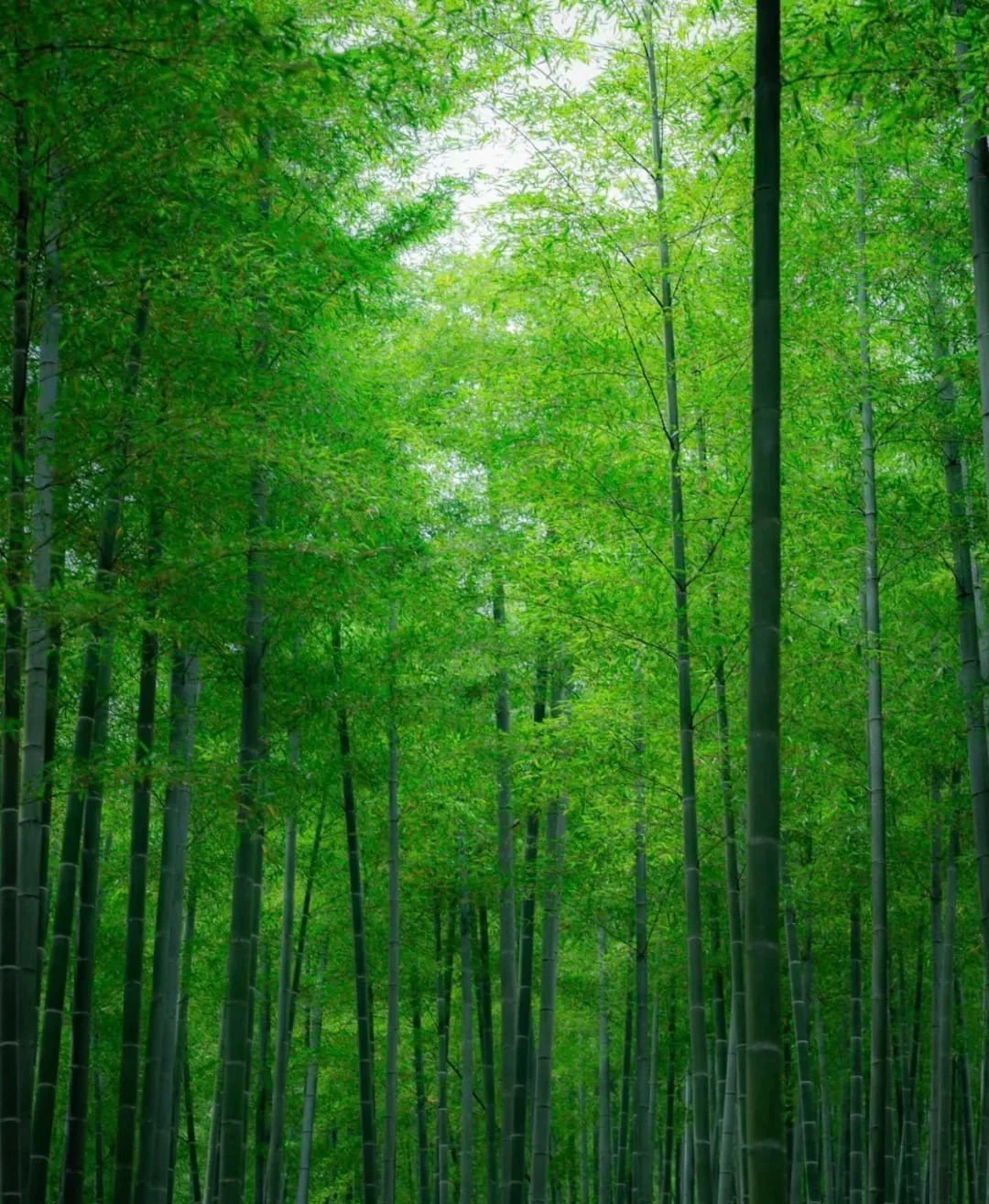
The iconic treetop bamboo fight in Crouching Tiger, Hidden Dragon was filmed at China Great Bamboo Sea in Anji. The exact filming platform remains intact, and now there's a 468-metre glass bridge crossing the canopy. Beyond ancient bamboo groves, Jiangnan Tianchi is China's First Night Sky Protection Park, sitting at nearly 1,000 metres elevation with research-grade telescopes for proper stargazing. The best viewing happens in summer for the Milky Way, while the Perseids meteor shower in August draws over 1,000 tentfuls of astronomy enthusiasts.
The food here revolves around bamboo and tea. You can experience a full "bamboo banquet" with dozens of creative dishes. Things like Yan Du Xian, a classic Jiangnan soup of slow-cooked pork with fresh winter bamboo shoots, or Bamboo Shoot and Duck Soup. Anji white tea confuses everyone: despite its name, it's actually a green tea. The "white" refers to the unique pale colouring of leaves in spring. Aside from drinking it, make sure to try Tea Leaf Shrimp, large prawns are stir-fried with tea, infusing them with a subtle, sweet flavour.
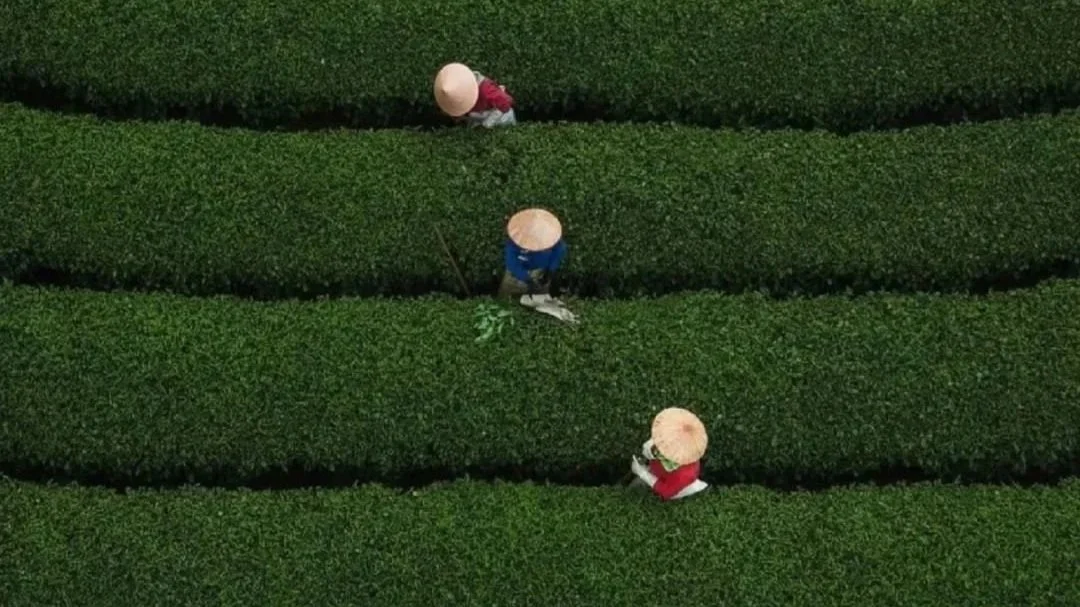
The tea production areas are stunning. Head to Solongxiang, the core growing region, where over 10,000 acres of tea terraces cascade down mountain slopes in perfectly manicured rows. There's a free viewing platform where you see the full spectrum of the landscape’s colours, from deep green to pale white depending on the season. During picking season in March and April, you'll see farmers moving through the terraces at dawn, collecting the youngest leaves when the flavour is most delicate.
Getting there: About 2 hours from Shanghai via the new Husu-Suhu rail line
Side Trips from Beijing
Beijing's side trips lean towards the rugged and historic, showing you the countryside and how northern China looked before the skyscrapers arrived.
Pingyao: Ancient Walls & Living History
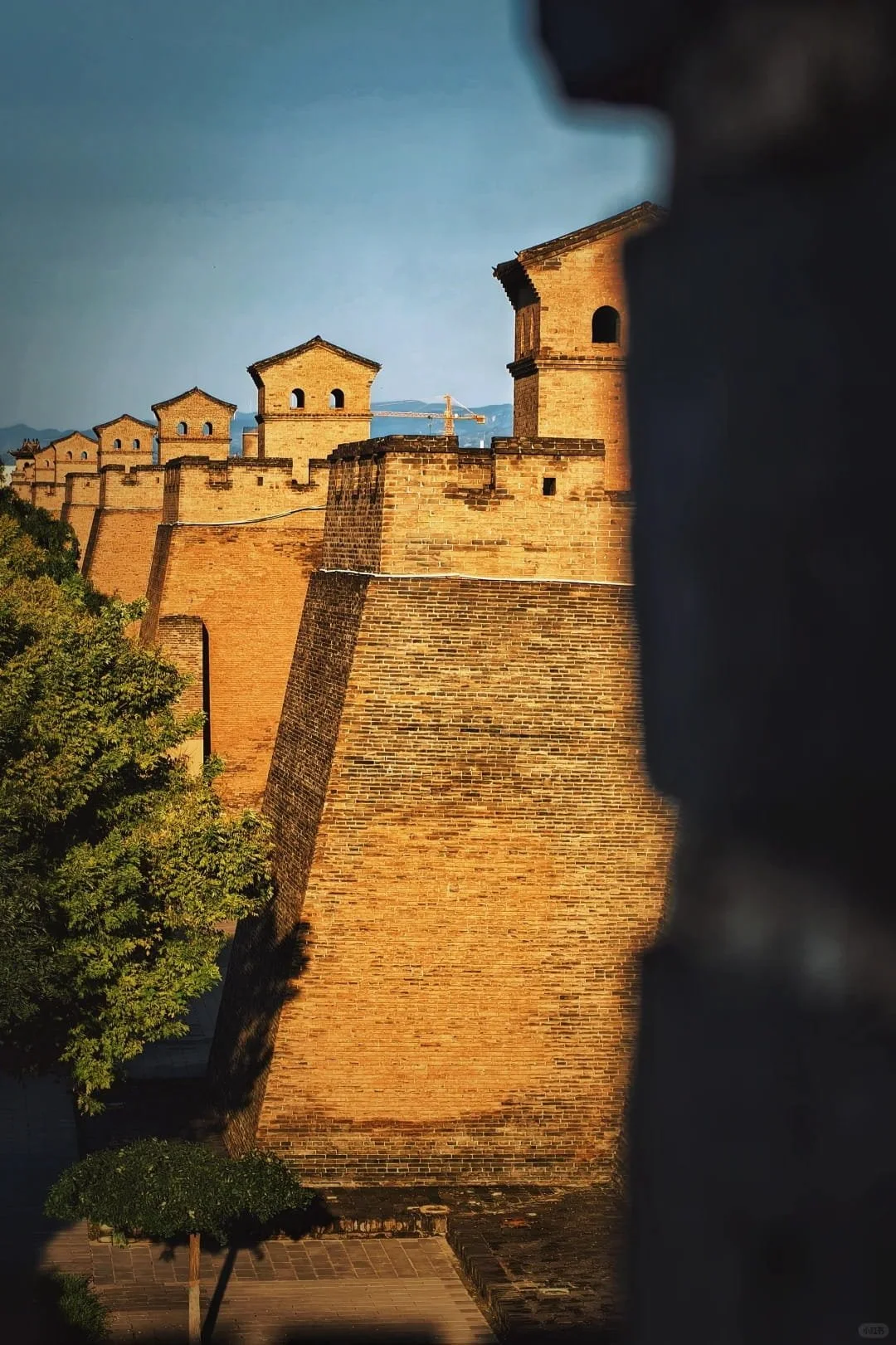
Pingyao may look like a film set, but this isn't some reconstructed tourist trap. It’s a perfectly preserved walled city of the Ming and Qing dynasty, a genuine time capsule where people still live and work inside 2,700-year-old fortifications. To gain perspective on how the layout protected merchants and their wealth, walk the full 6-kilometre circuit of the ancient city walls, also giving a view of the streets below that wind through centuries-old neighbourhoods that remain largely unchanged.
The city was China's financial centre during the Qing Dynasty, home to the country's first banks. At the old Rishengchang bank, established in 1823, you can see original accounting books, underground vaults, and encrypted communication systems used to prevent fraud. For something completely different, "Encore Pingyao" is China's first indoor immersive theatre where you walk through reconstructed streets with no stage and no seats while the actors play out the story as it unfolds around you
The food centres on Shanxi's noodle culture and aged vinegar. Find a shop to watch daoxiao mian (knife-cut noodles) being made. The chef slices noodles directly from a giant hunk of dough into boiling water. The randomness of each cut results in varying textures that give depth to the dish. The dish is heightened by the local vinegar, aged for years, adding an almost sweet complexity to your bowl. Pingyao beef is the local specialty, air-dried and marinated.
About 40km away, the Qiao Family Compound shows you what real wealth looked like. This massive merchant mansion contains 313 rooms across six courtyards, all dripping with carved wood, painted rafters, and stone reliefs. You can see why merchant families rivalled nobility in power back then. The Wang Family Compound is even larger, so vast there's a saying: "A trip to the Qiaos is like visiting a family, but a trip to the Wangs is like touring a city."
Getting there: About 4 hours from Beijing on the high-speed rail.
Yi County & Yishui Lake: Imperial Tombs & Misty Mountains
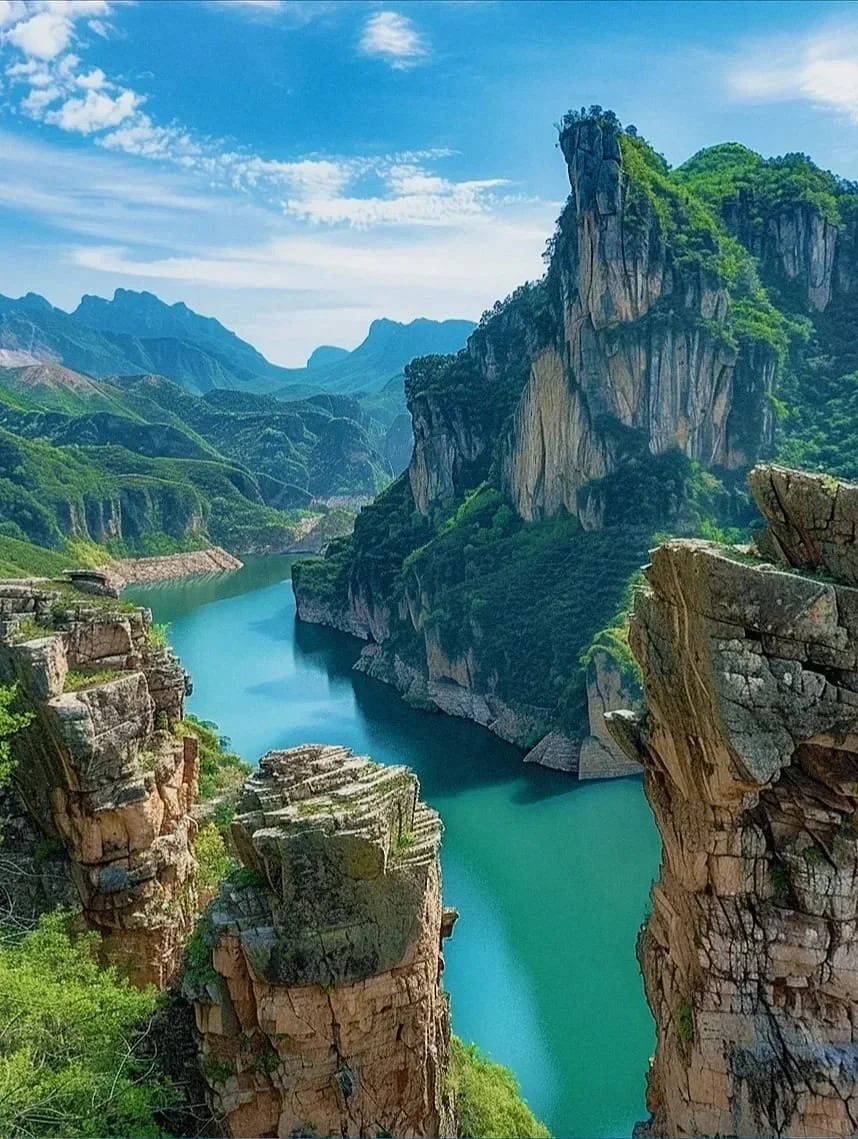
Head here to connect with a simpler way of life - quiet mountains, ancient stone villages, and stunning natural scenery. Yishui Lake’s karst mountains reflect perfectly in the water, earning it the nickname "Little Guilin of the North." This is a great alternative if you want to avoid the crowds of foreign tourists down in Guilin. You can take boat tours through the narrow gorges, hike the surrounding peaks for panoramic views, or simply find a quiet spot along the shore. The area is brilliant for photographers, especially in the early morning when mist clings to the peaks.
The hiking here ranges from easy lakeside trails to more challenging mountain routes through Ye Sanpo further north, where limestone cliffs and deep valleys create dramatic scenery. The paths wind through small villages where life hasn't changed much in generations.
The Qing Western Tombs are the eternal home to four emperors, spread across 800 square kilometres. Most tourists see only surface architecture, but Chongling opens its 63-metre underground palace. You descend into the actual burial chamber where two stone coffins remain. Modern forensic testing in 2008 confirmed Guangxu was poisoned with arsenic, likely by Empress Dowager Cixi.
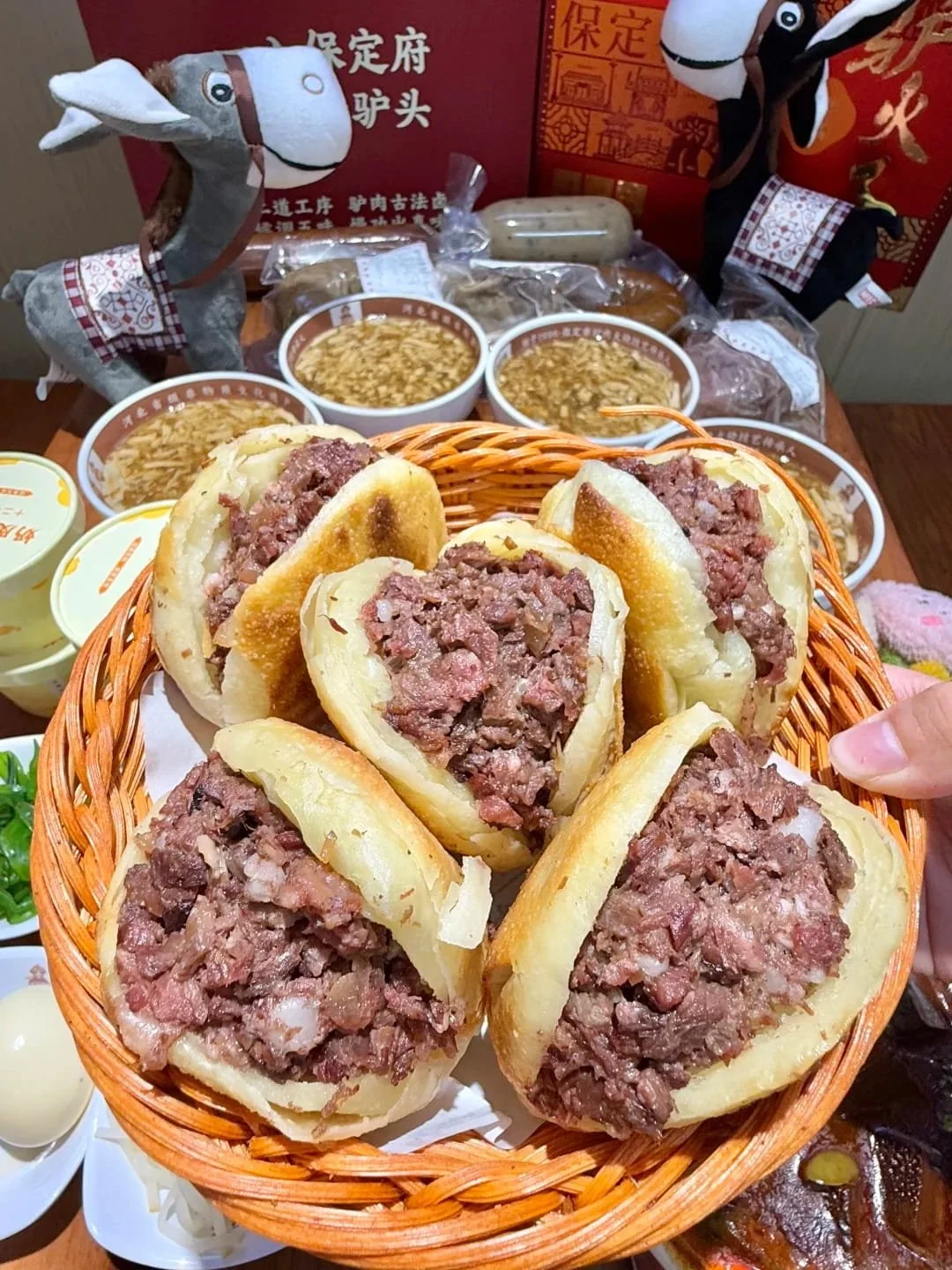
The food is simple but satisfying. The star is the Jingke Cake, a buckwheat pancake filled with minced donkey meat, named after a legendary assassin. I call them donkey burgers, and honestly, they taste like pastrami. The first time I tried donkey I was a little hesitant, but from the first bite I loved it. You'll also find home-style dishes like stewed mountain mushrooms, wild vegetables, and hand-pulled noodles in rich broths.
Getting there: About 2-3 hours by car from Beijing. This is one trip where getting a driver makes the most sense.
Side Trips from Beijing or Shanghai
Most people travel straight between Beijing and Shanghai in one go. These three destinations give you a reason to break up that journey. They sit along major transport routes connecting the two cities, making them easy additions rather than detours.
Qufu & Mount Tai: Confucian Philosophy & Sacred Peaks
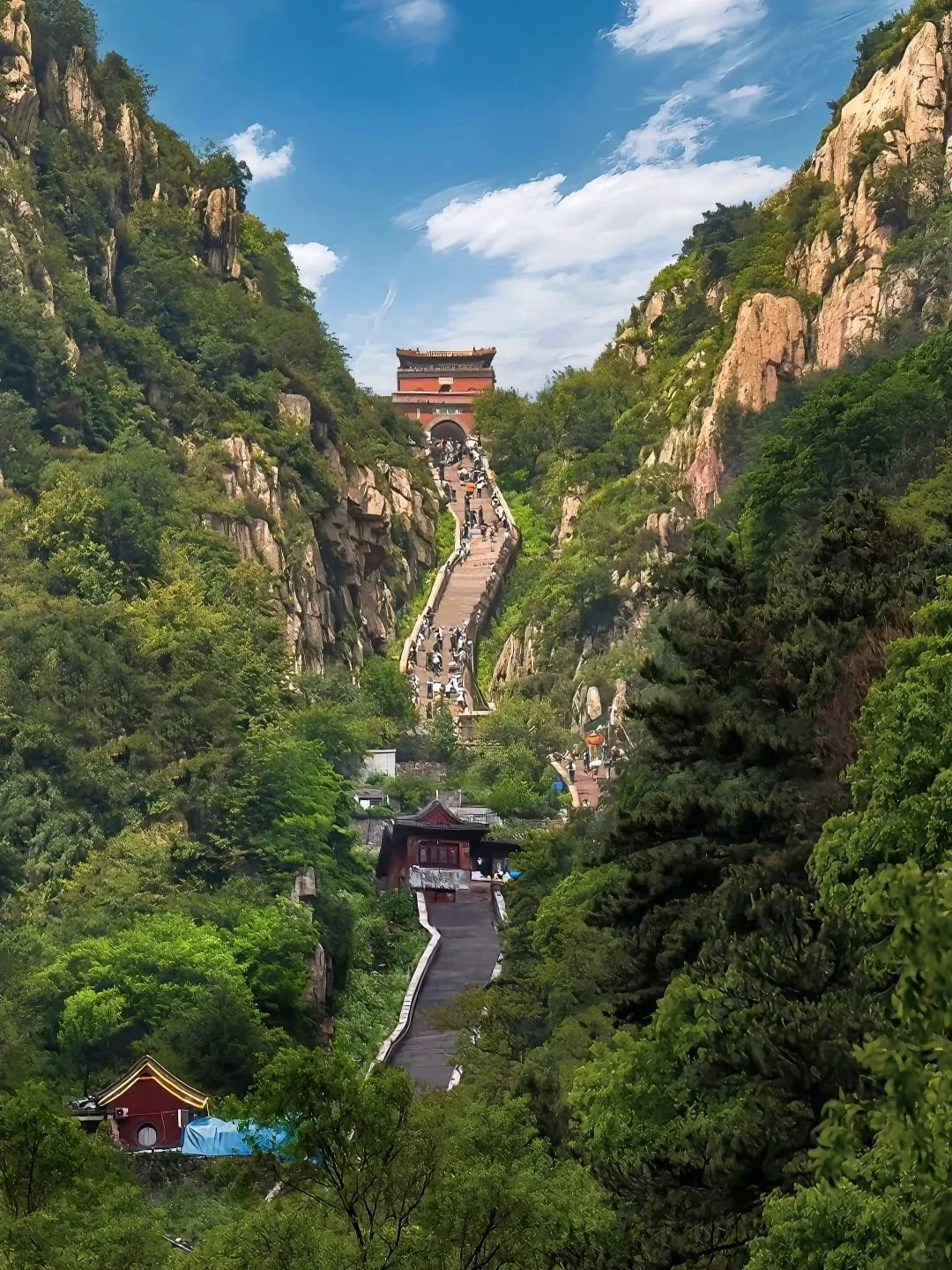
Qufu is where Chinese philosophy started, and also where I lived for about a year in the early 2000s. This is the hometown of Confucius, and the UNESCO World Heritage temples here are among the largest and oldest in China. The Temple of Confucius covers 16,000 square metres with nearly 500 buildings. Walking through the courtyards, you pass under stone tablets bearing imperial proclamations, through forests of ancient cypresses, and into halls where scholars studied for two millennia. The Kong Family Mansion next door shows how Confucius's descendants lived for 77 generations, while the Cemetery of Confucius contains over 100,000 graves spanning 2,500 years.
Beyond the main sites, Ni Mountain 25km from downtown is where Confucius was allegedly born, marked by a 72-metre statue surrounded by 3,000 apricot trees. The Nishan night tourism experience includes drone shows and holographic performances if you fancy something more modern. It may sound kitschy - because it is - but these shows take place at tourist sites all over China and are actually quite spectacular.
Mount Tai is one of China's Five Great Mountains and the most revered. The climb from base to summit involves about 7,000 steps up a stone stairway built over centuries, but you also have an option to take a cable car. Most people start from the Red Gate and take 4-6 hours to reach the top, passing through temple gates, past cliff inscriptions carved by emperors, and up through clouds that often shroud the higher elevations. At the summit, Jade Emperor Peak offers views across three provinces on clear days.
The food centres on Kong Fu Cai, Confucian family cuisine where every dish carries literary meaning. Yi Luan Fu Shuang Feng is the showstopper: two pigeons cooked inside a watermelon. Growing up in a Western society, I never thought I’d eat pigeon, but it’s one of many foods China has completely changed my mind about (see note on donkey in Pingyao). Si Xi Wan Zi (Four Happiness Meatballs) represents the four blessings of life. For something more casual, try jian bing guo zi, Shandong's take on the breakfast crepe that we love.
Qufu is also a major centre for traditional seal carving, an ancient tradition that’s still commonplace today. In China, nobody signs things, they all have personal seals of their name that they stamp instead. Lin Qian Community contains around 500 seal carving shops generating over 100 million yuan annually. Watch 76th-generation Confucius descendant Kong Lingji carve your name in Chinese characters.
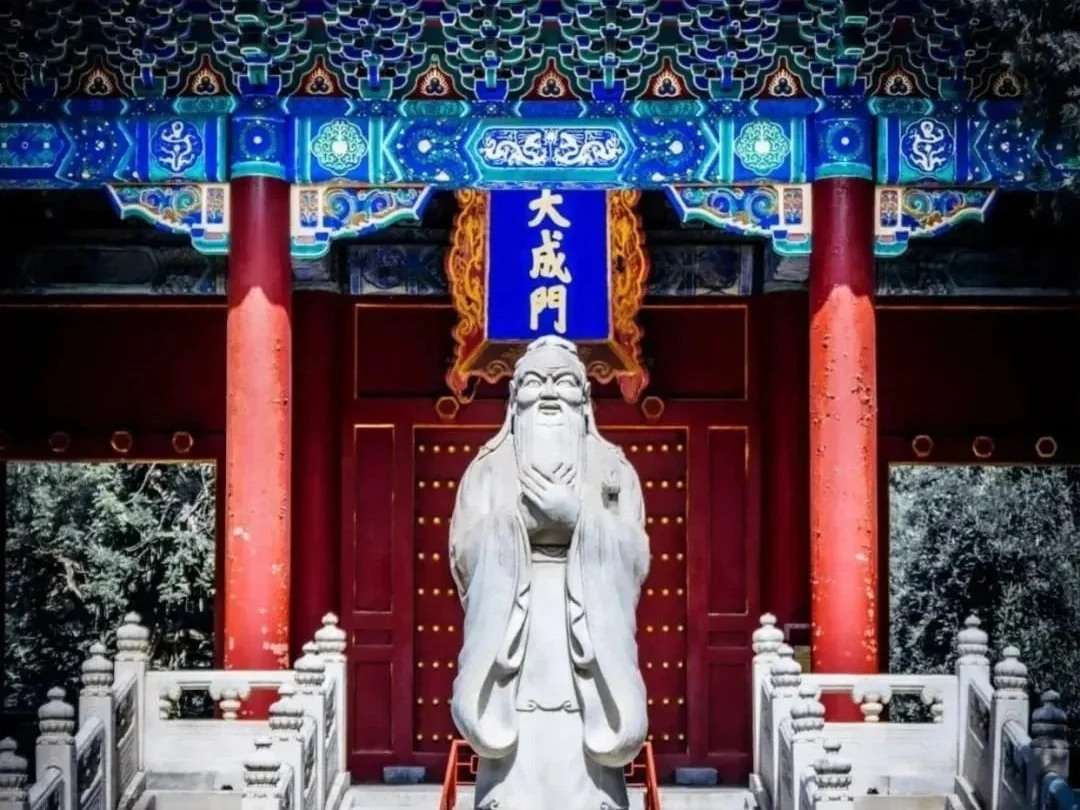
Getting there: 2-2.5 hours from Beijing or 3-3.5 hours from Shanghai by train, on the main line running between the two cities. Mount Tai is 20-30 minutes further from Qufu.
Chongqing: Fiery Cuisine & Mountain Mazes
Chongqing honestly earns its nickname the "8D Magic City". This vertical maze-like city is built into riverside mountains and is unlike anywhere else in China. GPS maps are basically useless when your street could be on the 1st floor or the 22nd, when metro lines pierce through residential buildings, and when what looks like ground level could be eight stories up.
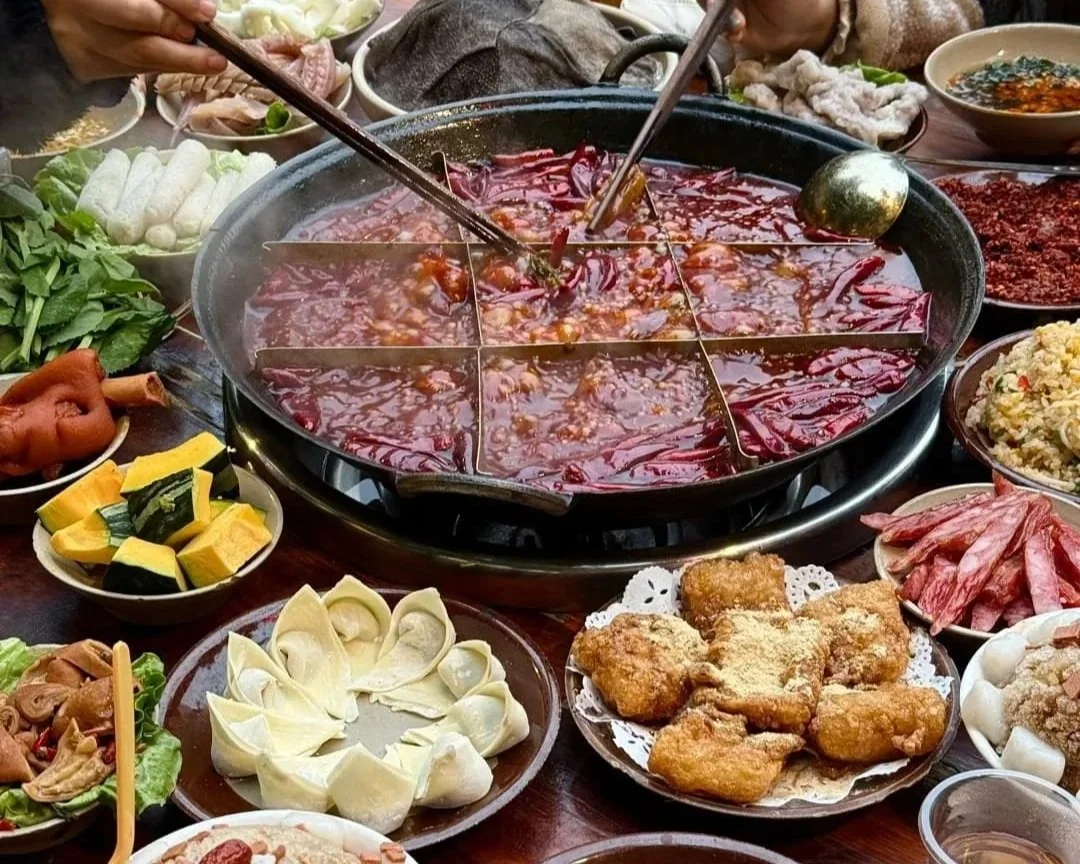
The food is the real reason to come. Chongqing hotpot is a bubbling cauldron of numbing Sichuan peppercorns and chilli oil so red it glows. You can order whatever ingredients you like, but try the local favourites: mao du (tripe), ya chang (duck intestines), and huang hou (beef throat). The region also created jianghu cai, "river and lake cuisine", a style that emerged from dock workers. Dishes like Geleshan spicy chicken and mao xue wang (duck blood, tripe, eel, and ham in spicy broth) define this bold cooking style.
Chongqing xiaomian is a delicious breakfast staple. These noodles contain more than a dozen seasonings: soy sauce, black vinegar, chilli oil, Sichuan pepper, sesame paste, garlic, ginger, spring onion, preserved vegetables. Every neighbourhood has "their" xiaomian shop where locals queue before 8am. The other breakfast must-try is doufunao (tofu brains), silky soft tofu served in a savoury broth with pickled vegetables and chilli oil. It's a local speciality and a personal favourite.
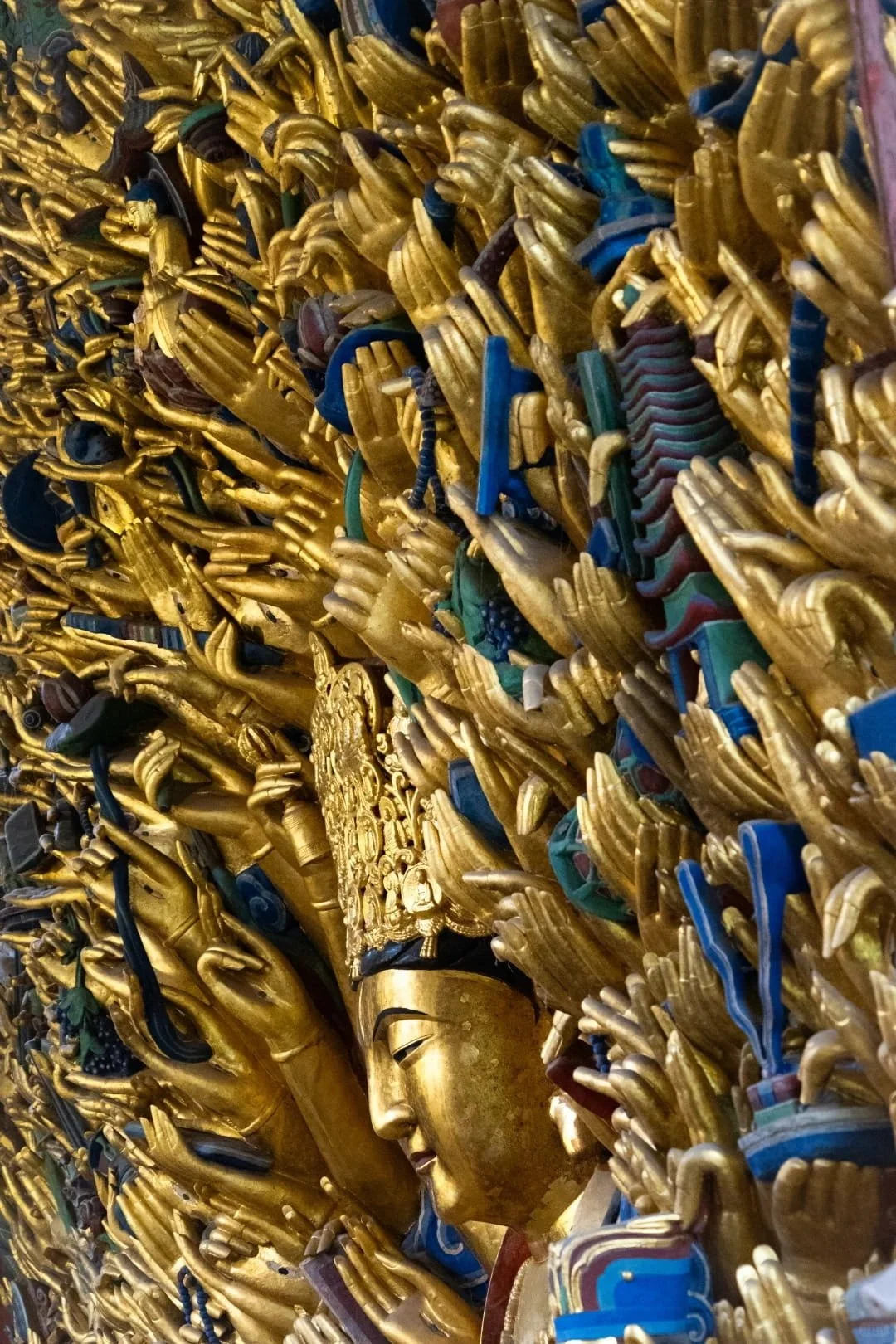
The main cultural draw is Dazu Rock Carvings, a UNESCO World Heritage Site about 90 minutes from central Chongqing. Carved between the 9th and 13th centuries, they represent the last monument of Chinese Buddhist cave art. The Thousand-Handed Guanyin features 1,007 actual hands, each in a different mudra. What sets Dazu apart is the storytelling: unlike earlier cave temples that focused on divine majesty, these carvings show everyday life including drunken monks, nursing mothers, and children playing.
Getting there: About 2.5 hours by flight from either Beijing or Shanghai. High-speed trains are also an option (around 8-9 hours from Shanghai, 12-13 hours from Beijing), and a good option if you're already travelling through central China or want to see more of the country along the way.
Nanjing: Where Empires Rose & Fell
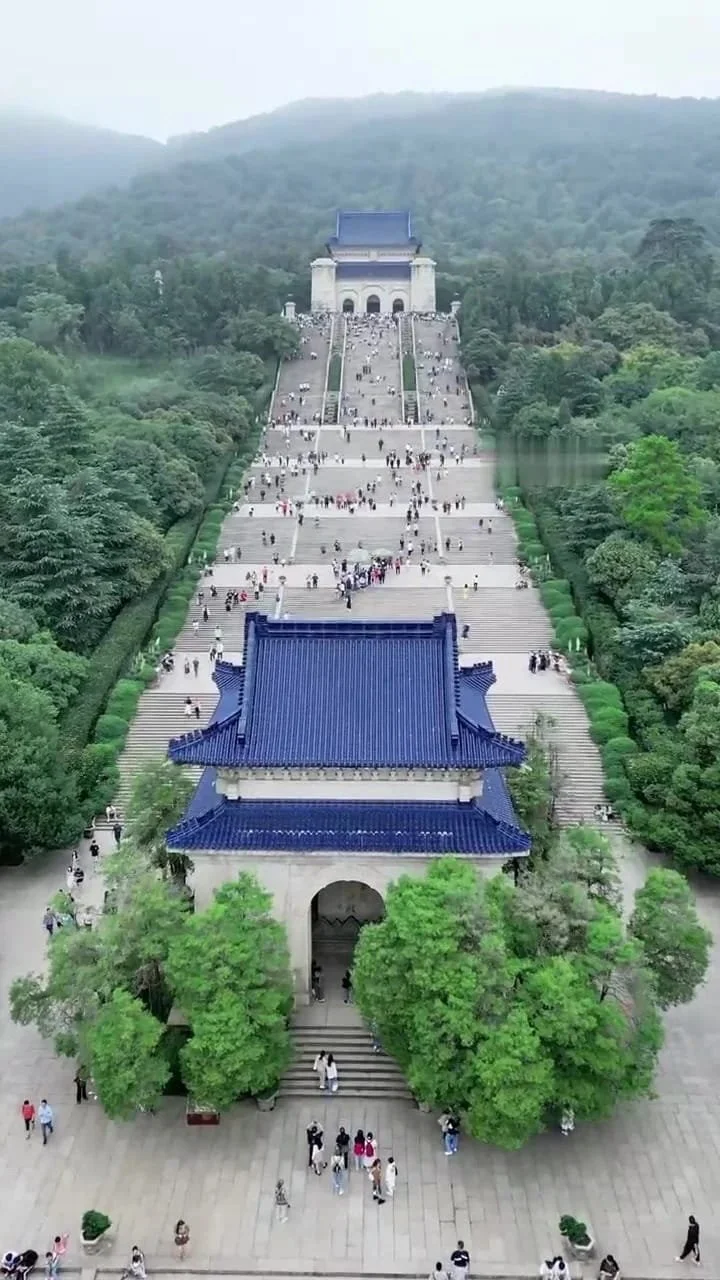
If you're a history buff, Nanjing should be on your itinerary. This city has served as the capital of six dynasties, each brick can tell stories spanning two thousand years. Its massive city wall is one of the best-preserved and longest in the world, stretching 35 kilometres around the old city, with multiple sections you can walk or bike along.
Sun Yat-sen's Mausoleum is monumental: 392 steps lead up to the memorial hall with its iconic blue-tiled roof, honouring the founder of modern China. The Presidential Palace houses fascinating exhibits on the Republican era, showing how China transitioned from empire to republic. The Nanjing Massacre Memorial Hall is a sobering look at one of World War II's darkest chapters. The Taiping Heavenly Kingdom History Museum tells the story of one of history's bloodiest civil wars, which killed an estimated 20-30 million people in the mid-1800s.Like we said, lots of stories to be told in this city, not all of them that peachy, but fascinating nonetheless.
Beyond the heavy history, the food provides its own cultural education. Nanjing salted duck, or yanshui ya, is delicately brined and poached, resulting in incredibly tender meat that's been the city's signature for over a thousand years. Duck blood and vermicelli soup sounds confronting but to the locals it’s comfort food at its finest, and you’ll barely be able to tell the difference from tofu. For something more familiar, pan-fried beef dumplings are a local specialty that are crispy on the bottom and juicy inside. For breakfast, try xiao long bao (some believe that soup dumplings originated here, not Shanghai) or duck oil shaobing, flaky pastries brushed with rendered duck fat.
Nanjing brocade, or yunjin, is one of China's most precious traditional textiles. Historically woven only for imperial robes, the intricate, colourful designs woven into the garments tell entire stories in a single piece of cloth. You can watch demonstrations at the Nanjing Brocade Museum, where weavers still use traditional wooden looms that require two people to operate.
Getting there: 3.5-4.5 hours from Beijing, just 1-1.5 hours from Shanghai, Nanjing is a stop on every train running between the two cities, making it perfect for breaking up the journey.
Practical Tips
China's high-speed trains are perfect, whether you’re taking side trips from Shanghai or side trips from Beijing, but they do require advance planning. Tickets are released 15 days ahead and sell out quickly around holidays. Use Trip.com to book with an international credit card. You'll need your passport to book and board. For full details, read our guide on China Train Travel.
Don’t forget to set up either Alipay or WeChat Pay before you go to China. Carry some cash for emergencies, but expect to use your phone for almost everything. We have instructions on those apps and many more that will make your trip much easier.
In China, you could spend months traveling and barely scratch the surface. These eight destinations show you sides of China that go well beyond surface level. Water towns where thousand-year-old fermentation techniques still shape daily life. Mountain cities that laugh at the concept of flat geography. Walled cities where merchants counted silver in underground vaults. Imperial tombs where emperors sleep beneath misty peaks. To see a true slice of Chinese life, these places are worth the journey
Frequently Asked Questions
-
Most destinations work well as 2-3 day trips. Shaoxing and Anji can be done as day trips from Shanghai if you have limited time, while Huangshan, Pingyao, and Chongqing are best with at least 2 nights. Allow extra time if combining multiple destinations.
-
Shaoxing is the easiest (1 hour by train) and offers ancient water town culture and fermentation sites. Huangshan is best for nature lovers, with dramatic mountain scenery and traditional villages. Anji works well if you want bamboo forests and tea gardens without going far.
-
Pingyao offers the most complete historical experience with its preserved walled city and ancient banking culture. Yi County and Yishui Lake are better for nature and outdoor activities. Both are 2-4 hours from Beijing.
-
English is limited in these regional destinations compared to Beijing and Shanghai. Download translation apps, have addresses written in Chinese characters, and consider booking accommodation that can help with local logistics. High-speed trains are easy to navigate even without Chinese.
-
Spring (March-May) and autumn (September-November) offer the best weather across most destinations. Avoid Chinese national holidays (Golden Week in October, Chinese New Year) when trains and attractions get extremely crowded. Summer works well for Huangshan's cloud seas and Anji's stargazing.
-
Book through Trip.com 15 days in advance using your passport details. Tickets sell out quickly during holidays. You'll need your passport to collect tickets and board trains. For complete booking instructions and tips, read our China train travel guide. Some destinations require changing trains in major cities.