
Forget Michelin. China Made Its Own Restaurant Guide.
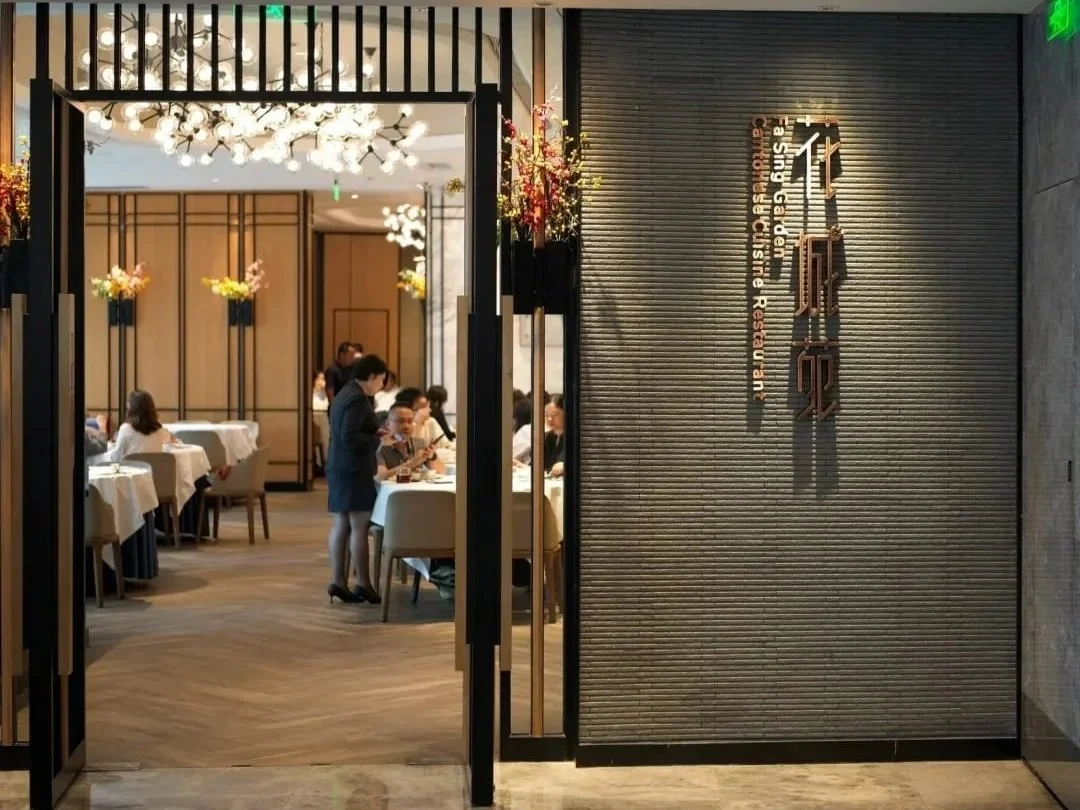
The lift opened onto the fifth floor of an unremarkable hotel building in Pearl River New City, and I almost turned around. There was no fancy sign or queue of tourists to suggest I'd found the right place. I had, though. Inside, every table was full. I was the only foreigner in the room, which is precisely why I trusted what I'd come for.
I'd found Huachengyuan Restaurant (花城苑广府菜 Huā Chéng Yuàn Guǎngfǔ Cài) through the Black Pearl Restaurant Guide, and if you haven't heard of it, let me fix that for you. This is a one-diamond Black Pearl restaurant in Guangzhou, not a place most visitors know to look for, not something that shows up on the usual travel lists, just a quietly excellent Guangfu restaurant that Chinese diners have been filling on weeknights for years. The braised goose arrived dark and glistening, the kind of slow braise that takes most of a day and tastes like it. The shrimp roe steamed egg was the dish I still think about, with roe folded through rather than sitting on top, so every spoonful tasted of the sea. The lotus root cake came out of the pan crisp at the edges and soft through the middle. Simple food, done to perfection.
That meal proved to me that this is what the Black Pearl is for.
What Is the Black Pearl Restaurant Guide?

The Black Pearl Restaurant Guide (黑珍珠餐厅指南, Hēi Zhēnzhū Cāntīng Zhǐnán) is an annual dining guide published by Meituan, China's largest food delivery and review platform, often called China’s Michelin. From the beginning, its stated purpose was to build a list specifically for Chinese palates, evaluated through Chinese eyes. The comparison to Michelin is inevitable and, to some extent, fair. There are anonymous inspectors, a tiered rating system, an annual release. But the philosophy is different. Michelin is, at its core, a travel guide. The Black Pearl was built as a local restaurant guide for local people.
That distinction matters enormously when you're trying to figure out where to eat in China.
How It Works
Launched in 2018, the Black Pearl Restaurant Guide evaluates restaurants using three criteria: culinary excellence, dining experience, and culinary inheritance and innovation. Restaurants are awarded one, two, or three diamonds. One diamond means great for gatherings with family and friends. Two diamonds is perfect for special occasions. Three diamonds is a once-in-a-lifetime meal. The evaluation combines anonymous visits from a panel of food experts, culinary masters, and seasoned diners, cross-referenced against big data from Meituan and its sister platform Dianping, China's answer to Yelp, with over a billion reviews in its database.
The result is a list that has passed scrutiny from people who genuinely know and care about Chinese food, backed by what millions of actual Chinese diners think. It is currently in its eighth year, and covers over 370 restaurants across 32 cities on the Chinese mainland, plus international listings that have been growing steadily.
Why "Inheritance and Innovation" Changes Everything
The inheritance and innovation criterion (传承创新, chuánchéng chuàngxīn) is the feature that most distinguishes the Black Pearl from Michelin. The first two evaluation criteria, culinary excellence and dining experience, map roughly onto what Michelin is looking for. The third does not exist anywhere in the Western guide world, and it is the most interesting.
Inheritance and innovation asks a question that Michelin never does: is this restaurant part of a living culinary lineage? Does the chef understand what came before them, and are they doing something meaningful with it? Chinese food culture is built on the idea of transmission, techniques, recipes, and philosophies passed down through generations, through families, through apprenticeships that can span decades. The Black Pearl formalises that. A restaurant cooking guanfu cai, the elaborate private cuisine of Qing dynasty scholar-officials, is not just being asked whether the food is delicious. It is being asked whether the chef understands what that cuisine meant and whether they are keeping it alive honestly.
This also explains something that might otherwise seem surprising: a hot pot restaurant can hold a Black Pearl diamond for six consecutive years. Hot pot is not a chef-driven cuisine in the usual sense, it’s a communal tradition, and the Black Pearl explicitly values doing a tradition well.
How Do I Find Black Pearl Restaurants in China?
The Black Pearl Guide lives on two apps: Meituan (美团) and Dianping (大众点评), as well as its website. Both are free to download, and both list every year's winners with location, diamond rating, and reviews. Search for 黑珍珠 within either app and filter by city. You will see the diamond badge on each listed restaurant's profile. If you haven't set up the apps yet, our guide to the essential apps for travelling in China will walk you through everything you need.
One thing worth knowing: Michelin currently covers only a handful of Chinese cities: Shanghai, Beijing, Guangzhou, Chengdu, Hangzhou, Shenzhen, and the Fujian cities. The Black Pearl covers 32 cities on the mainland and is expanding every year. For a huge proportion of the country, it is the only serious curated guide doing this work. Wherever you are in China, it is worth checking before you eat.
A Few Places Worth Finding
These are restaurants we have been keeping an eye on, across a range of cities and cuisines.
Chongqing
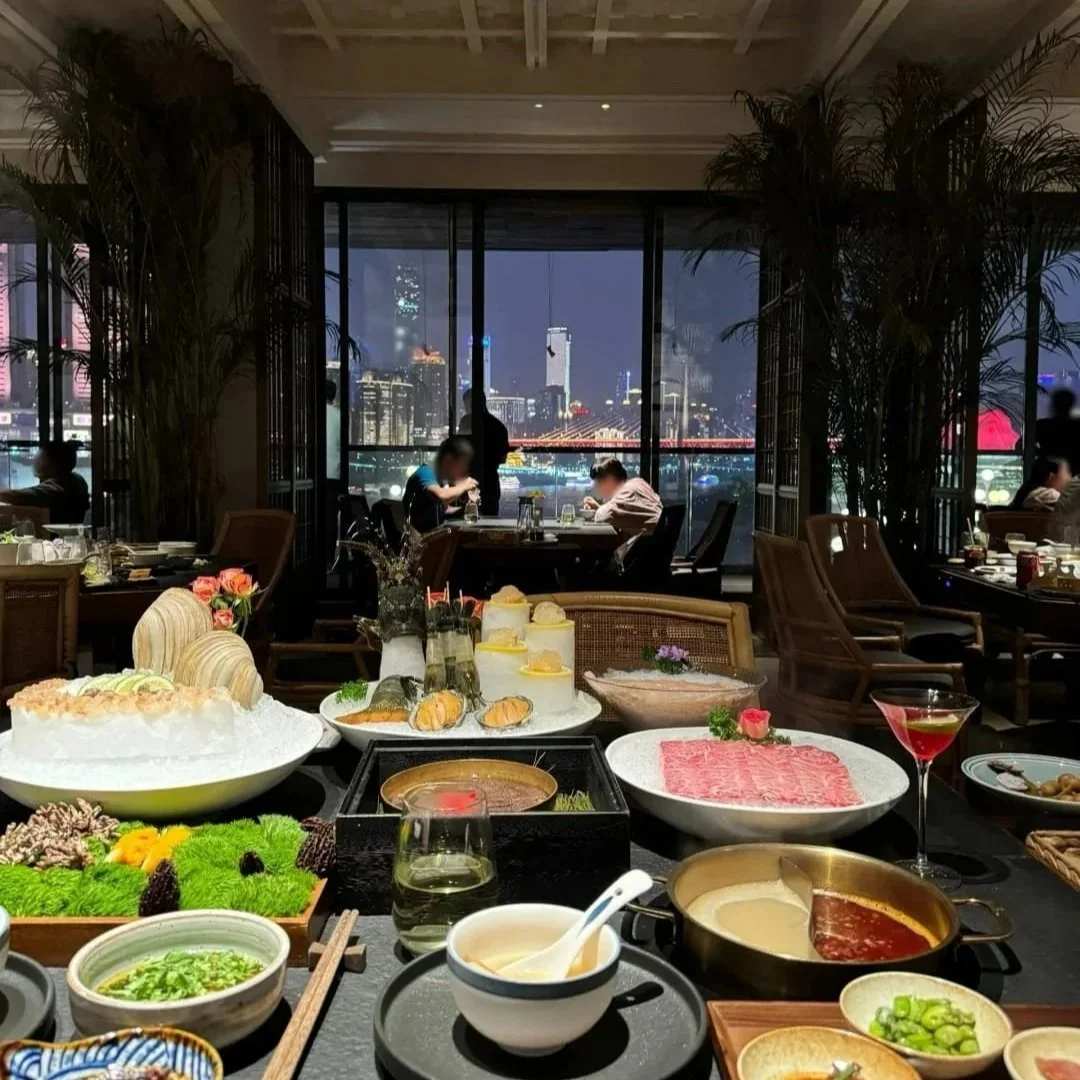
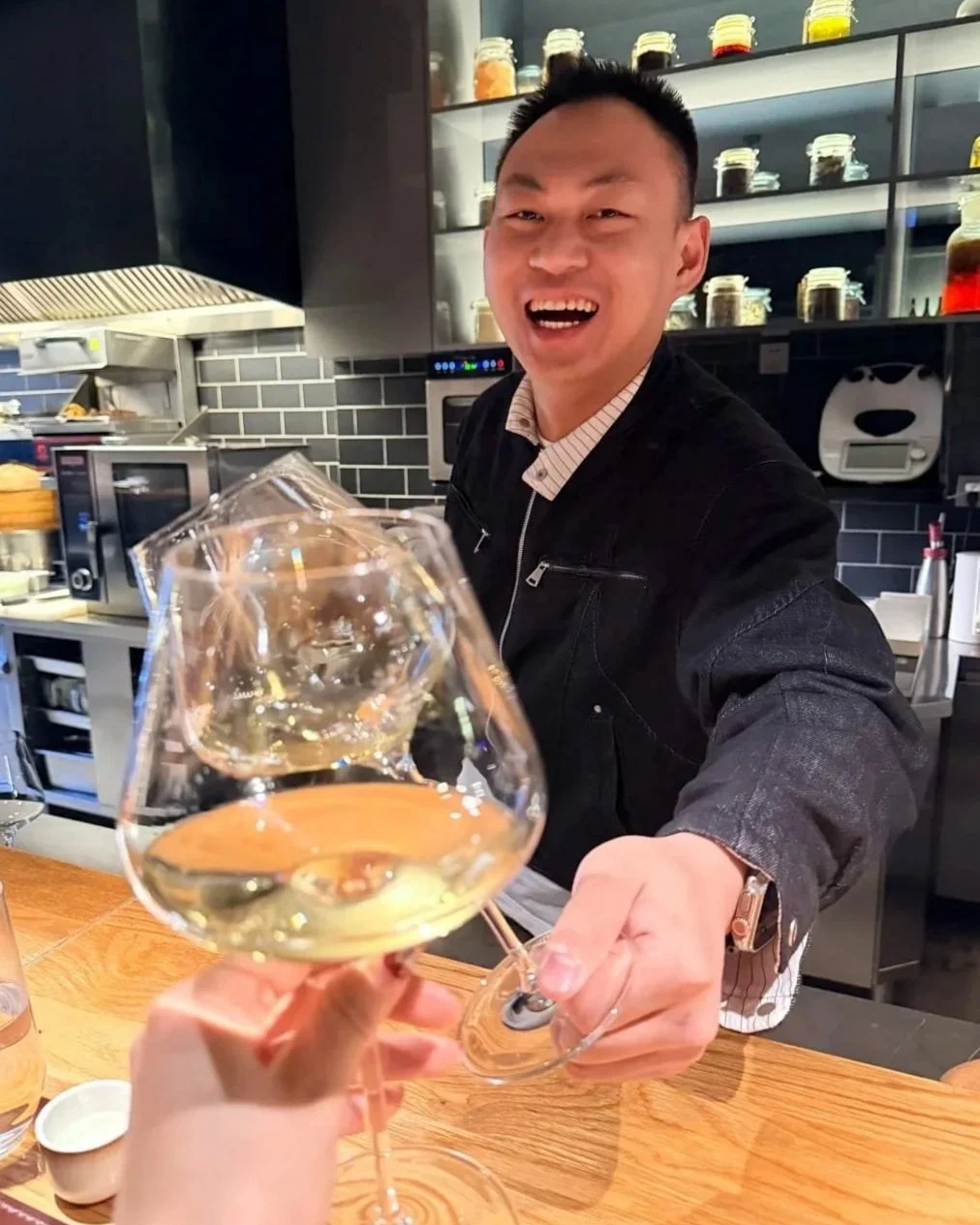
滟设火锅料理 (Yàn Shè Huǒguō Liào Lǐ) has held a one-diamond rating for six consecutive years, and its story is worth knowing. One of the co-founders spent years working internationally for a major hot pot chain and came home convinced that Chongqing's most famous dish could go upscale, not by abandoning what makes it great, but by treating it with the care usually reserved for a tasting menu. Each diner gets their own individual pot, a yin-yang split between spicy and clear broths, with ingredients sourced from New Zealand, Canada, and the East China Sea alongside Sichuan's best local produce. It sits on the Nanbin Road waterfront where the Yangtze and Jialing rivers meet, which helps. We've written a full Chongqing guide if you want to plan the rest of your time there.
Xiamen
燃餐厅 RAN THE CHEF'S TABLE seats sixteen people and changes its menu every quarter, built almost entirely around the ingredients of Minnan cuisine. Minnan (闽南, literally "southern Fujian") is the culinary tradition of the Xiamen and Quanzhou coast: intensely fresh seafood, light broths, and a sweet-savoury balance that feels completely different from the bold, fermented flavours of northern Fujian. It is a tradition that rarely travels far from its source, which makes finding it done well here worth noting. Chef Ye Linhui earned his Black Pearl at 22, having entered the industry at 14. After the restaurant appeared on a Chinese food TV programme, it went to 100% capacity immediately and has stayed there. Book well ahead. We run a small group food tour in Xiamen if you want to go deeper into the city's food scene, or you can start with our Xiamen guide.
Kunming
翠府·翠湖北路店 (Cuì Fǔ, Jade Mansion) has been on the list for six consecutive years and won the inaugural Black Pearl Annual Dish Award in 2024 for its preparation of Yunnan tree tomatoes from Xishuangbanna matched with snow fungus using Cantonese technique. The dish uses an ingredient barely known outside Yunnan's tropical south, and after the award its sales doubled while tree tomato started appearing on restaurant menus across the country. That ripple effect is what the Black Pearl can do for a regional ingredient that would otherwise never leave its province. Kunming is one of the stops on our China Wine Trail tour, which is as good an excuse as any to eat here.
Shantou
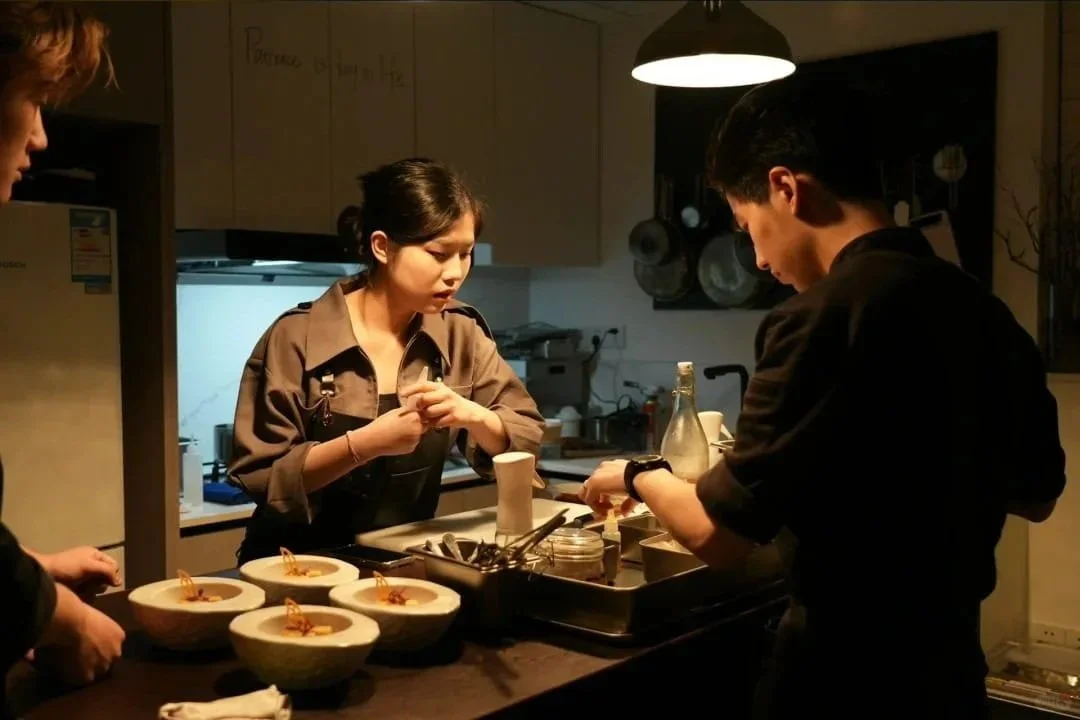
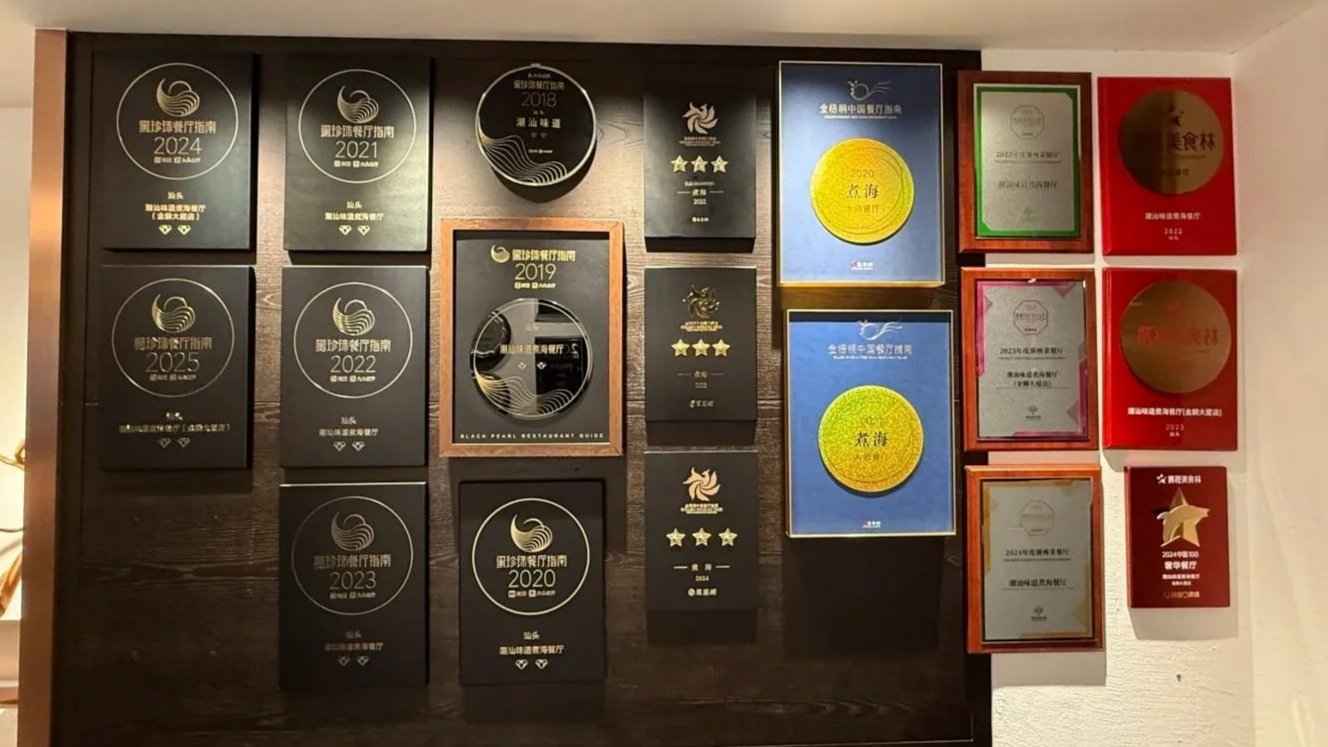
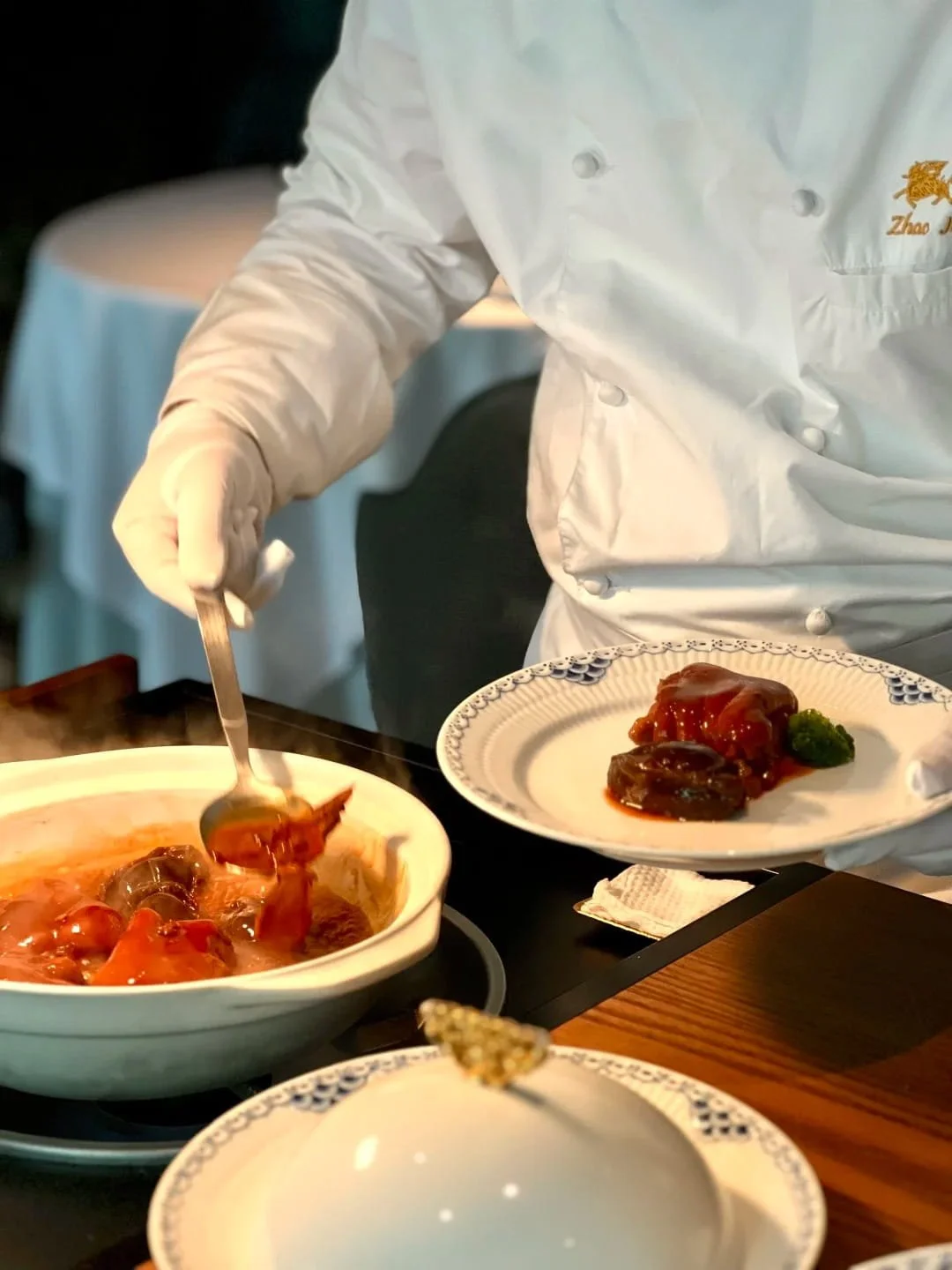
潮汕味道煮海 (Cháoshān Wèidào Zhǔ Hǎi) holds two diamonds and has been on the list for eight consecutive years. Shantou is the heartland of Chaozhou cuisine, one of the most technically demanding and ingredient-focused traditions in China, and this is its most prominent Black Pearl entry. The cooking is built around time: slow-braised goose, seafood treated with a restraint that requires constant attention, preparations where patience is the main ingredient. If Chaozhou cuisine is anywhere on your radar, this is the place to understand why Chinese food lovers treat it with the reverence they do.
Shanghai
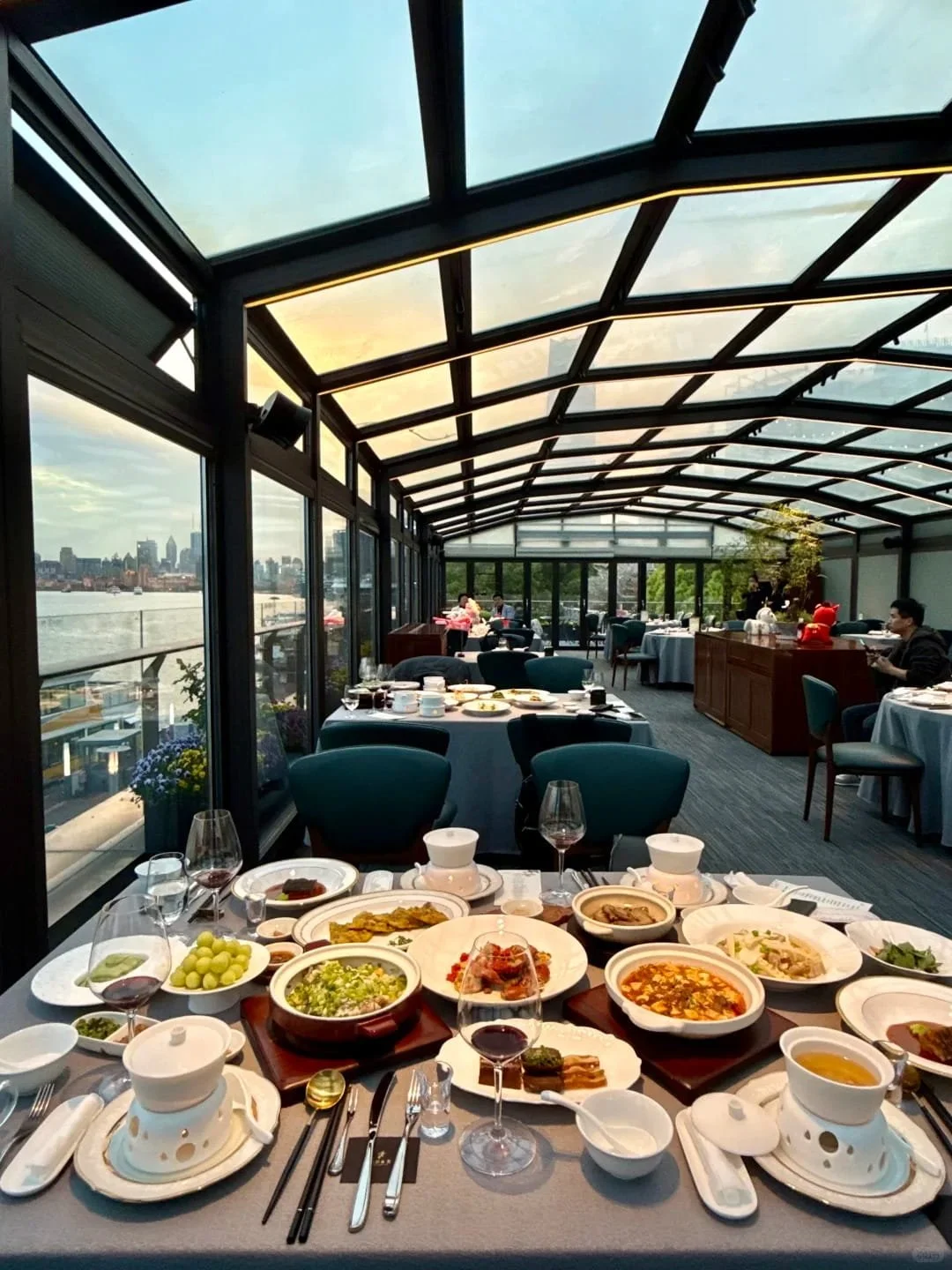
甬府·北外滩 (Yǒng Fǔ) holds three diamonds, the highest rating, and also holds a Michelin star, which makes it a useful illustration of how the two guides can overlap without being the same thing. 甬 is the ancient name for Ningbo, and this is one of the very few restaurants in China making Ningbo cuisine the centrepiece. The coastal tradition of the Yangtze Delta, precise, ingredient-focused, built on seafood and fermented flavours that have been refined over centuries, is something most visitors to Shanghai have never knowingly encountered. The fact that it reached three Black Pearl diamonds reflects how seriously Chinese diners have reassessed what regional cooking deserves to be celebrated.
Beijing
京季荣派官府菜 (Jīng Jì Róng Pài Guānfǔ Cài) holds two diamonds and two Michelin stars, another overlap worth discussing. Guanfu cai (官府菜) is the food of the Qing dynasty scholar-official class, dishes developed in the private kitchens of government ministers and wealthy literati families, refined over generations, and never meant for public consumption. This tradition was effectively lost for most of the twentieth century and has only recently begun to be recovered. The Black Pearl promoted 京季 from one diamond to two in 2025, a recognition that reflects exactly what the inheritance criterion was designed to reward: a restaurant doing the serious, quiet work of bringing something almost lost back to the table.
China spent decades having its food evaluated by standards developed elsewhere. The Black Pearl Restaurant Guide is the formal articulation of something that has always been true: Chinese diners know their own food, they have exacting standards, and those standards produce a different list than the one a French tyre company would compile. When both guides agree on a restaurant, that is genuinely interesting. When they diverge, the Black Pearl is often the more useful place to look.
Open the app. Search your city. See what comes up. The room full of locals who all clearly know something you don't is usually only a few taps away.
Frequently Asked Questions
-
The Black Pearl Restaurant Guide (黑珍珠餐厅指南) is an annual dining guide published by Chinese technology company Meituan. Launched in 2018, it evaluates restaurants based on culinary quality, dining experience, and culinary inheritance and innovation. Restaurants are awarded one, two, or three diamonds, with three being the highest rating. It currently covers over 32 cities on the Chinese mainland plus international cities.
-
Michelin applies a universal standard developed for an international audience. The Black Pearl is specifically calibrated to Chinese culinary values and the preferences of Chinese diners, and includes a dedicated criterion for culinary inheritance that Michelin does not have. Michelin in China covers around seven cities; the Black Pearl currently covers over 32 mainland cities.
-
Download the Meituan (美团) or Dianping (大众点评) app and search for 黑珍珠. Both apps are free and allow you to filter by city, view diamond ratings, and access reviews and booking information for each listed restaurant. Both apps are available in English and Chinese, though most restaurant listings and reviews are in Chinese.
-
No. The guide covers a wide price range. Some listed restaurants charge over 1,000 RMB per person; others come in under 200 RMB. One-diamond restaurants in particular vary significantly in price point.
-
The 2026 guide covers 32 cities on the Chinese mainland, including Beijing, Shanghai, Guangzhou, Chengdu, Hangzhou, Shenzhen, Kunming, Wuhan, Changsha, Chongqing, Shantou, Xiamen, Nanjing, Quanzhou, Qingdao, and others. New cities are added each year.
-
One diamond means the restaurant is great for gatherings with family or friends. Two diamonds means it is ideal for a special occasion. Three diamonds means it is a once-in-a-lifetime dining experience.
-
Yes. The Black Pearl is the most comprehensive curated dining guide for mainland China, covering over 32 cities compared to Michelin's coverage of around seven. Because it evaluates restaurants using Chinese culinary standards and is backed by data from hundreds of millions of Dianping reviews, it reflects what knowledgeable local diners actually think — which makes it more useful than Michelin for finding authentic regional Chinese cuisine.